Using LLM Software to Analyze Supplier Capabilities
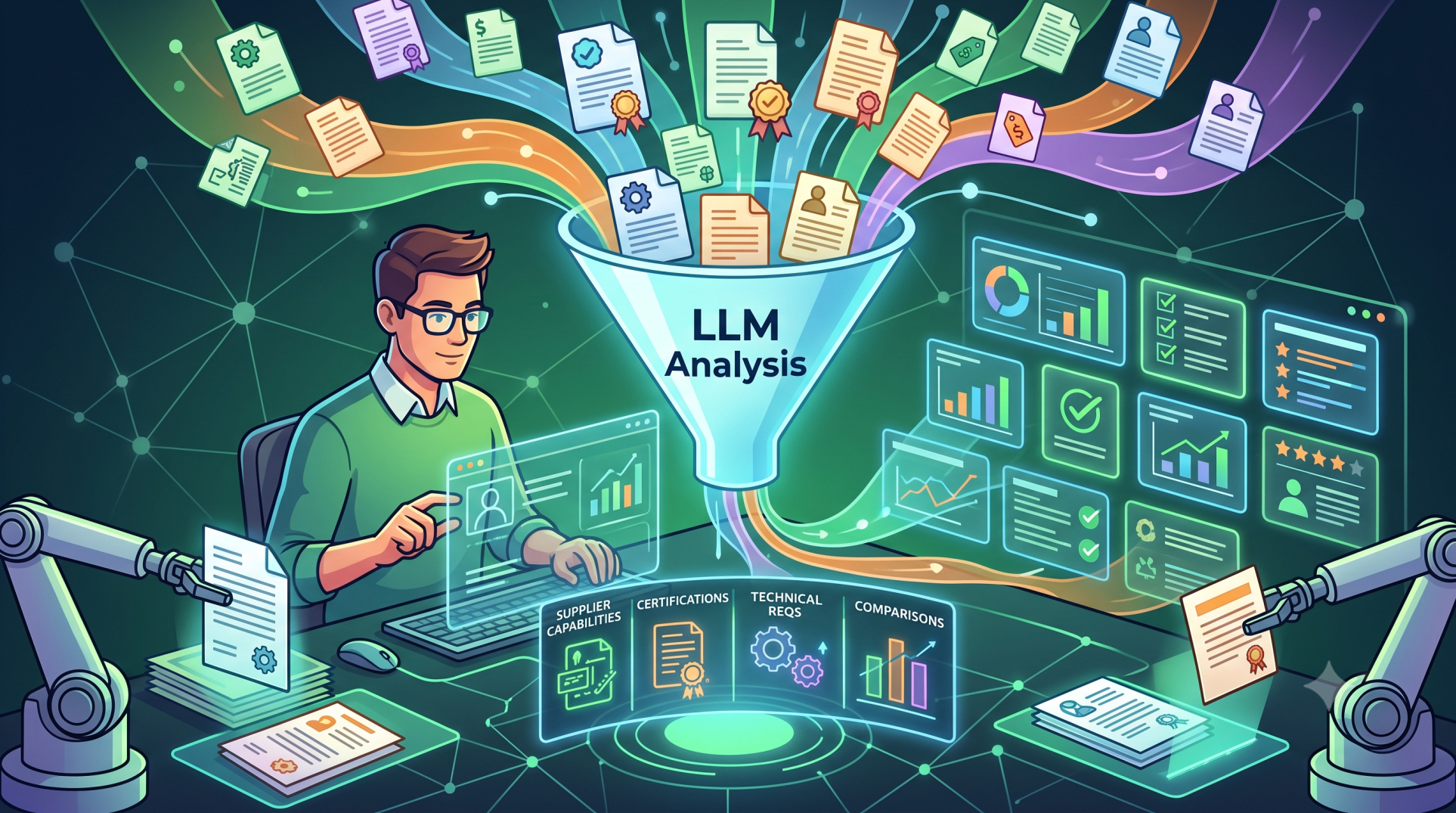
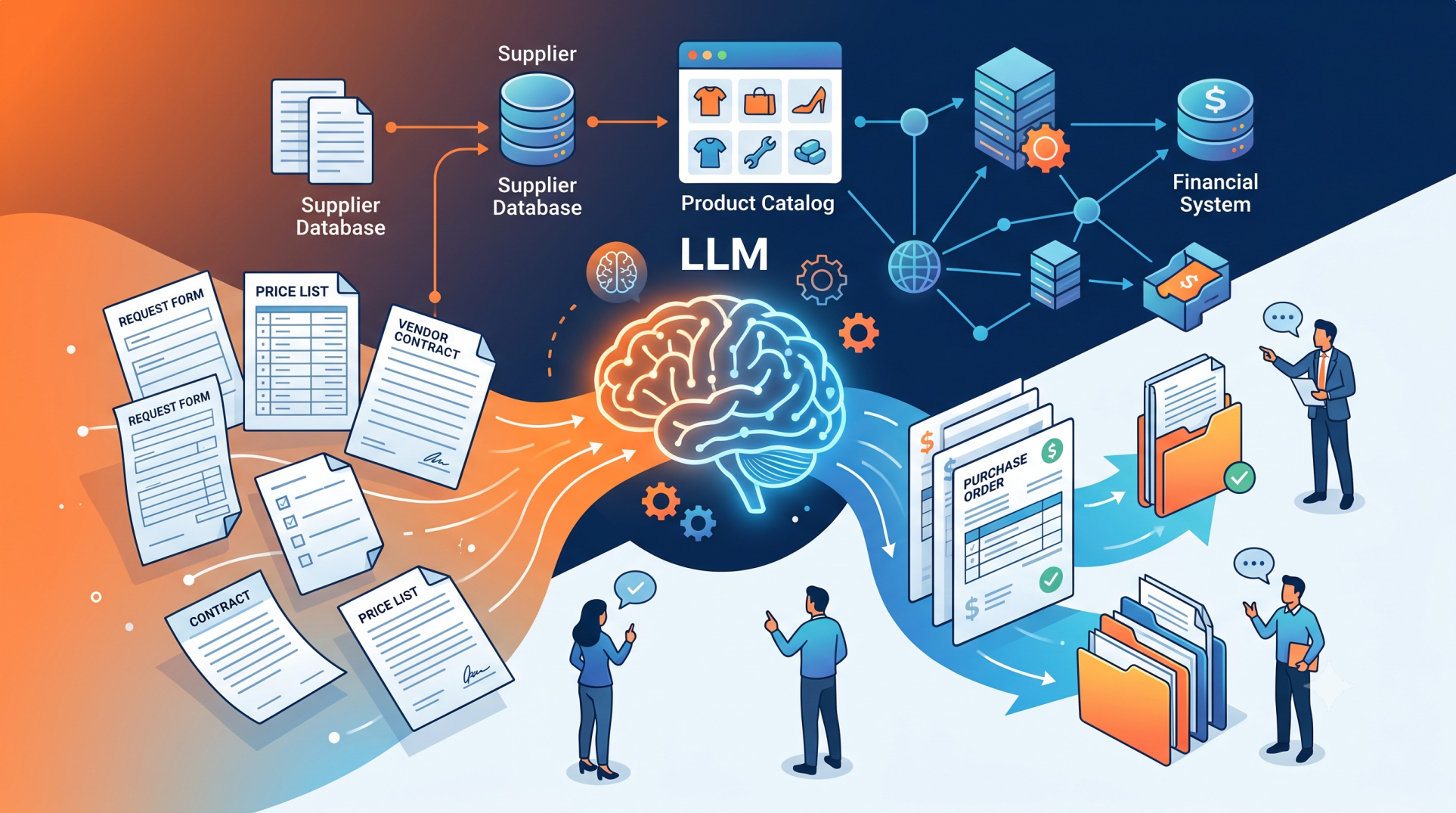
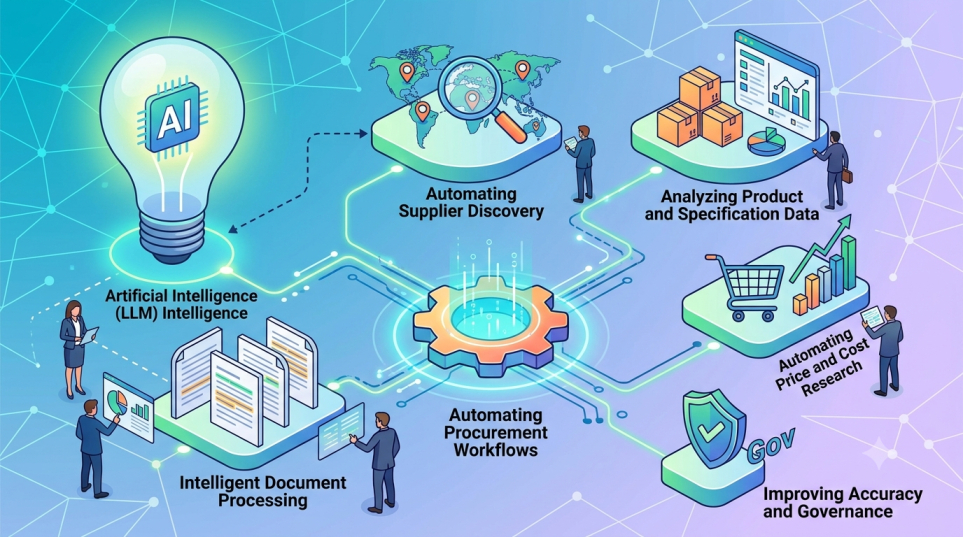
Supplier evaluation often requires procurement teams to review large volumes of technical documents, certifications, product information, contracts, company profiles, and performance records. Manually analyzing these sources can be time-consuming and make it difficult to maintain consistent supplier assessments. LLM software can help organize supplier information, extract relevant capabilities, compare documentation, and provide structured insights that support procurement workflows.
Step 1: Collecting Supplier Information 📄
• Gather supplier profiles, product catalogs, technical documents, certifications, contracts, and proposals. 🗂️
• Collect information from supplier portals, emails, procurement systems, and approved data repositories. 🔗
• Organize documents according to suppliers, products, categories, and business requirements. 📊
• Maintain document versions to ensure analysis uses current information. 🔄
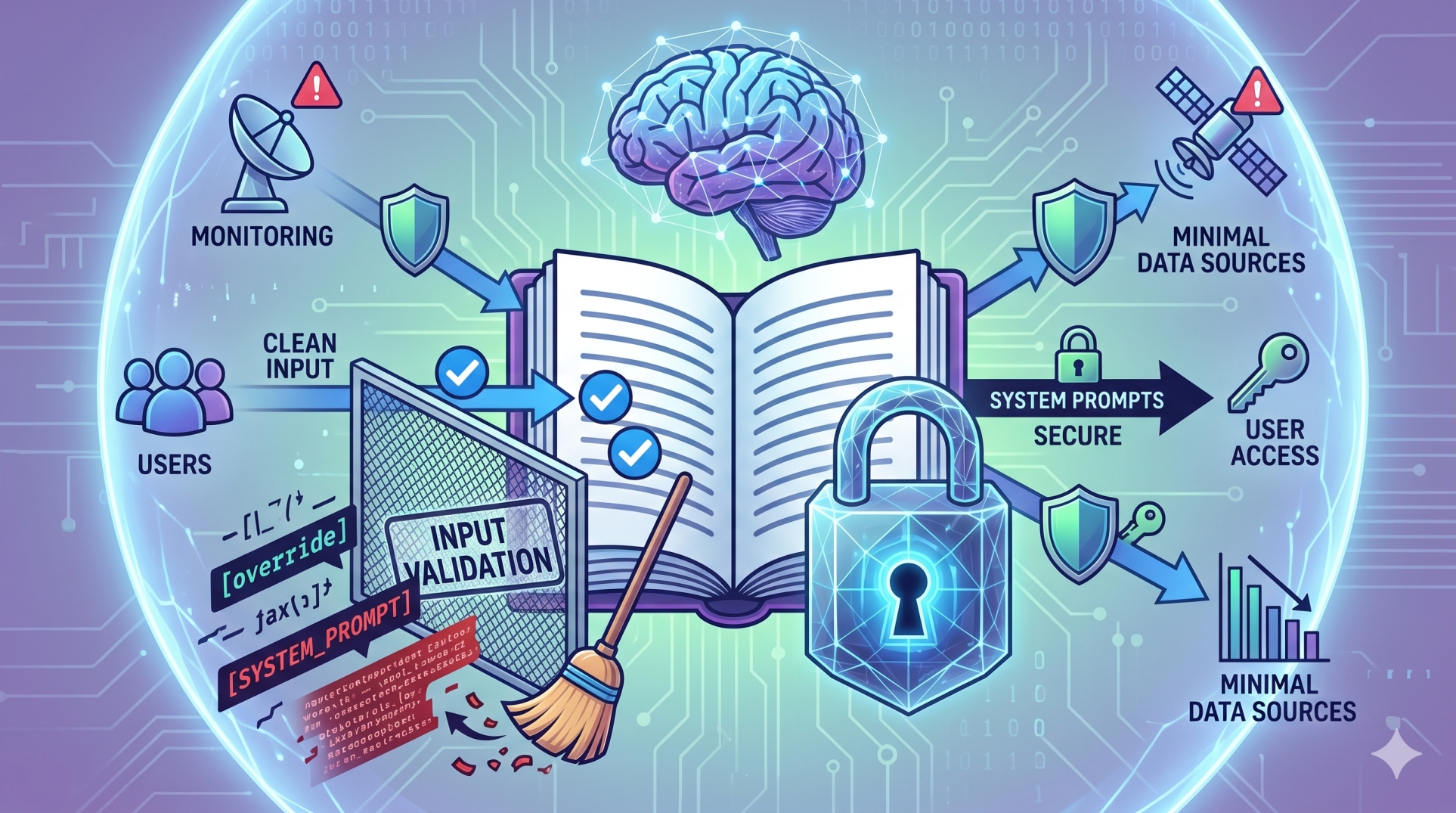
• Establish appropriate access controls for confidential supplier information. 🔐
Step 2: Extracting Supplier Capabilities 🧠
• Use LLM software to identify products, services, technical expertise, and operational capabilities. 🔎
• Extract information about production capacity, geographic coverage, certifications, and supported industries. 🏭
• Convert unstructured supplier descriptions into structured capability profiles. 📋
• Identify specialized equipment, technologies, processes, and service offerings. ⚙️
• Organize extracted information into formats that procurement teams can review efficiently. 📊
Step 3: Analyzing Technical Requirements 📐
• Compare supplier capabilities against defined technical and operational requirements. 🔍
• Identify which supplier offerings align with required specifications. 🎯
• Detect missing capabilities or unclear information that requires additional verification. ⚠️
• Analyze technical terminology across documents from different suppliers. 🧩
• Maintain references to the original documents supporting extracted information. 📚
Step 4: Evaluating Certifications and Compliance 📋
• Identify certifications, licenses, standards, and compliance documentation provided by suppliers. 🔎
• Extract certification names, issuing organizations, expiration dates, and applicable scopes. 📄
• Flag missing or outdated documentation for procurement review. ⚠️
• Compare supplier documentation against internal qualification requirements. ✅
• Maintain an organized record of compliance-related information. 🗃️
Step 5: Comparing Multiple Suppliers 🔄
• Create structured comparisons across supplier capabilities and offerings. 📊
• Identify differences in products, services, capacity, coverage, and technical expertise. 🔎
• Highlight areas where suppliers provide similar or specialized capabilities. 🧩
• Surface missing information that prevents a complete comparison. ⚠️
• Generate standardized supplier summaries for procurement teams. 📝
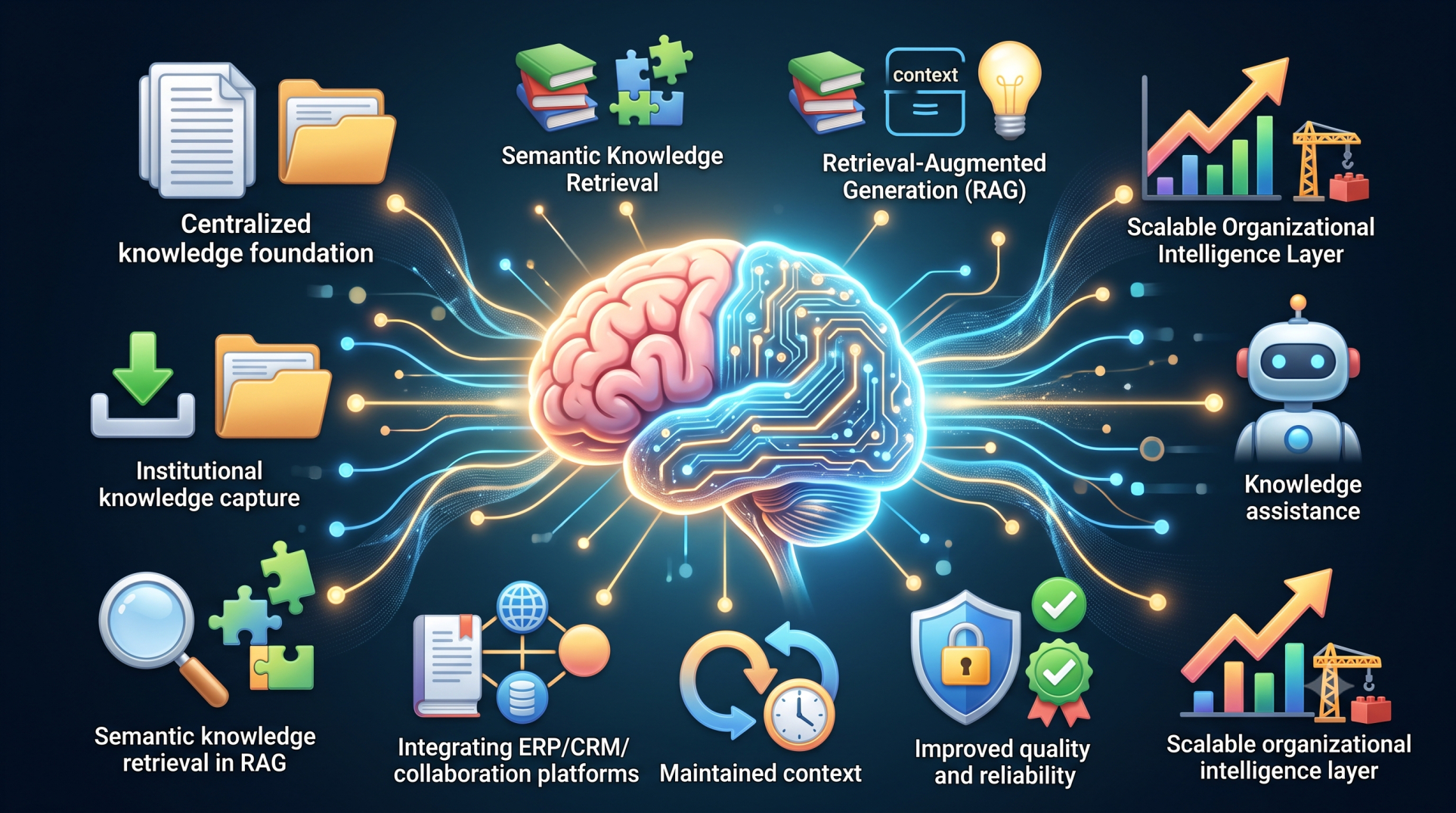
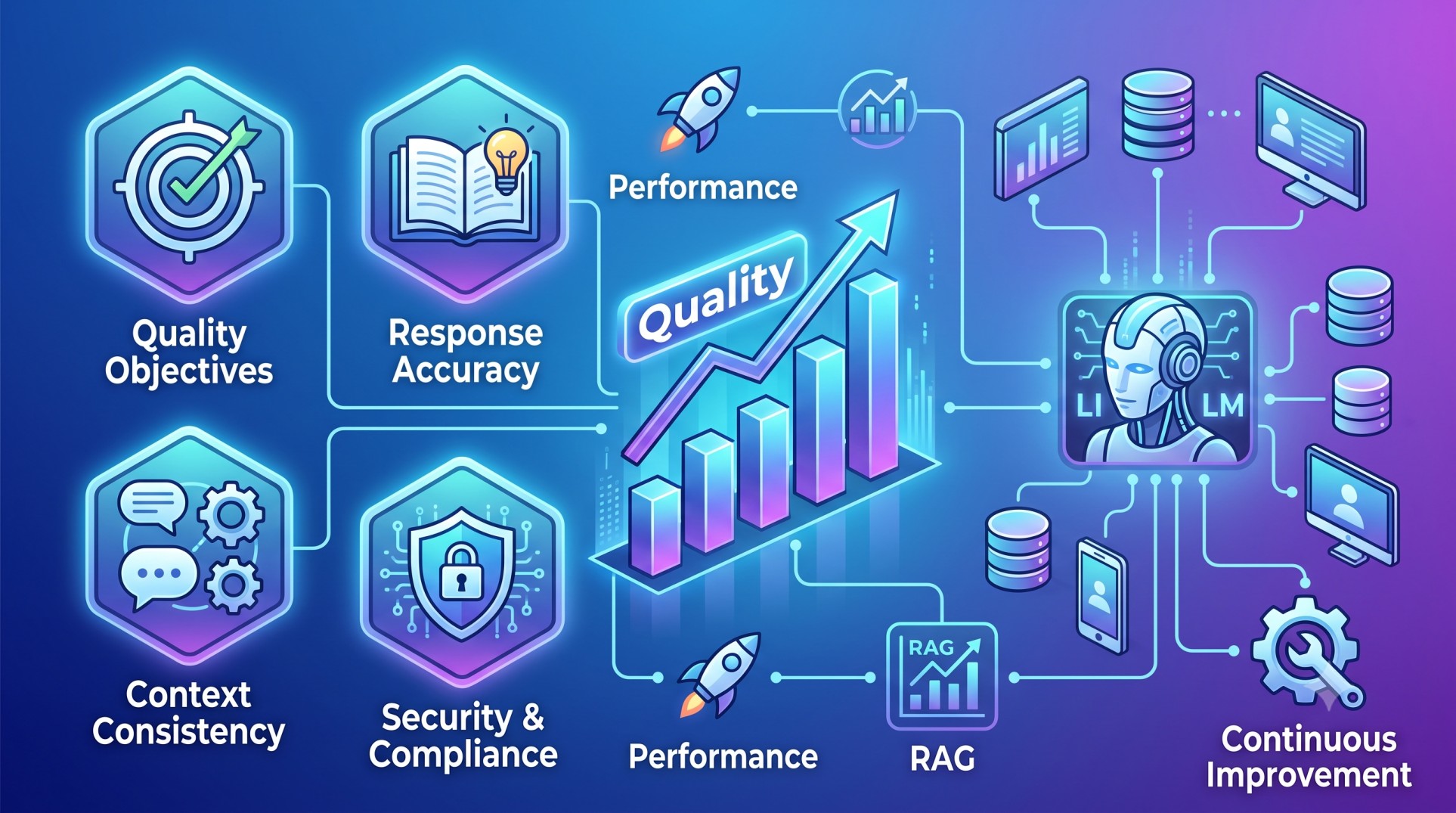
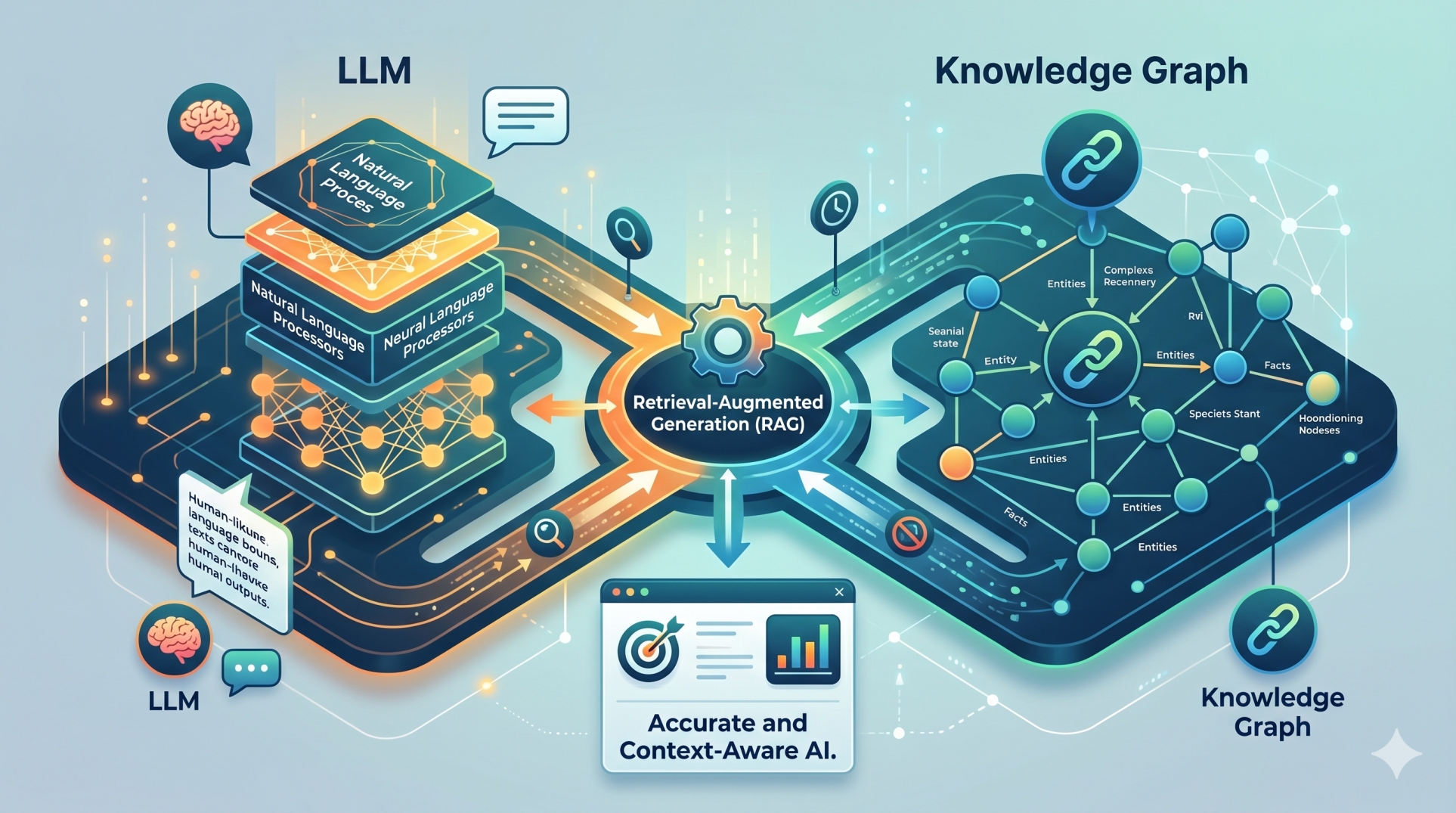
Step 6: Using RAG for Context-Aware Analysis 🧠
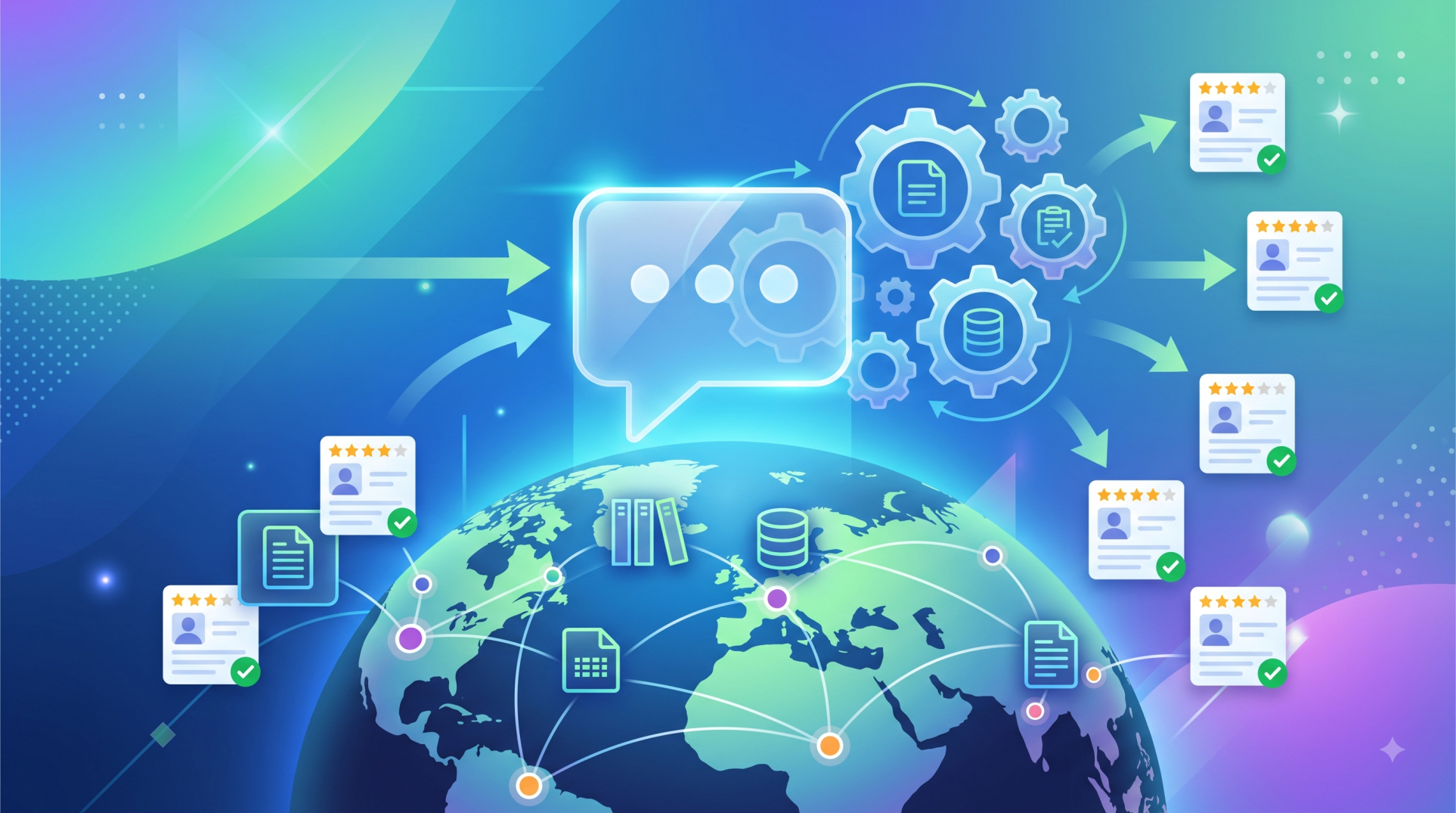
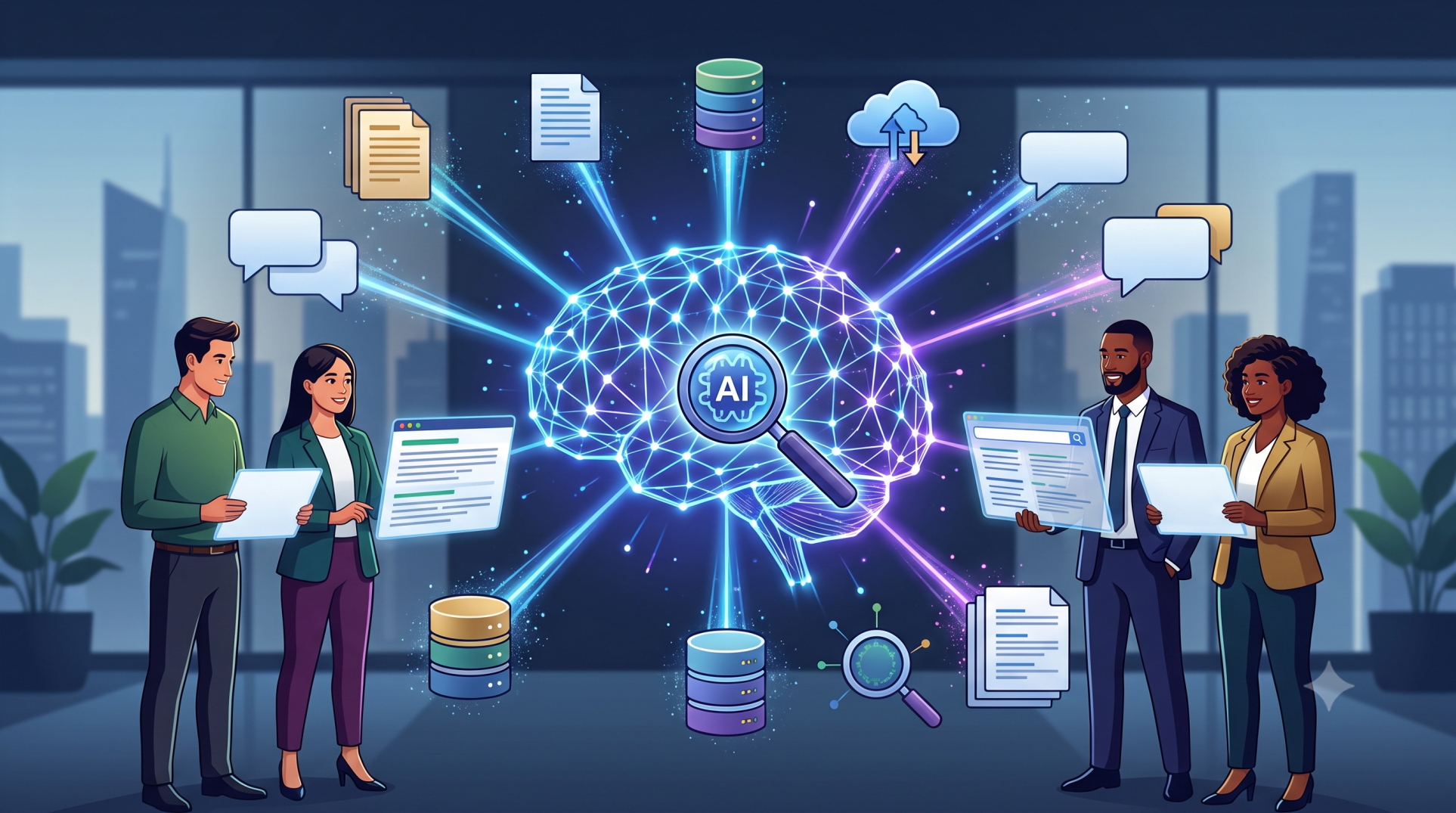
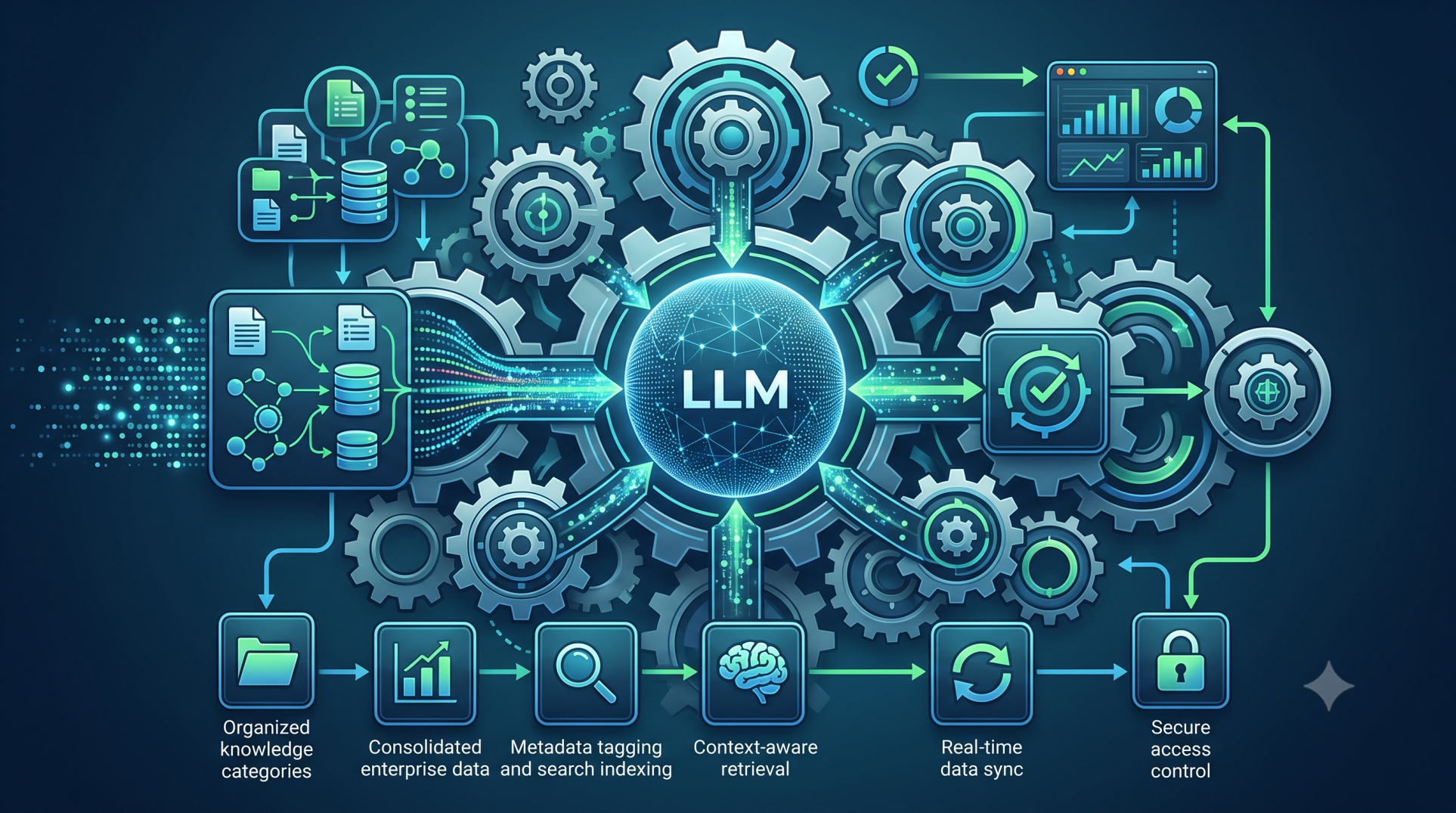
• Connect LLM systems with approved supplier databases, procurement policies, and technical documentation. 🔗
• Retrieve relevant information before generating supplier analysis. 📚
• Use semantic search to locate capabilities across large document collections. 🔎
• Provide the LLM with current enterprise information rather than relying solely on general model knowledge. 🛡️
• Keep supplier analysis connected to verified organizational data. ✅
Step 7: Identifying Supplier Strengths and Gaps 🎯
• Identify capabilities that closely match specific procurement requirements. 🔍
• Highlight areas where supplier information does not fully address requirements. ⚠️
• Detect potential gaps in capacity, certifications, geographic coverage, or technical expertise. 📊
• Identify additional information that procurement teams may need to request. 📋
• Present findings in a structured format for human review. 👥
Step 8: Integrating Supplier Analysis with Procurement Workflows 🔗
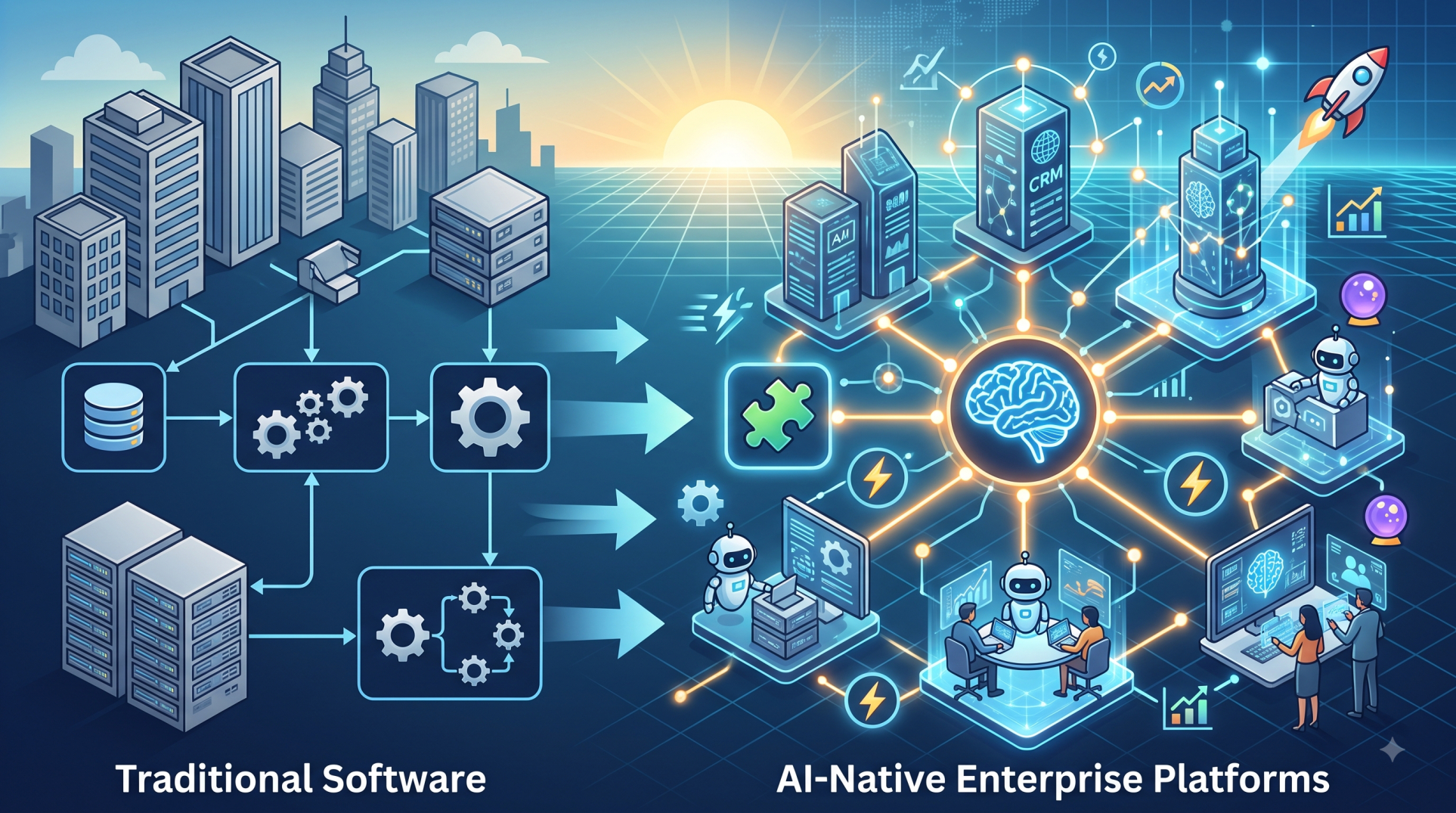
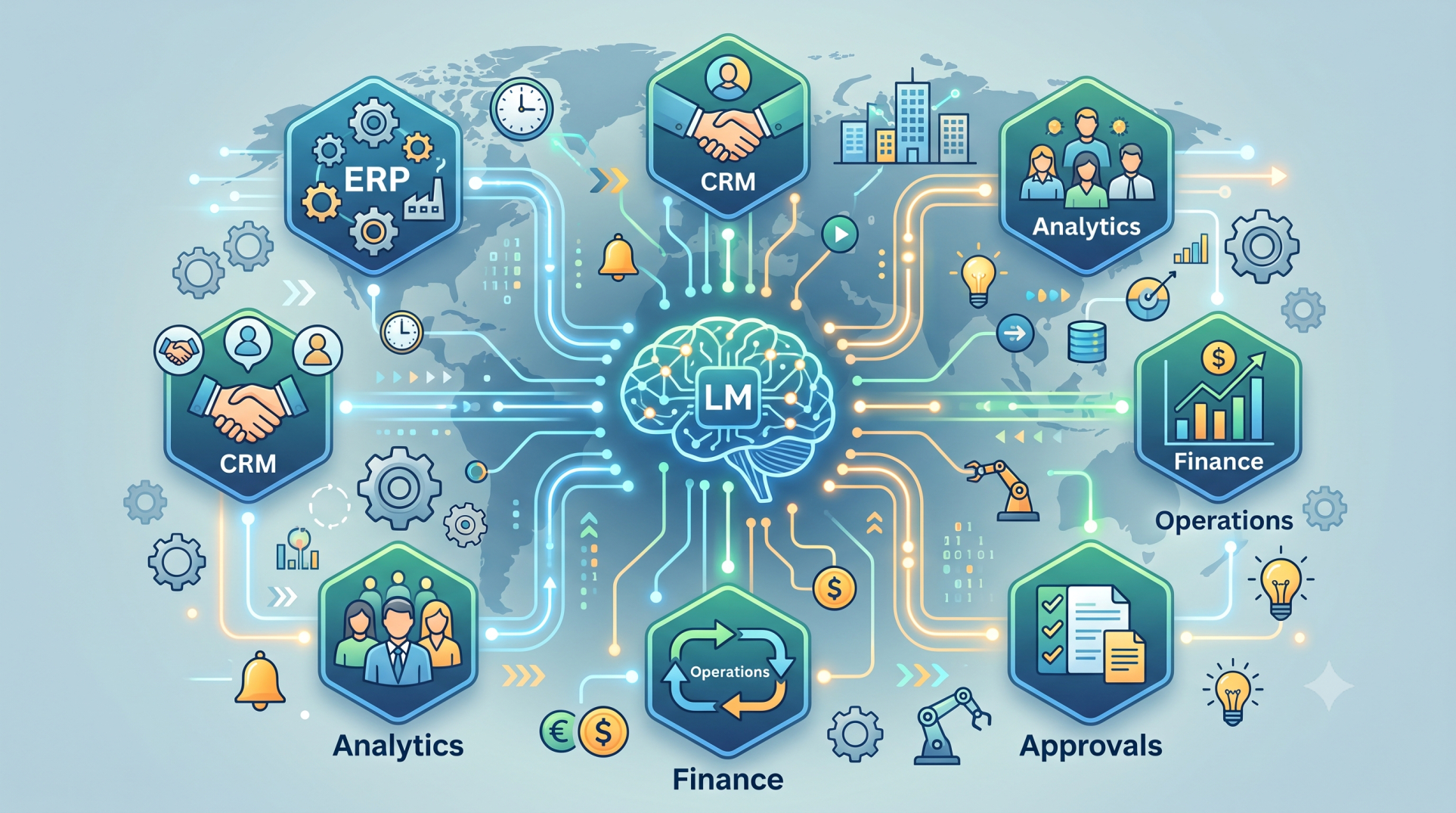
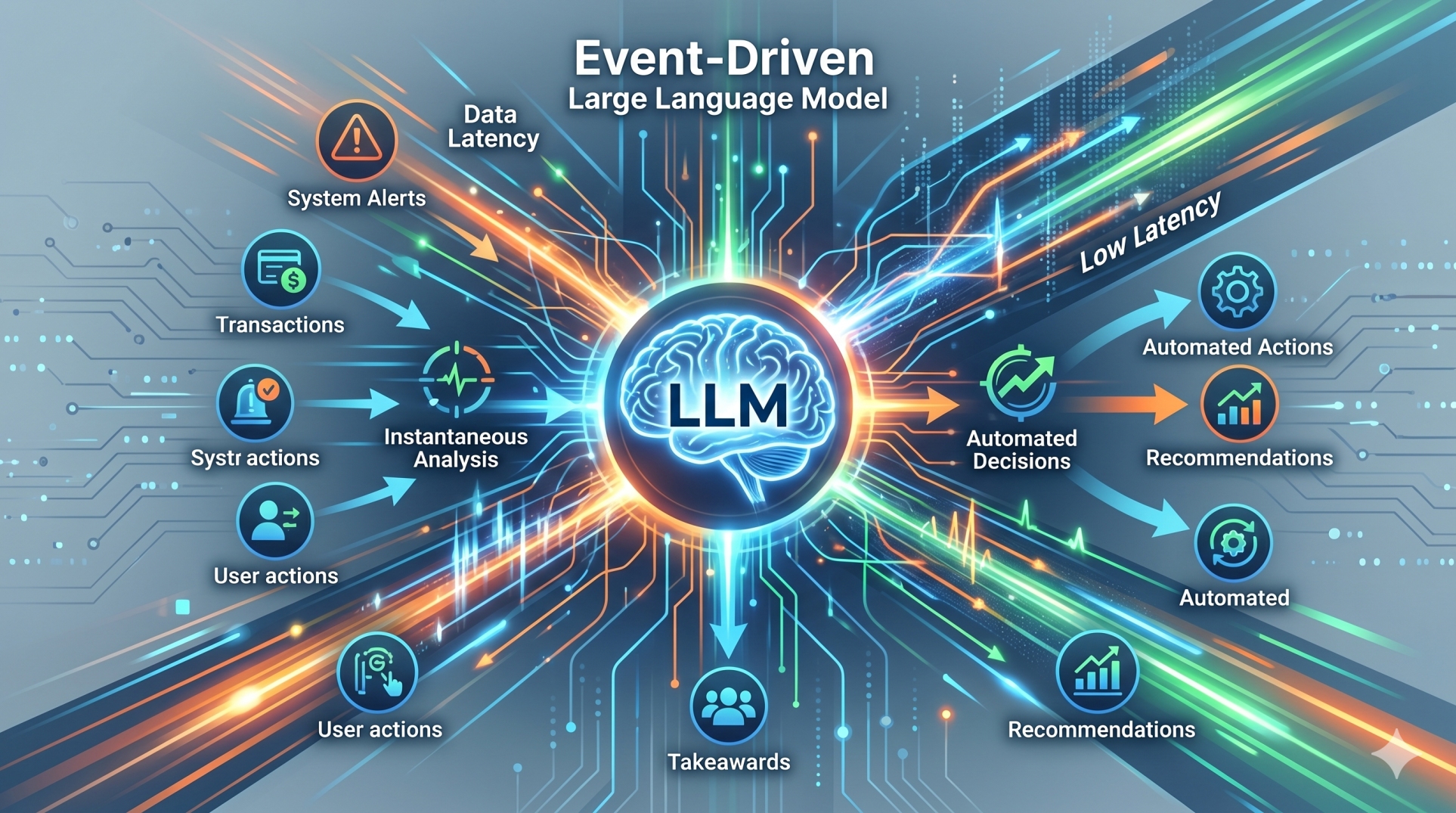
• Connect LLM-powered analysis with ERP, supplier management, and procurement platforms. 🏢
• Link supplier capability information with existing supplier records. 🗃️
• Trigger review workflows when missing or inconsistent information is identified. 🔄
• Store validated supplier information in appropriate enterprise systems. 📊
• Maintain traceability between AI-generated findings and supporting source documents. 📝
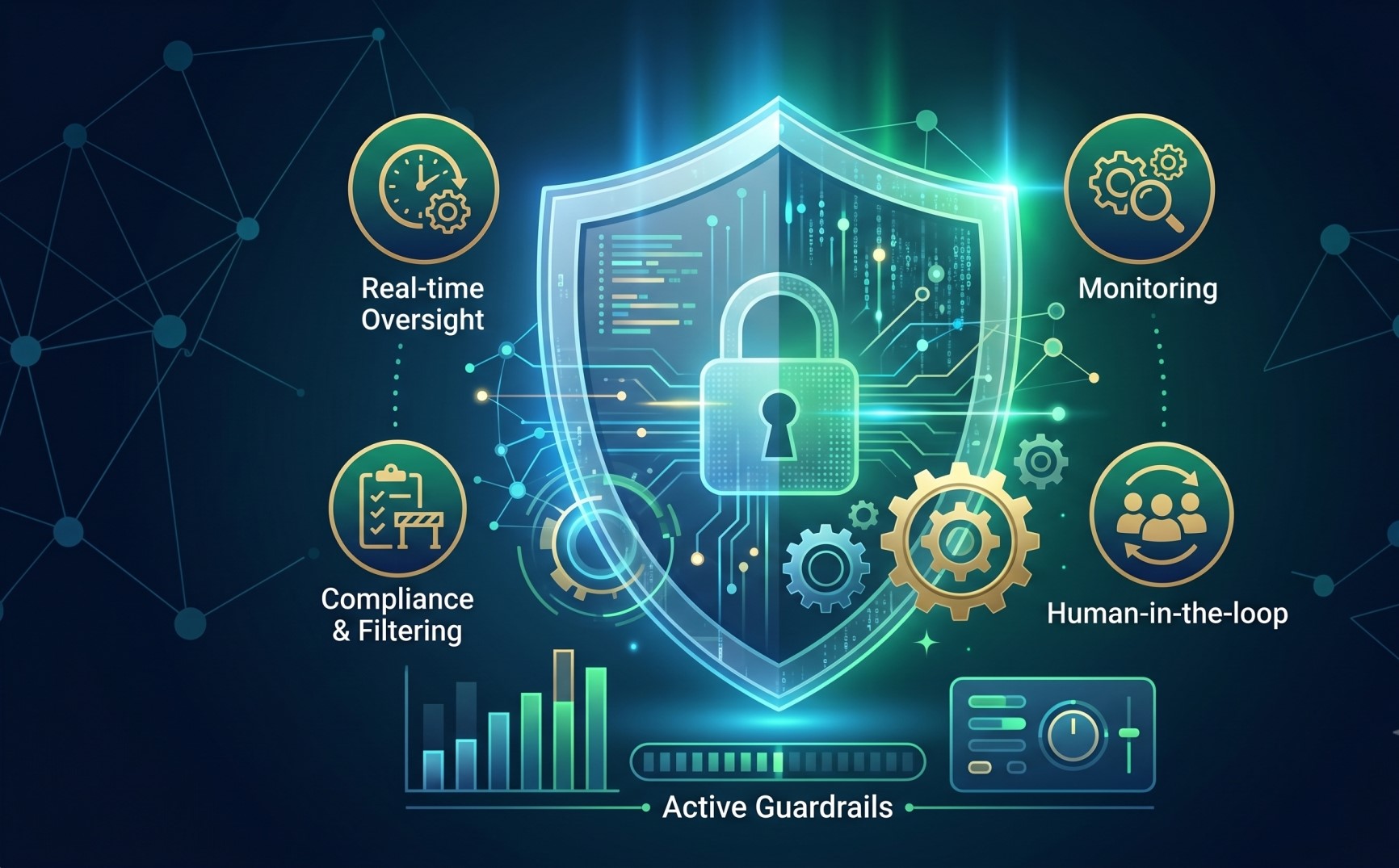
Step 9: Maintaining Accuracy and Human Oversight 🛡️
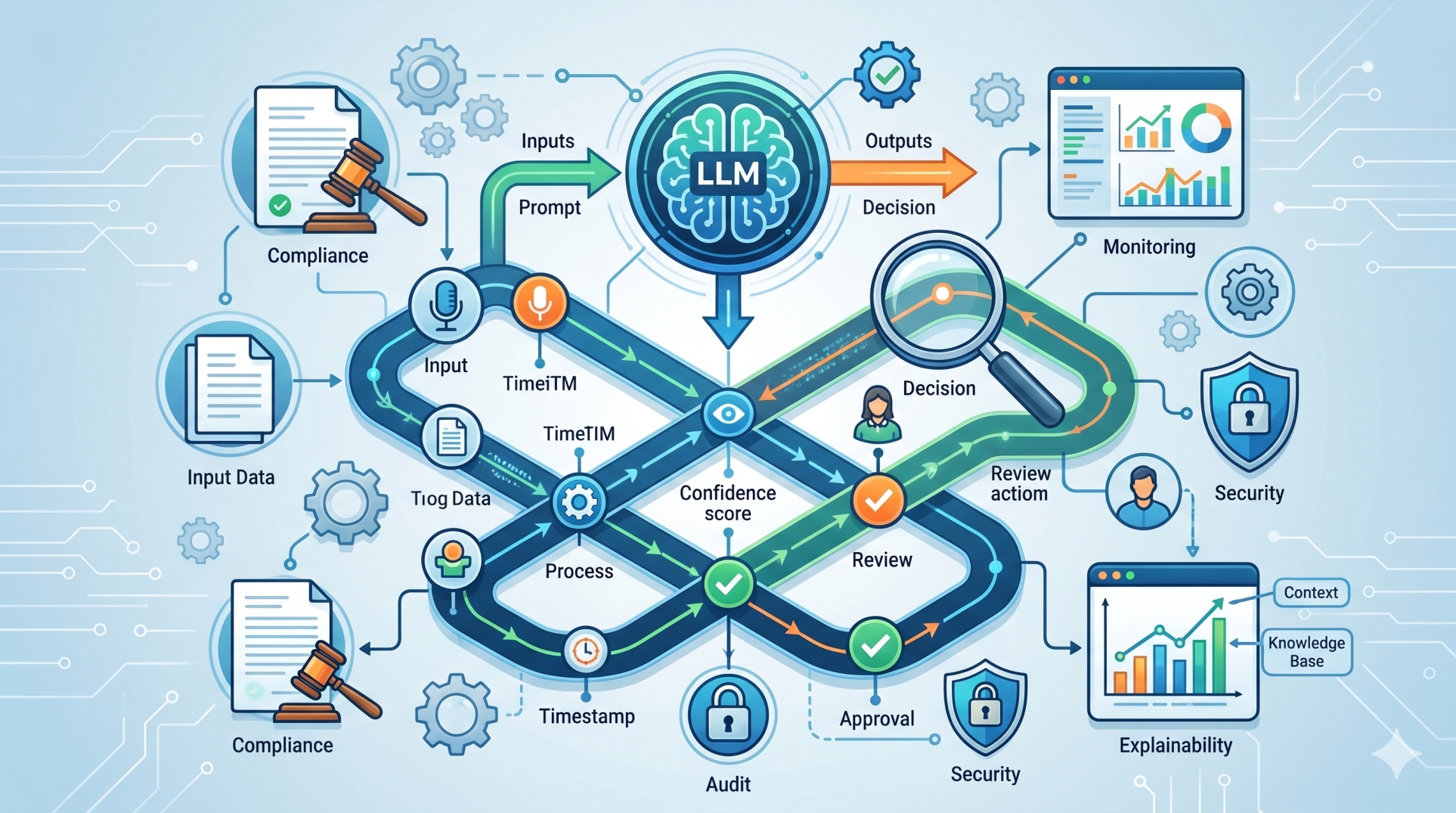
• Validate important supplier information against original documentation. 📄
• Use confidence indicators to identify information requiring additional review. 🔎
• Keep procurement professionals involved in qualification and supplier approval decisions. 👥
• Record corrections and feedback to improve future analysis workflows. 🔄
• Avoid treating AI-generated interpretations as automatically verified supplier facts. ✅
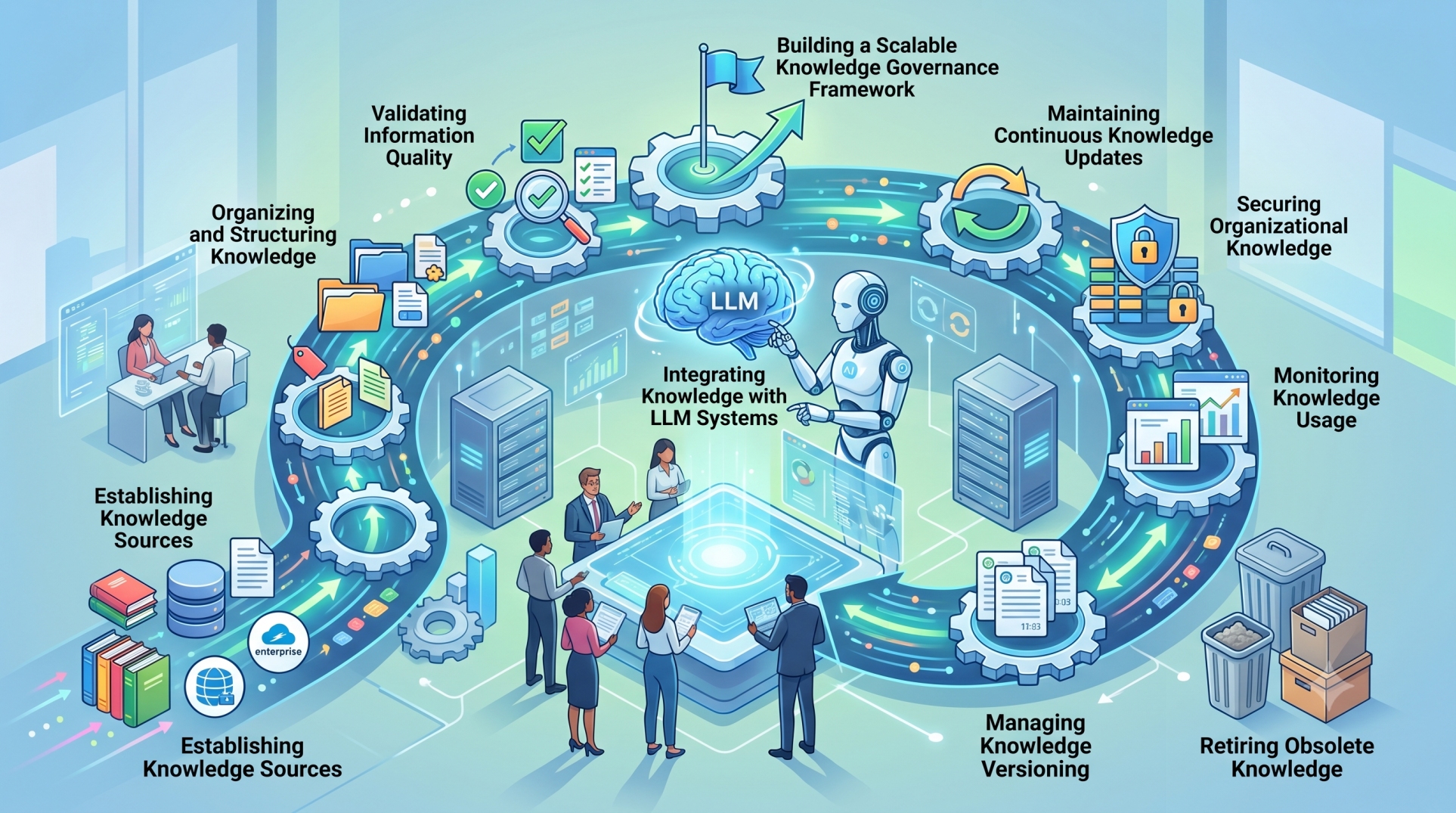
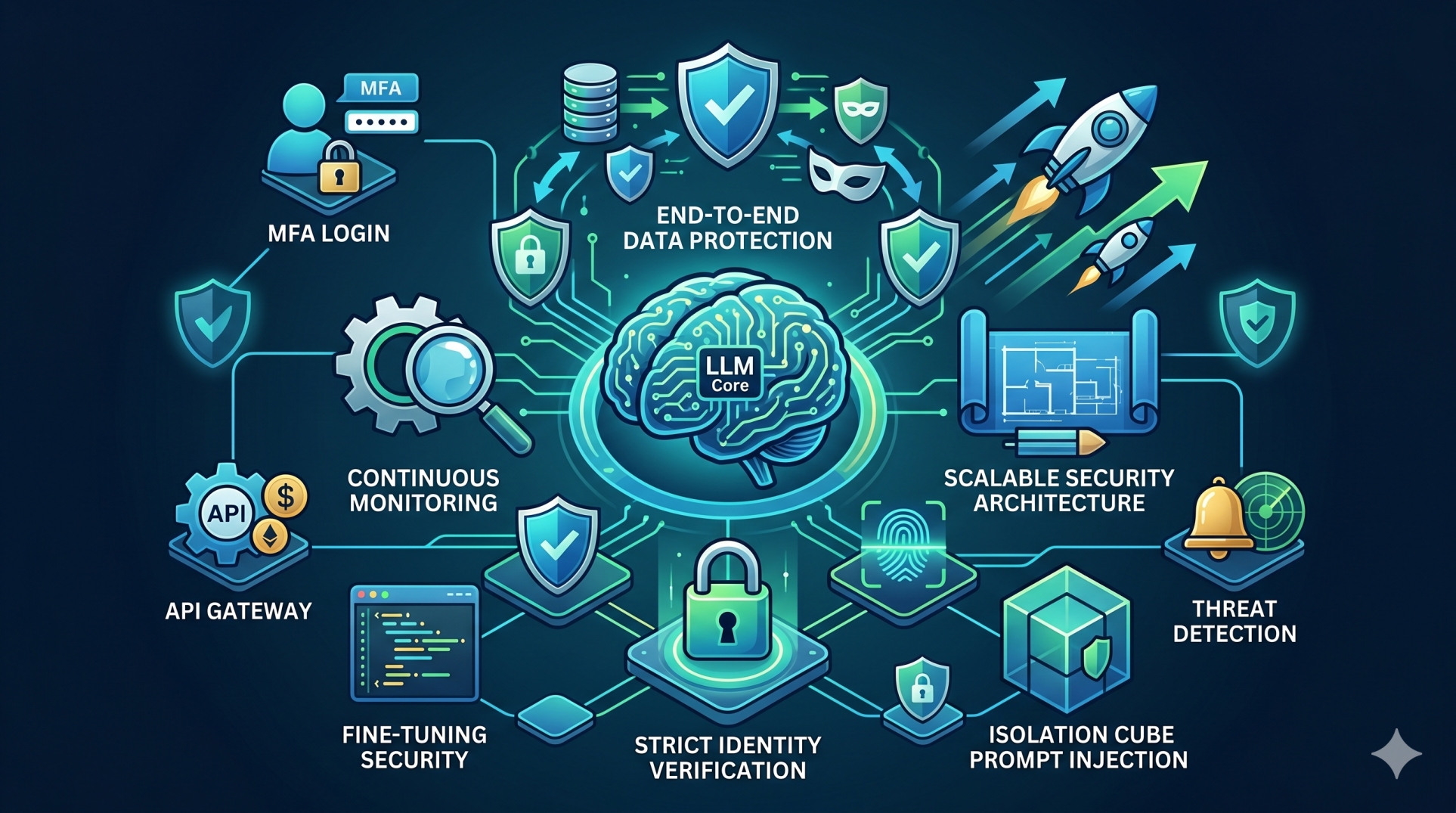
Step 10: Building a Scalable Supplier Intelligence System 🚀
• Design reusable workflows that can analyze different supplier categories and document types. 🧩
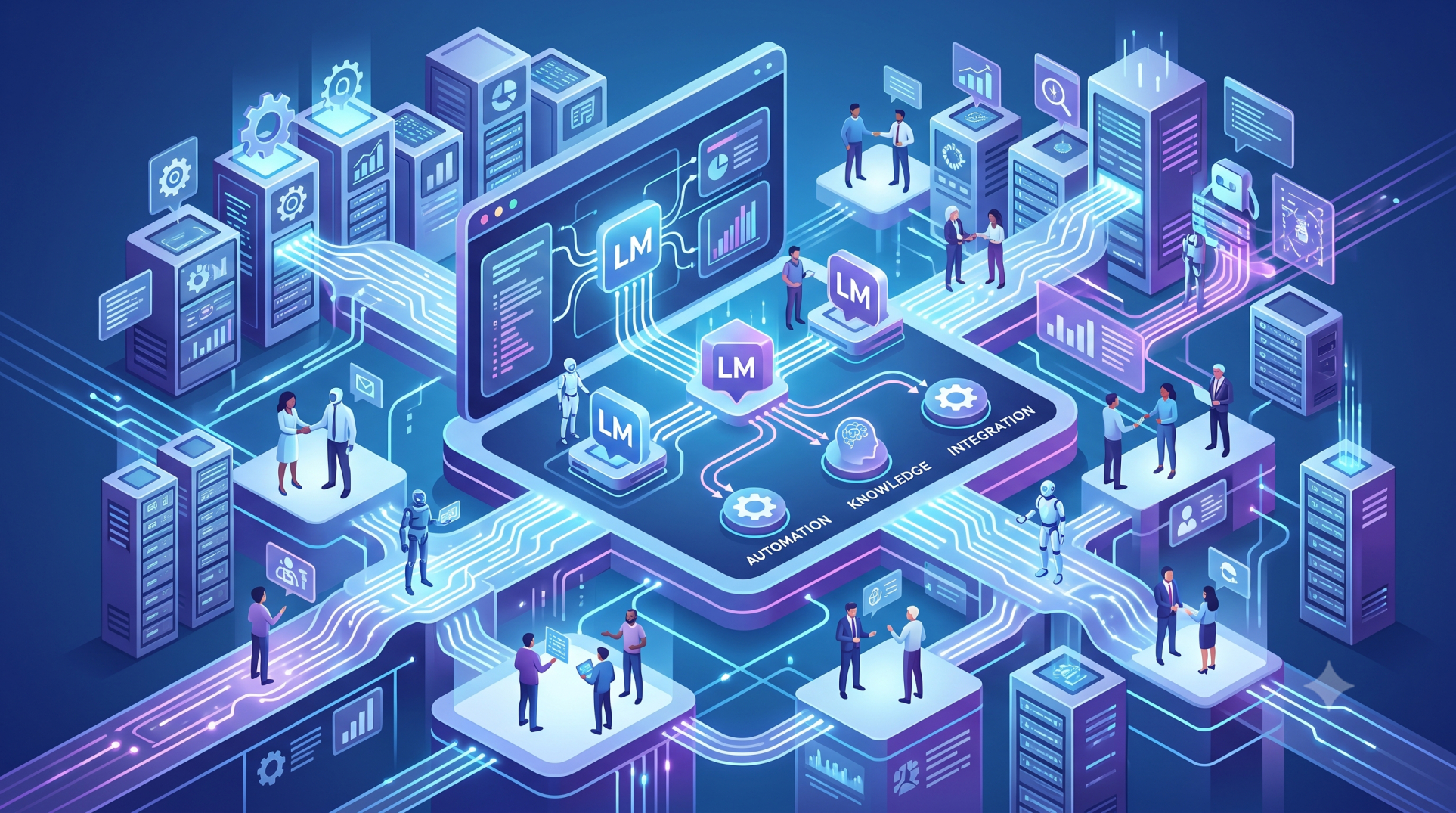
• Integrate LLMs with document processing, RAG, search, ERP, and supplier management systems. 🔗
• Apply security and governance controls to protect sensitive supplier information. 🔐
• Scale analysis as supplier networks and documentation volumes increase. 📈
• Continuously improve supplier intelligence workflows as procurement requirements evolve. 🌐
Conclusion
LLM software can help procurement teams transform large collections of supplier information into structured and accessible capability insights. 🤖 By combining document analysis, information extraction, RAG, supplier comparison, validation, and enterprise integrations, organizations can reduce repetitive research and improve visibility across supplier networks. The most effective approach combines AI-driven analysis with verified source information and human oversight. When implemented within a controlled procurement workflow, LLM software can provide a scalable foundation for supplier intelligence while helping procurement teams make more informed assessments based on documented capabilities.
See more blogs
You can all the articles below