AI-Powered Vendor Comparison for Enterprise Procurement

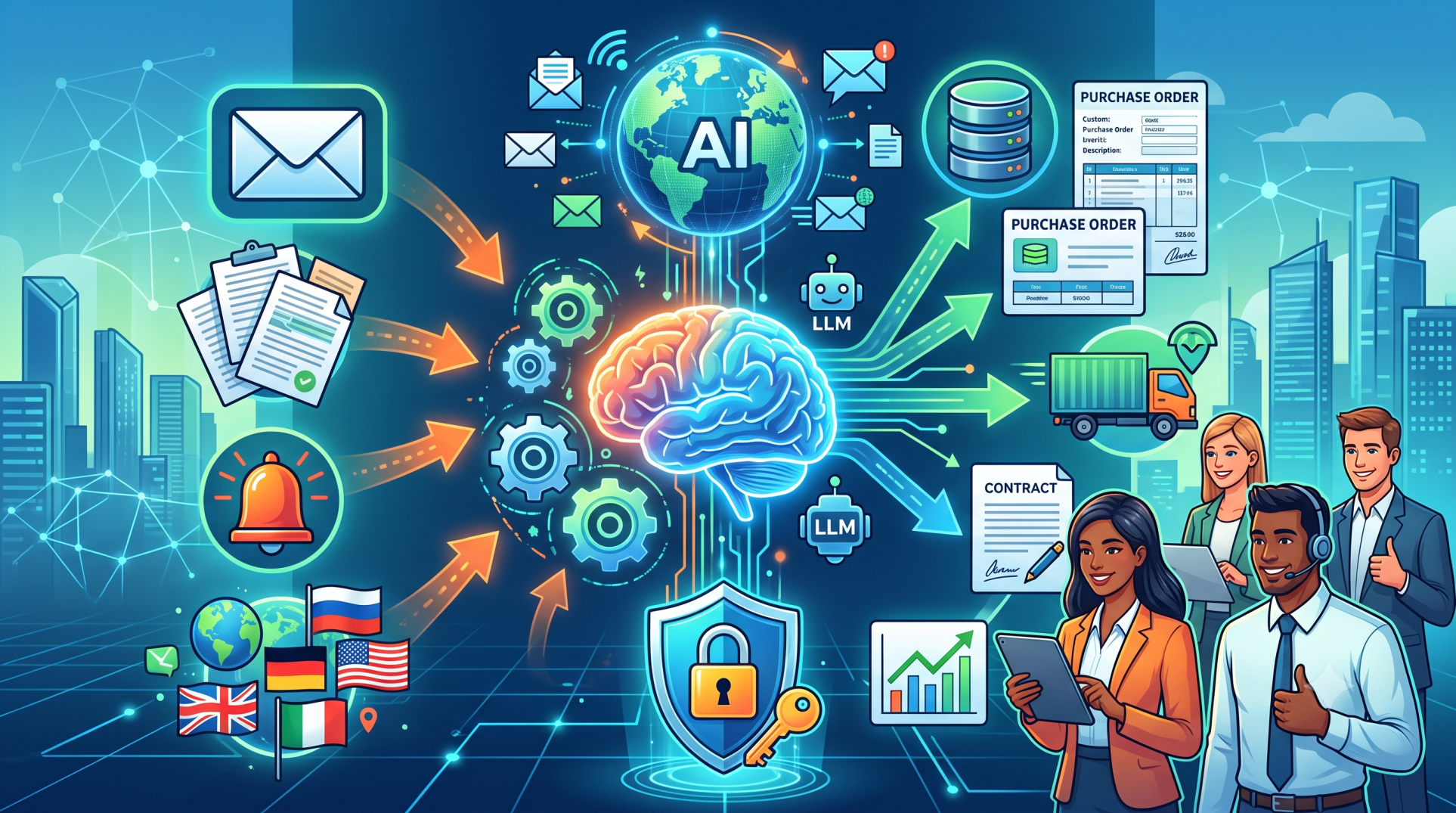
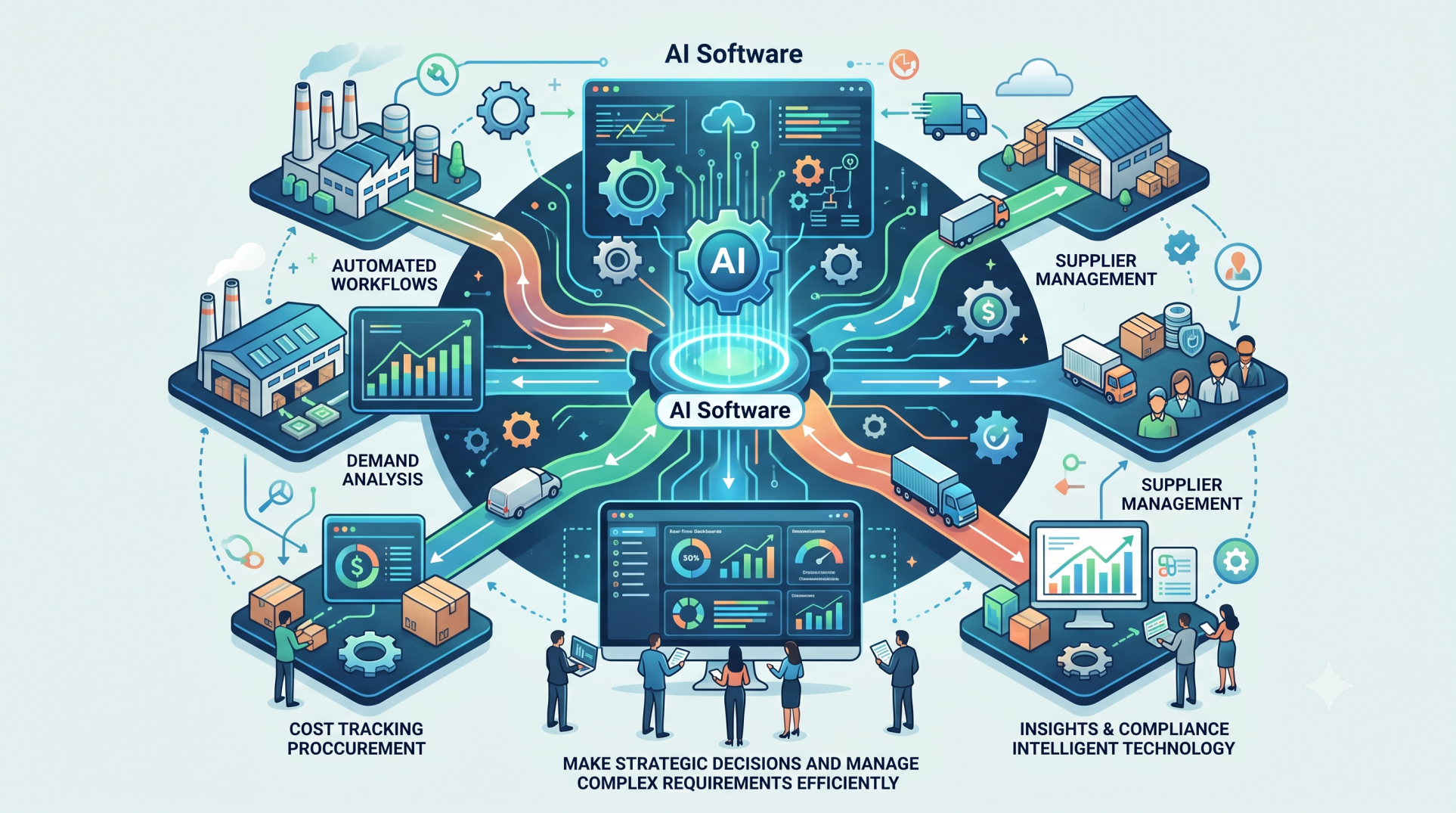
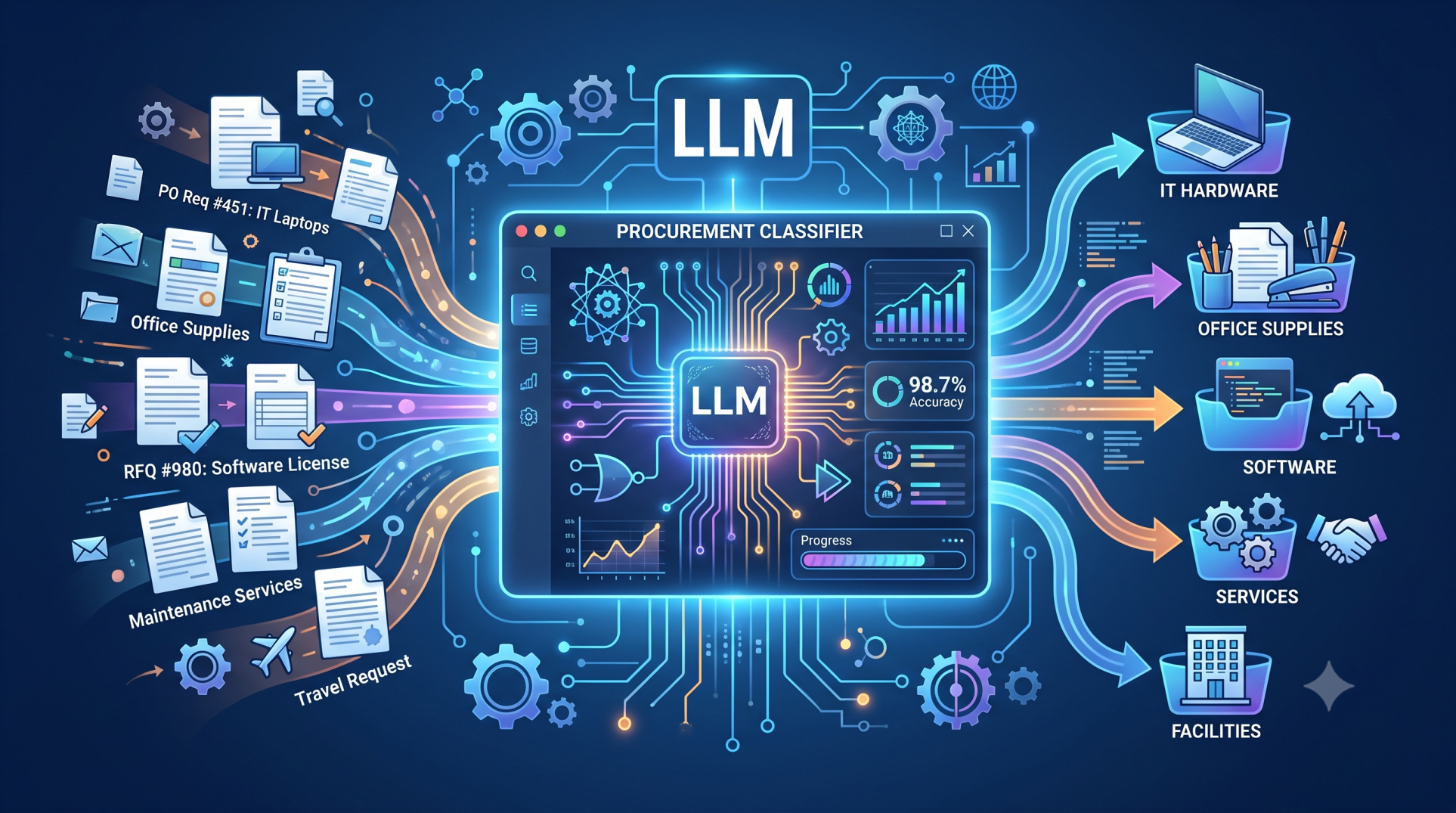
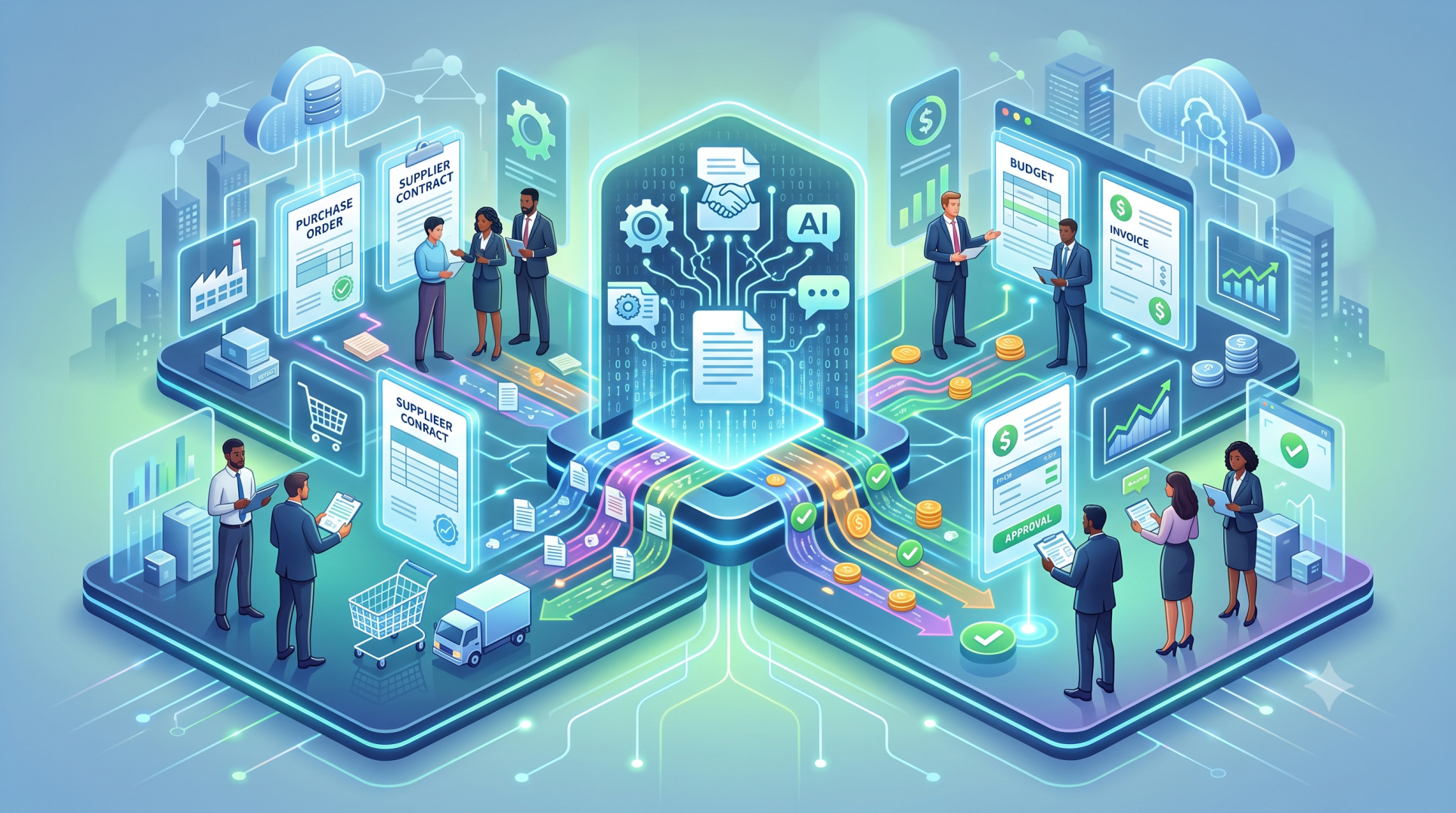
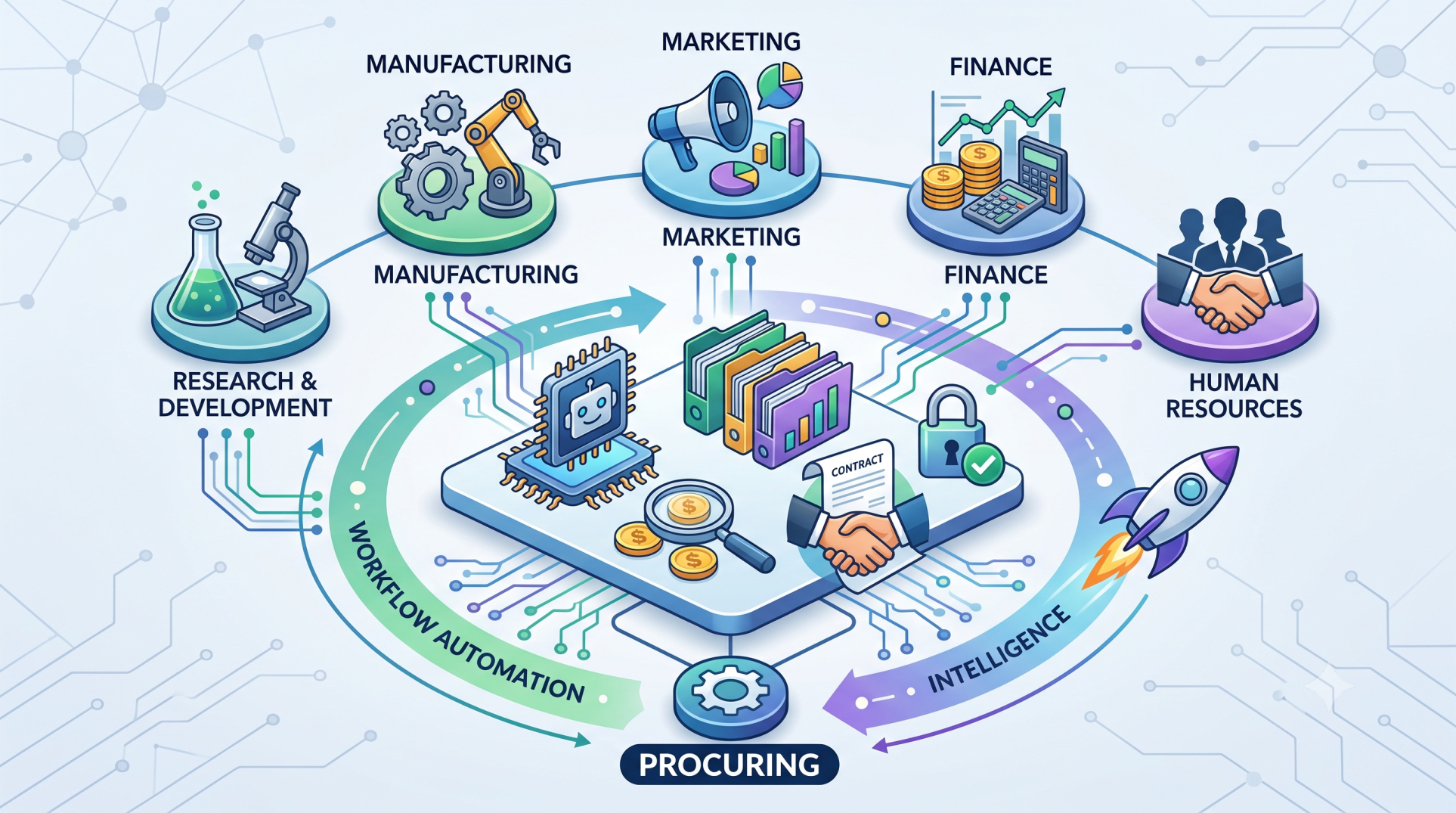
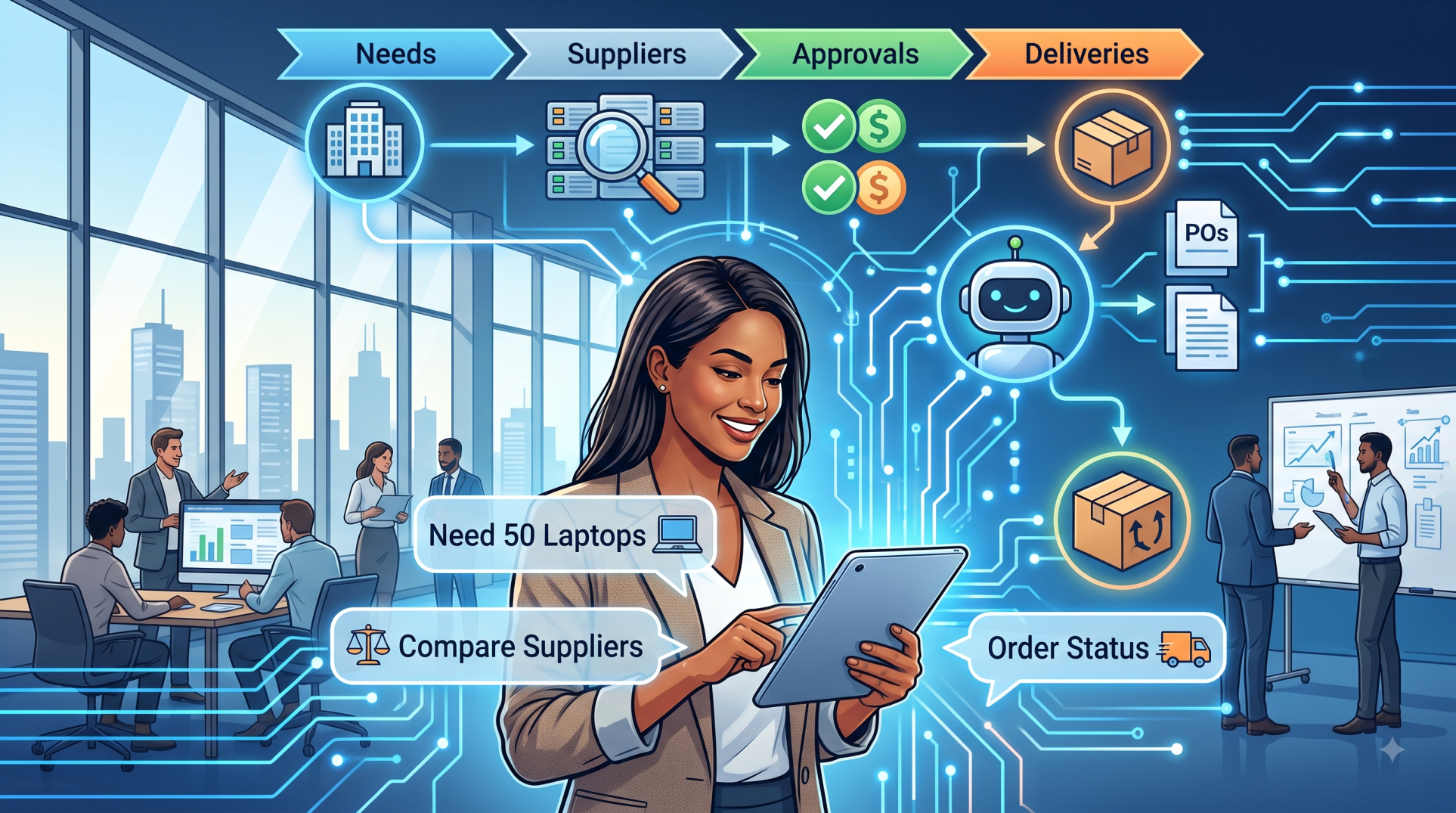
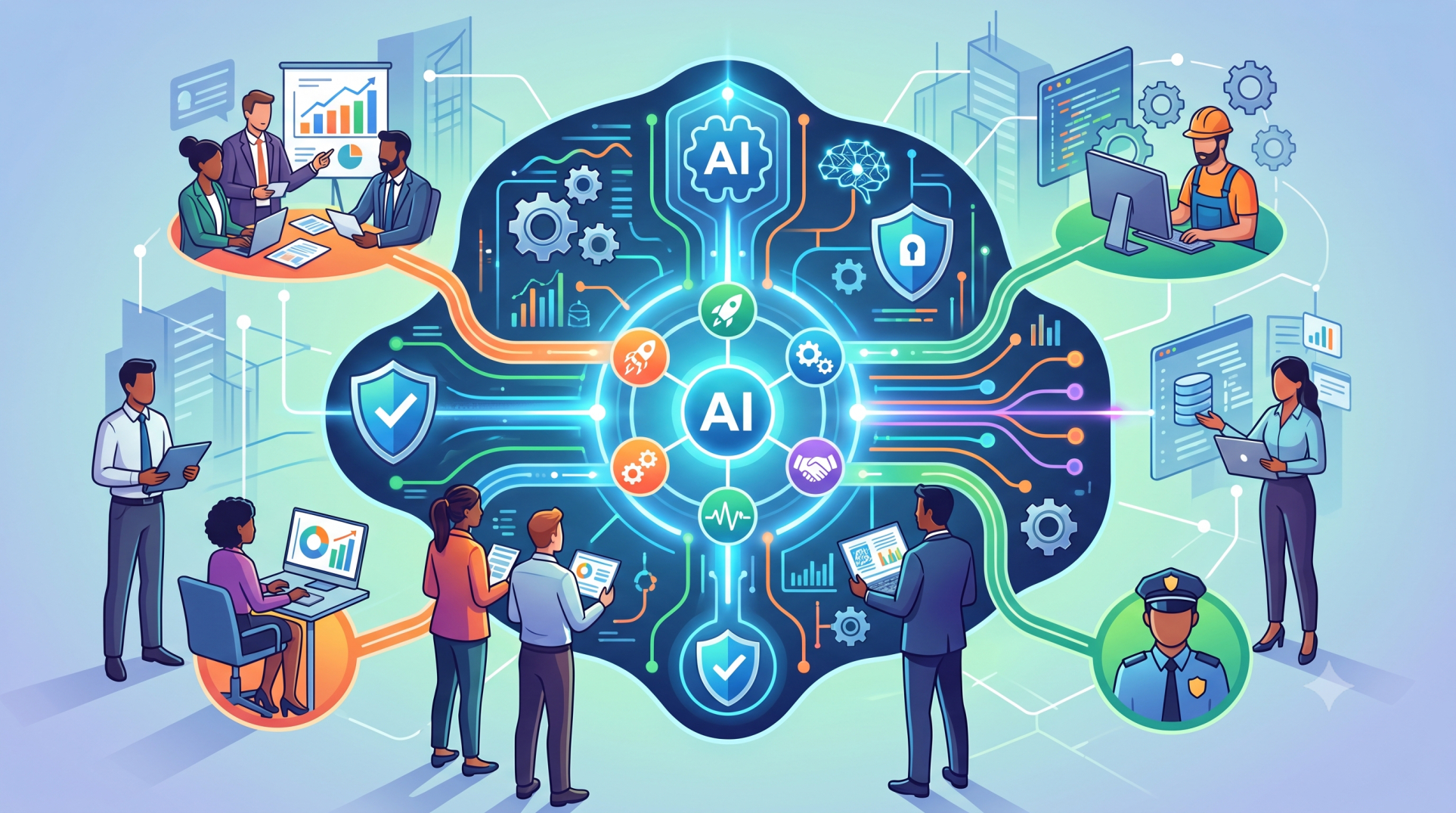
Enterprise procurement teams often evaluate multiple vendors across pricing, quality, delivery capabilities, compliance requirements, service levels, and long-term value. As supplier networks become more complex, manually comparing large amounts of vendor information can consume significant time and resources. AI-powered vendor comparison can help procurement teams organize supplier data, identify meaningful differences, and support faster, more consistent purchasing decisions. By combining AI-driven analysis with structured procurement information, organizations can improve vendor evaluation while keeping strategic decisions under human control.
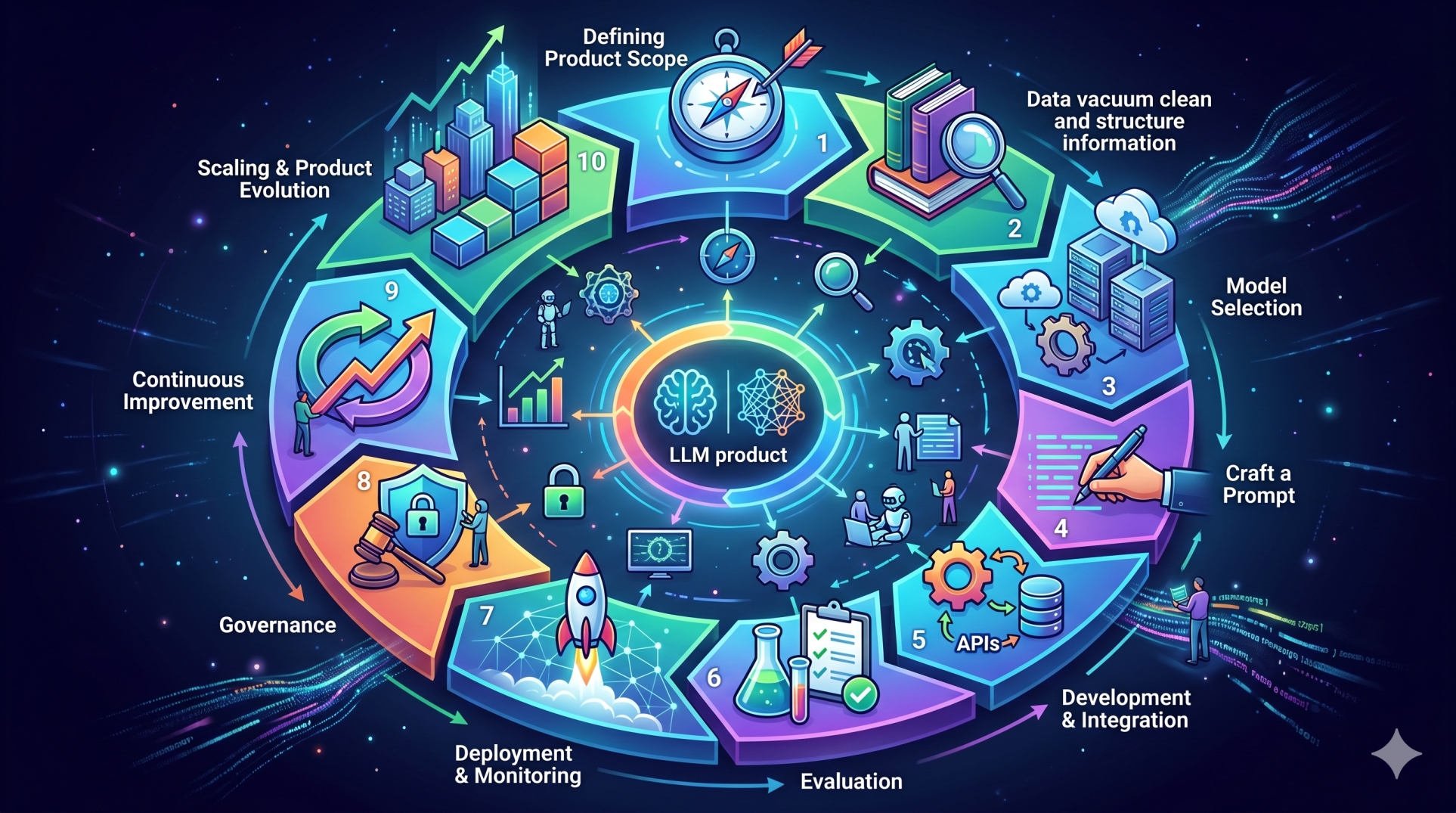
Step 1: Collecting Vendor Information 📋
• Gather vendor proposals, catalogs, pricing details, certifications, and service information. 📄
• Consolidate data from procurement platforms, ERP systems, supplier portals, and business documents. 🔗
• Capture important details such as lead times, minimum order quantities, locations, and payment terms. 📦
• Convert different vendor document formats into comparable information. 🧩
• Keep vendor profiles updated as commercial and operational conditions change. 🔄
Step 2: Establishing Comparison Criteria 🎯
• Define the criteria that matter most for each procurement requirement. 📊
• Compare factors such as cost, quality, delivery performance, capacity, and support. ⚙️
• Assign different priorities based on business objectives and purchasing categories. 🏢
• Separate mandatory requirements from preferred vendor attributes. ✅
• Create consistent evaluation frameworks for repeatable procurement decisions. 📋
Step 3: Analyzing Vendor Pricing 💰
• Compare quoted prices across vendors using standardized units and terms. 📊
• Consider additional costs such as shipping, implementation, maintenance, and service fees. 🚚
• Identify pricing differences that may significantly affect total procurement costs. 🔎
• Analyze volume-based pricing and available commercial incentives. 📈
• Evaluate total cost of ownership instead of focusing only on the initial price. 💡
Step 4: Evaluating Quality and Capability 🏭
• Review product specifications, technical capabilities, and quality information. 🔍
• Compare vendor offerings against required technical and operational standards. ⚙️
• Identify differences in materials, technologies, processes, or service capabilities. 🧩
• Highlight areas where a vendor exceeds or falls short of requirements. 📋
• Support deeper technical evaluation by procurement and subject-matter teams. 👥
Step 5: Comparing Delivery and Supply Performance 🚚
• Evaluate stated lead times and delivery commitments. ⏱️
• Analyze historical delivery performance when reliable data is available. 📈
• Identify vendors with stronger capacity to support changing demand levels. 📦
• Consider geographic coverage and logistics capabilities. 🌍
• Highlight potential delivery constraints before supplier selection. ⚠️
Step 6: Assessing Compliance and Risk 🔐
• Review vendor certifications, contractual requirements, and compliance documentation. 📜
• Identify missing or outdated information that requires further validation. 🔎
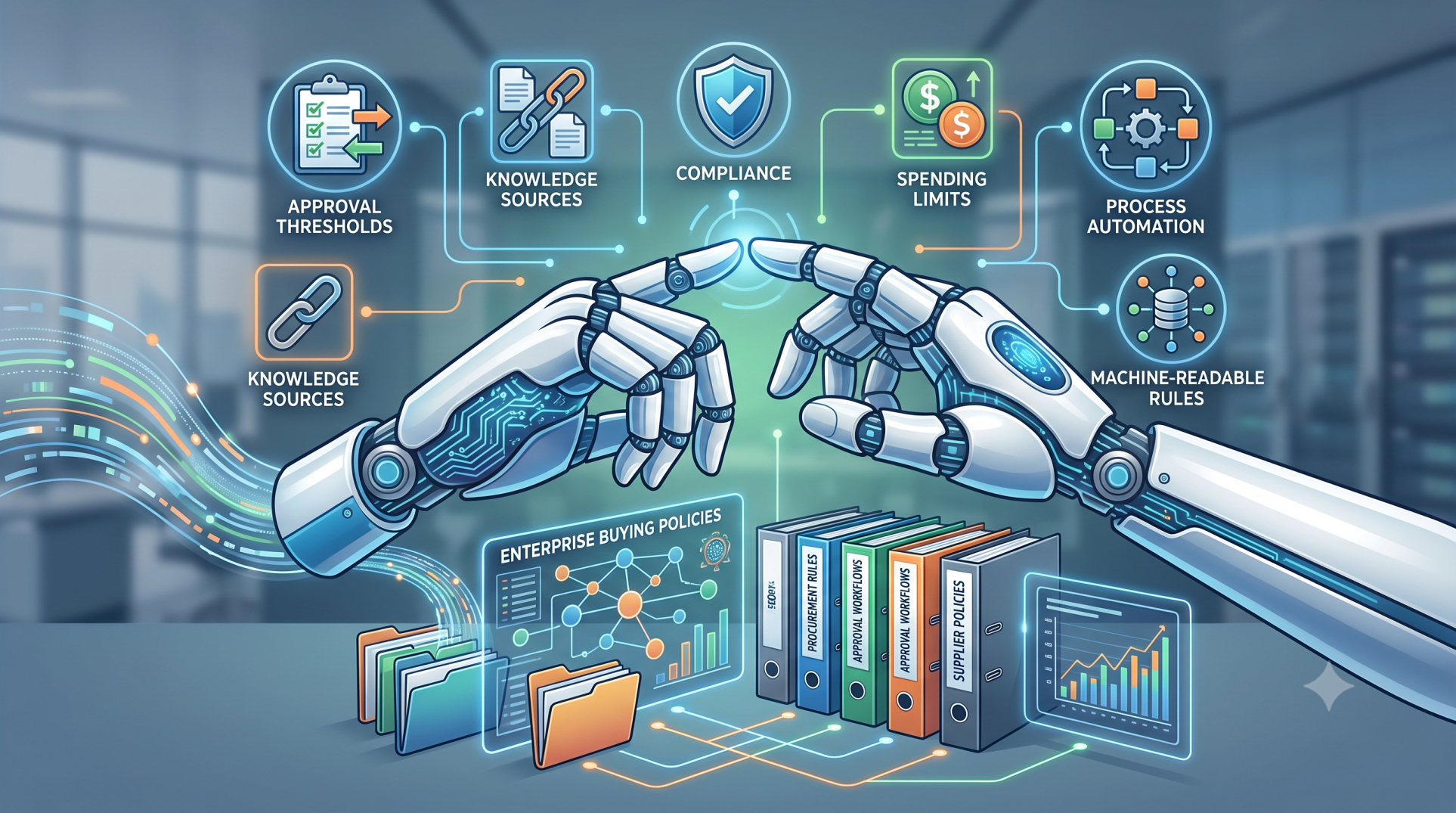
• Compare vendors against internal procurement and governance requirements. ✅
• Analyze potential operational, geographic, or supply continuity risks. ⚠️
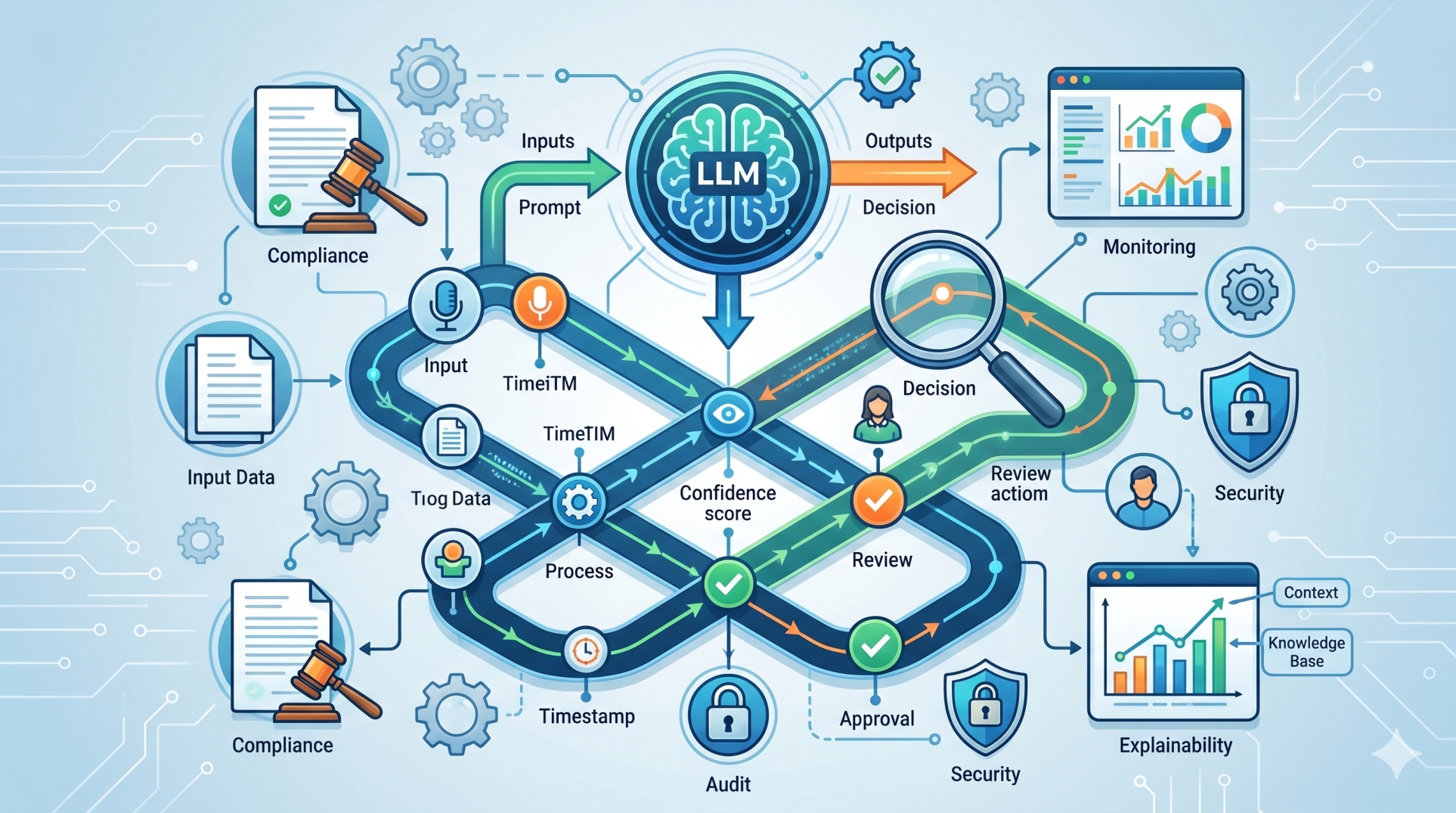
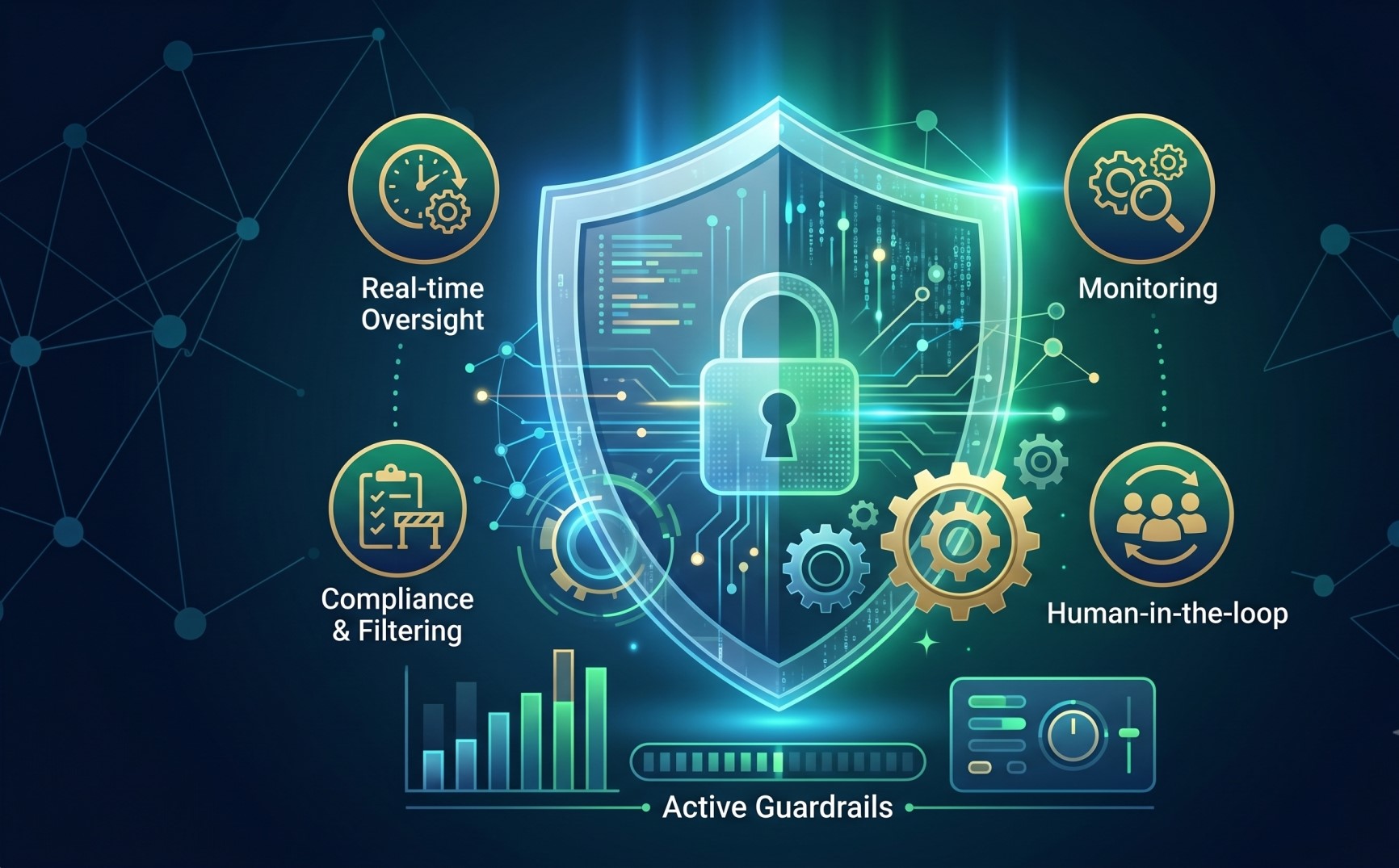
• Escalate significant risk findings for human review before final decisions. 👥
Step 7: Using AI for Vendor Scoring 📊
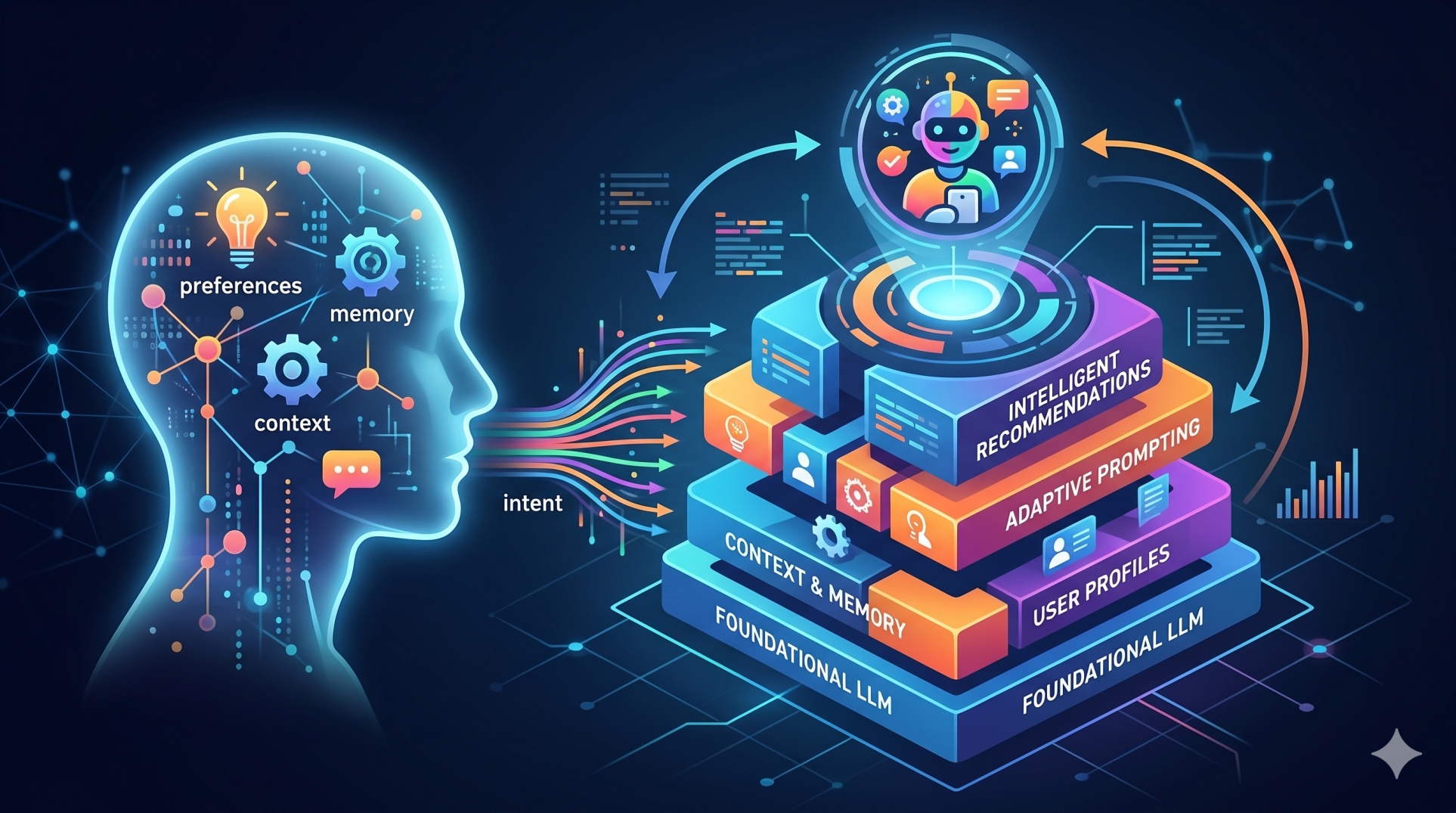
• Apply configurable scoring models to compare vendors against selected criteria. 🎯
• Generate structured summaries of vendor strengths and limitations. 📝
• Rank vendors according to business-defined priorities rather than generic assumptions. 📈
• Explain the factors contributing to differences in vendor scores. 💡
• Allow procurement teams to adjust criteria as business requirements change. 🔄
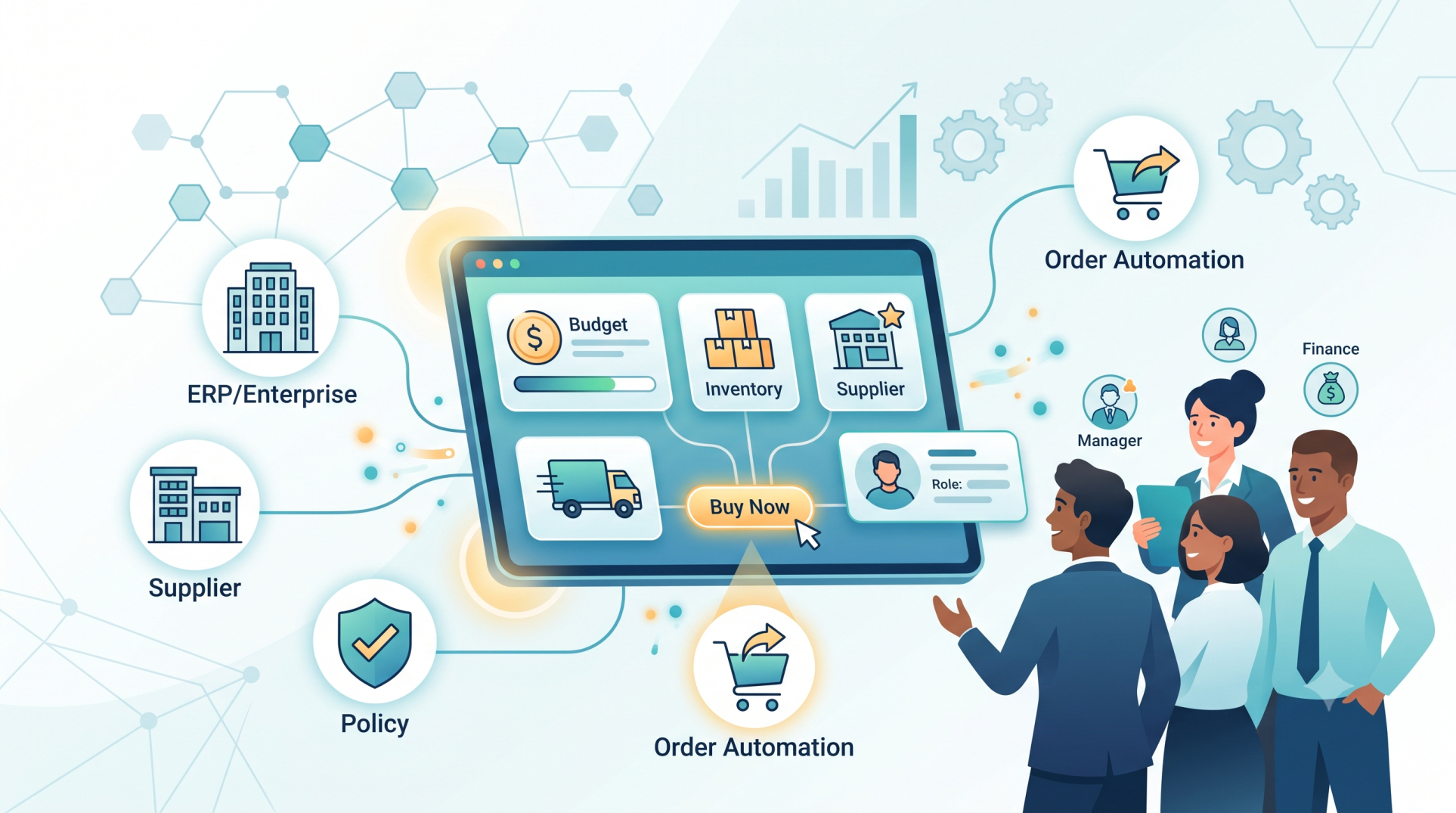
Step 8: Connecting AI with Procurement Systems 🔗
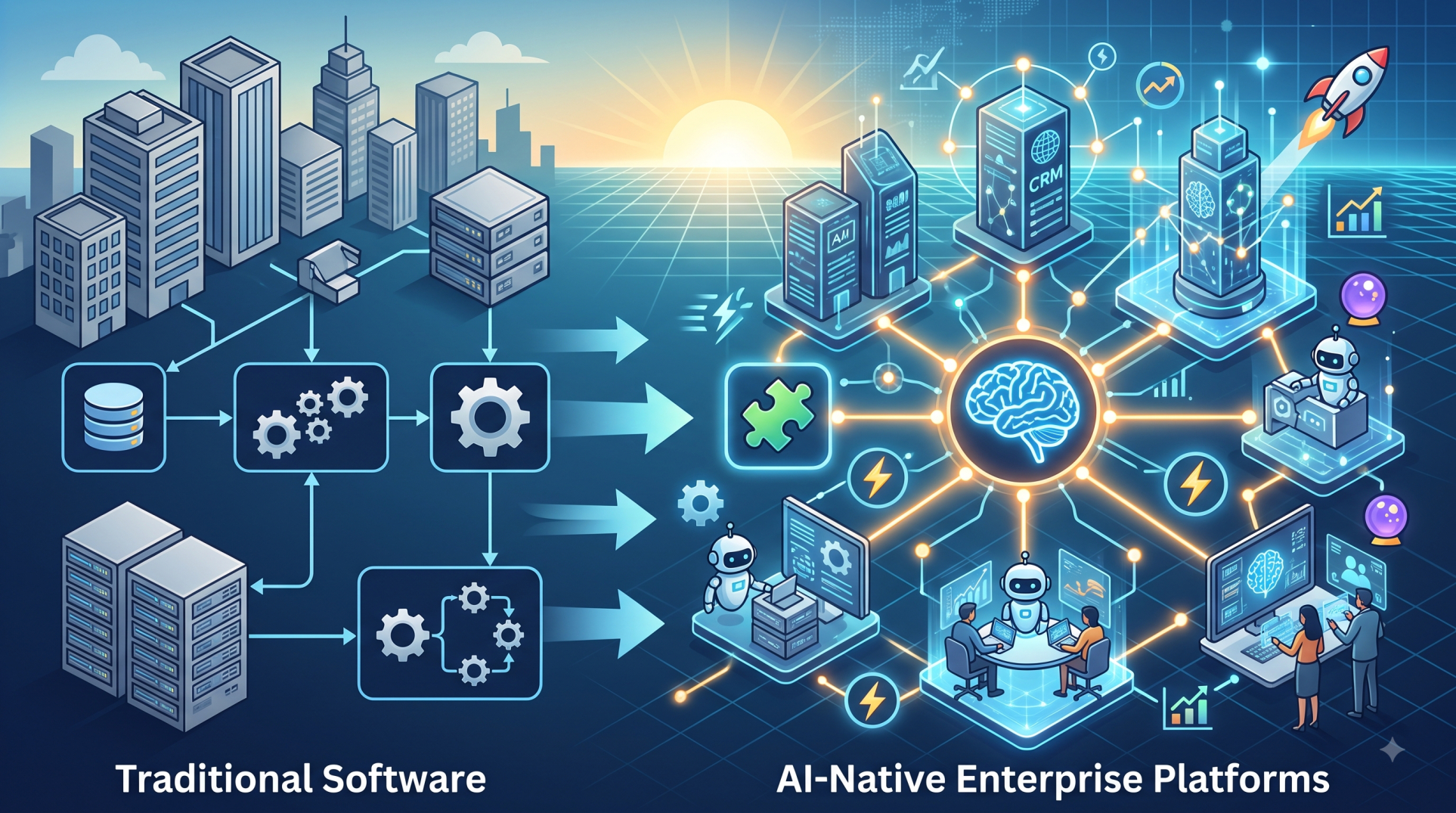
• Integrate AI capabilities with ERP, sourcing, contract management, and supplier management platforms. 🏢
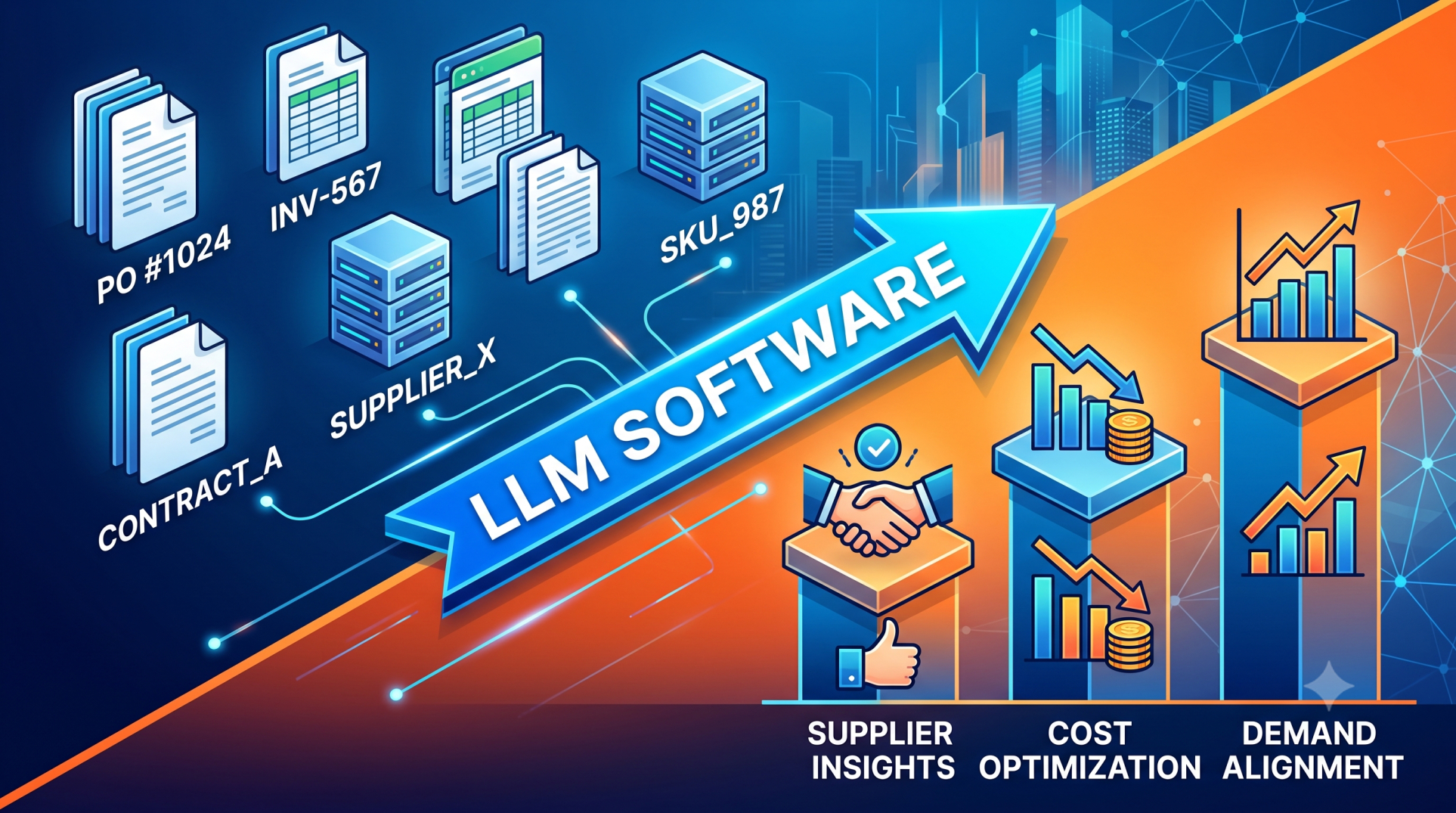
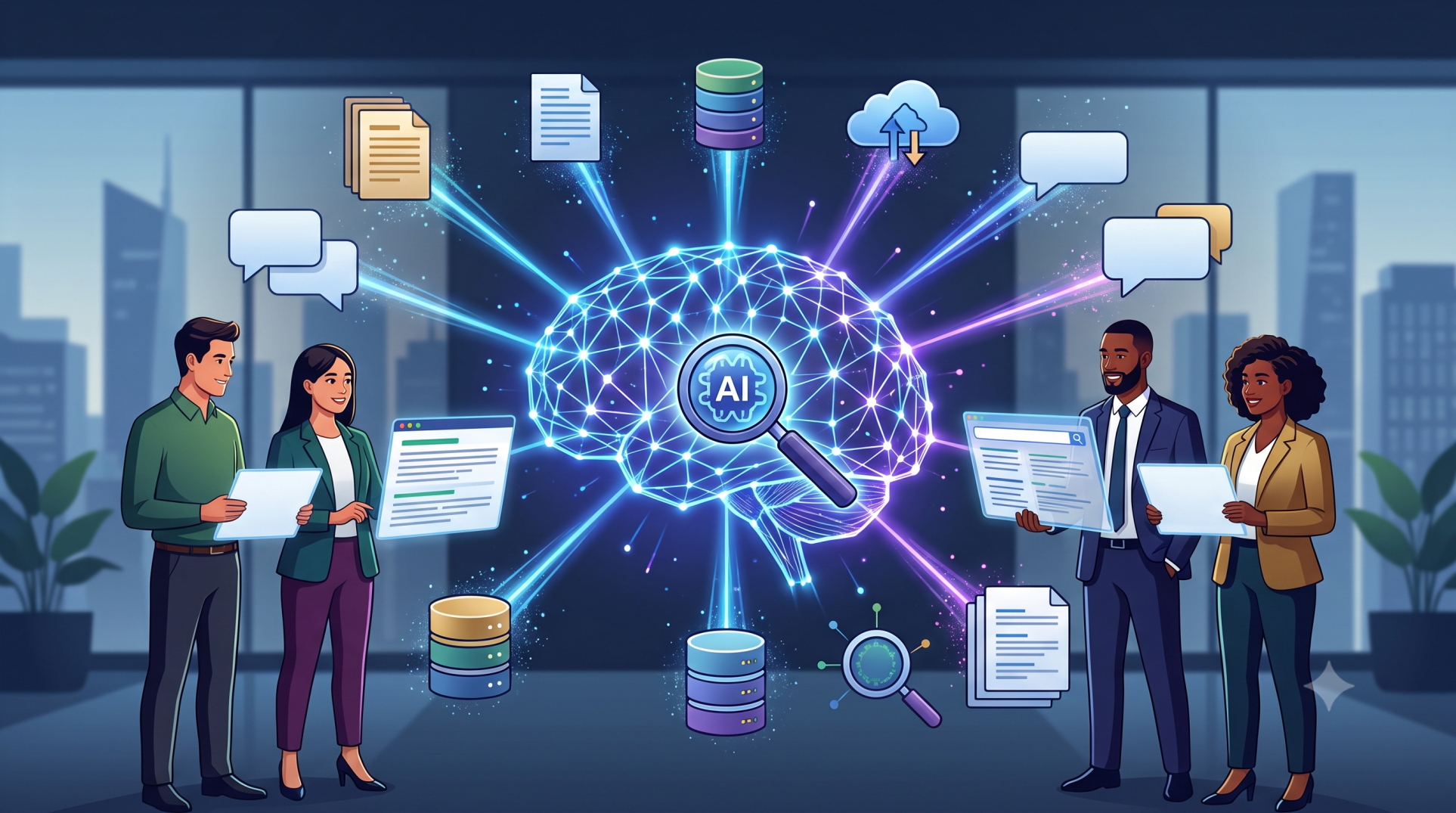
• Combine structured purchasing records with unstructured vendor documents. 📄
• Automate repetitive information extraction and comparison activities. ⚙️
• Provide procurement teams with centralized access to relevant vendor insights. 🗂️
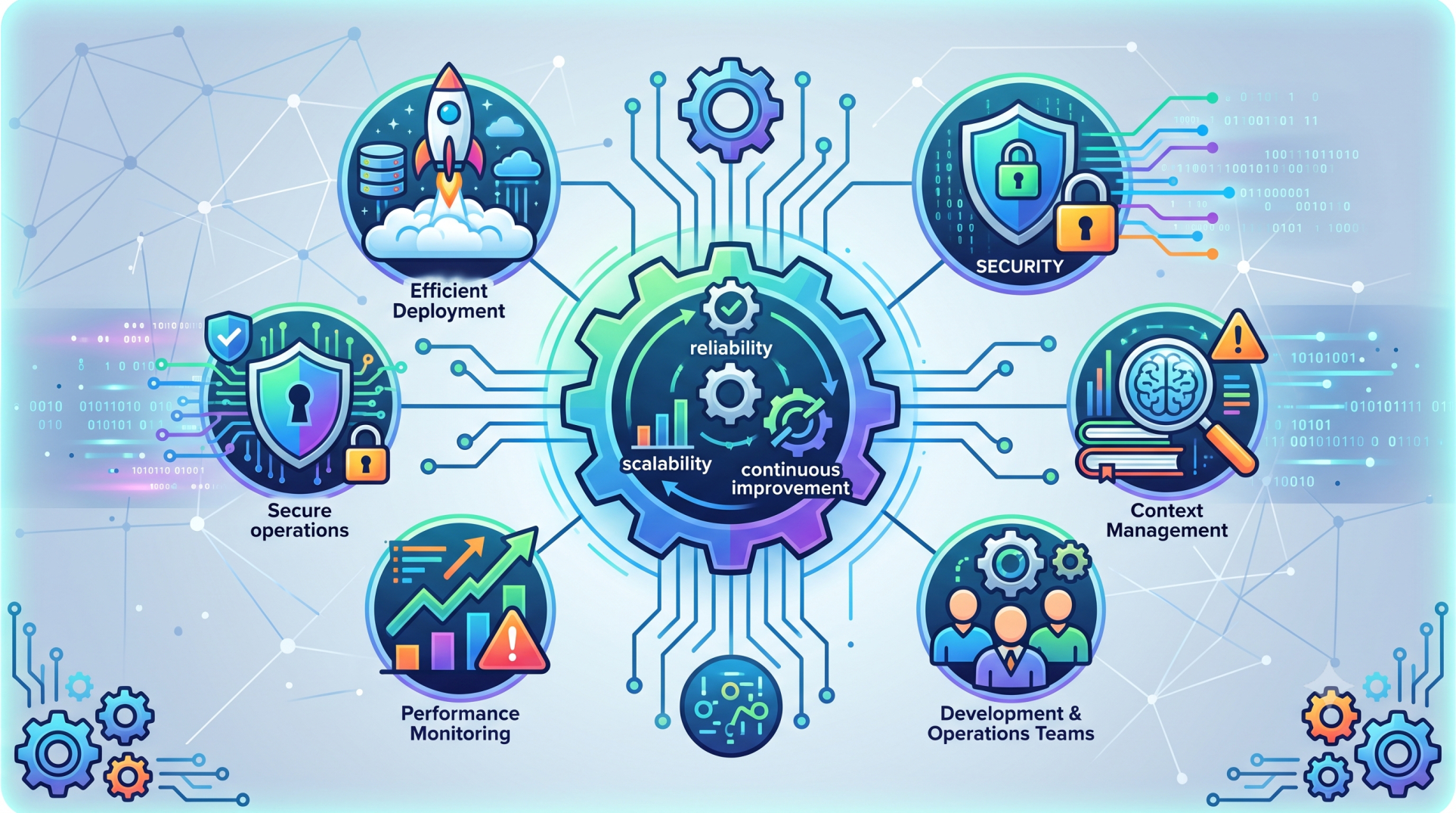
• Maintain appropriate access controls for sensitive commercial information. 🔒
Step 9: Supporting Procurement Decision-Making 🧠
• Present comparison results in a clear and understandable format. 📊
• Surface important differences that may be overlooked during manual reviews. 🔎
• Provide evidence and source information behind AI-generated findings where available. 📋
• Help procurement teams create vendor shortlists more efficiently. ⚡
• Keep final supplier selection with authorized procurement and business stakeholders. 👥
Step 10: Continuously Improving Vendor Evaluation 🚀
• Monitor vendor performance after contract award and compare it with initial expectations. 📈
• Update supplier assessments when pricing, capabilities, or market conditions change. 🔄
• Learn from historical procurement outcomes to improve future evaluation frameworks. 🧠
• Identify opportunities to consolidate, diversify, or develop supplier relationships. 🤝
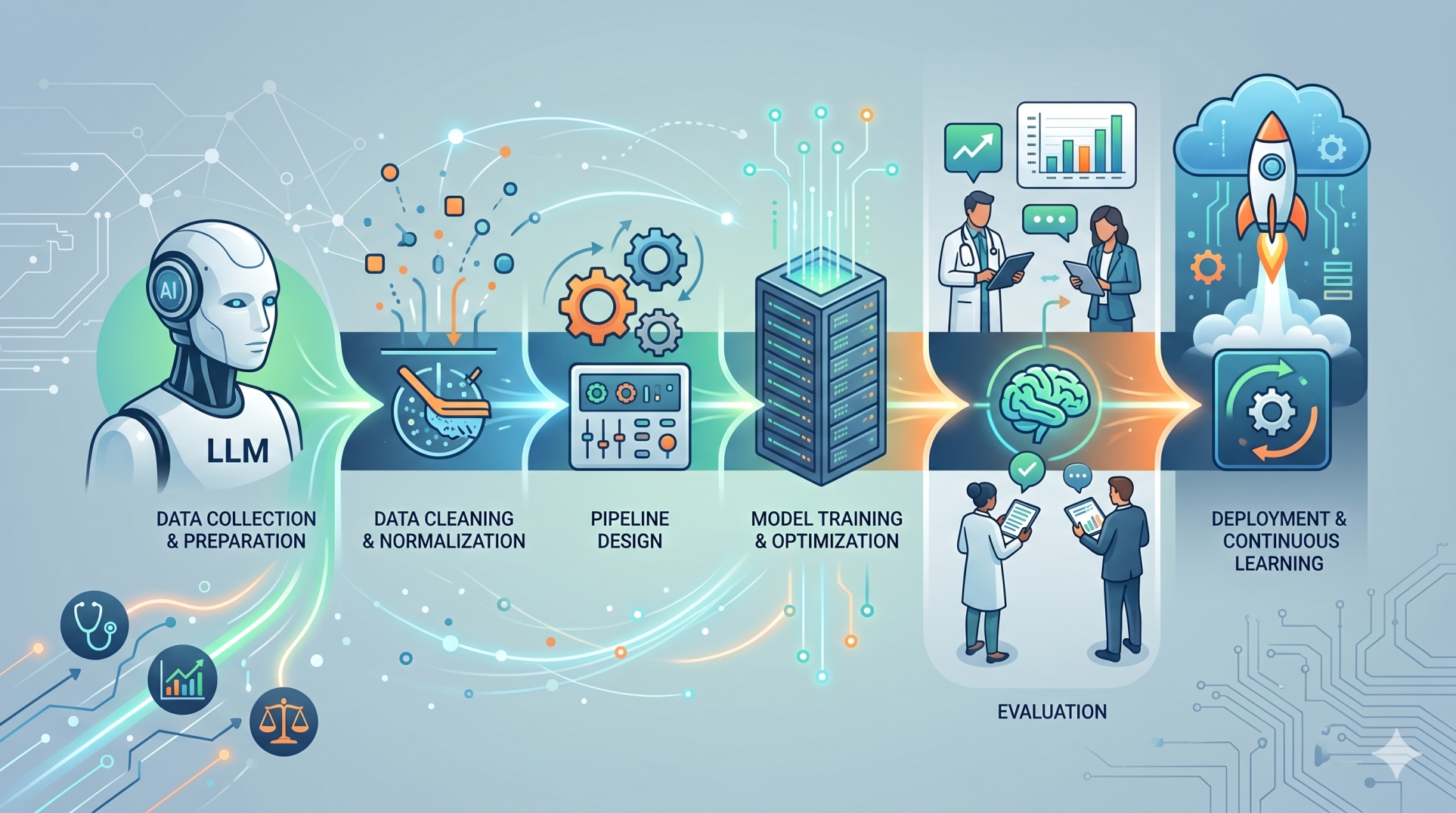
• Continuously refine AI-supported comparison processes based on business results. 🎯
Conclusion 🎯
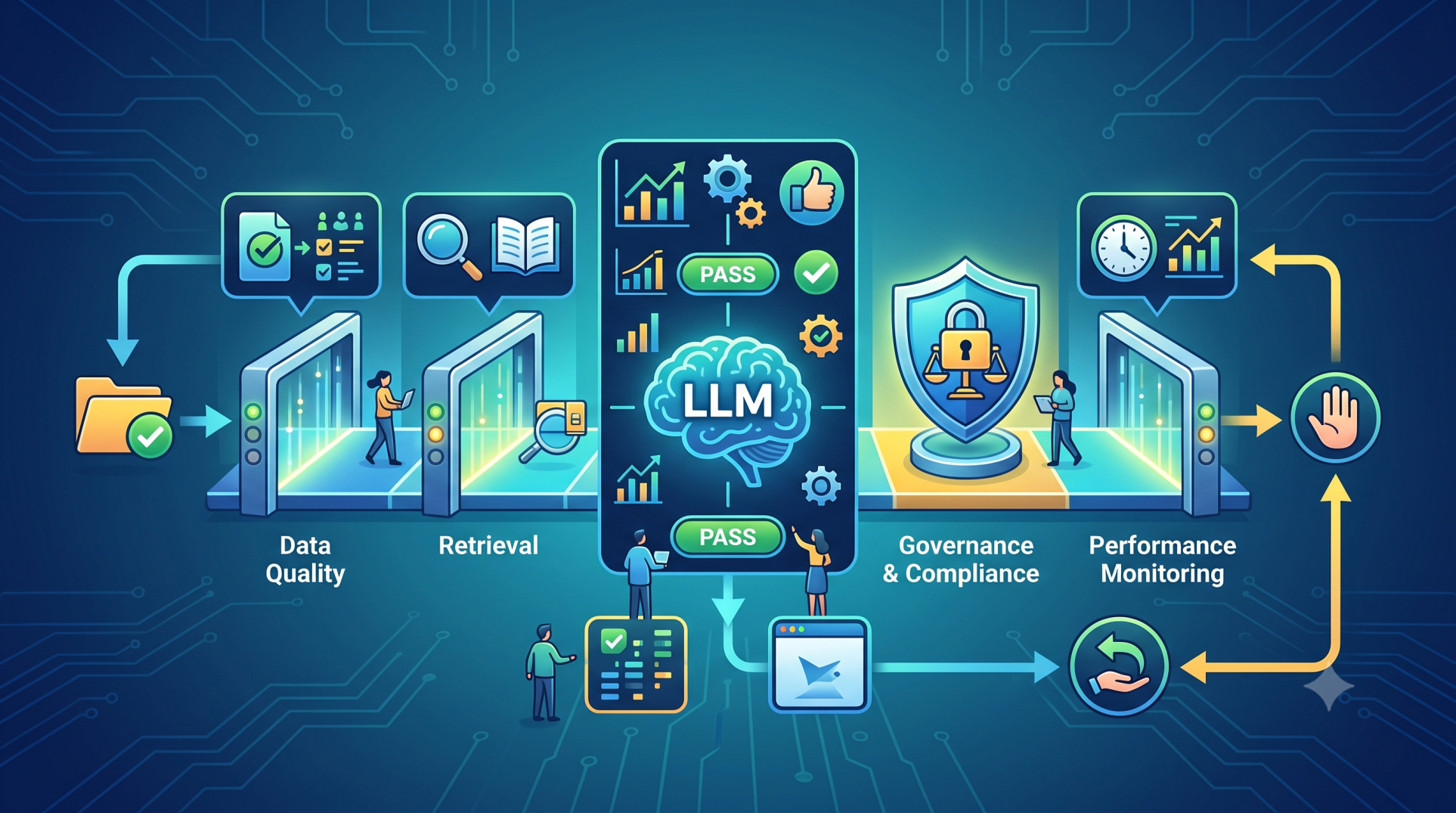
AI-powered vendor comparison can help enterprise procurement teams transform complex supplier evaluations into more structured and efficient decision-making processes. By analyzing pricing, capabilities, quality, delivery, compliance, risk, and other relevant factors, AI can help procurement professionals identify meaningful differences across vendors. The greatest value comes from combining AI-driven analysis with human procurement expertise. Organizations that establish reliable data, clear evaluation criteria, appropriate governance, and strong security controls can use AI to accelerate vendor comparisons while maintaining responsible decision-making.
See more blogs
You can all the articles below