Building Intelligent Procurement Document Workflows
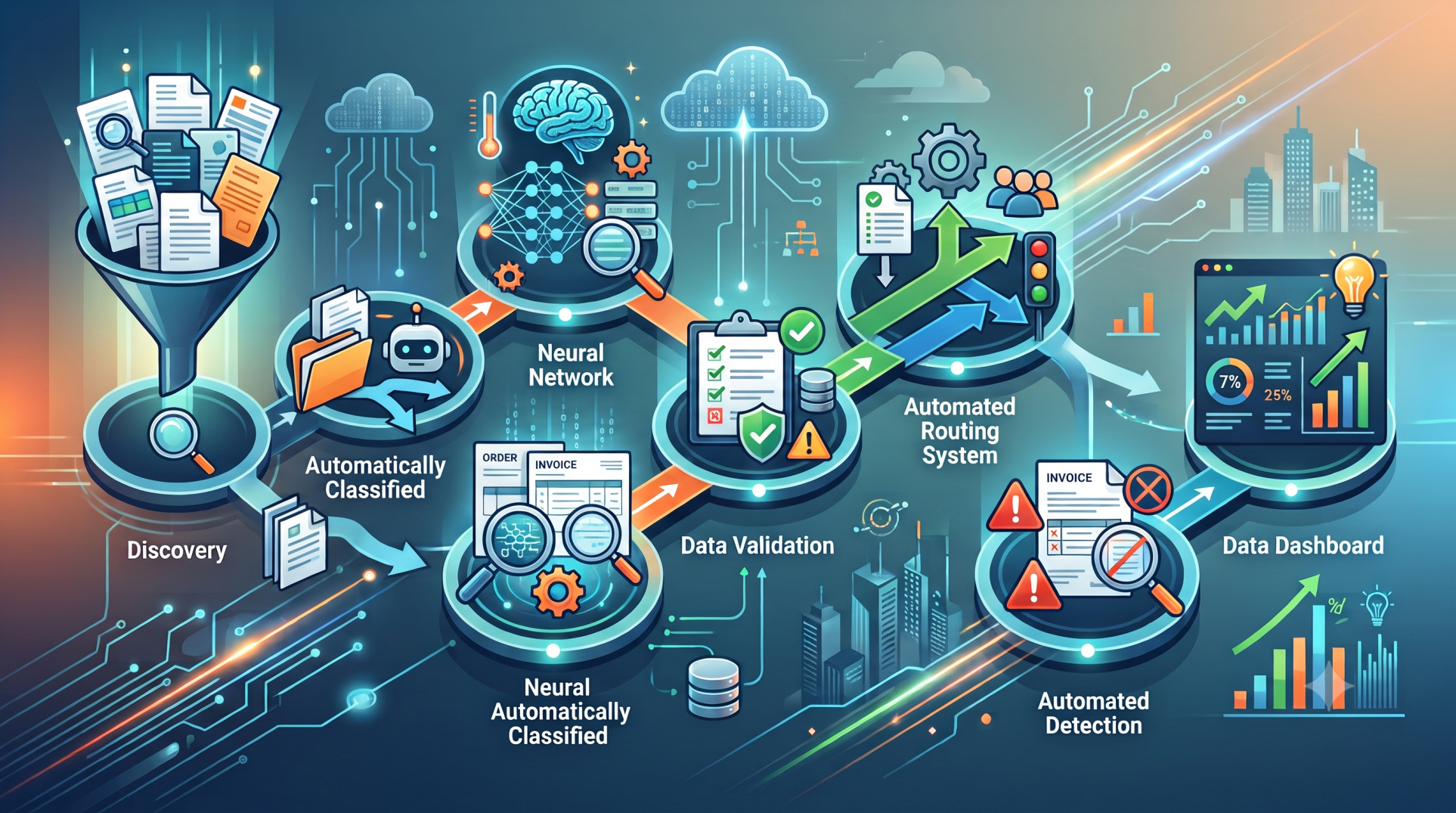
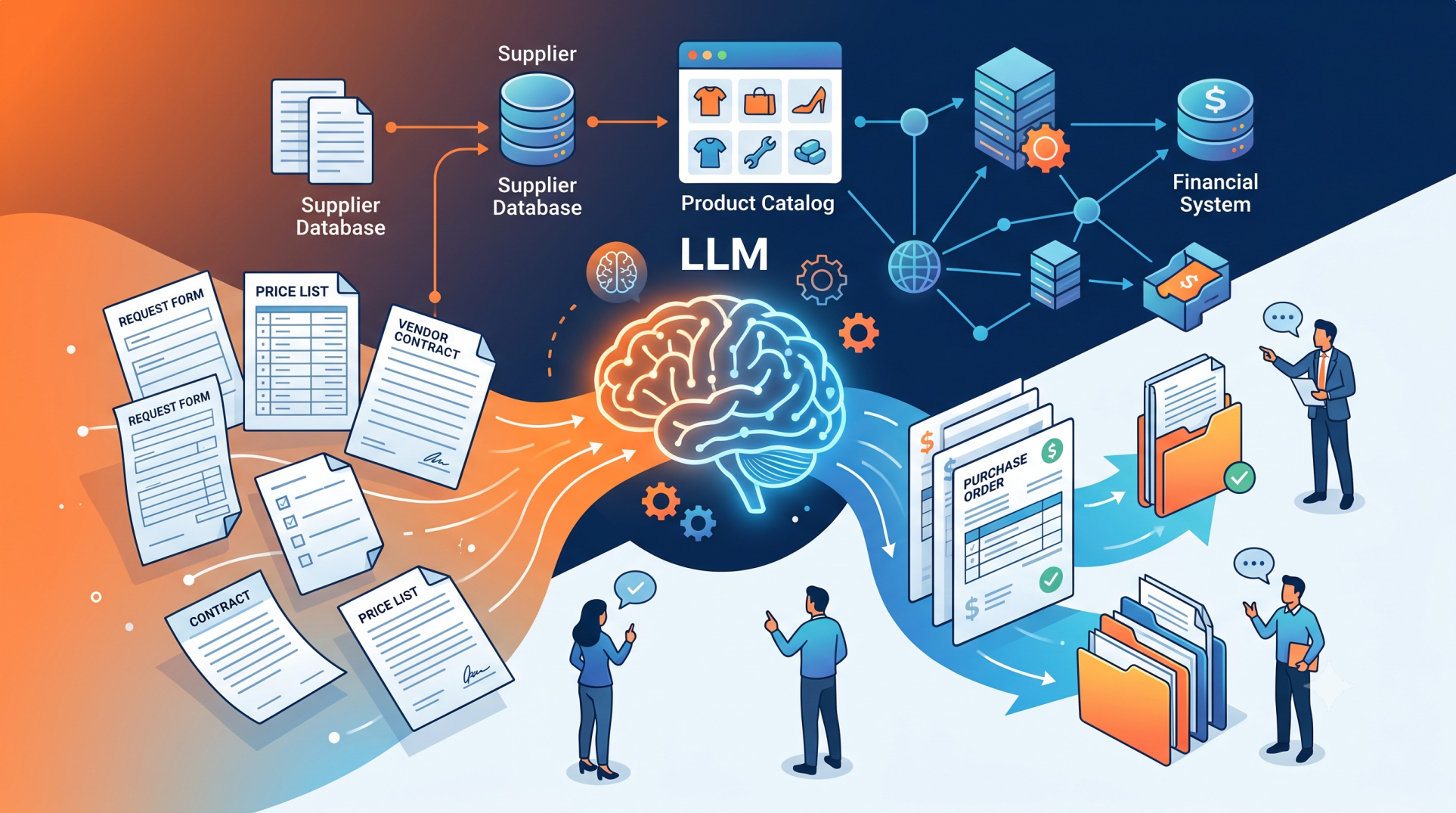
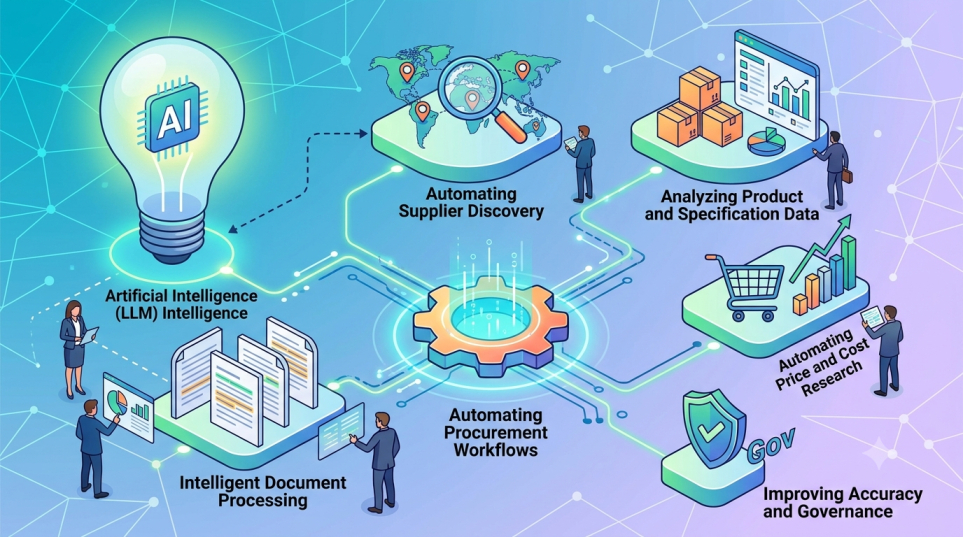
Procurement teams manage a wide range of documents, including purchase orders, supplier quotations, invoices, contracts, delivery records, and compliance documents. Processing these documents manually can create delays, increase administrative effort, and introduce errors. Intelligent procurement document workflows combine automation, document processing, AI, and business rules to make procurement operations more consistent, responsive, and scalable.
Step 1: Understanding Procurement Document Requirements 📄
• Identify the documents generated throughout the procurement lifecycle. 🔎
• Categorize purchase orders, invoices, quotations, contracts, and supplier records. 🗂️
• Define the information that must be captured from each document type. 📋
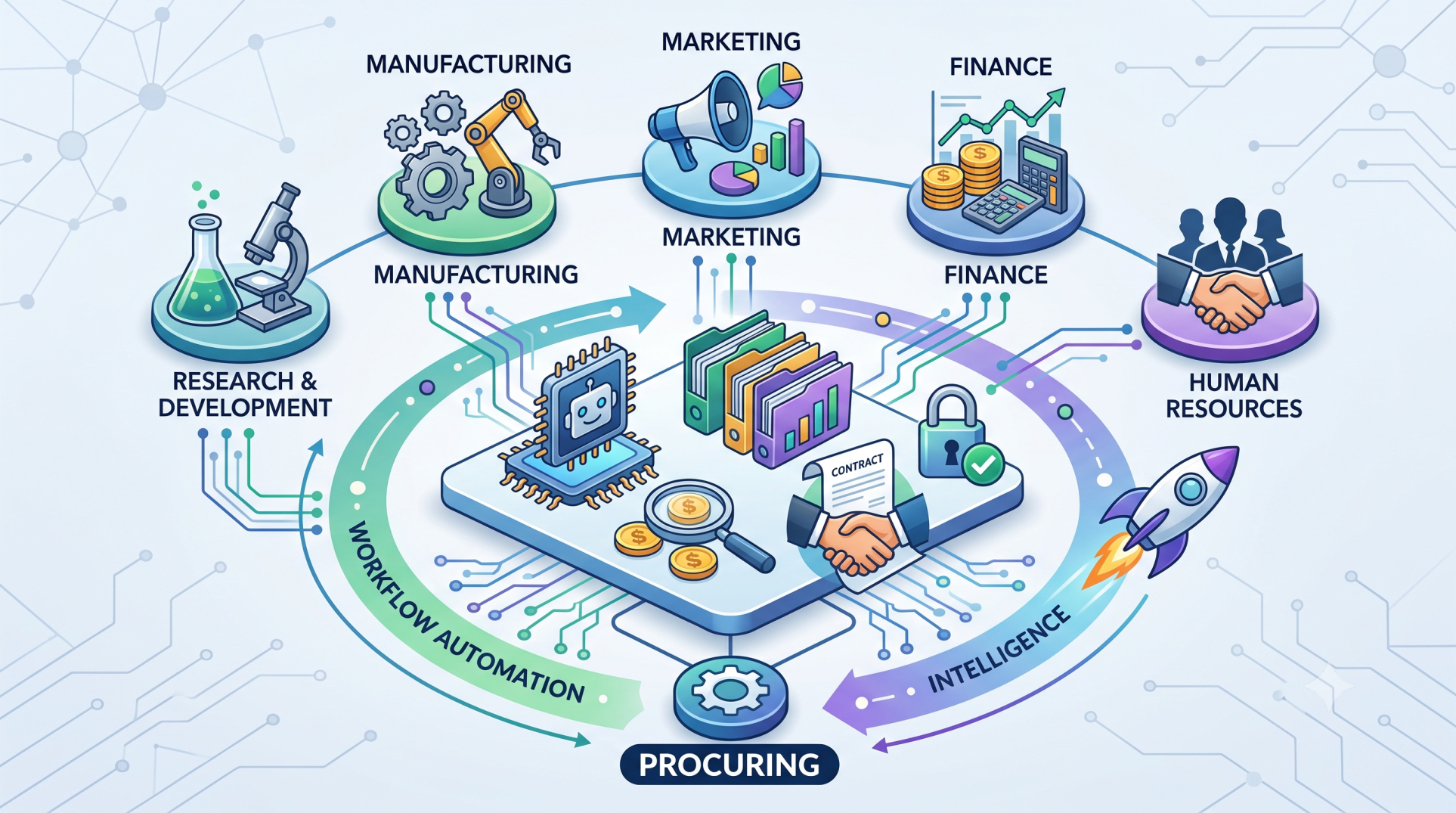
• Map documents to the appropriate procurement processes and departments. 🔗
• Establish clear requirements for validation, approval, storage, and retrieval. ⚙️
Step 2: Automating Document Collection 📥
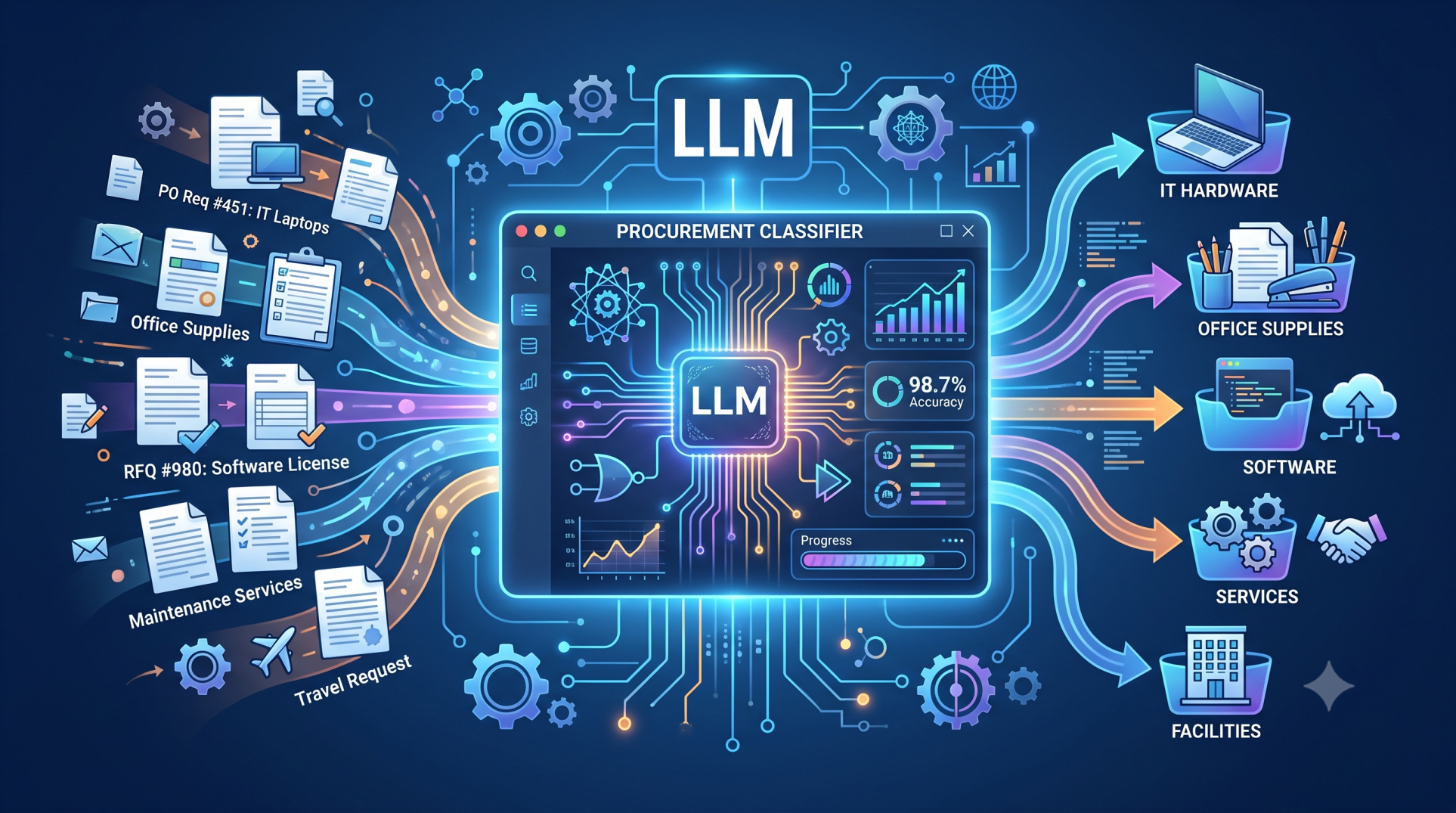
• Collect procurement documents from email, portals, ERP systems, and supplier platforms. 🔗
• Centralize incoming documents within a controlled processing environment. 🗃️
• Automatically identify document types and associated suppliers. 🤖
• Reduce manual data entry by capturing information directly from source documents. ⚡
• Maintain document traceability throughout the procurement process. 📝
Step 3: Extracting Relevant Information 🧠
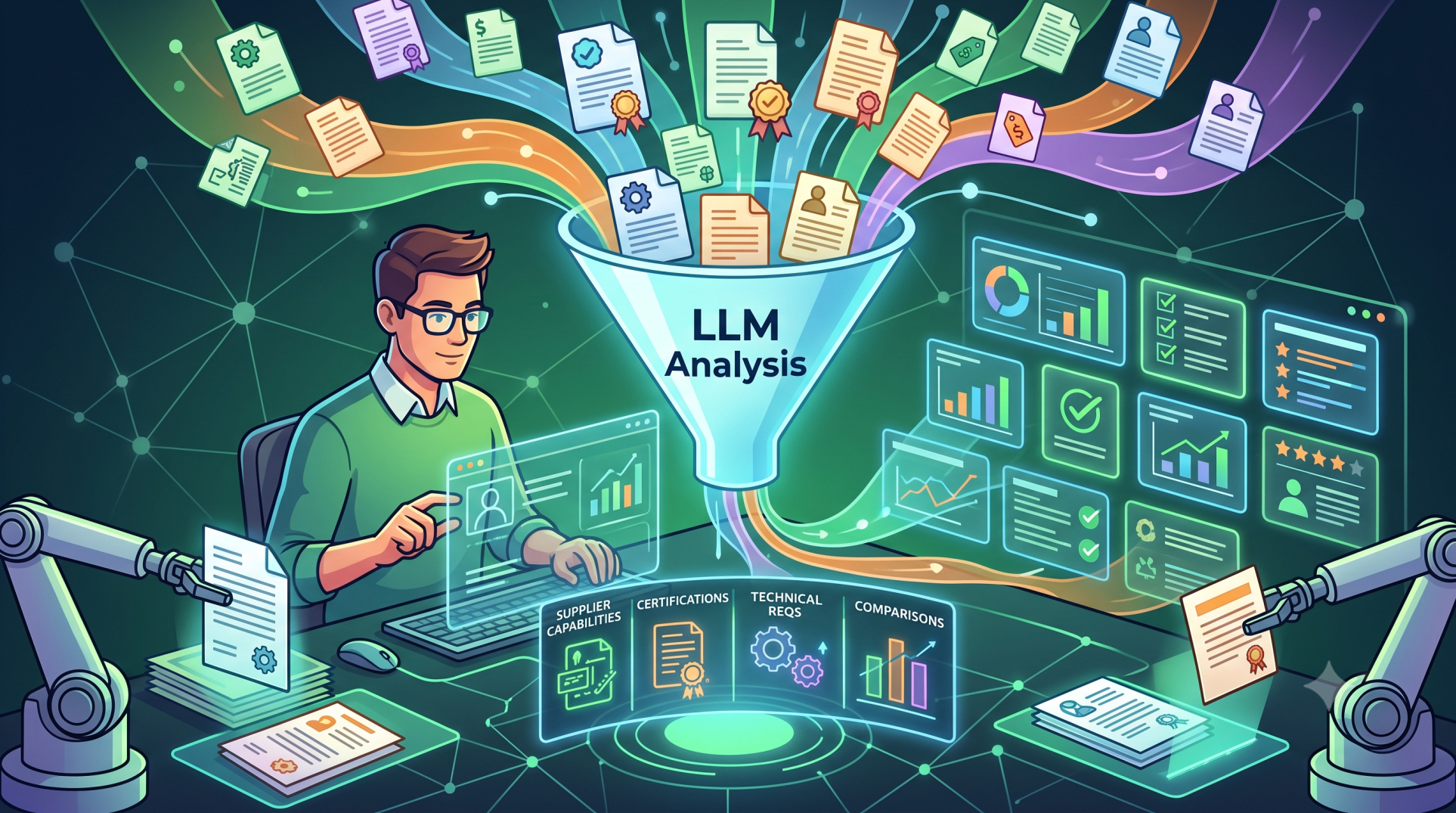
• Use intelligent document processing to identify important procurement fields. 🔎
• Extract supplier names, purchase order numbers, product details, quantities, prices, and dates. 📊
• Process both structured and unstructured document formats. 📄
• Apply OCR and AI-based extraction techniques where appropriate. 🤖
• Validate extracted information before sending it to downstream systems. ✅
Step 4: Validating Procurement Data ✅
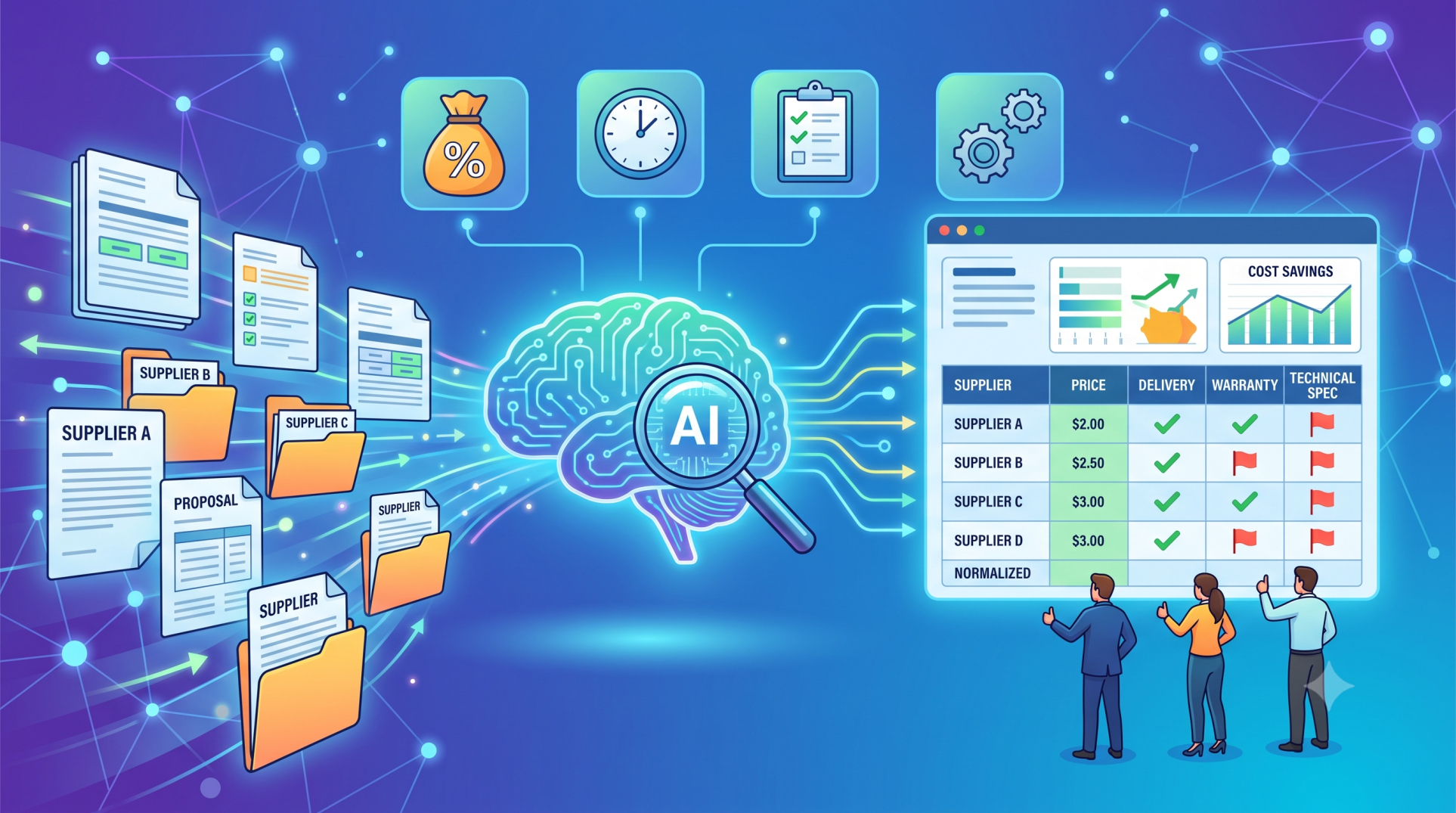
• Compare extracted information against approved procurement records. 🔍
• Verify supplier details, quantities, pricing, tax information, and payment terms. 📋
• Detect missing, inconsistent, or potentially incorrect information. ⚠️
• Apply business rules to identify documents requiring additional review. 🧩
• Route exceptions to the appropriate procurement team for resolution. 👥
Step 5: Connecting Documents with ERP Systems 🔗
• Integrate document workflows with ERP procurement modules. 🏢
• Match invoices and supporting documents with purchase orders and receipts. 🔄
• Synchronize supplier and transaction information across connected systems. 📊
• Reduce duplicate data entry between document processing and ERP workflows. ⚡
• Maintain consistent records across procurement applications. 🗃️
Step 6: Creating Intelligent Approval Workflows ⚙️
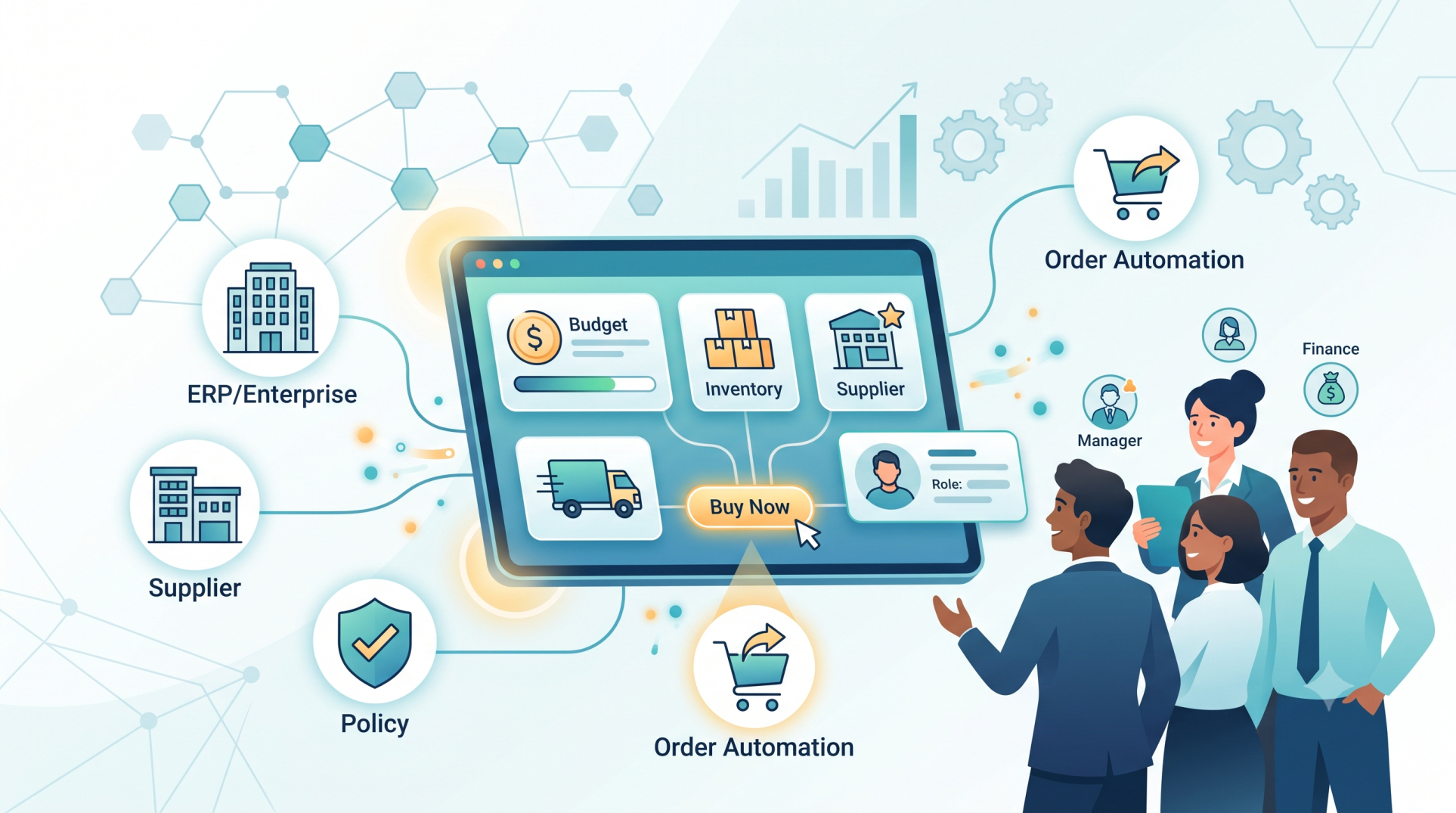
• Route procurement documents according to predefined approval policies. 🔀
• Consider factors such as purchase value, department, supplier, and document type. 💼
• Automatically approve transactions that satisfy established rules where permitted. ✅
• Escalate exceptions or high-value transactions for human review. 👥
• Maintain visibility into pending, approved, rejected, and escalated documents. 👁️
Step 7: Detecting Errors and Procurement Risks 🛡️
• Identify duplicate invoices and potentially repeated transactions. 🔎
• Detect unusual pricing, quantities, or supplier information for review. ⚠️
• Compare documents against established procurement policies. 📋
• Highlight missing approvals or supporting documentation. 🚨
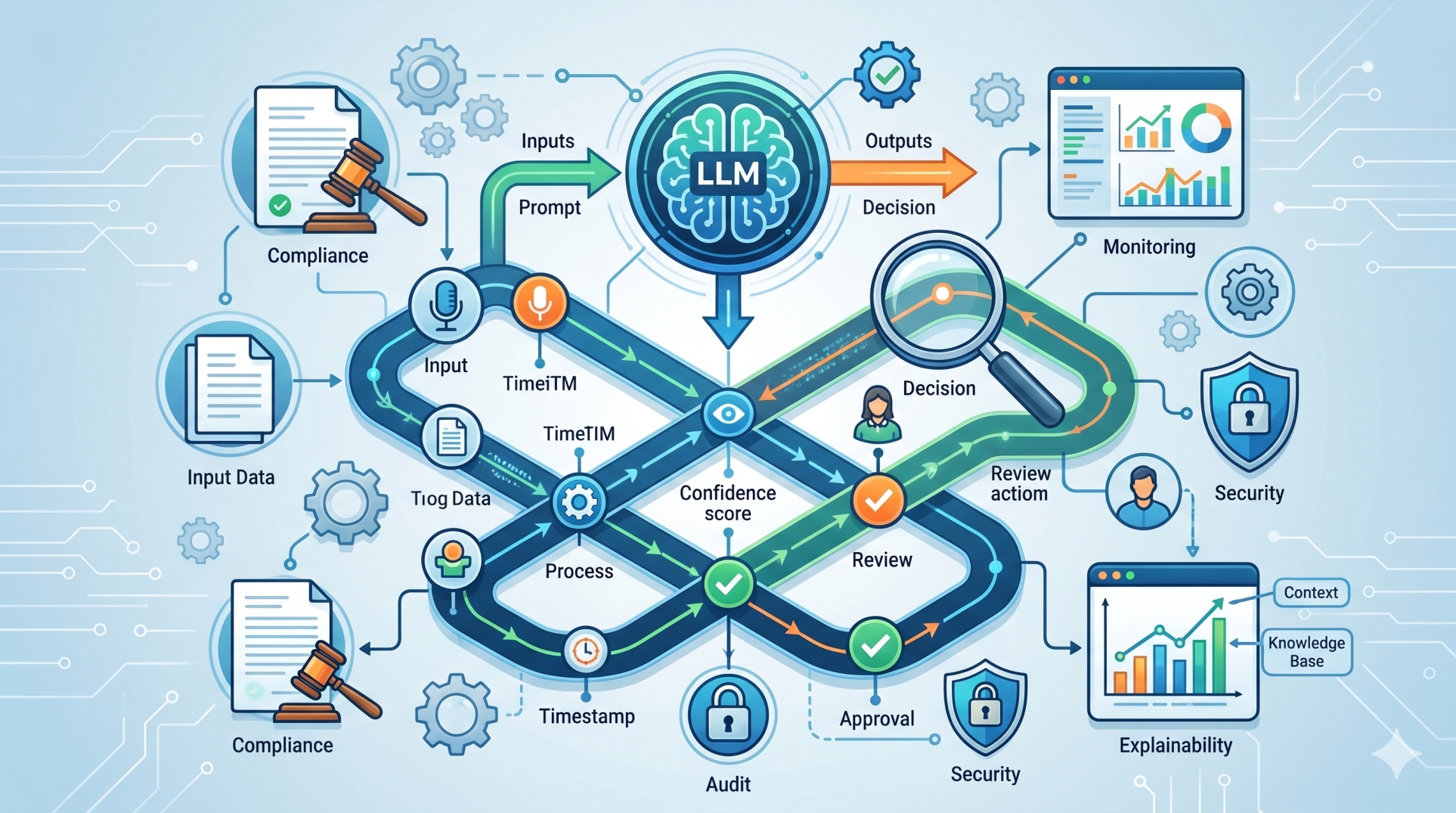
• Maintain audit records for important validation and workflow decisions. 📝
Step 8: Using AI for Procurement Insights 🤖
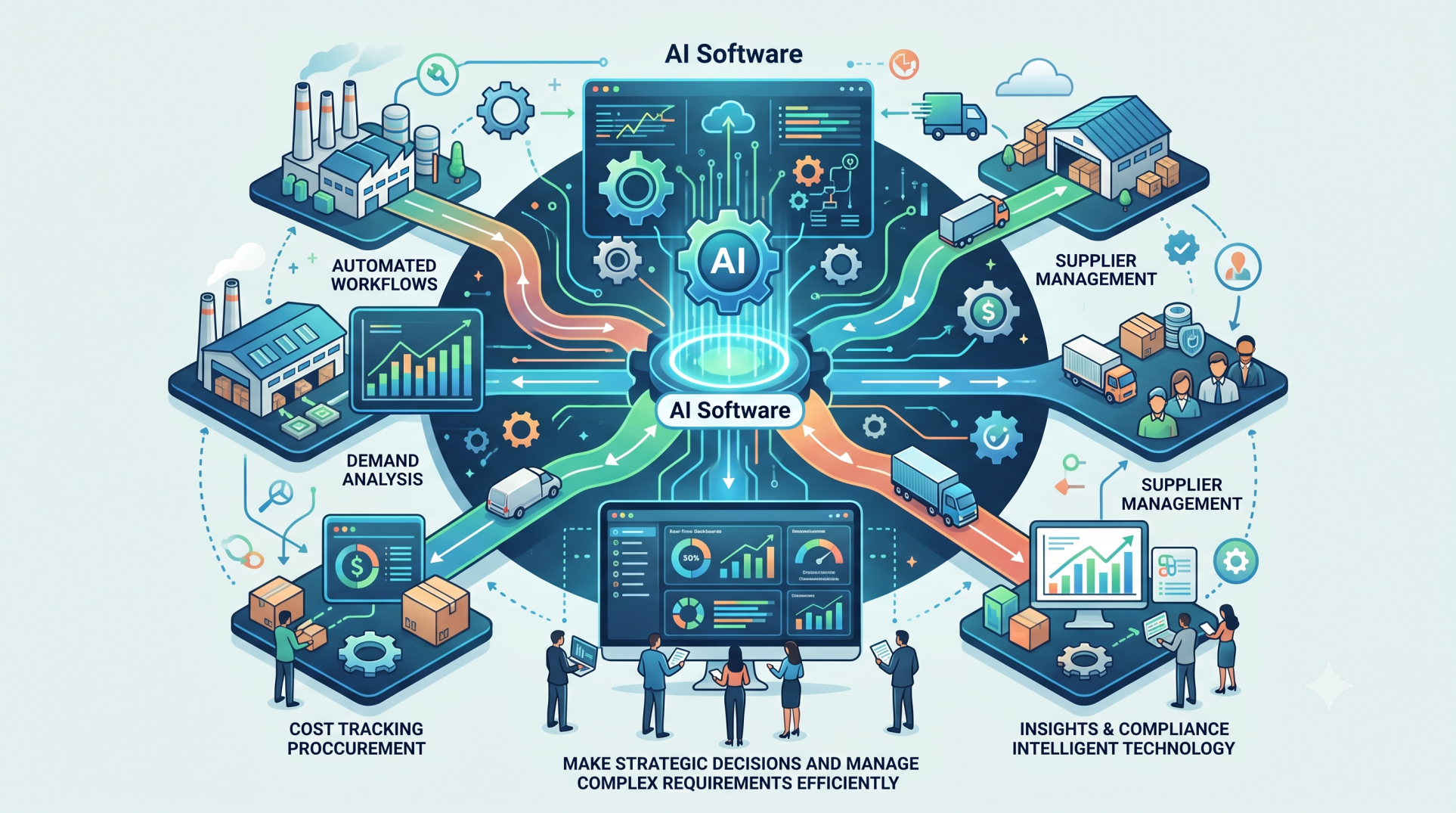
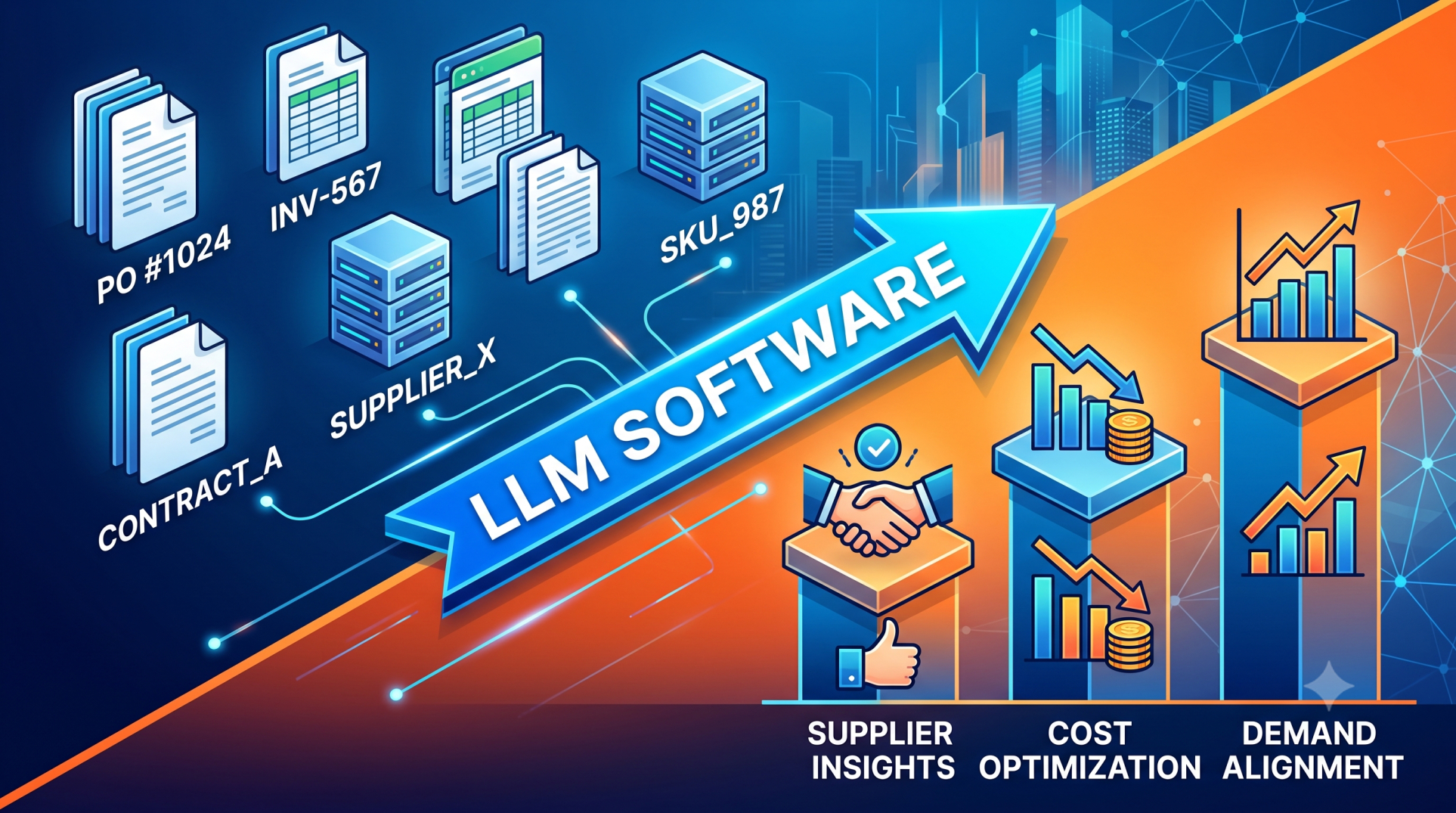
• Analyze historical procurement documents to identify recurring patterns. 📊
• Support supplier performance and purchasing analysis. 📈
• Identify frequently purchased products and changing cost patterns. 🔎
• Generate summaries of contracts, quotations, and procurement records. 📝
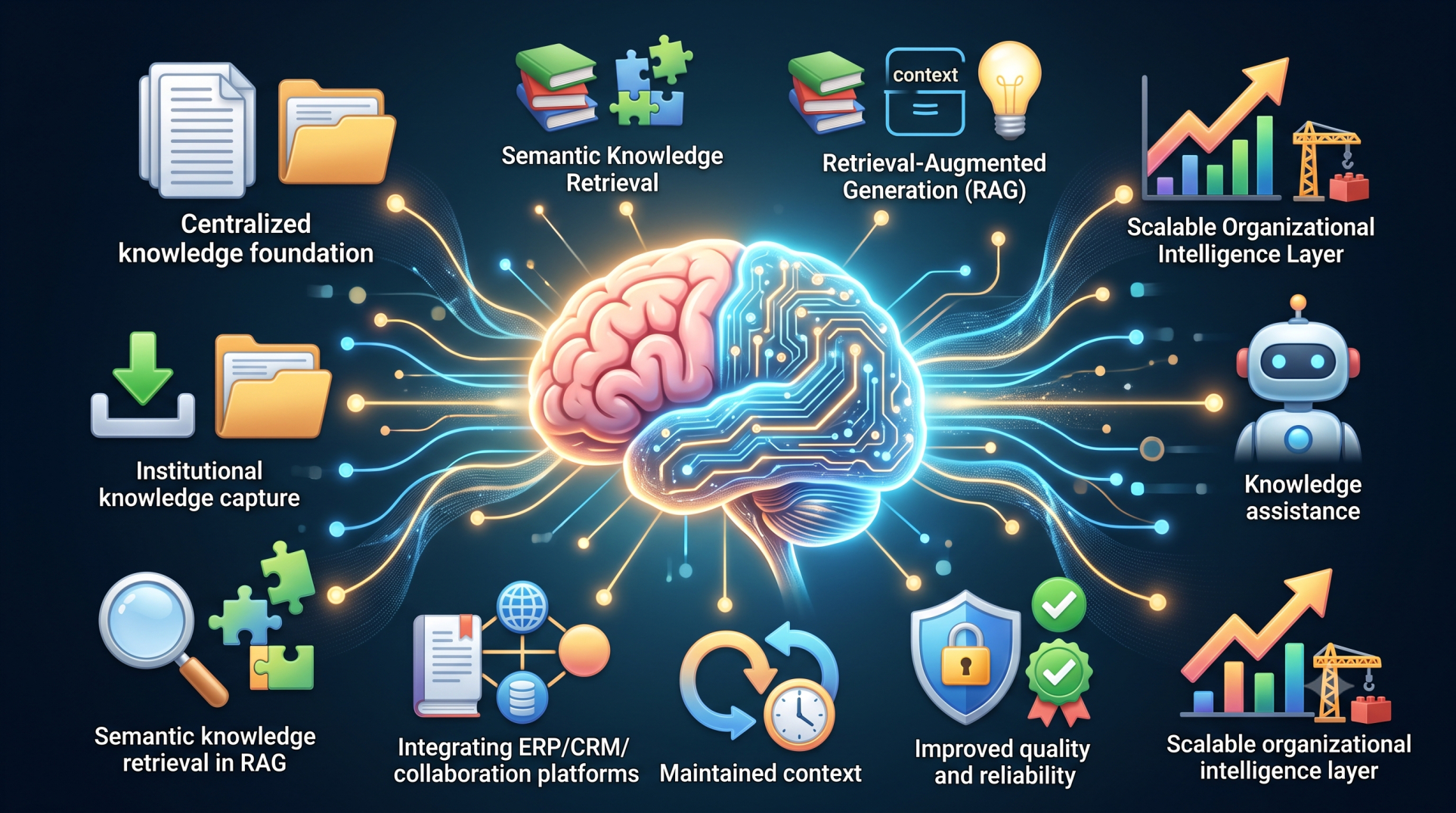
• Provide contextual information to procurement teams during decision-making. 💡
Step 9: Monitoring Workflow Performance 📈
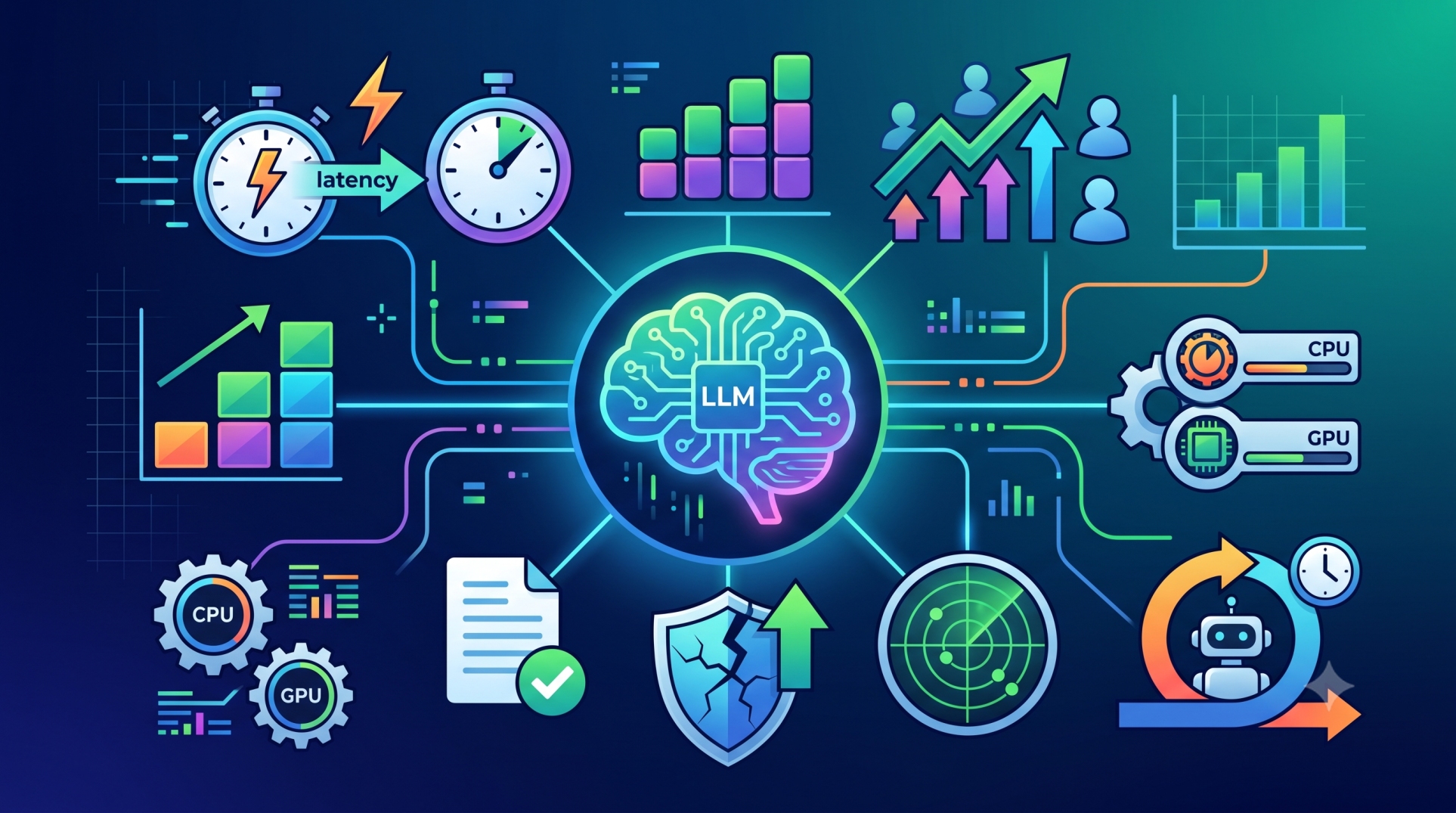
• Track document processing volumes, turnaround times, and exception rates. 📊
• Identify workflow stages that create delays or bottlenecks. 🔎
• Monitor automation performance and extraction accuracy. 🤖
• Analyze manual intervention requirements across document categories. 👥
• Use operational data to continuously improve procurement workflows. 🔄
Step 10: Building a Scalable Procurement Document Architecture 🚀
• Design modular workflows that support additional document types and suppliers. 🧩
• Allow new validation rules and approval processes to be introduced without major redevelopment. 🔧
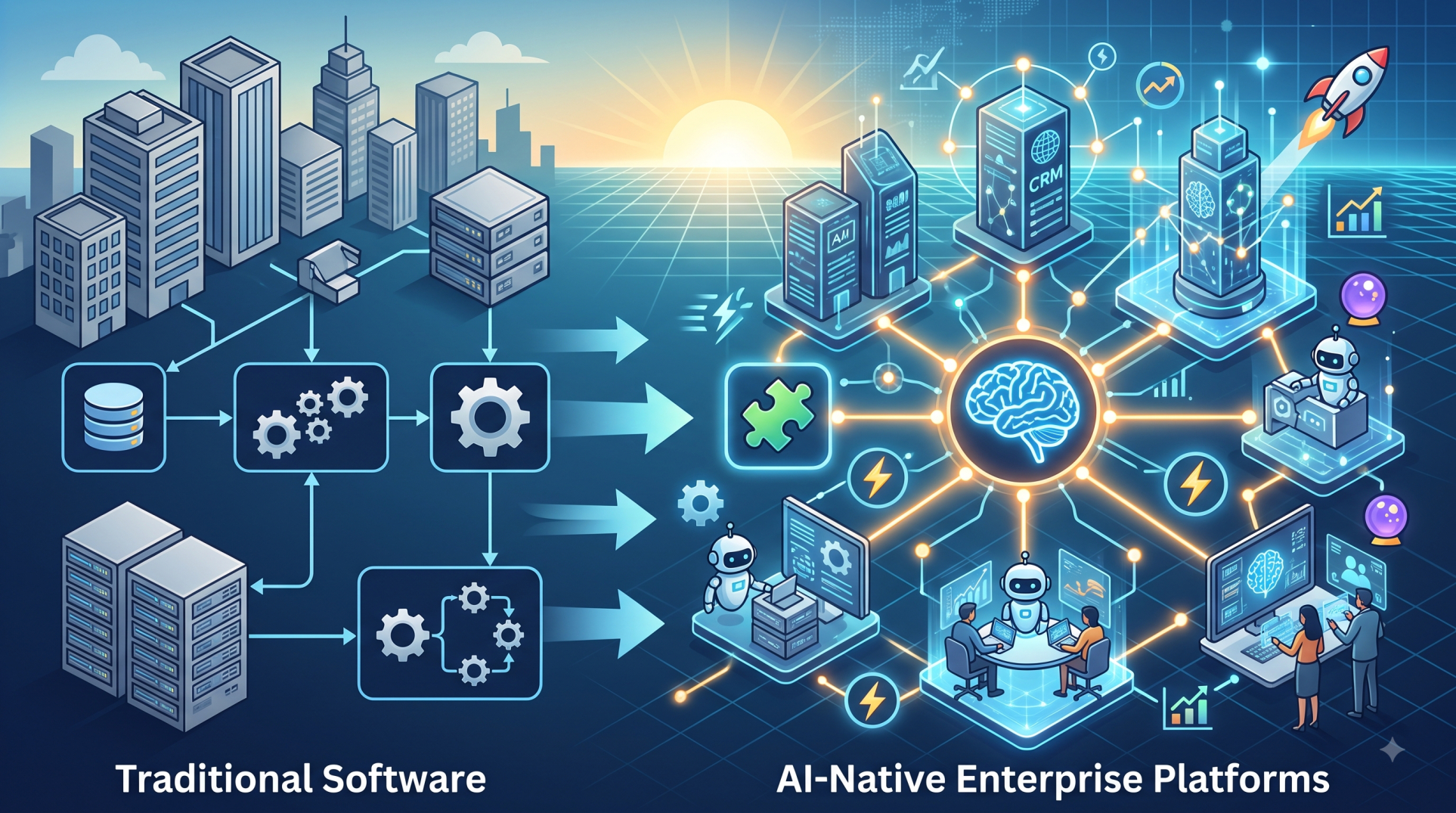
• Integrate additional AI capabilities as procurement requirements evolve. 🧠
• Maintain strong security, access controls, and document governance. 🔐
• Build an adaptable architecture that can support growing transaction volumes and increasingly complex procurement operations. 🌐
Conclusion
Intelligent procurement document workflows can transform document-heavy procurement operations by combining automated extraction, validation, ERP integration, approval routing, and AI-driven analysis. A well-designed workflow reduces repetitive administrative work while improving visibility, consistency, and control across the procurement lifecycle. By building modular and scalable document-processing capabilities, organizations can create procurement operations that are better prepared to handle increasing transaction volumes and evolving business requirements.
See more blogs
You can all the articles below