Using LLM Software for Internal Productivity Tools
Using LLM Software for Internal Productivity Tools 🧠
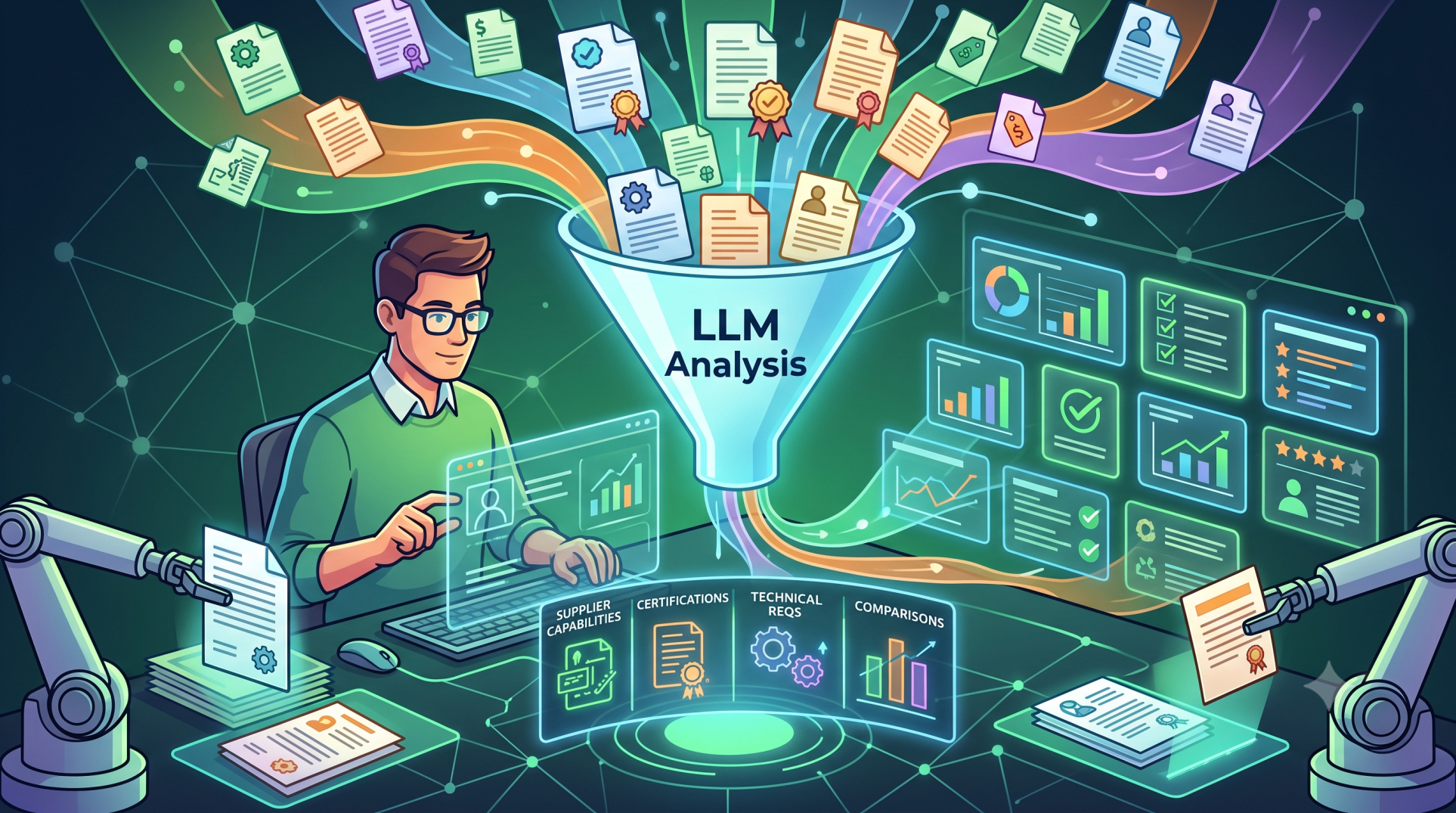
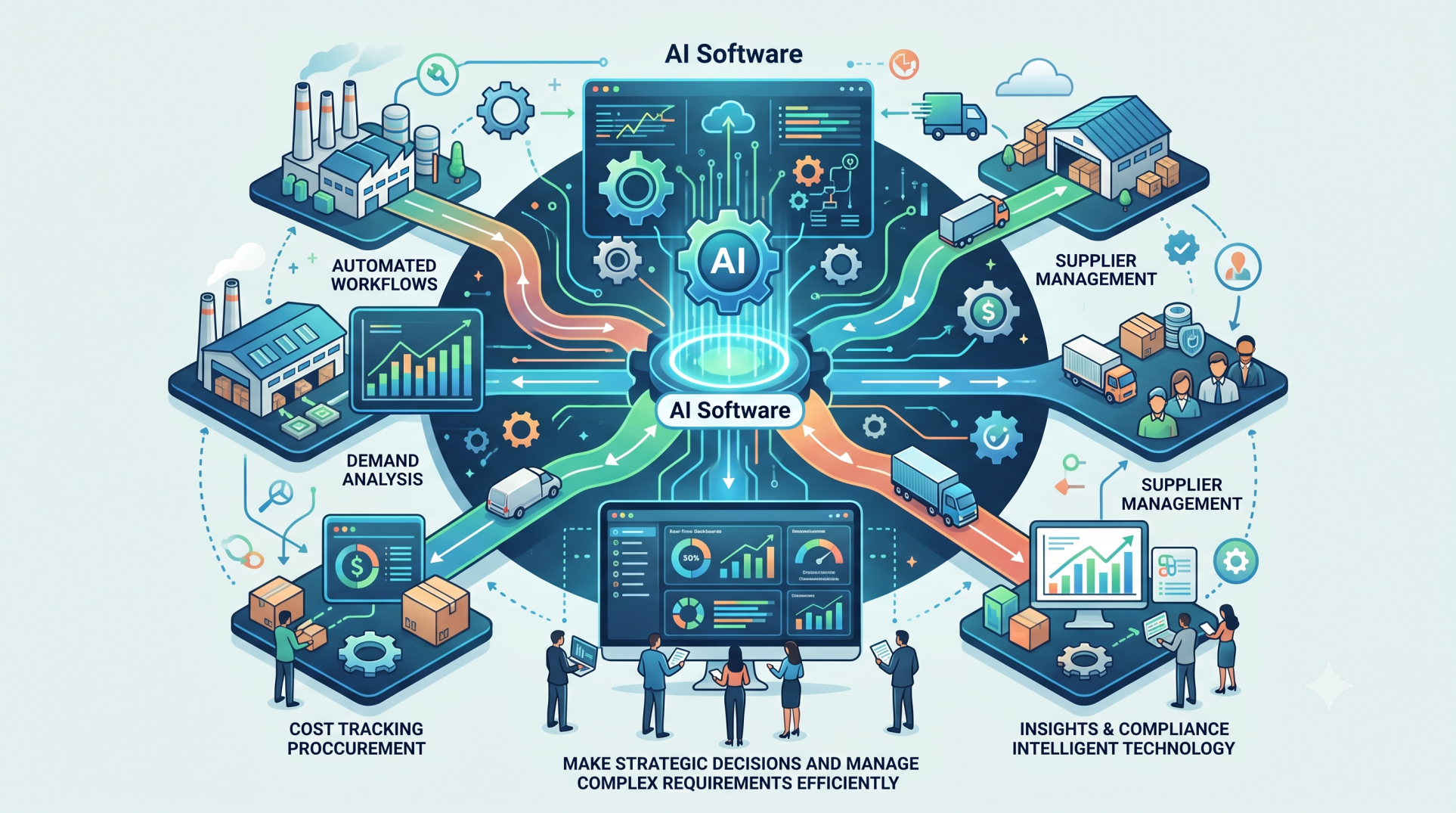
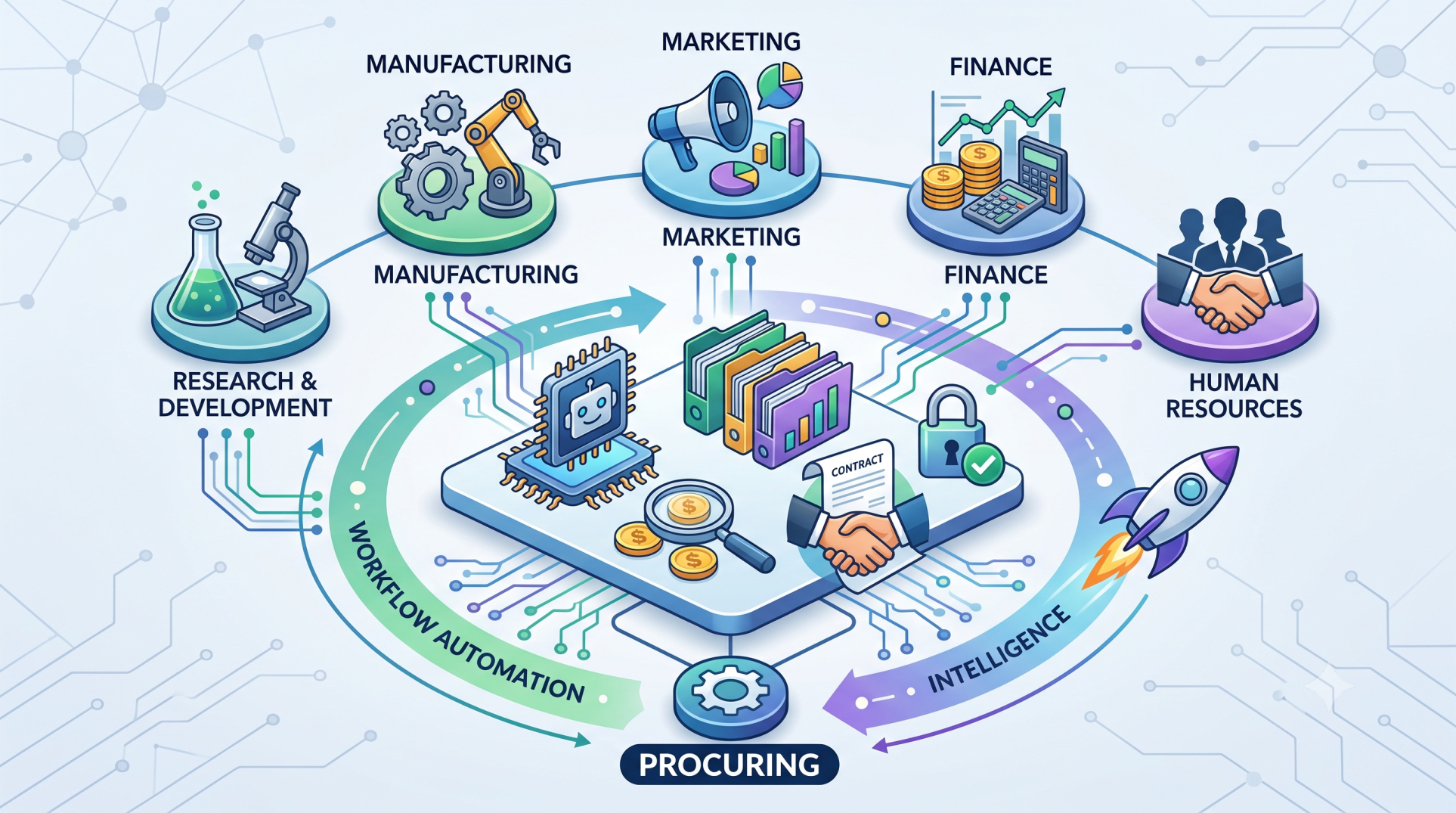
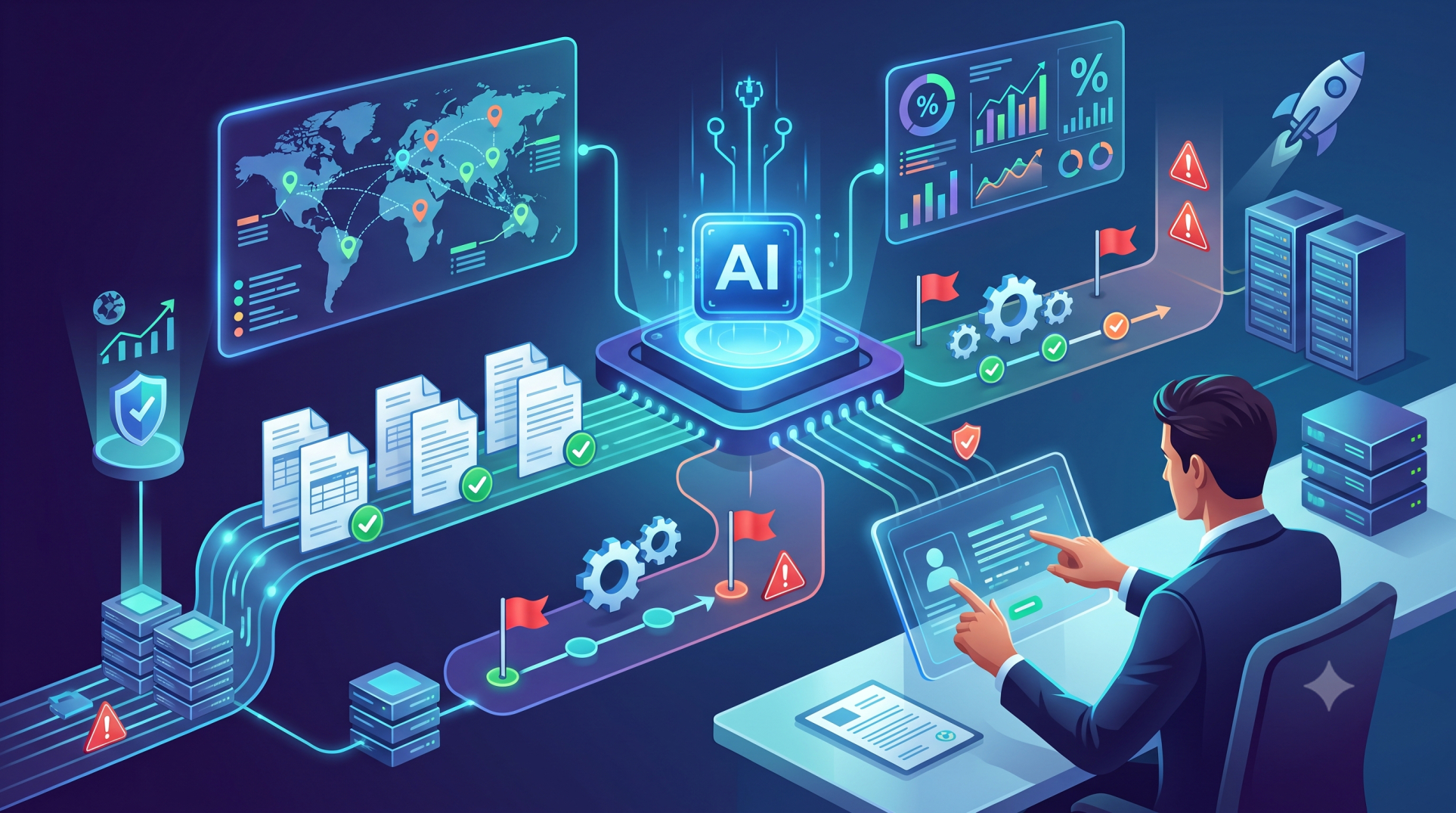
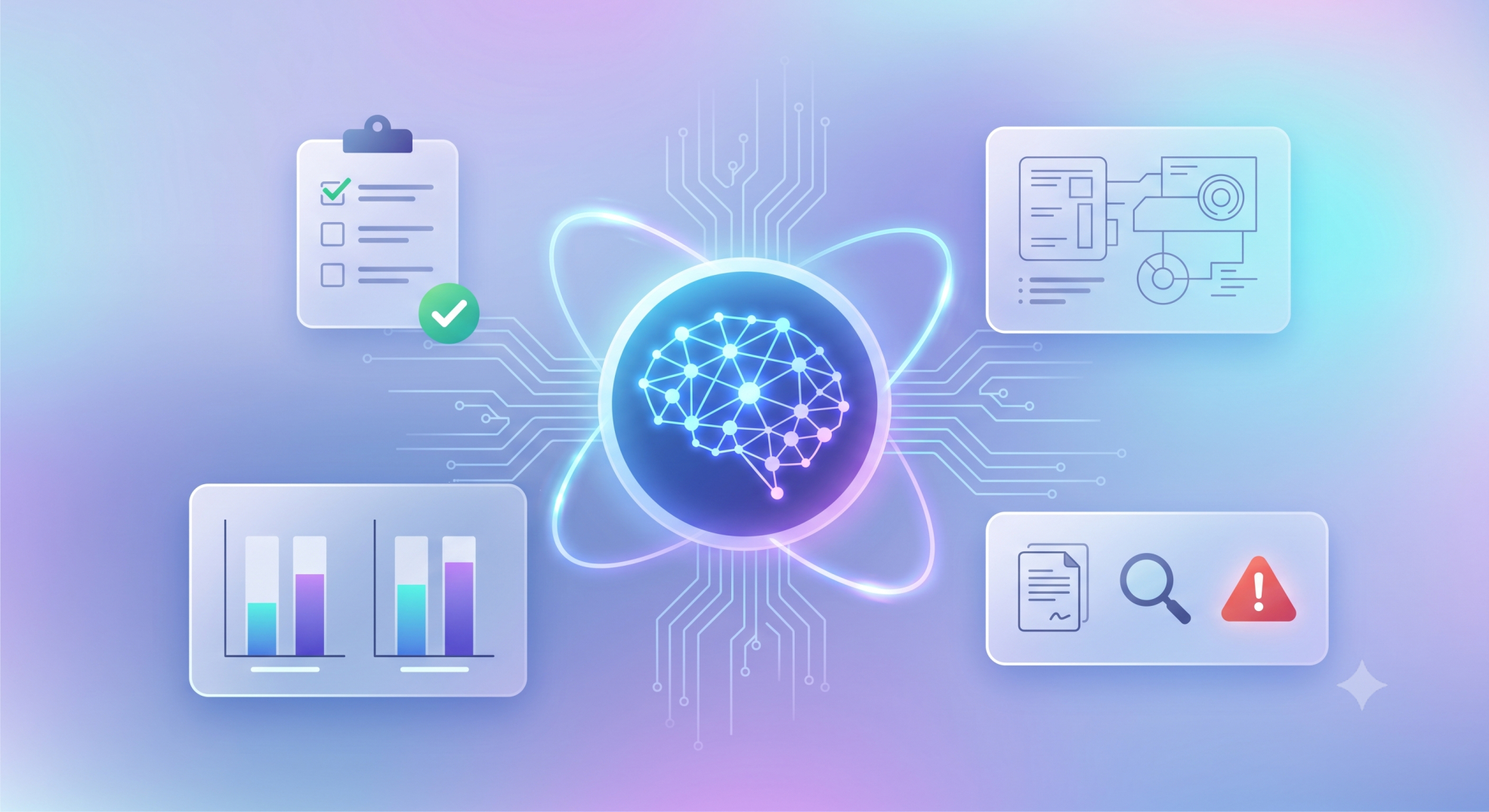
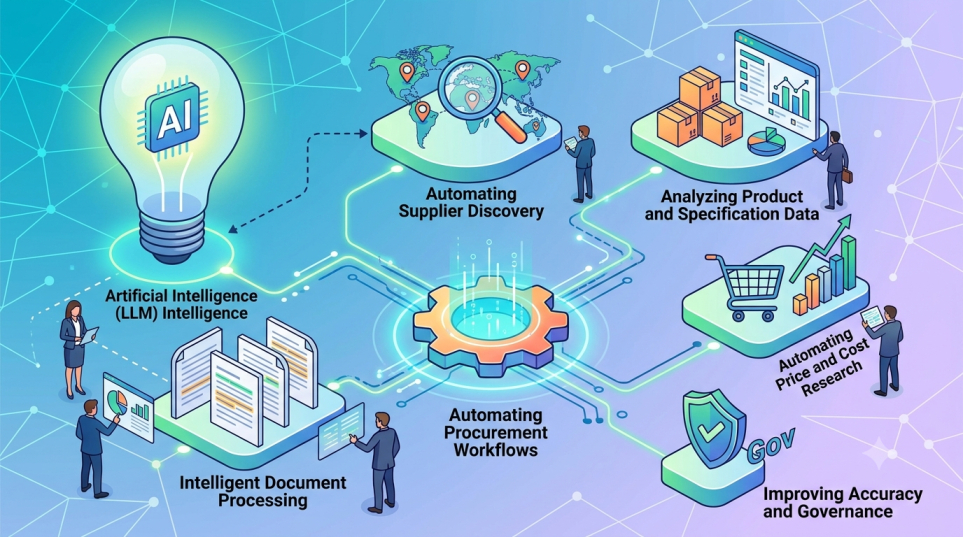
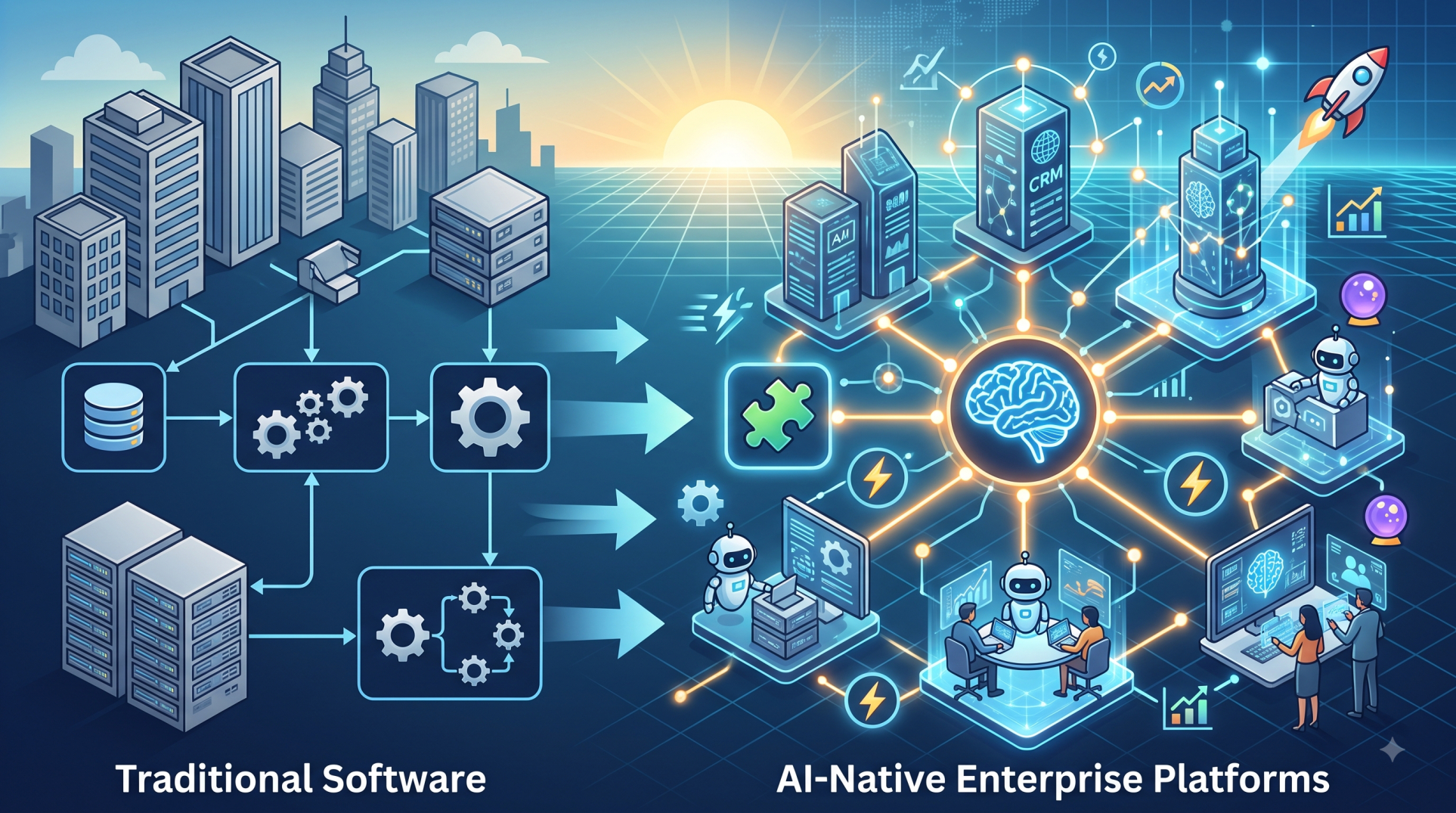
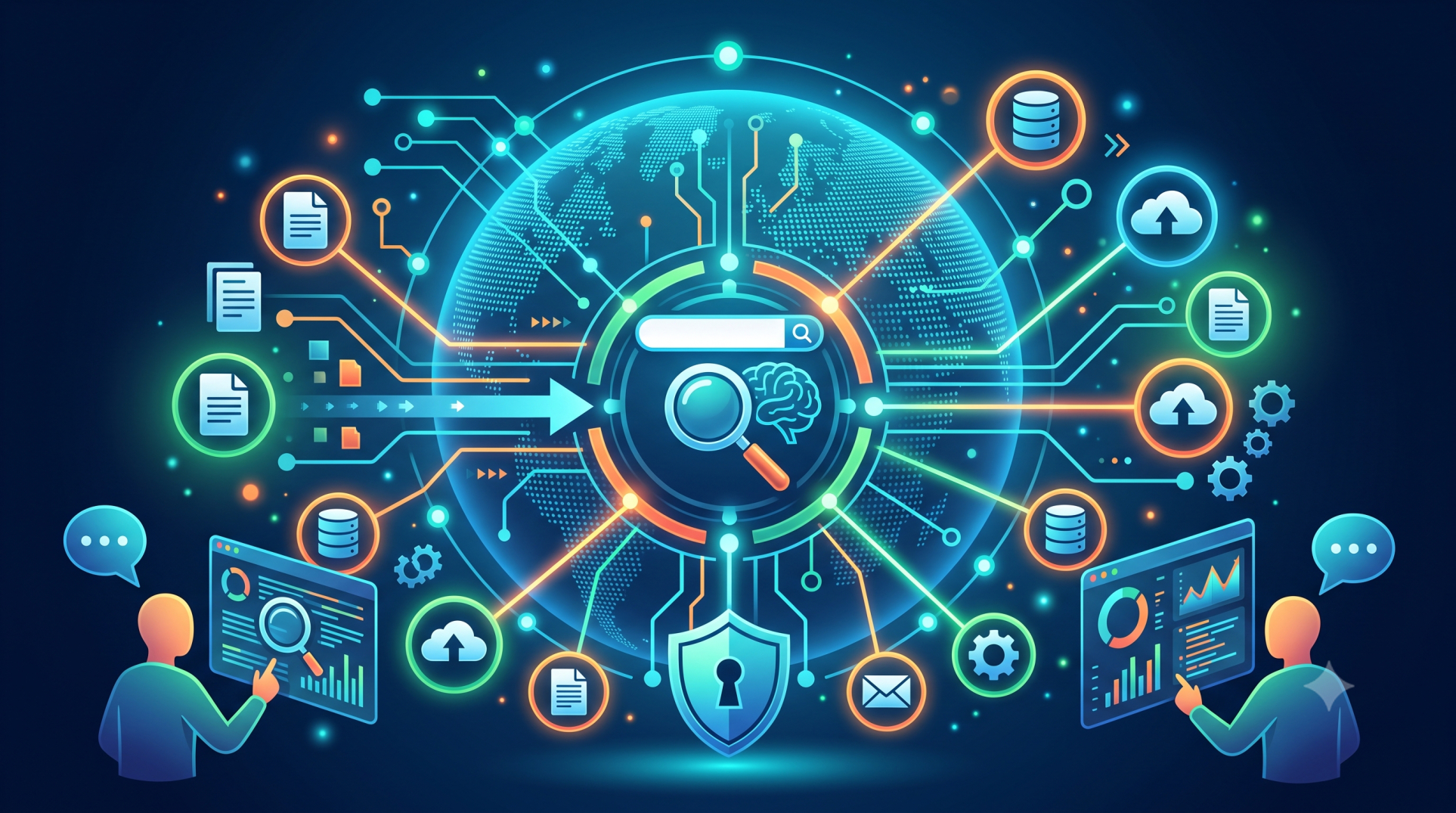
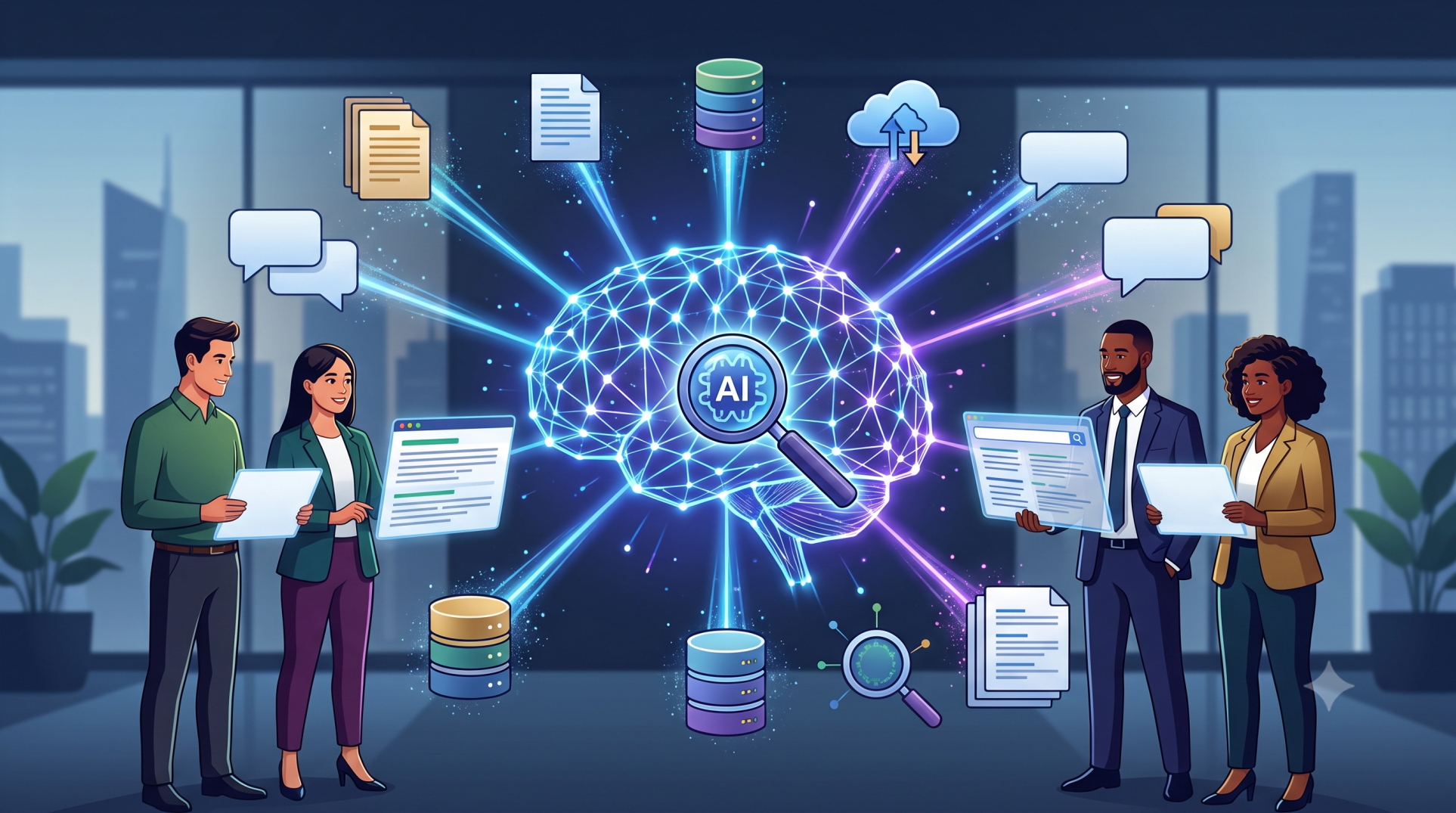
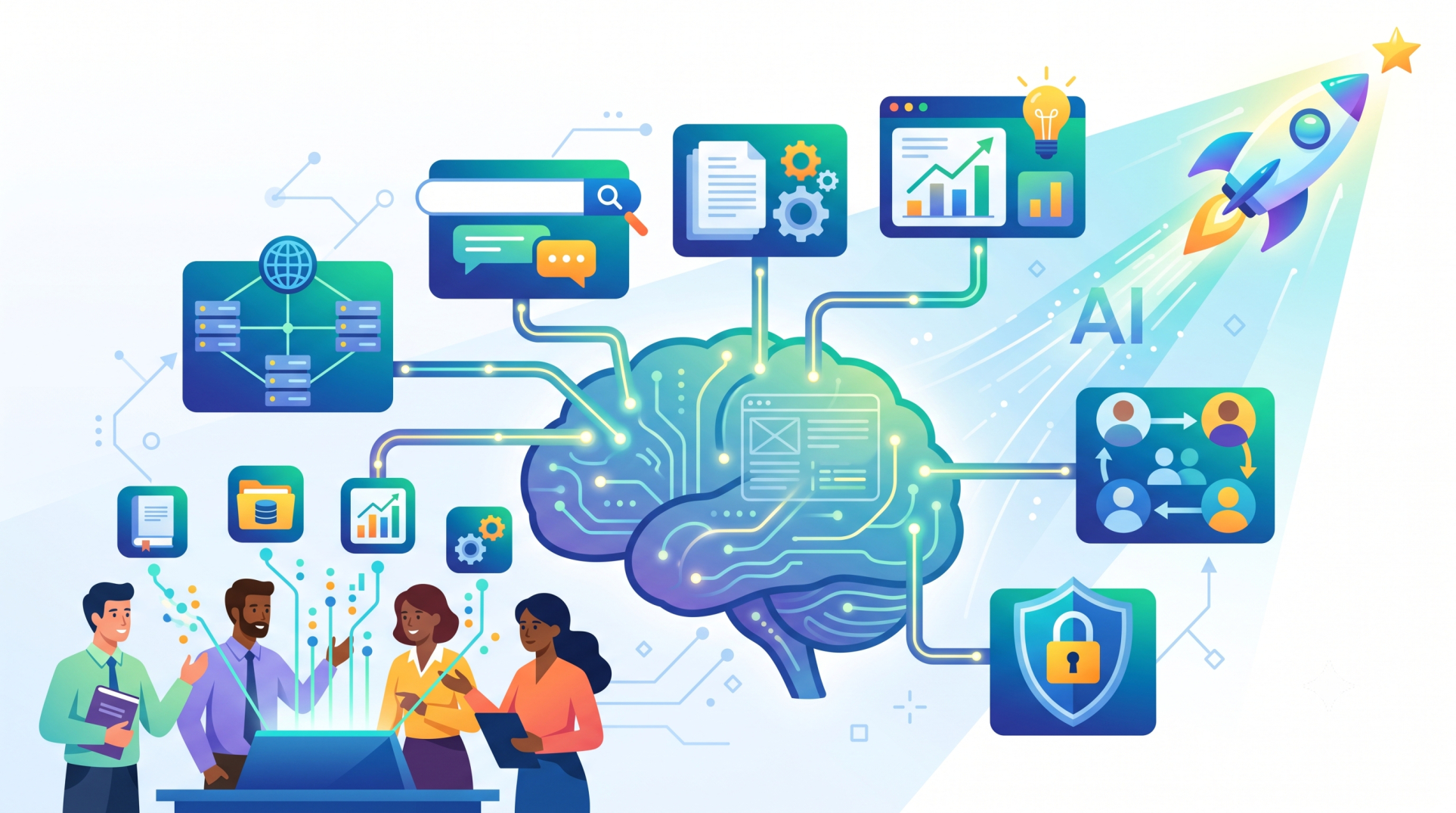
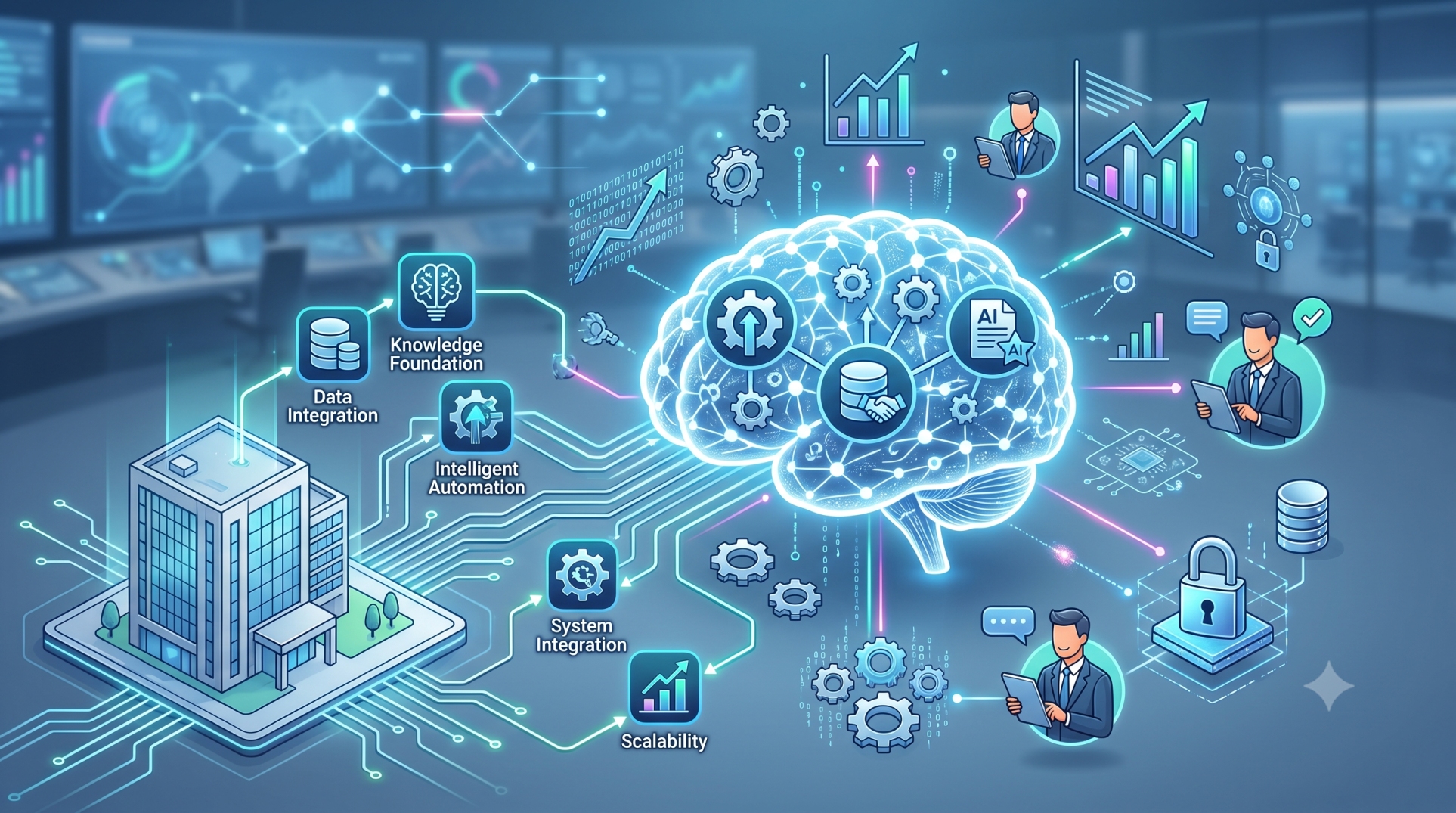
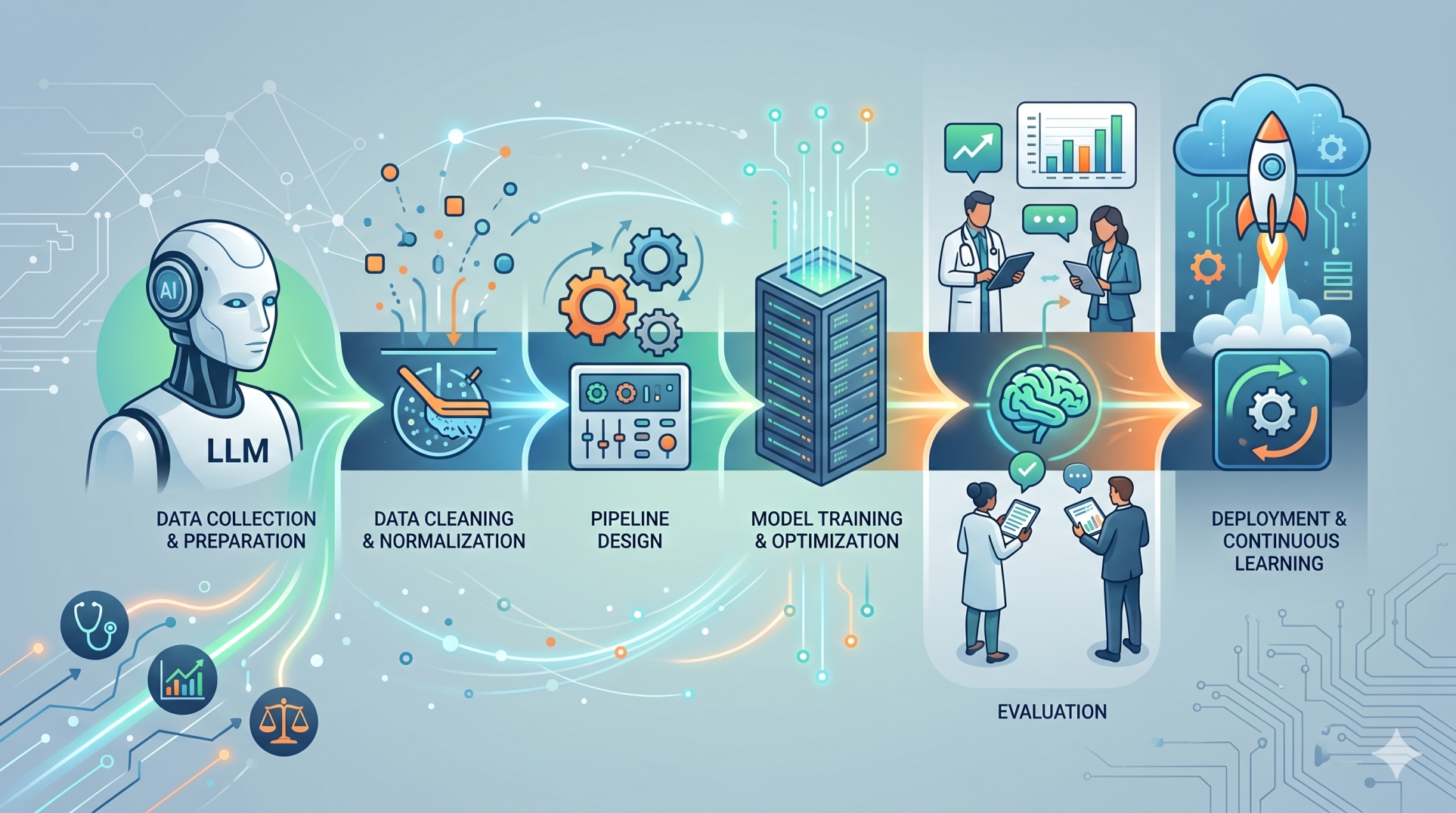
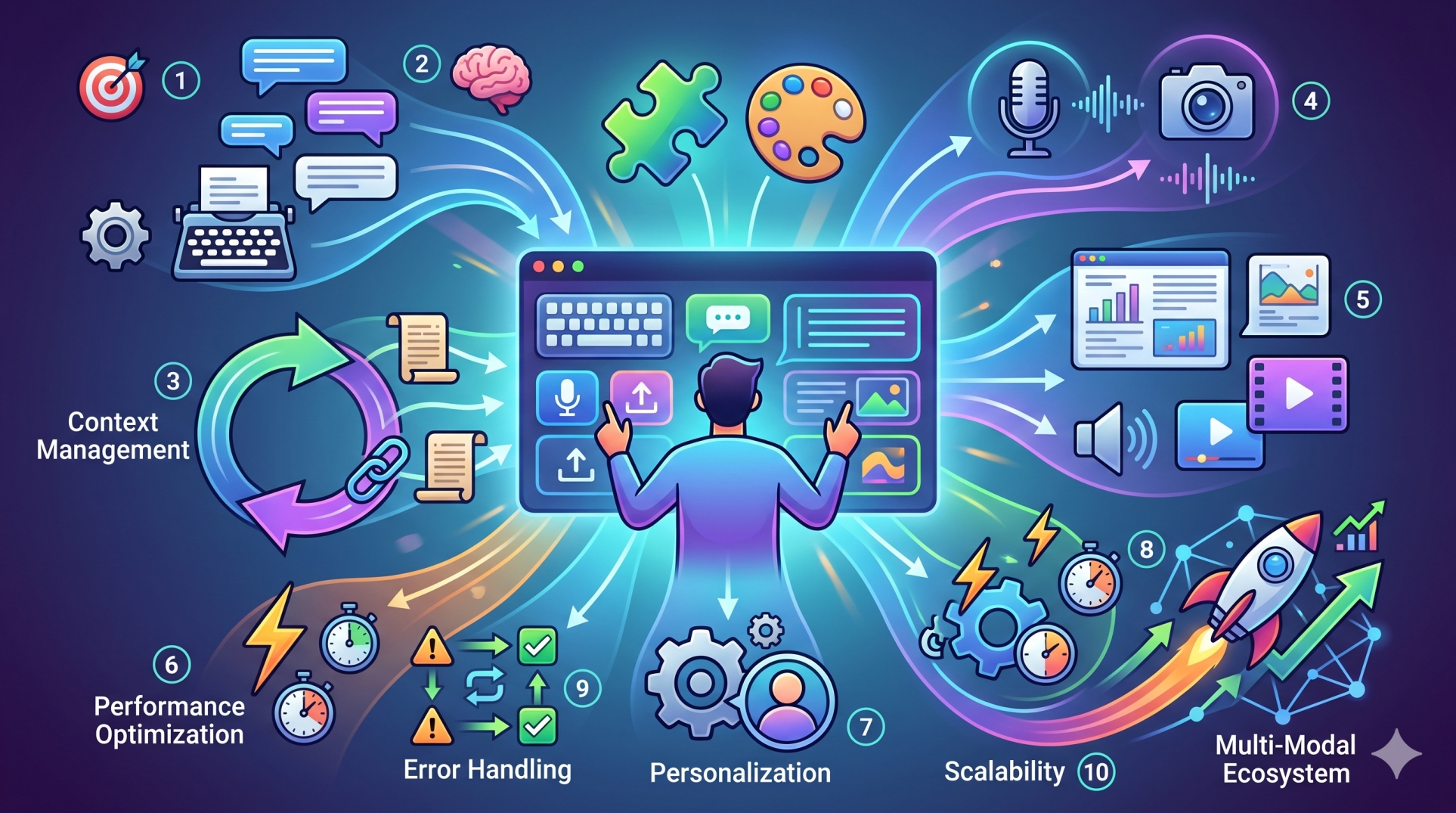
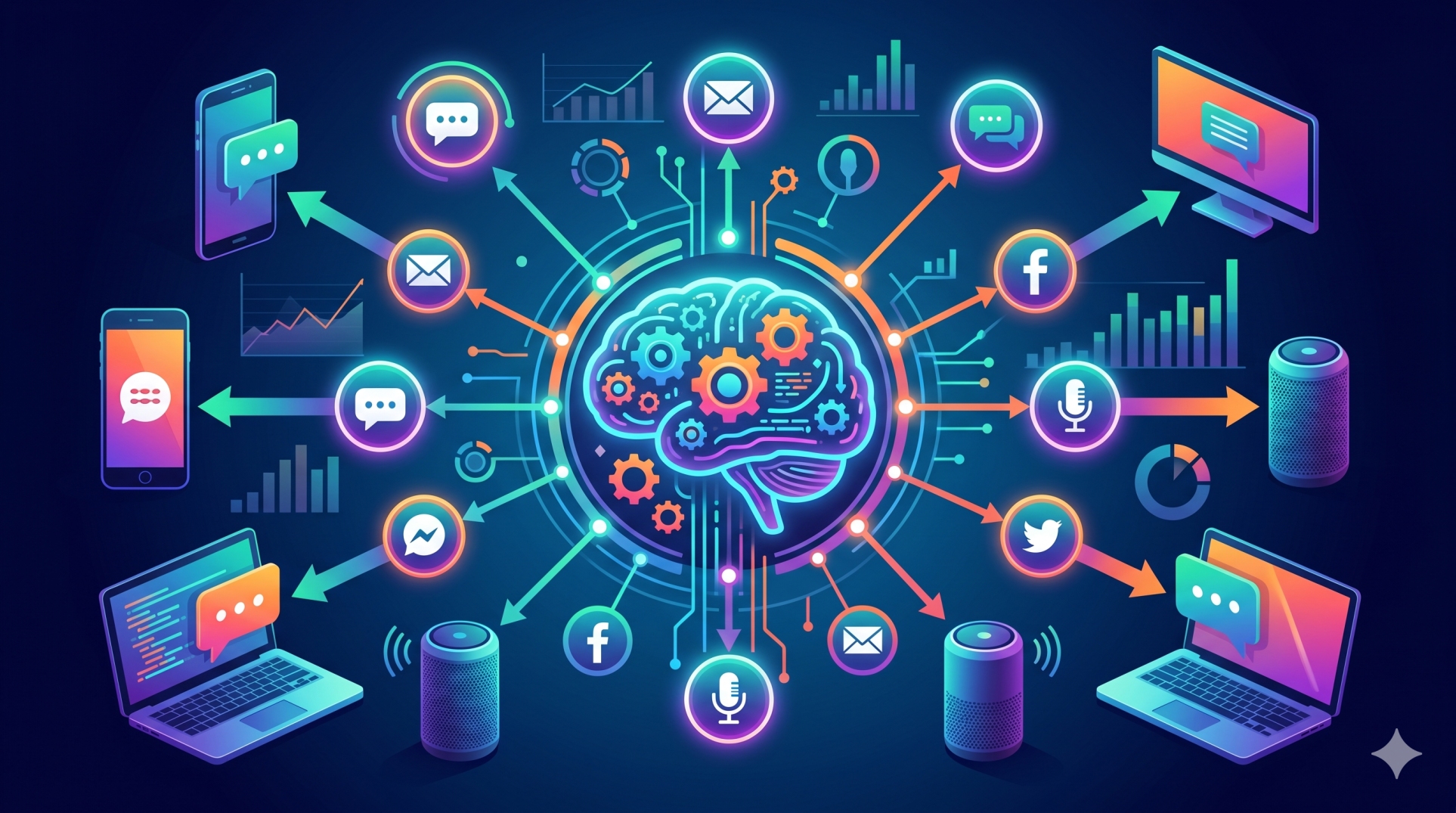
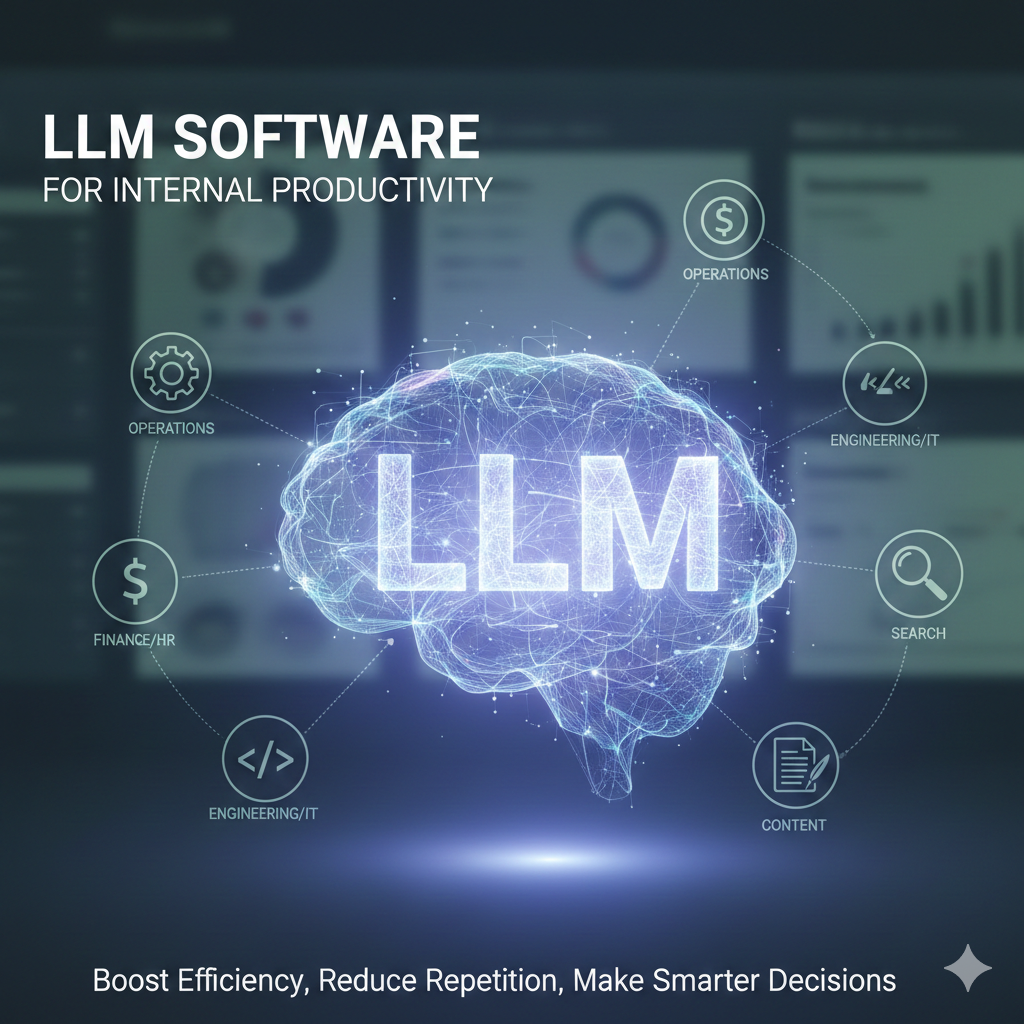
Organizations are increasingly using Large Language Model (LLM) software not only for customer-facing solutions but also to improve internal productivity. When embedded into daily workflows, LLM software helps teams work more efficiently, reduce repetitive effort, and make better decisions—without forcing major changes to existing tools or processes. 🚀
1. Why LLM Software Works Well for Internal Productivity ⚙️
- Employees handle large amounts of text, data, and documentation every day 📄
- Knowledge is spread across multiple systems and files 🗂️
- Repetitive tasks consume time that could be used for higher-value work ⏱️
- Decisions often require input from multiple data sources 📊
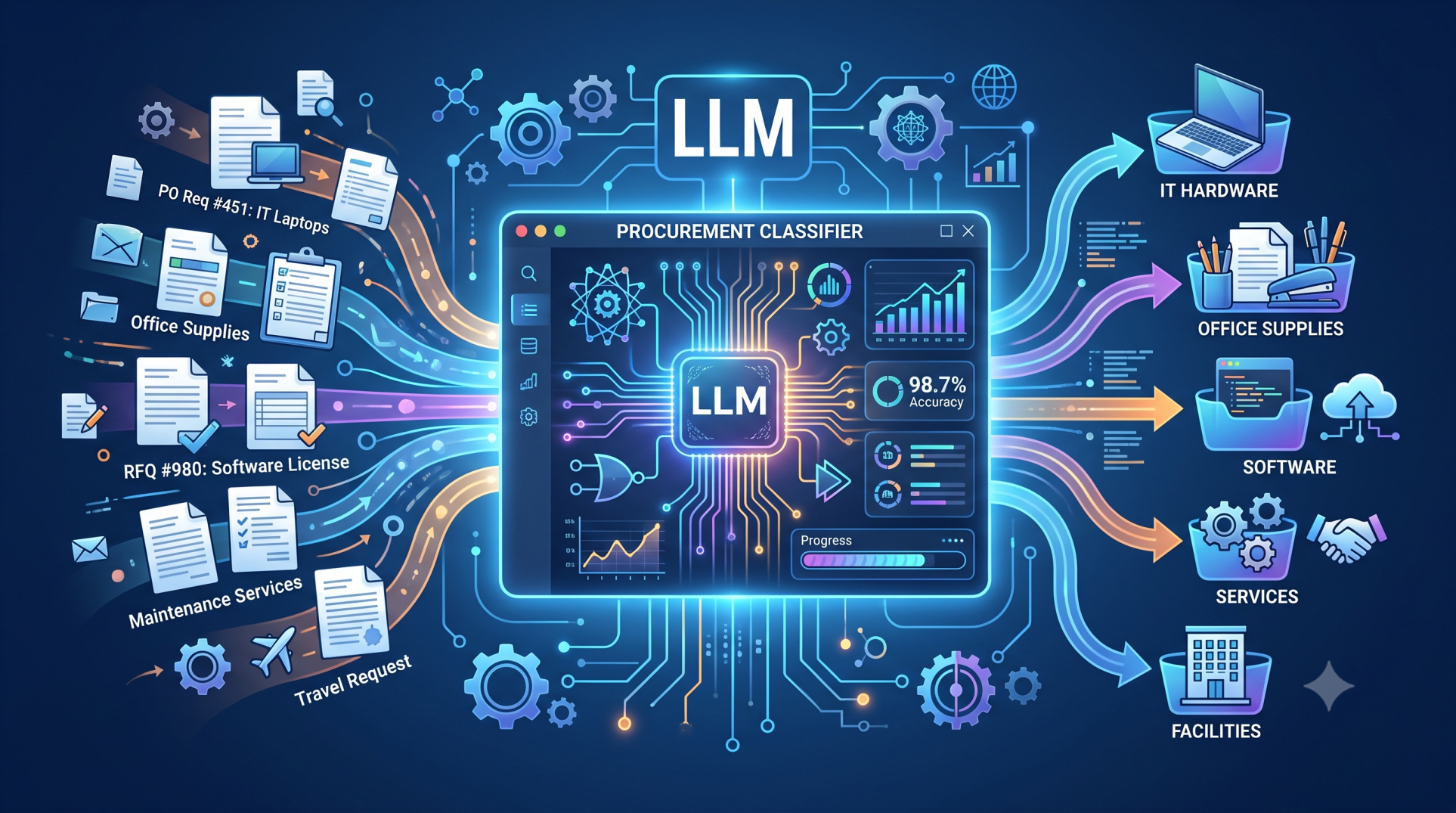
- LLMs excel at understanding, summarizing, and acting on information 🧠
2. LLM Software vs Traditional AI Assistants 🤖
- Goes beyond simple chat-based interactions 💬
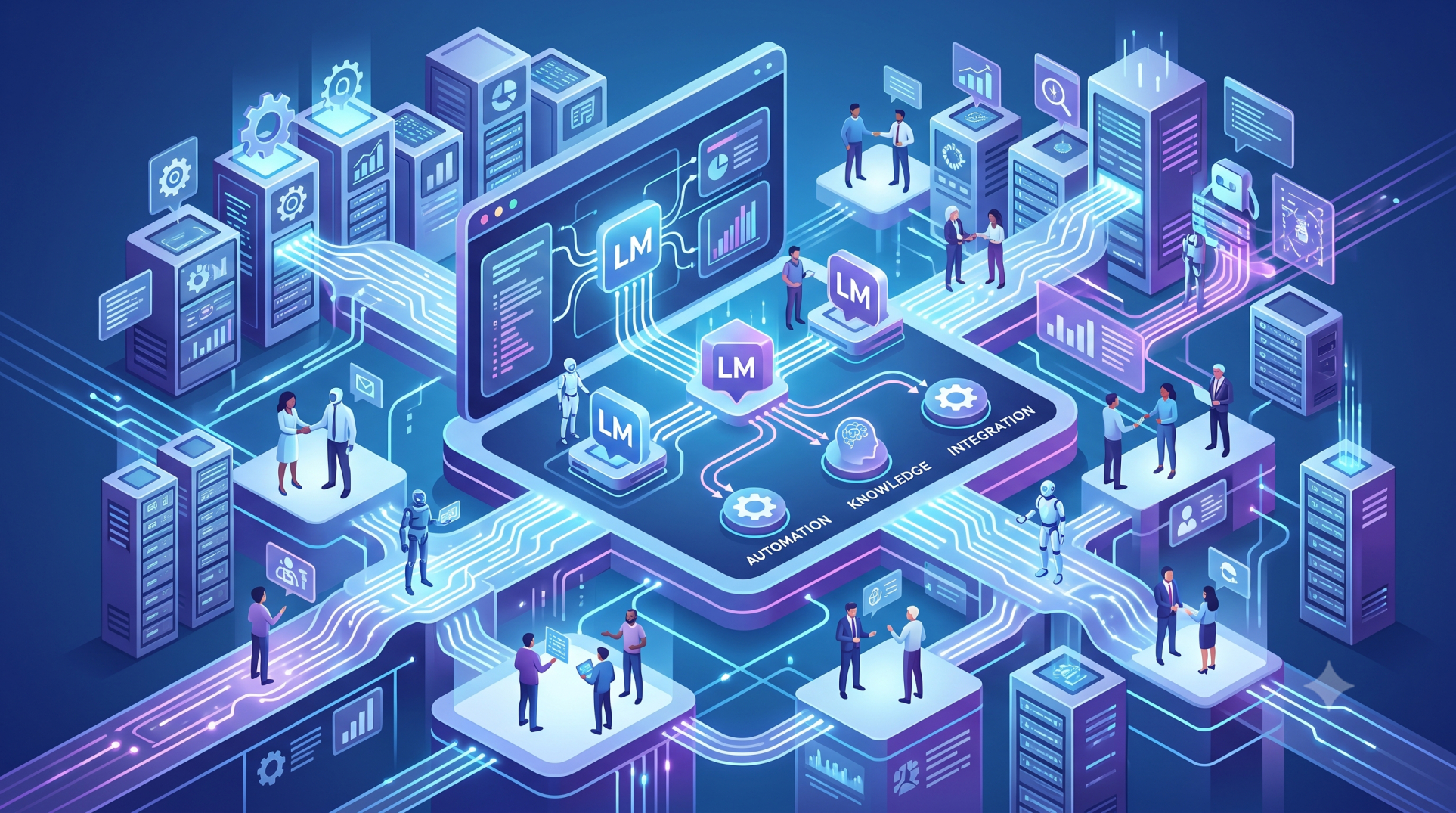
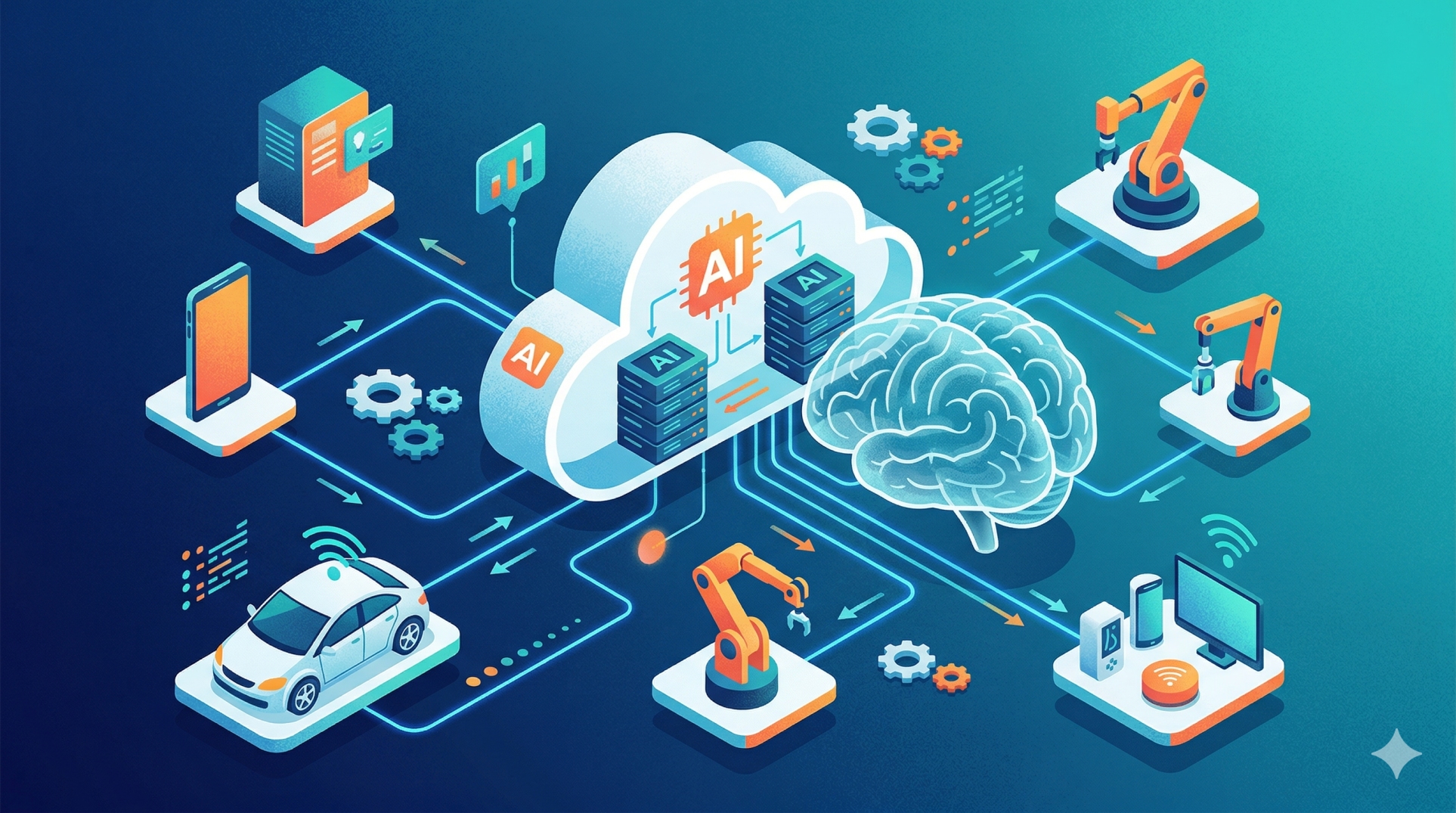
- Embedded directly into internal business tools 🧩
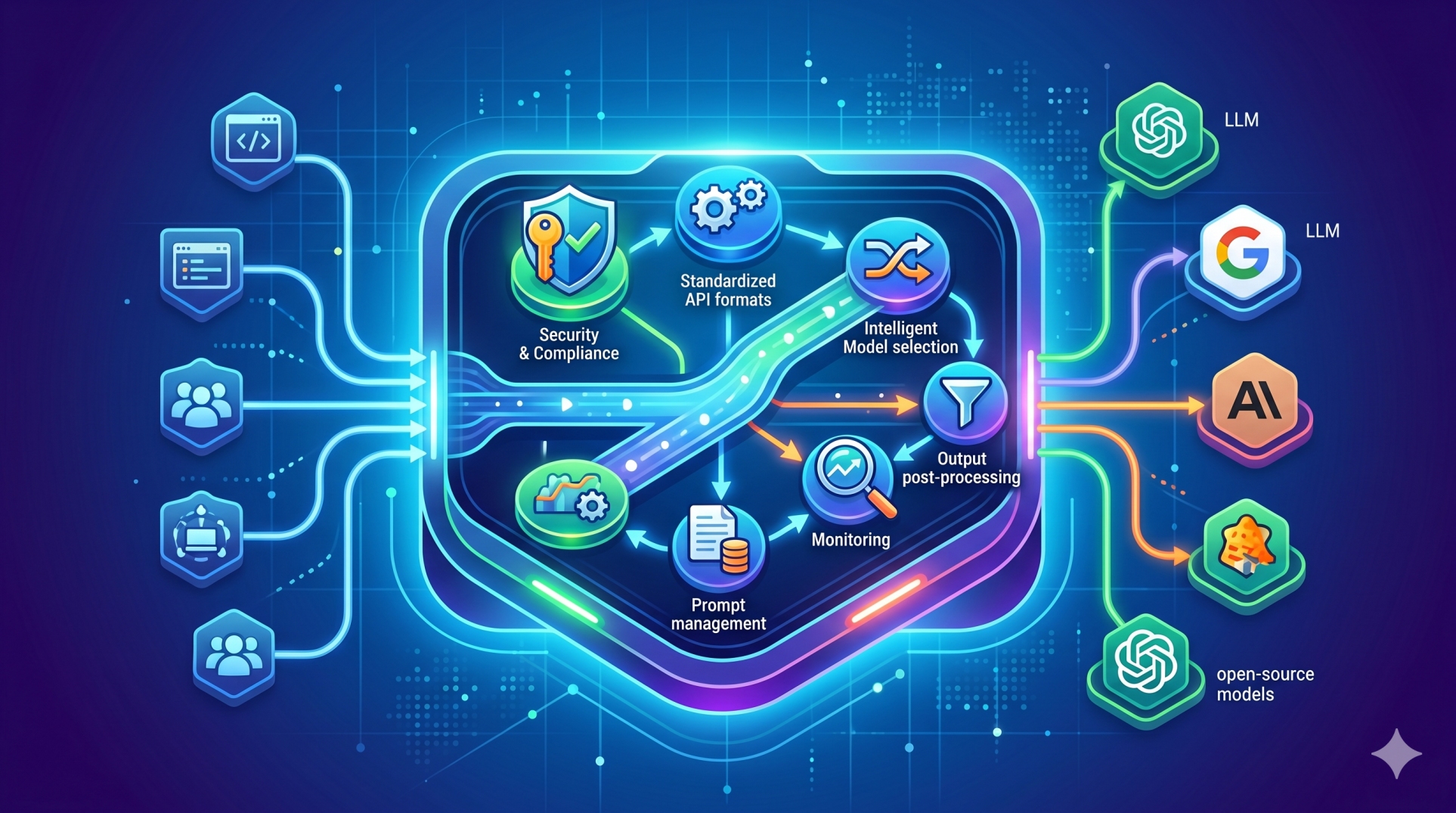
- Connected to company systems and internal data 🔗
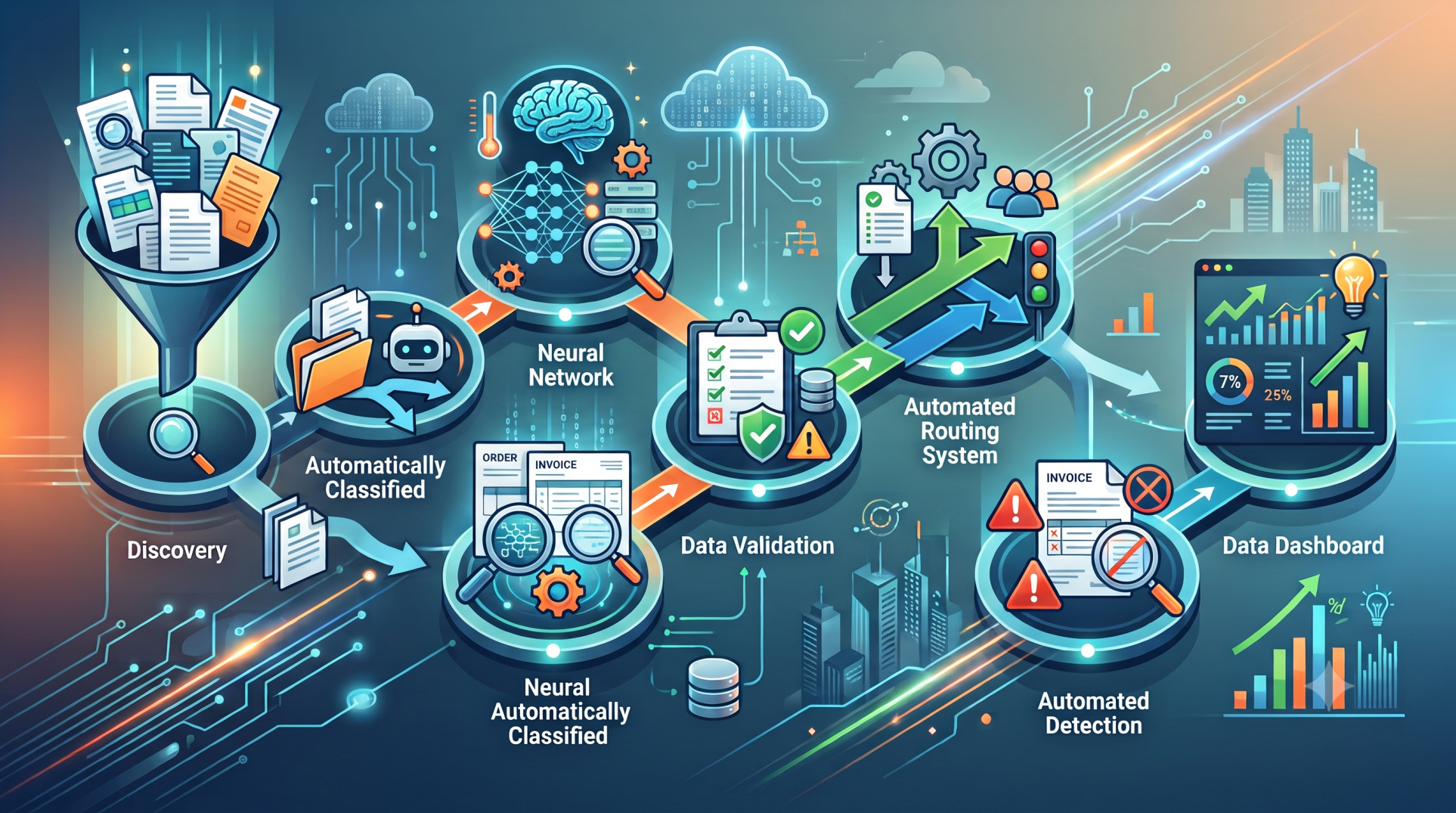
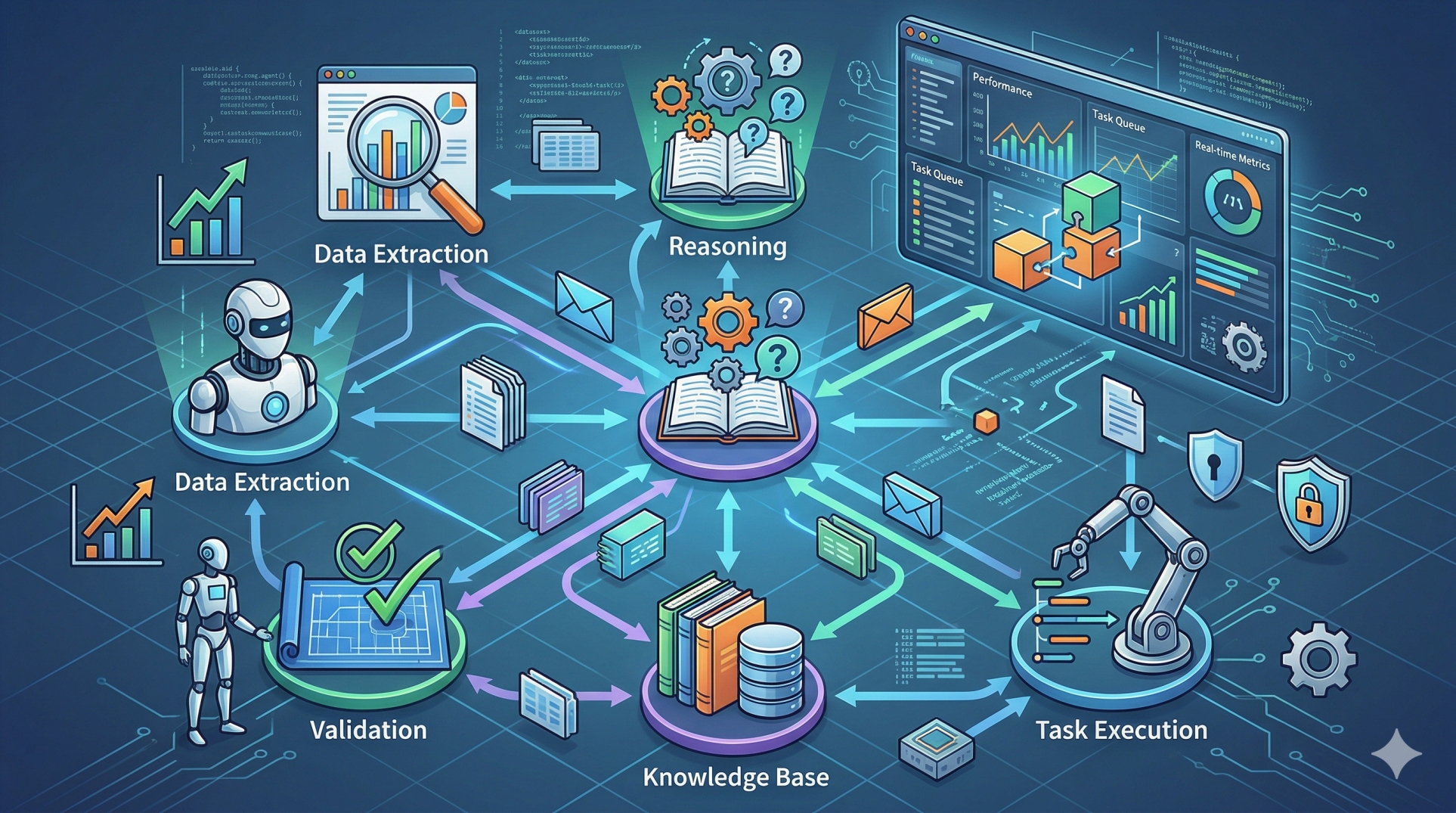
- Supports end-to-end workflows, not just questions 🔄
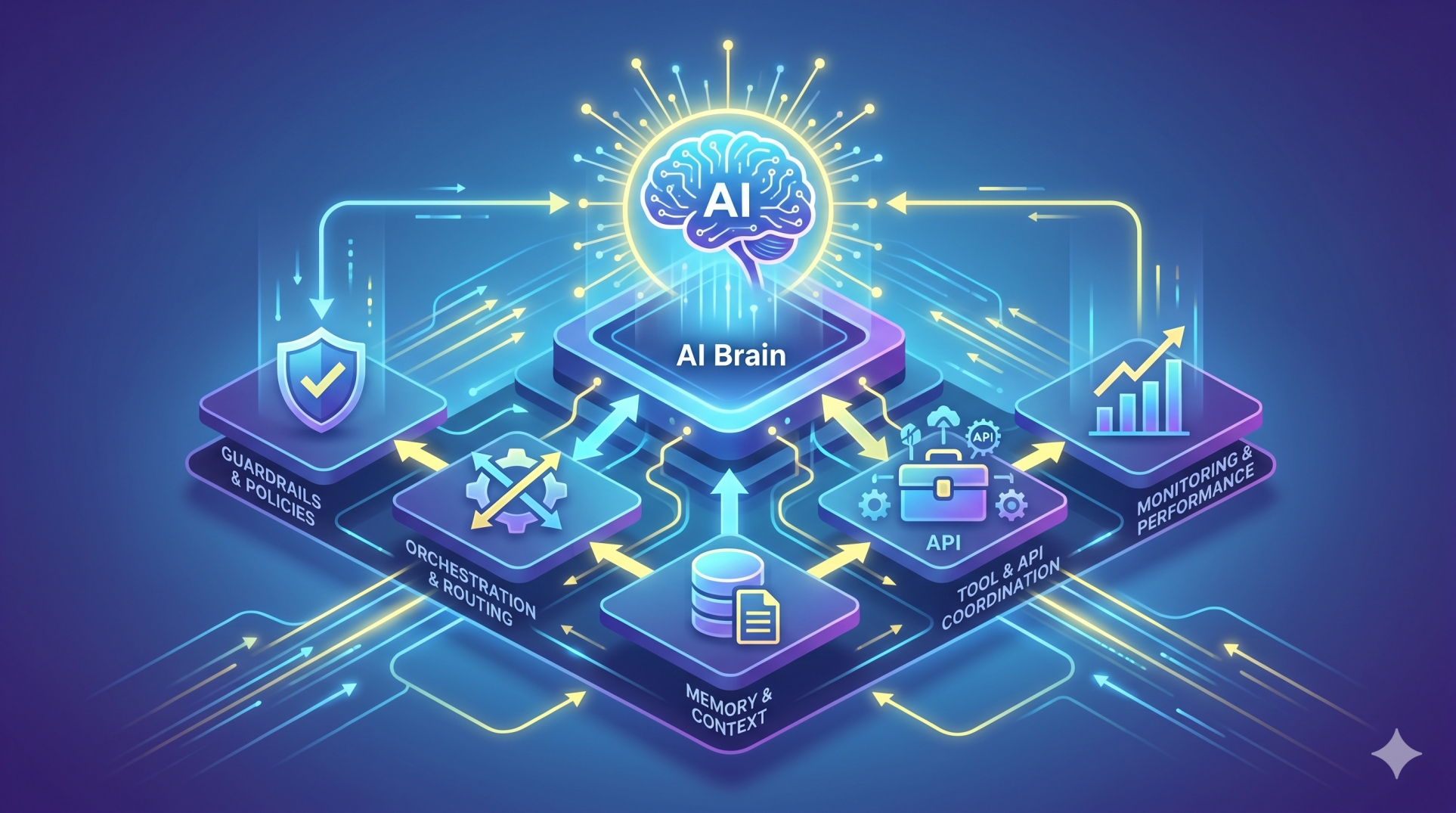
- Built with reliability, governance, and control in mind 🛡️
3. Common Internal Productivity Use Cases 📌
Knowledge Search and Q&A 🔍
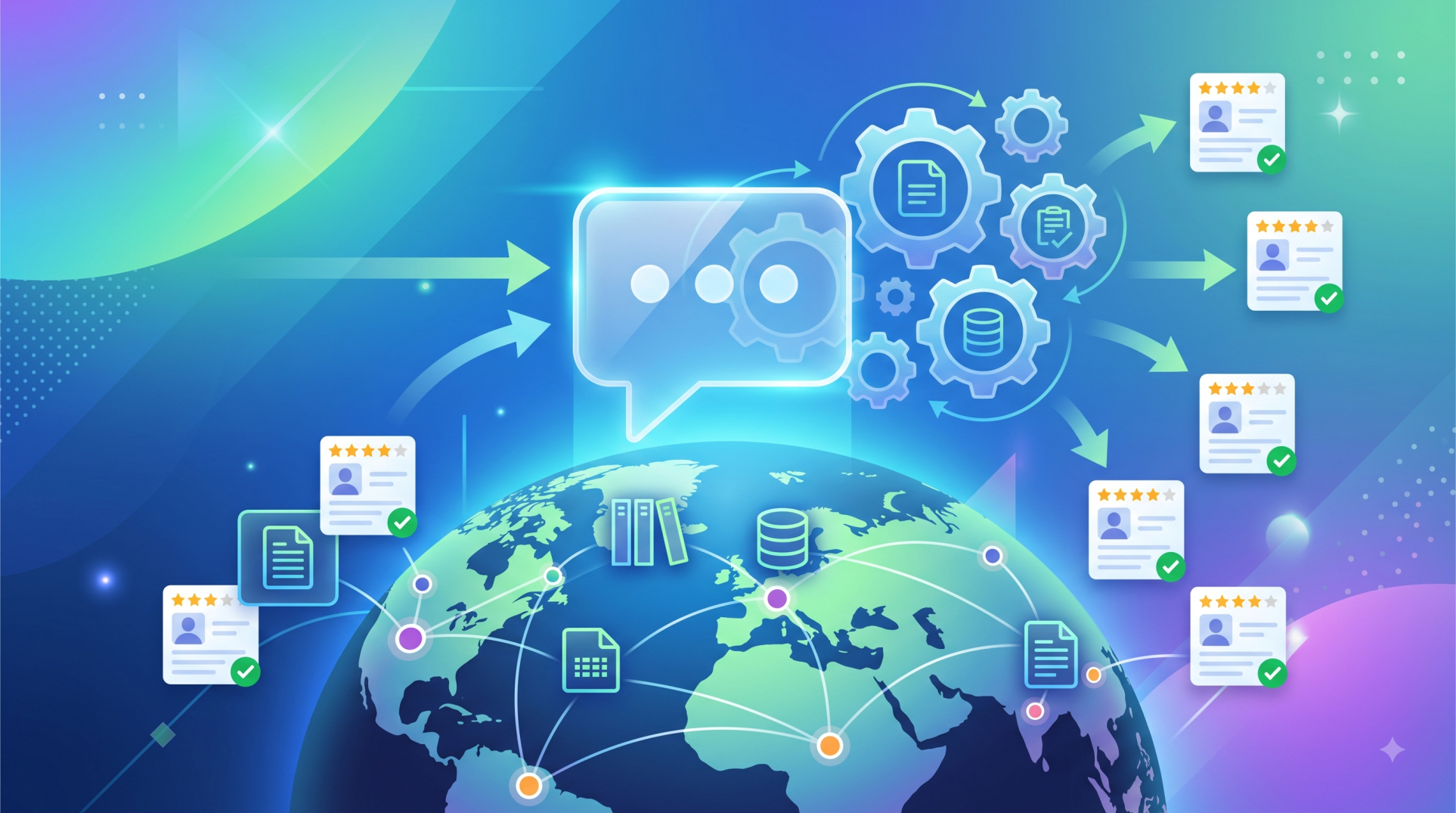
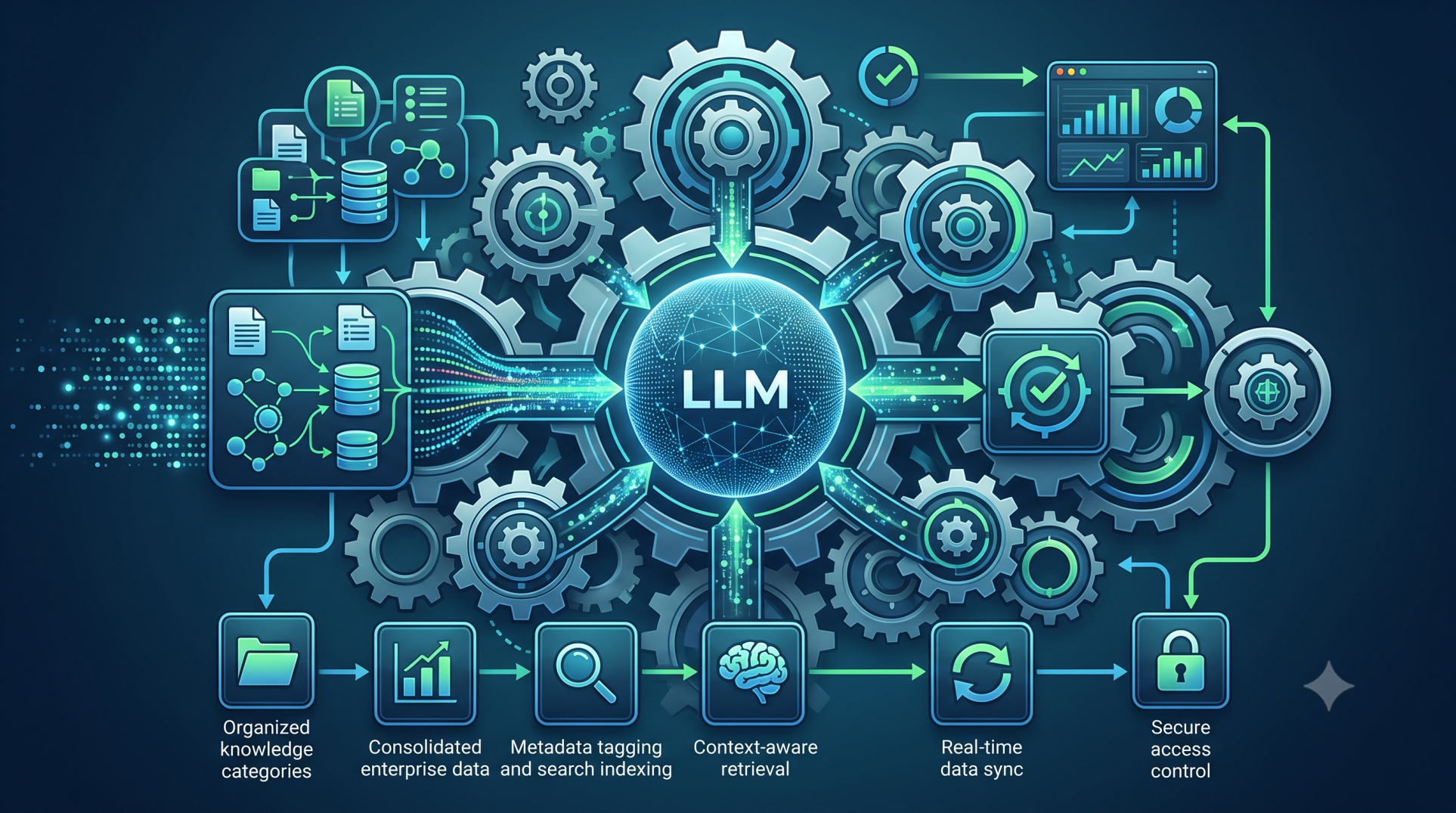
- Answers questions using internal documents and knowledge bases 📚
- Eliminates manual searching across multiple tools ❌
- Understands intent rather than relying on keywords 🎯
- Delivers concise, relevant responses ✅
- Improves knowledge access across teams 🌐
Document Creation and Summarization ✍️
- Drafts internal reports, emails, and documentation 📄
- Summarizes long documents and meeting notes 📝
- Extracts key points and action items 📌
- Reduces time spent writing and reviewing content ⏱️
- Improves clarity and consistency 🧠
Workflow Assistance and Automation 🤖
- Translates natural language into system actions 🔄
- Helps complete internal forms and requests 🧾
- Guides users through complex workflows 🧭
- Automates repetitive operational tasks ⚙️
- Acts as a digital co-pilot for daily work 🚀
Meeting and Communication Support 💬
- Generates meeting summaries and follow-up notes 📝
- Highlights decisions and next steps 🎯
- Drafts internal updates and announcements 📣
- Improves alignment across teams 🤝
- Reduces the need for manual note-taking ❌
4. Integration with Existing Internal Systems 🔌
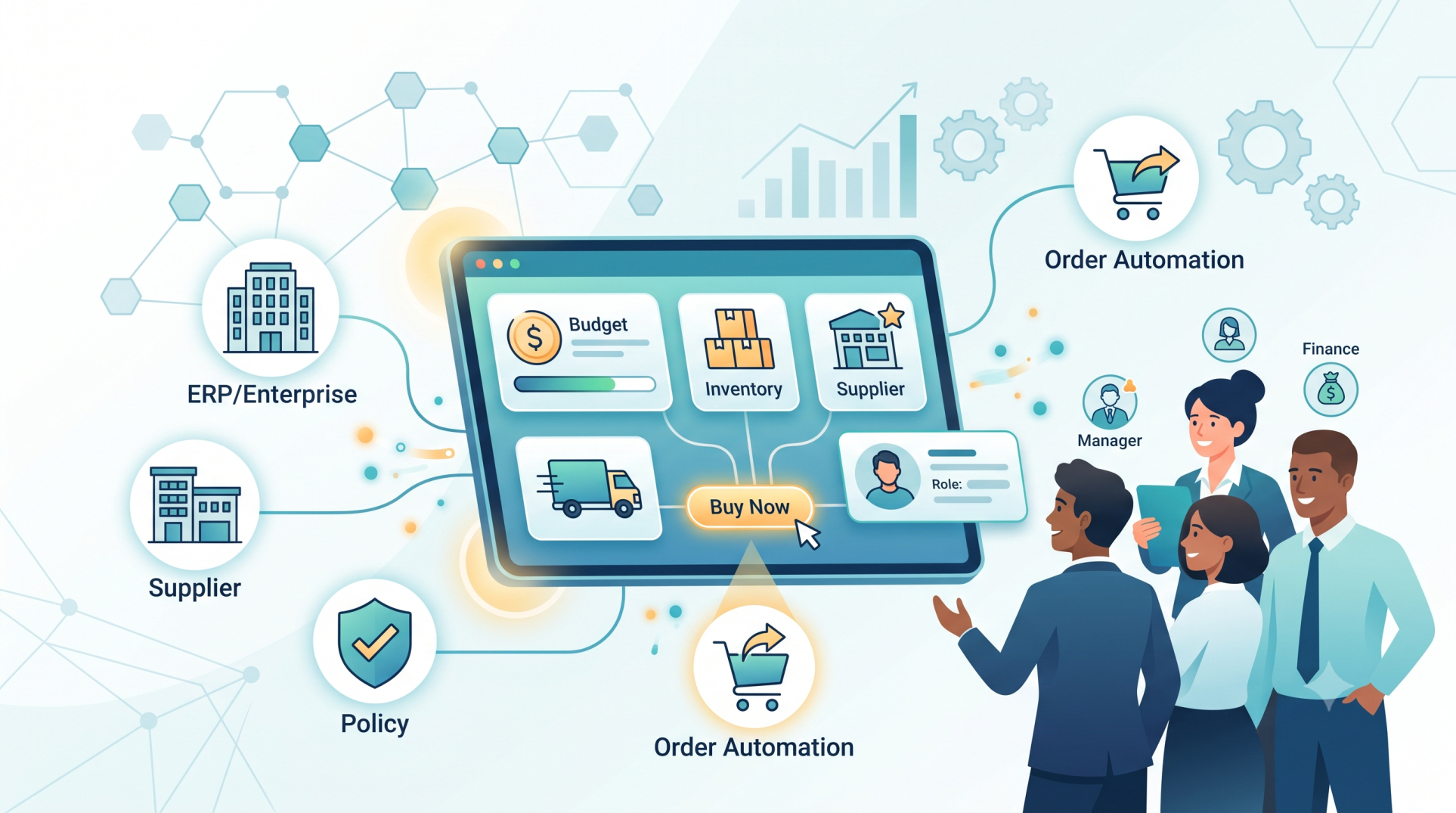
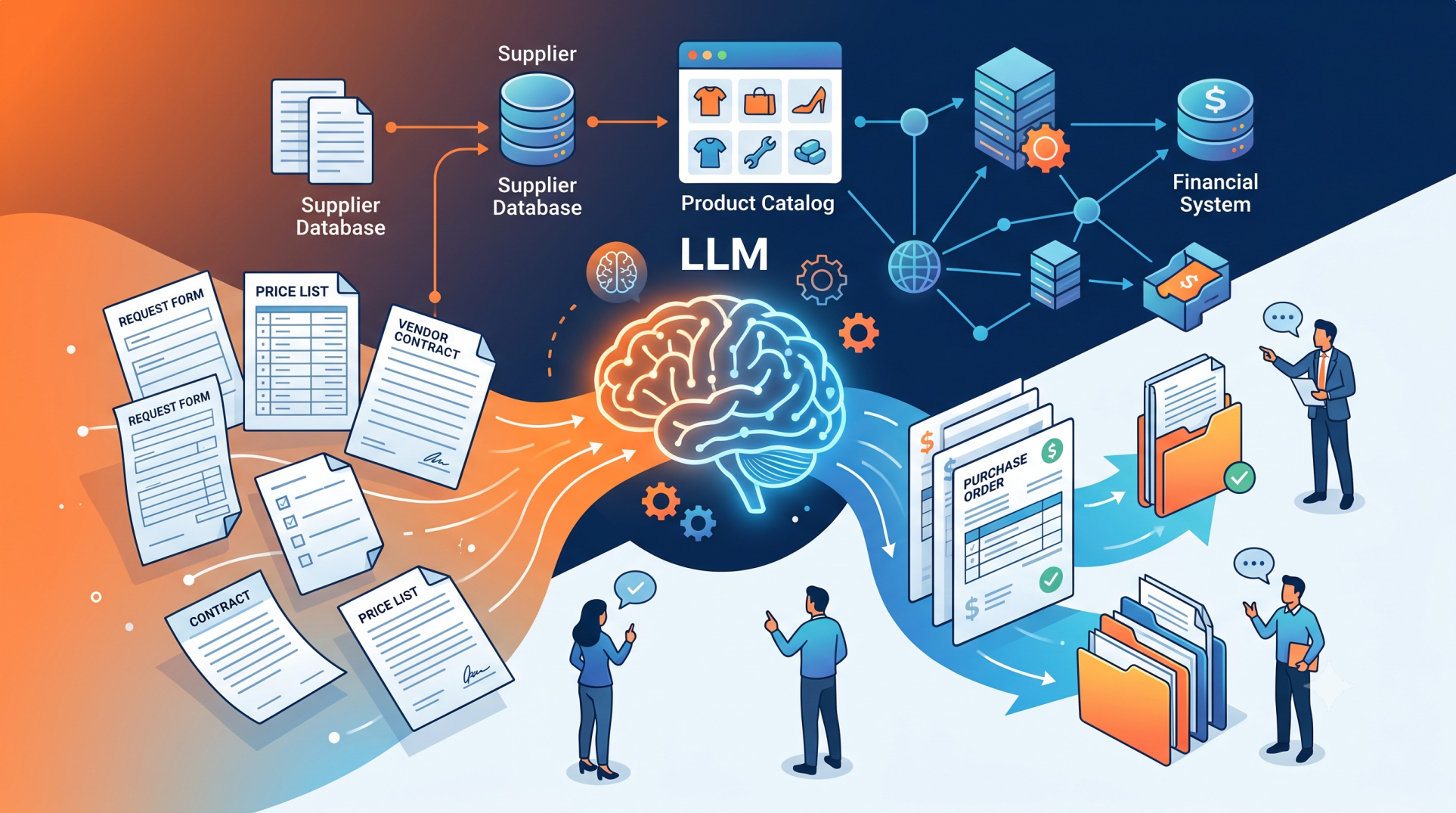
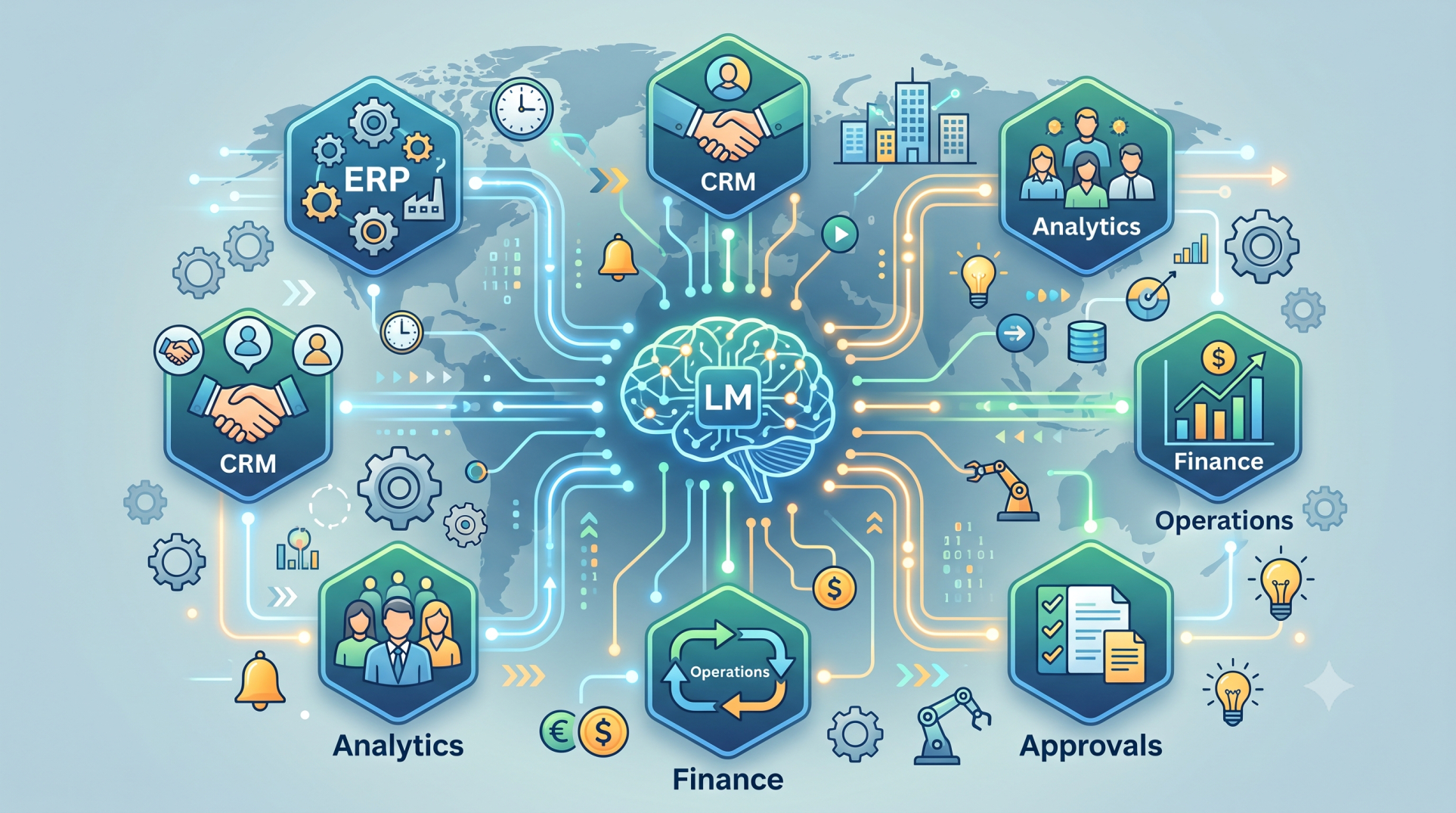
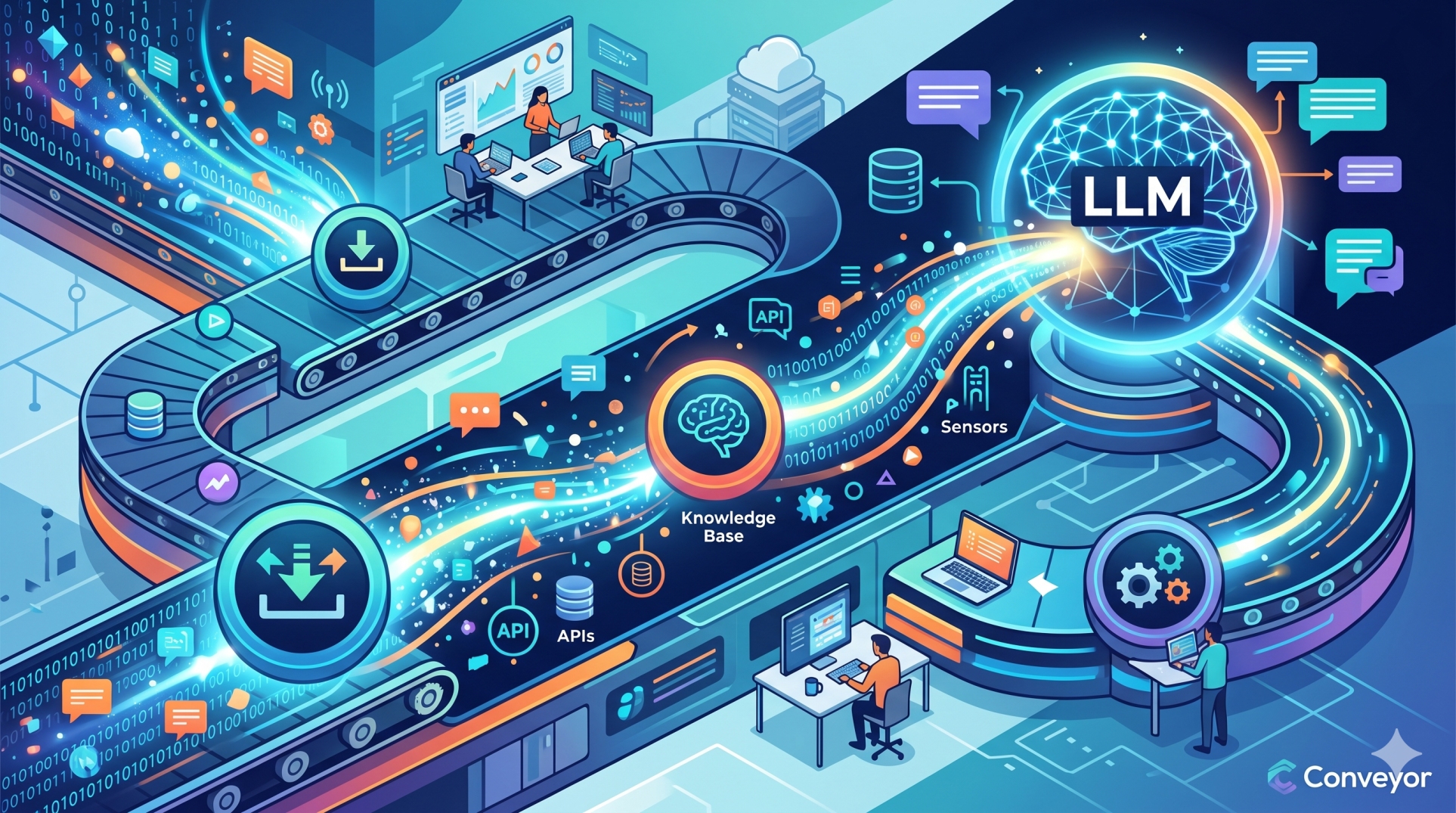
- Connects with ERP, CRM, HR, and ticketing platforms 🔗
- Pulls real-time data into responses 📊
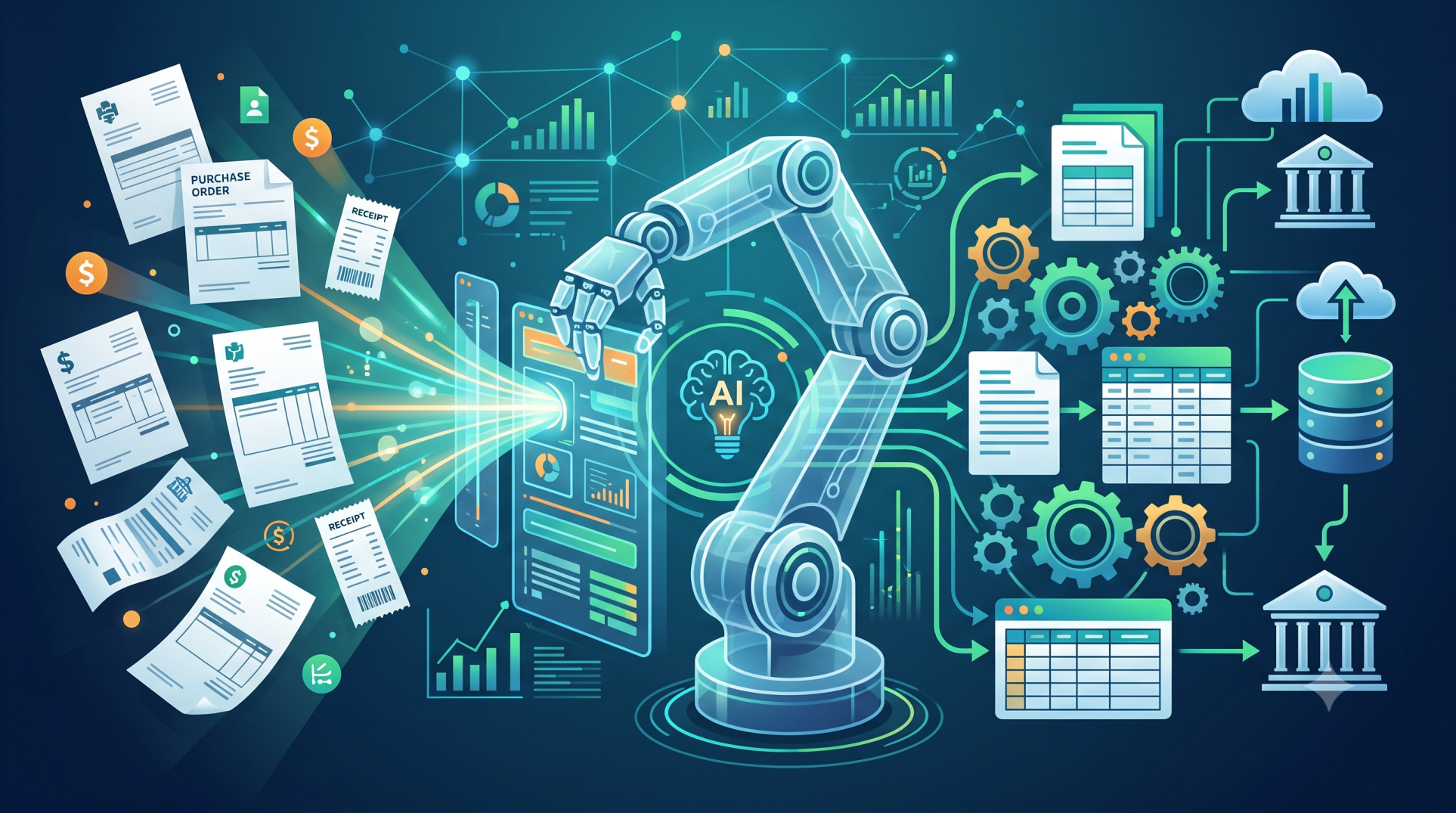
- Executes approved actions using APIs ⚙️
- Works within existing tools and interfaces 🧩
- Enhances current systems without replacing them 🔧
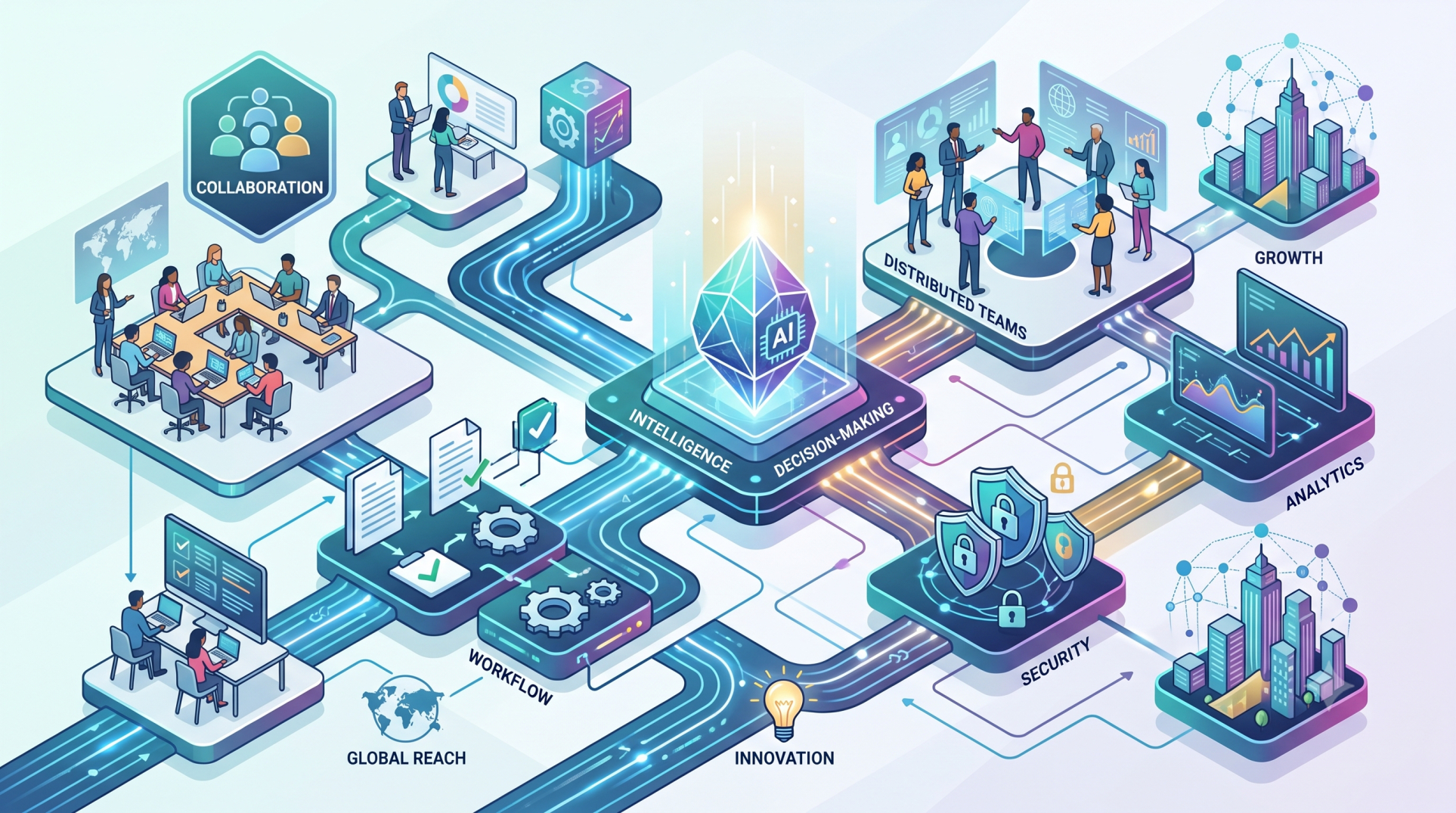
5. Supporting Better Decision-Making 📈
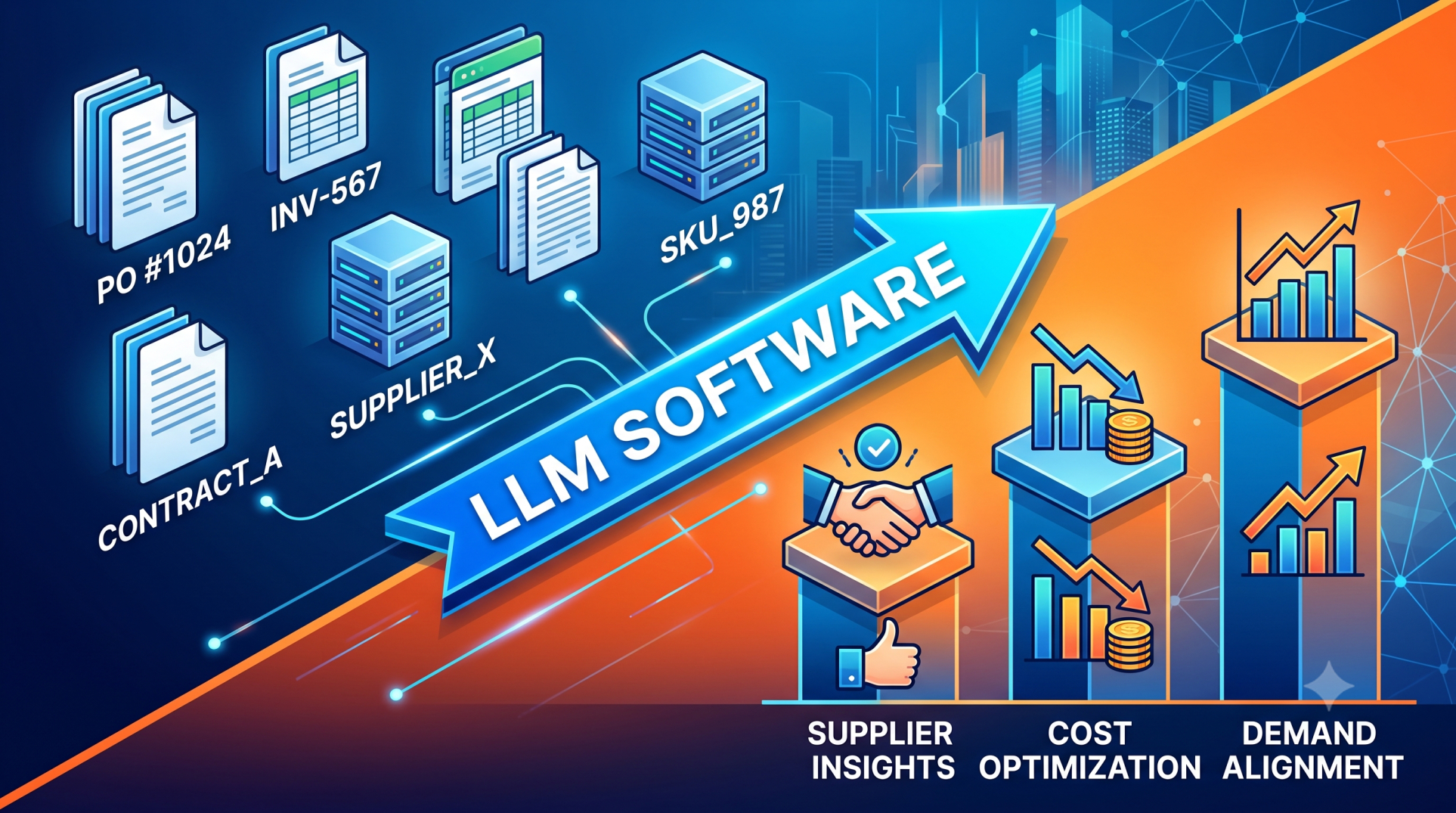
- Combines insights from multiple data sources 🧠
- Explains trends and metrics in simple language 📊
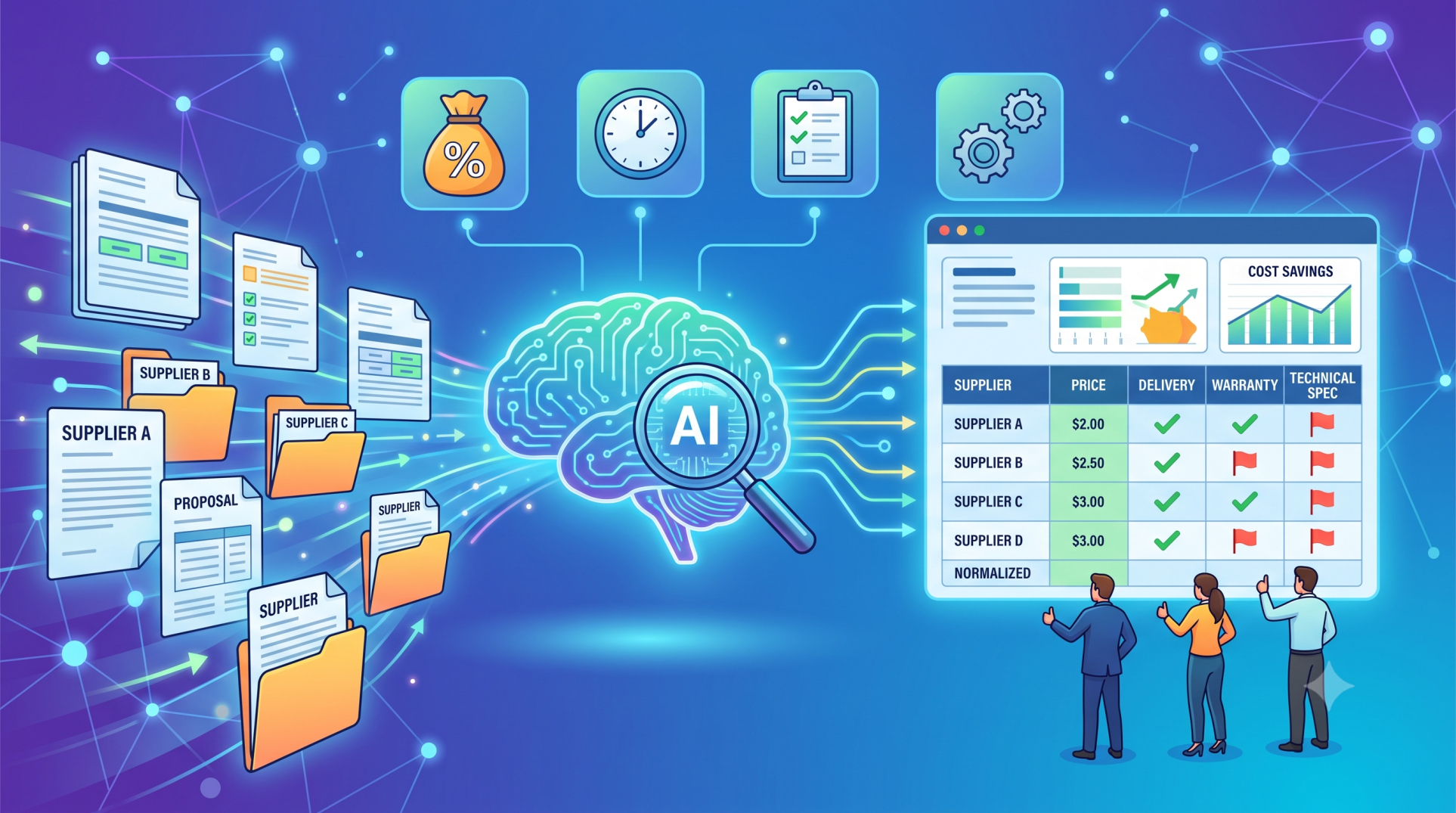
- Supports comparisons and scenario analysis 🔍
- Reduces reliance on manual reporting ❌
- Helps teams act faster and with greater confidence 🚀
6. Productivity Gains Across Teams 📊
Operations Teams ⚙️
- Faster issue resolution ⚡
- Better process visibility 👀
- Less manual coordination 🔄
Finance and HR Teams 💼
- Quicker report creation 📄
- Easier interpretation of policies 📘
- Improved compliance workflows ✅
Engineering and IT Teams 🛠️
- Faster log analysis and troubleshooting 🔍
- Better documentation and onboarding 📚
- Reduced context switching 🔄
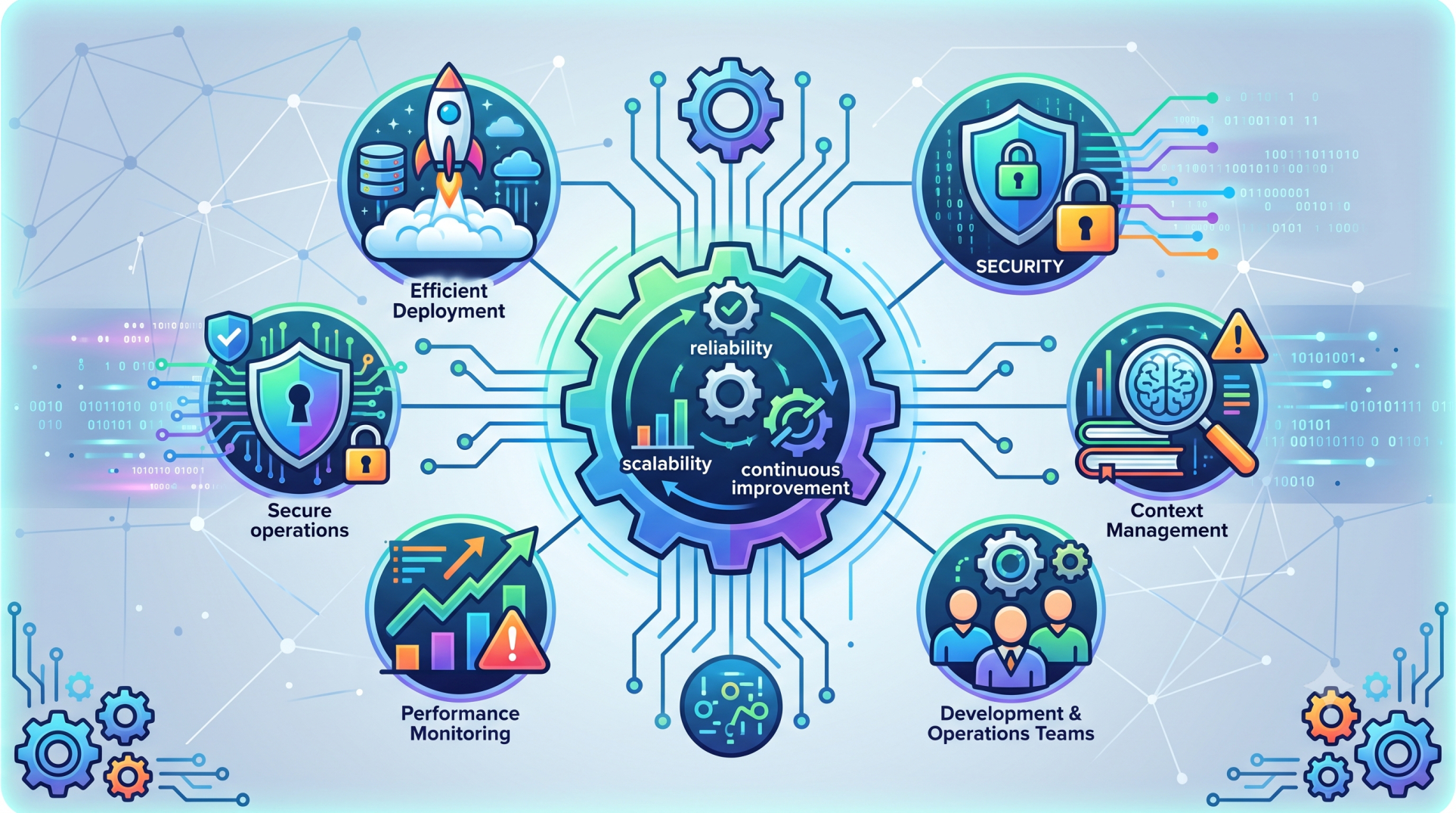
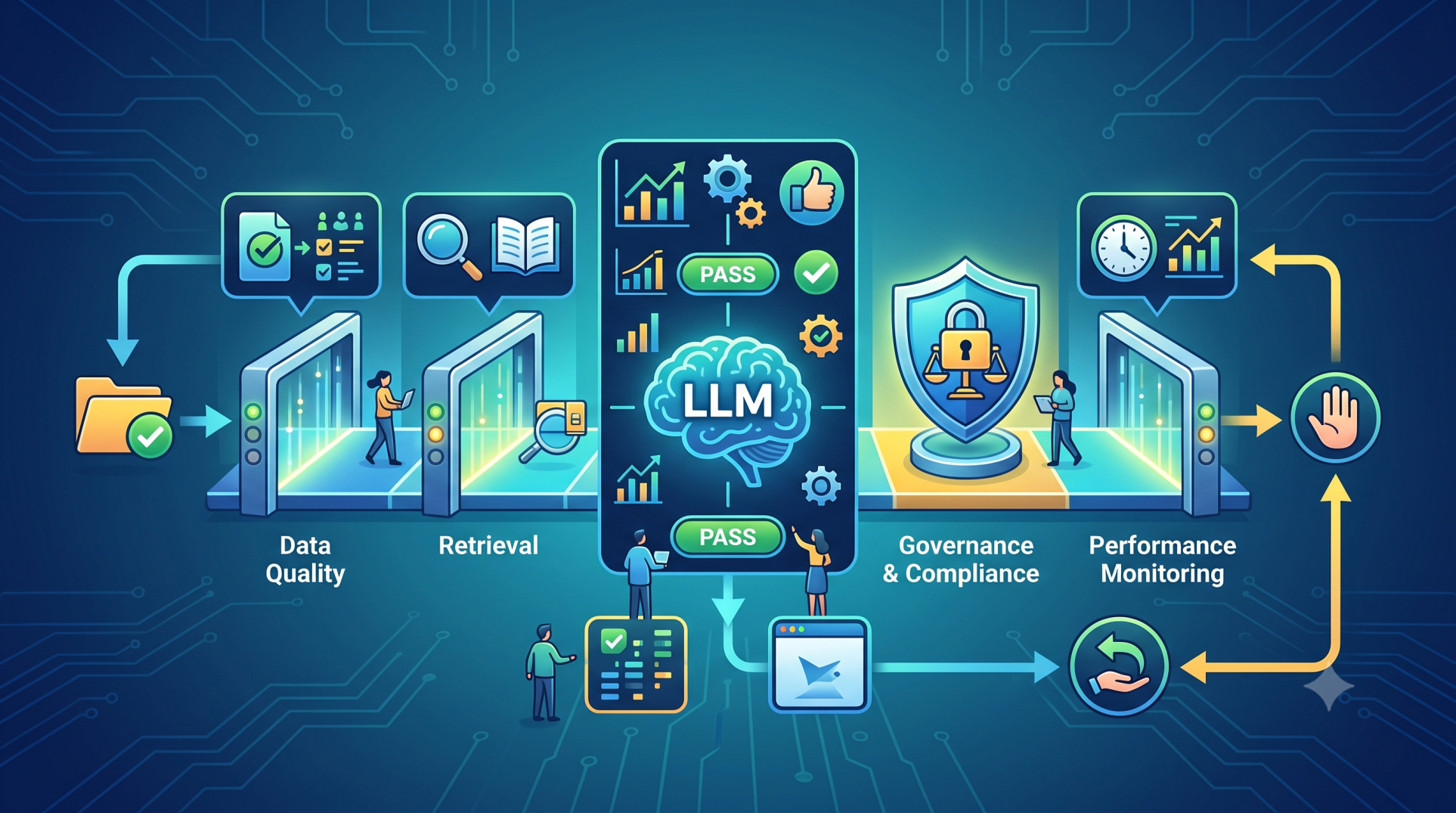
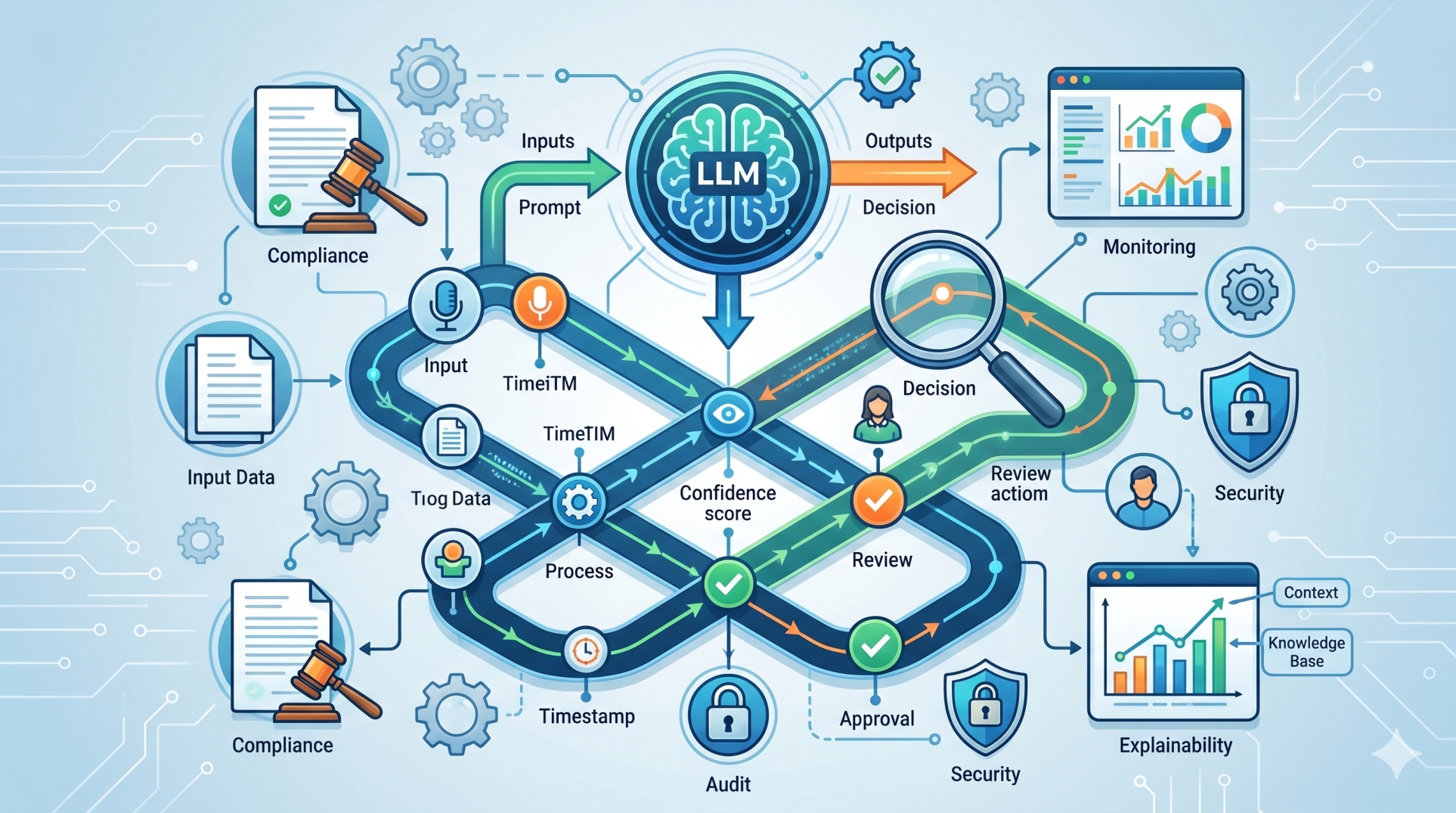
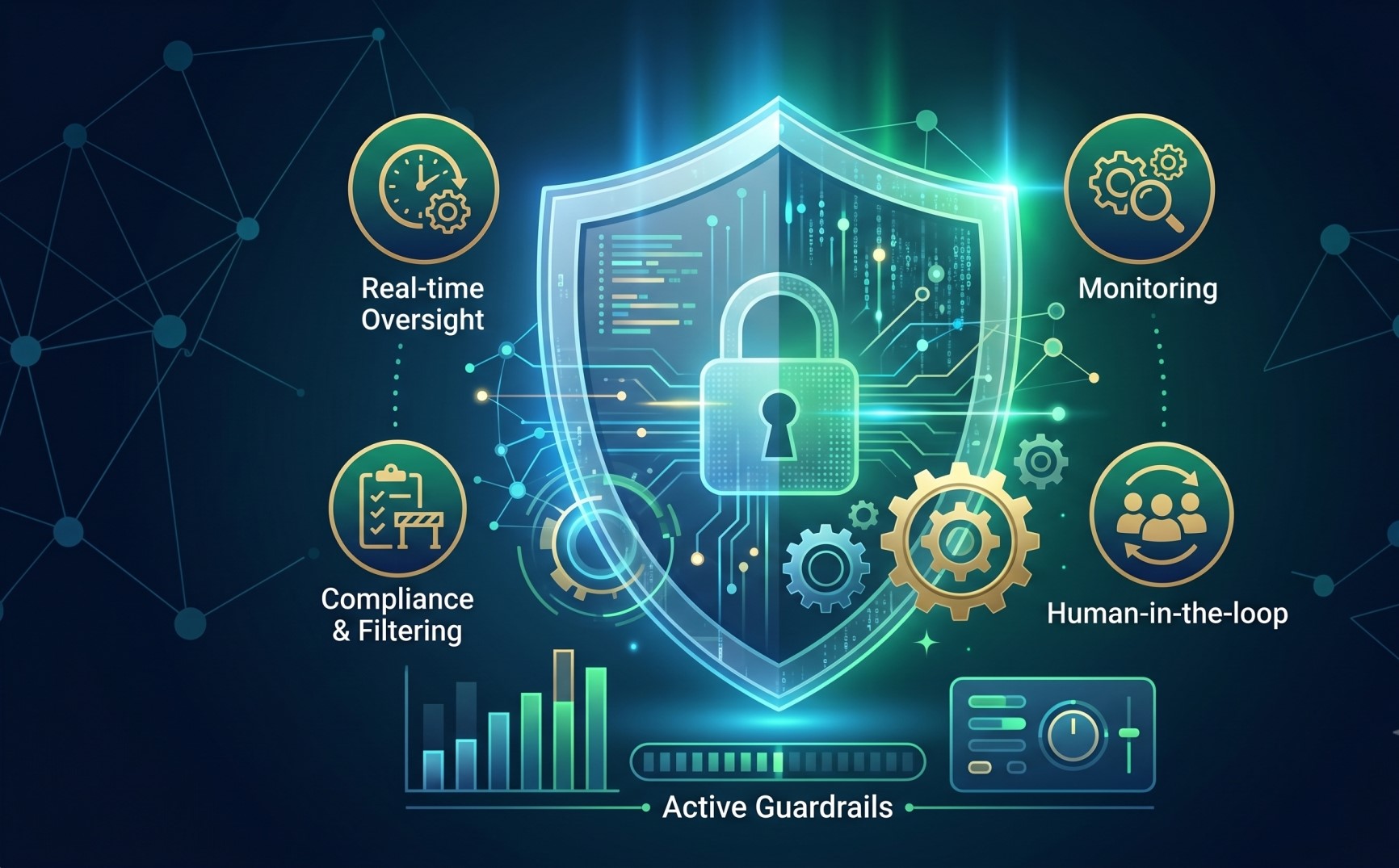
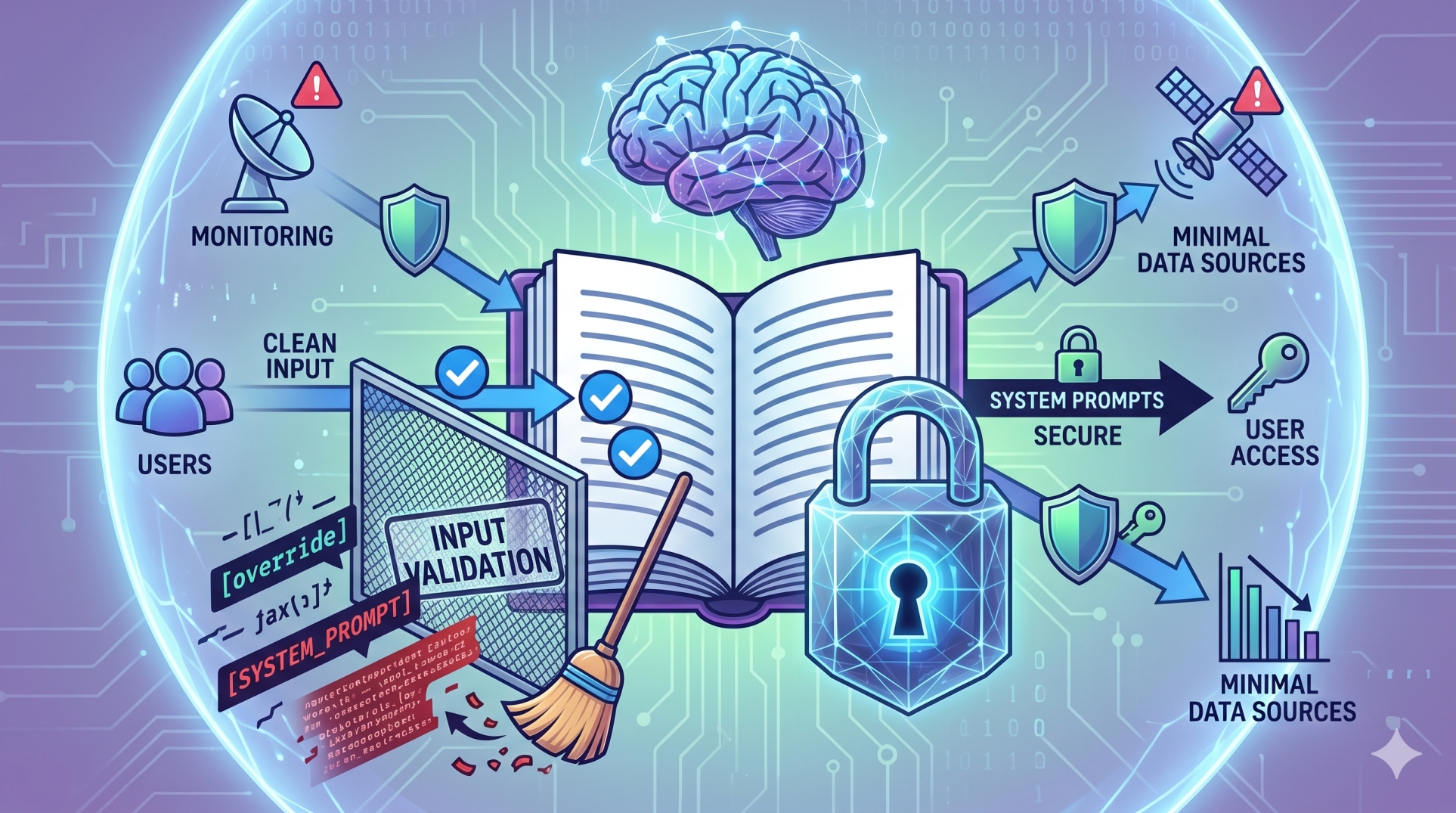
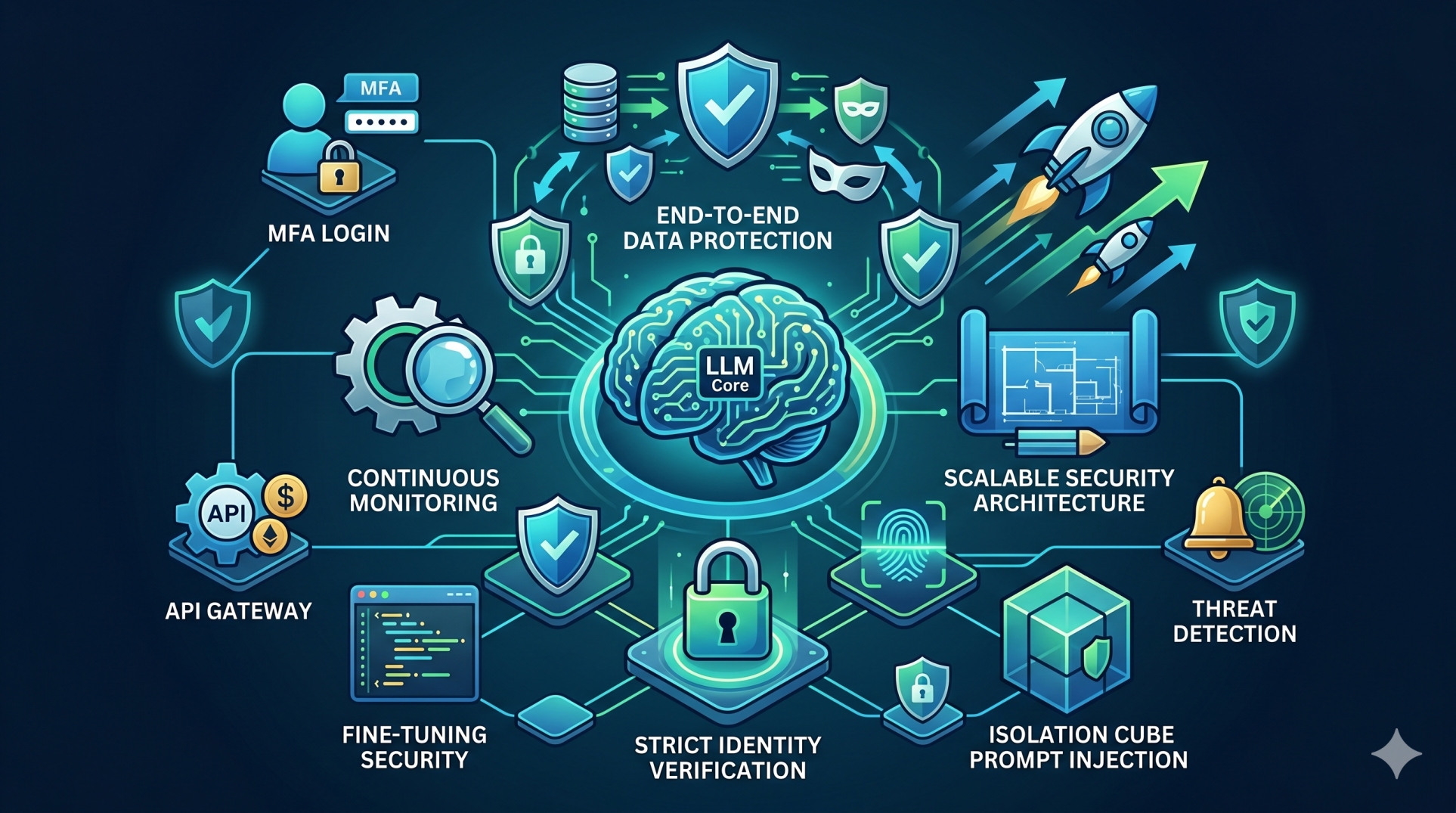
7. Governance and Security for Internal Use 🔐
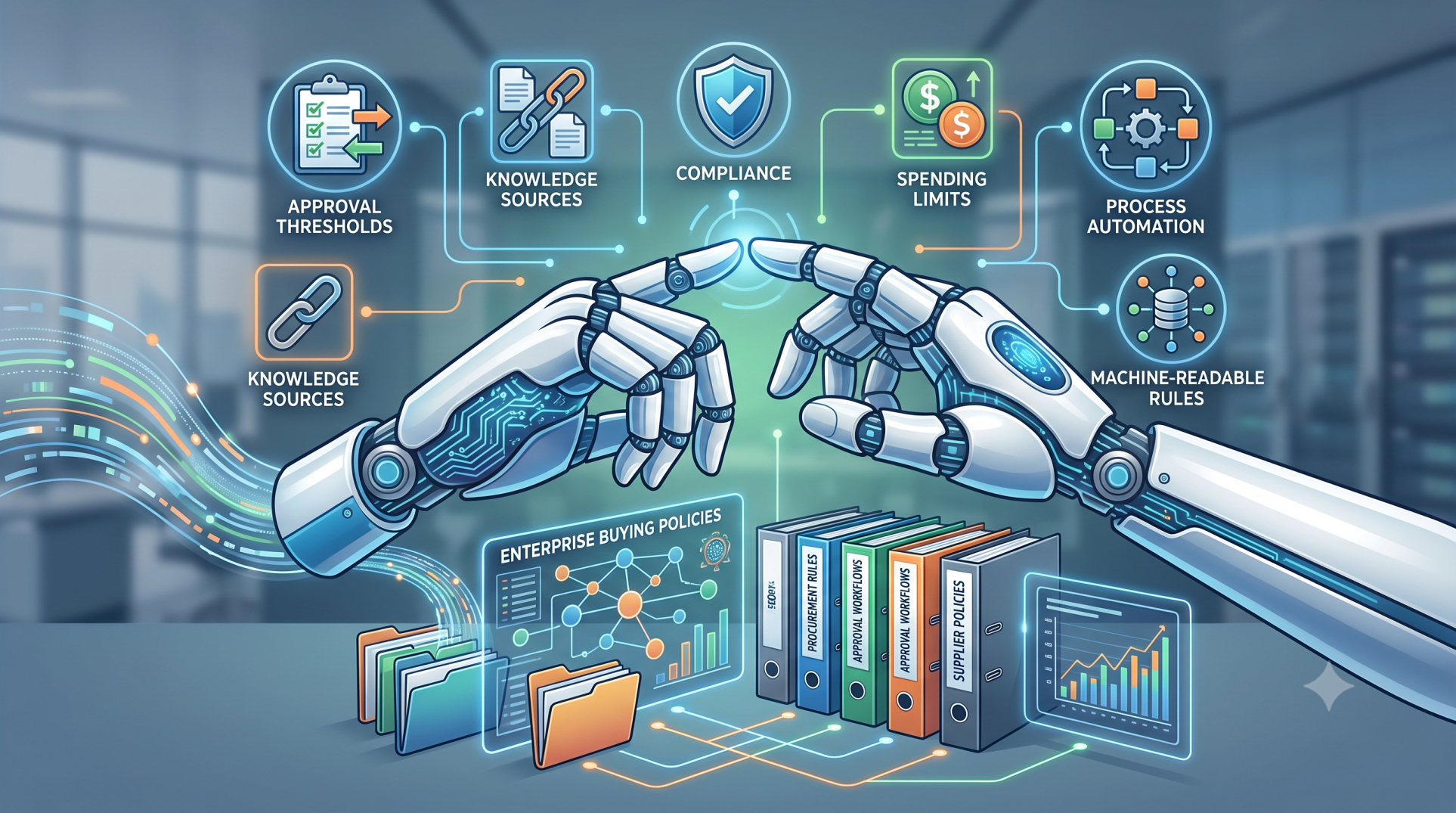
- Role-based access to systems and data 👤
- Strong permission and data isolation controls 🛡️
- Audit logs and usage tracking 📜
- Output validation and guardrails 🚧
- Alignment with internal security and compliance policies ⚖️
8. Best Practices for Internal LLM Adoption 🛠️
- Start with repetitive, high-friction tasks 🎯
- Embed LLMs into existing workflows 🔄
- Ground outputs in trusted internal data 📌
- Add human review for critical actions 👤
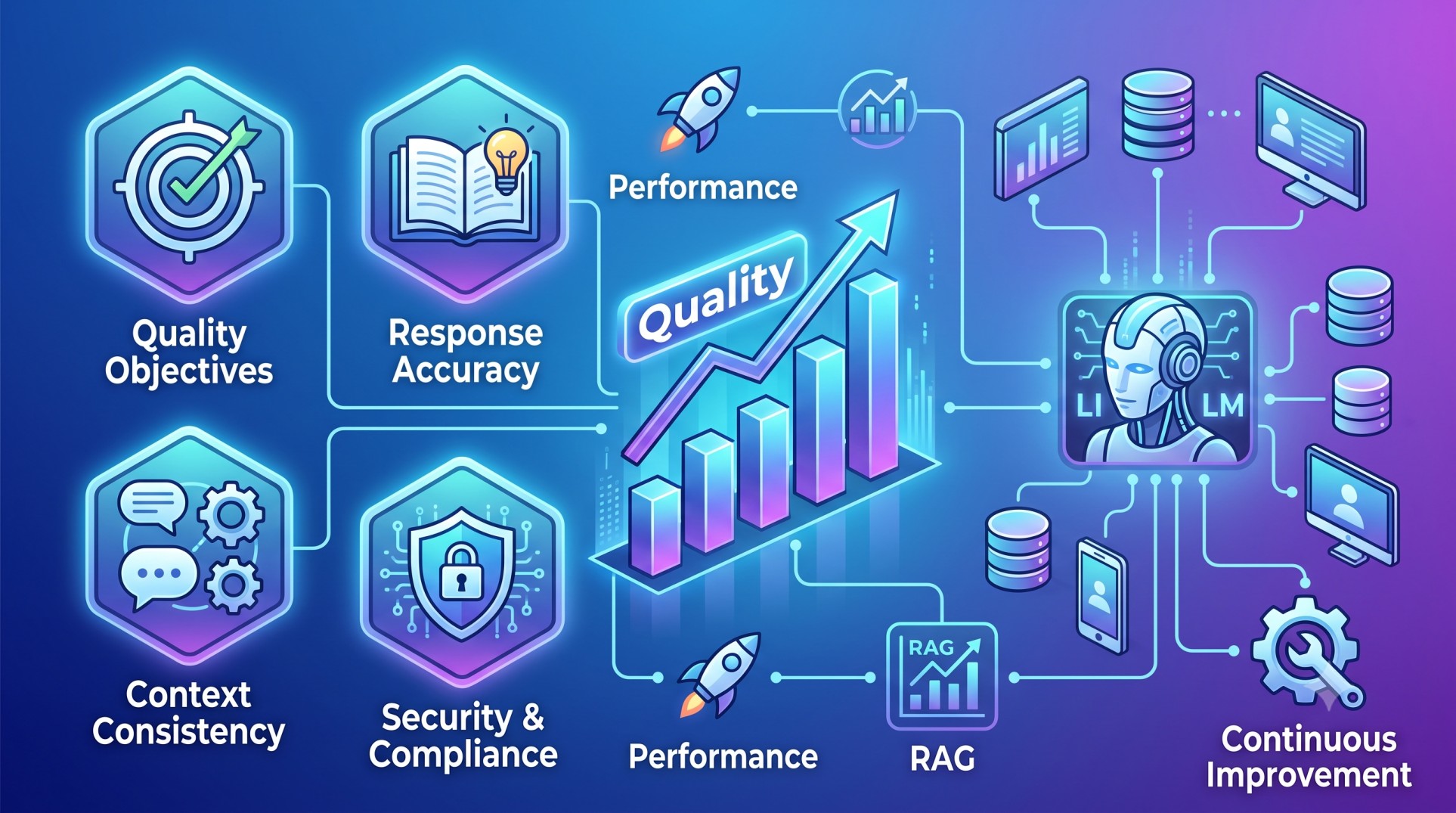
- Track productivity, quality, and adoption metrics 📈
9. Business Impact of LLM-Powered Productivity Tools 💼
- Faster completion of everyday tasks ⚡
- Lower operational overhead 💰
- Improved knowledge sharing 🌐
- Higher employee satisfaction 😊
- Increased overall organizational efficiency 🚀
Final Thoughts 🏁
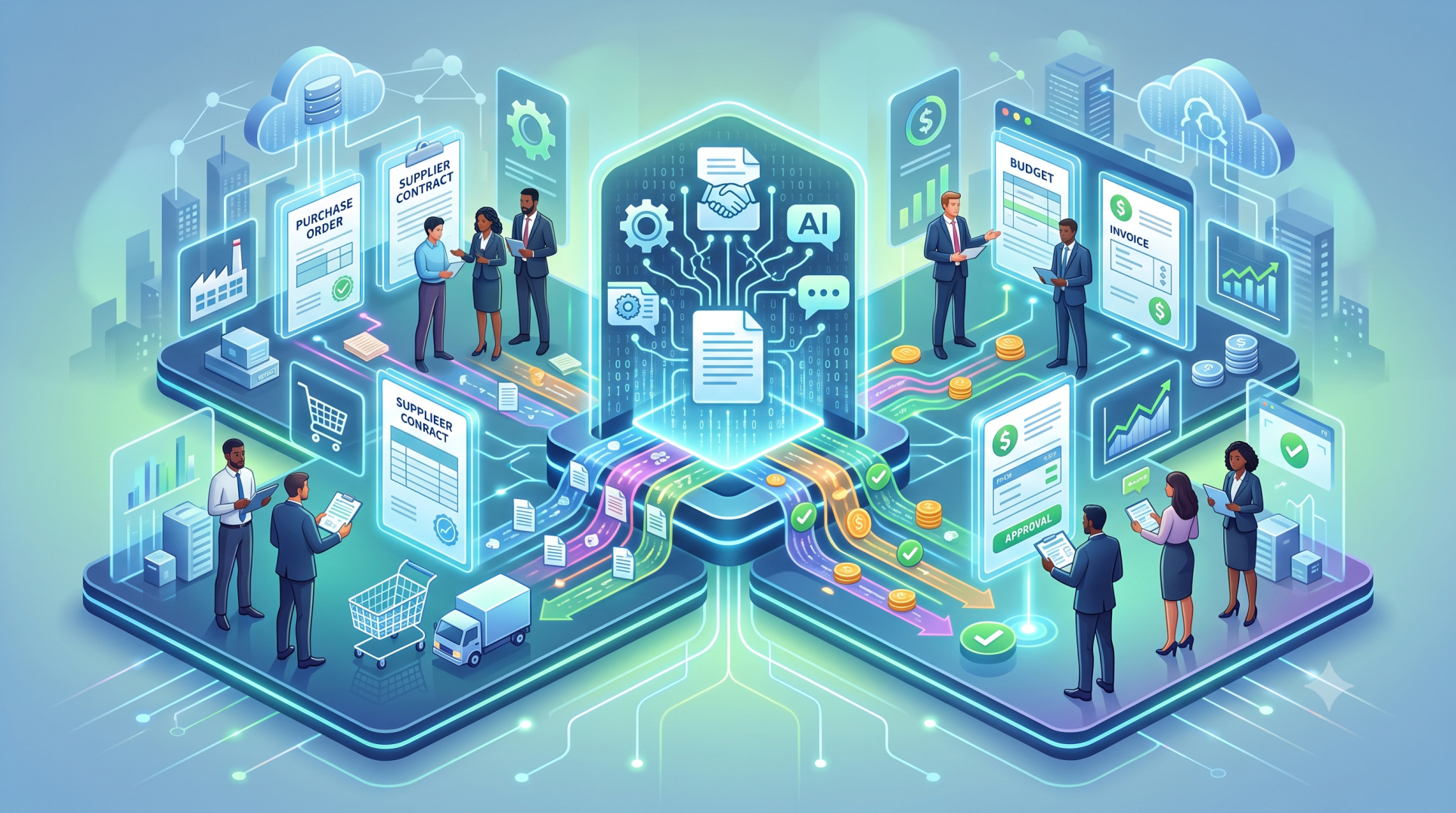
LLM software can significantly boost internal productivity when applied with purpose. By embedding language intelligence directly into internal tools and workflows, organizations can reduce manual effort, improve decision-making, and help employees focus on higher-impact work. Inside the enterprise, the true value of LLMs is not conversation—it is productivity at scale. 🌍
See more blogs
You can all the articles below