The Future of Programming in an LLM-First World
The Future of Programming in an LLM-First World
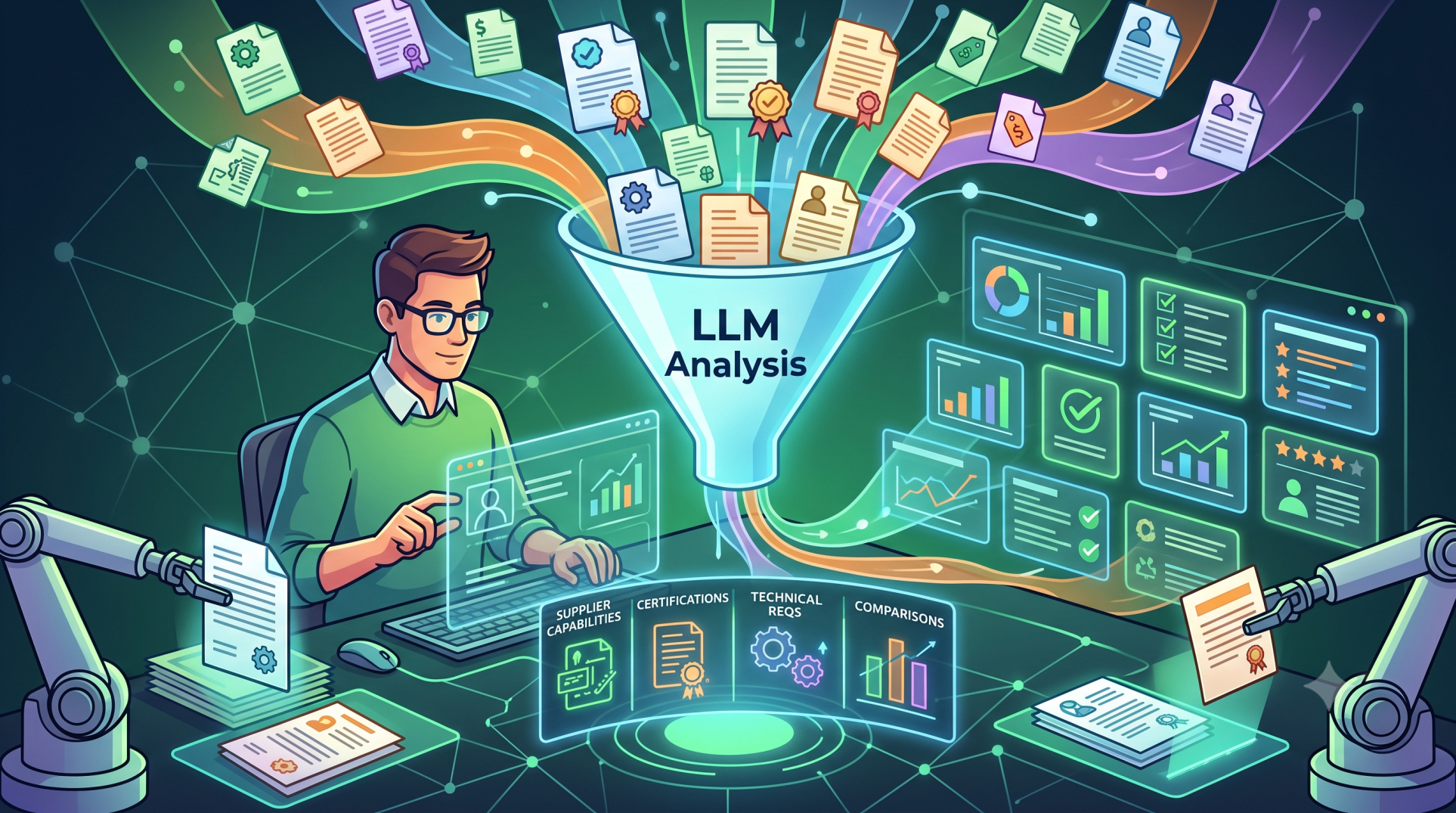
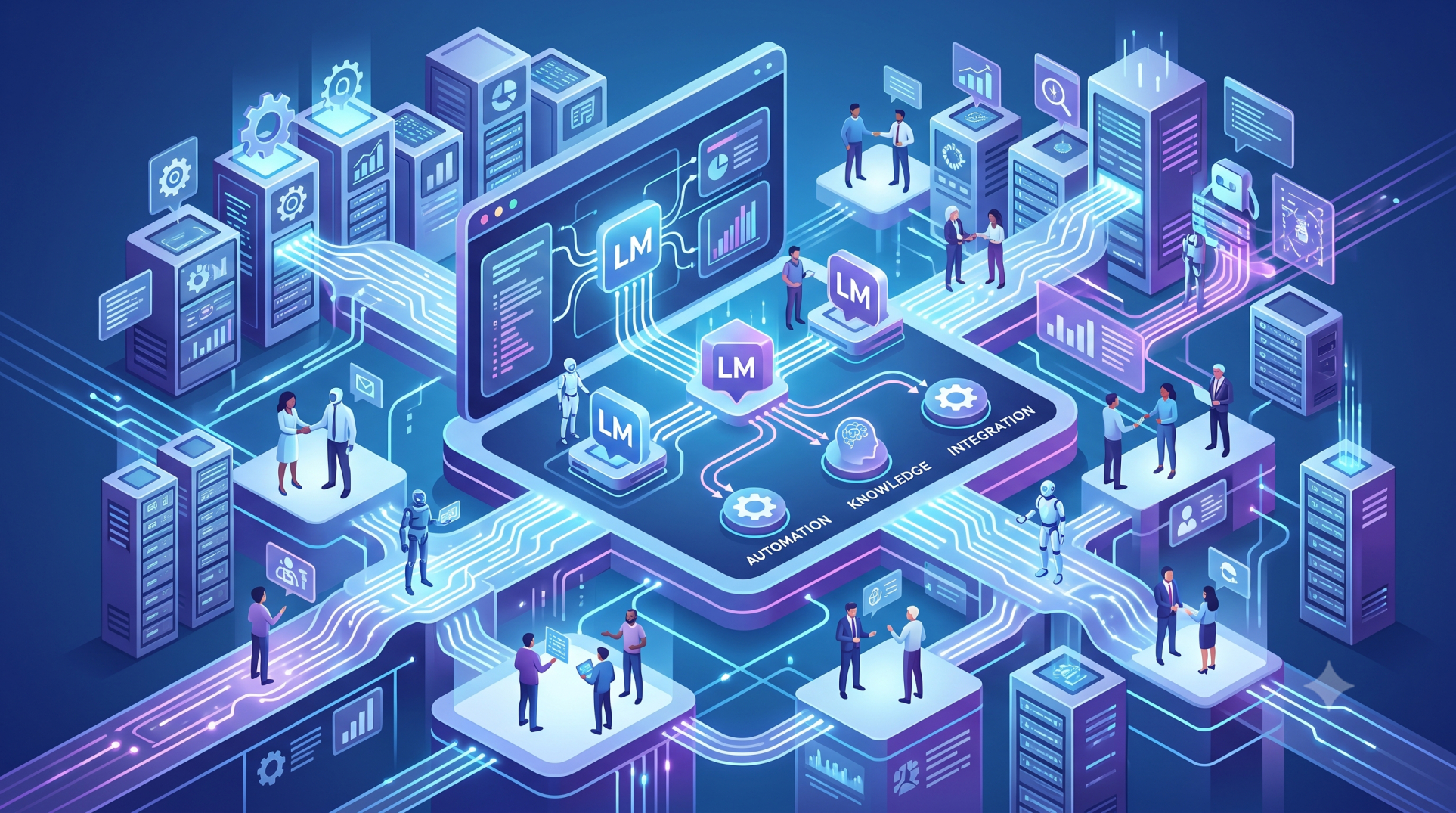
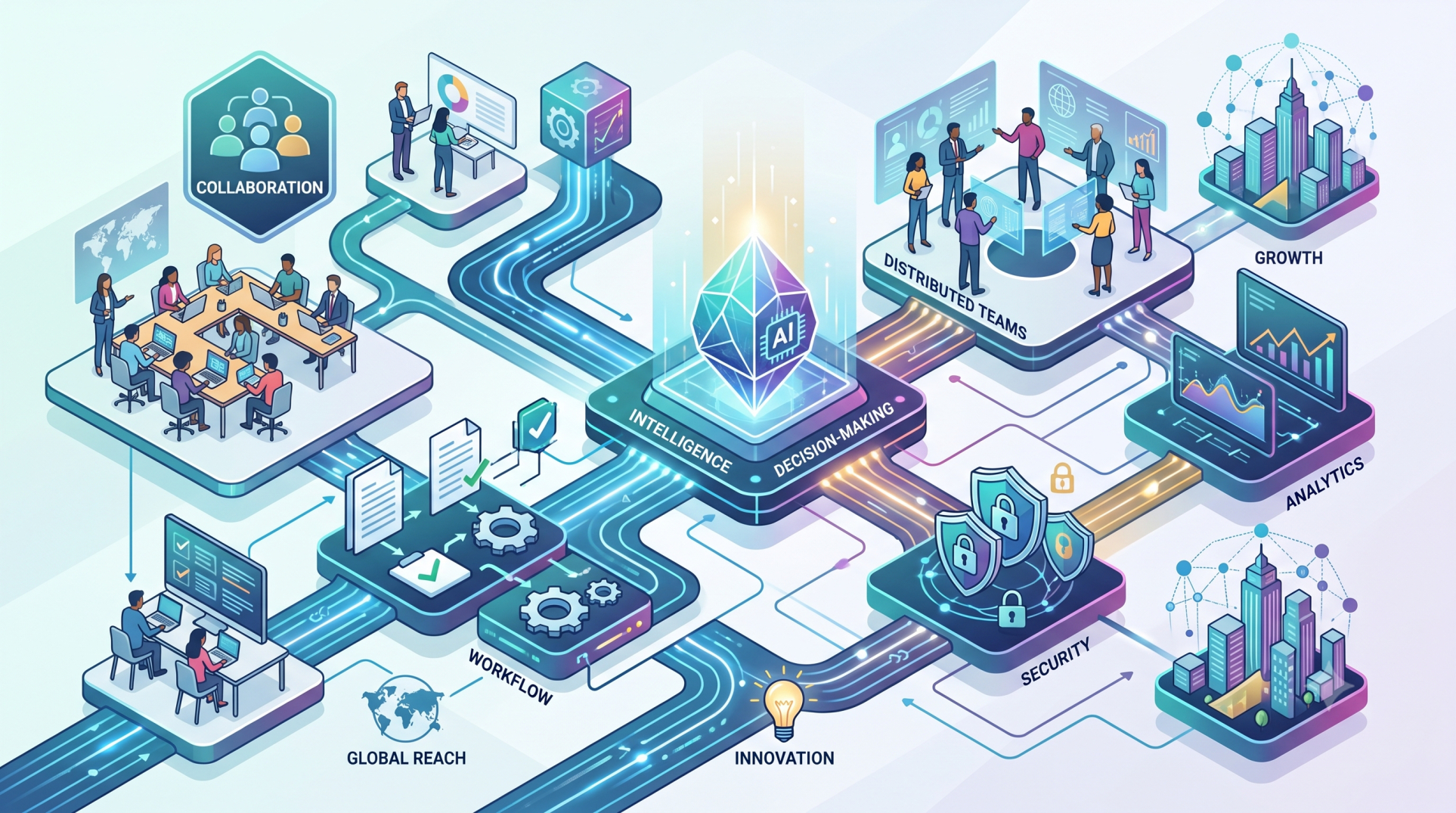
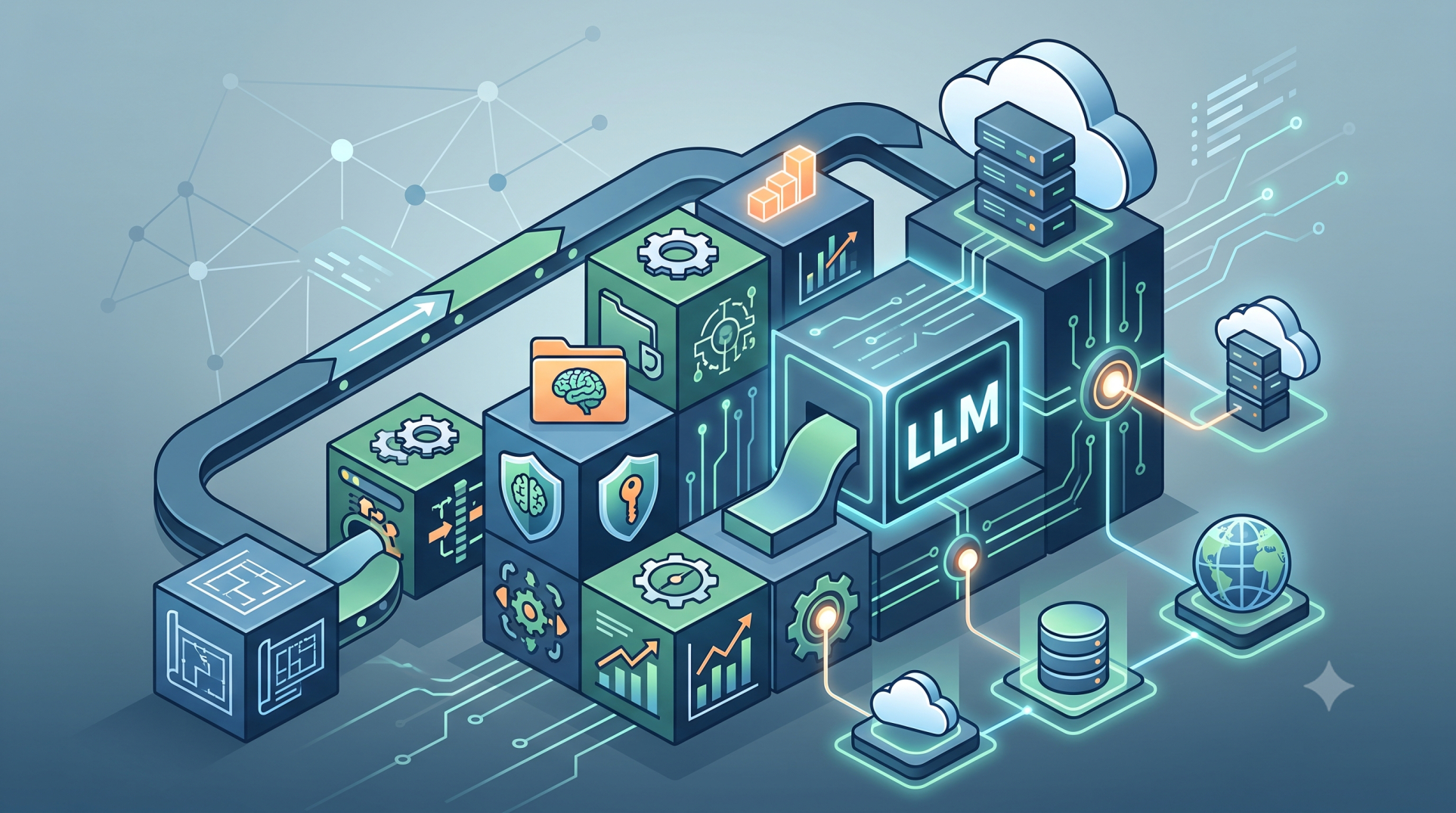
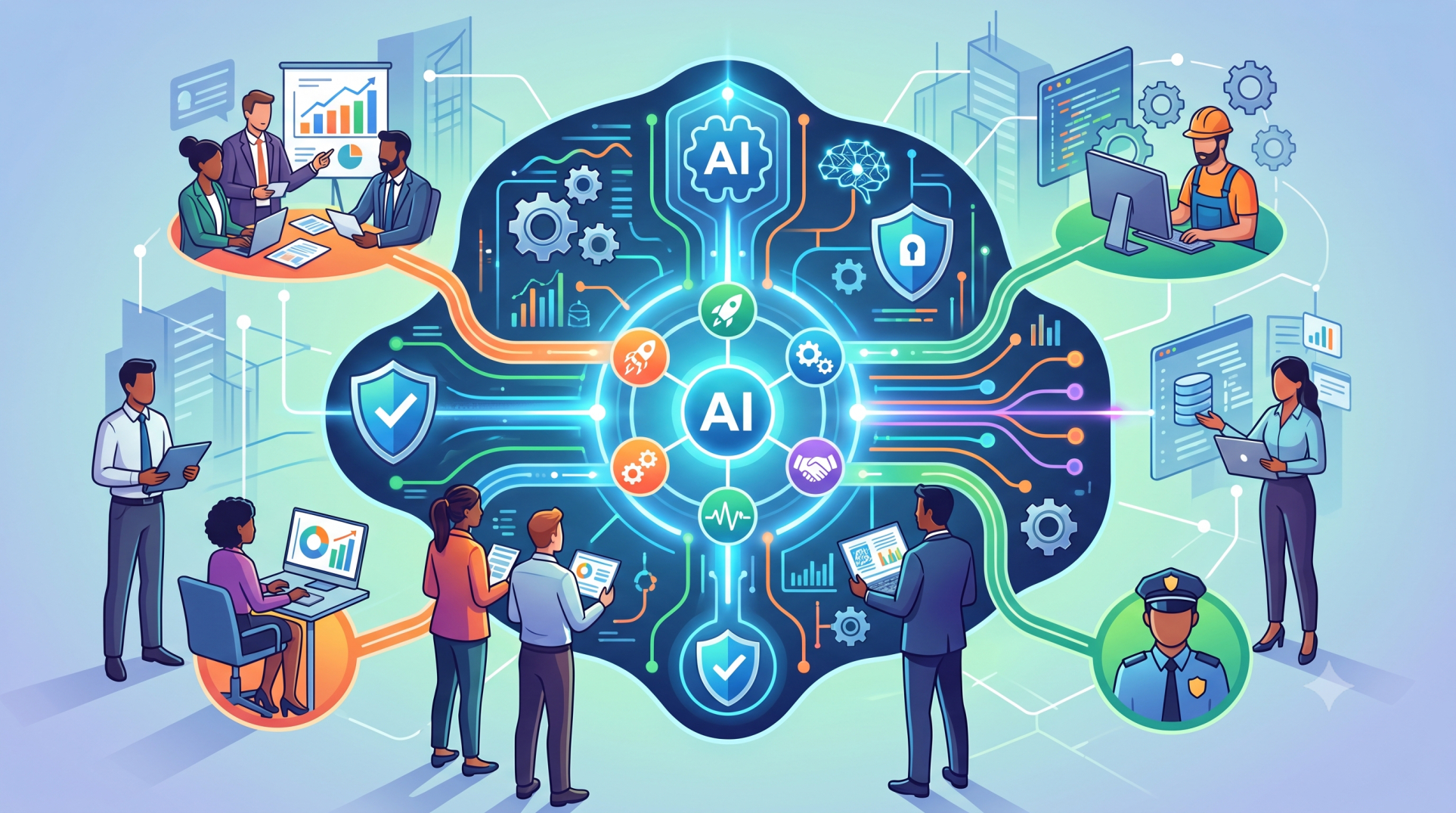
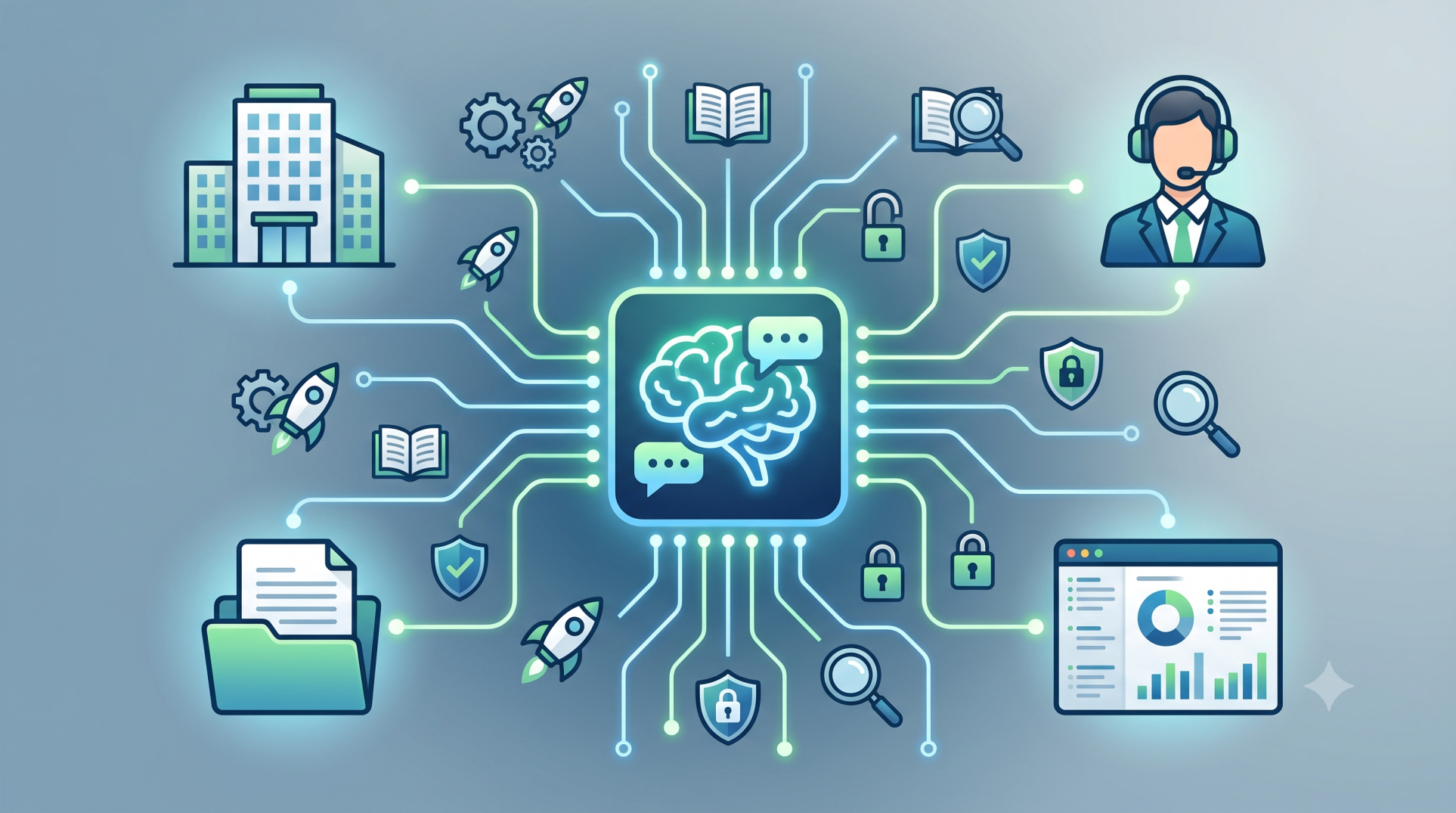
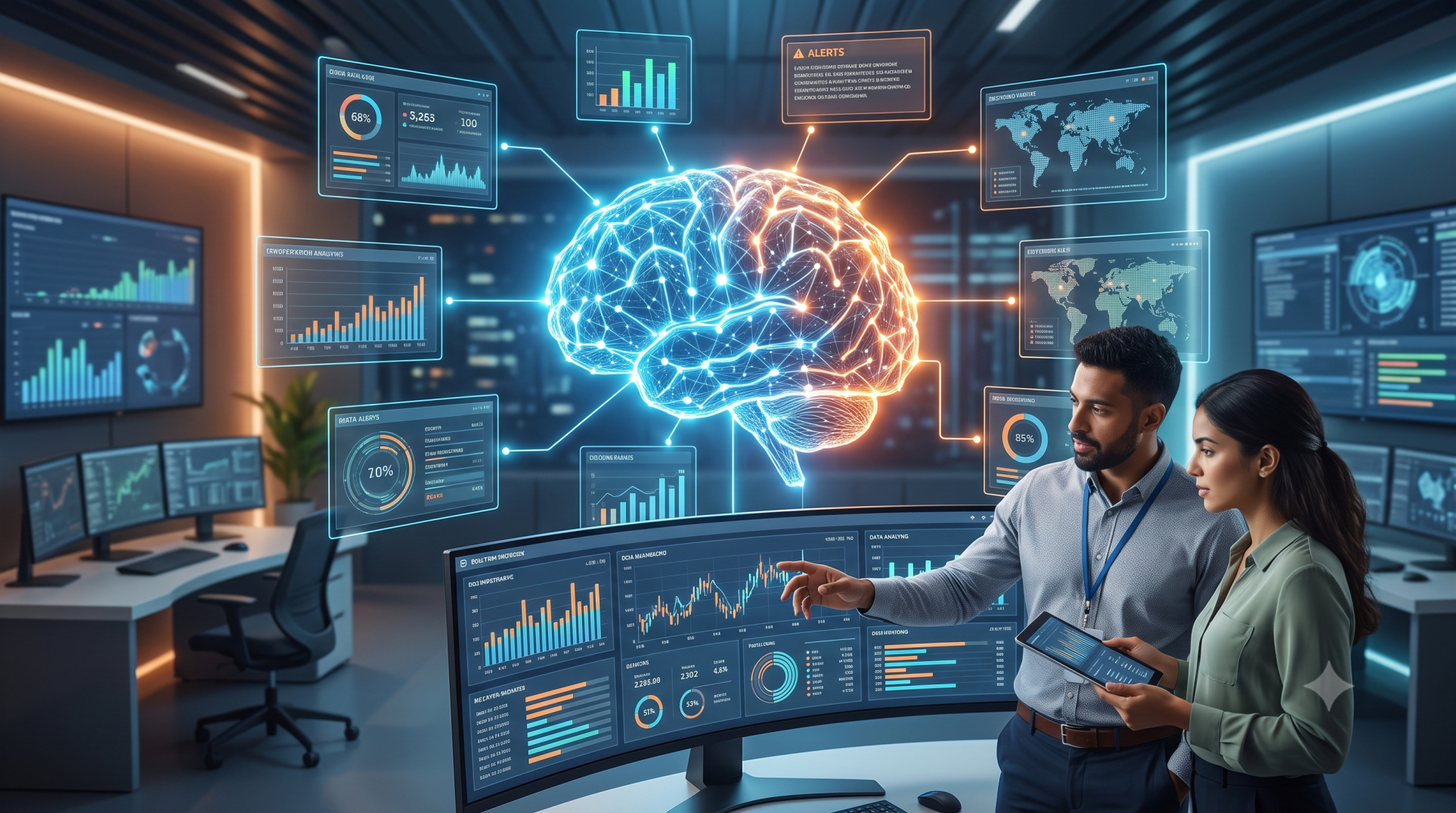
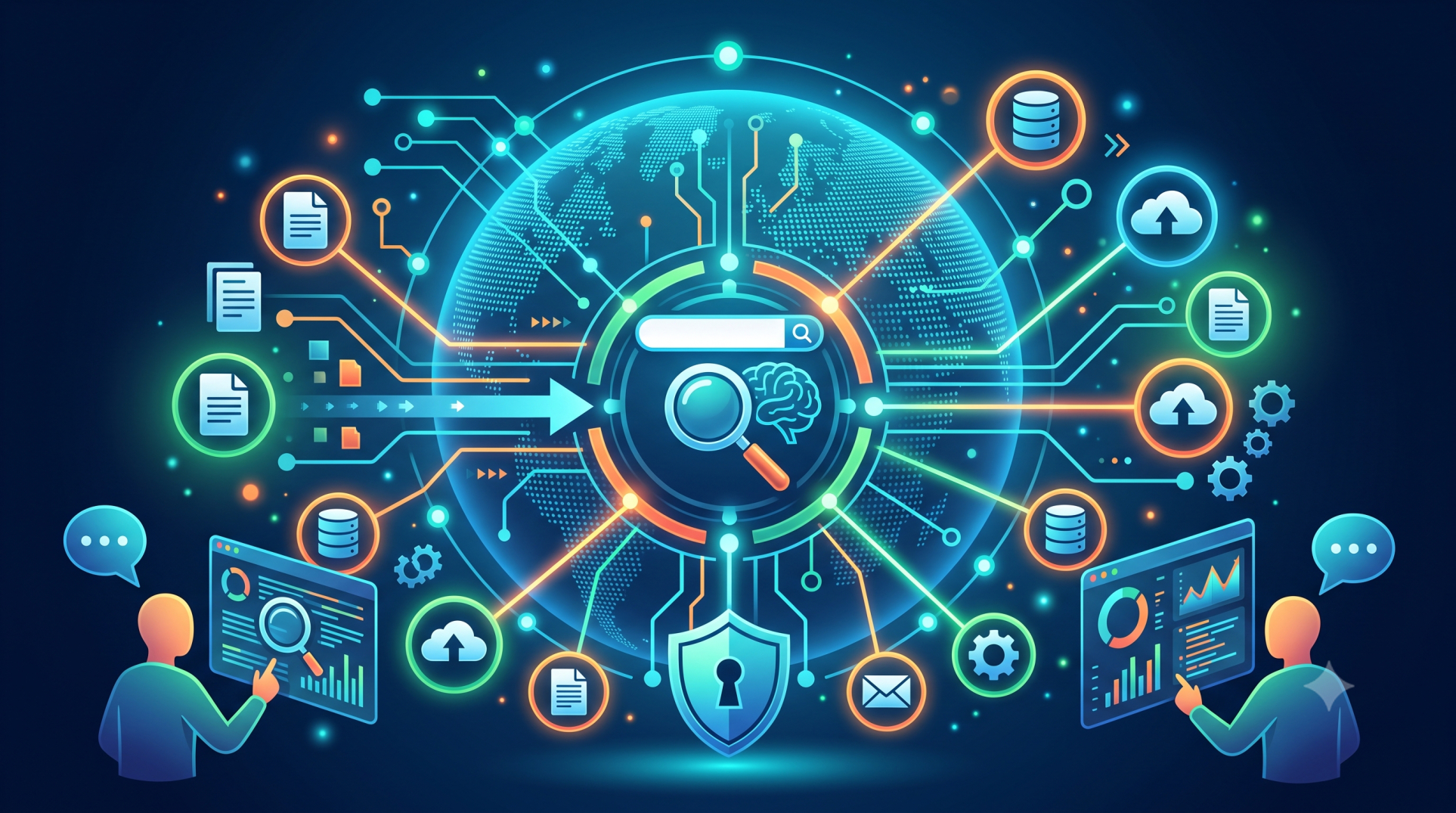
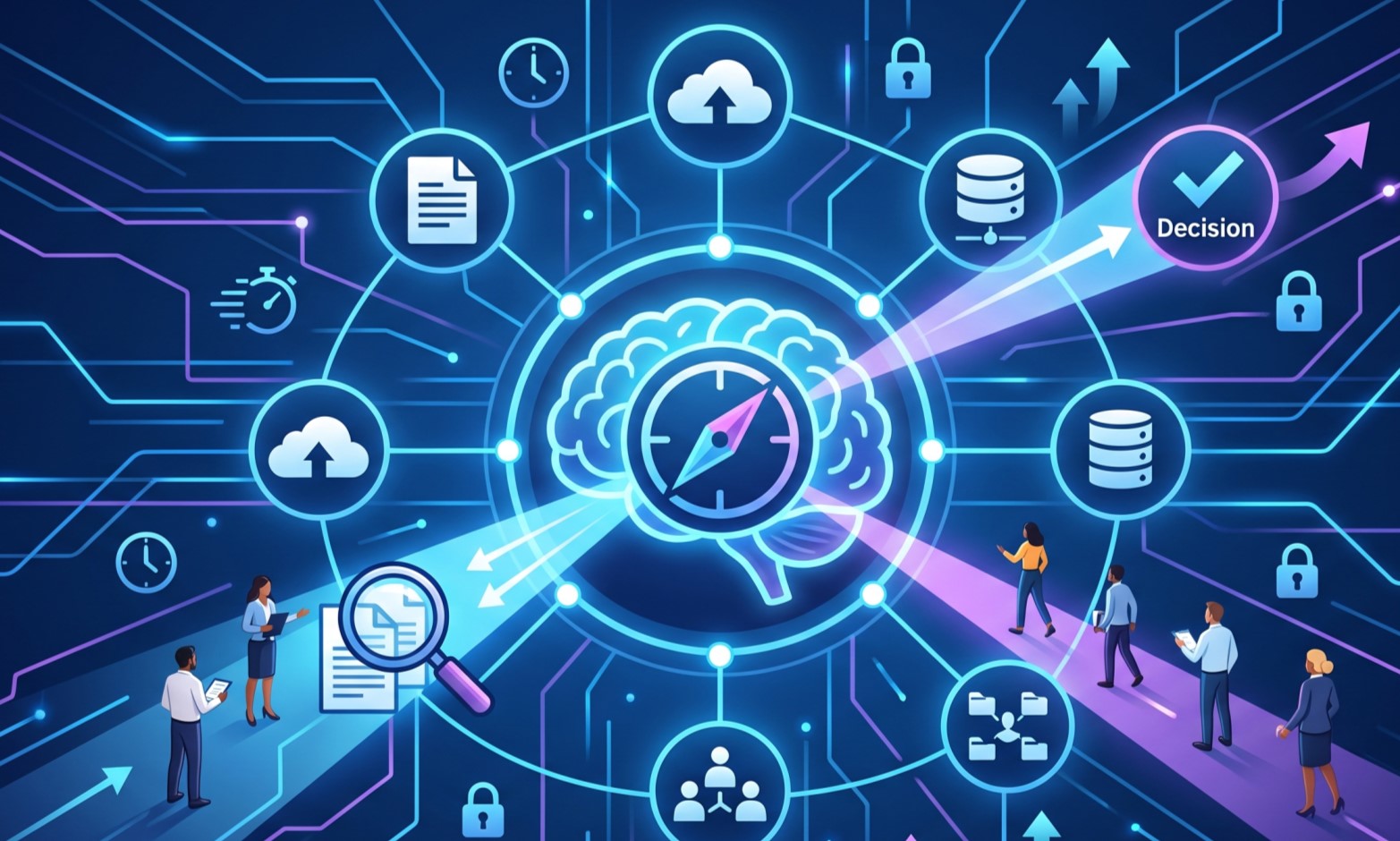
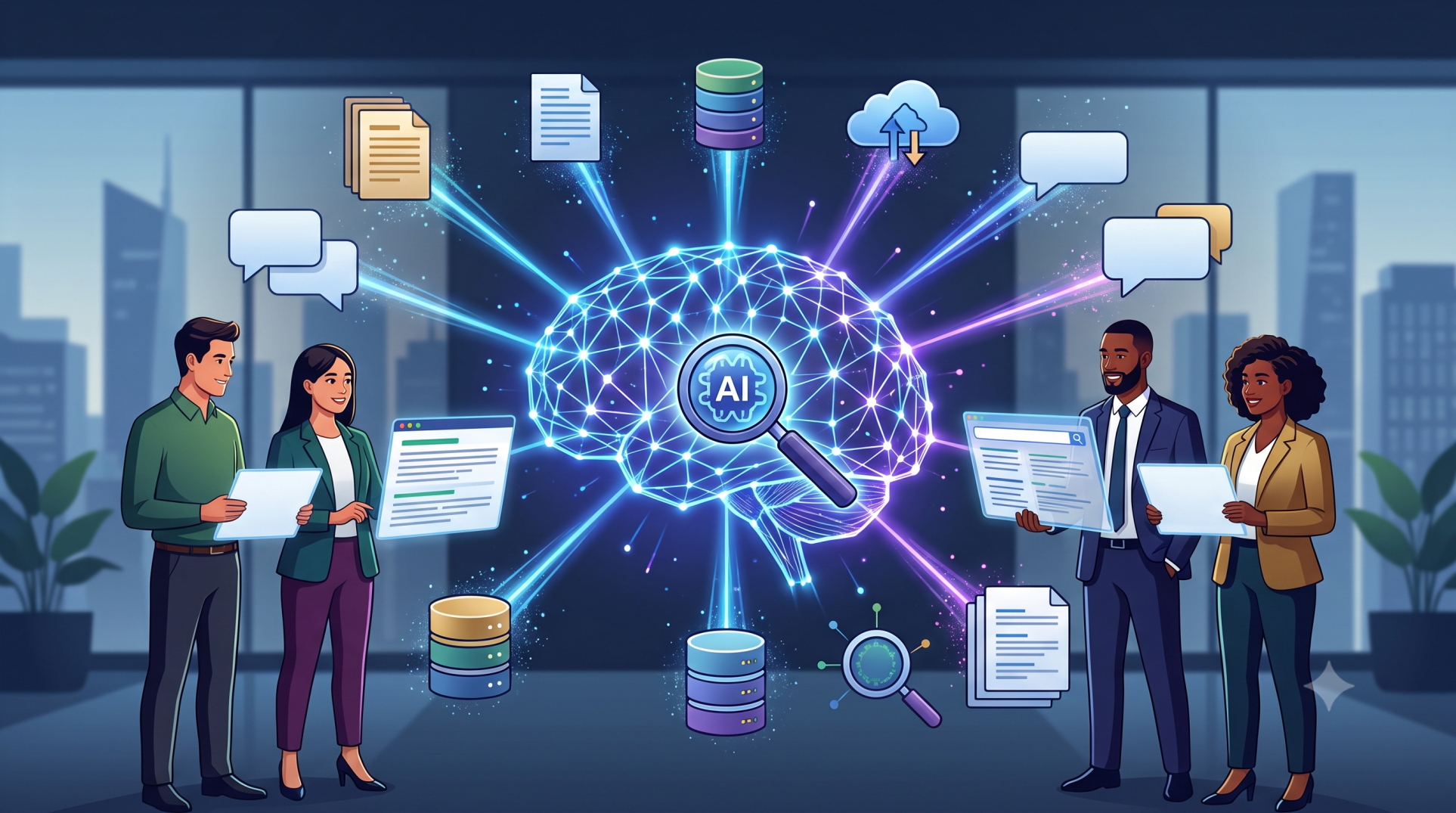
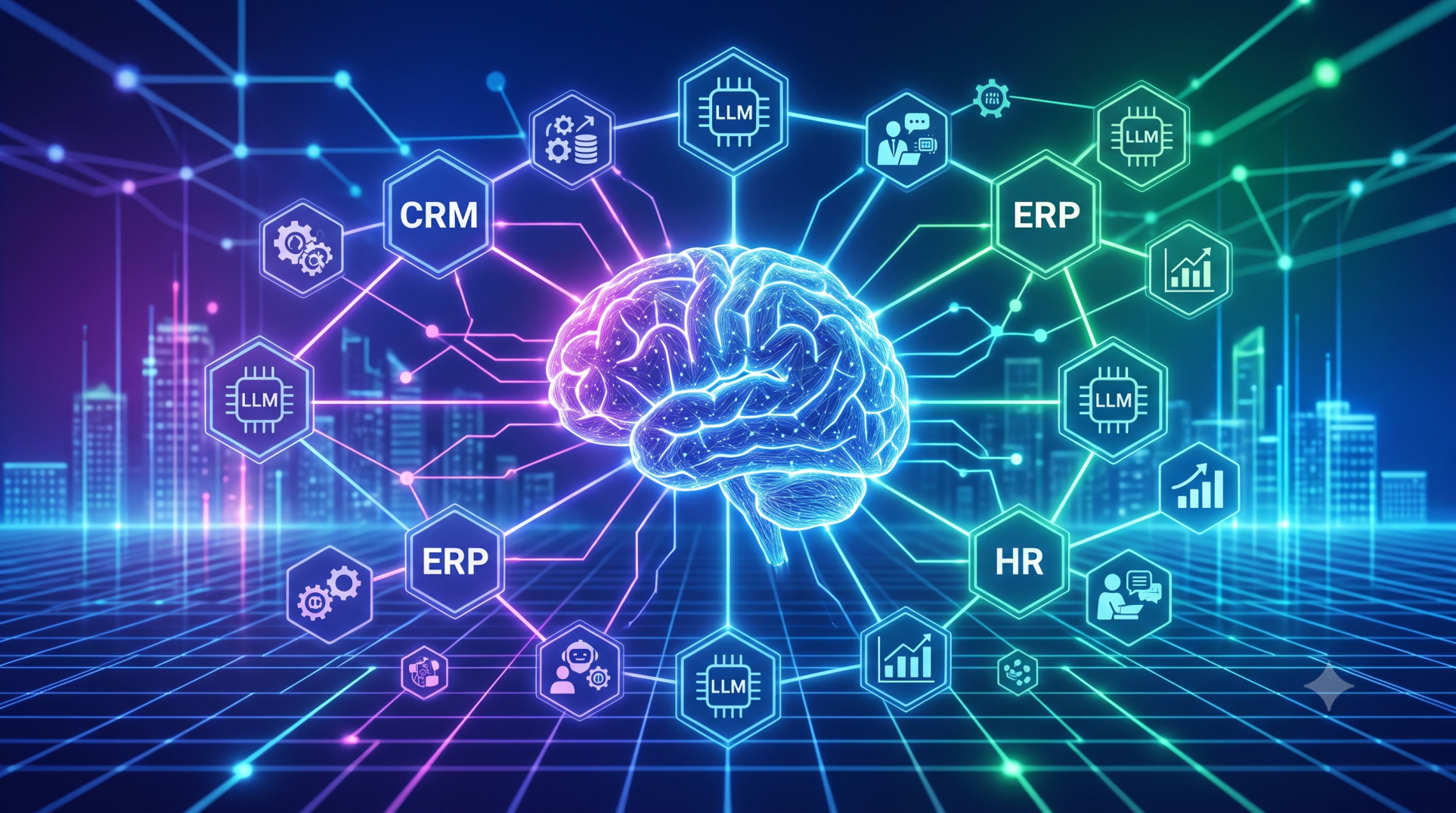
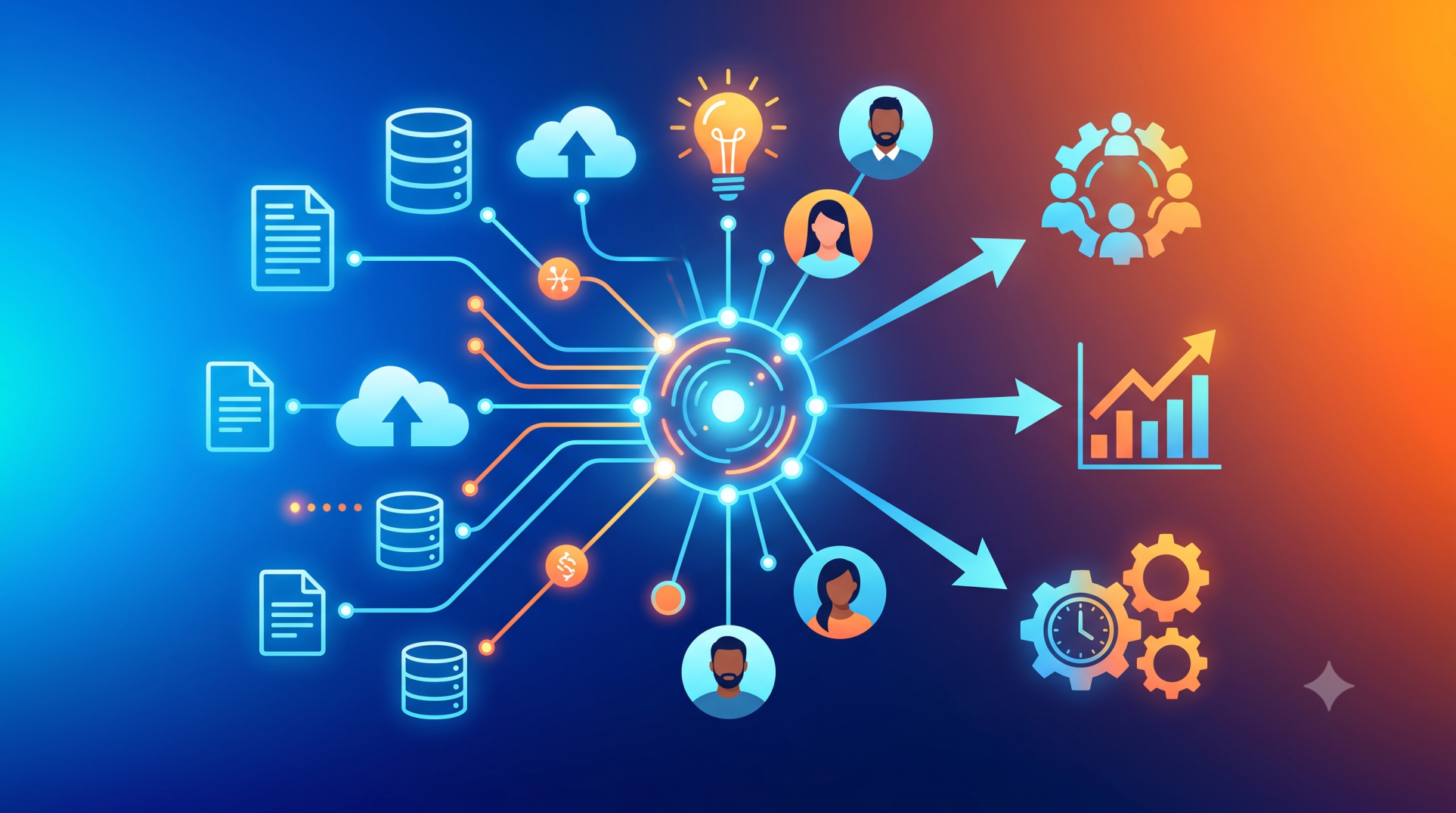
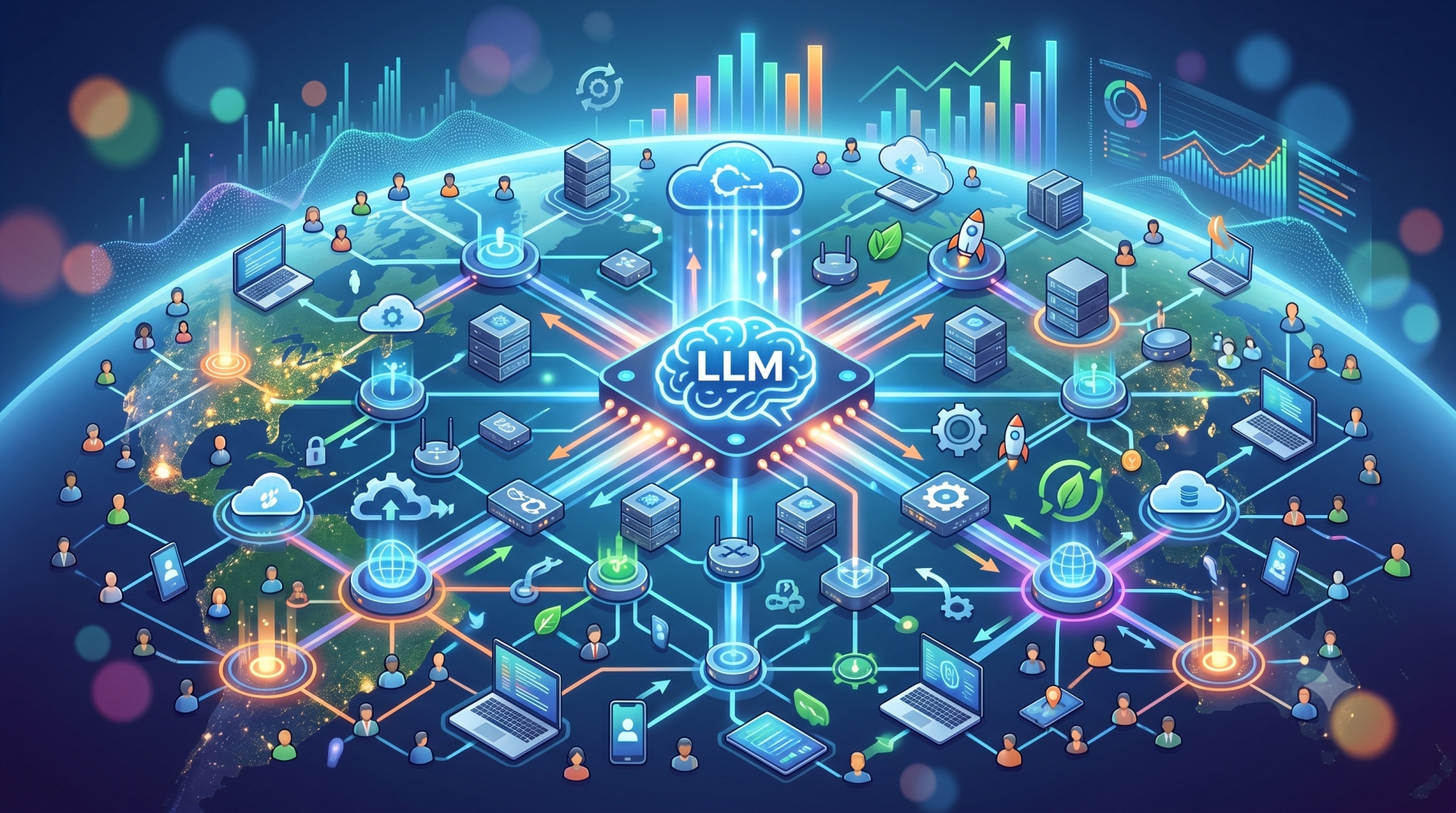
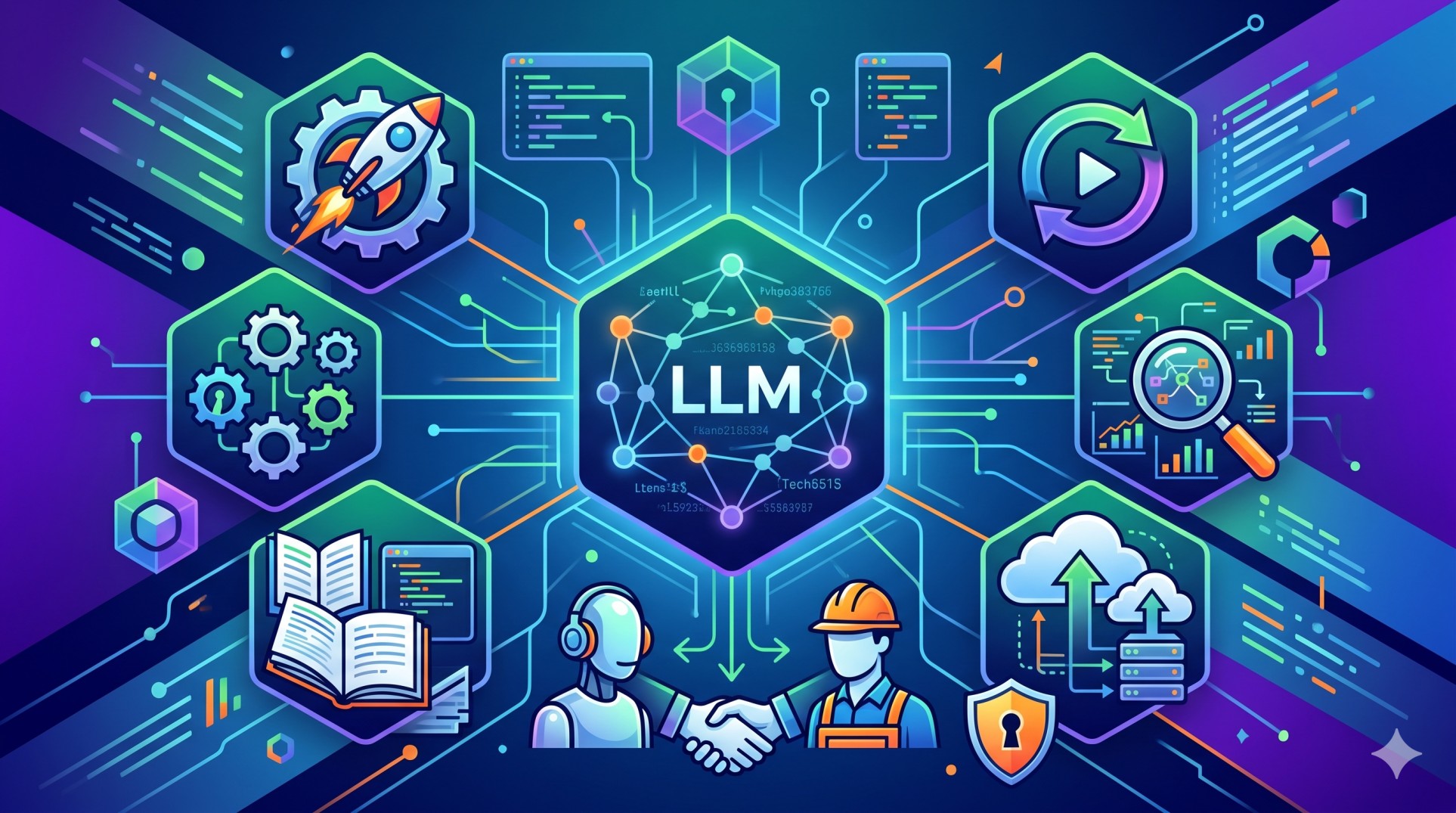
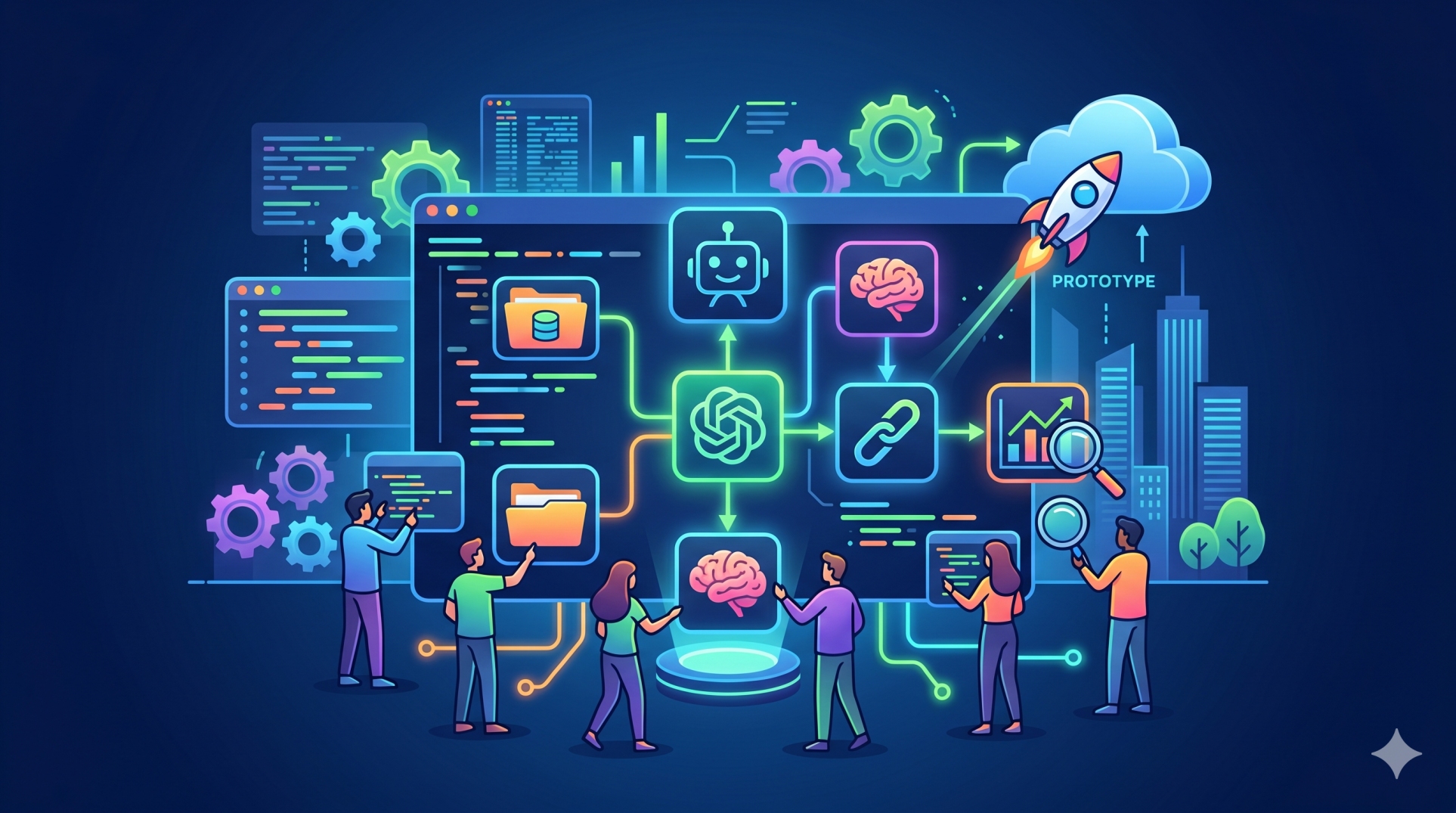
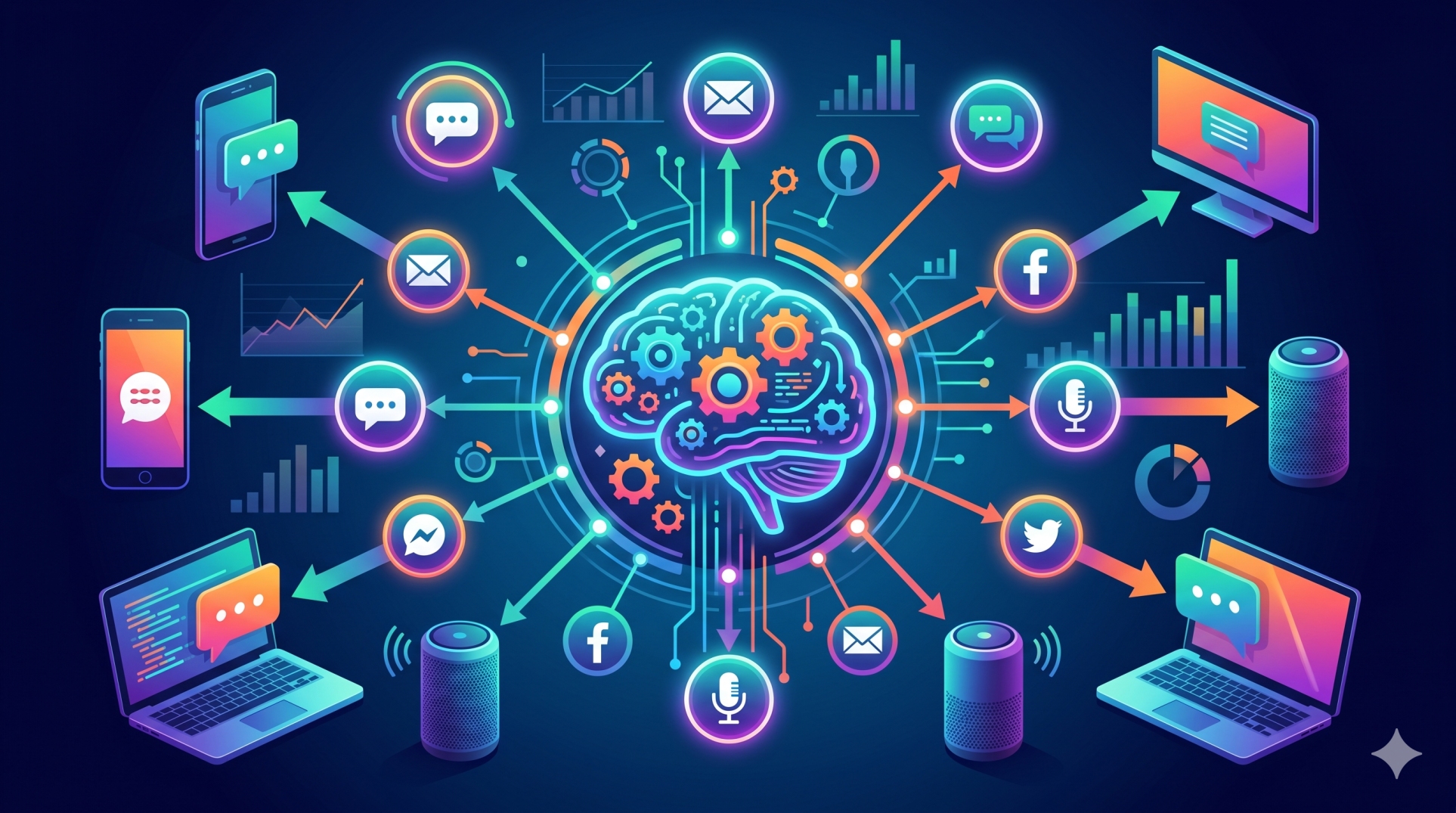
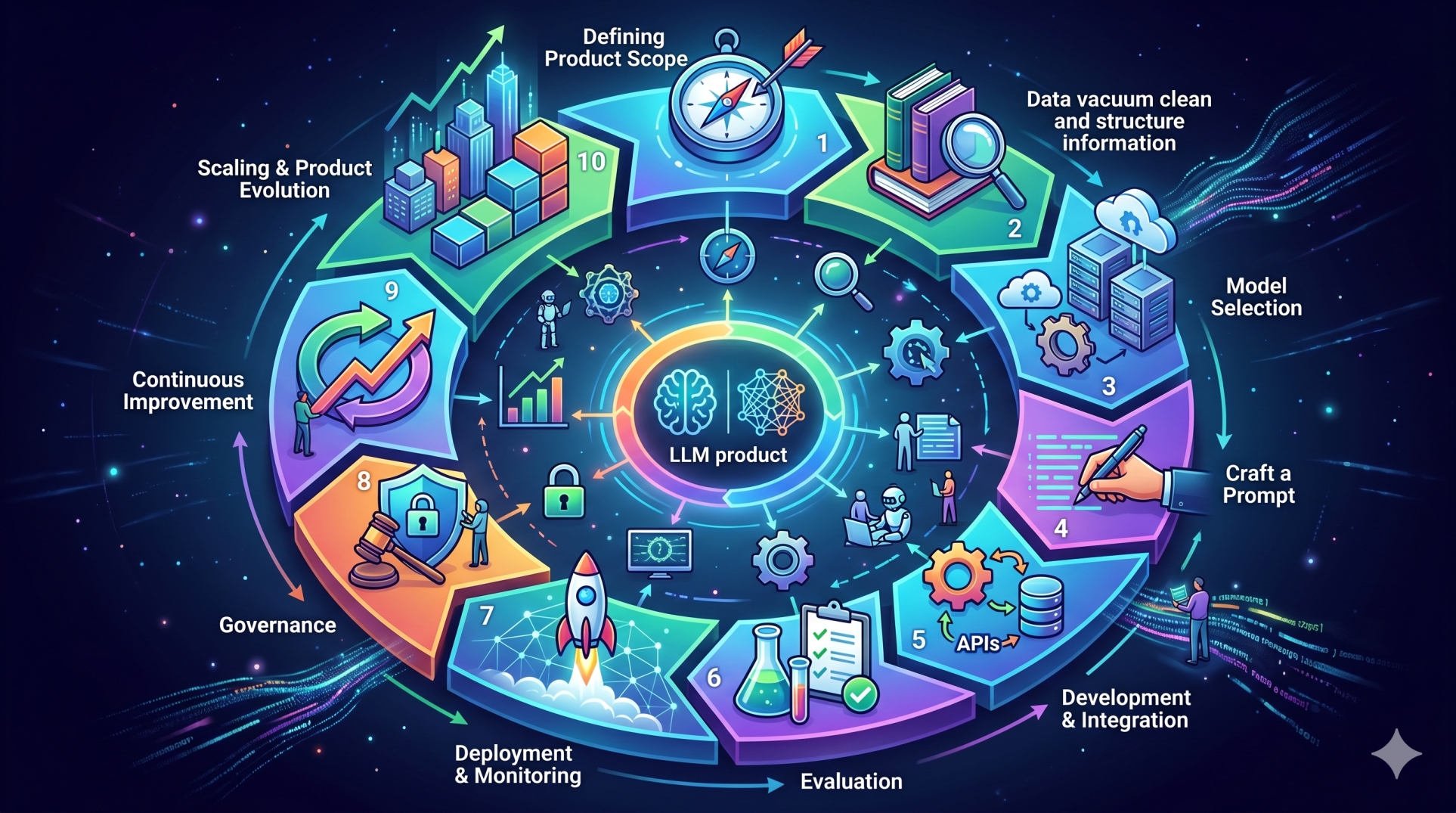
Software development is experiencing a foundational transformation. As Large Language Models integrate into IDEs, APIs, and enterprise ecosystems, programming is shifting from manual code writing to intelligent system collaboration. In an LLM-first environment, developers increasingly define objectives, supervise generated outputs, and refine system behavior rather than constructing every component line by line.
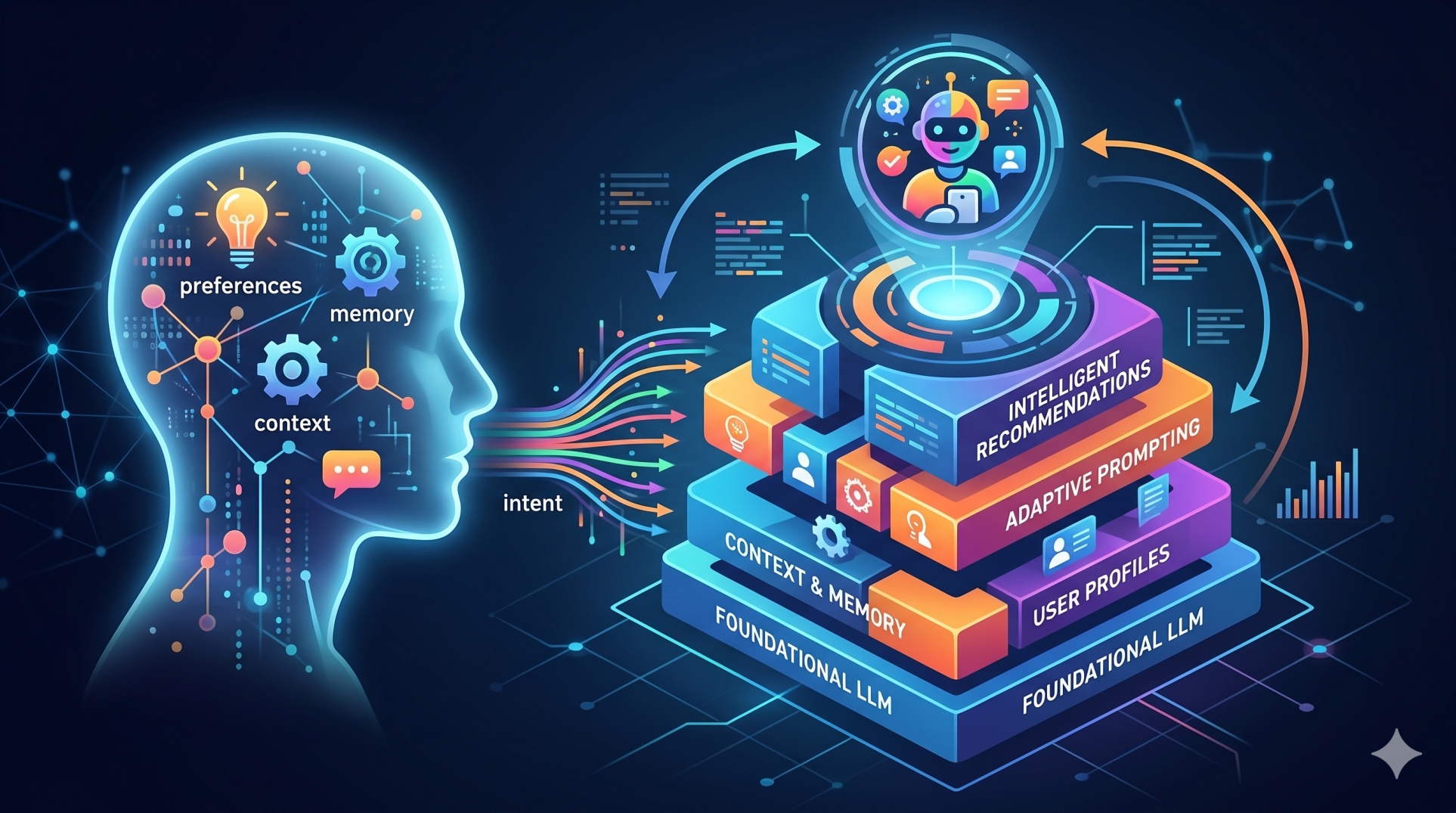
Step 1: From Manual Coding to Collaborative Development 🤝
• Developers shift from writing syntax to defining intent
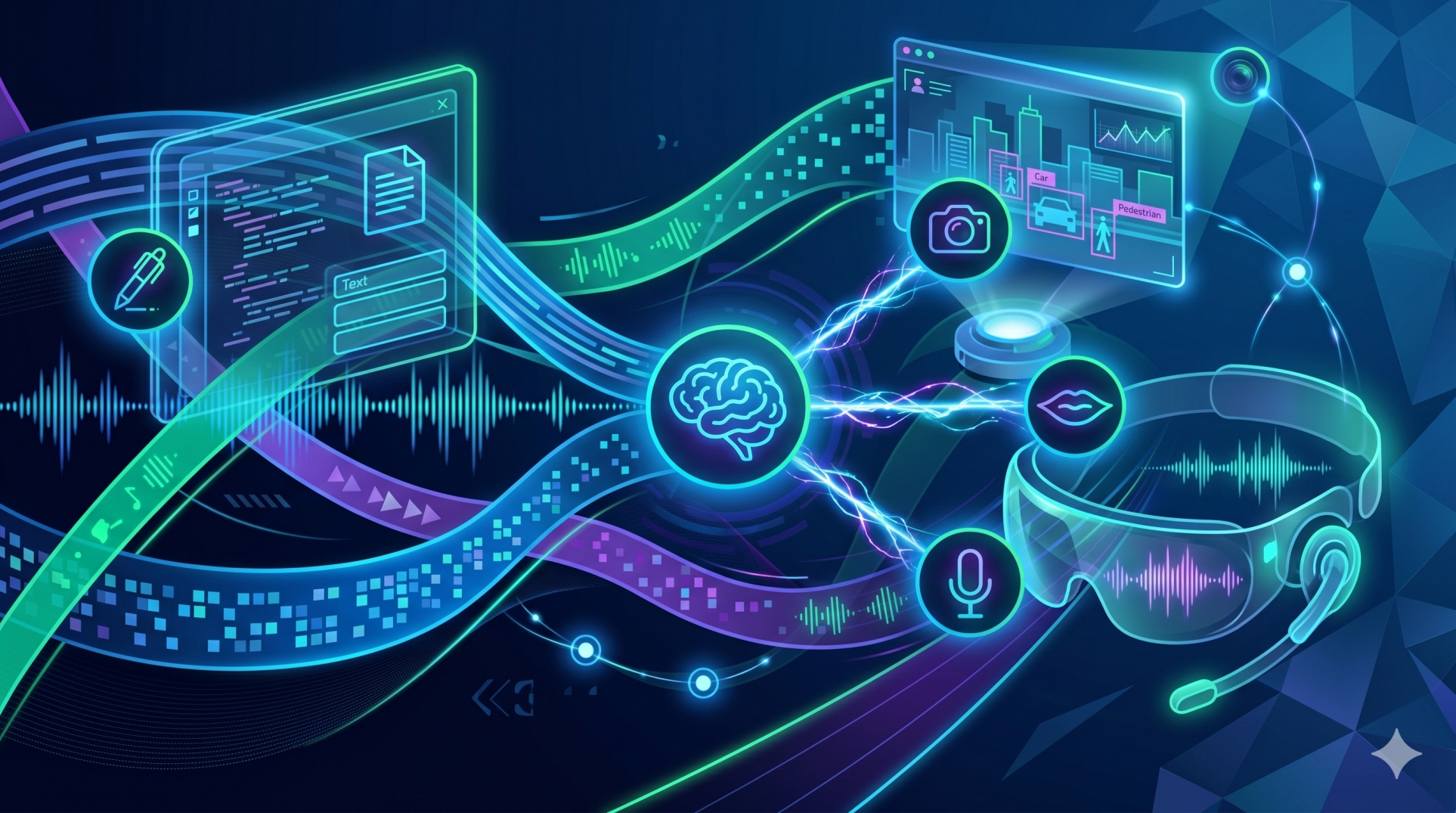
• Natural language becomes a working interface for software creation
• Iterative interaction replaces rigid development cycles
• Oversight and refinement take precedence over raw implementation
• Assisted workflows significantly improve productivity
Step 2: Programming as System Design 🏗️
• Emphasis moves from syntax mastery to architectural clarity
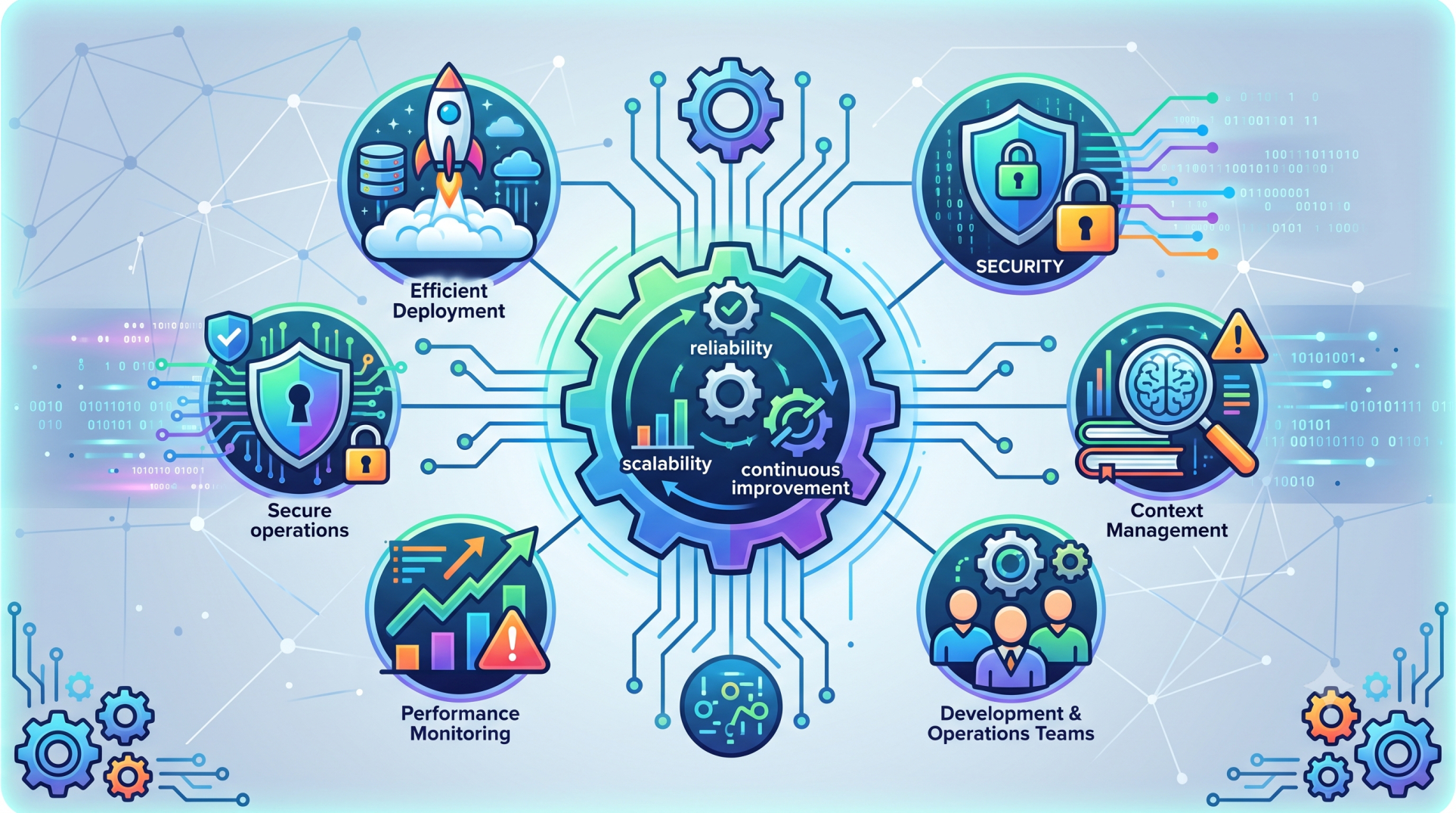
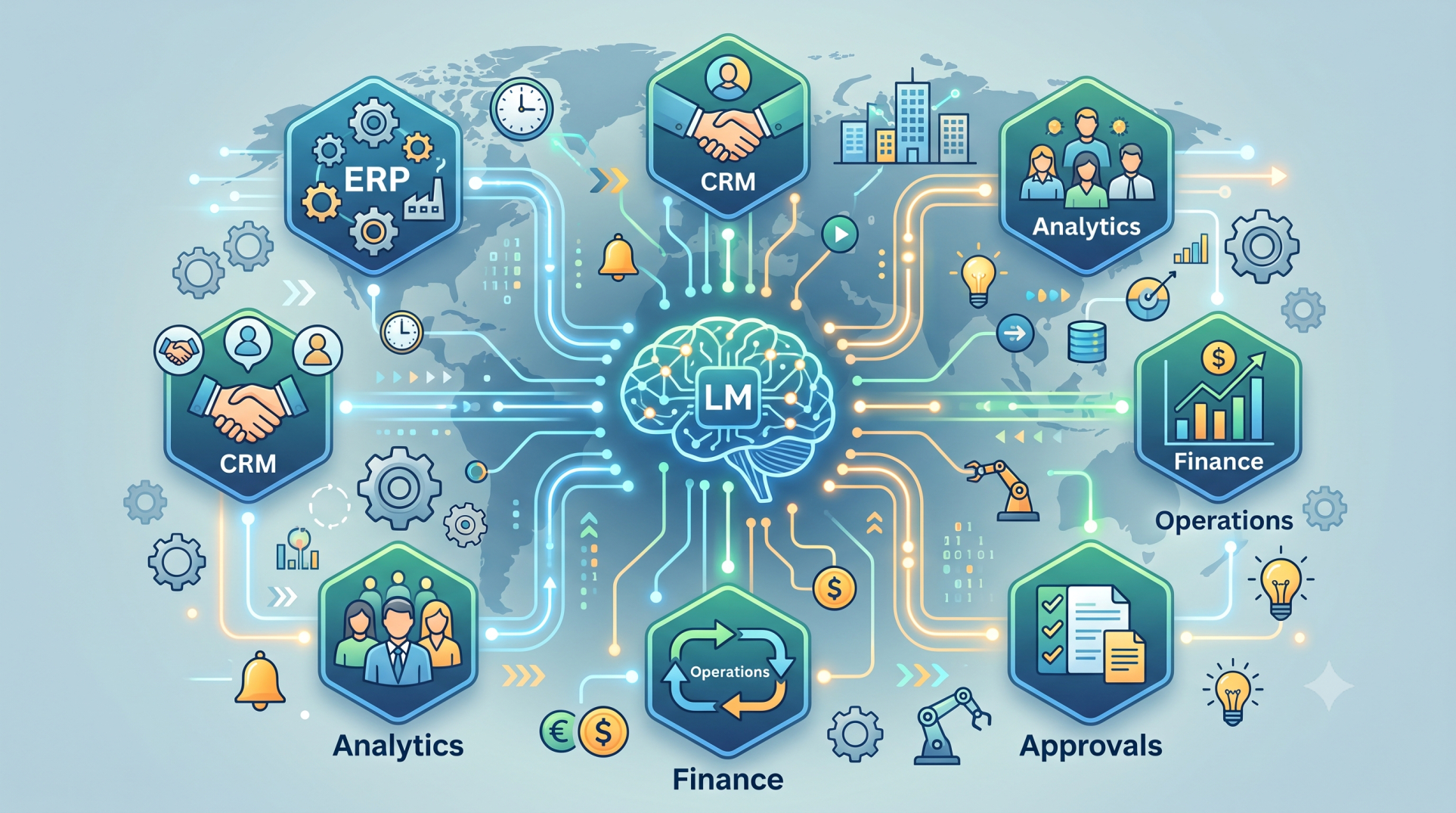
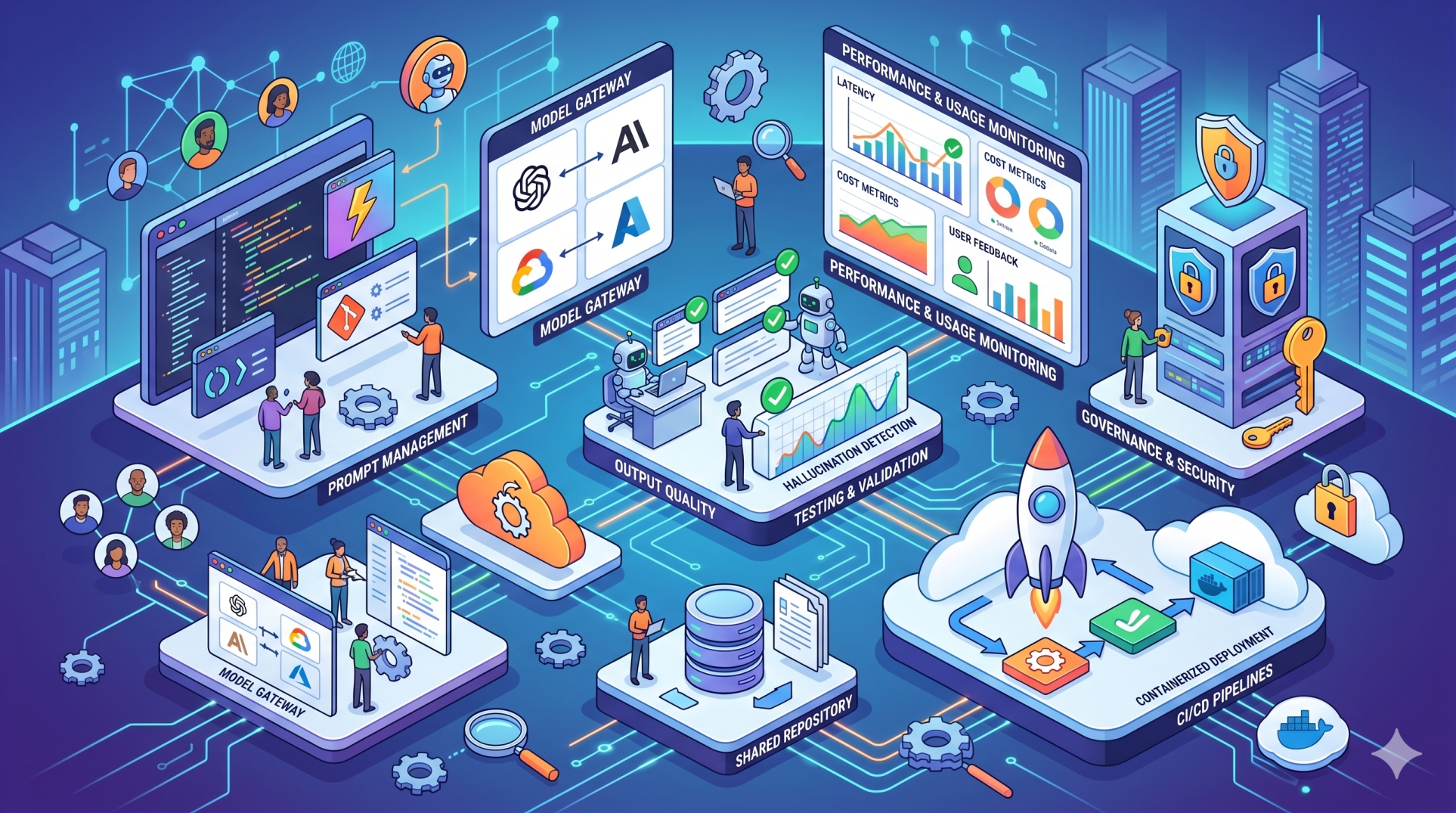
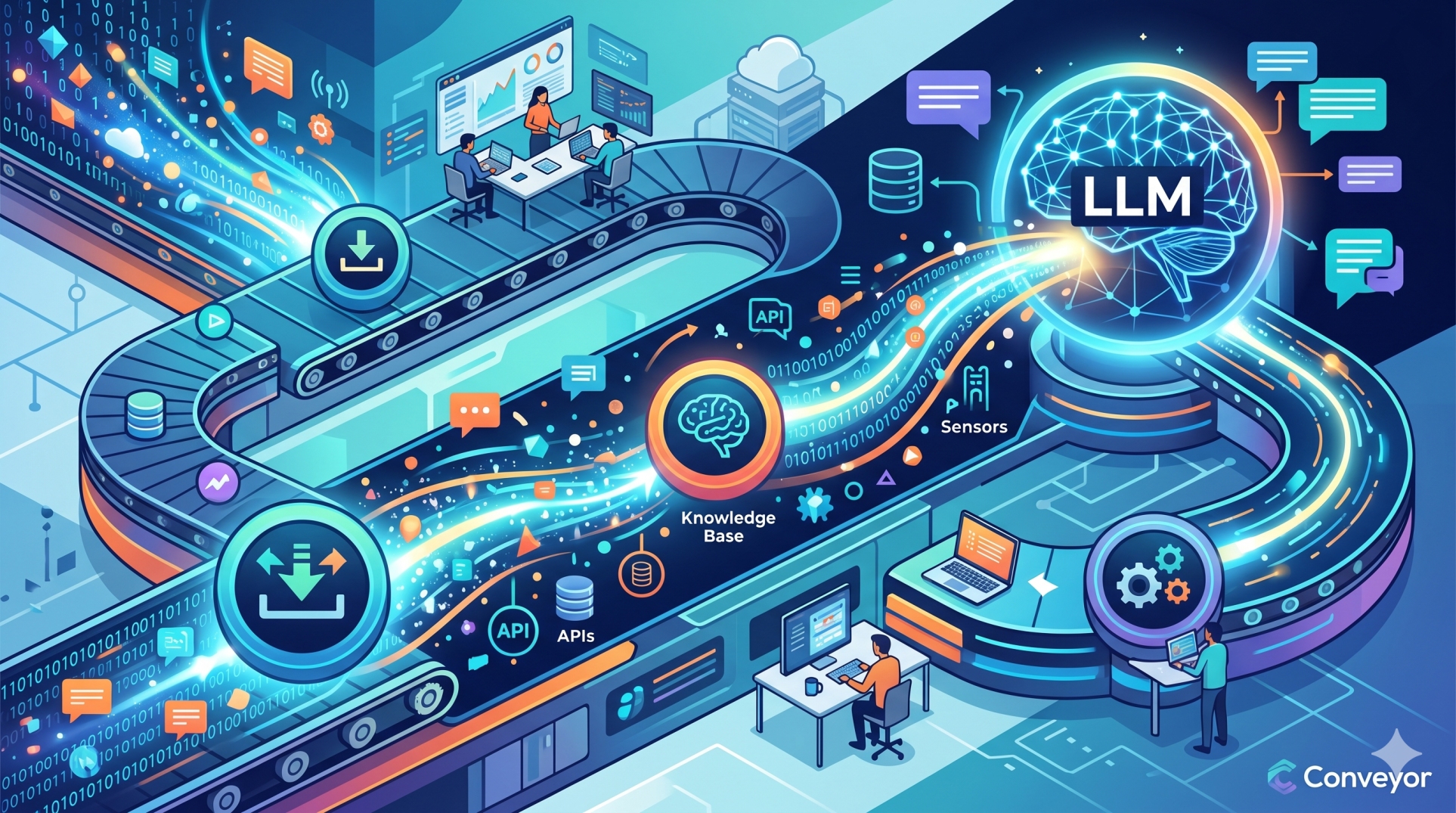
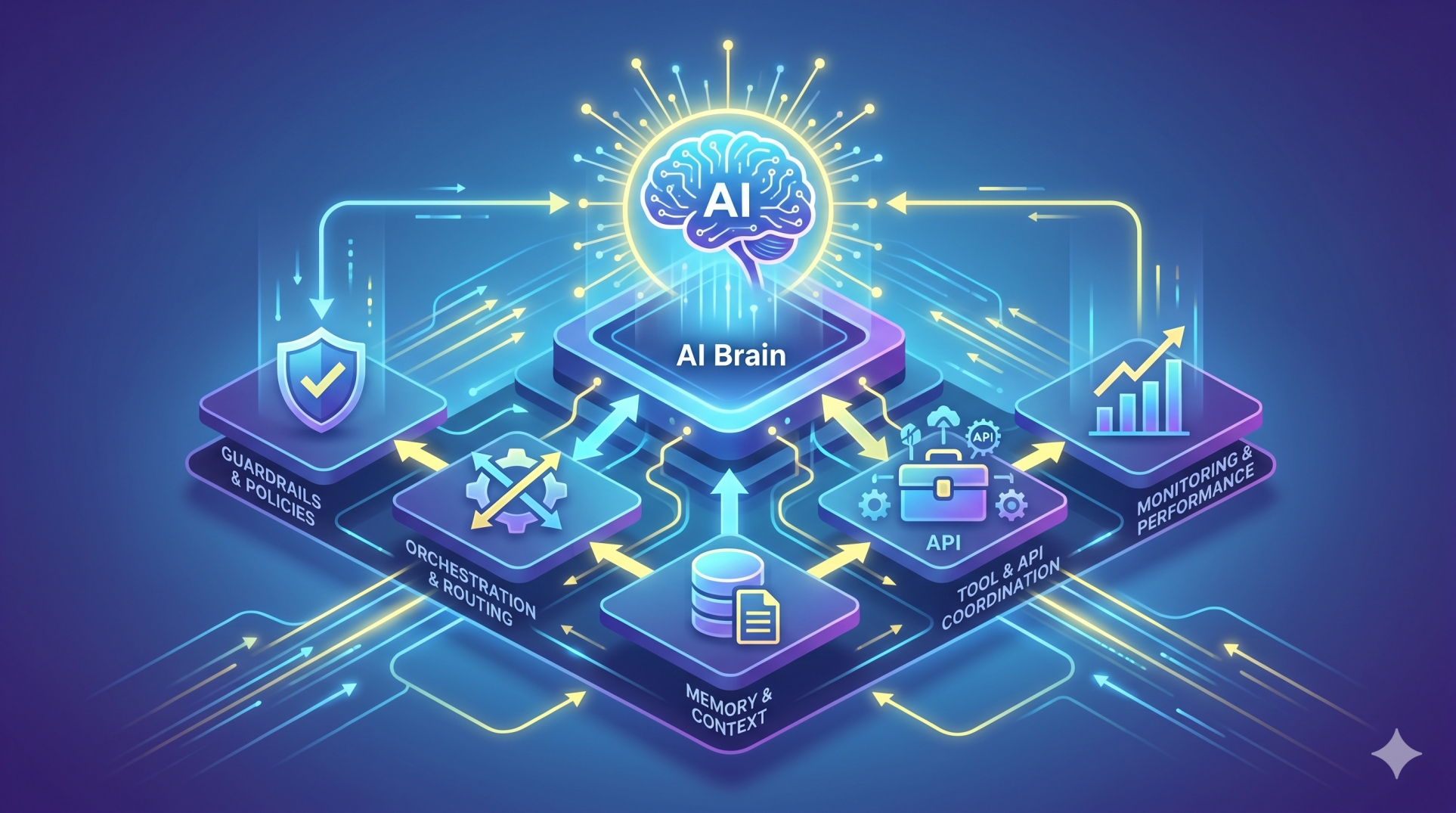
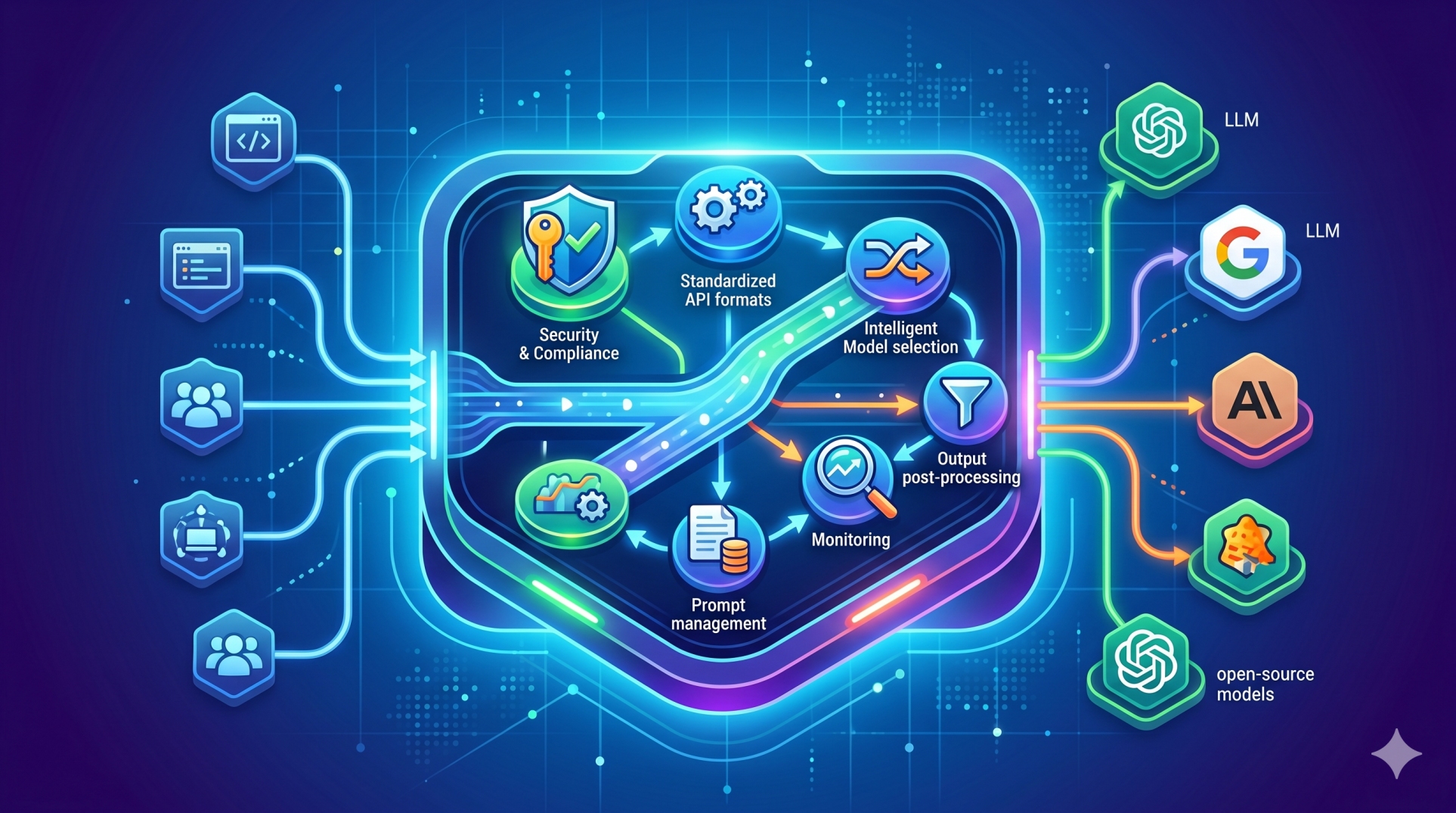
• Developers orchestrate interactions between models, APIs, and tools
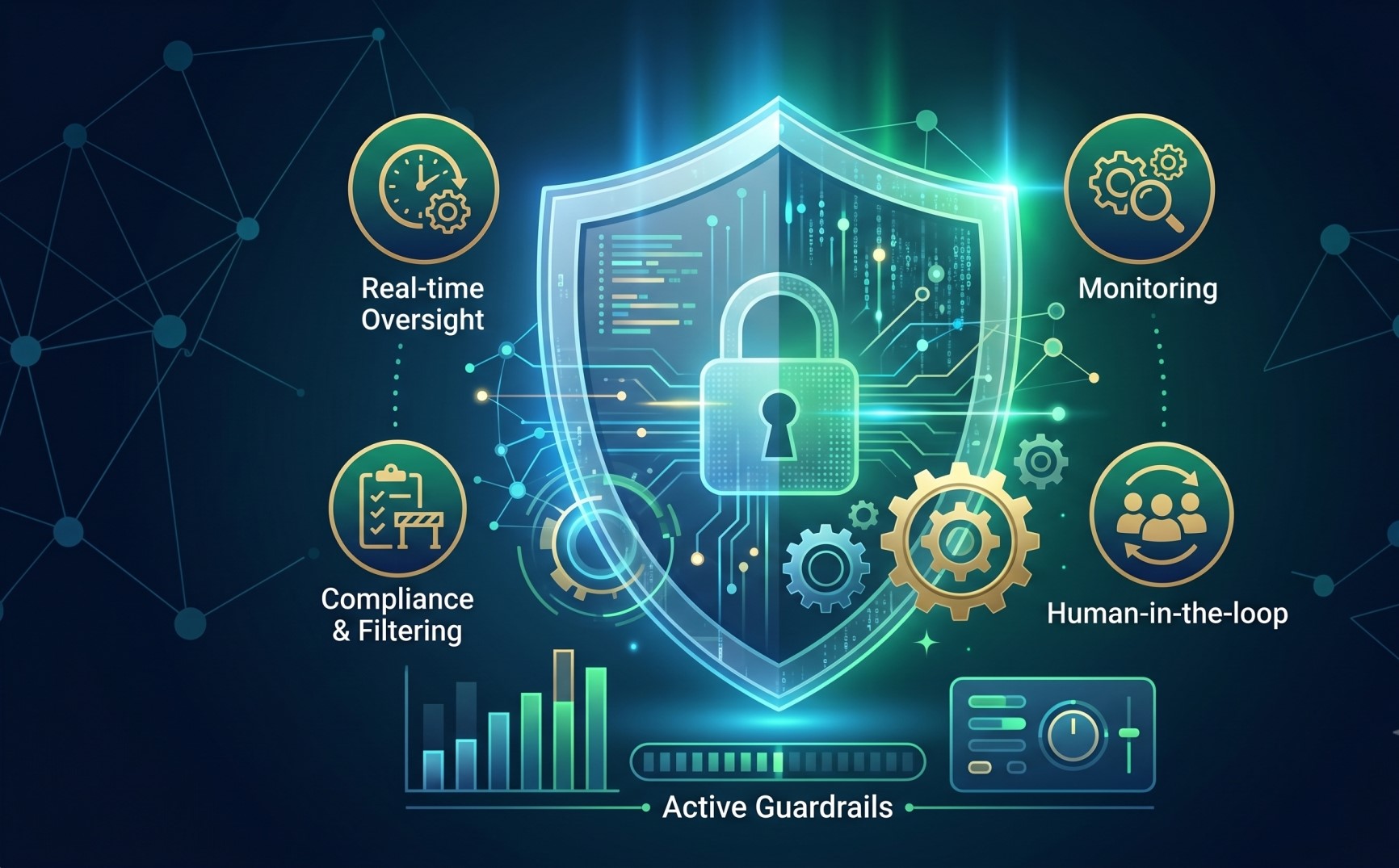
• Guardrails and constraints become foundational design elements
• Systems thinking outweighs isolated function development
• Reliability engineering becomes central to delivery
Step 3: Prompt Engineering and Context Design 🧠
• Structured prompt creation becomes a primary skill
• Context framing directly influences output quality
• Example-driven conditioning shapes model responses
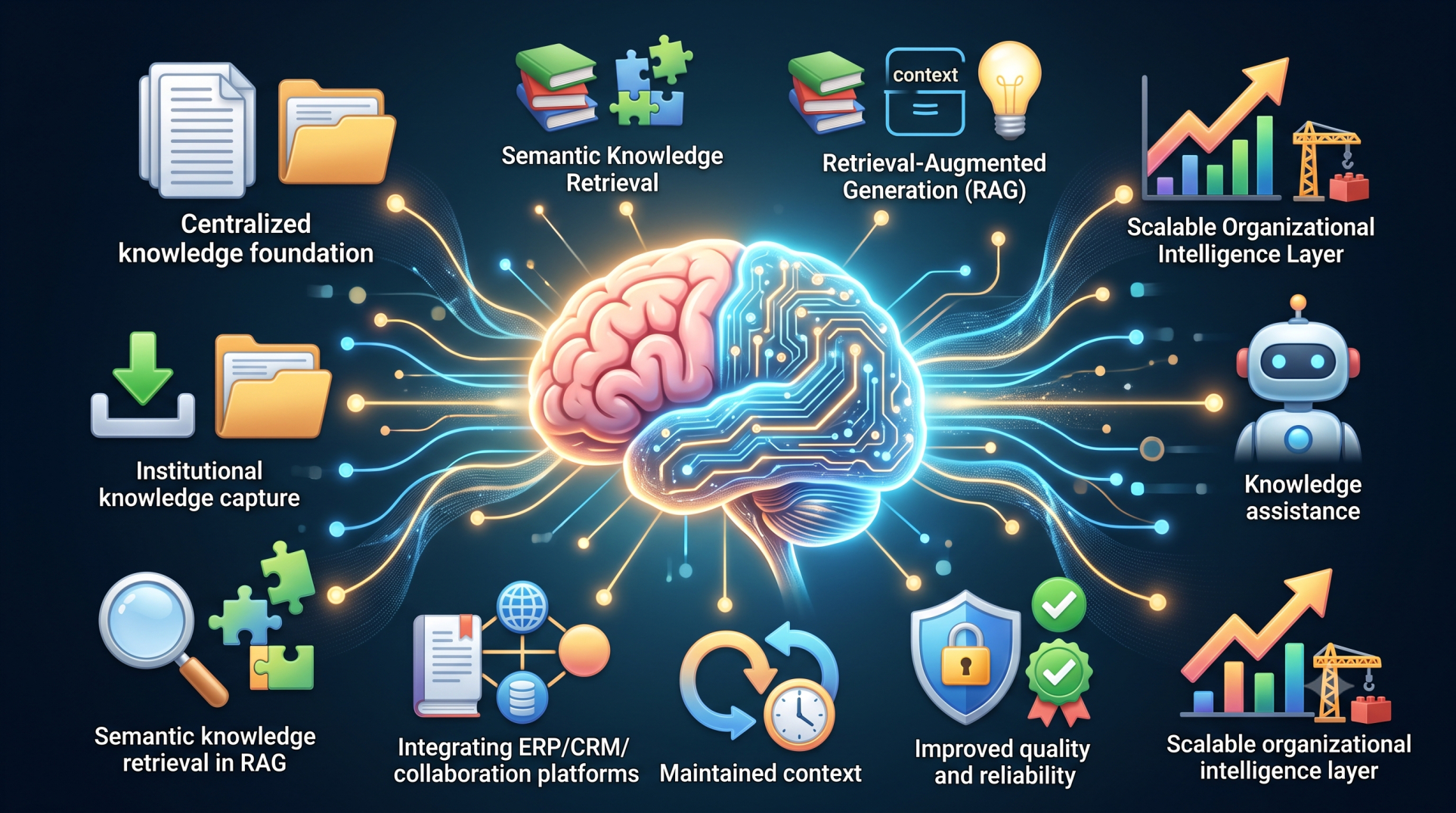
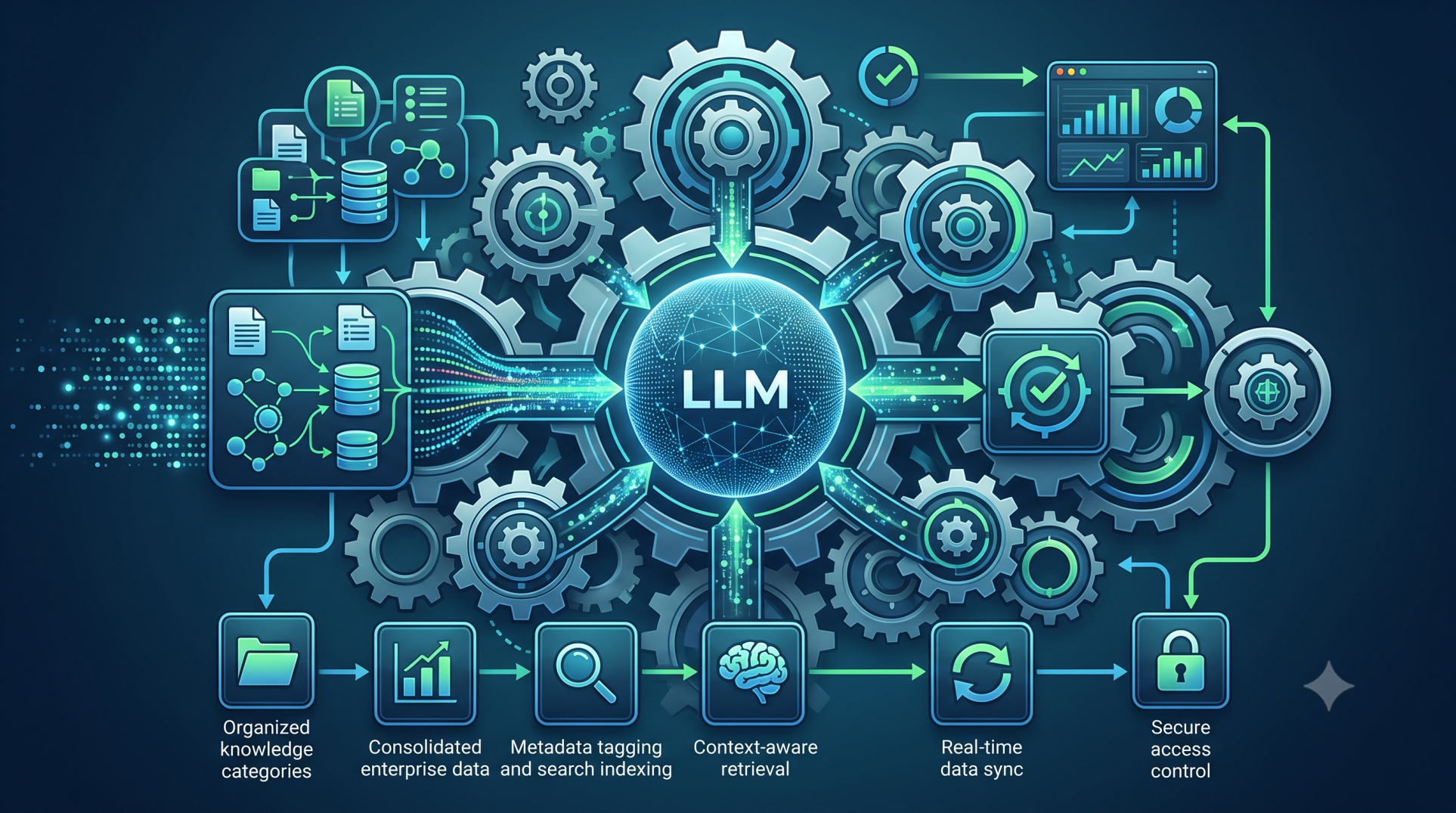
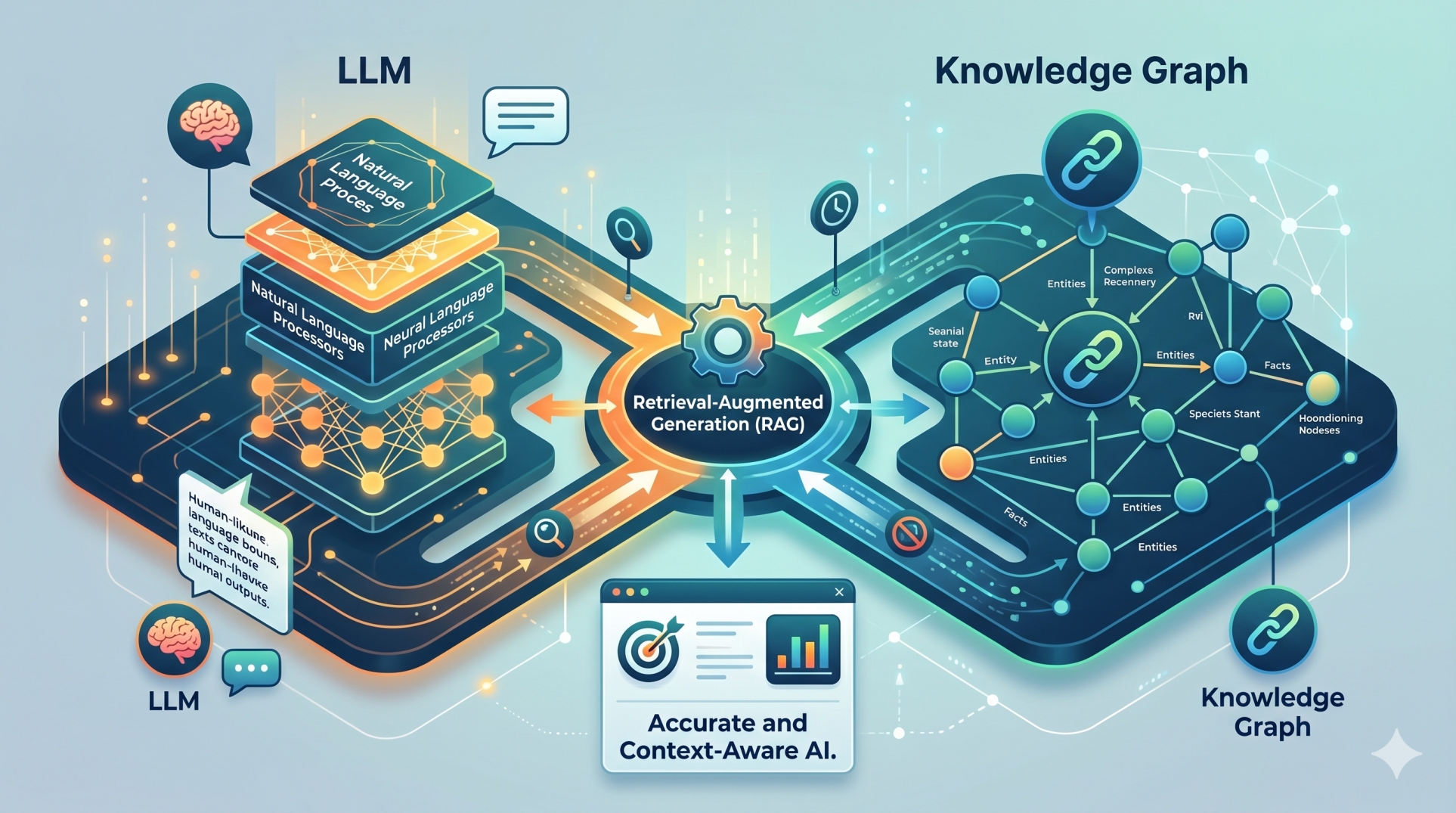
• Retrieval and memory layers improve factual grounding
• Iterative prompt refinement replaces traditional debugging patterns
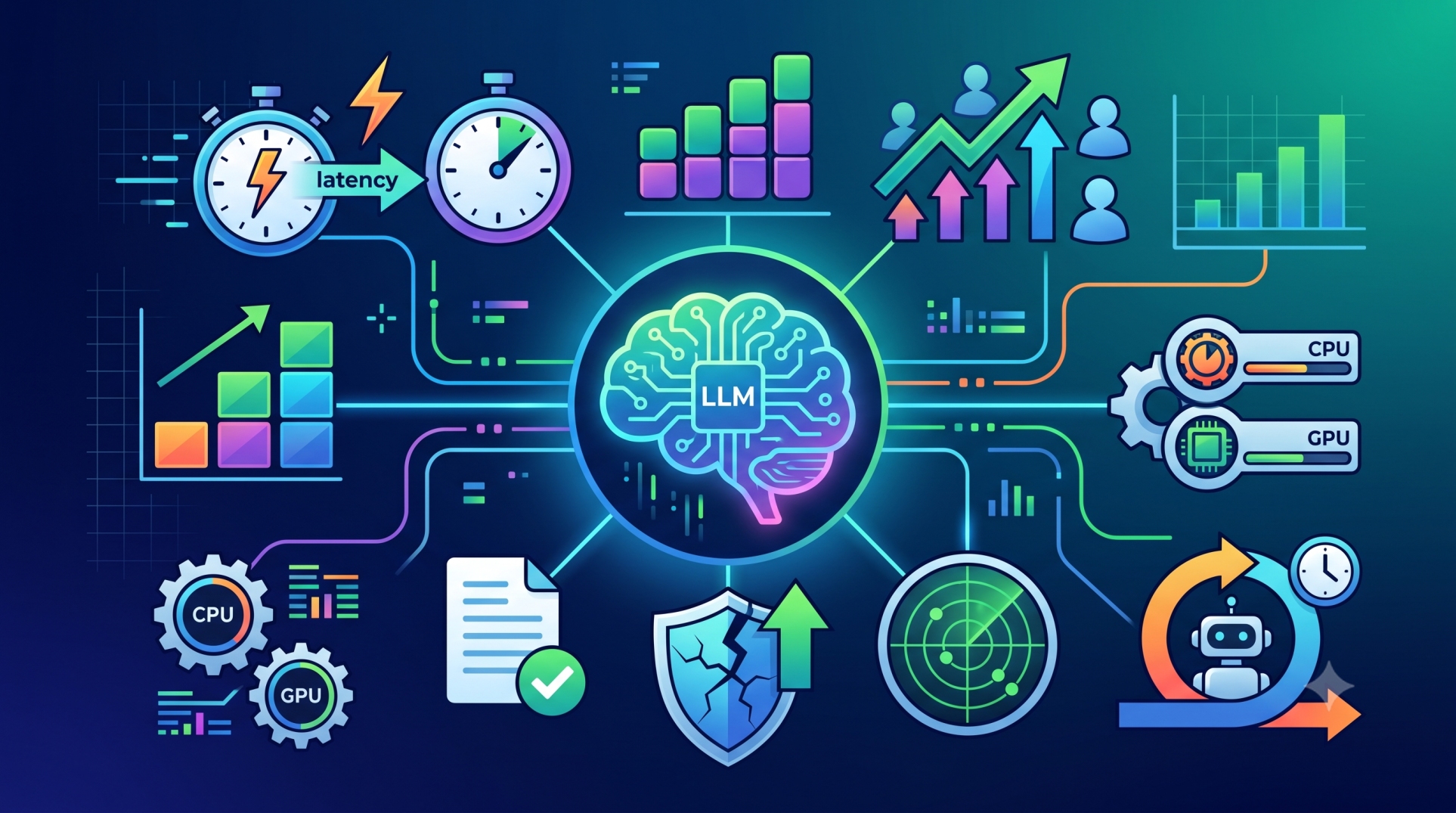
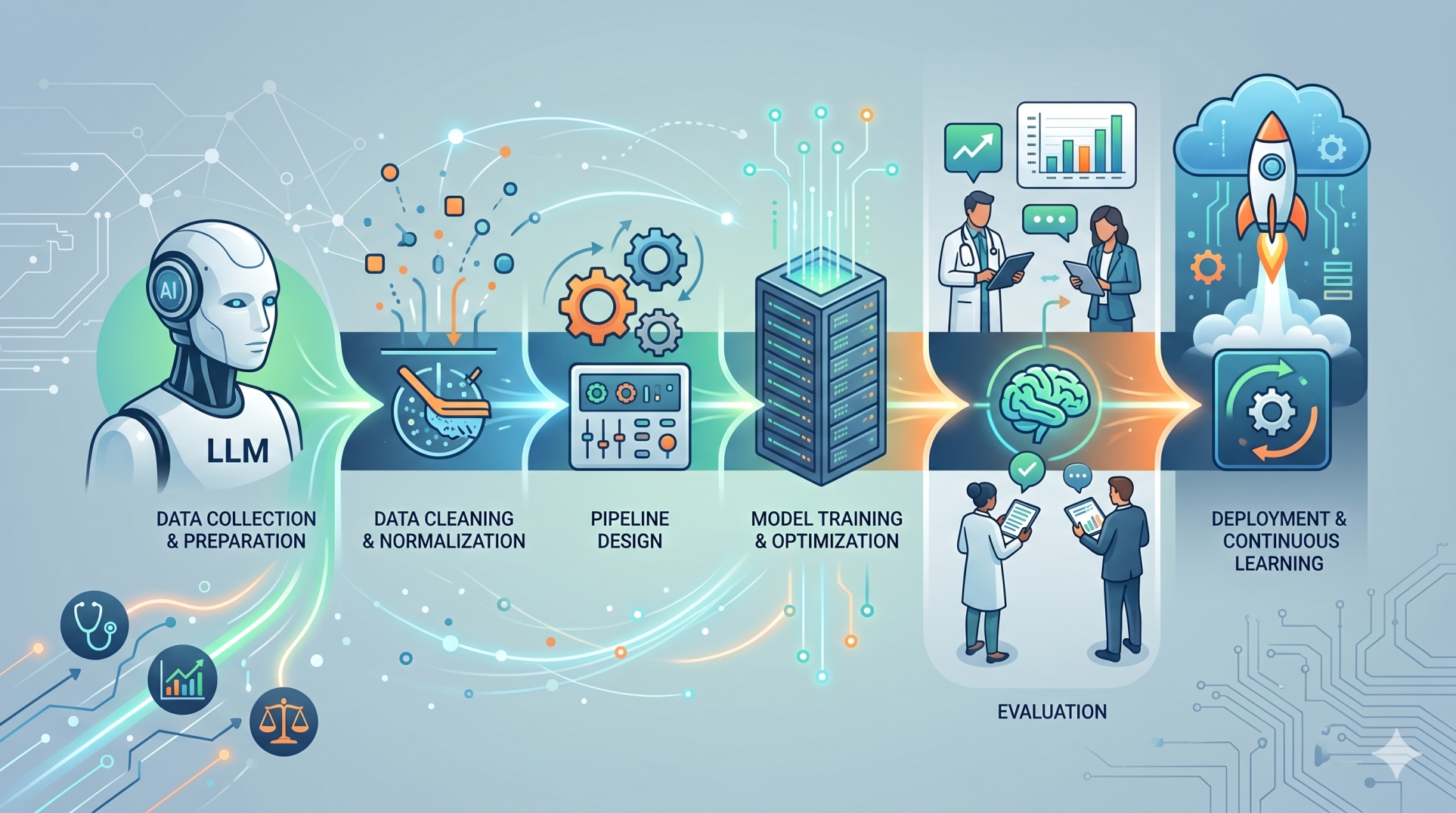
Step 4: Testing and Evaluation as Core Development Tasks 🔍
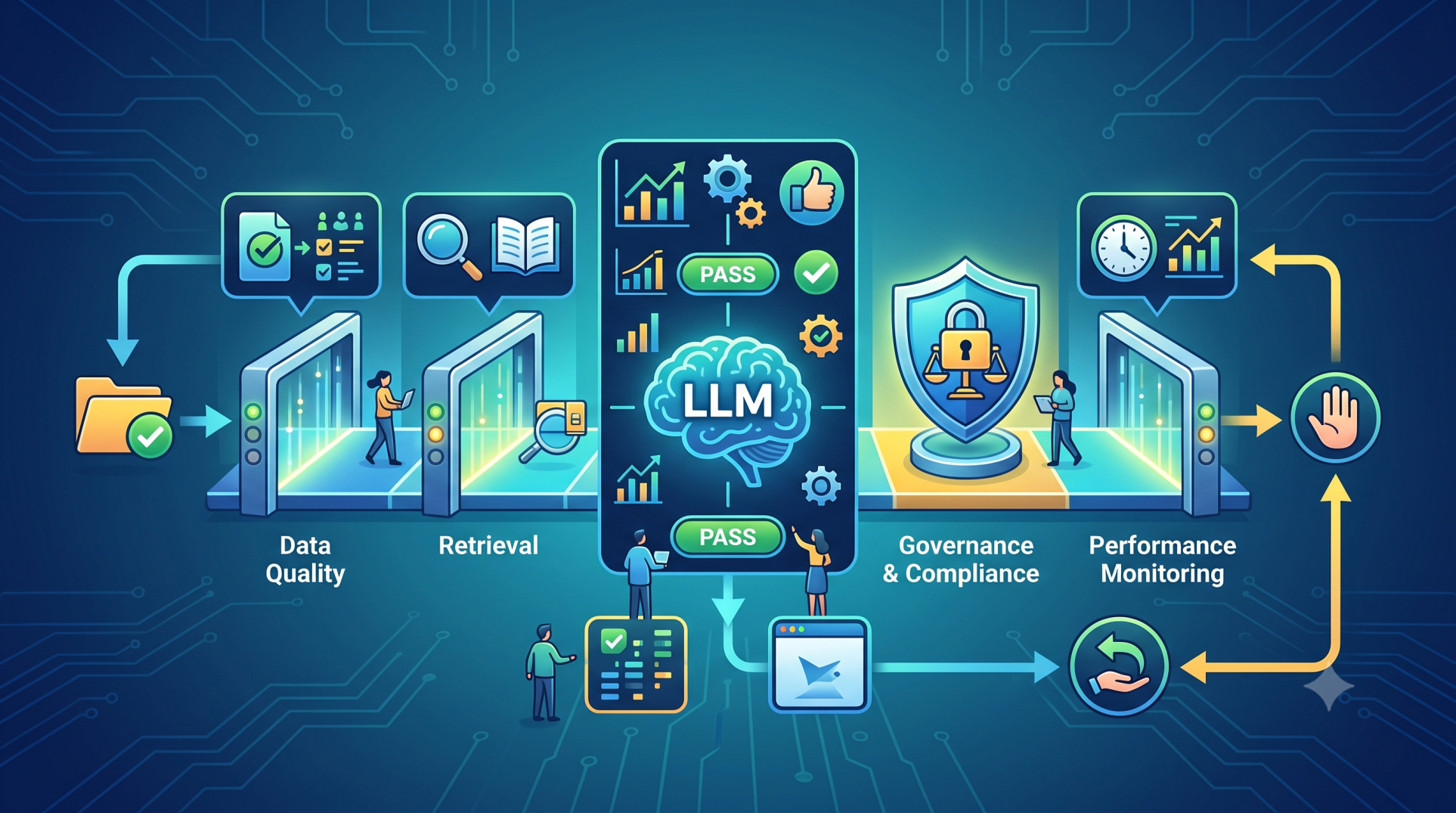
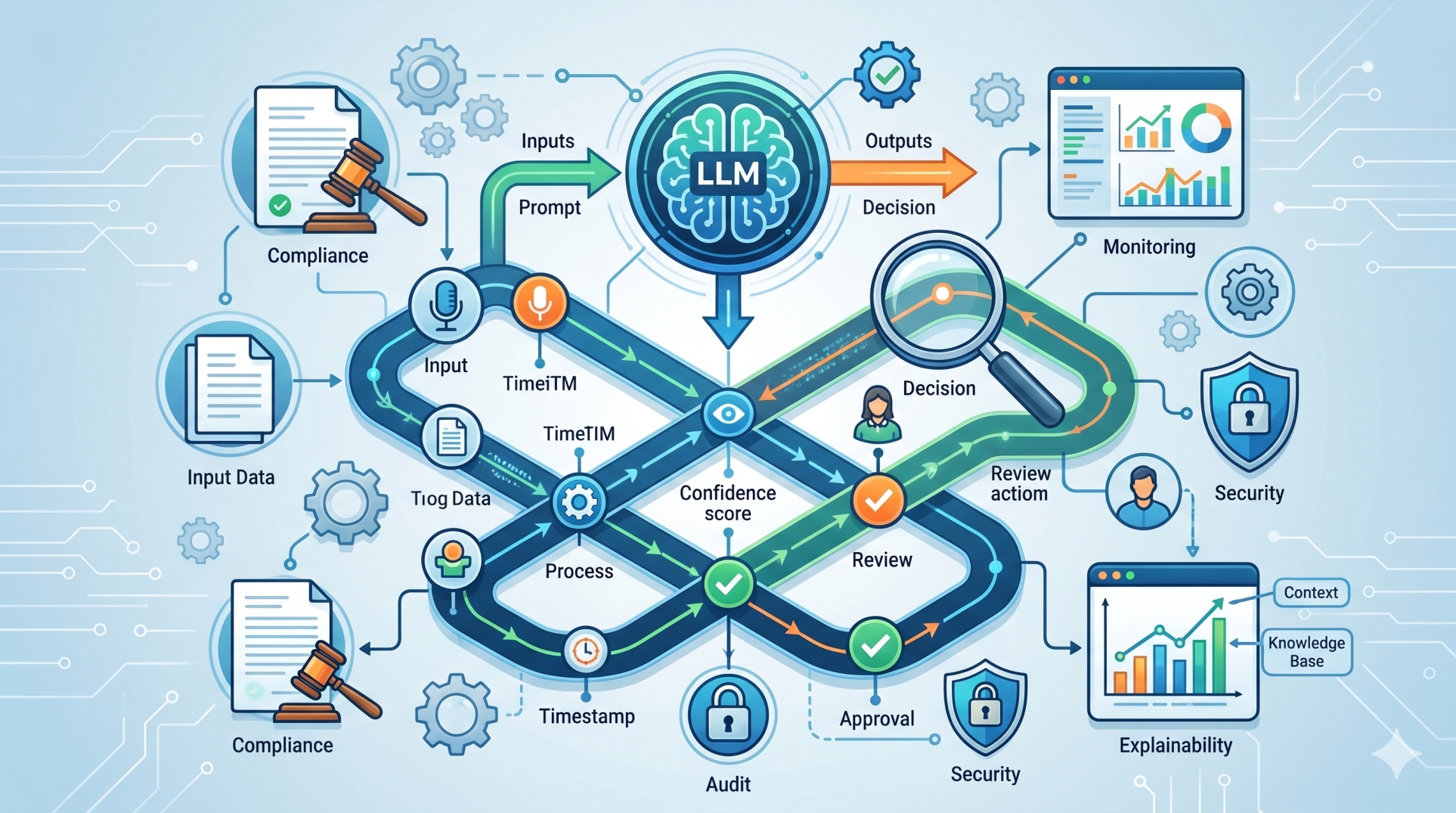
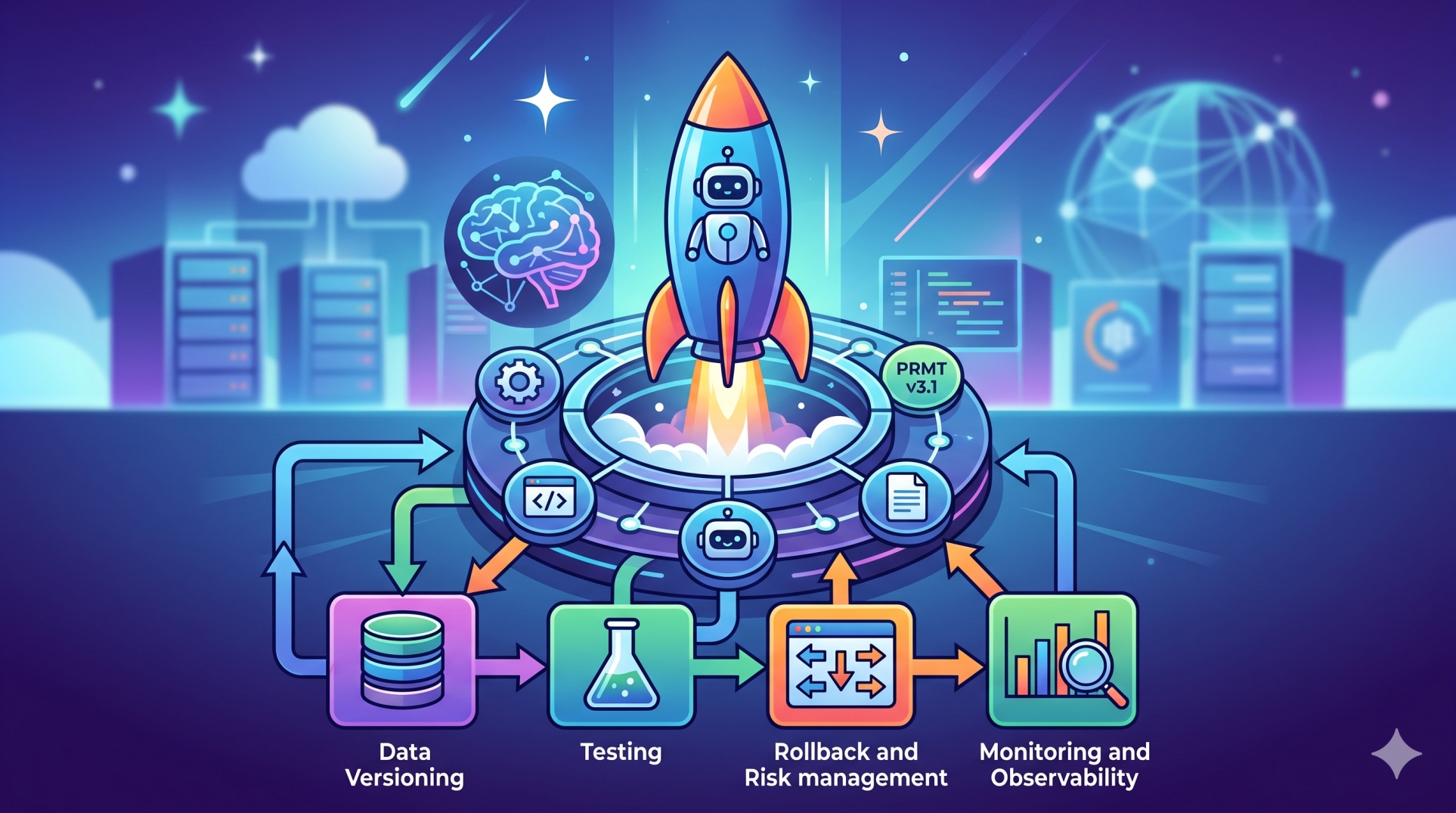
• Evaluation pipelines integrate directly into development cycles
• Automated testing expands beyond deterministic logic
• Behavioral validation supplements traditional unit testing
• Continuous monitoring prevents silent regressions
• Verification time increasingly outweighs code-writing time
Step 5: Abstraction Over Implementation ⚙️
• Developers define outcomes instead of granular logic
• Boilerplate generation becomes largely automated
• Prototyping cycles shorten dramatically
• AI-driven modules reduce repetitive effort
• Competitive differentiation shifts toward business logic
Step 6: The Rise of AI-Augmented Engineering Teams 🚀
• Individual contributors manage broader system scopes
• Lean teams produce enterprise-scale outputs
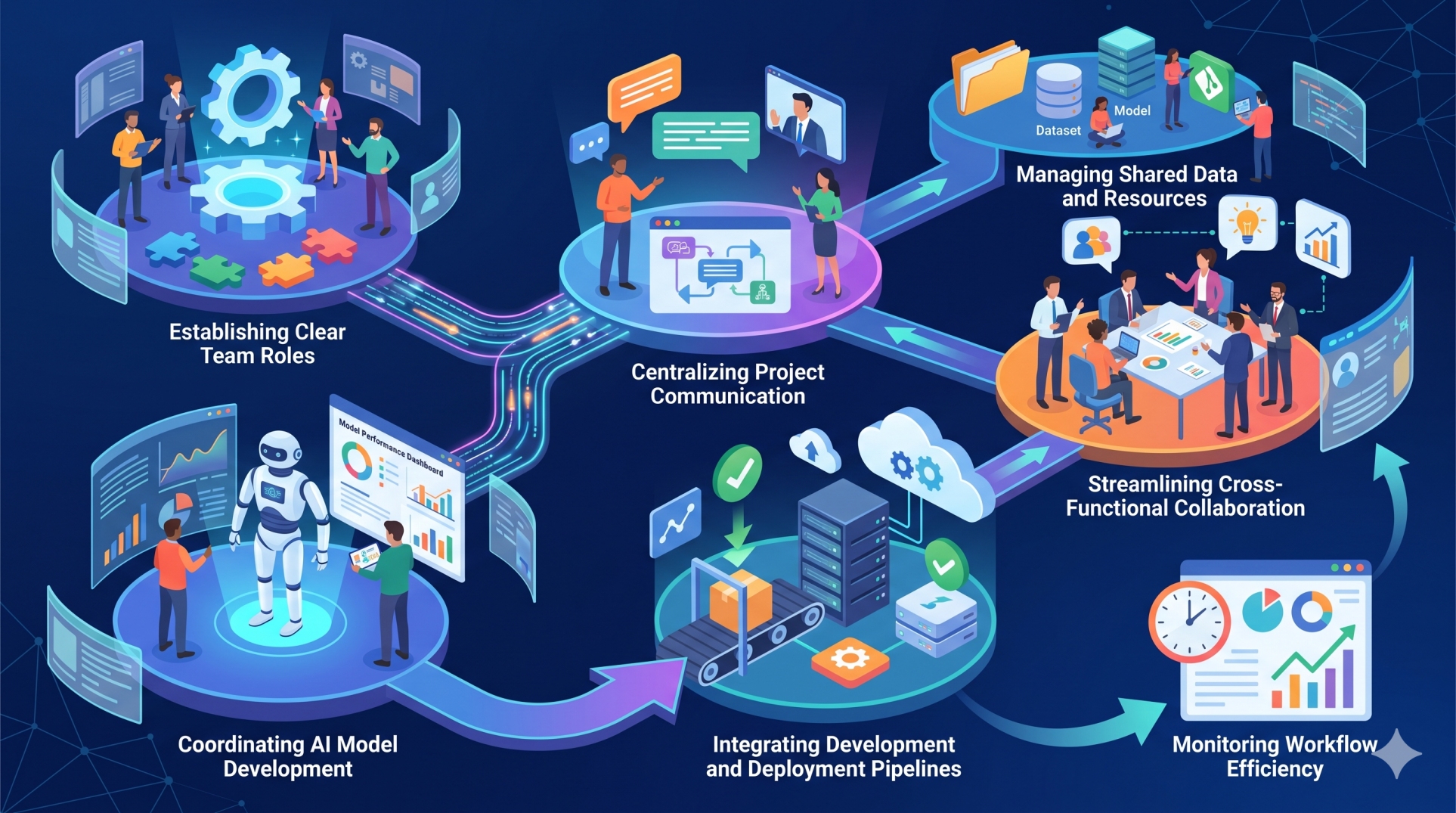
• Collaboration across disciplines intensifies
• Domain expertise becomes a strategic asset
• Human supervision ensures system trustworthiness
Step 7: New Programming Paradigms and Toolchains 🛠️
• Development environments embed real-time AI assistance
• Multi-agent coordination handles complex workflows
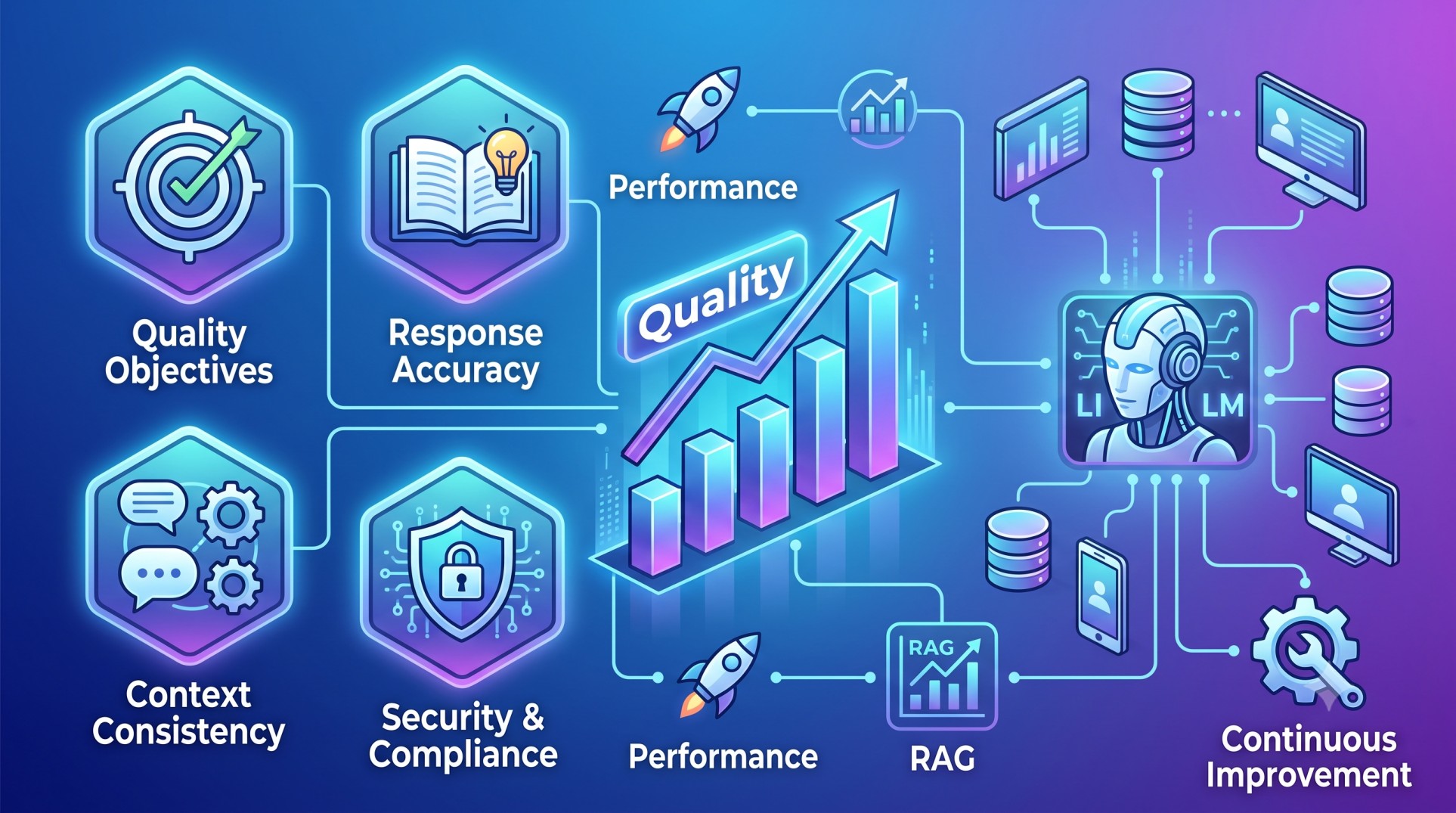
• Retrieval-augmented patterns become standard architecture
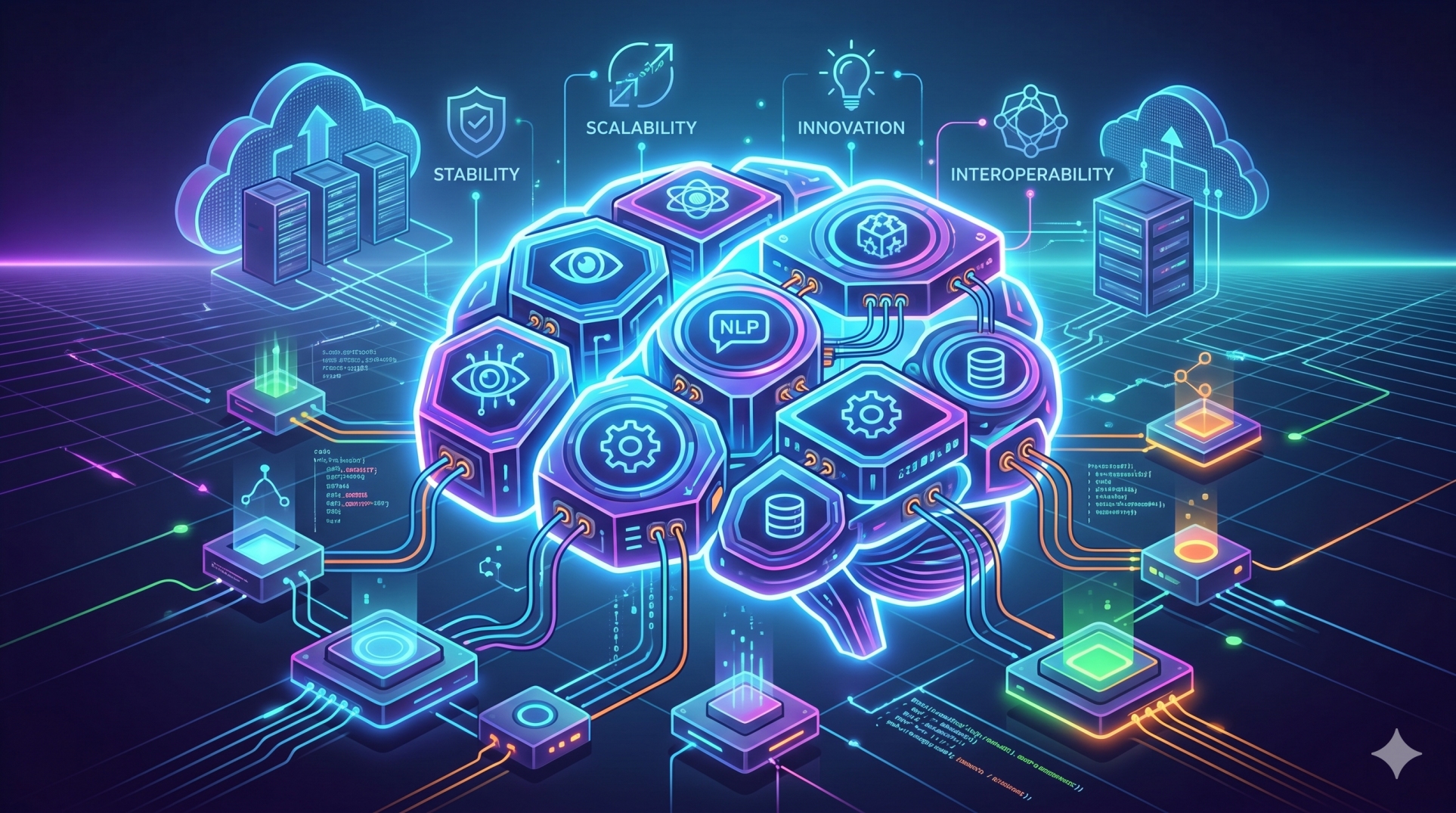
• Orchestration layers operate alongside core applications
• Governance and security tooling evolve for AI-native systems
Step 8: What Will Define Success in an LLM-First World 🎯
• Strong architectural discipline and evaluation rigor
• Clear problem framing and constraint definition
• Deep awareness of model limitations
• Human accountability for final outcomes
Step 9: Risks and Structural Challenges ⚠️
• Dependence on generated code without sufficient validation
• Latent bias and fabricated logic within model outputs
• Security risks embedded in automated generation
• Compliance and intellectual property complexities
• Emerging skill gaps in AI-native development practices
Step 10: Programming as Strategic Leverage 📈
• Software creation becomes faster and more accessible
• Competitive edge shifts toward orchestration quality
• Innovation timelines compress significantly
• Creative focus moves toward system design and strategy
• AI amplifies human capability rather than replacing it
Conclusion
In an LLM-first world, programming transitions from manual implementation to intelligent system architecture. Developers evolve from builders of isolated components into designers of adaptive, AI-integrated systems. Although automation accelerates production, disciplined evaluation, architectural foresight, and human accountability become even more essential. The future of programming will not remove developers—it will elevate their role to a more strategic and impactful level.
See more blogs
You can all the articles below