The Complete LLM Software Stack Explained
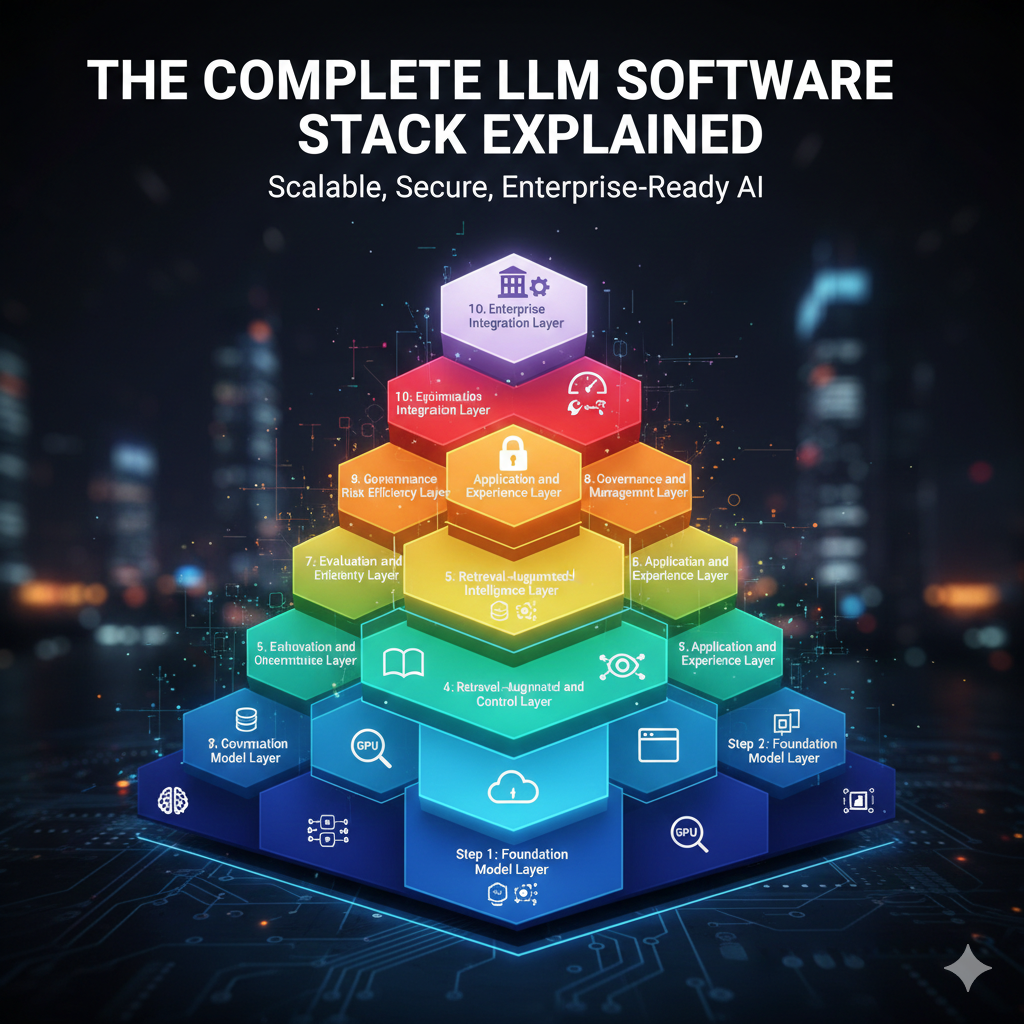
The Complete LLM Software Stack Explained
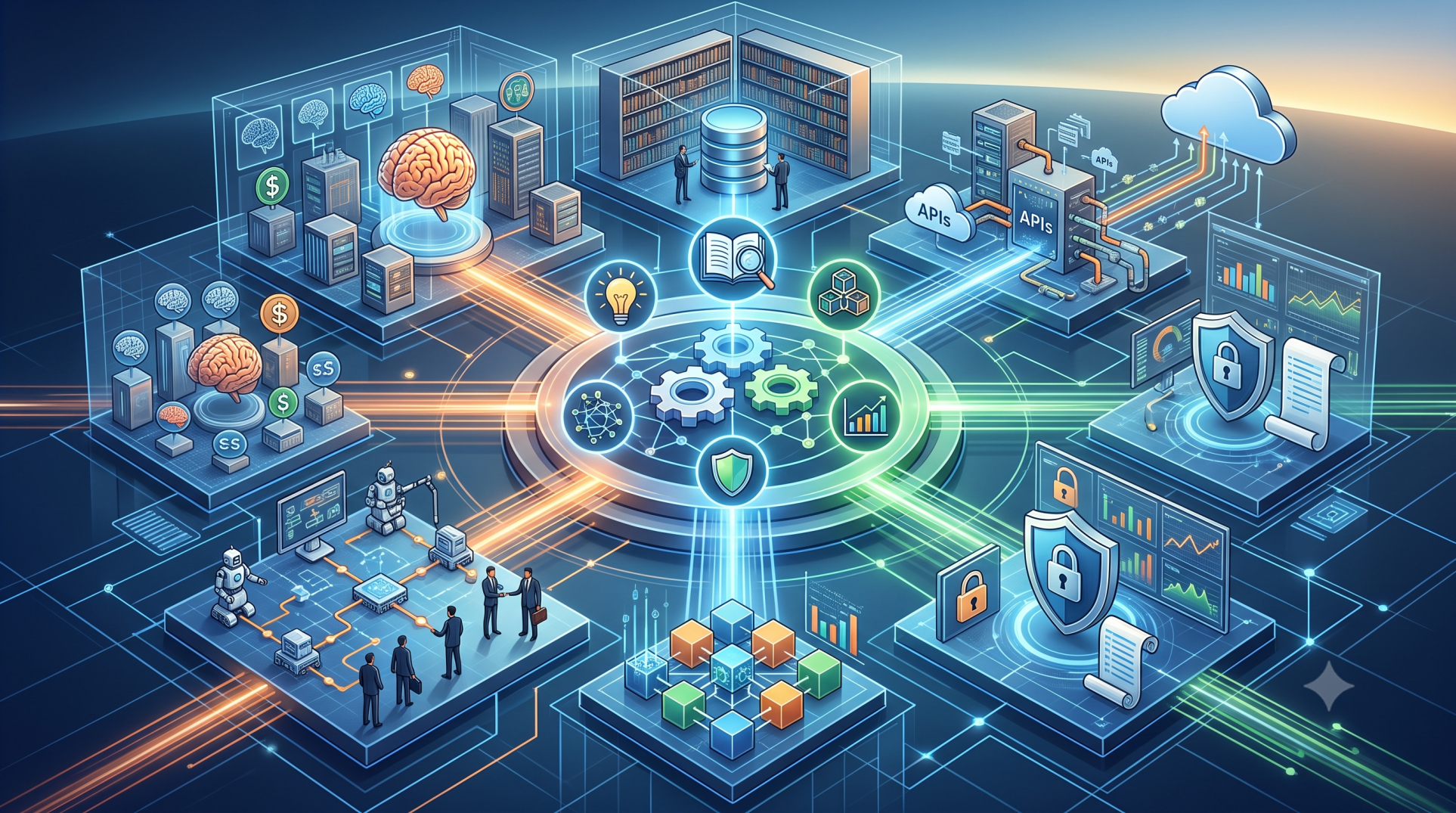
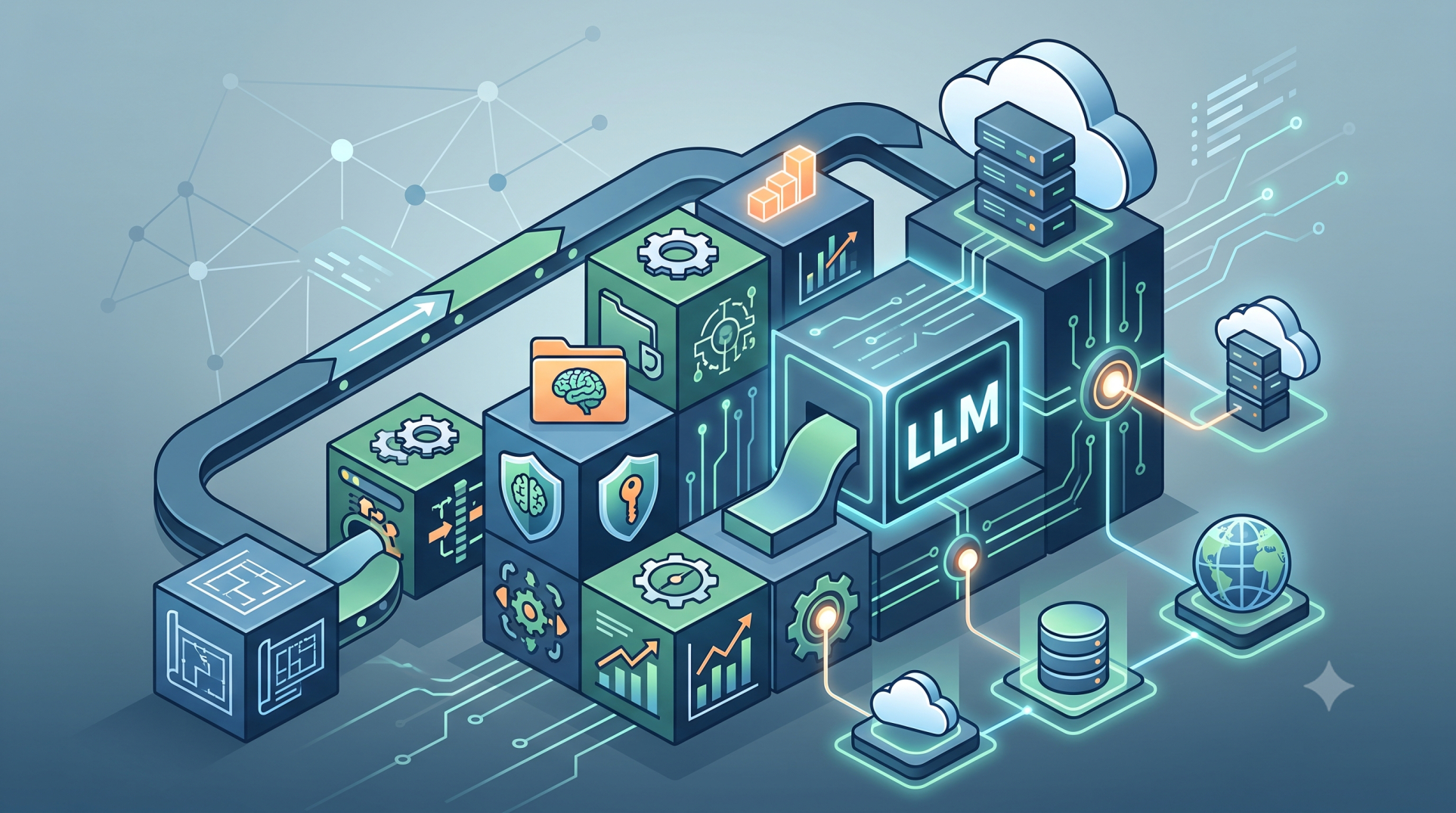
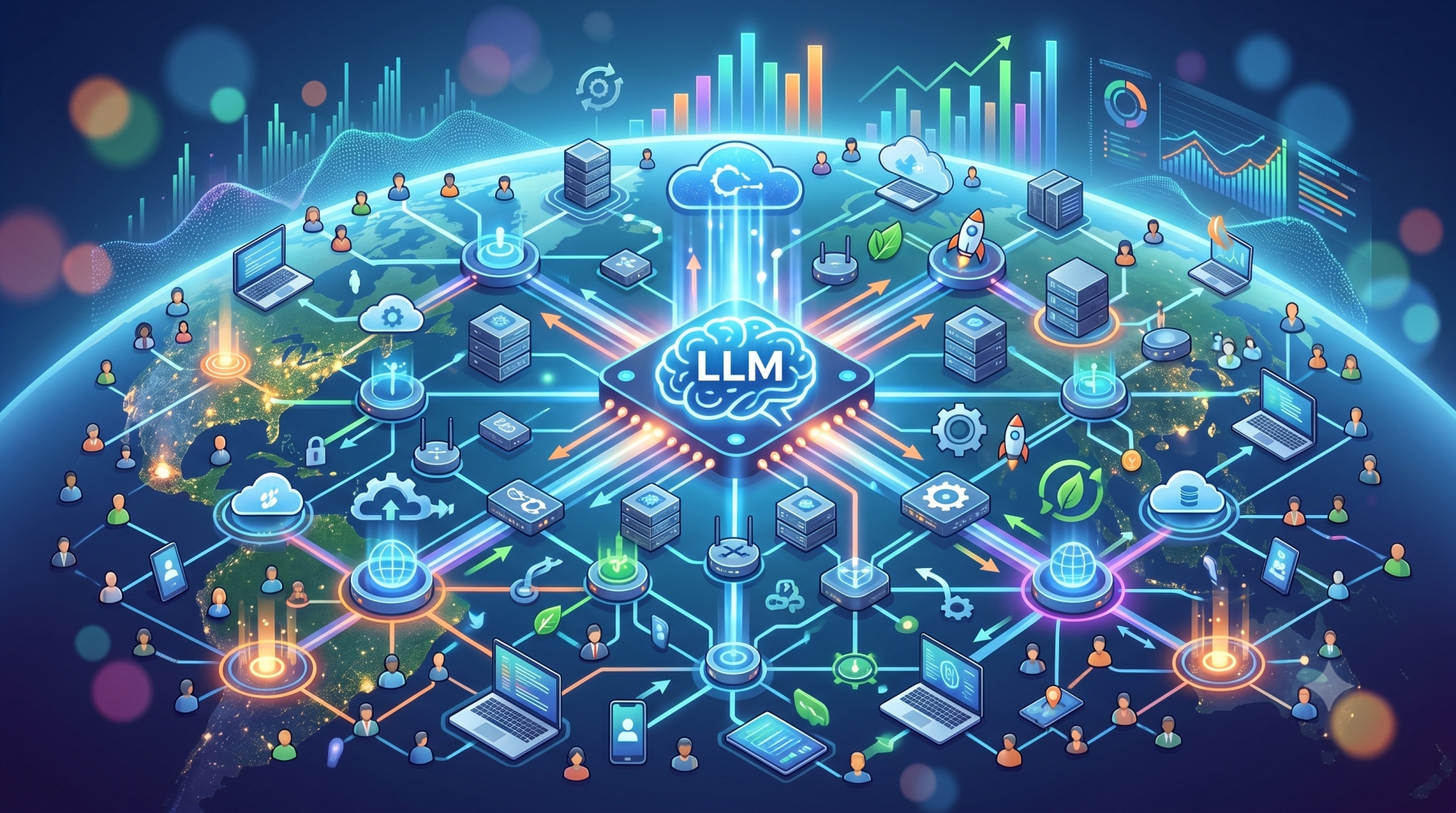
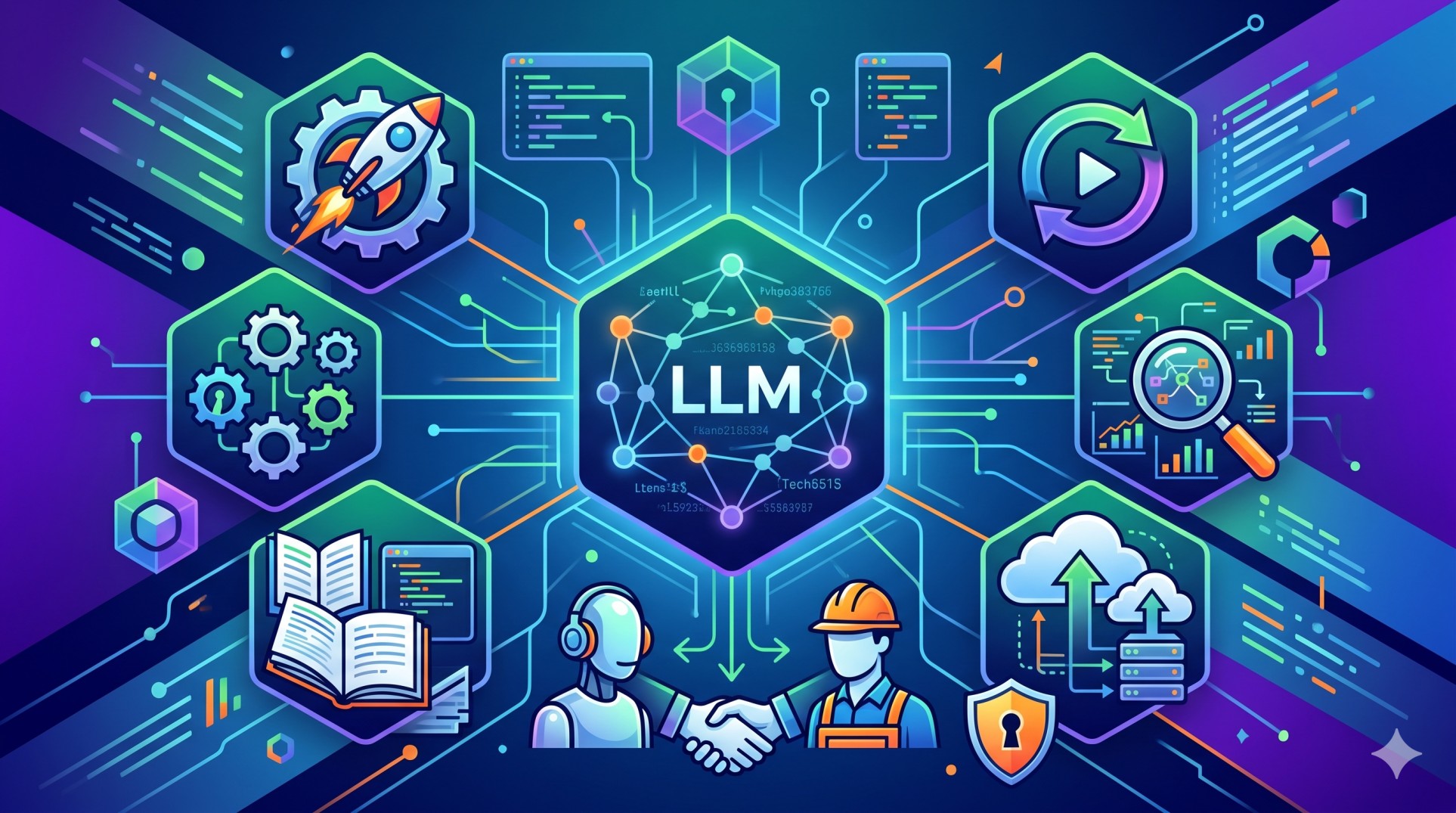
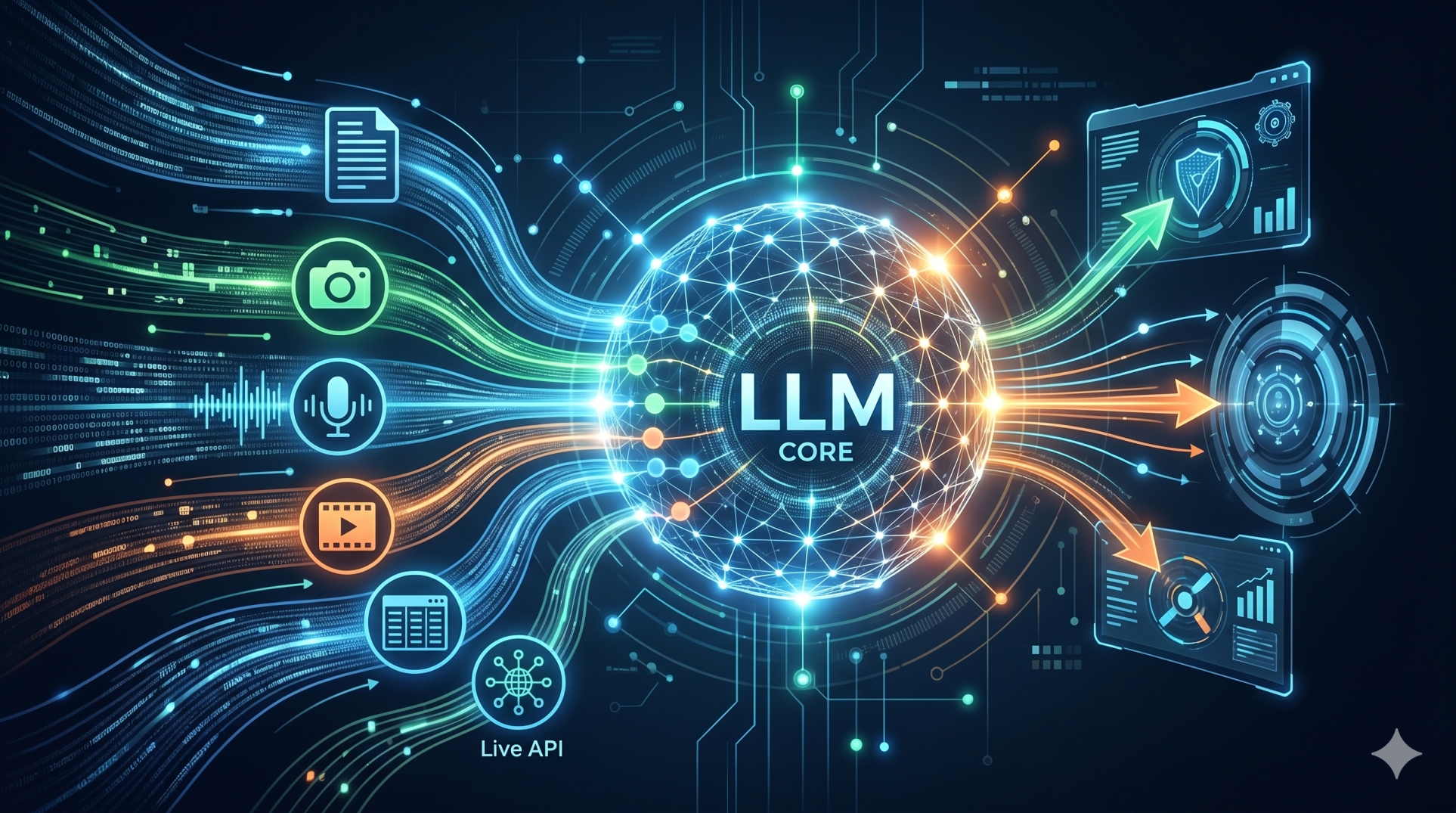
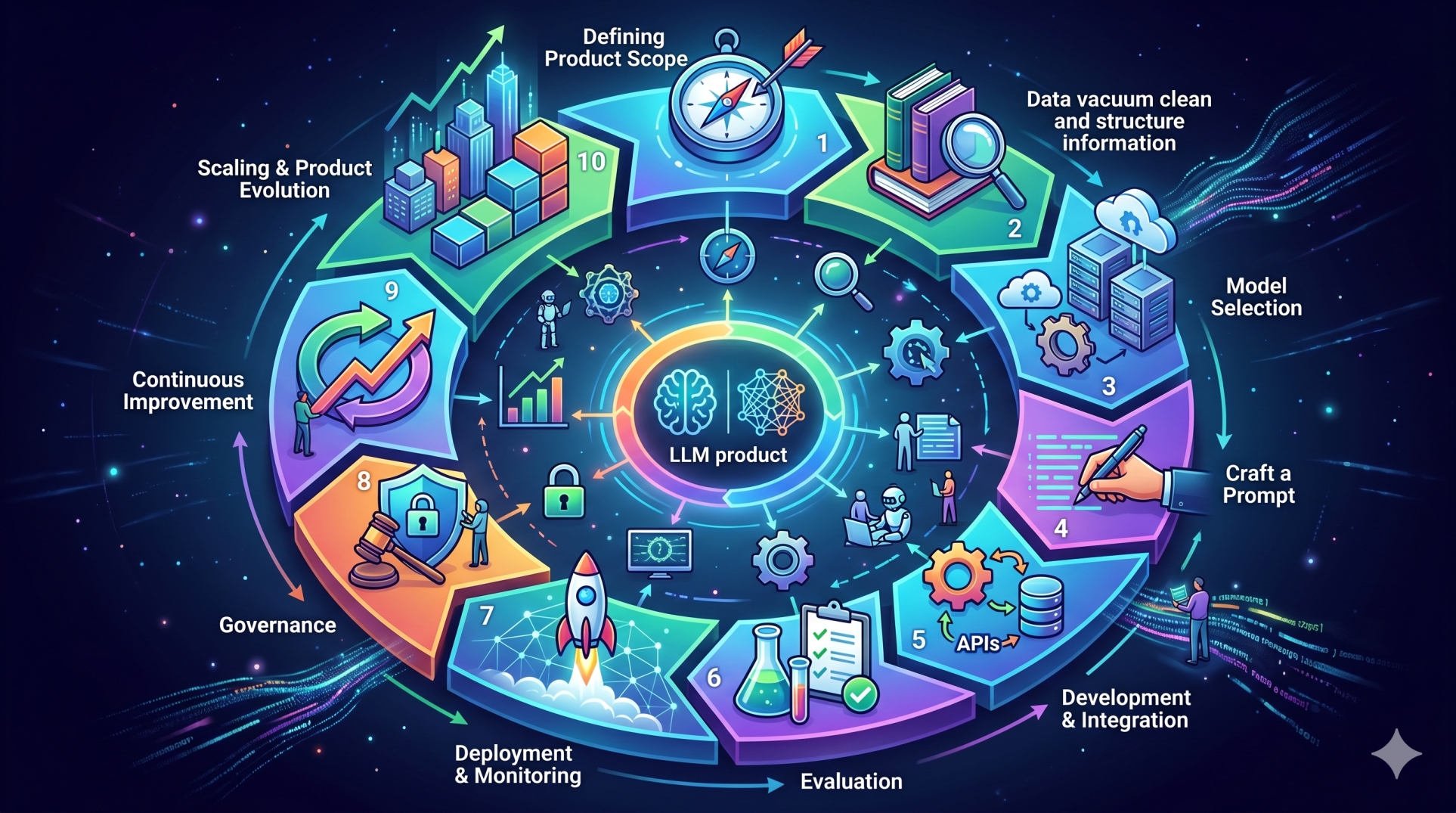
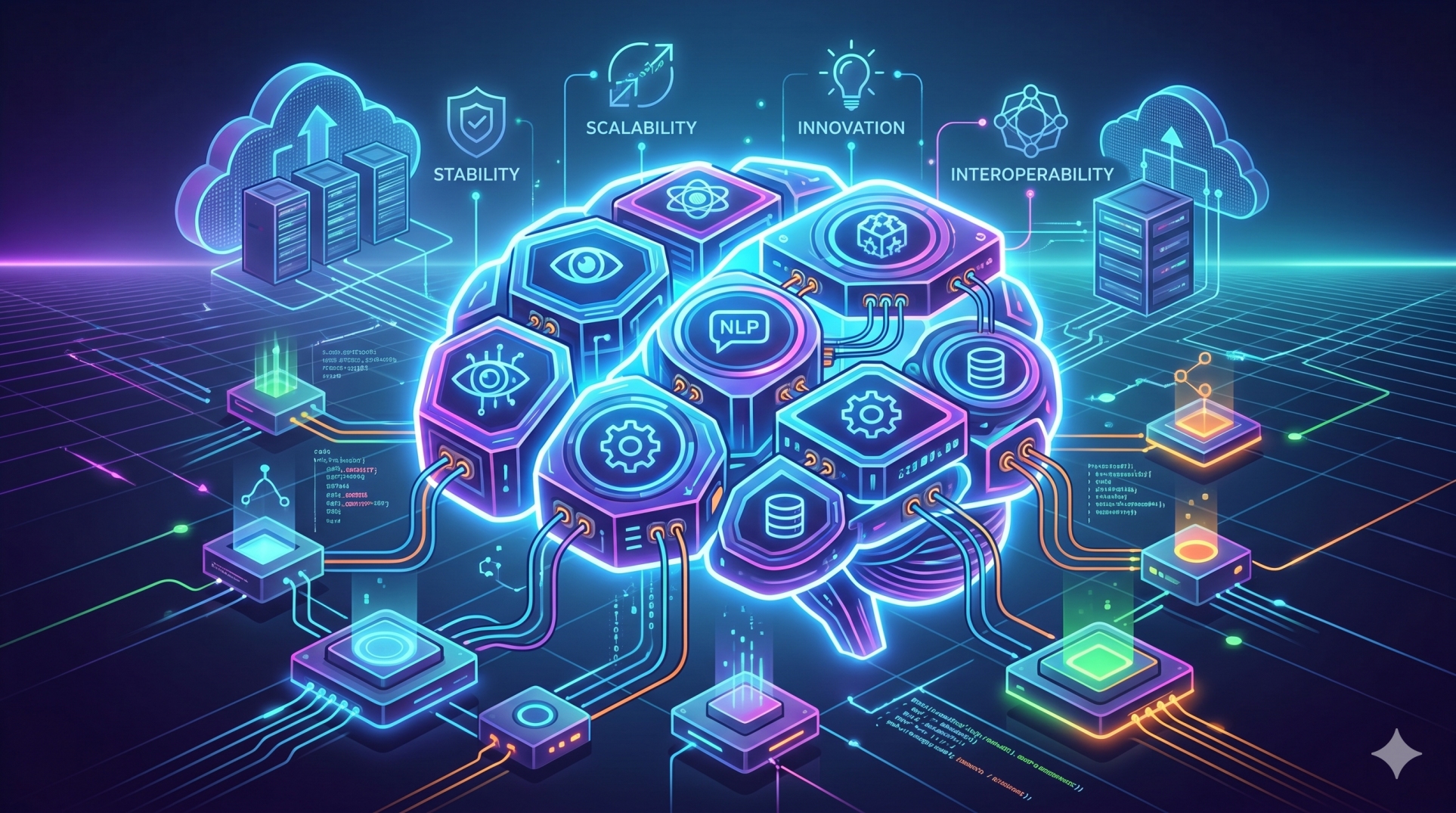
Large Language Model systems do not operate as standalone AI components. Instead, they function within a layered architecture that spans infrastructure, data pipelines, orchestration logic, governance controls, and enterprise integration. Each layer contributes to delivering scalable, secure, and production-ready AI capabilities. Understanding the full LLM software stack allows organizations to move beyond experimentation and design resilient, enterprise-grade AI platforms.
1. Foundation Model Layer 🧠
• Large pretrained transformer models built on extensive datasets 📚
• Provide language understanding, reasoning, and content generation ✍️
• Serve as the core intelligence engine of the platform ⚙️
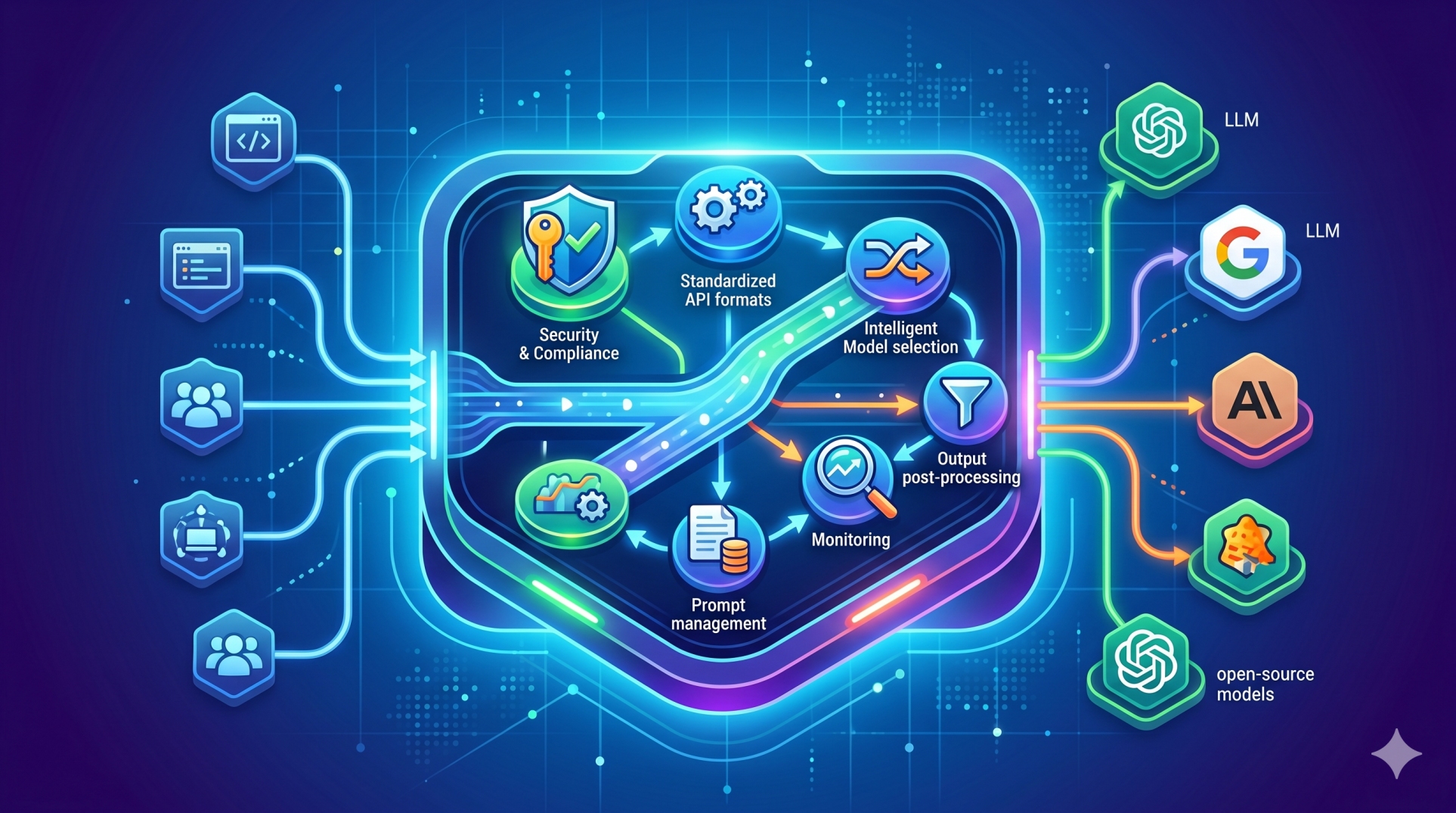
• Delivered via APIs or deployed as open-weight models 🌐
• Improved through fine-tuning and alignment techniques 🔧
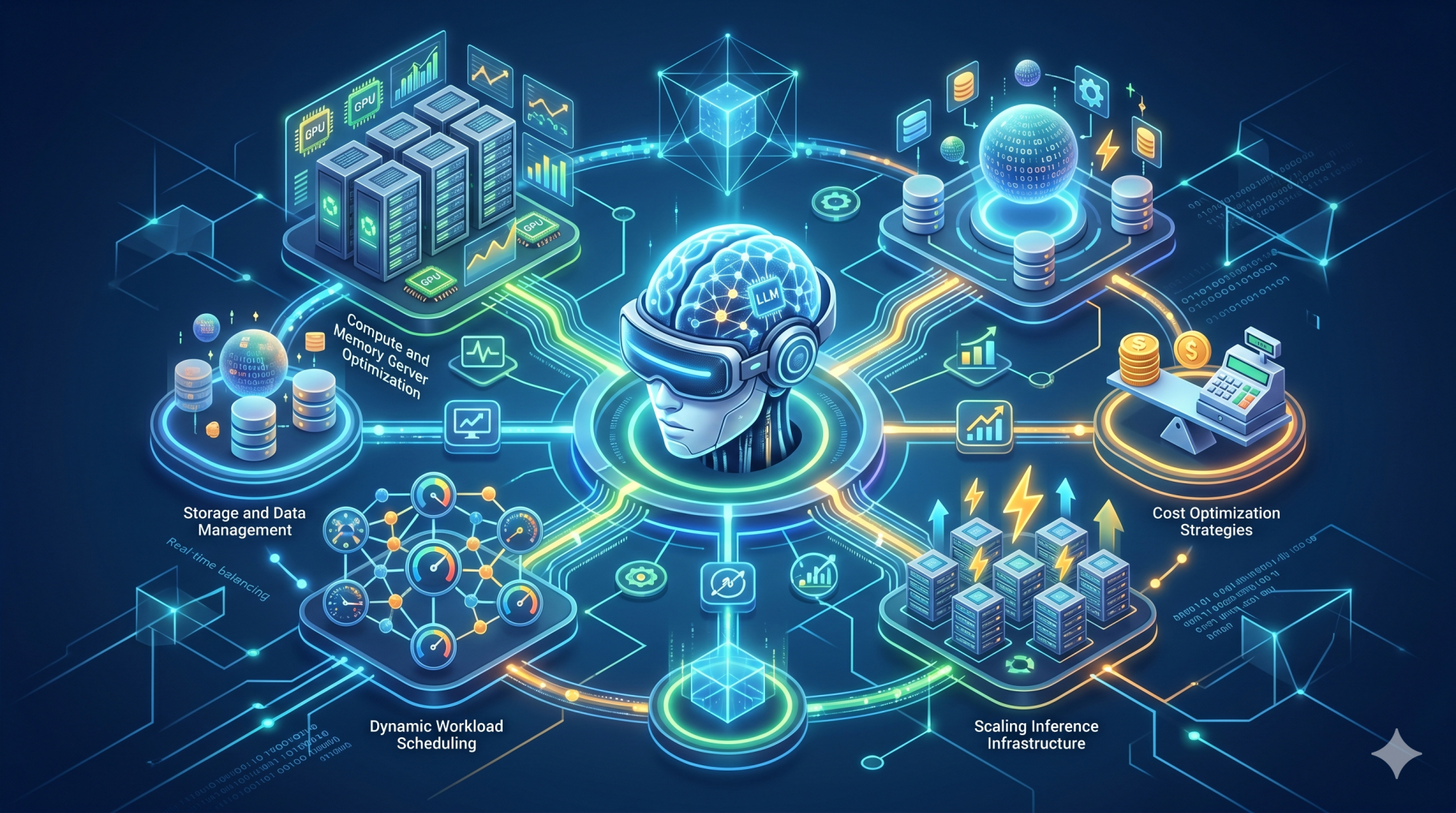
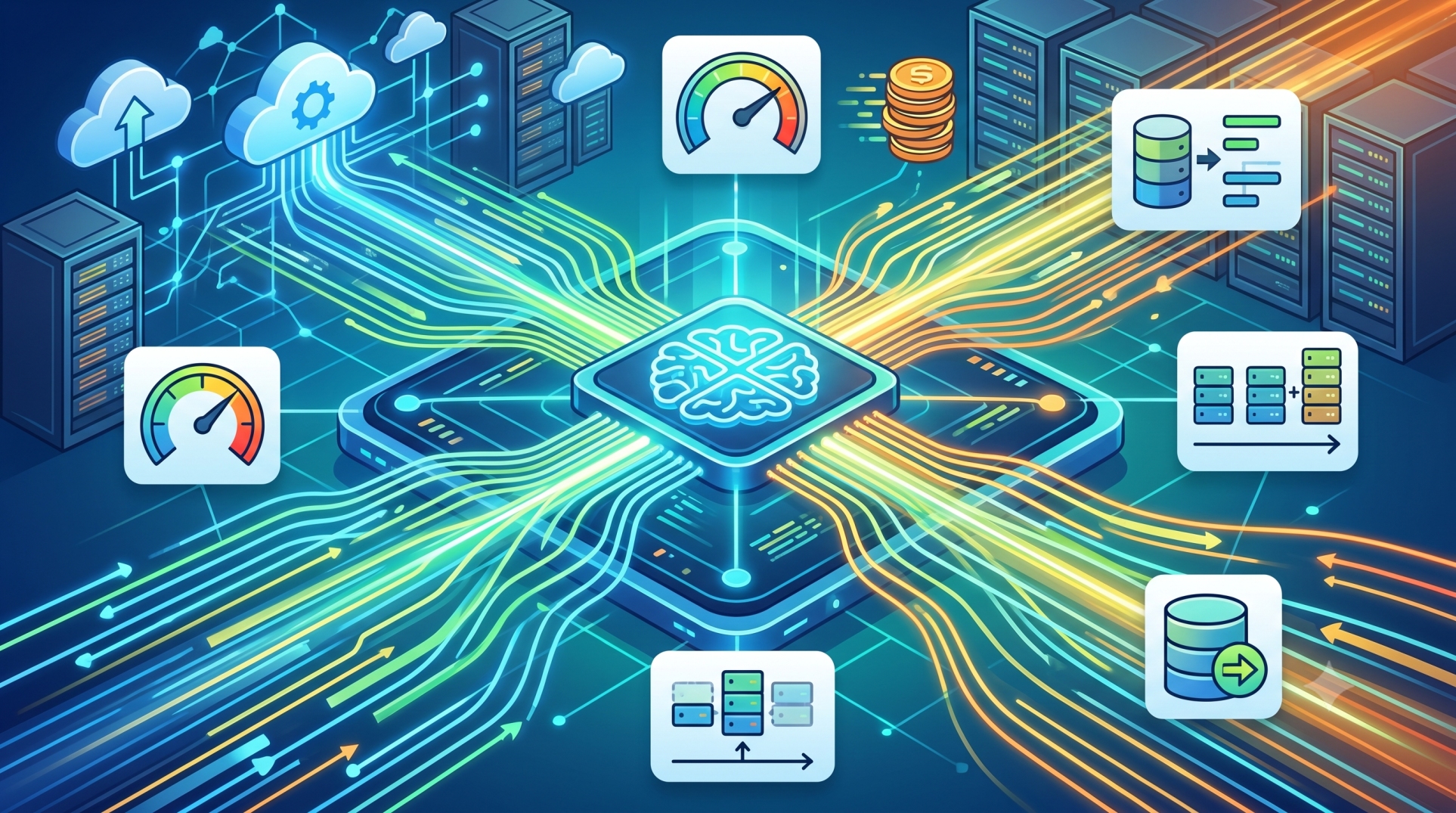
2. Compute and Infrastructure Layer ⚡
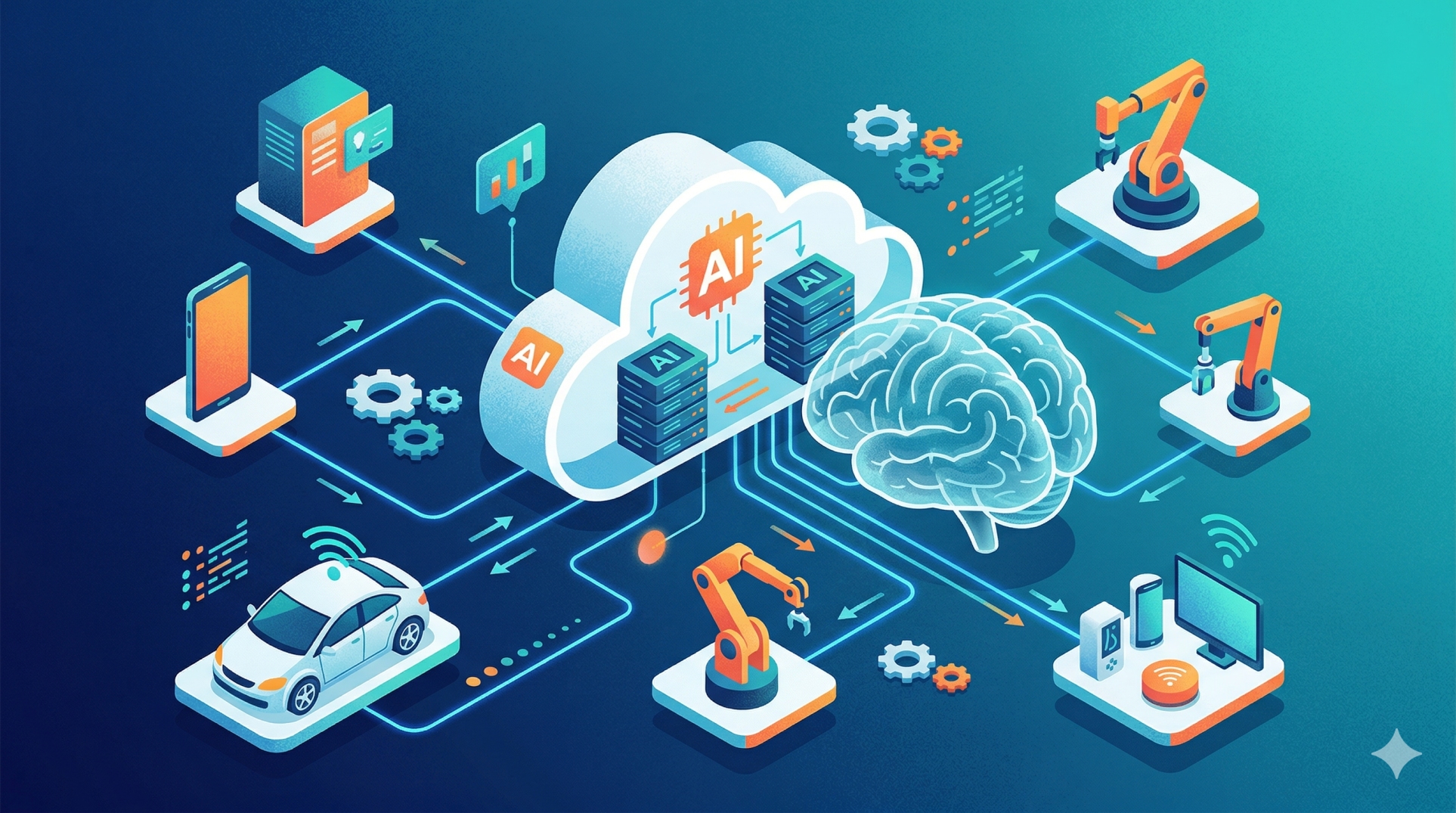
• GPU clusters and specialized AI accelerators 🖥️
• Distributed systems for training and inference workloads 🔄
• Cloud-native, on-premise, or hybrid deployment environments ☁️
• Optimized memory allocation and storage design 💾
• Performance tuning for latency, scalability, and cost efficiency 📈
3. Data and Knowledge Layer 📊
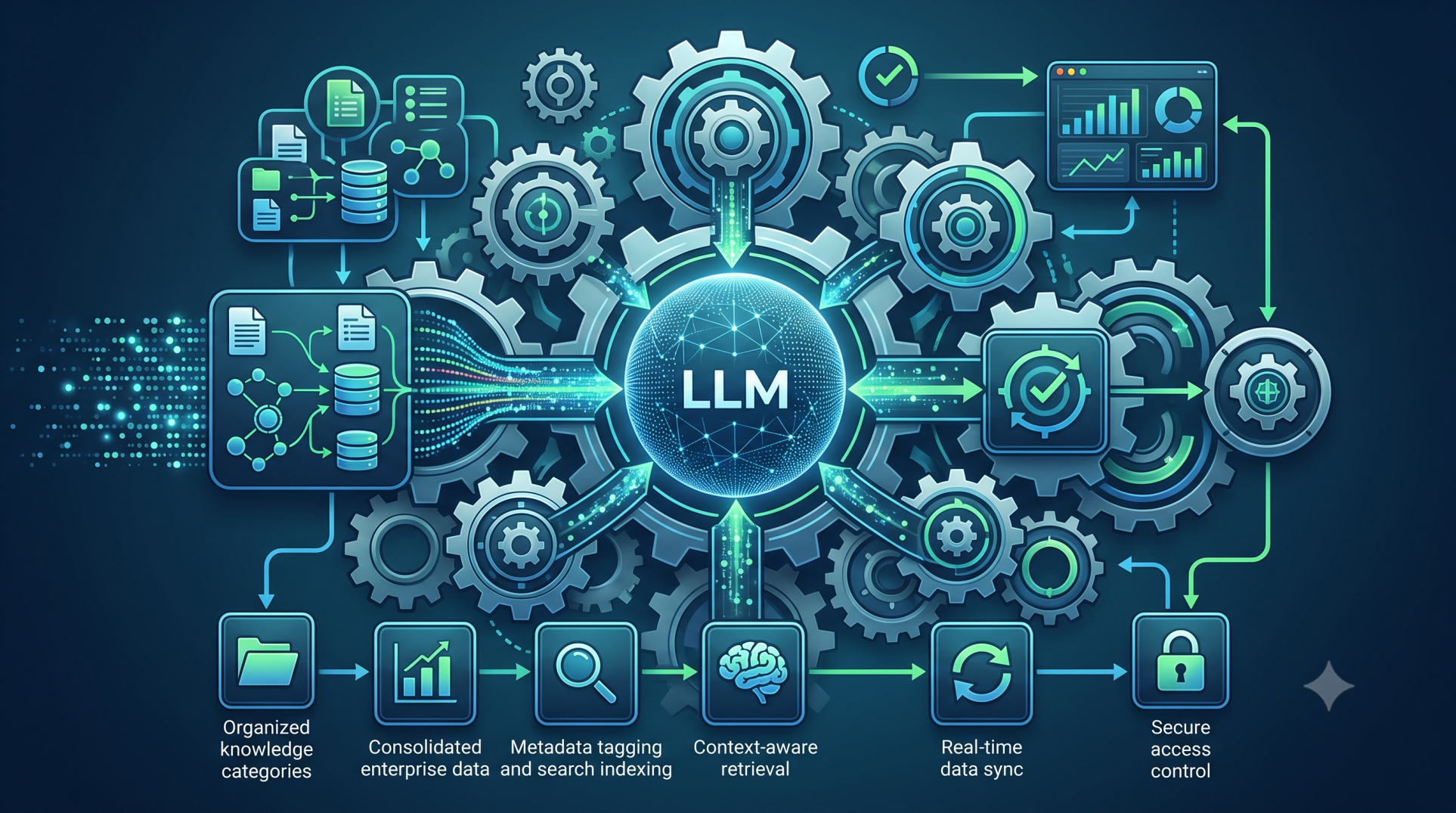
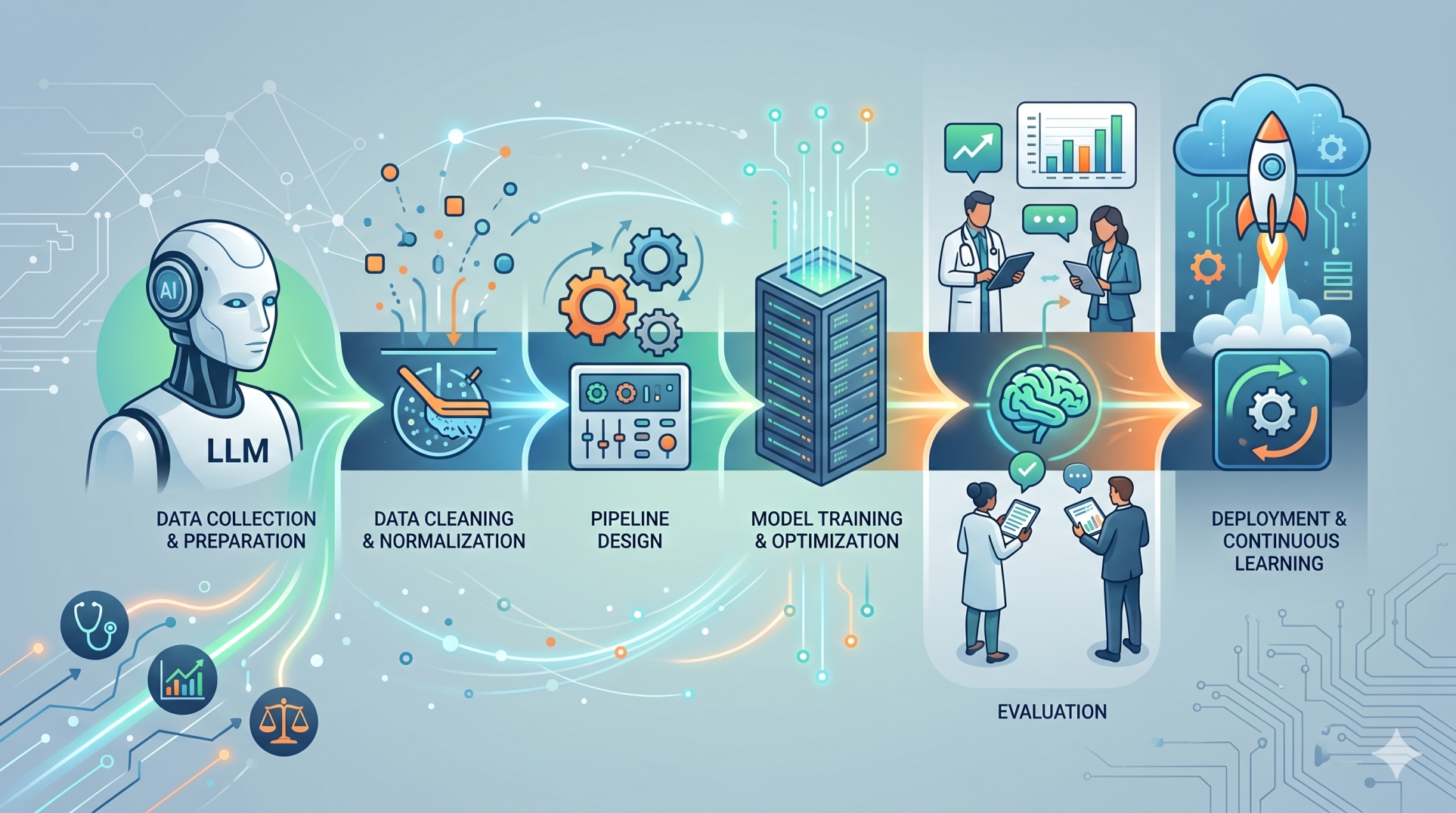
• Consolidation of structured and unstructured enterprise data 🗂️
• Data cleansing, preprocessing, and indexing workflows 🔍
• Embedding generation for semantic search and retrieval 🧩
• Knowledge systems that ground model outputs in trusted sources 📖
• Continuous updates to maintain relevance and accuracy 🔄
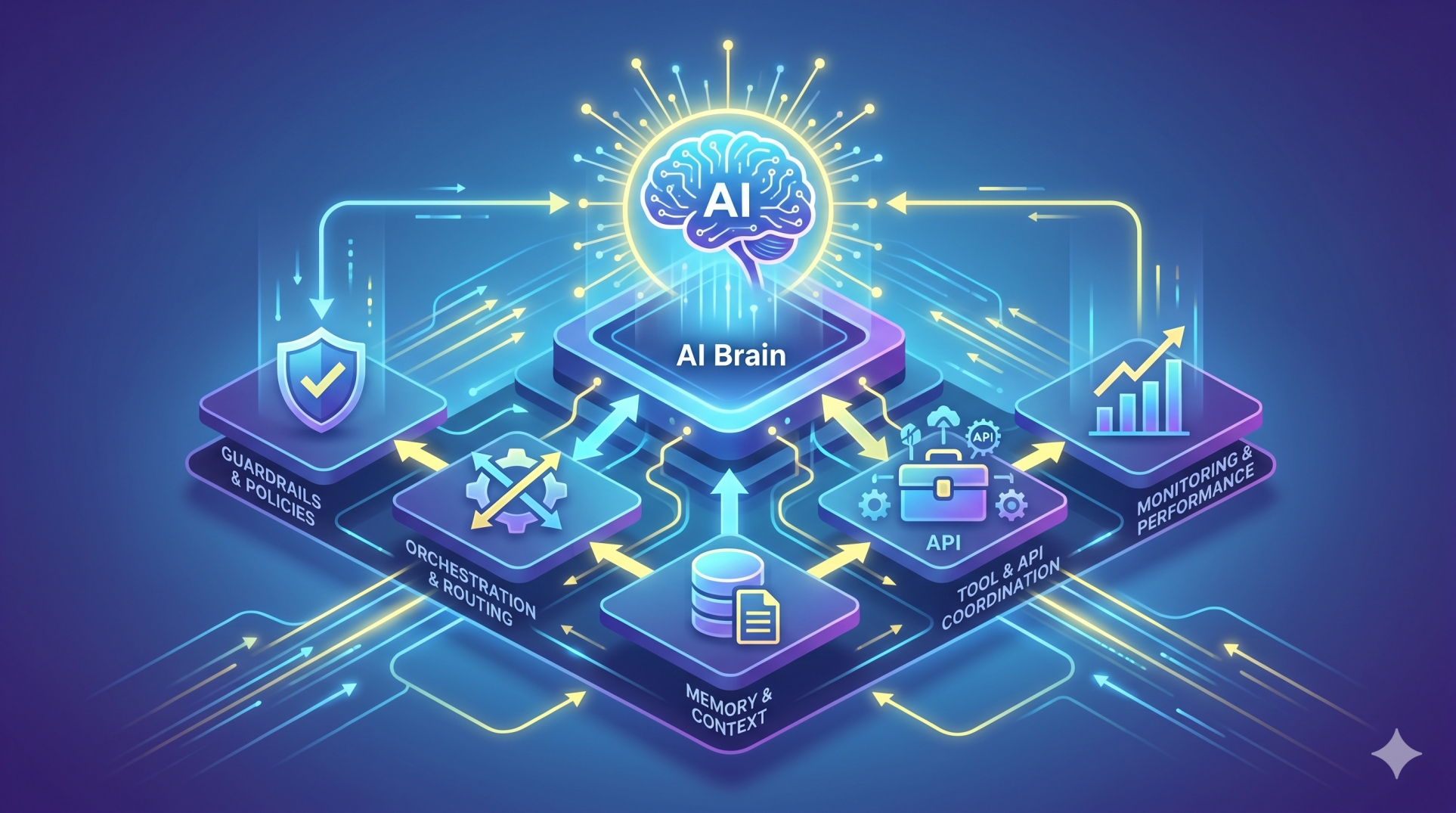
4. Orchestration and Control Layer 🔗
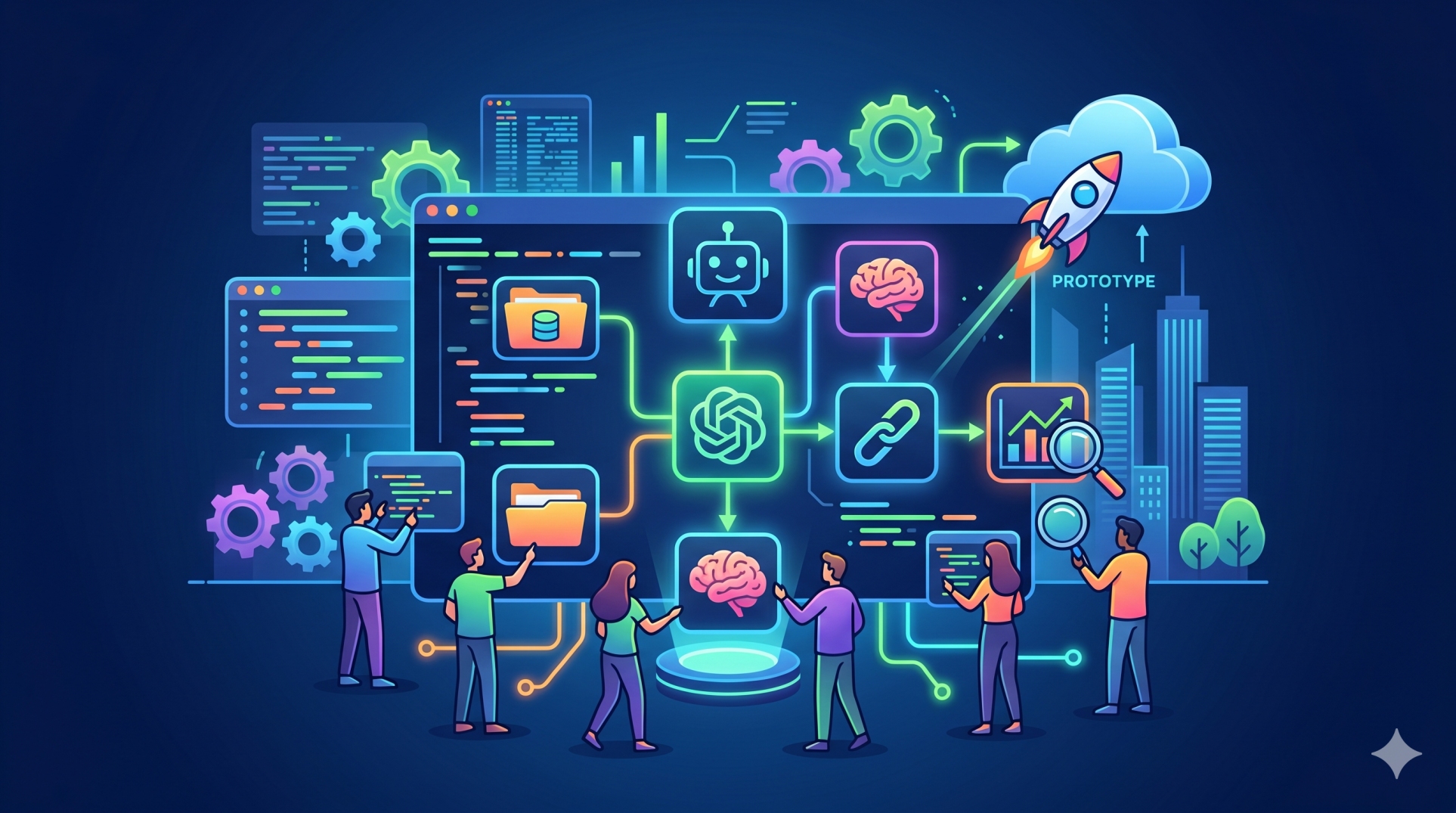
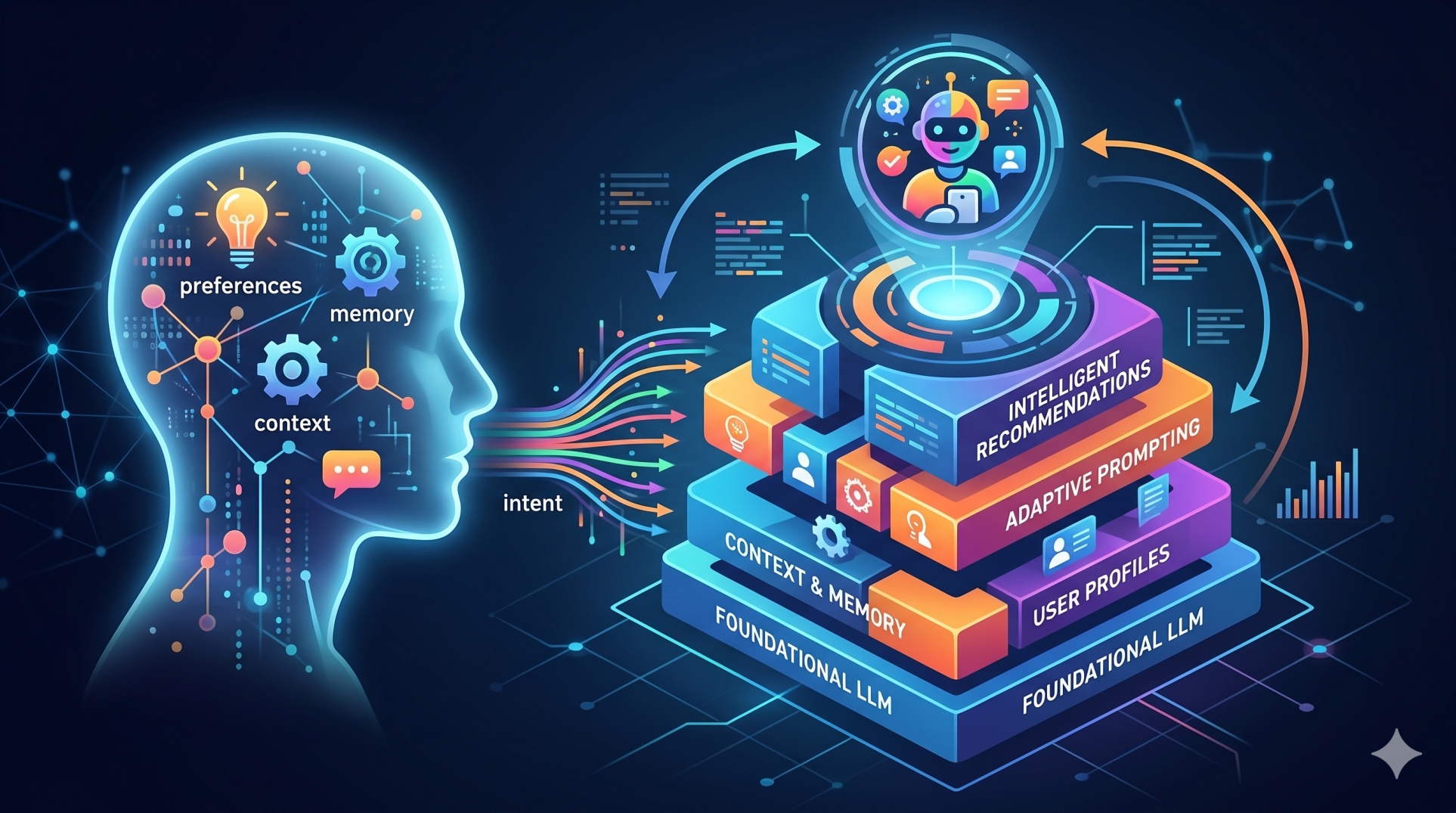
• Structured prompt templates and input management 📝
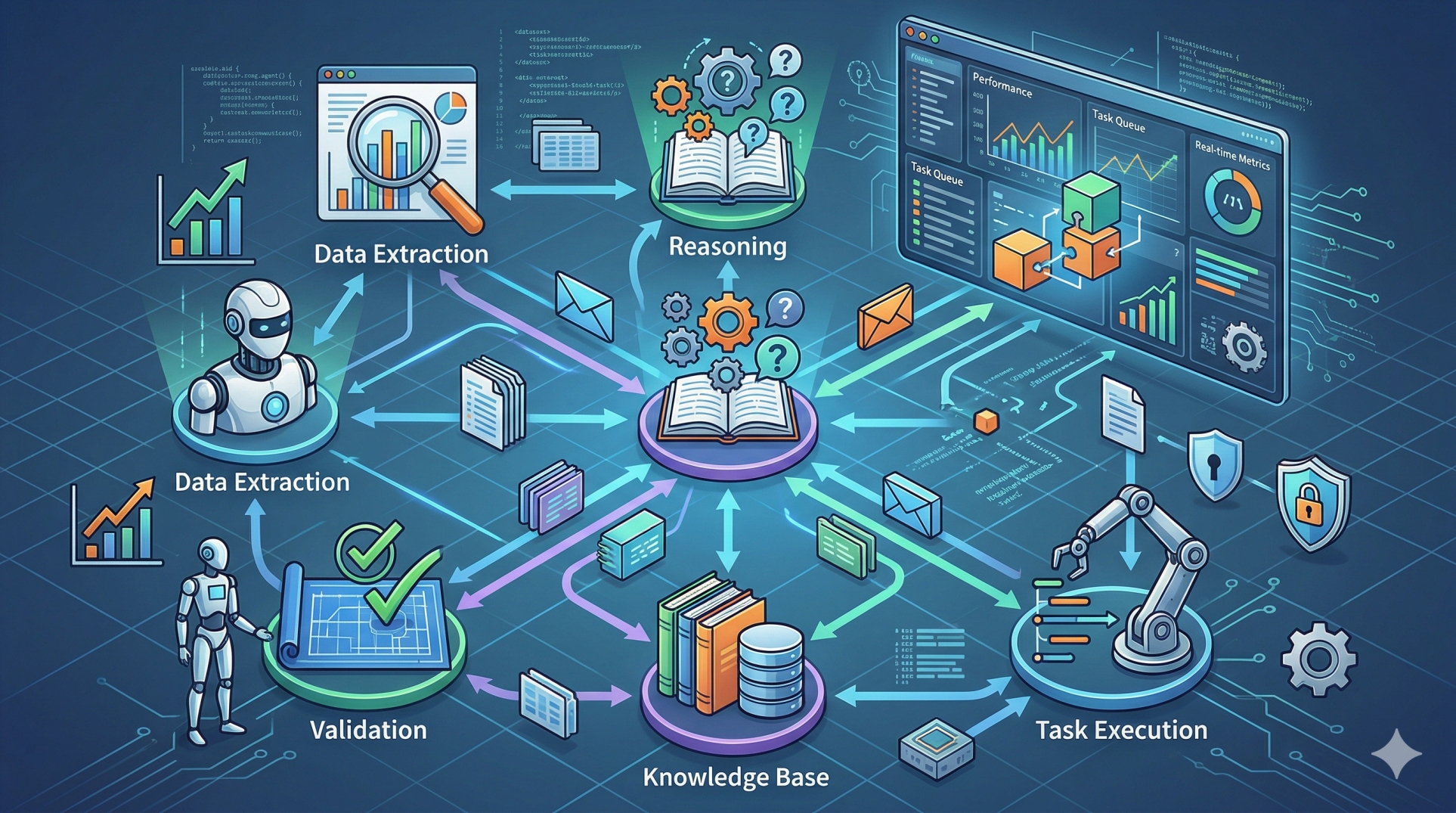
• Multi-step reasoning and workflow pipelines 🔄
• Agent-based automation for complex task execution 🤖
• Integration with external APIs and enterprise tools 🔌
• Context handling and session state management 🧠
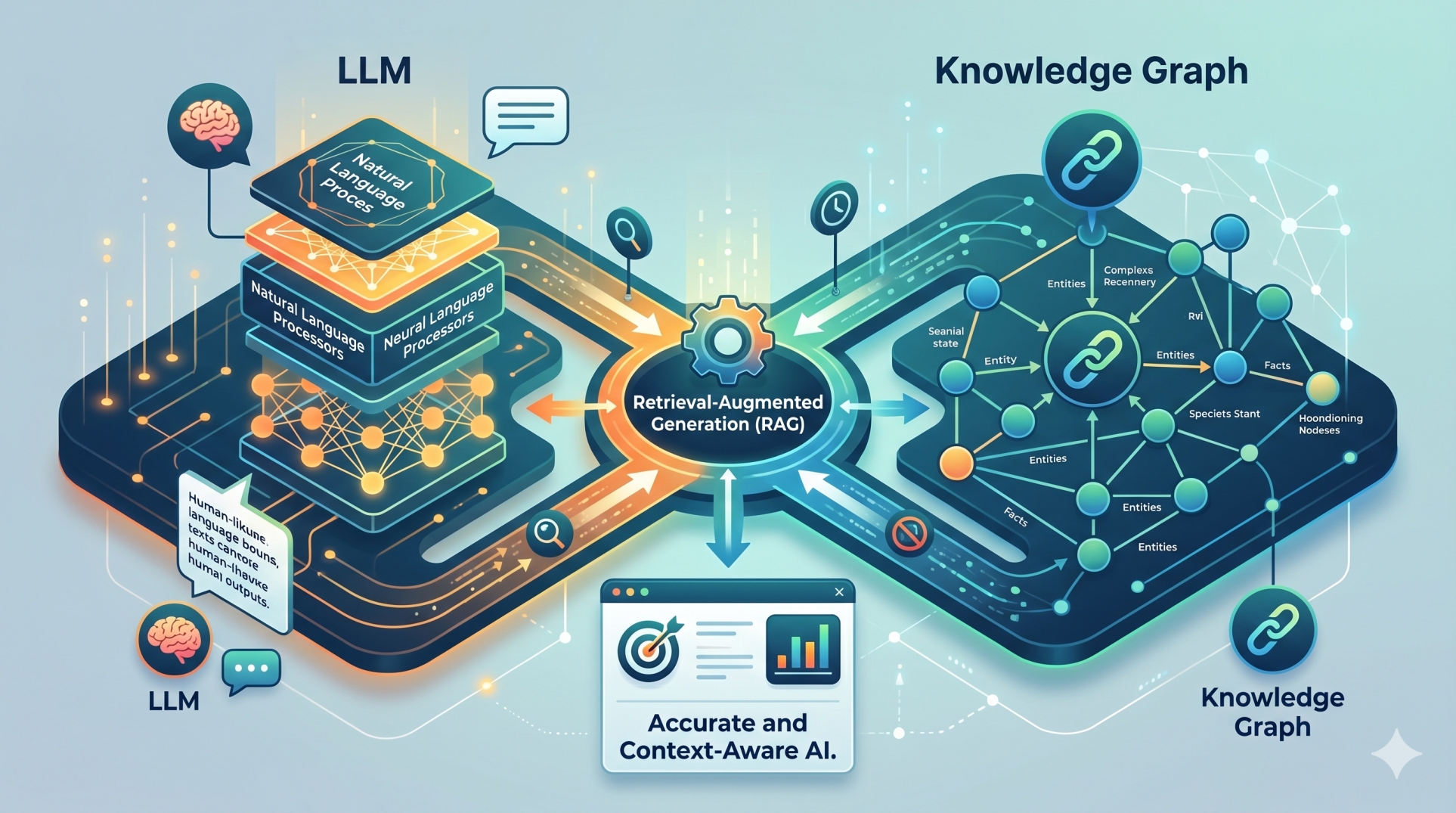
5. Retrieval-Augmented Intelligence Layer 📚
• Connects models to databases and document repositories 🗃️
• Reduces hallucinations through grounded responses ✔️
• Injects domain-specific knowledge dynamically 🎯
• Maintains traceability between outputs and source material 🔎
• Separates evolving knowledge from static model weights ⚖️
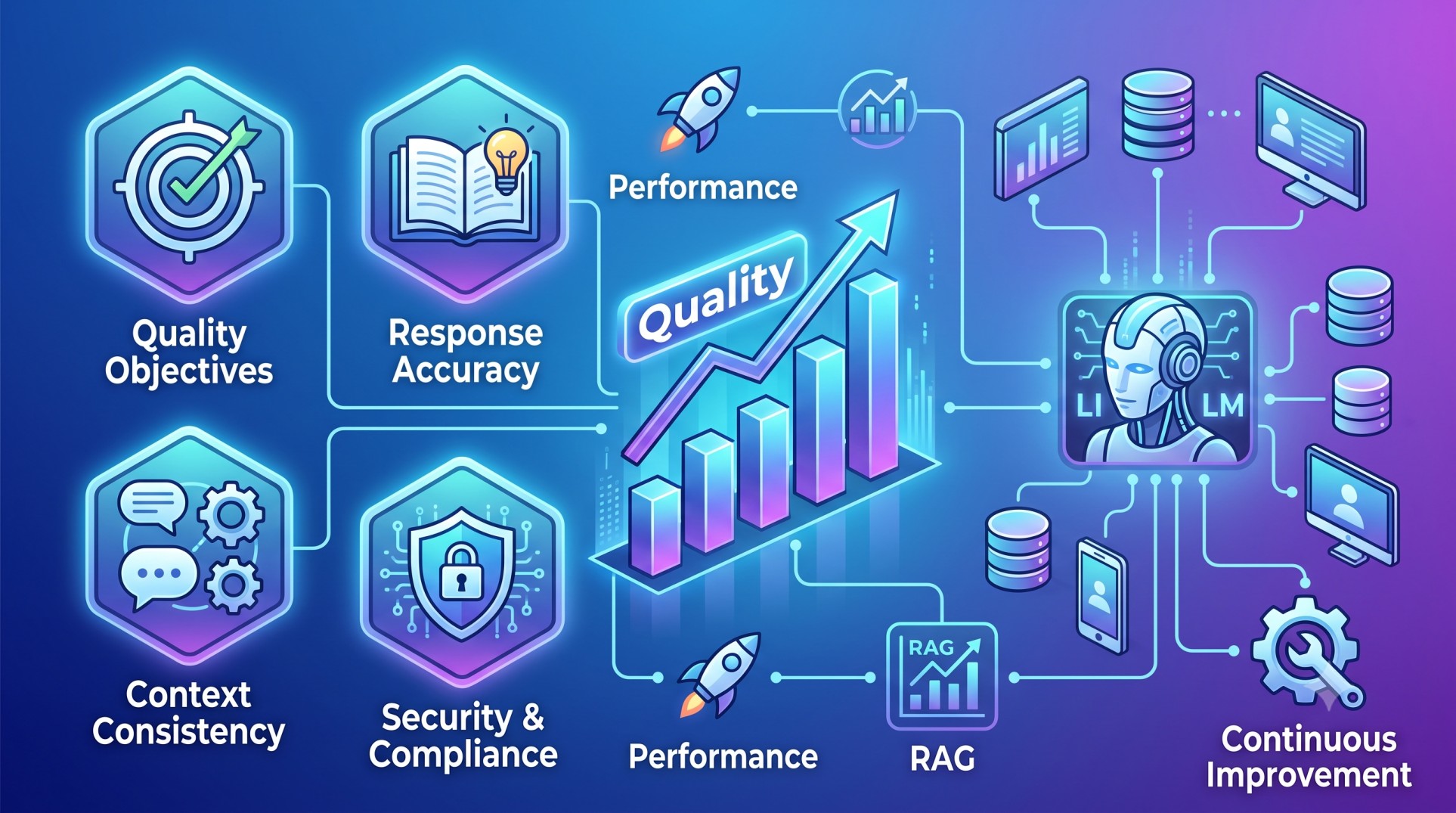
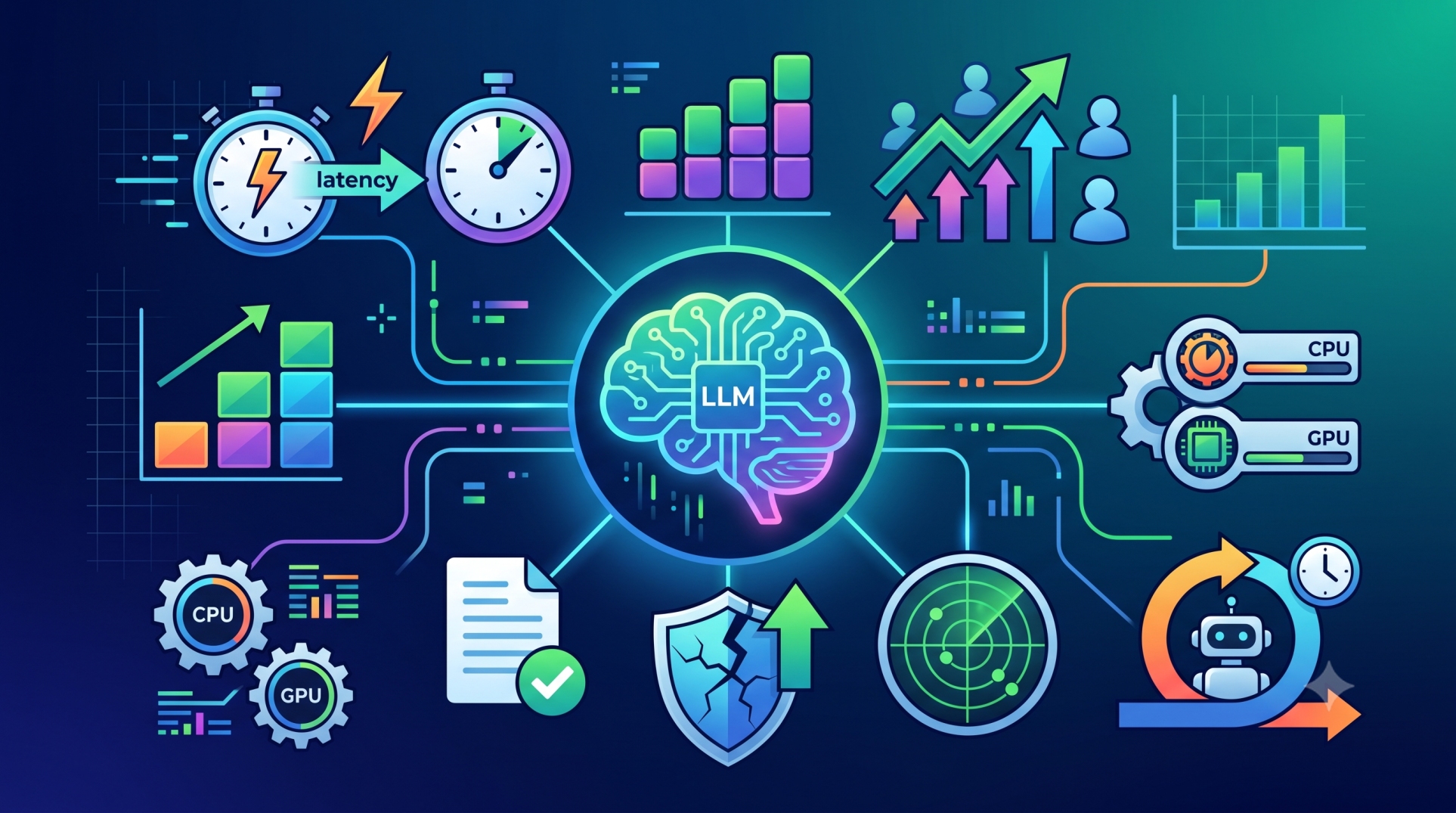
6. Evaluation and Observability Layer 📈
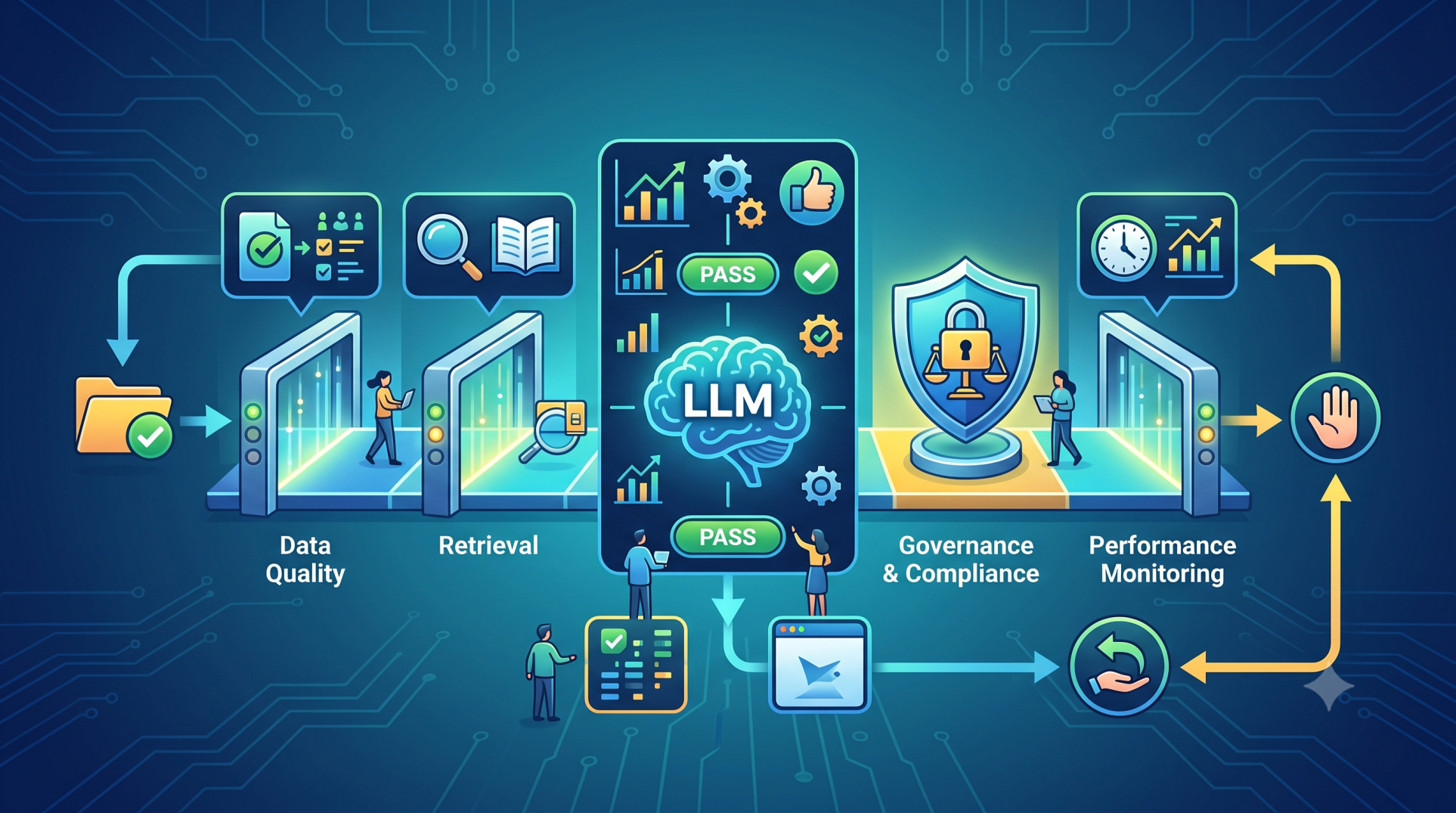
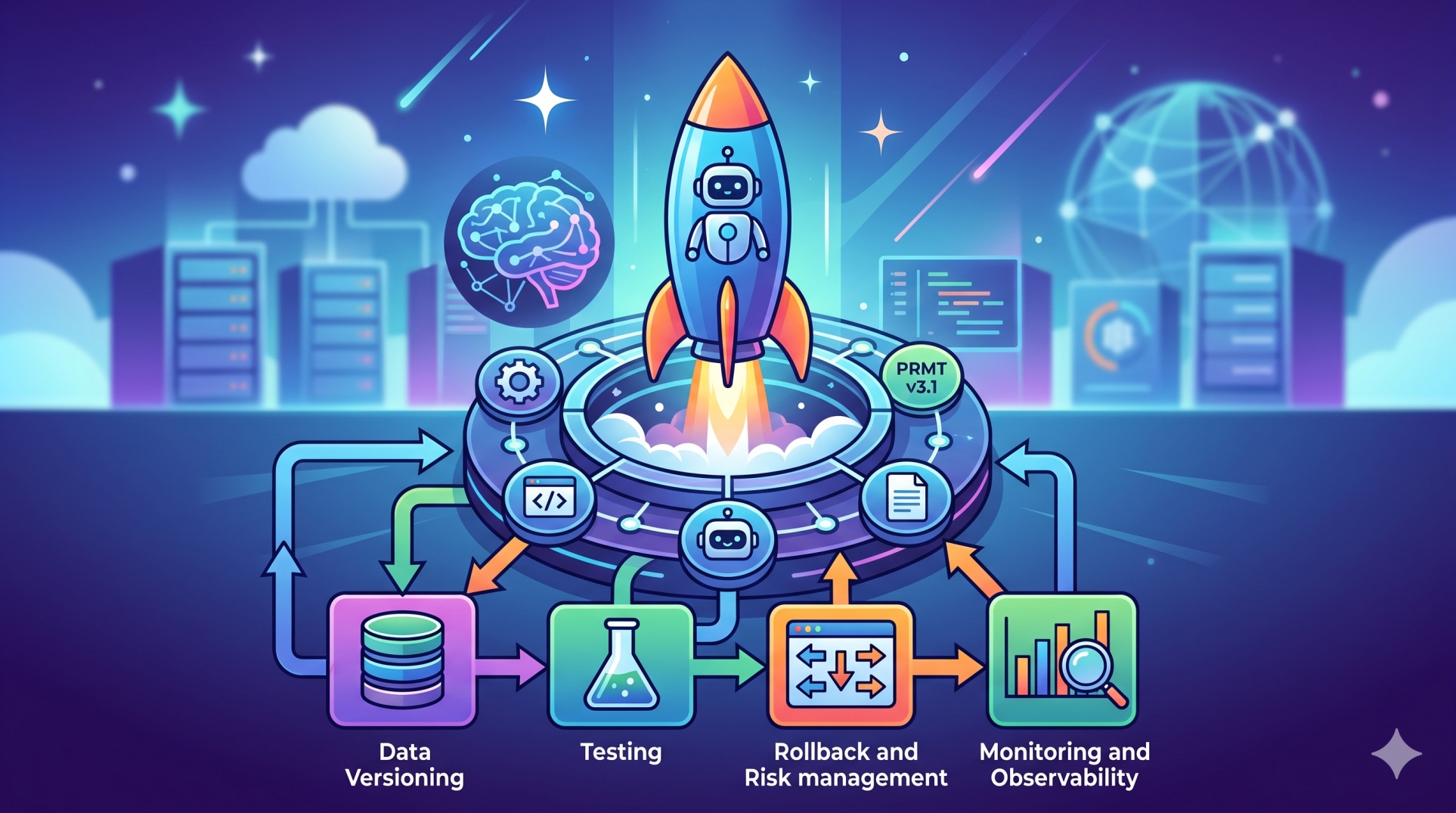
• Benchmark testing prior to deployment 🧪
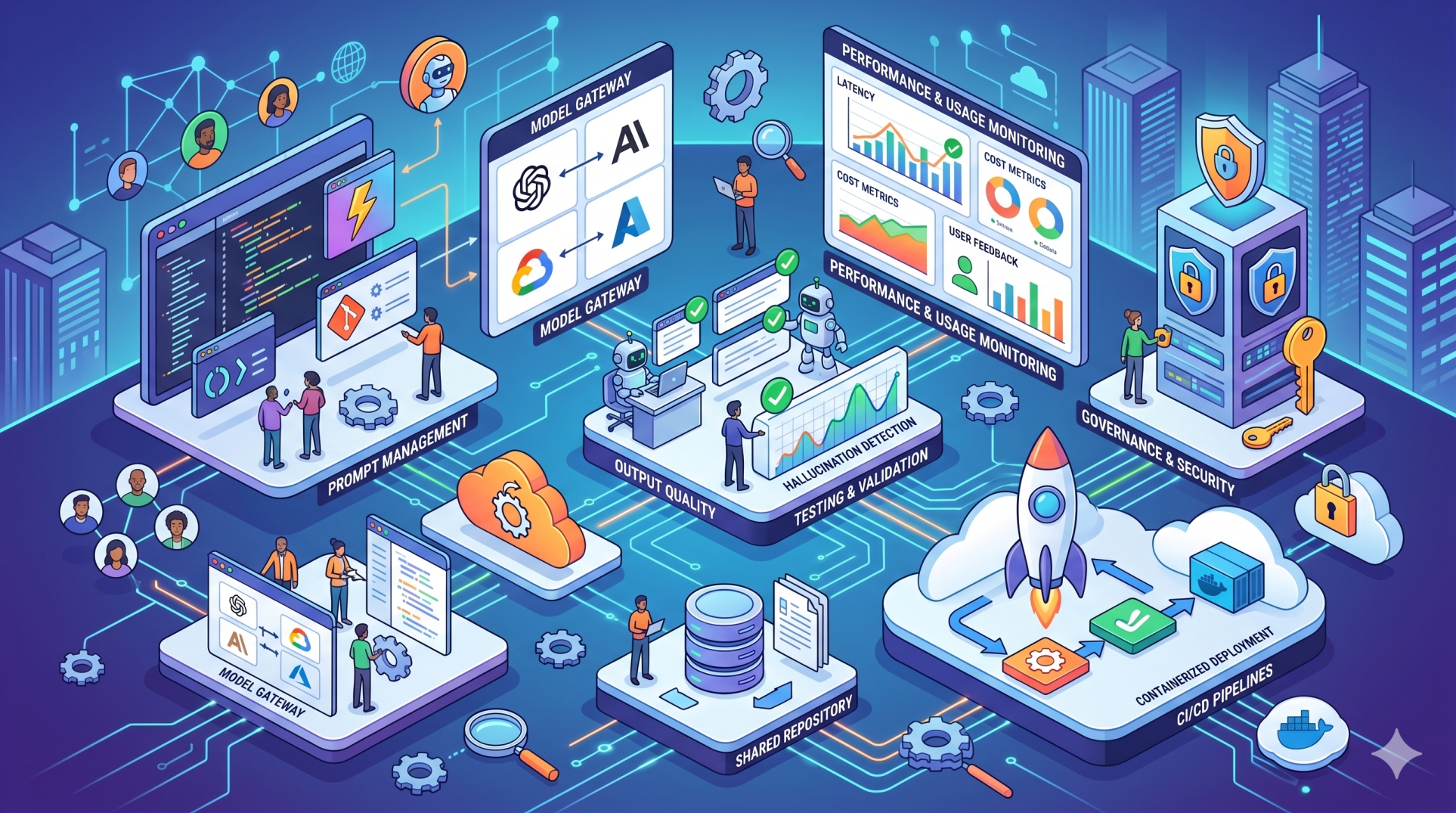
• Real-time monitoring in production environments 👀
• Automated scoring for quality and safety metrics 📊
• Drift detection and regression monitoring ⚠️
• Comprehensive logging for diagnostics and optimization 🗒️
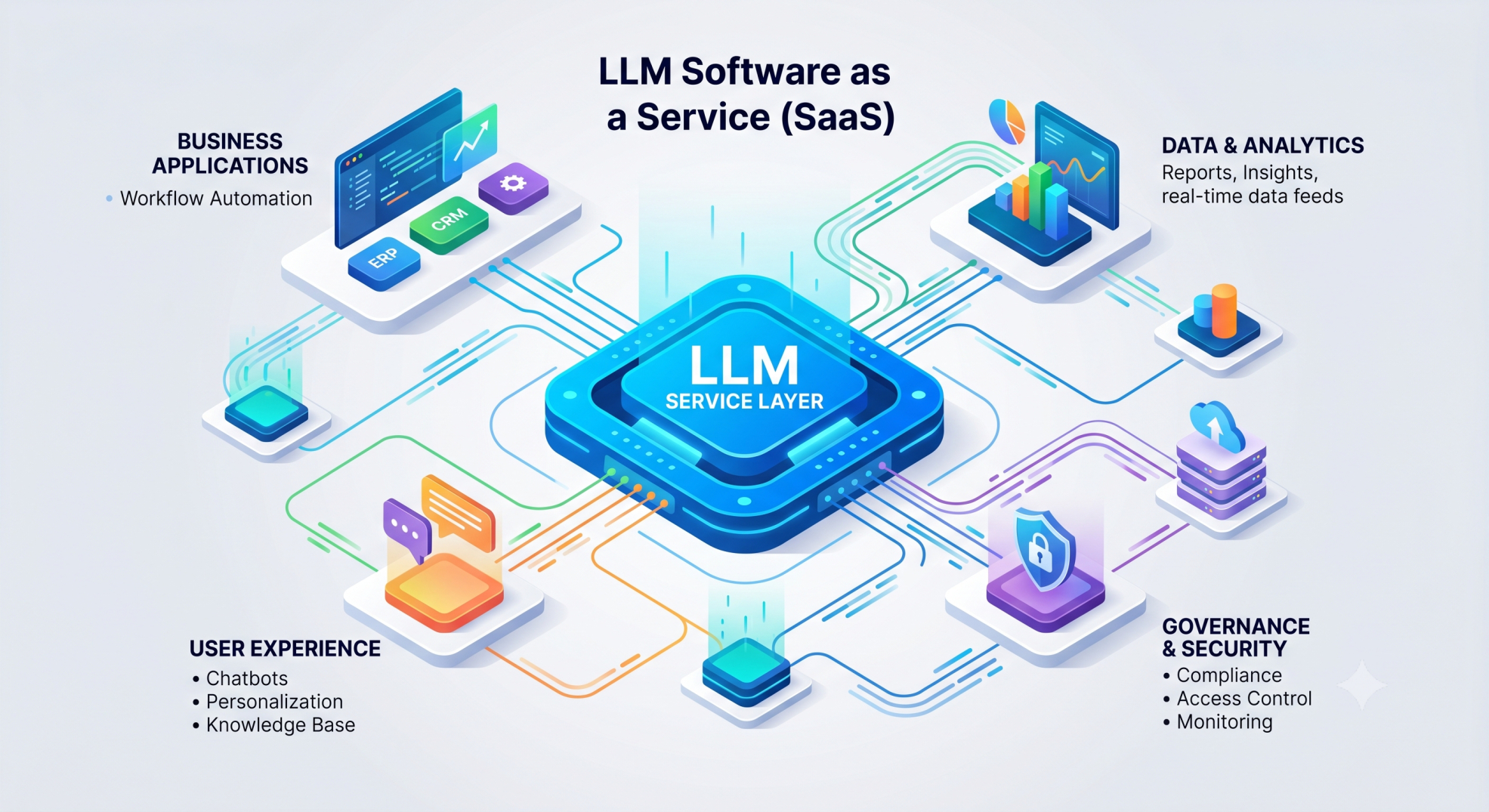
7. Application and Experience Layer 💻
• Web and mobile user interfaces 🌐
• AI copilots and conversational assistants 🤝
• Automation dashboards and operational tools 📋
• API endpoints for interoperability across systems 🔗
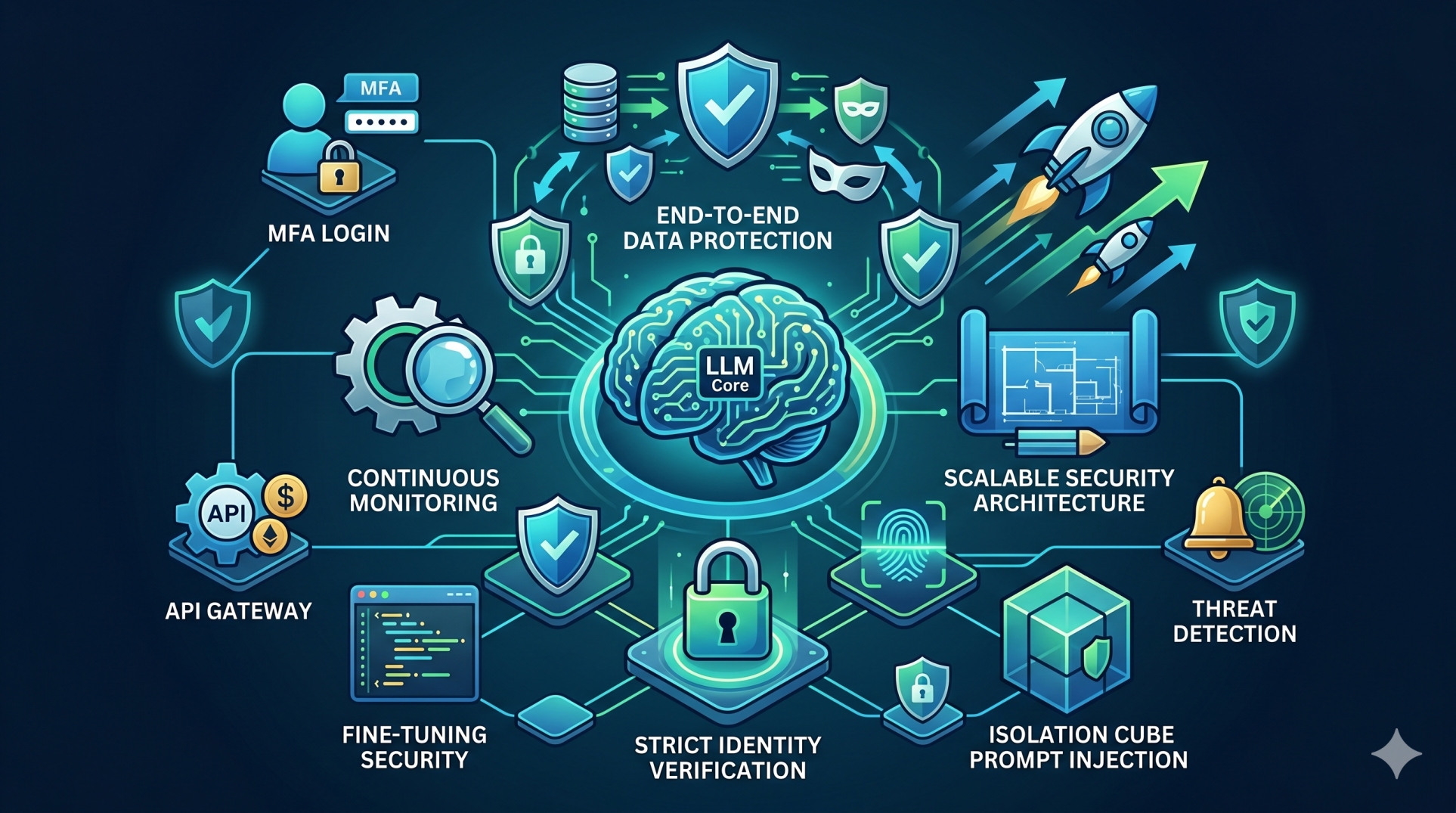
• Personalization, authentication, and access controls 🔐
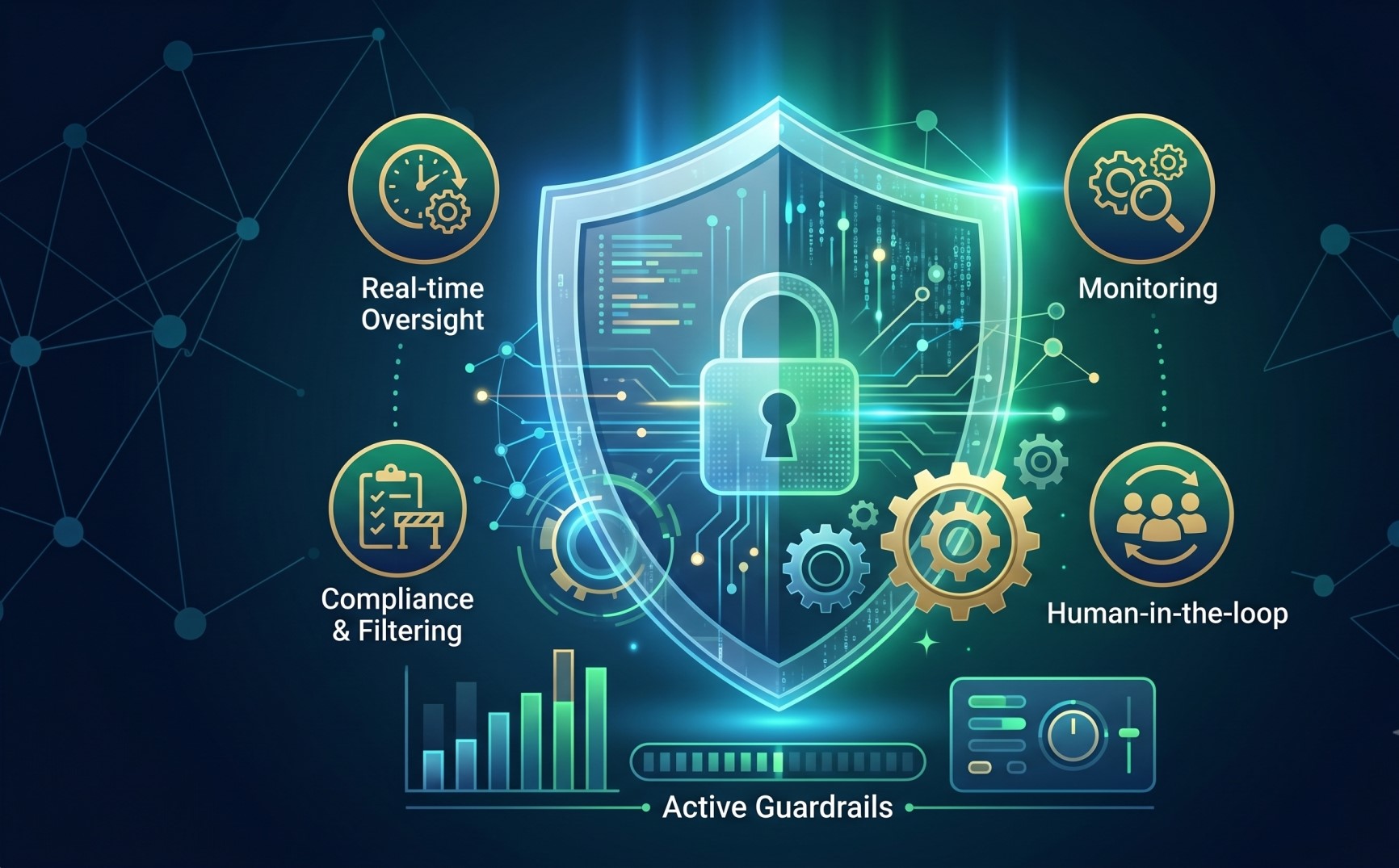
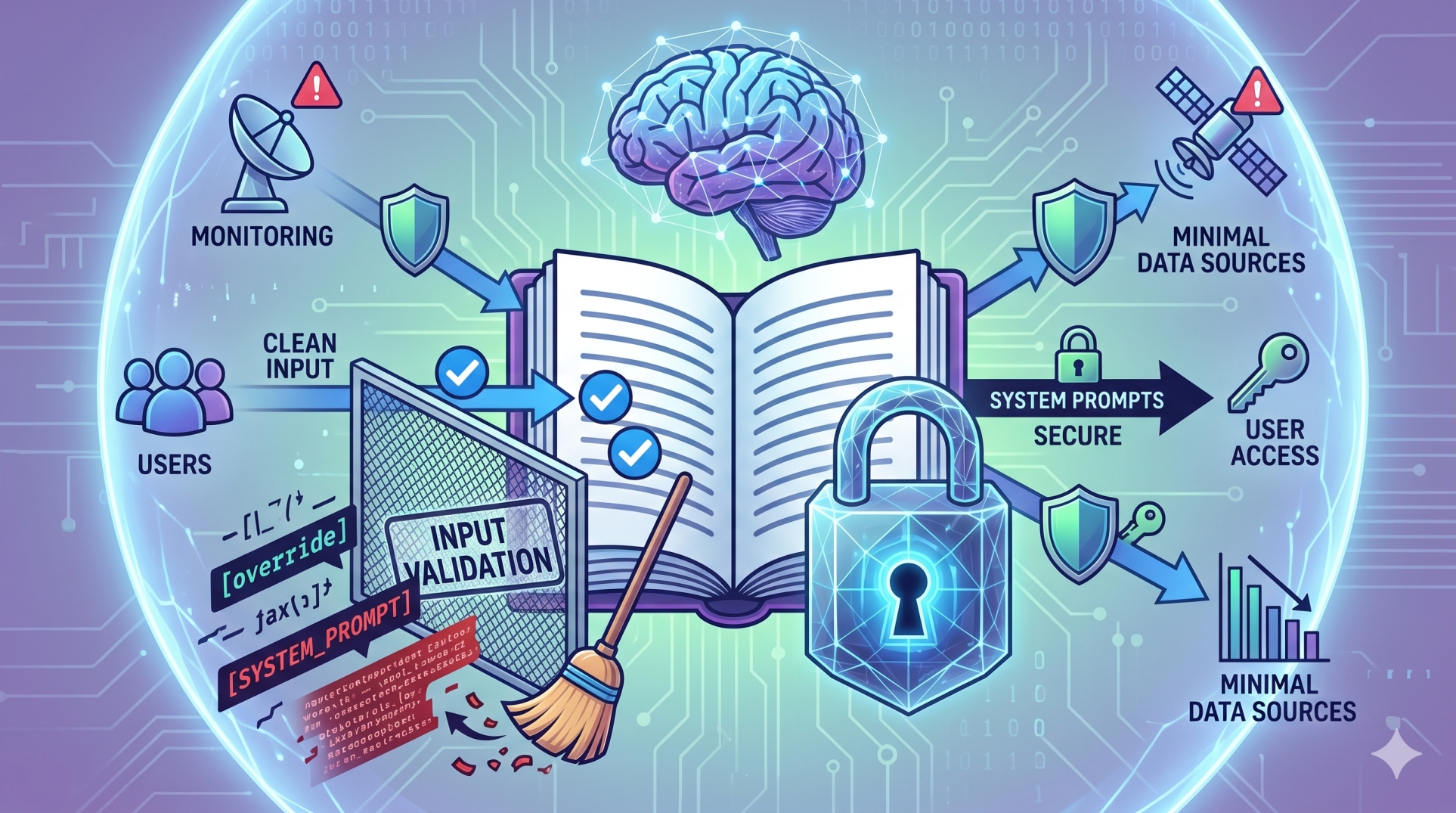
8. Governance and Risk Management Layer 🛡️
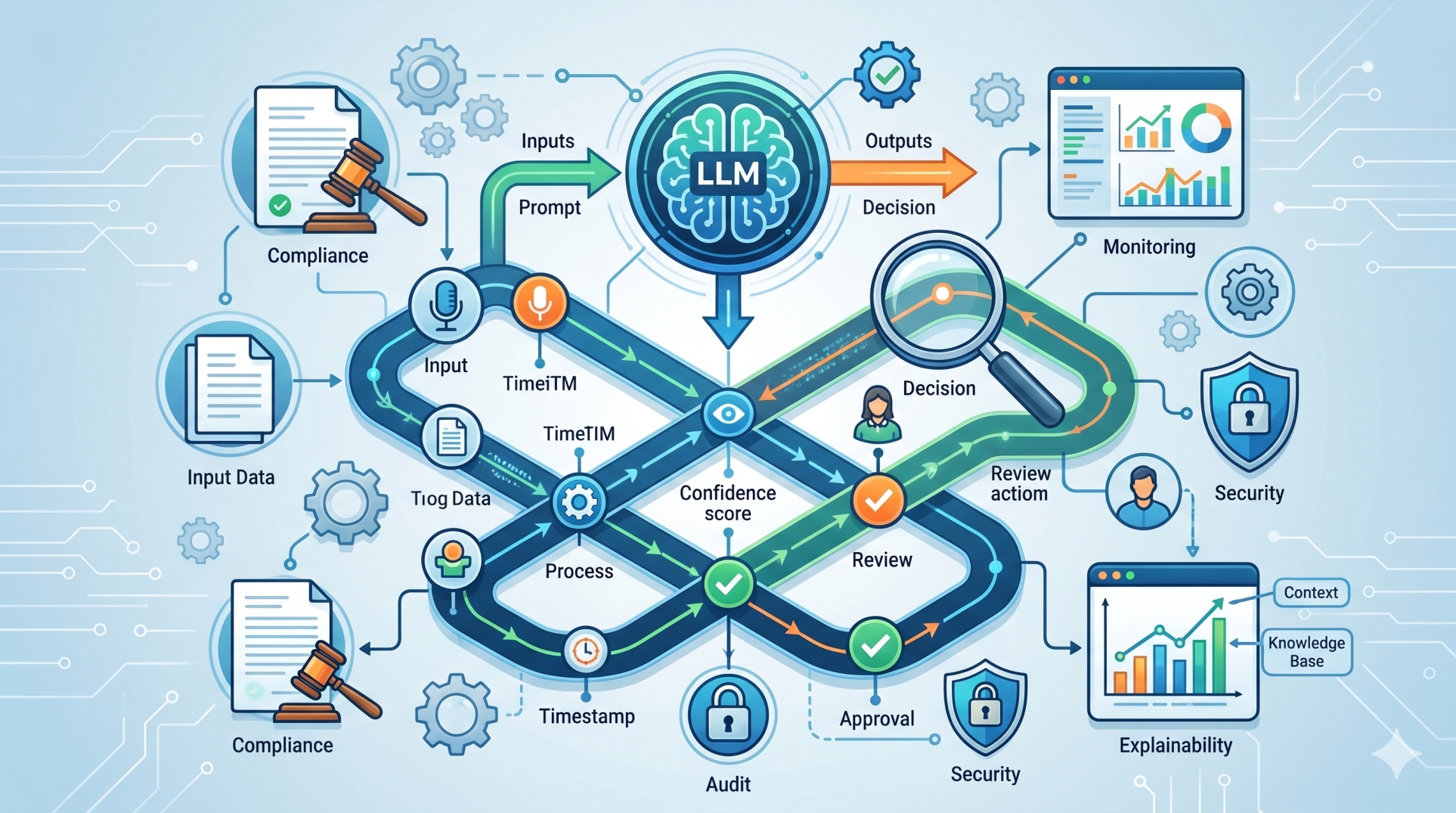
• Data privacy enforcement and access governance 🔒
• Safety mechanisms and compliance oversight 📜
• Human review processes and audit trails 🧾
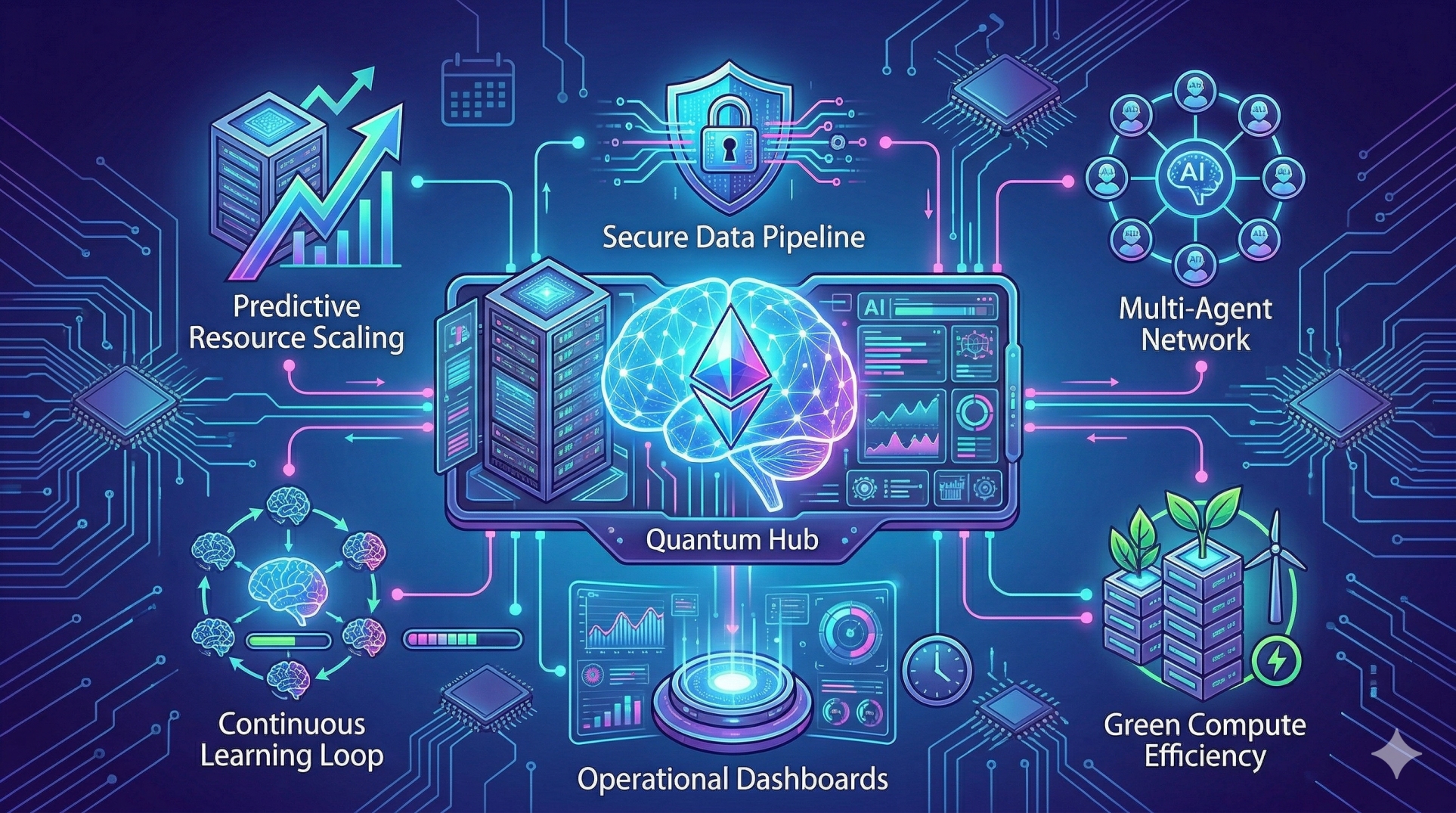
9. Optimization and Efficiency Layer 🚀
• Prompt refinement and response calibration 🎯
• Model compression through distillation and quantization 📉
• Intelligent caching to reduce inference costs 💰
• Latency optimization for real-time responsiveness ⚡
• Continuous performance improvements based on usage data 📊
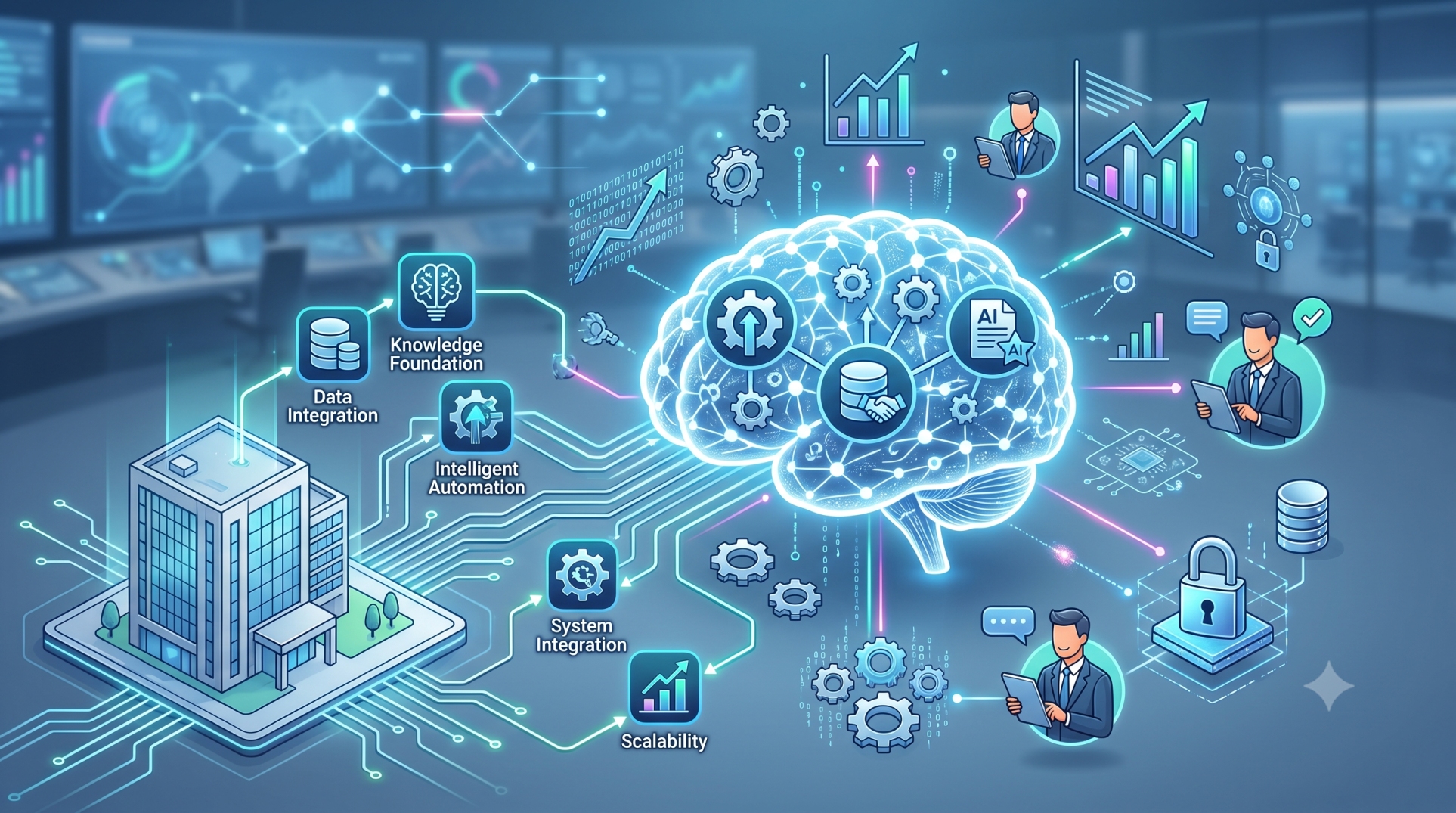
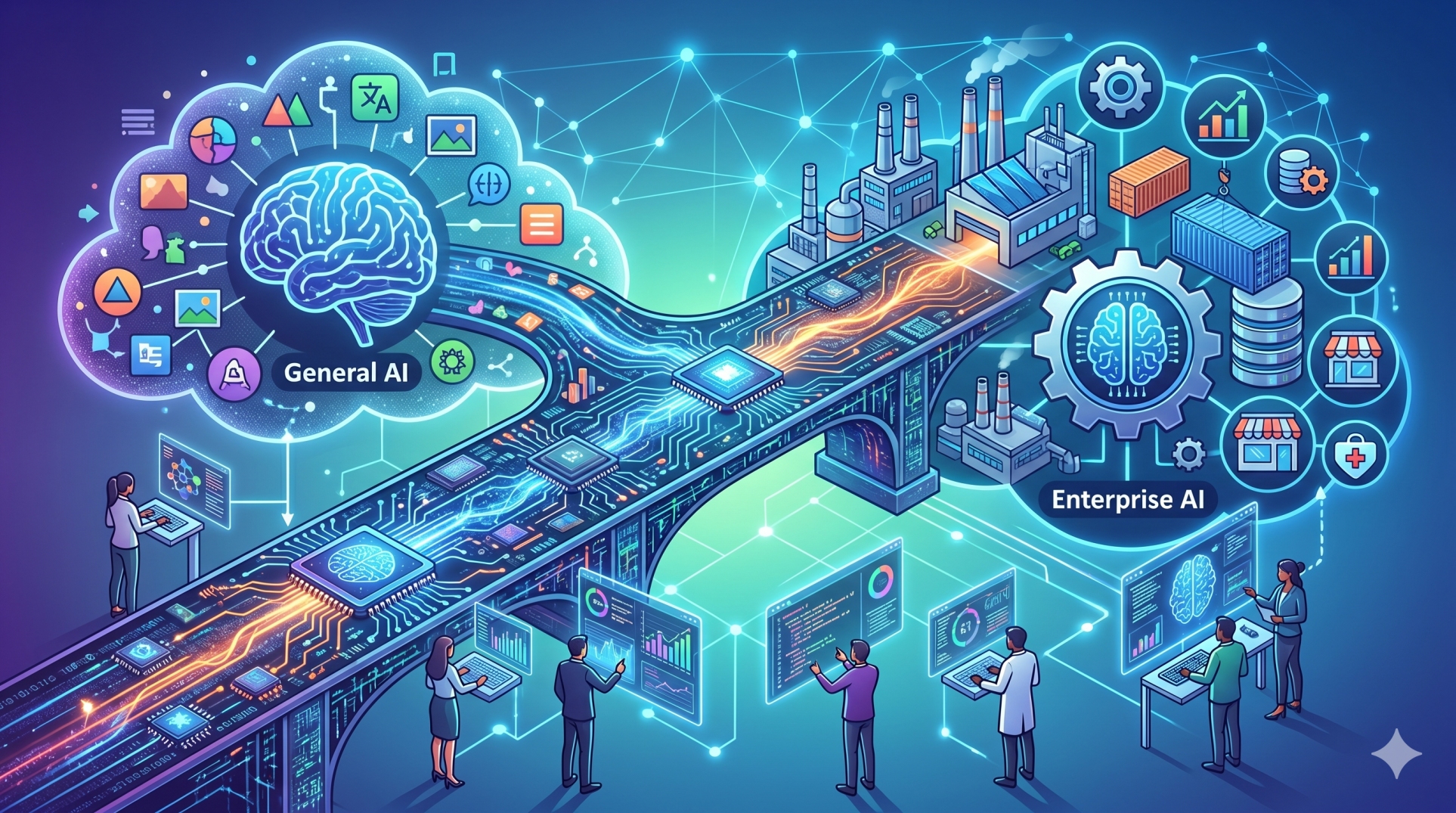
10. Enterprise Integration Layer 🏢
• Alignment with organizational strategy and objectives 🎯
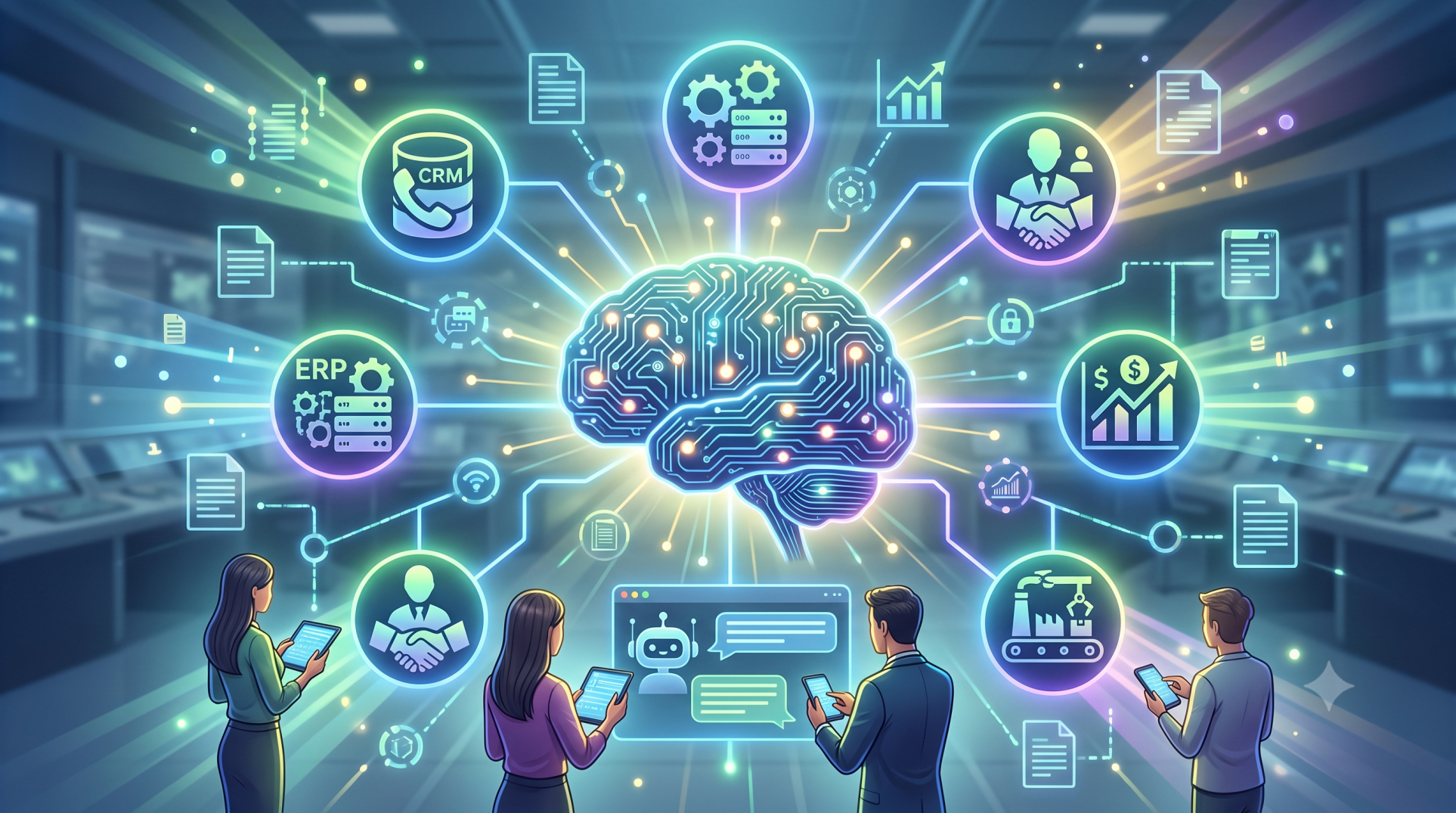
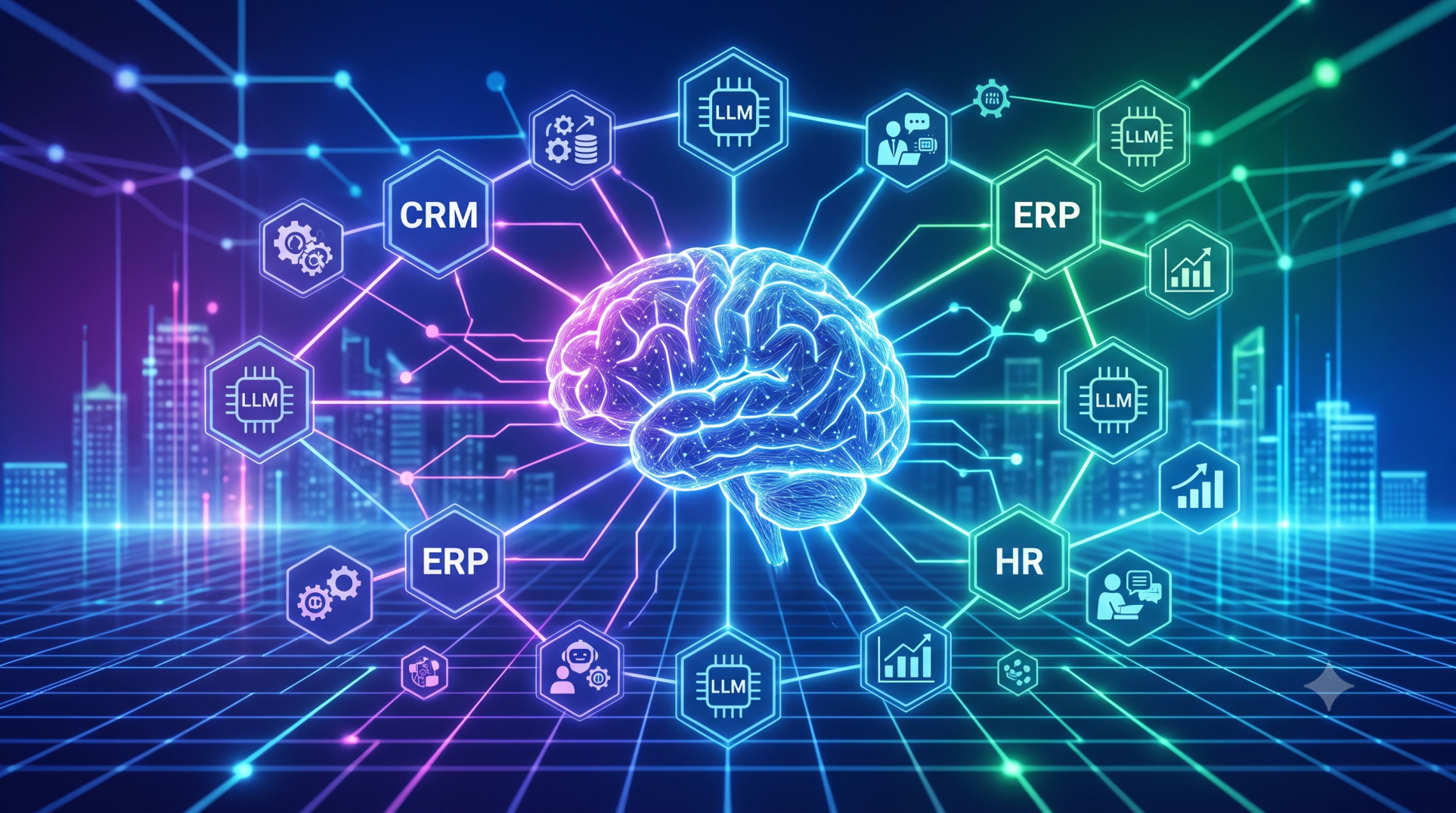
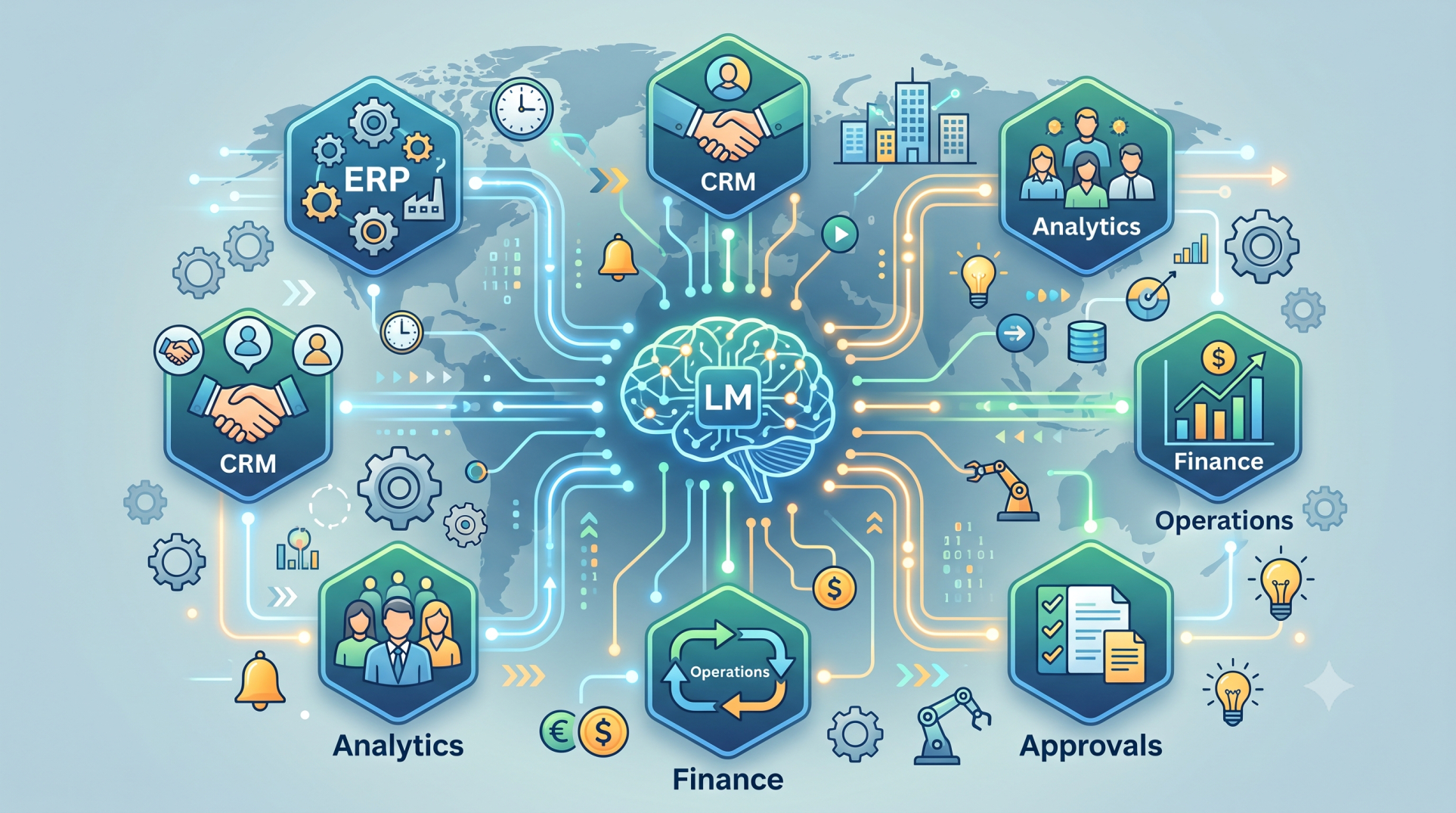
• Integration with ERP, CRM, and operational systems 🔄
• Measurement of financial and operational outcomes 📈
• Scalability planning to support long-term growth 🌱
• Feedback loops that continuously refine system architecture 🔁
Conclusion
The LLM software stack extends far beyond the underlying model itself. It includes infrastructure, data management, orchestration systems, monitoring frameworks, governance controls, optimization mechanisms, and enterprise integration layers. Organizations that design across the full stack can deploy AI solutions that are scalable, secure, and aligned with business priorities. A comprehensive architectural approach transforms language models into dependable enterprise platforms capable of delivering sustained, measurable value.
See more blogs
You can all the articles below