Optimizing LLM Software Beyond Prompt Tuning
Optimizing LLM Software Beyond Prompt Tuning
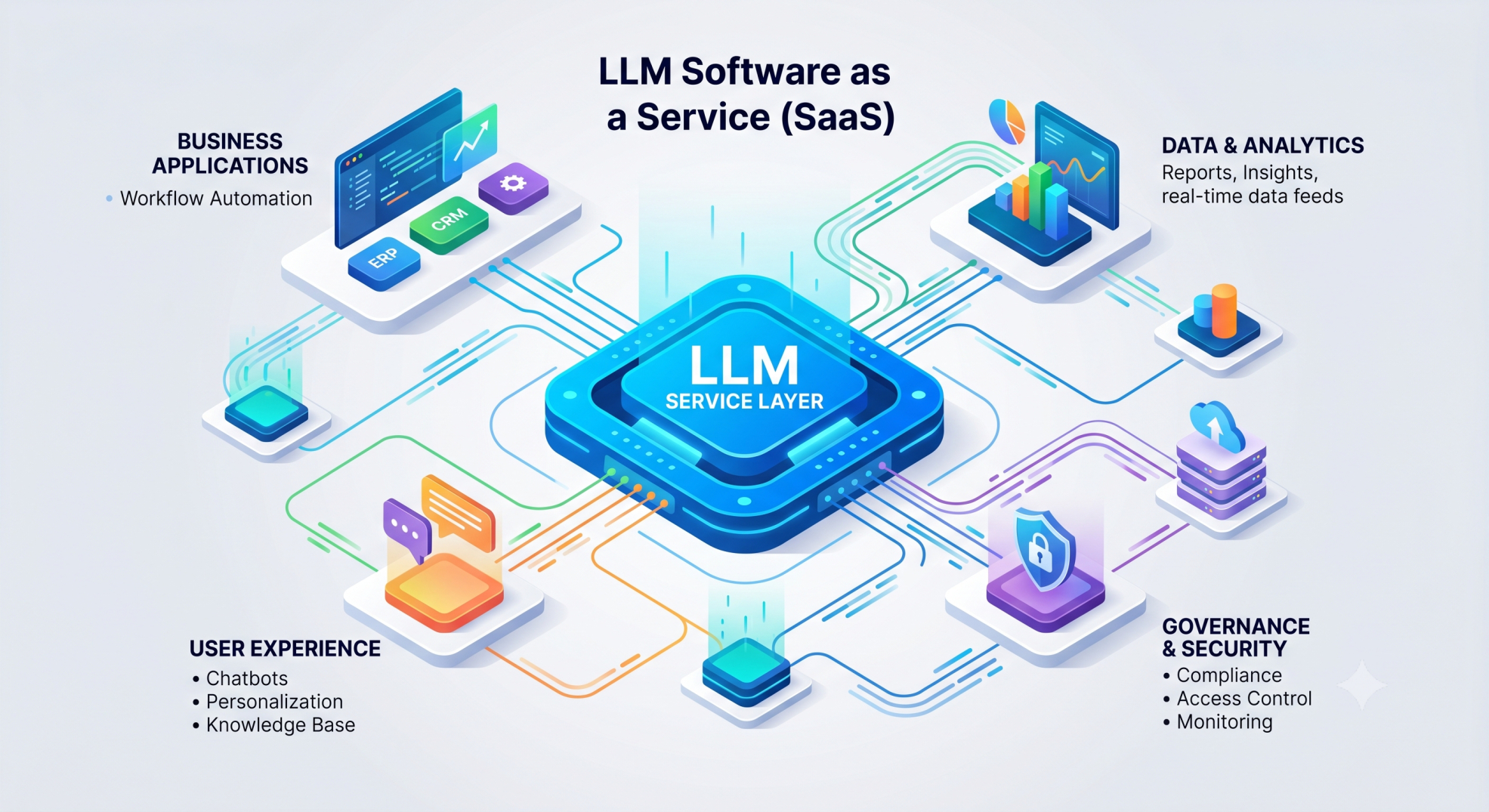
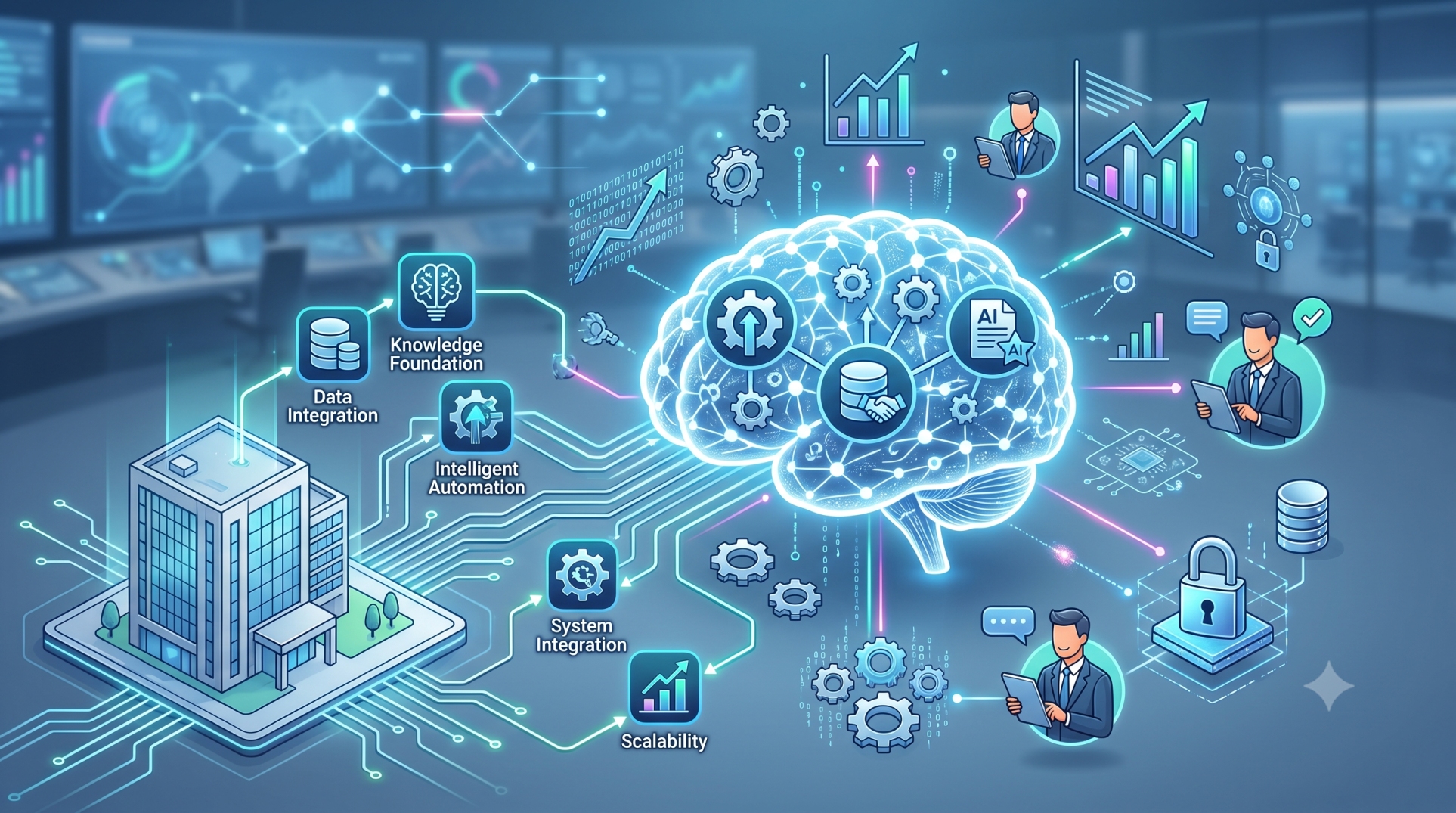
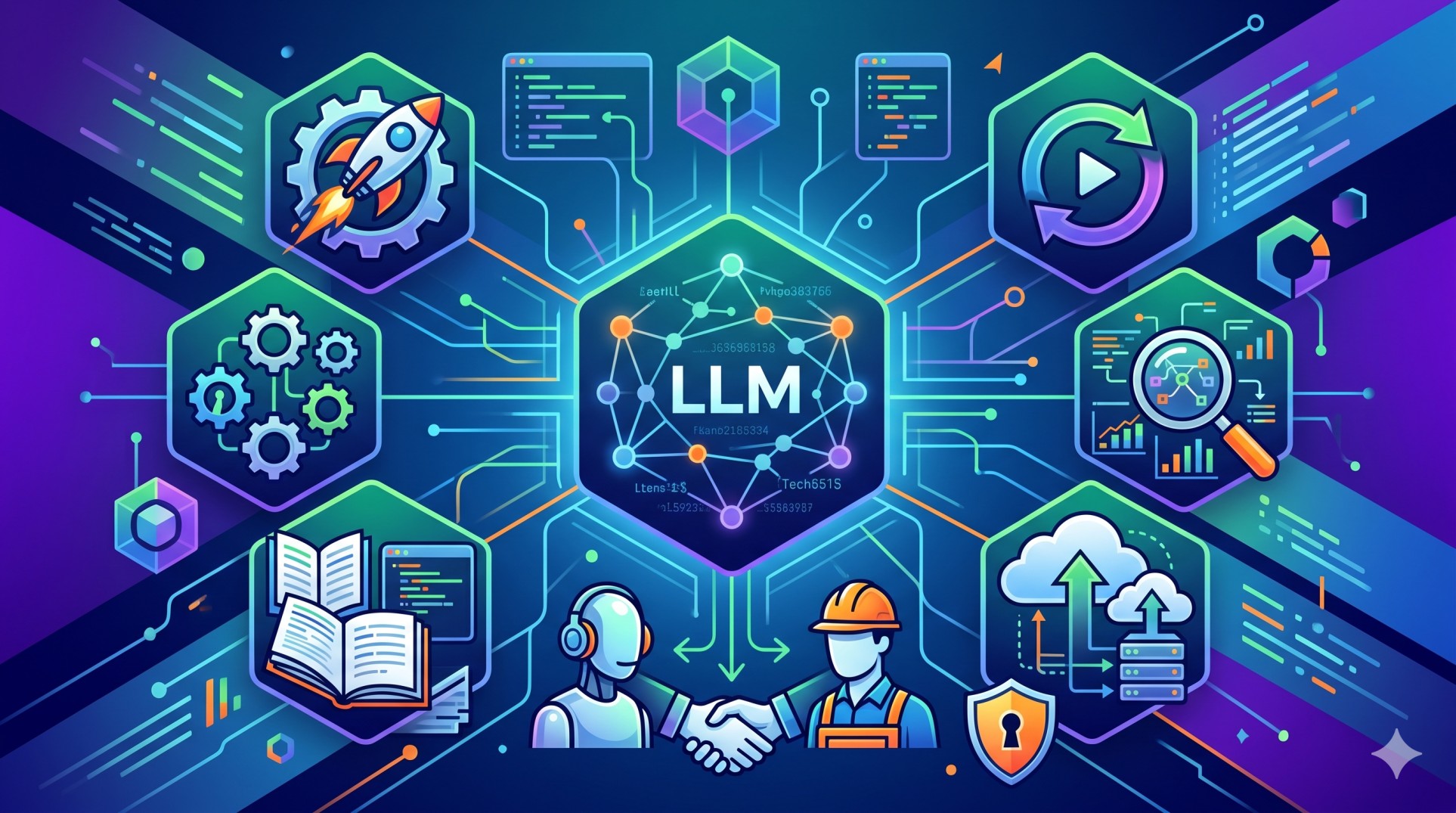
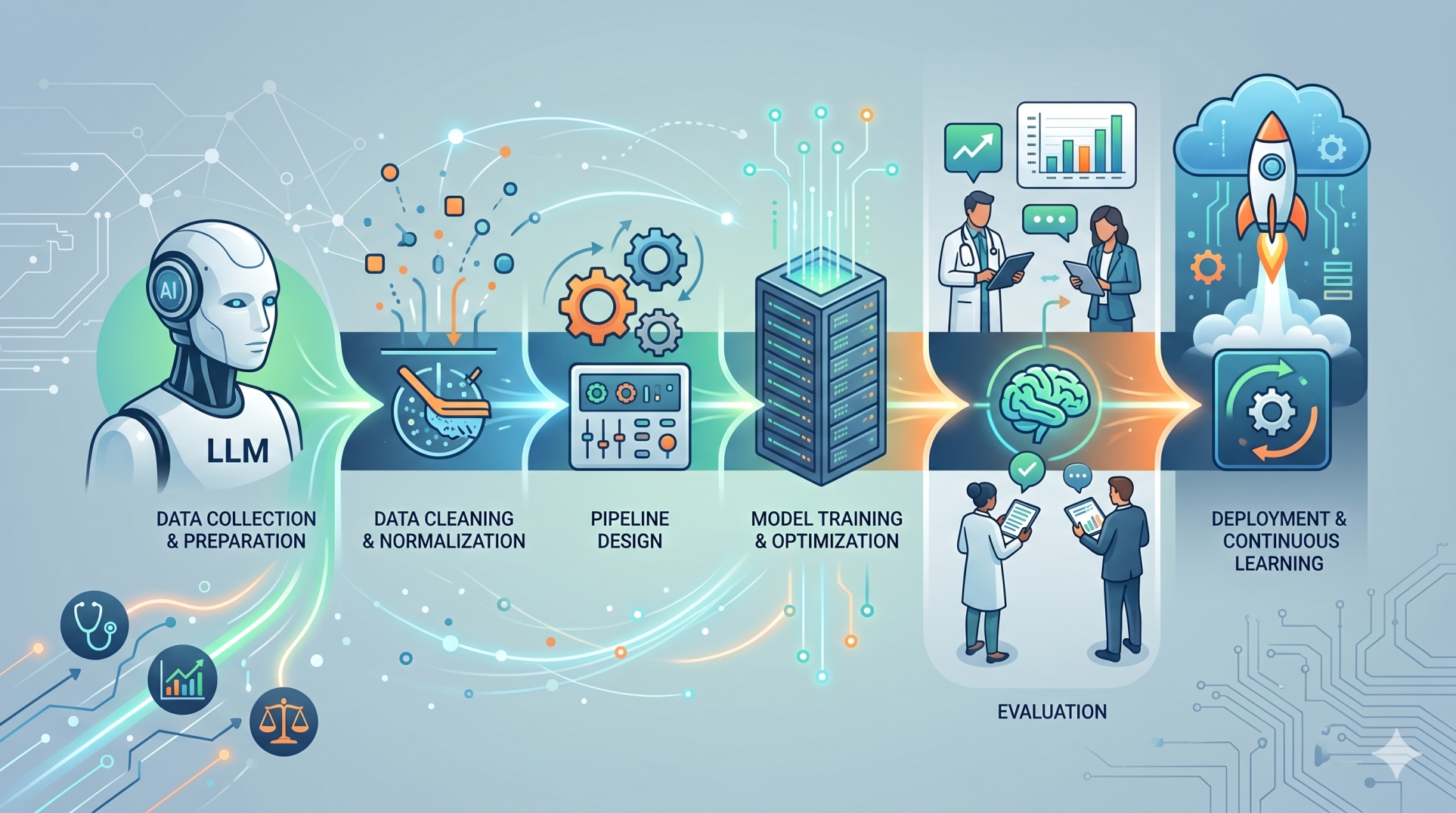
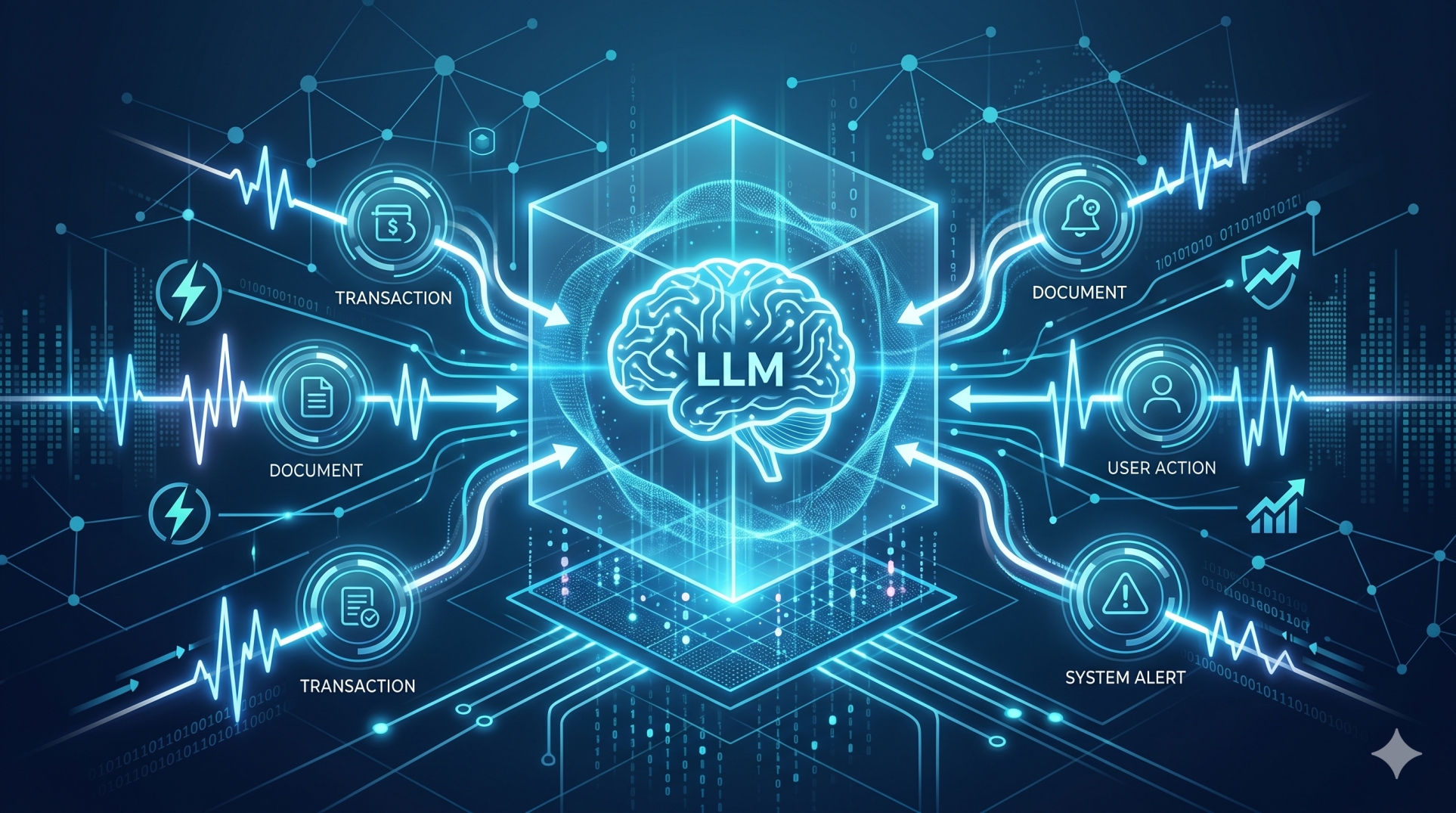
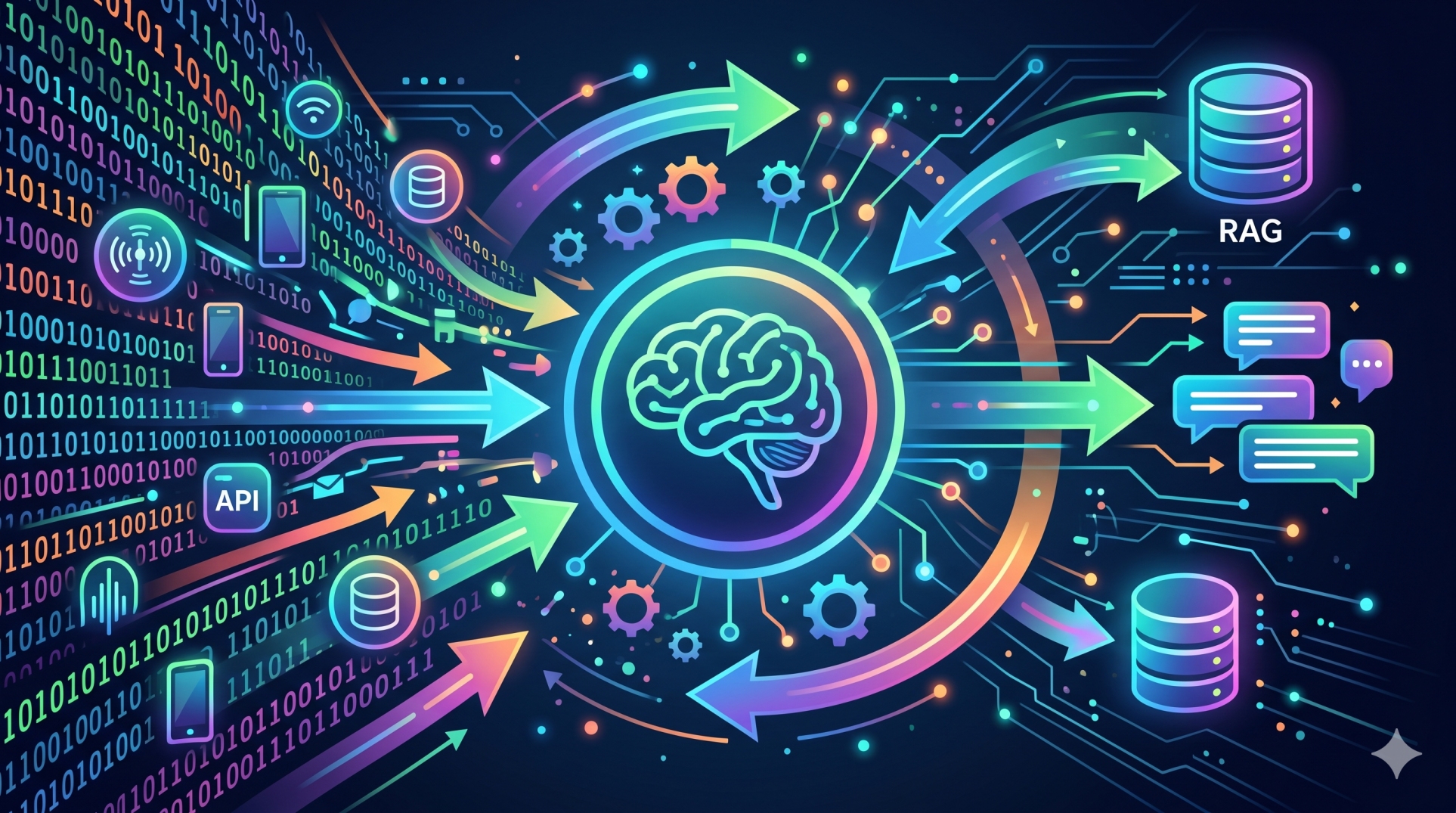
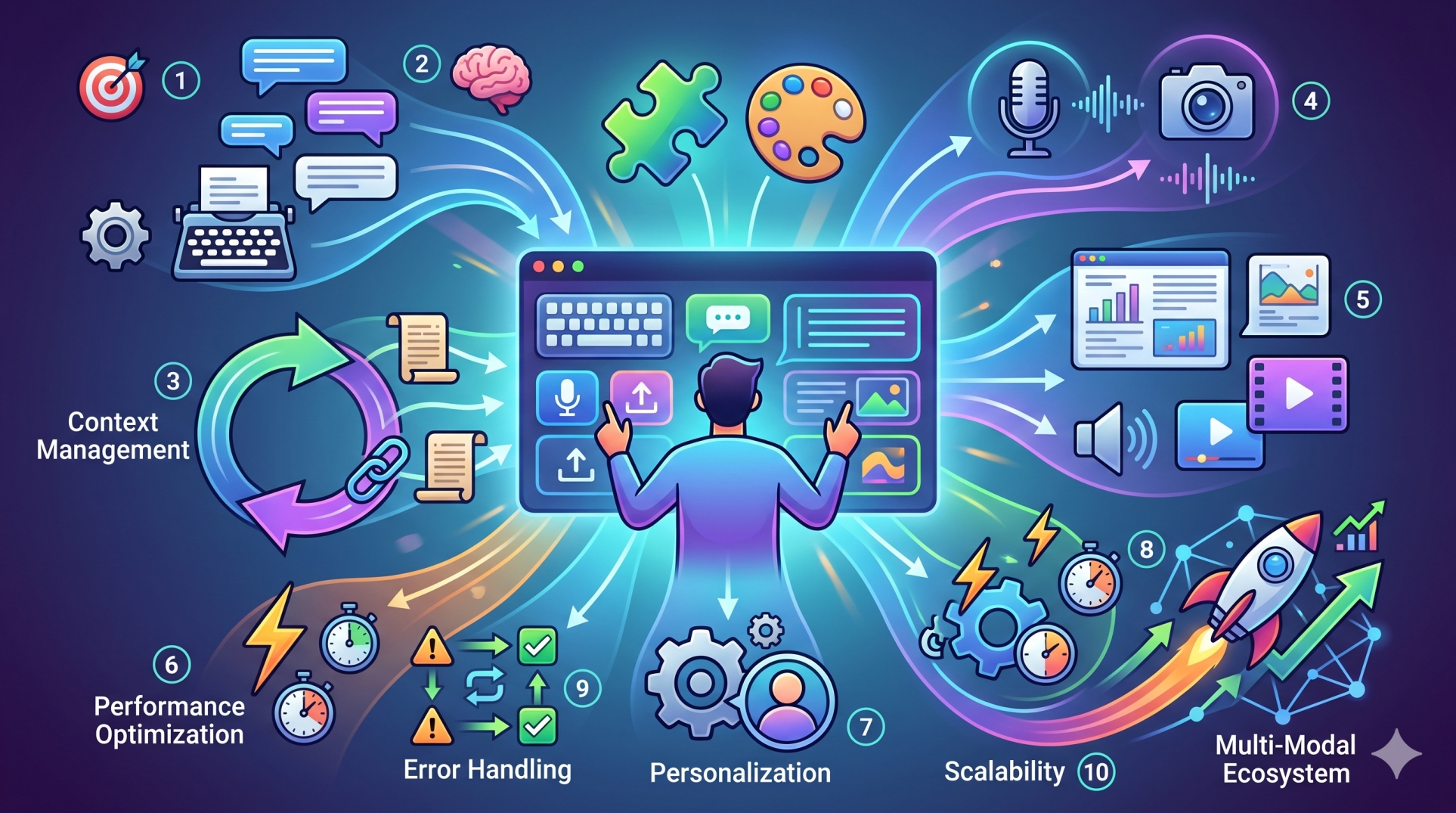
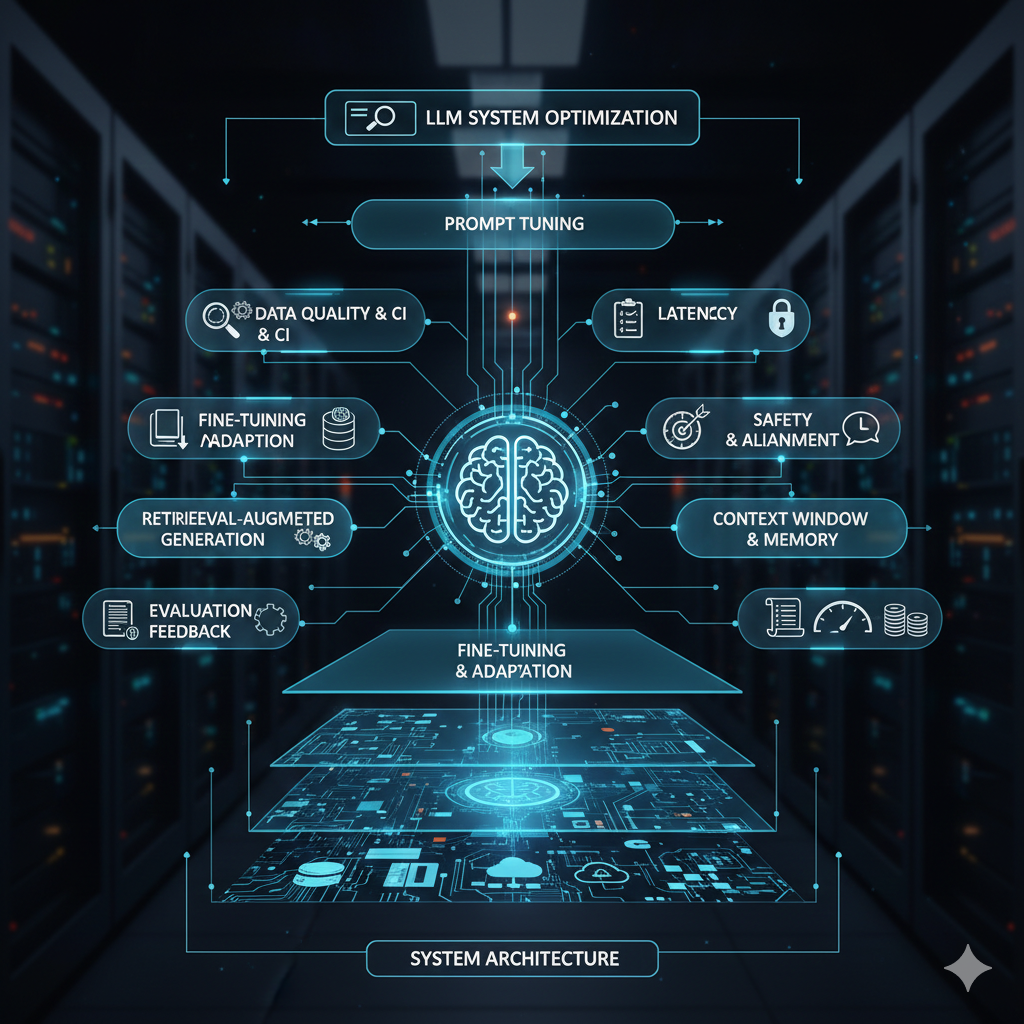
Prompt engineering is typically the first optimization layer applied to Large Language Models. While refining prompts can improve output quality, production-ready LLM systems require far more comprehensive optimization. Long-term performance, scalability, and reliability depend on architecture, data design, evaluation rigor, and operational controls. True optimization treats LLM software as a complete system rather than a single model component.
Step 1: Strengthening System Architecture 🏗️
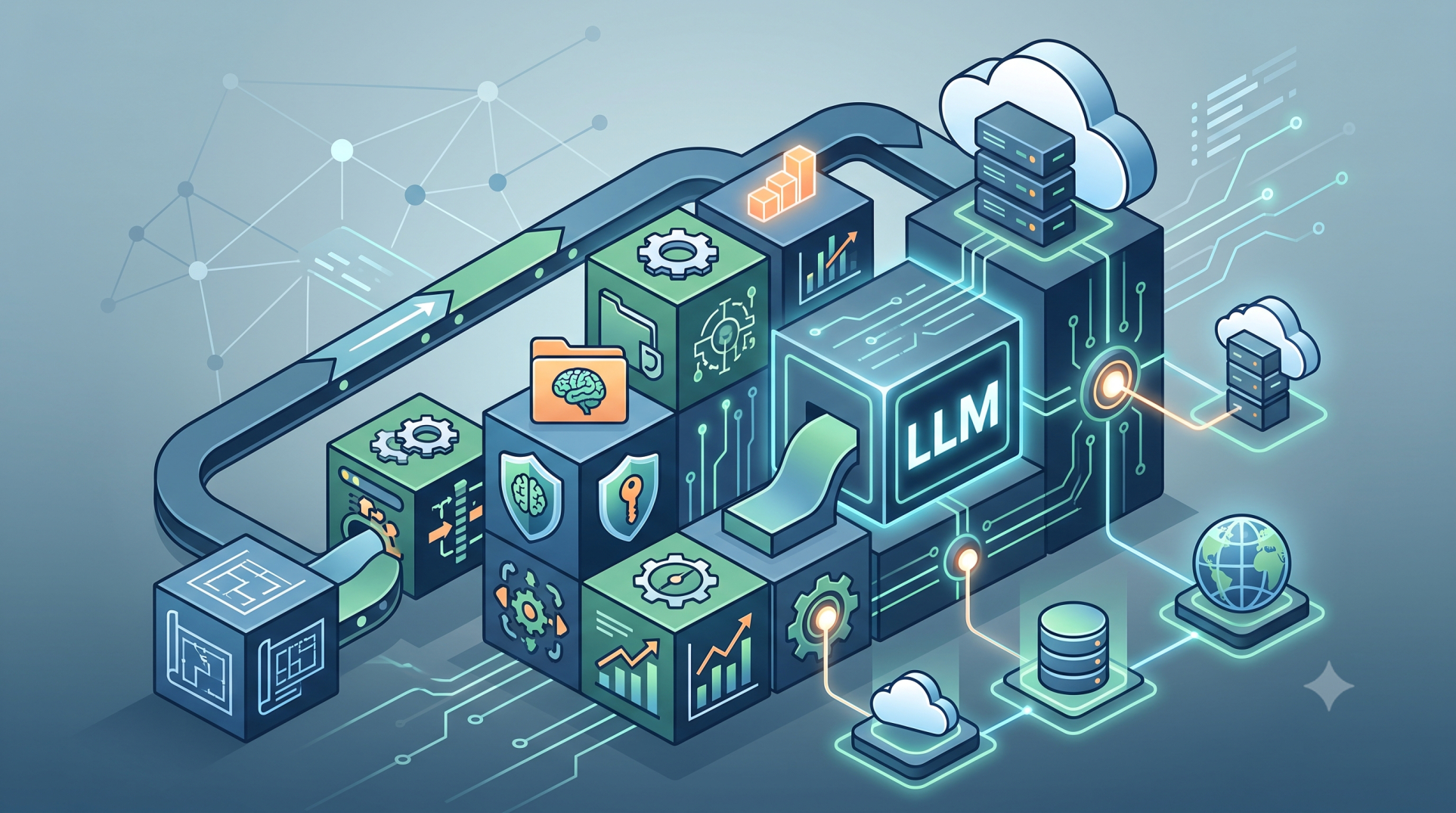
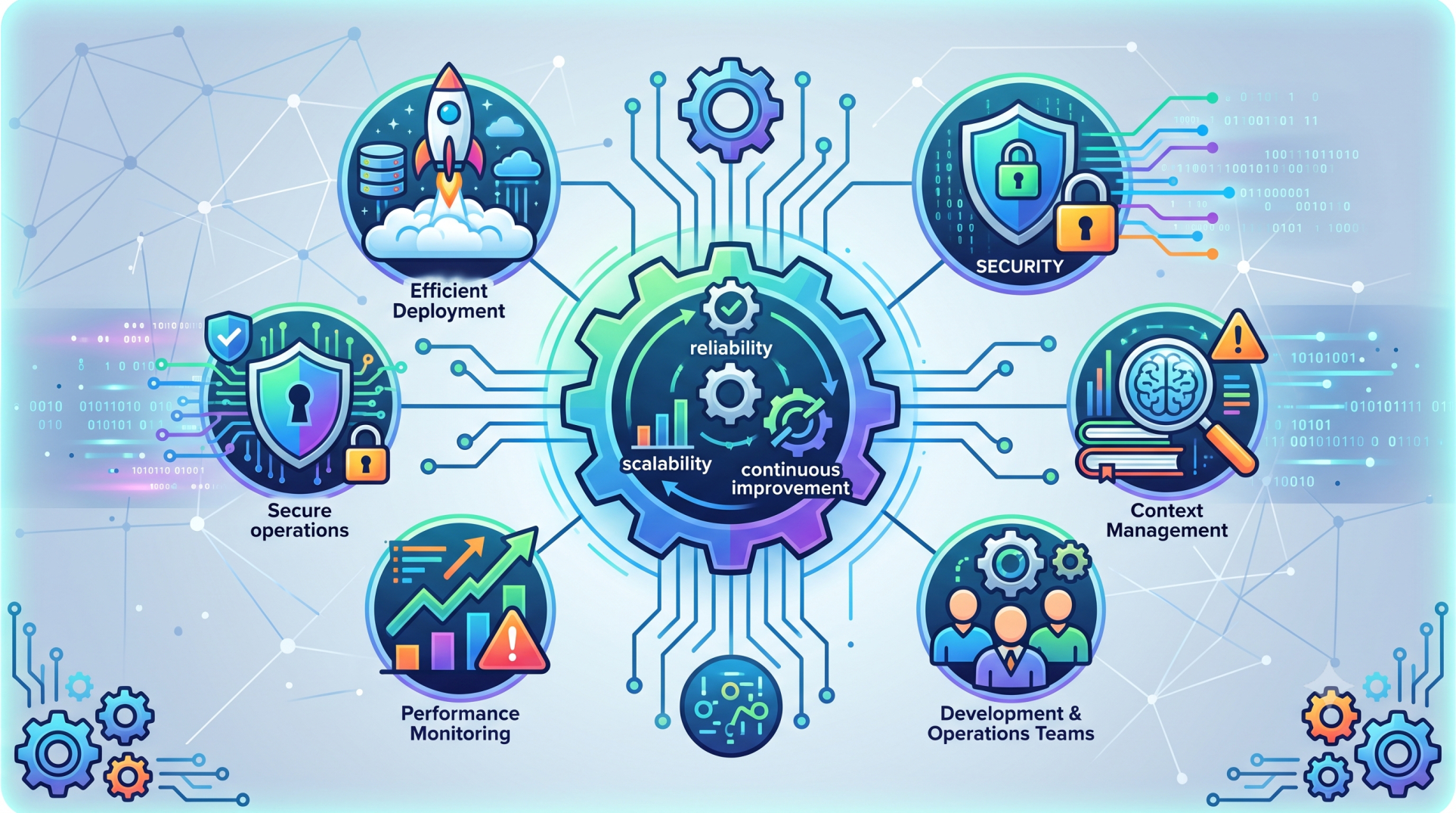
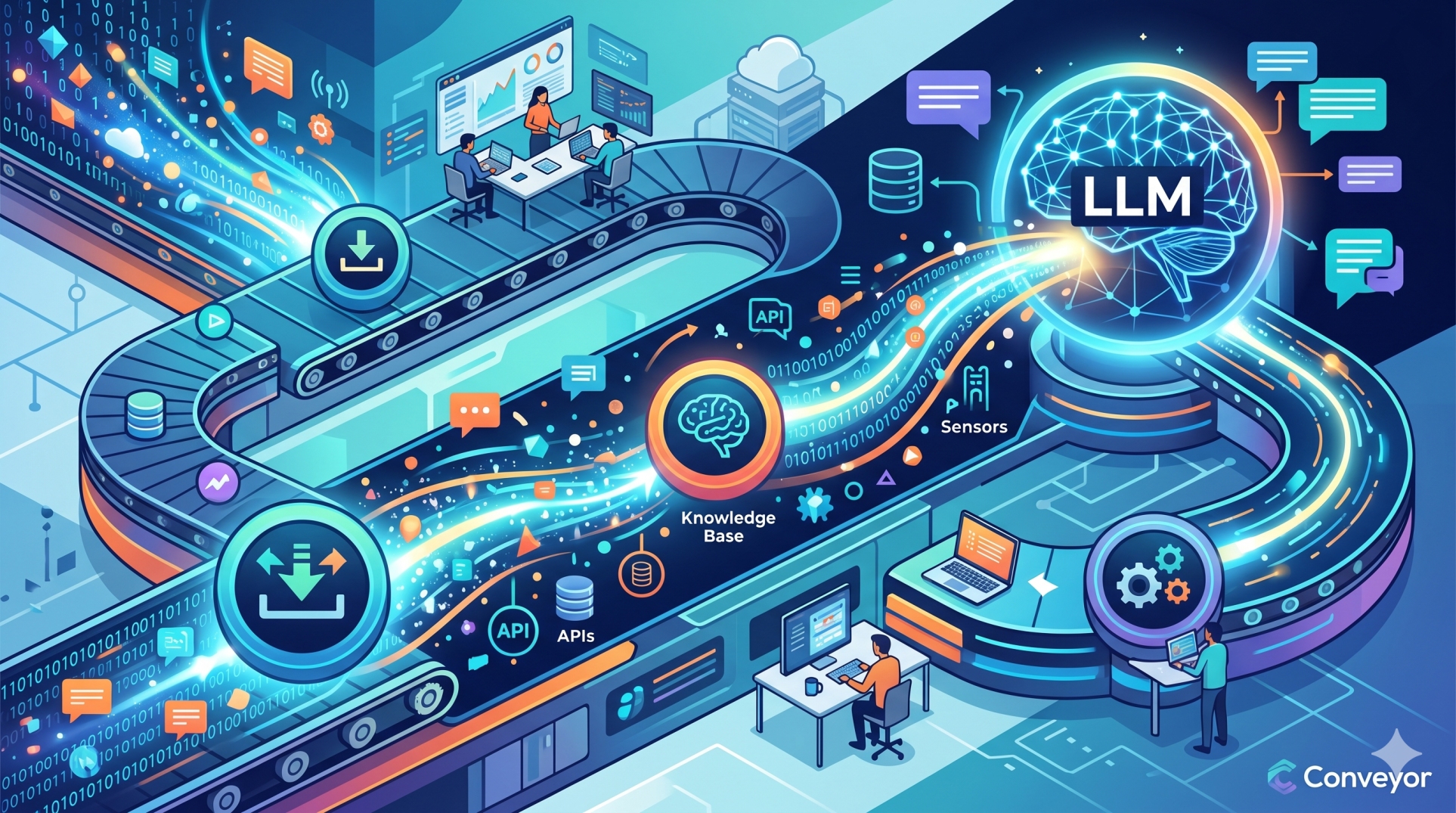
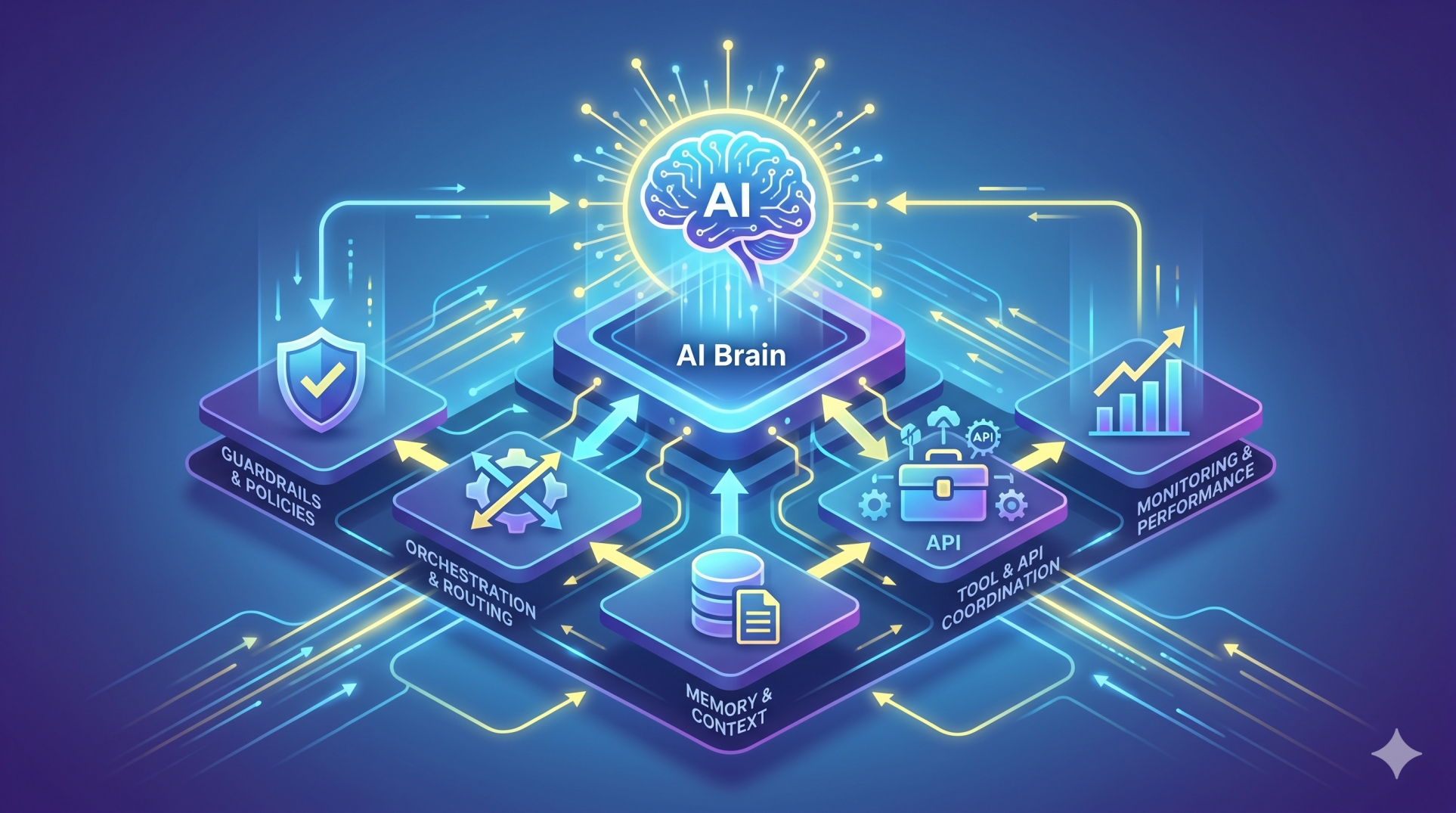
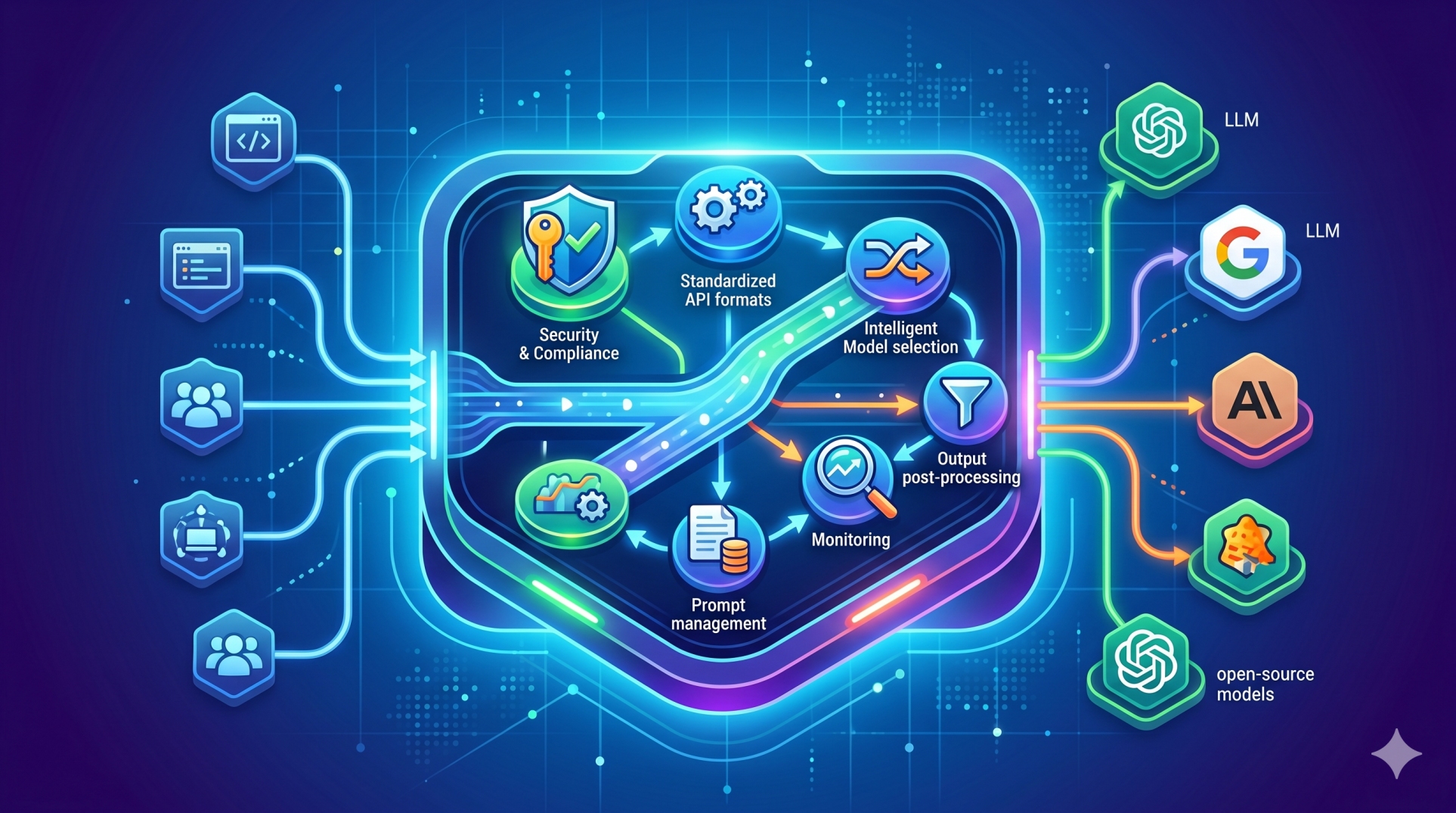
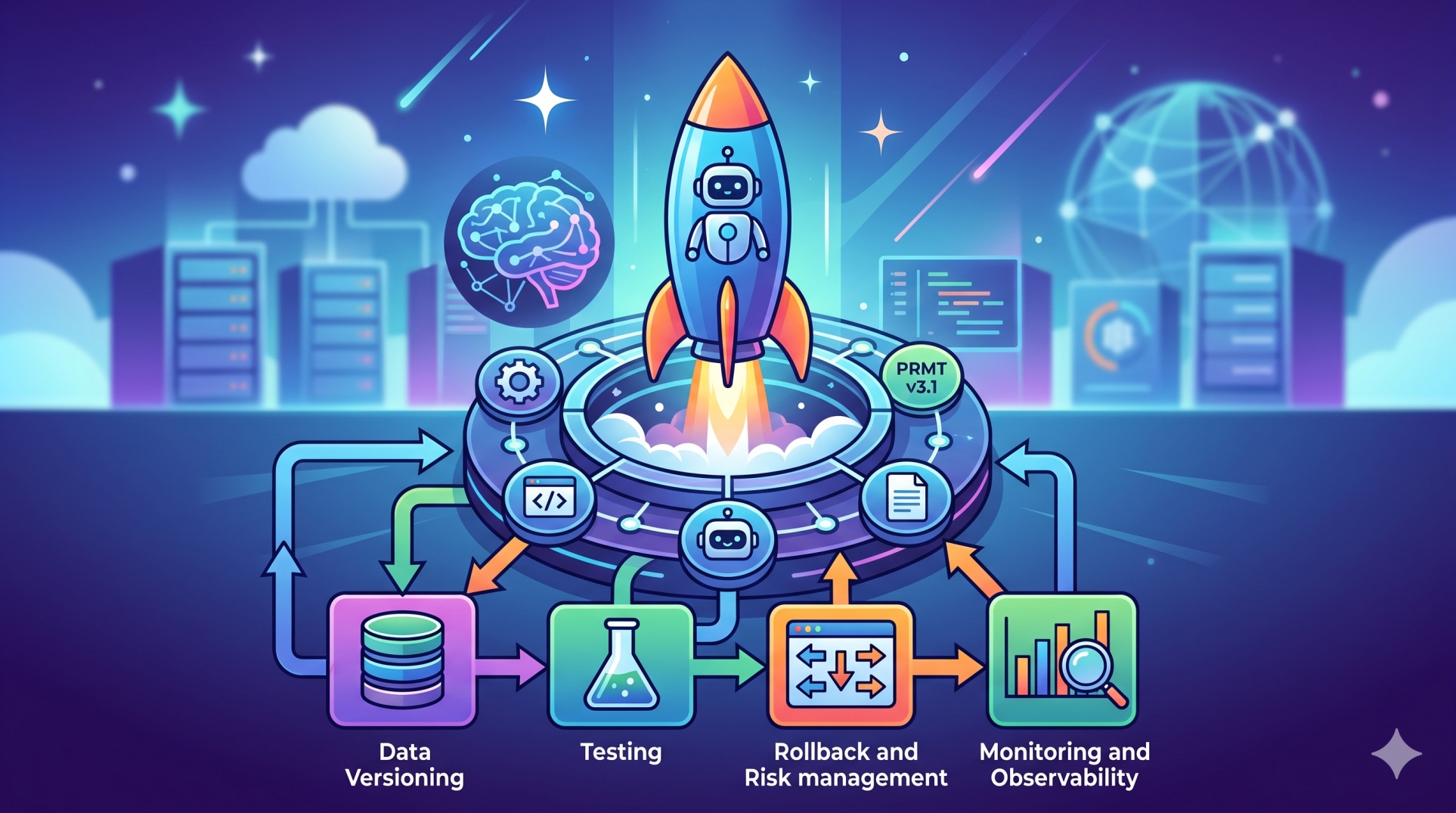
• Build modular pipelines that separate preprocessing, reasoning, and response formatting ⚙️
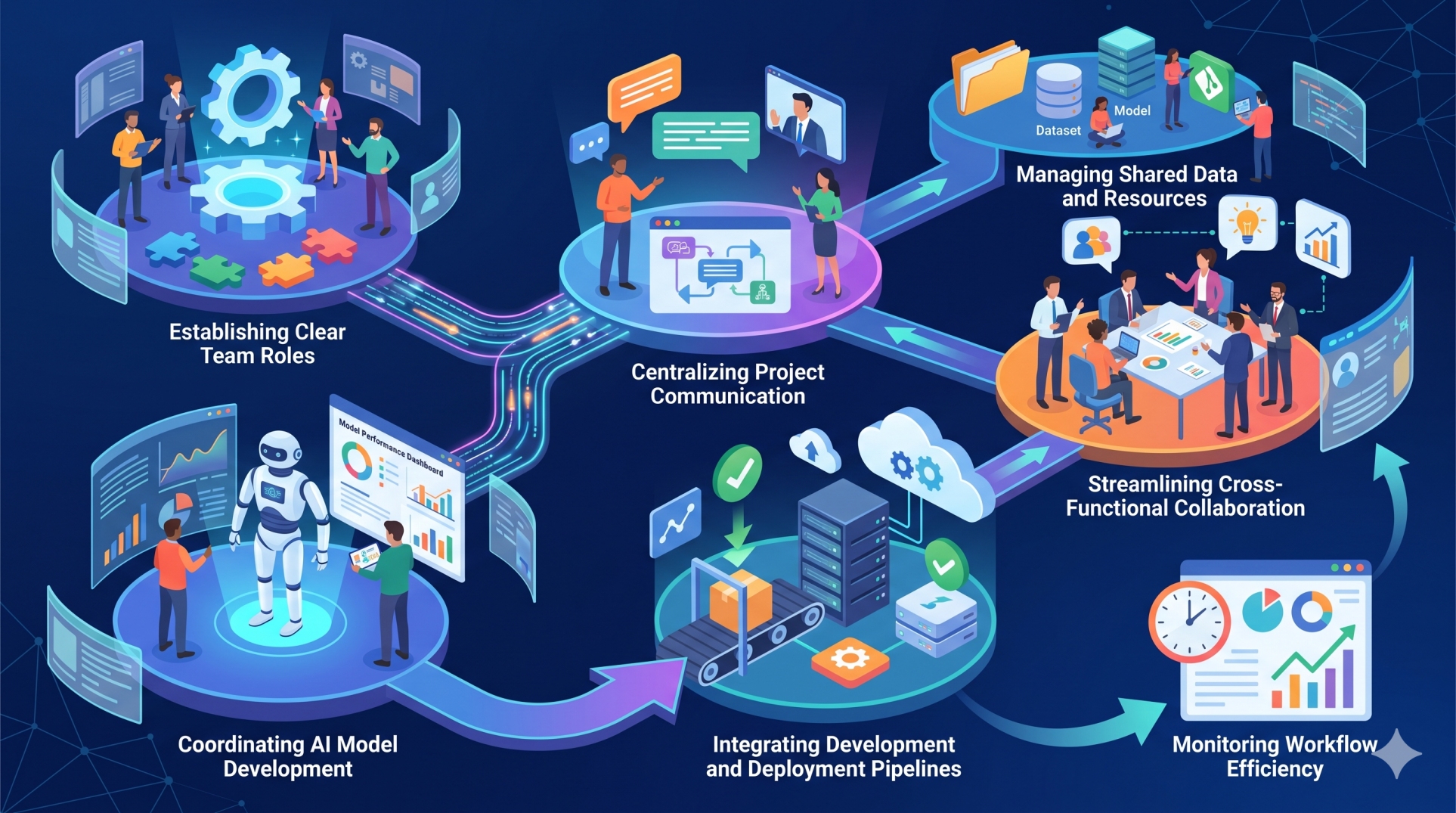
• Implement orchestration layers to manage multi-step workflows 🔄
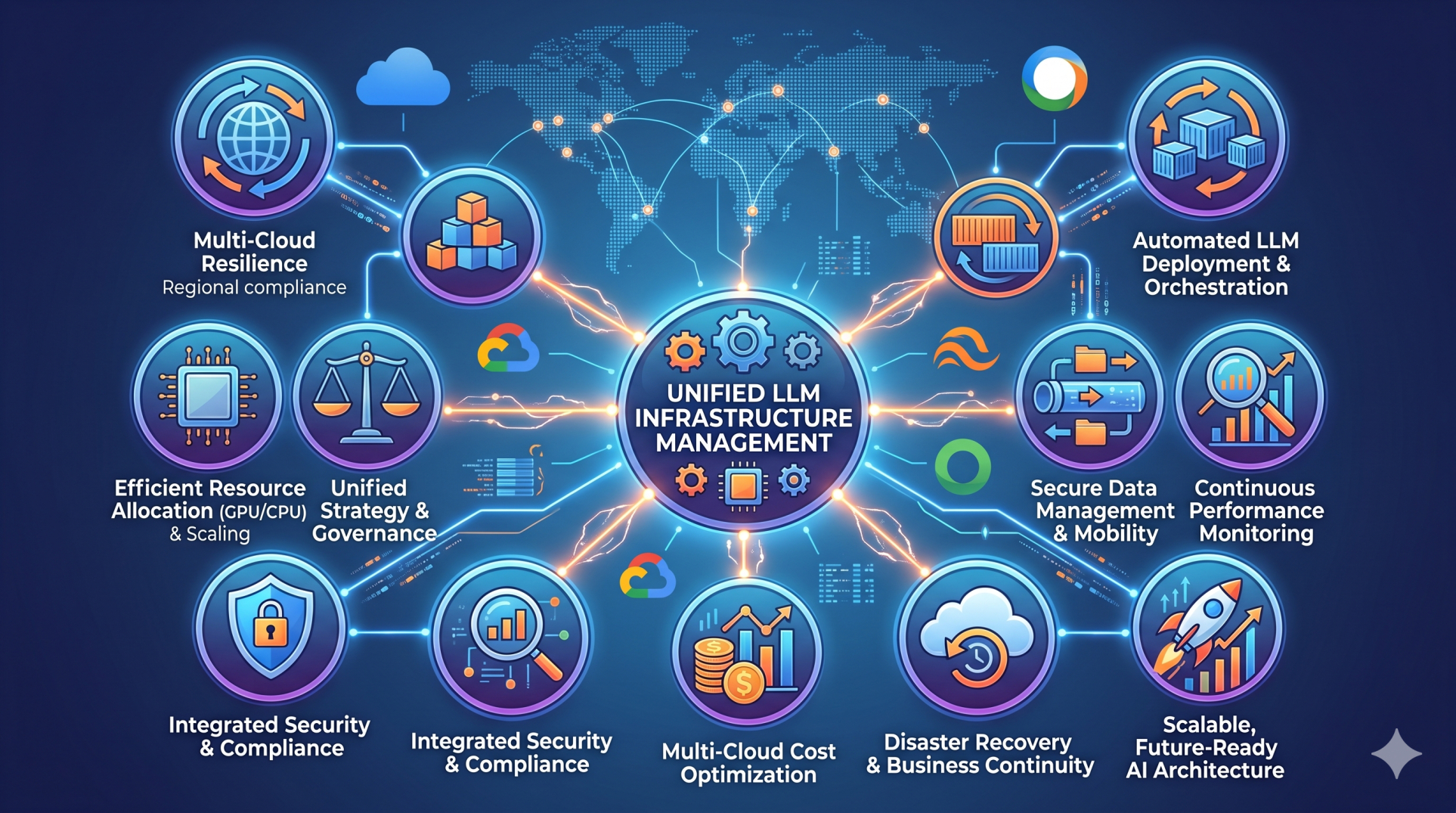
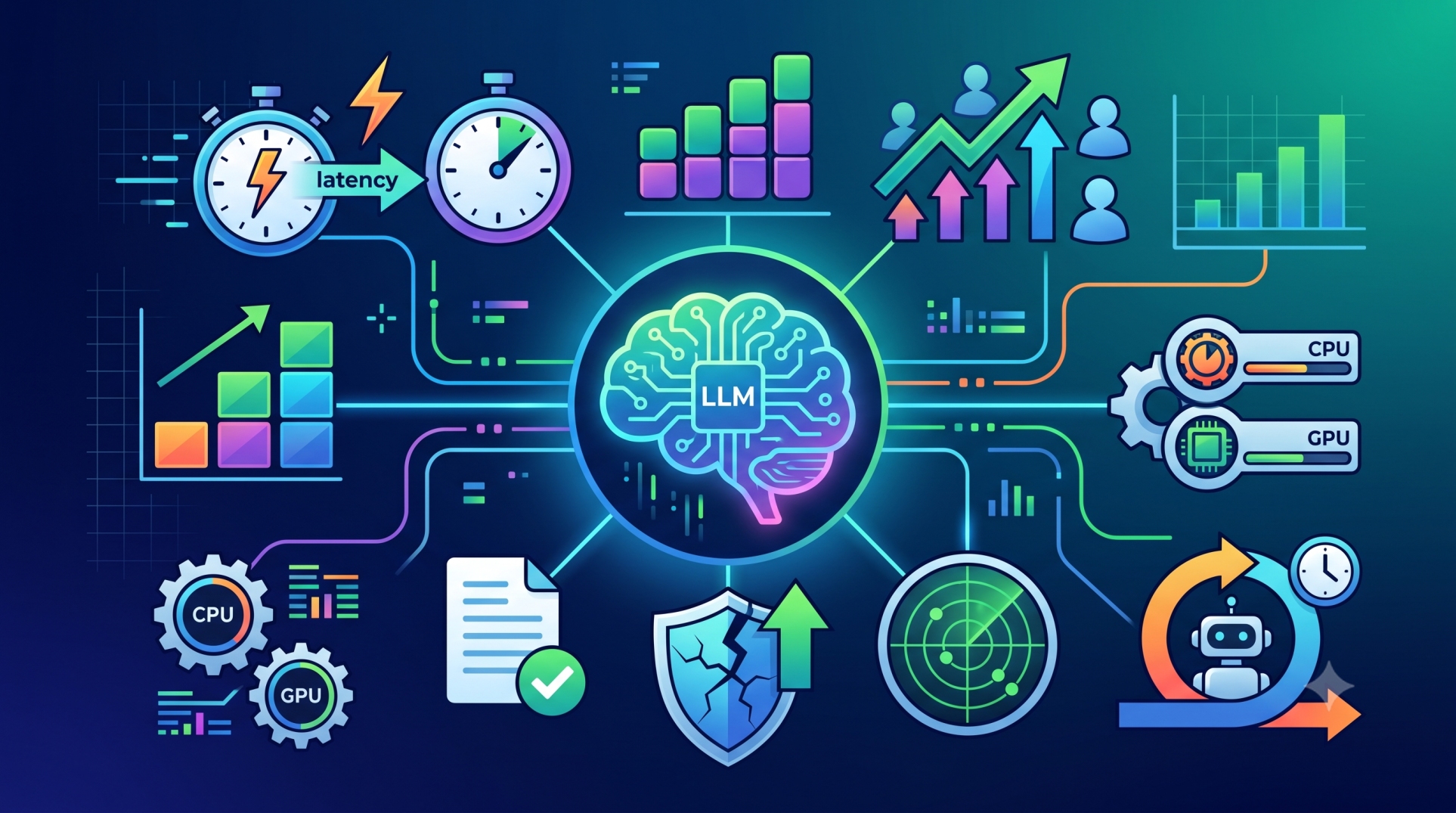
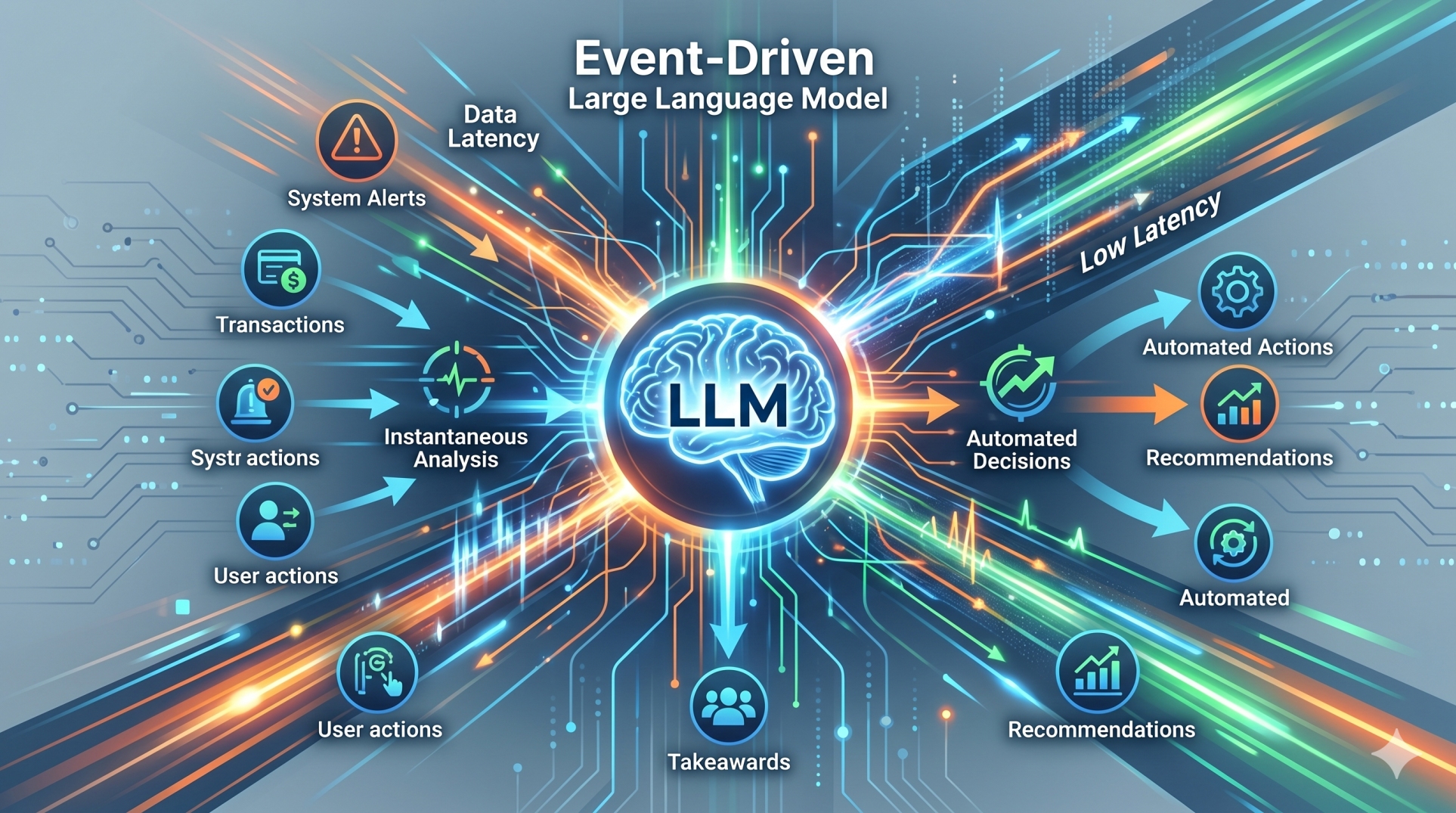
• Optimize infrastructure for latency, throughput, and cost efficiency ⏱️
• Ensure horizontal scalability under fluctuating demand 📈
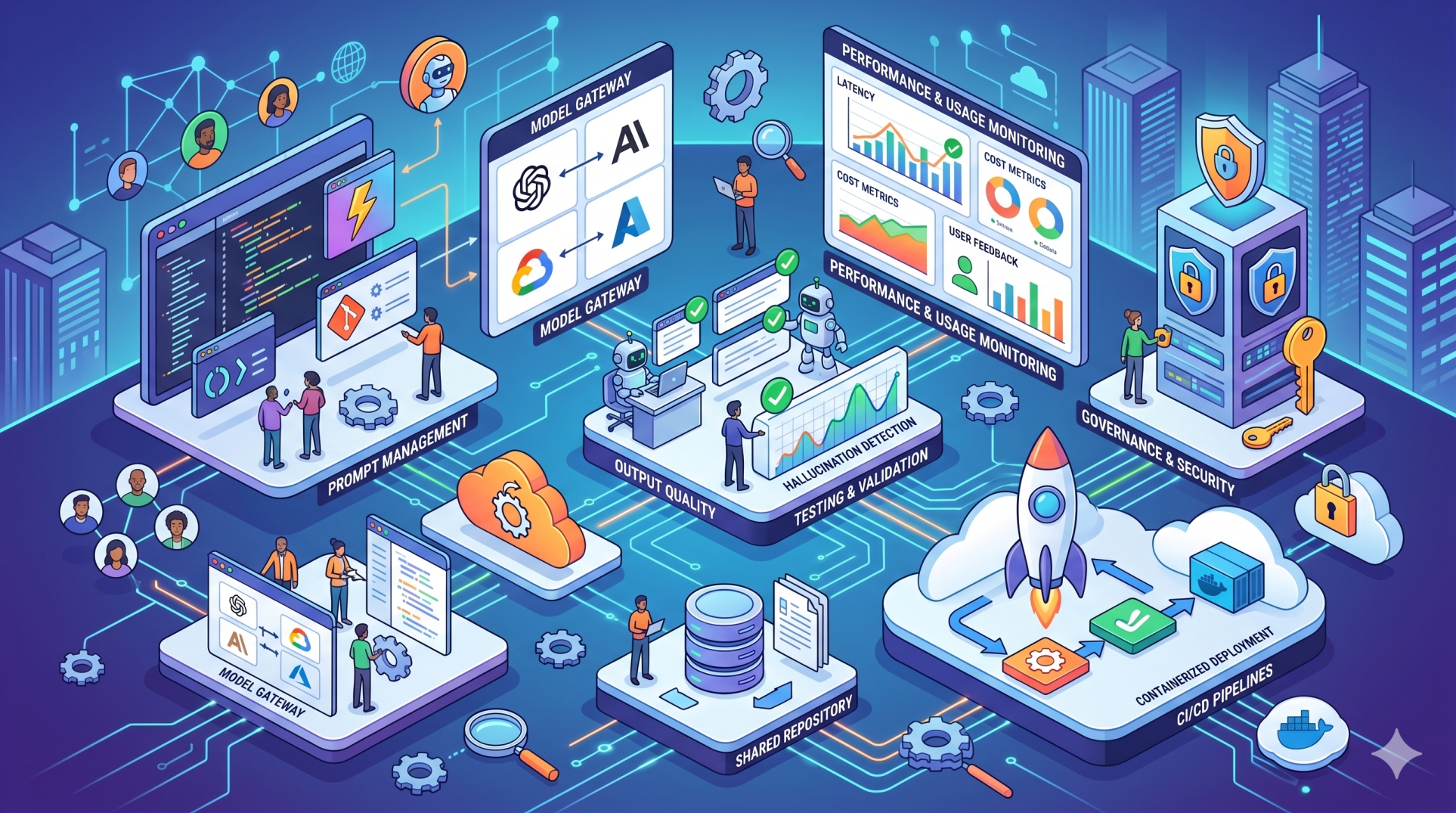
• Embed monitoring and observability across all system layers 👀
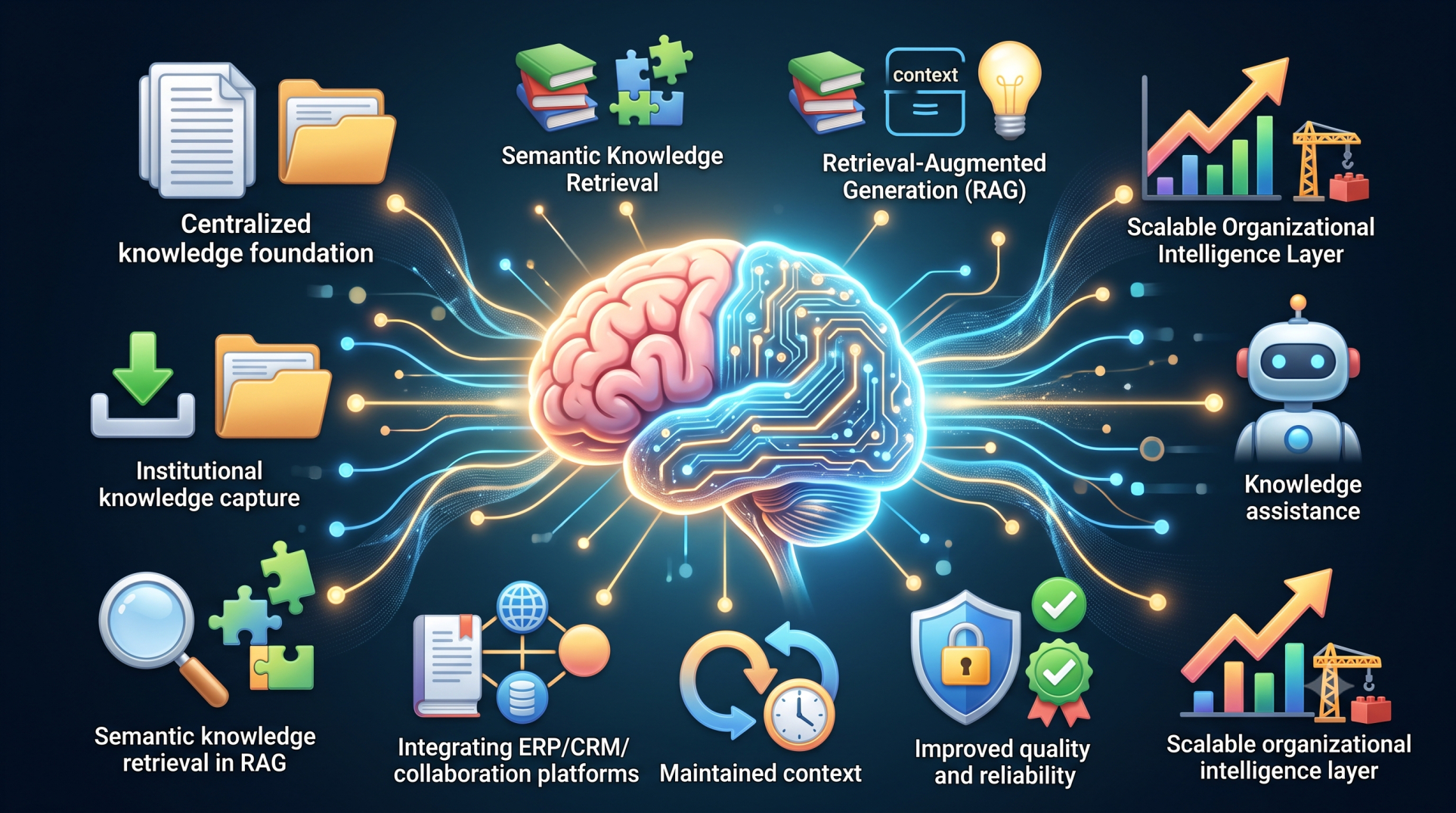
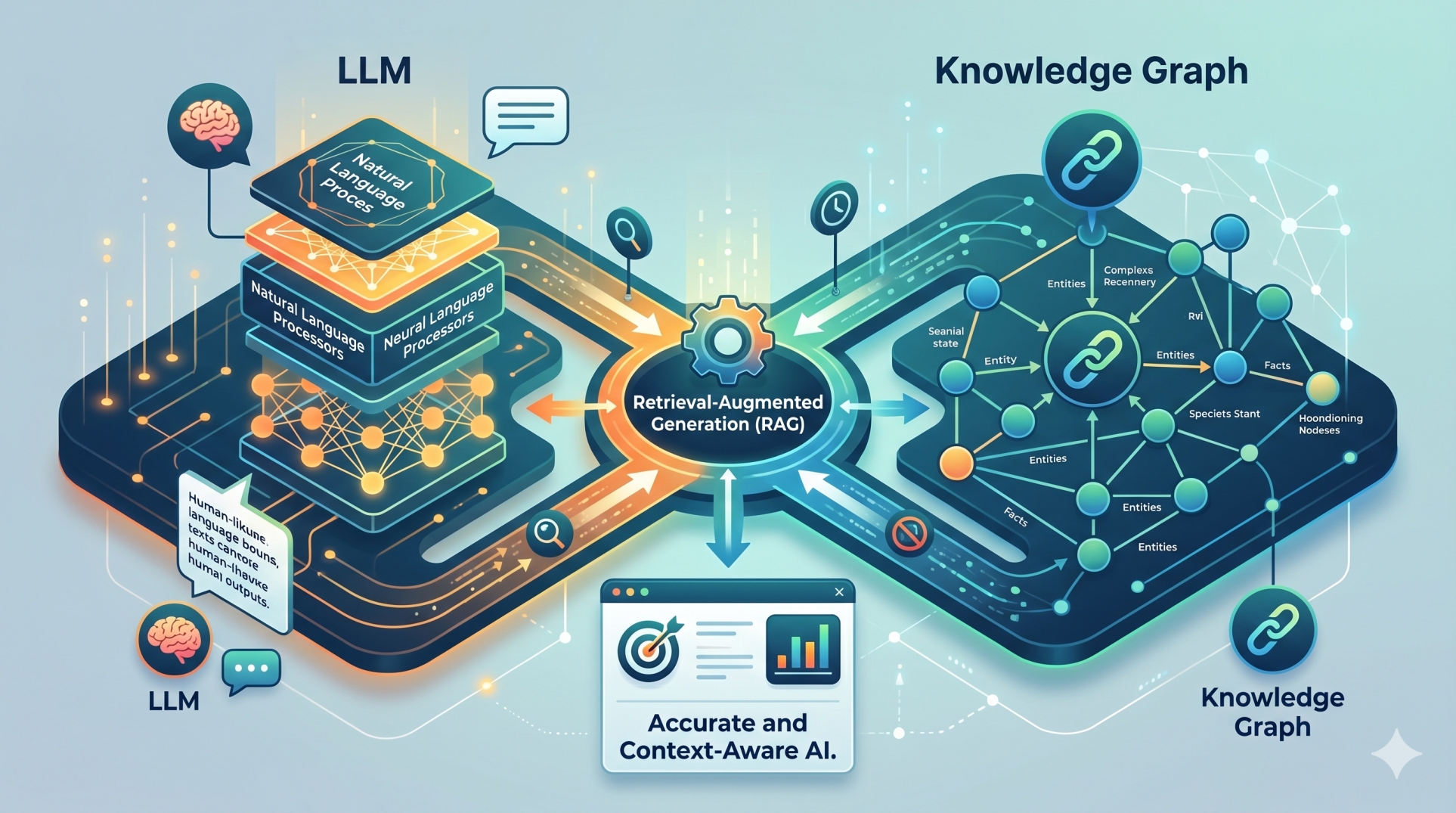
Step 2: Retrieval-Augmented Generation Optimization 🔍
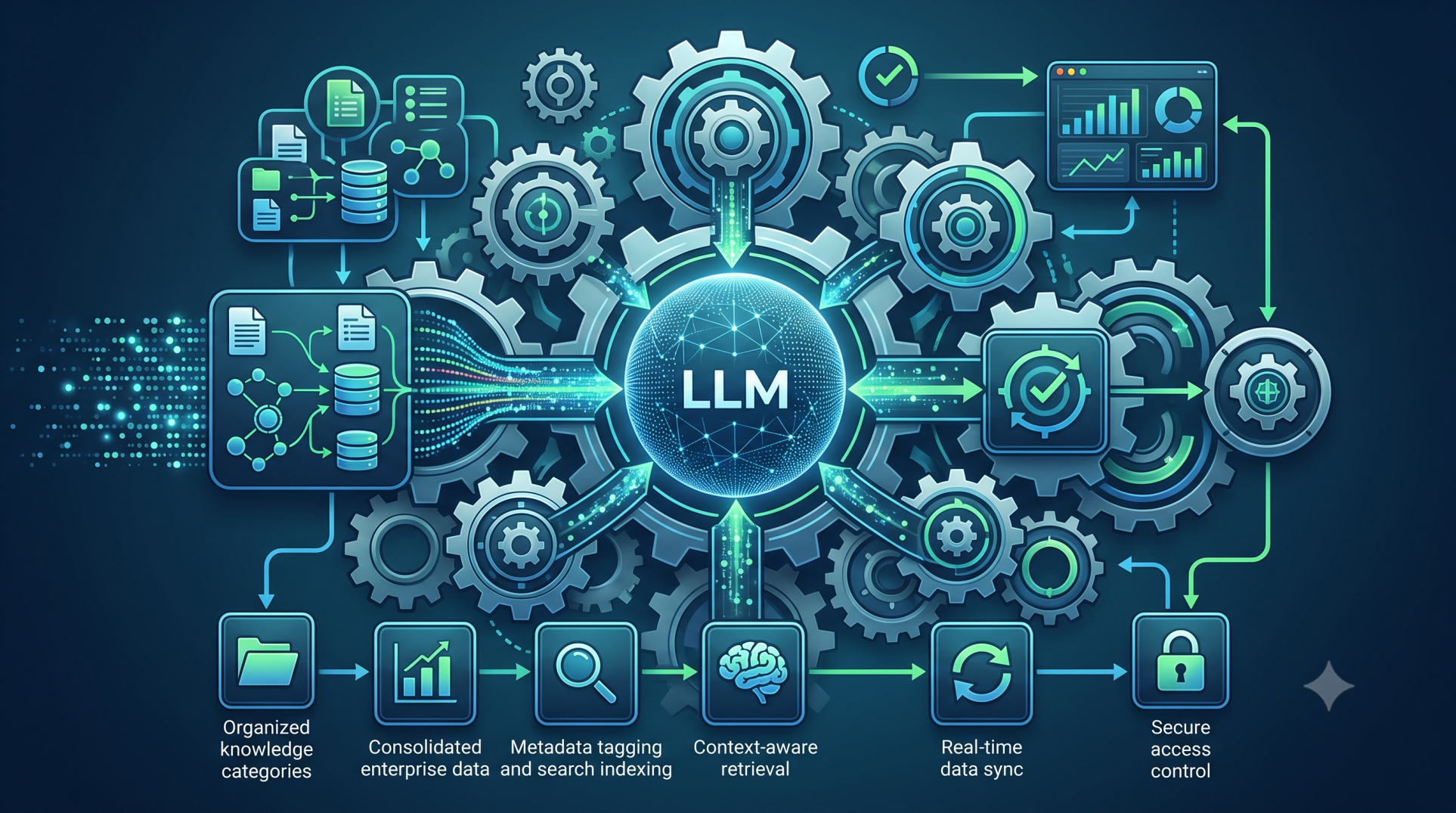
• Refine document indexing and embedding strategies 📚
• Improve retrieval relevance using hybrid search approaches 🔗
• Minimize hallucinations by grounding responses in trusted sources ✅
• Optimize chunking strategies to enhance contextual accuracy ✂️
• Continuously measure retrieval precision and coverage 📊
Step 3: Fine-Tuning and Domain Adaptation 🎯
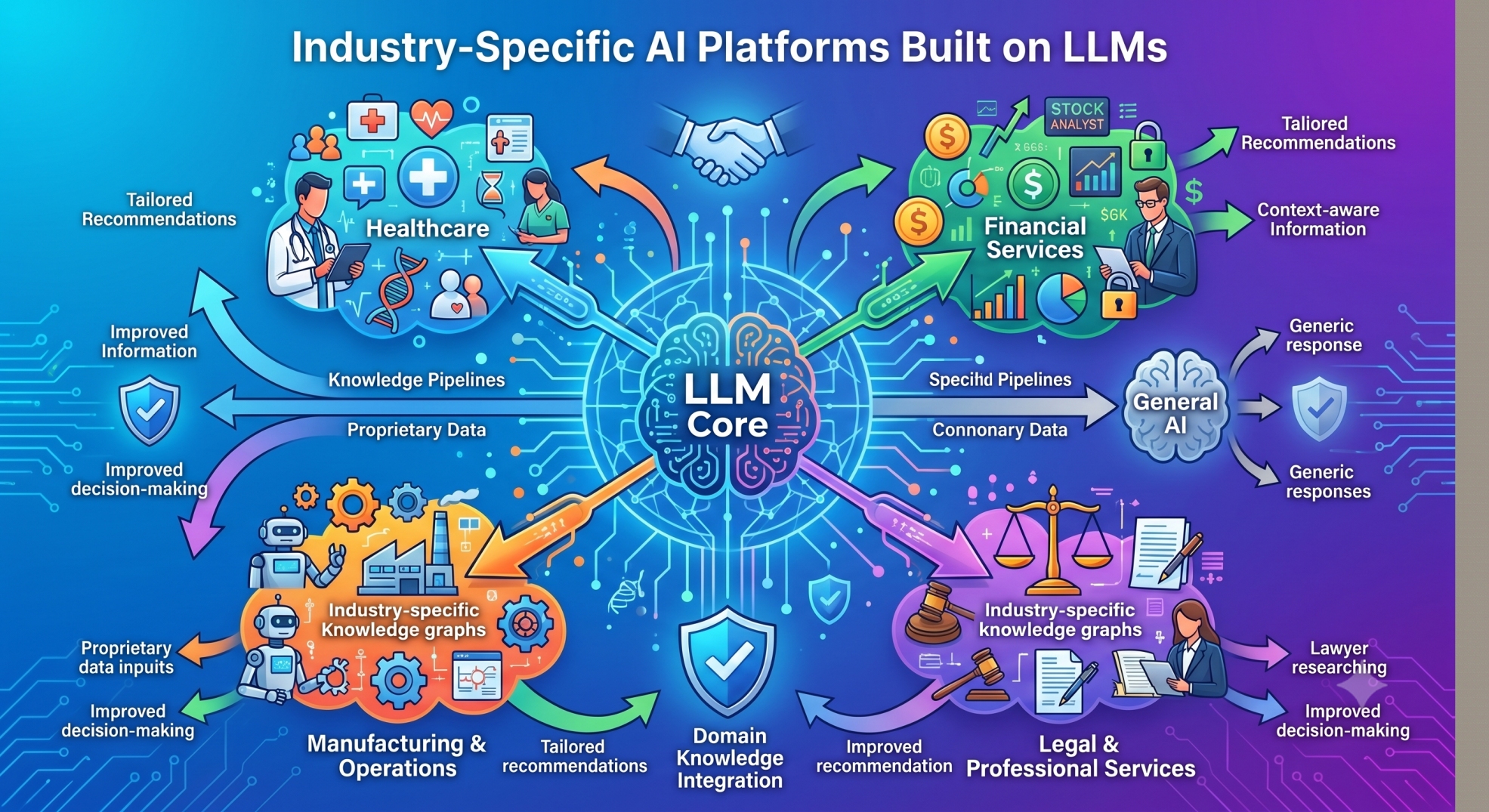
• Train models using industry-specific datasets 🧠
• Align outputs with domain terminology and operational workflows 📘
• Improve structured task consistency and reliability 📐
• Reduce variability in high-risk or regulated environments ⚖️
• Balance general reasoning capabilities with specialization ⚙️
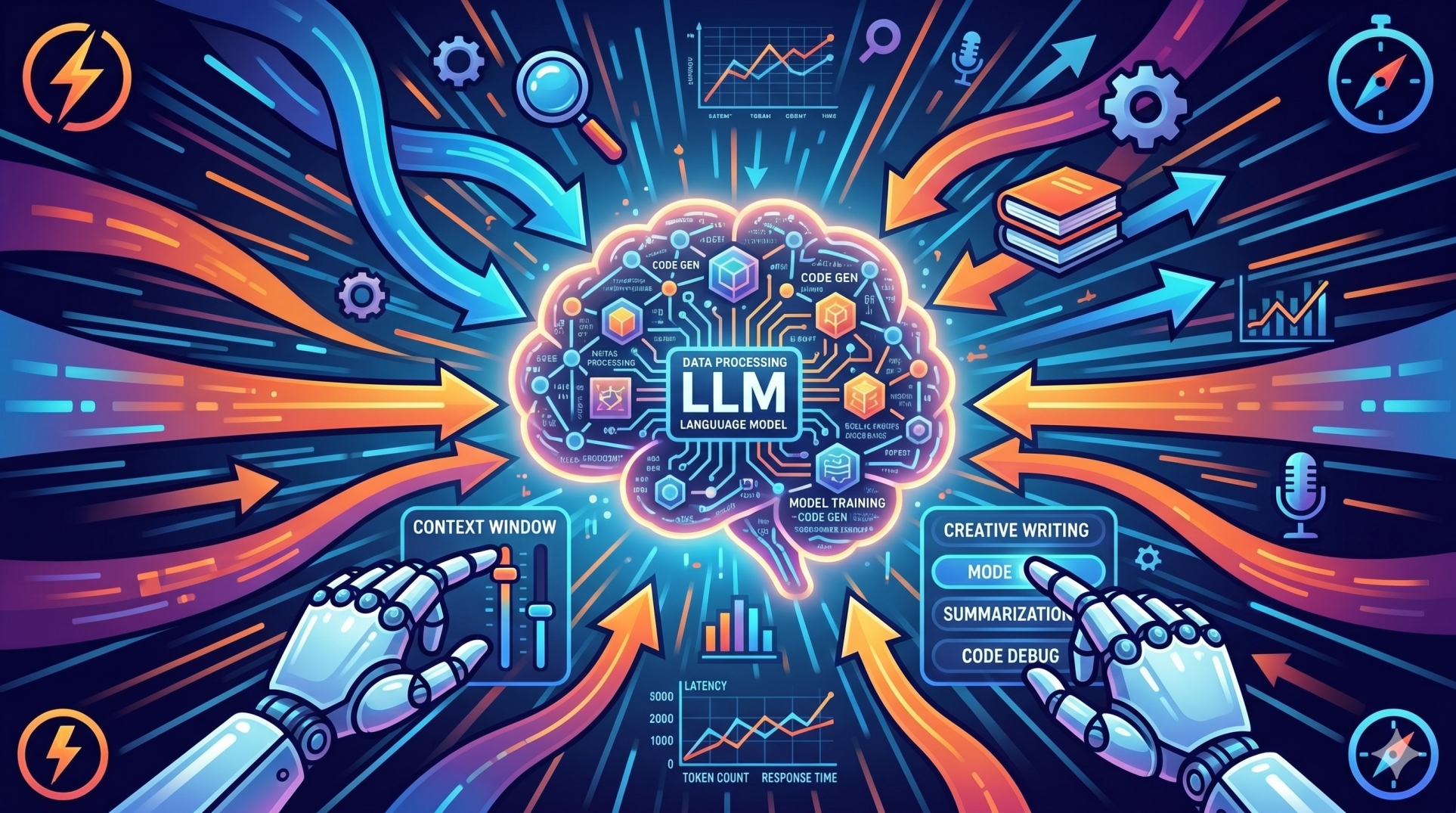
Step 4: Context Window and Memory Management 🧩
• Optimize token allocation for efficiency and cost control 💰
• Implement strategies for handling extended context windows 📖
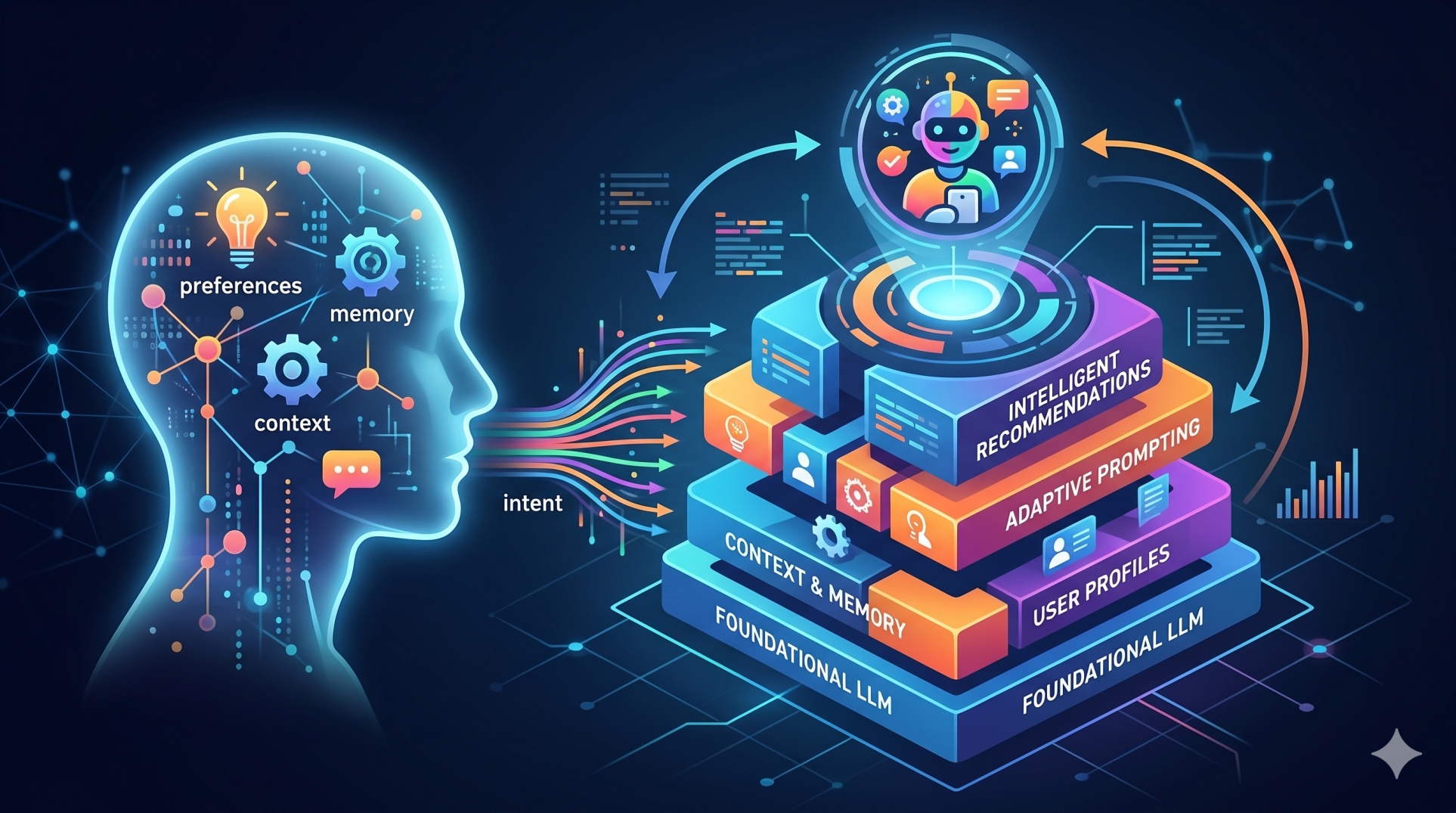
• Use memory layers for persistent conversational continuity 🔁
• Dynamically prioritize the most relevant contextual signals 🎯
• Reduce noise in complex multi-turn exchanges 🚫
Step 5: Evaluation and Feedback Loops 📊
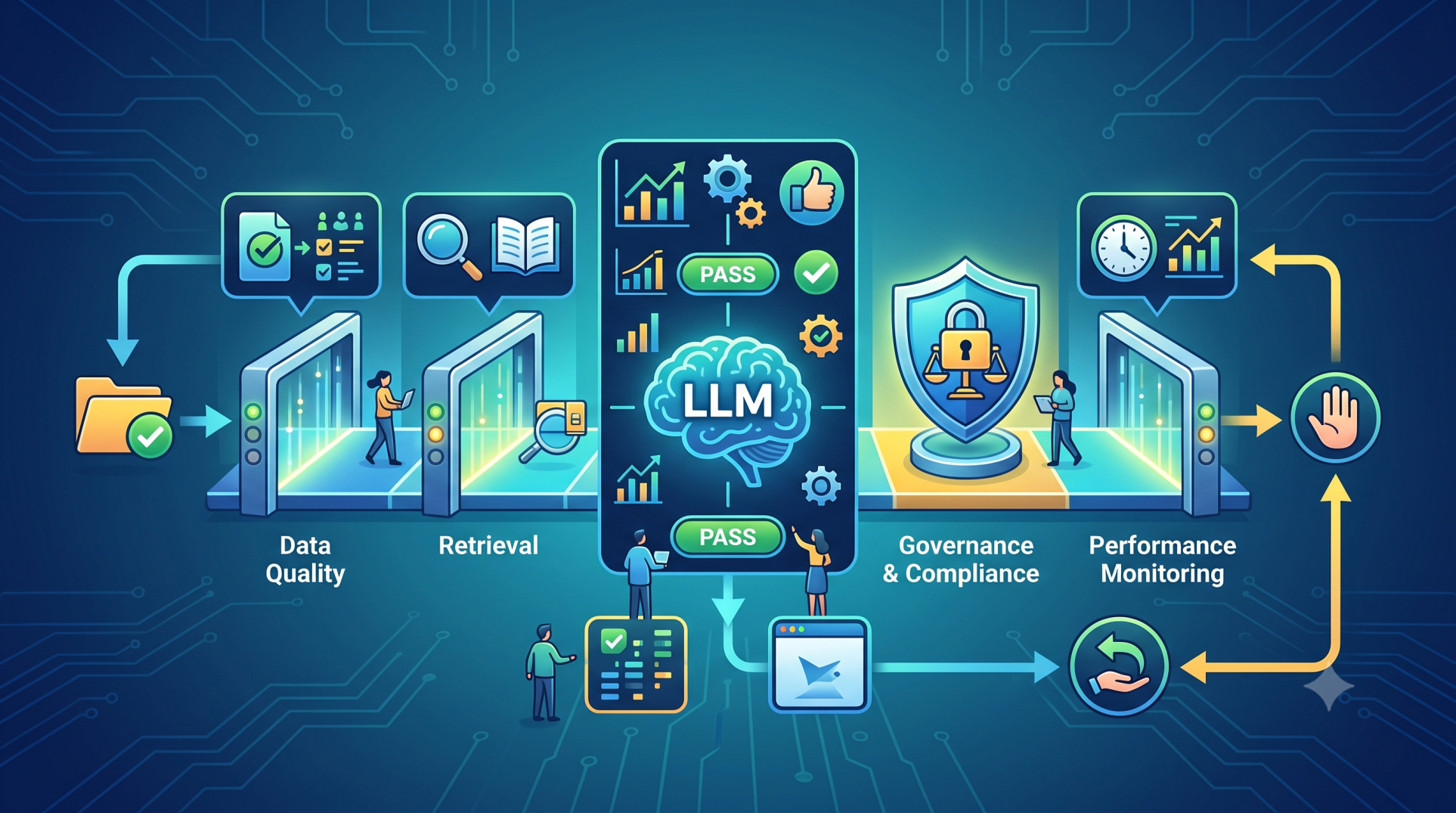
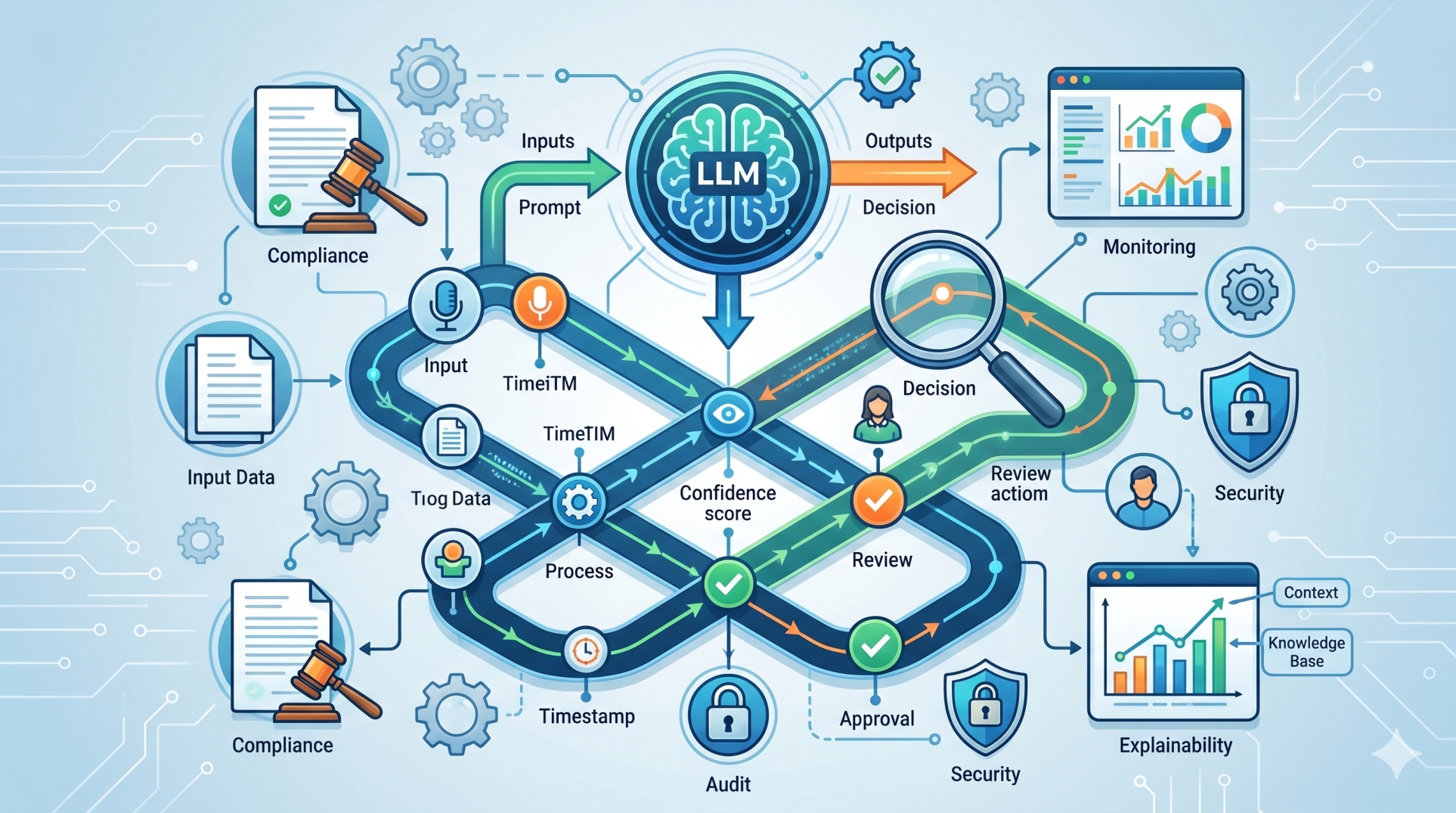
• Deploy continuous offline and real-time evaluation pipelines 🔄
• Track quality, safety, and factual integrity consistently ✔️
• Integrate structured human review processes 👥
• Leverage automated scoring for faster iteration ⚡
• Detect regressions early using threshold-based alert systems 🚨
Step 6: Latency and Cost Optimization ⚡
• Select model sizes appropriate to task complexity 🧠
• Implement intelligent caching for recurring queries ♻️
• Use batching and parallelization when feasible 🔄
• Optimize API calls and token consumption 📉
• Balance performance improvements with infrastructure cost constraints 💡
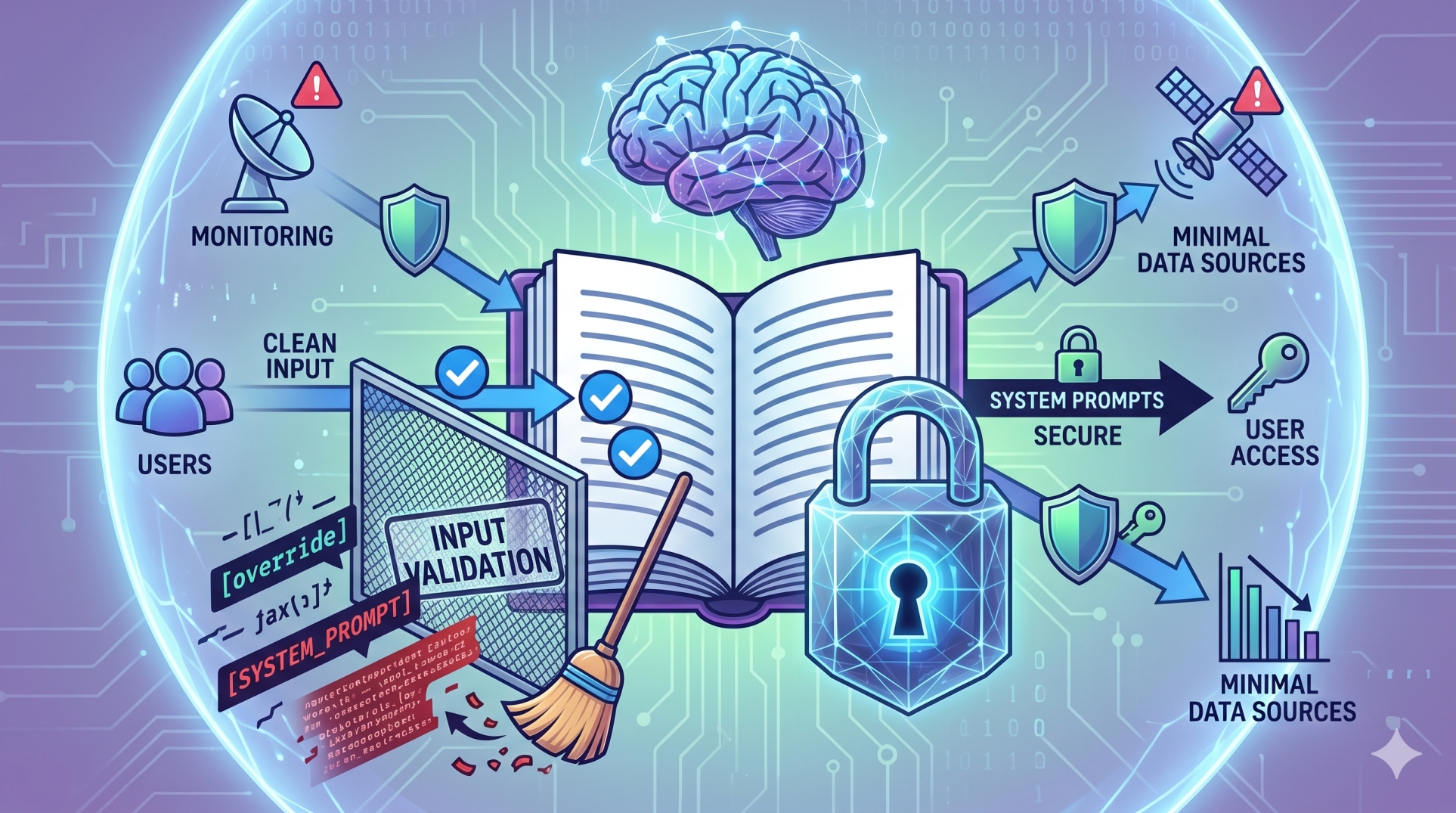
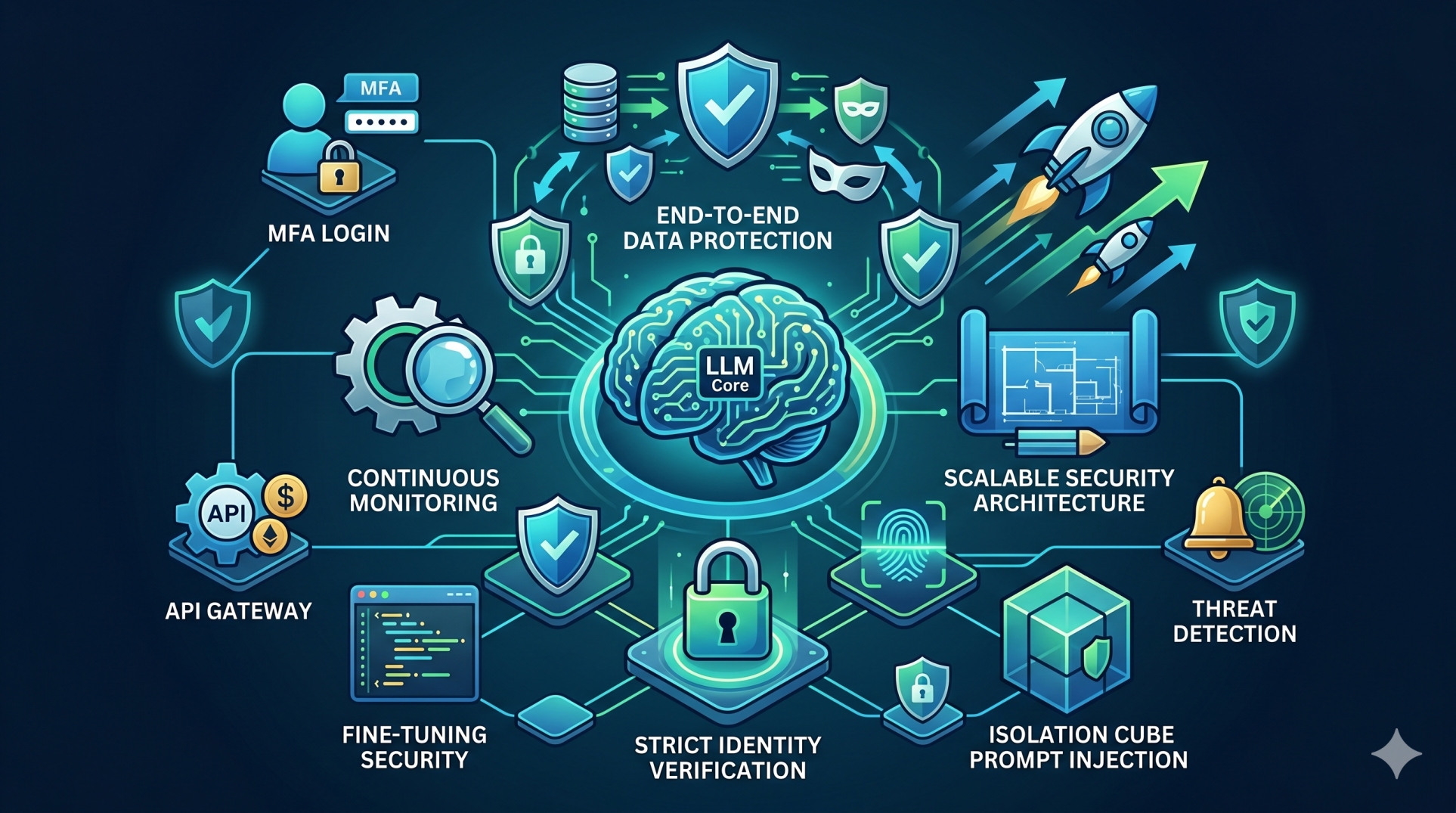
Step 7: Safety, Alignment, and Guardrails 🛡️
• Enforce policy controls within the application layer 📜
• Detect and filter unsafe or non-compliant responses 🚫
• Implement validation layers before output delivery 🔎
• Apply role-based constraints for enterprise environments 🏢
• Continuously refine safeguards based on real-world usage patterns 🔁
Step 8: Strategic Performance Levers 🚀
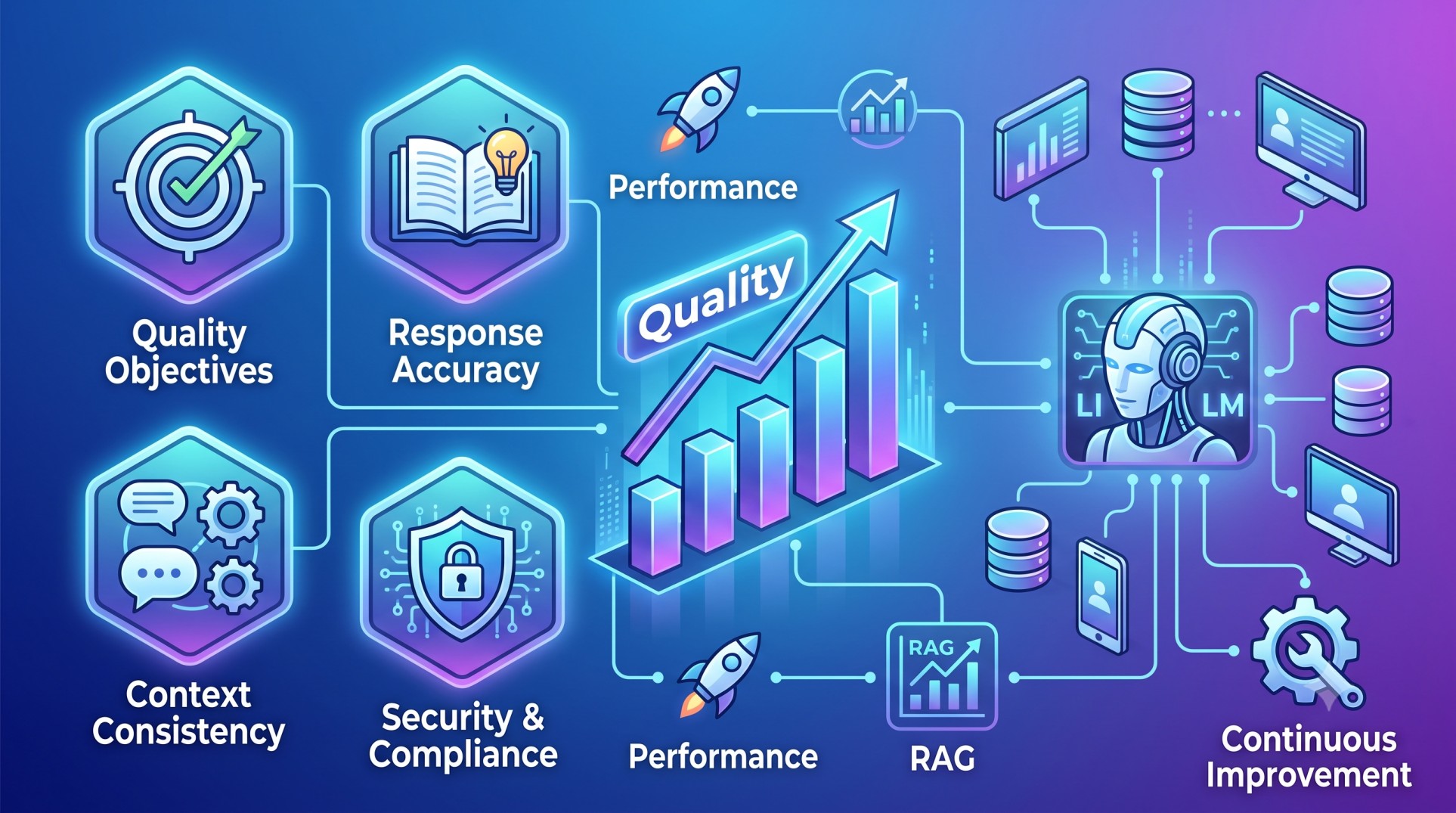
• Tie LLM outputs directly to measurable business objectives 🎯
• Prioritize consistency and reliability over experimental enhancements 📈
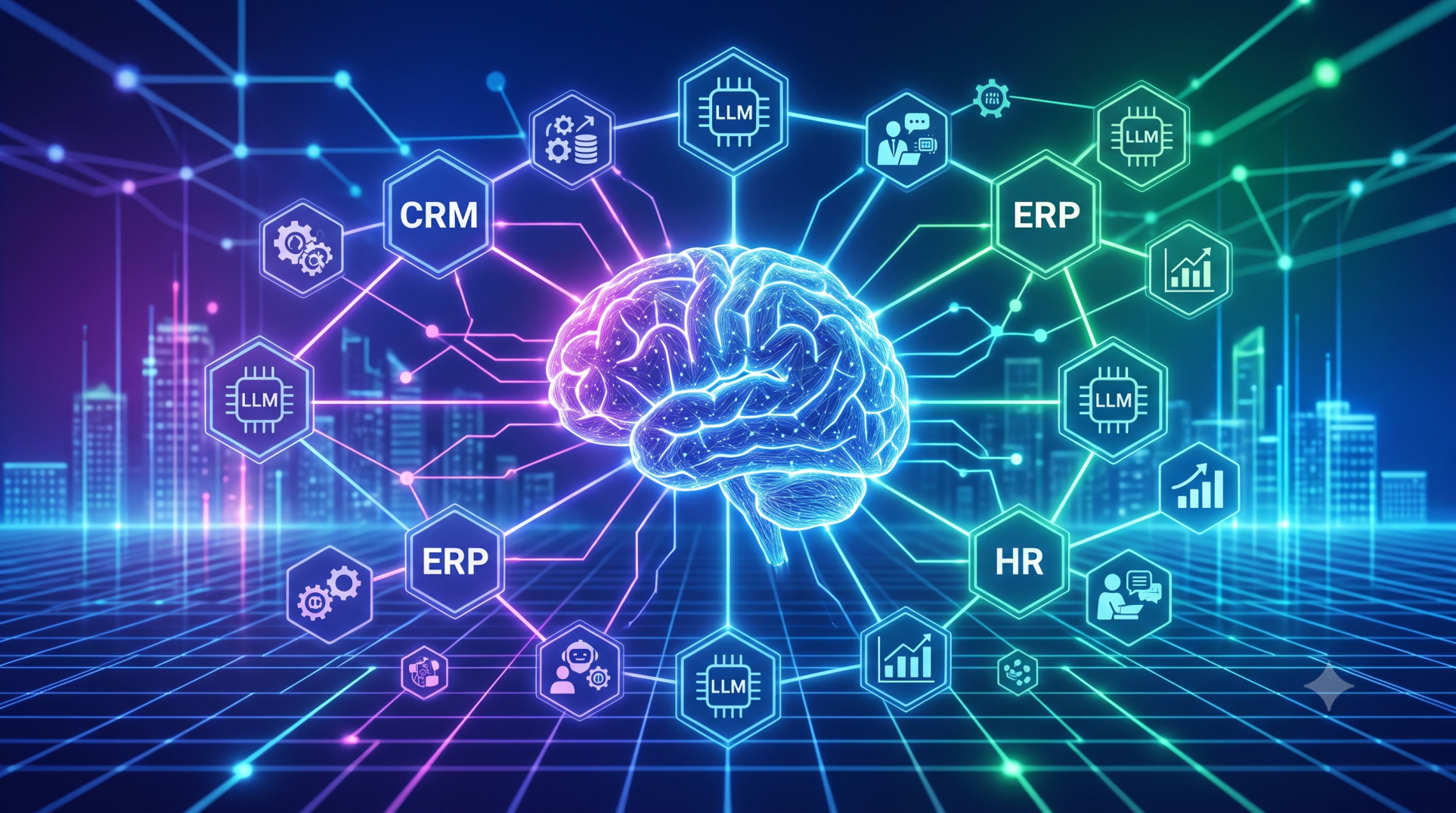
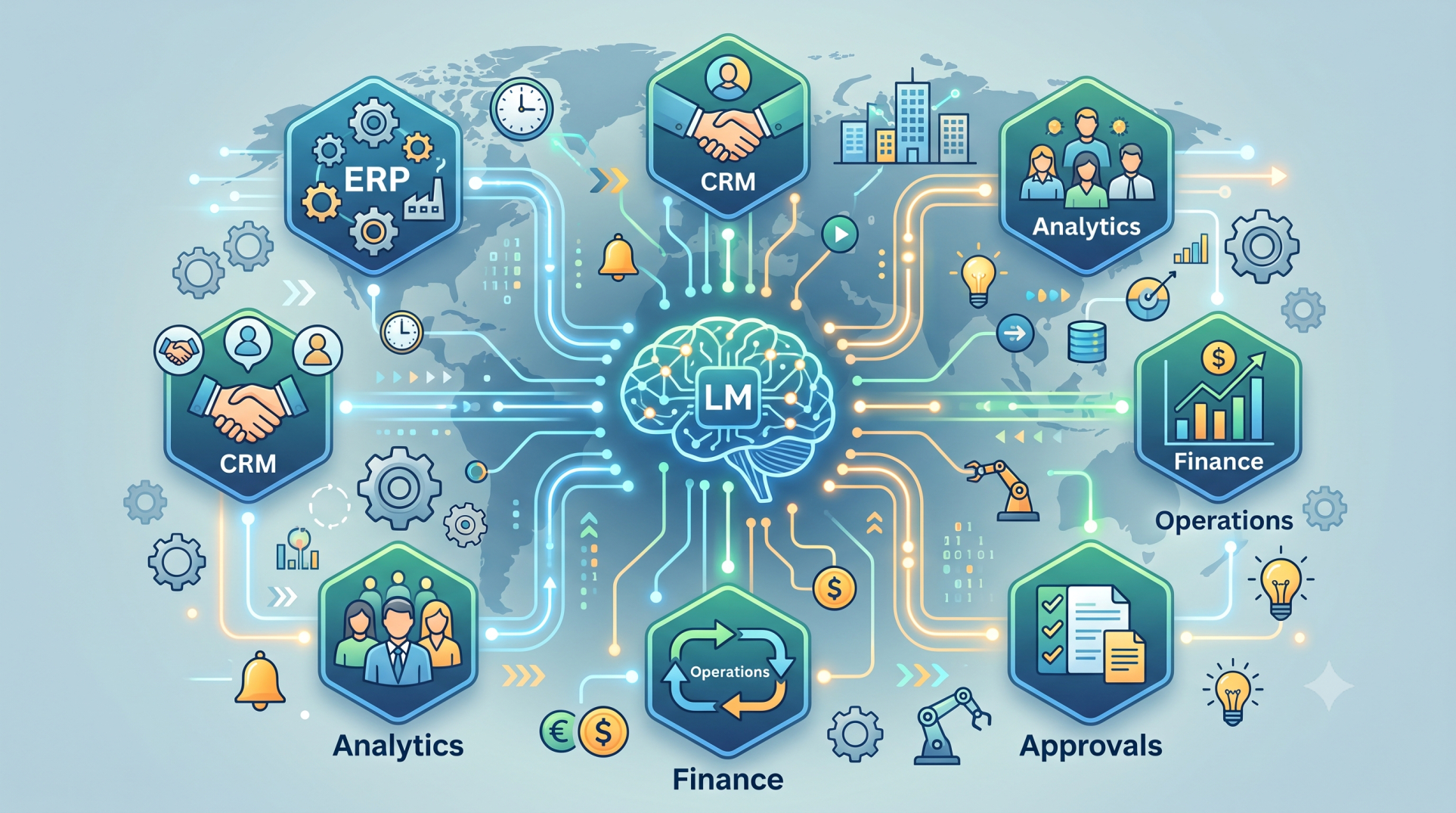
• Embed LLM workflows into core operational systems ⚙️
• Measure optimization success through defined business KPIs 📊
Step 9: Data Quality and Continuous Improvement 🔄
• Maintain clean, version-controlled, and well-structured datasets 🗂️
• Identify recurring production failure patterns 🔍
• Refine prompts, retrieval, and fine-tuning using data-driven insights 📈
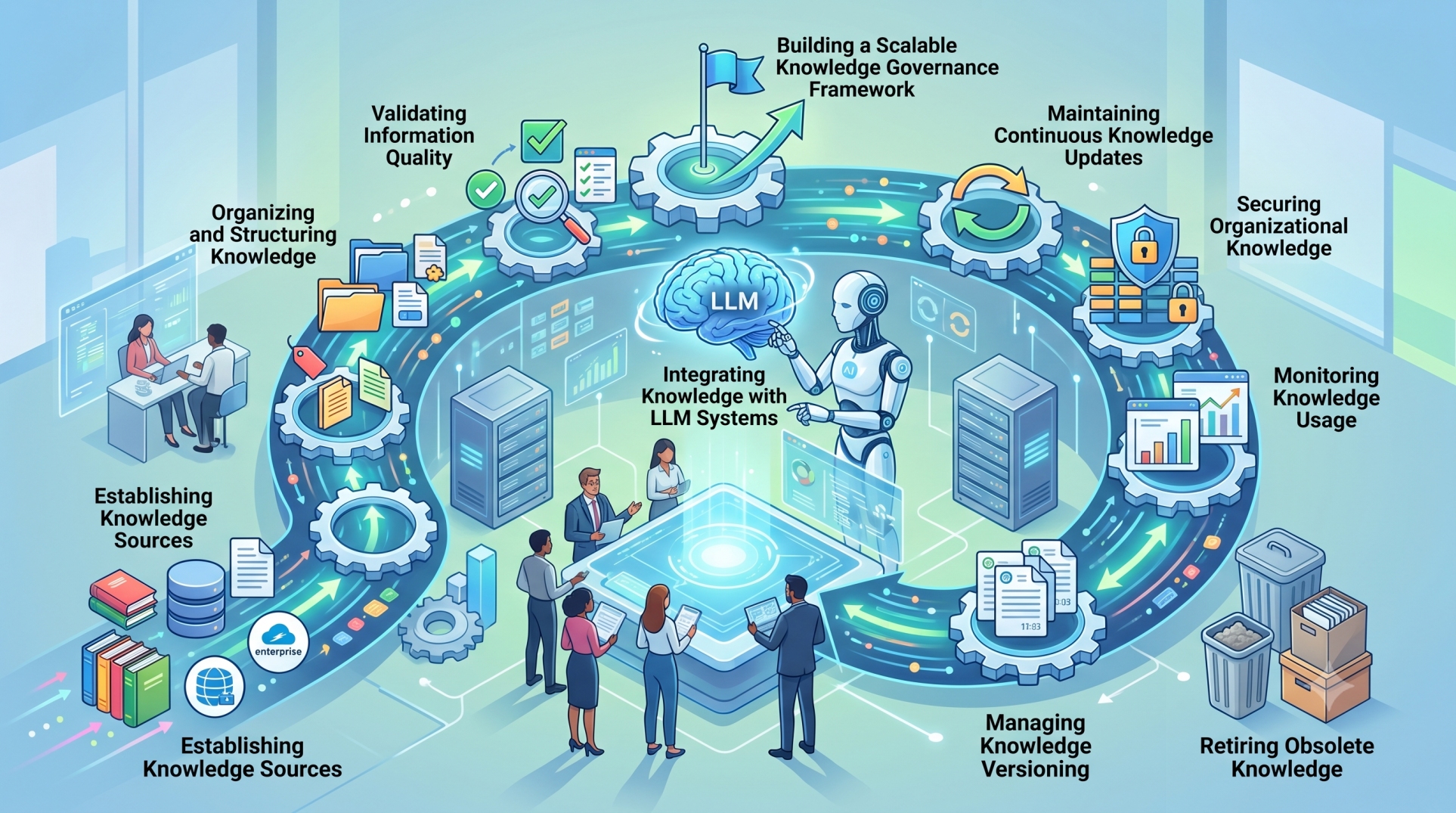
• Establish governance standards for training and evaluation data 🏛️
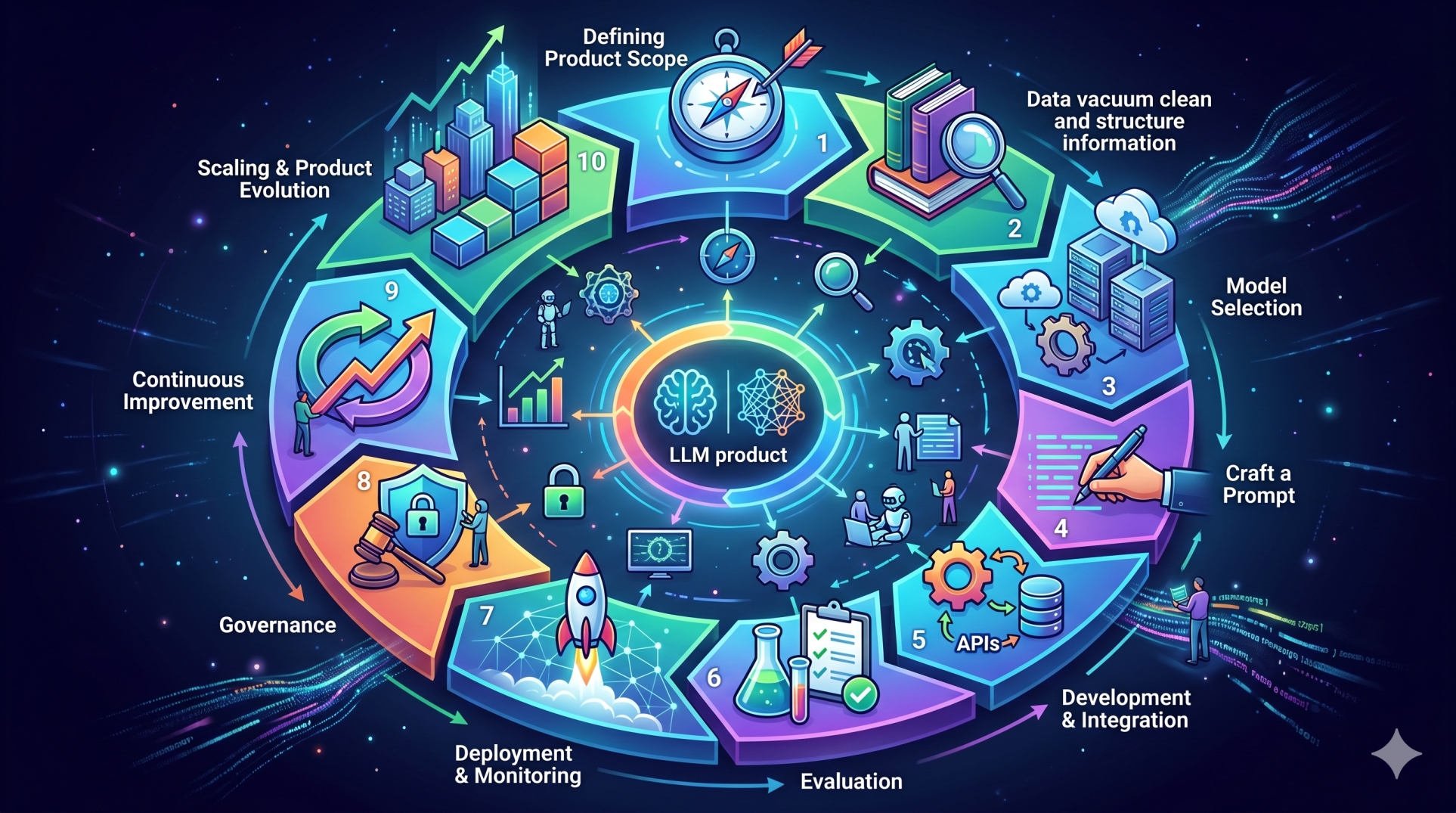
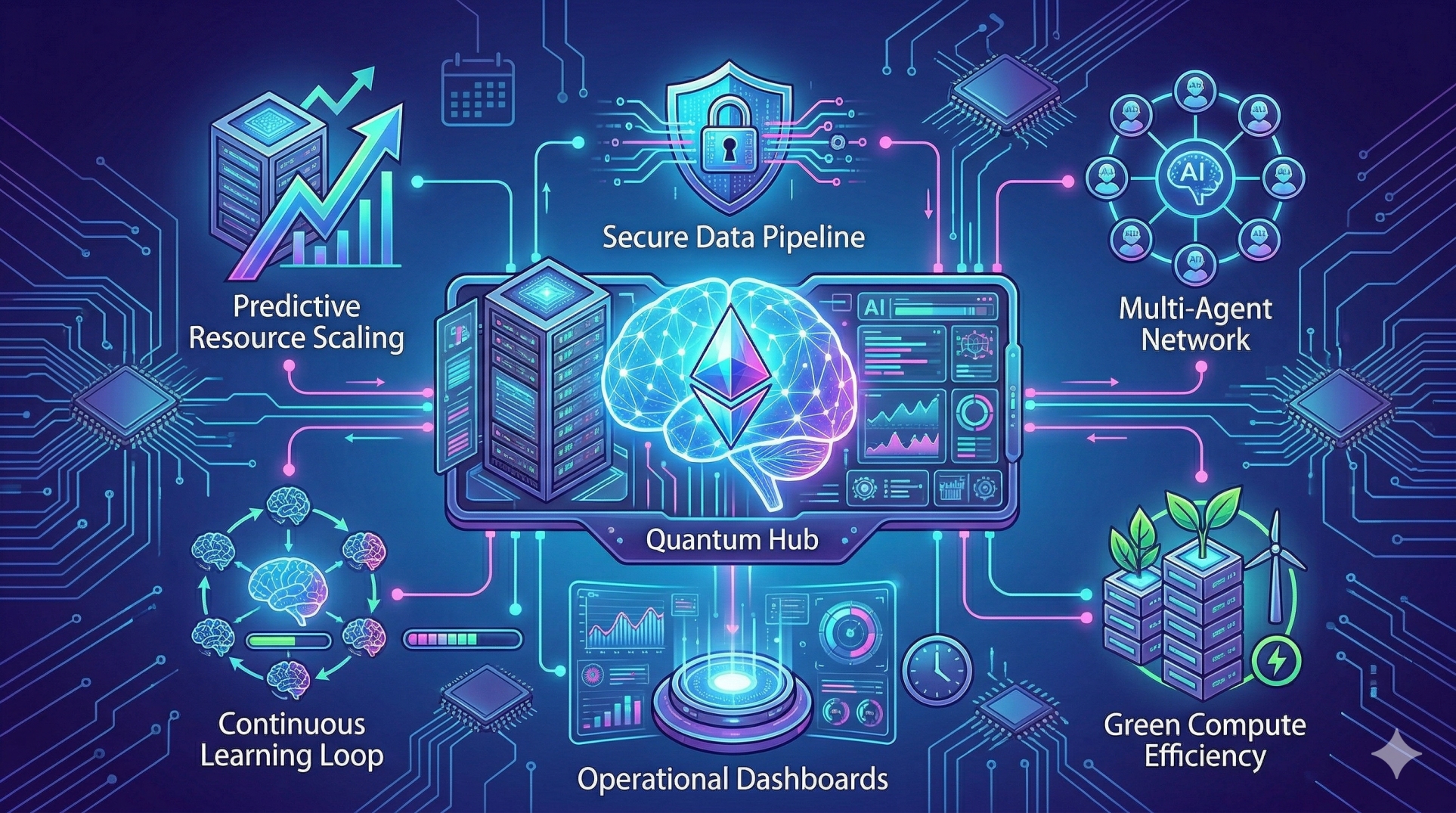
• Treat optimization as a continuous lifecycle discipline ♻️
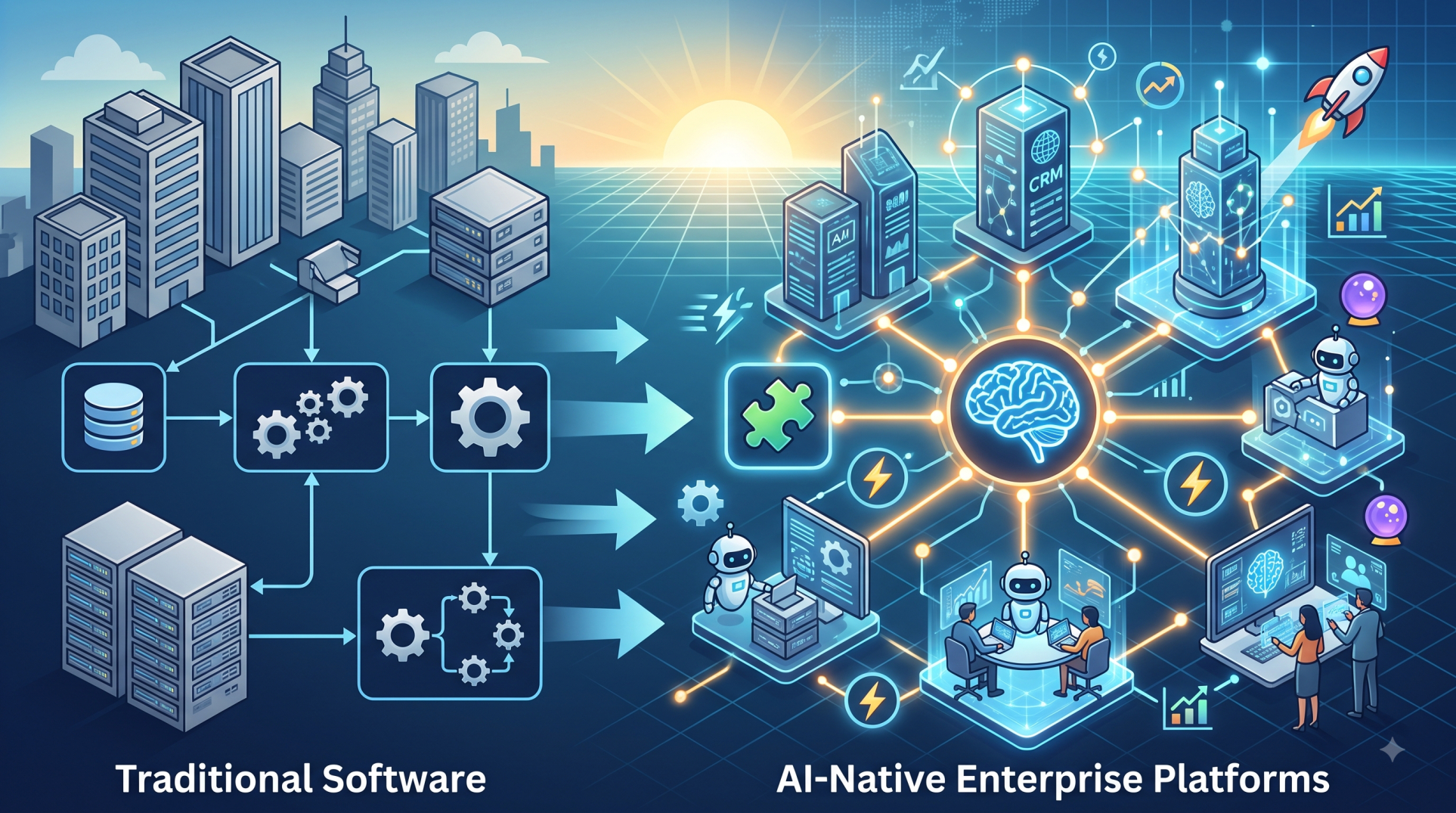
Step 10: From Model Optimization to System Optimization 🏢
• Shift focus from prompt refinement to holistic system architecture 🧠
• Coordinate improvements across models, infrastructure, and workflows 🔗
• Enable scalability across departments and business units 📊
• Build resilience to evolving user demands and complexity 🌐
• Transform LLM deployments into stable enterprise-grade platforms 🏗️
Conclusion
Optimizing LLM software requires far more than refining prompts. While prompt engineering remains valuable, durable performance improvements stem from architectural discipline, data quality, evaluation rigor, and system-level integration. Organizations that take a holistic optimization approach can build scalable, reliable, and strategically impactful AI systems capable of delivering sustained business value.
See more blogs
You can all the articles below