Machine Learning and Deep Learning: A Practical Guide for Modern AI Systems
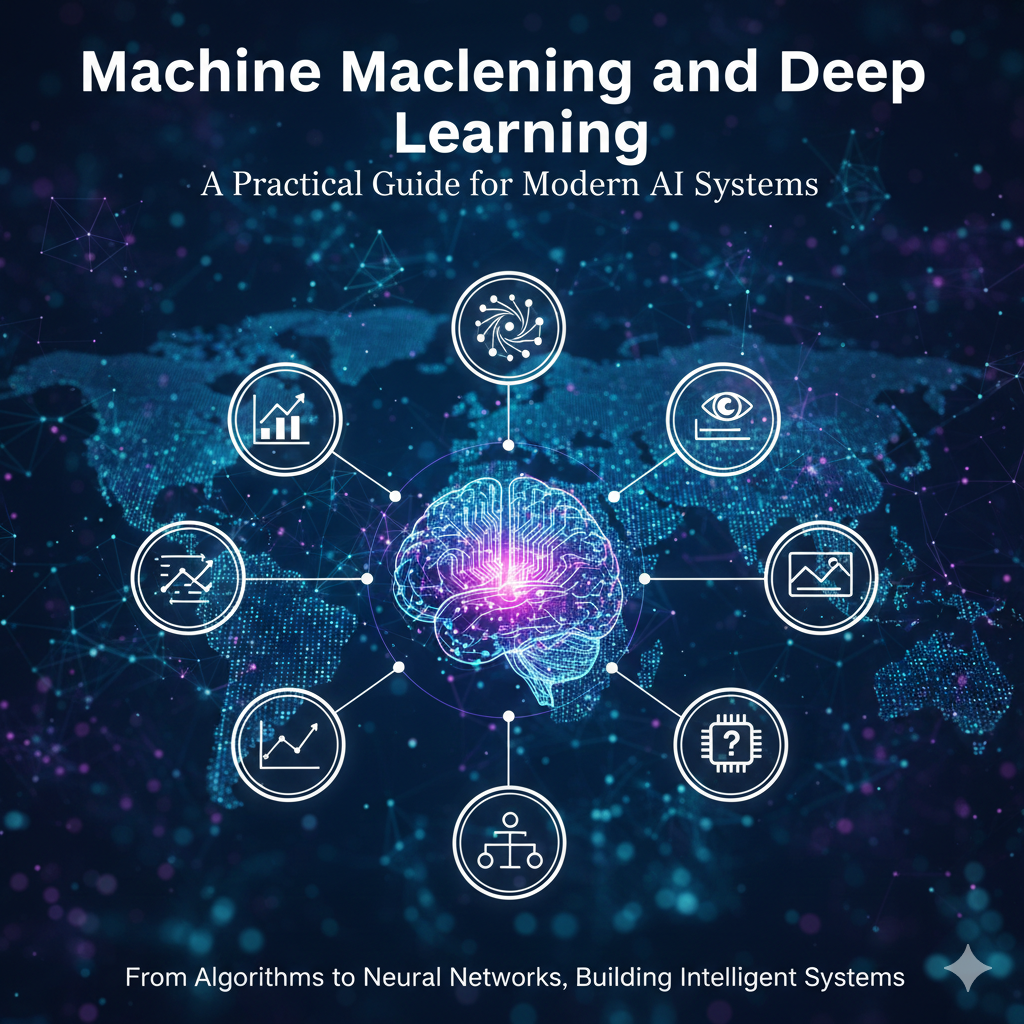
Machine Learning and Deep Learning: A Practical Guide for Modern AI Systems
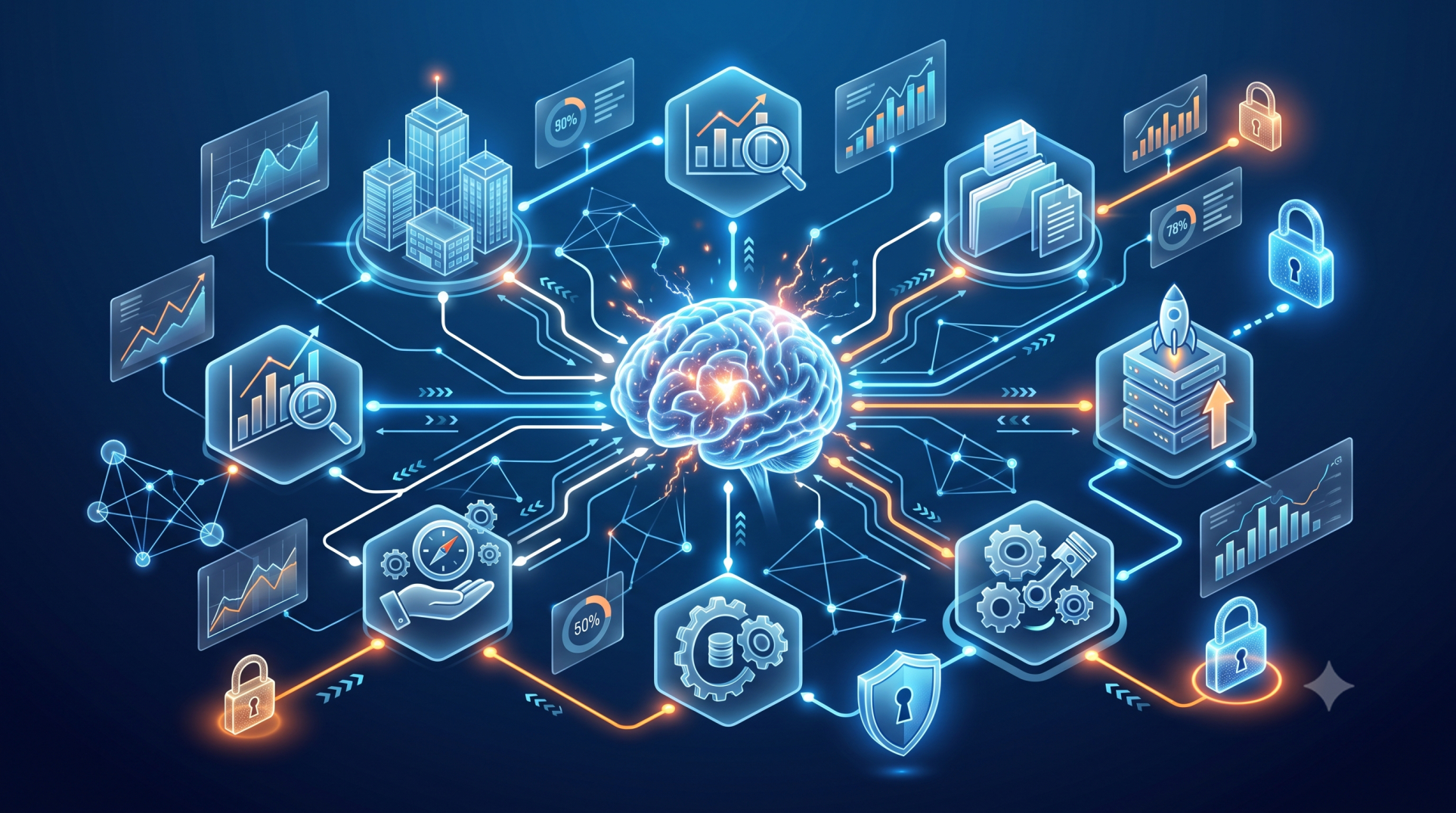
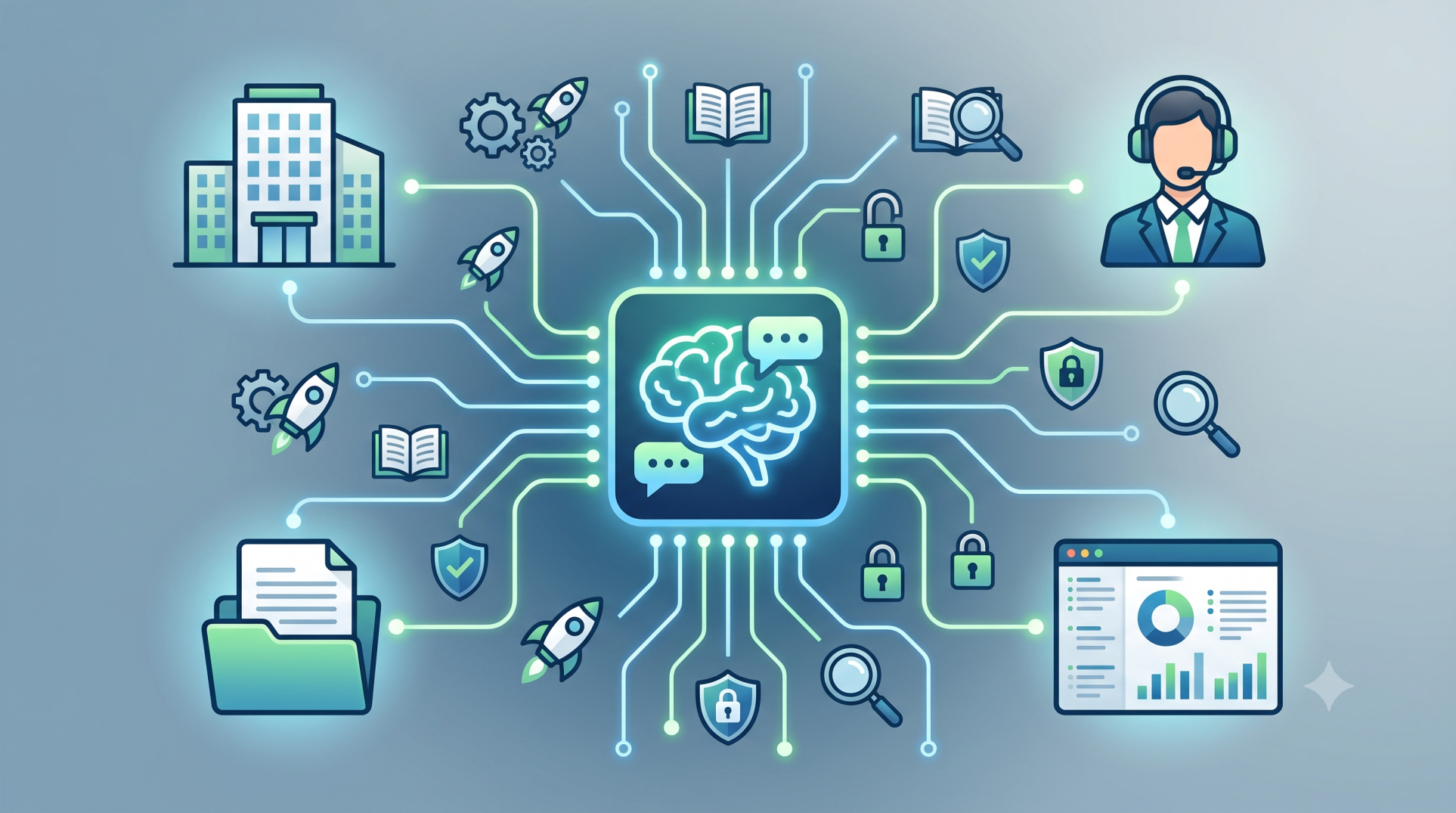
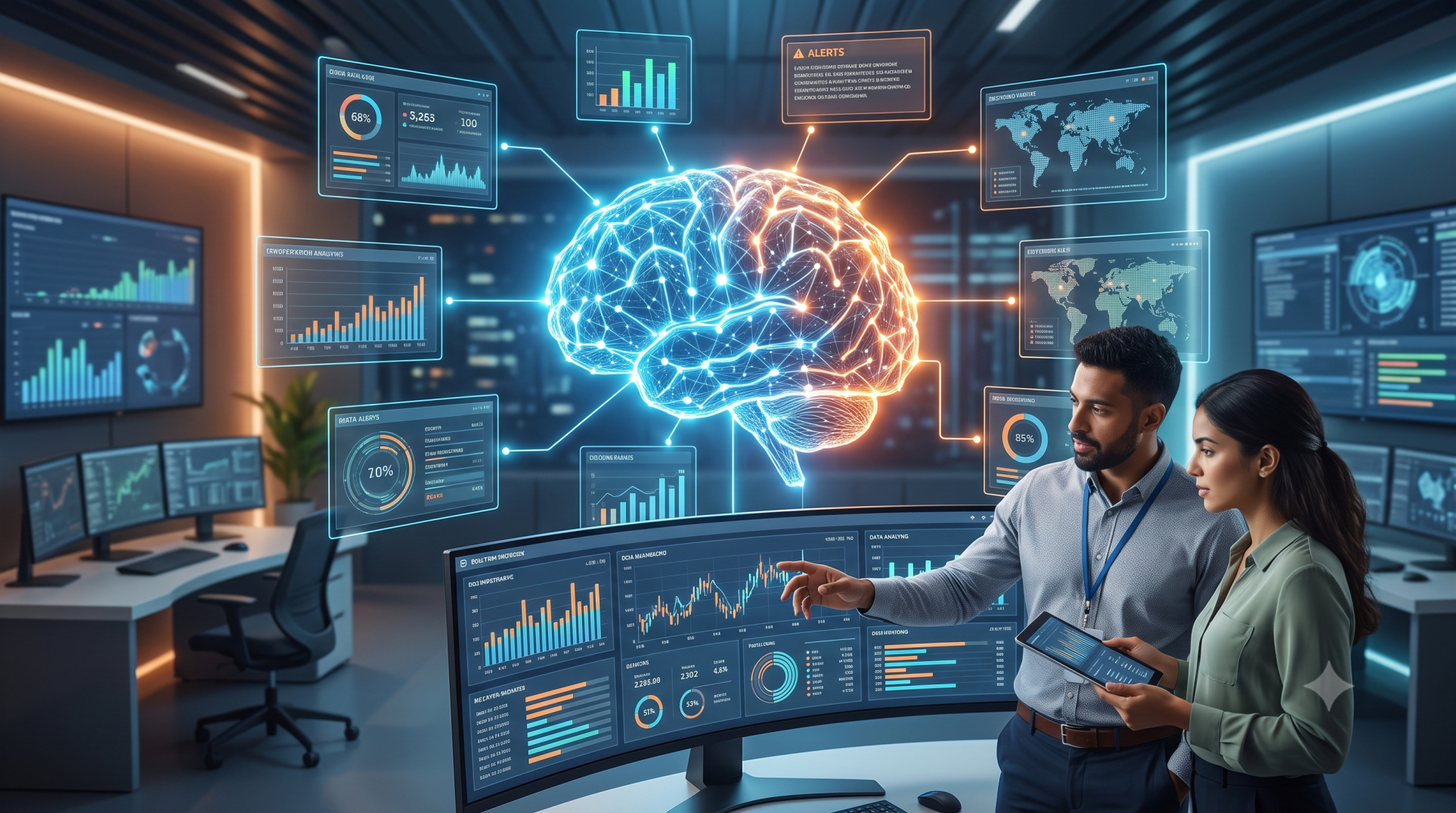
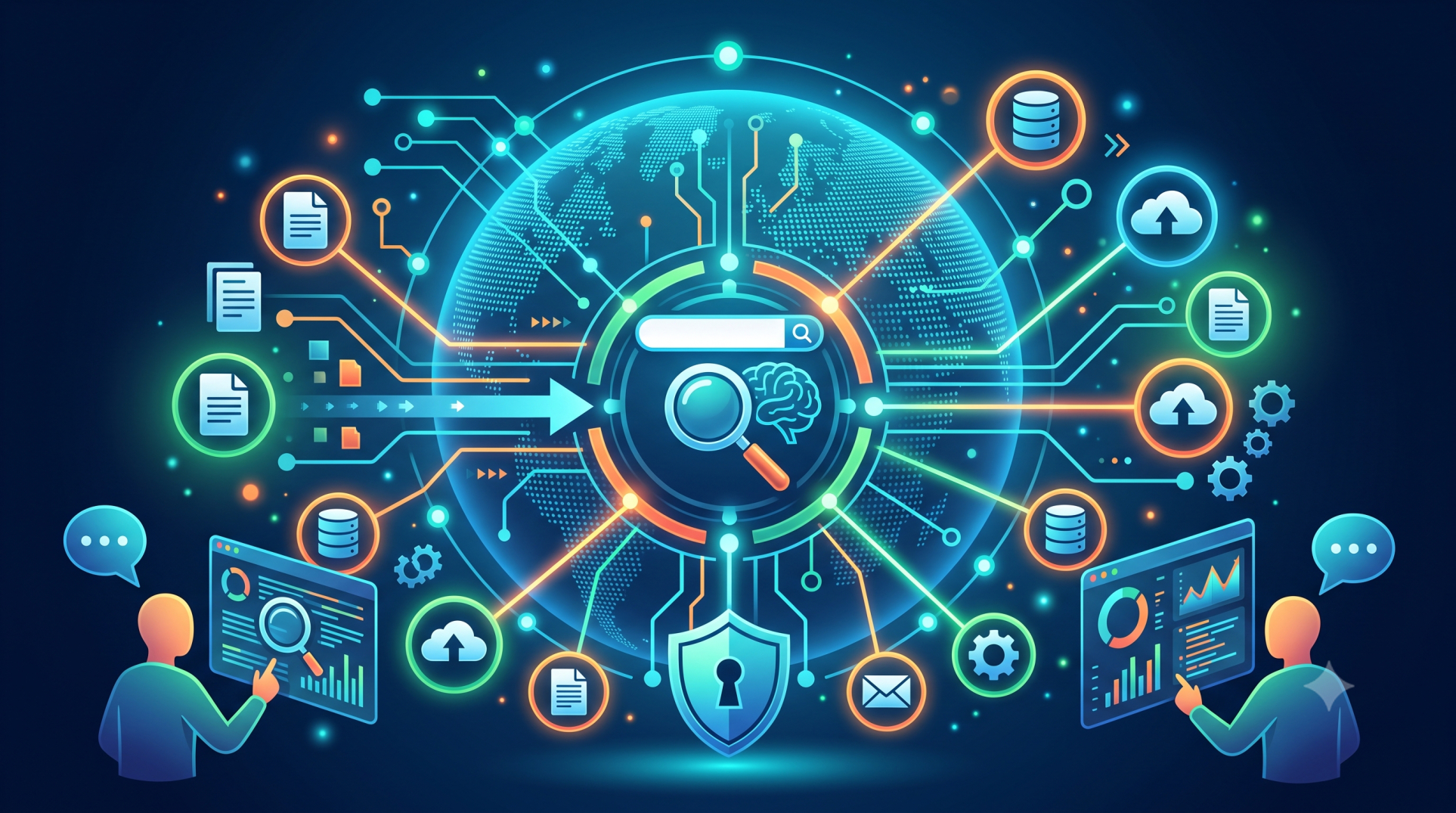
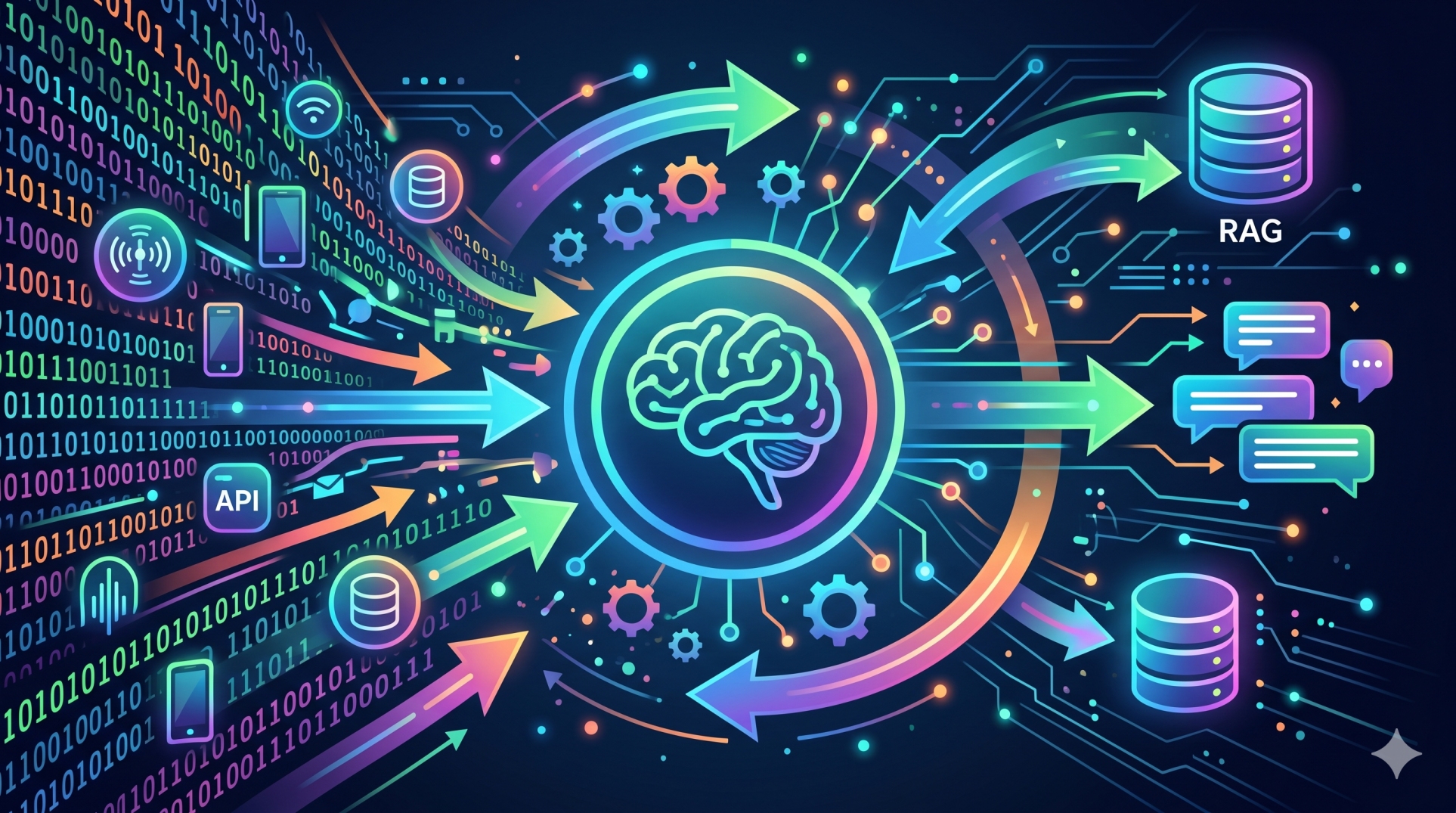
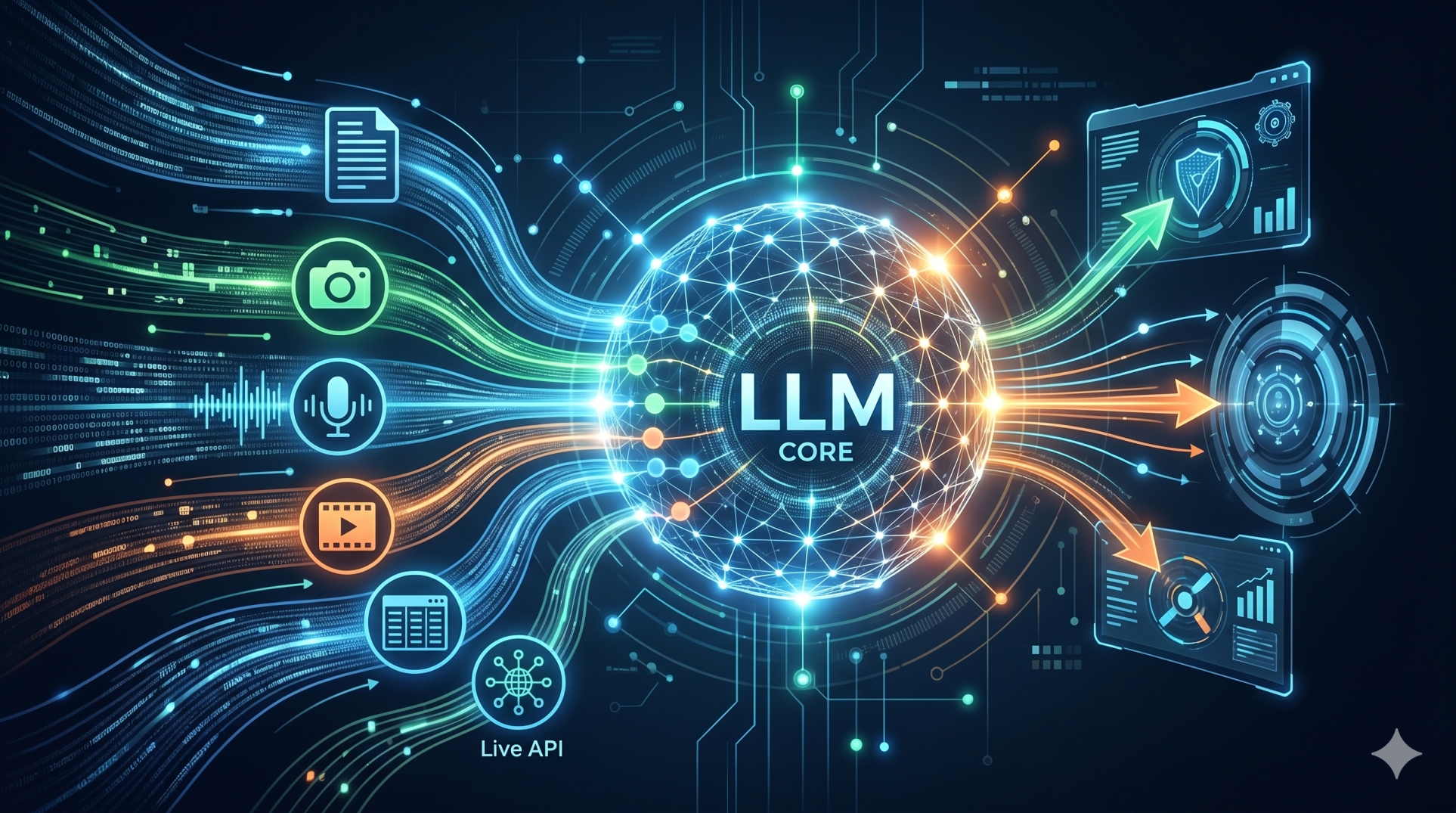
Modern AI is powered by a combination of machine learning and deep learning techniques. Although deep neural networks often take center stage, successful real-world AI systems usually rely on a mix of methods. Understanding how these approaches complement each other is essential for building scalable, accurate, and reliable AI solutions.
🌐 The Machine Learning Ecosystem
• Covers supervised, unsupervised, and semi-supervised learning 📚
• Supports core tasks such as classification, regression, and clustering 🎯
• Works with structured data like tables and unstructured data like text and images 📊📝🖼️
• Each learning type is suited to specific problems and data conditions 🔍
📊 Classical Machine Learning Techniques
• Linear models for quick and efficient predictions ⚡
• Decision trees for transparent and rule-based outcomes 🌳
• Support Vector Machines for complex and high-dimensional data 📐
• Regression models for forecasting and numerical analysis 🔢
• Favored for simplicity, speed, and easy interpretation 👍
🧠 How Deep Learning Enhances AI Capabilities
• Uses multi-layer neural networks to capture complex patterns 🔗
• Multi-Layer Perceptrons (MLPs) for general-purpose learning tasks 🧩
• Convolutional Neural Networks (CNNs) for image and visual processing 🖼️
• Recurrent Neural Networks (RNNs) for sequence and time-based data ⏱️
• Enables AI systems to scale with large and complex datasets 📈
🔍 Discovering Patterns with Unsupervised Learning
• Finds natural data groupings through clustering 🧩
• Applies dimensionality reduction to uncover hidden relationships 📉
• Supports feature learning to improve model performance ⚙️
• Helps teams understand data before building predictive models 🧠
⚙️ Core Training and Evaluation Principles
• Gradient-based optimization improves model accuracy 📈
• Clear separation of training, validation, and testing reduces bias 🧪
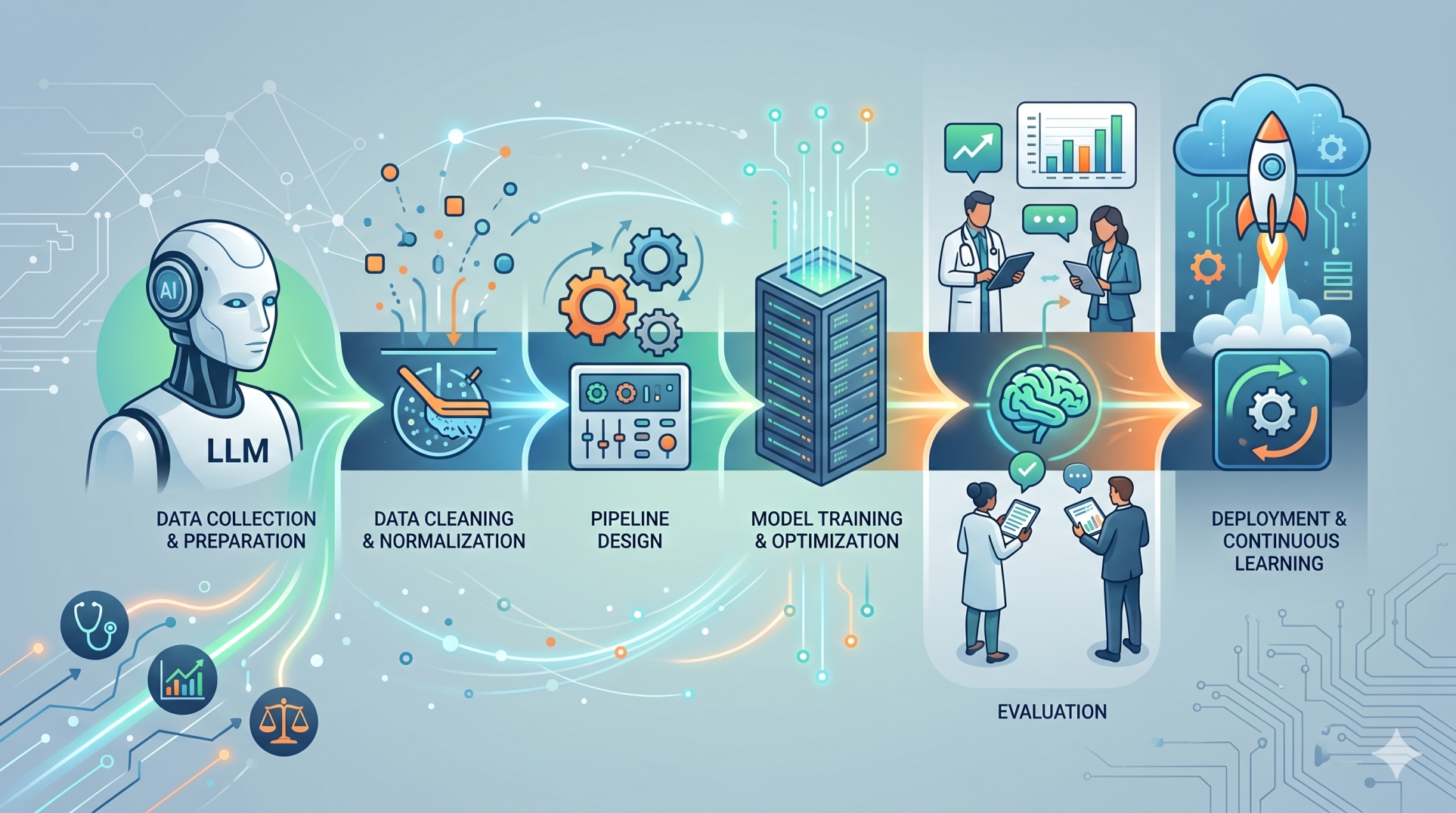
• Strong evaluation ensures models perform well in production 🚀
• Fundamental practices for building reliable AI systems ✅
🎯 Choosing the Right AI Approach
• Deep learning is ideal for large, complex datasets 🧠
• Traditional machine learning works well for simpler or explainable tasks 📊
• Hybrid models often offer the best balance ⚖️
• Successful systems balance accuracy, cost, scalability, and maintainability 🏗️
🏁 Final Thoughts
Modern AI solutions are built using both machine learning and deep learning techniques. From classical algorithms to advanced neural networks, each approach contributes unique strengths. Knowing when and how to apply these methods is crucial for developing AI systems that perform effectively in real-world environments 🌍🚀.
See more blogs
You can all the articles below