LLM Orchestration Layers: Models, Tools, and Data
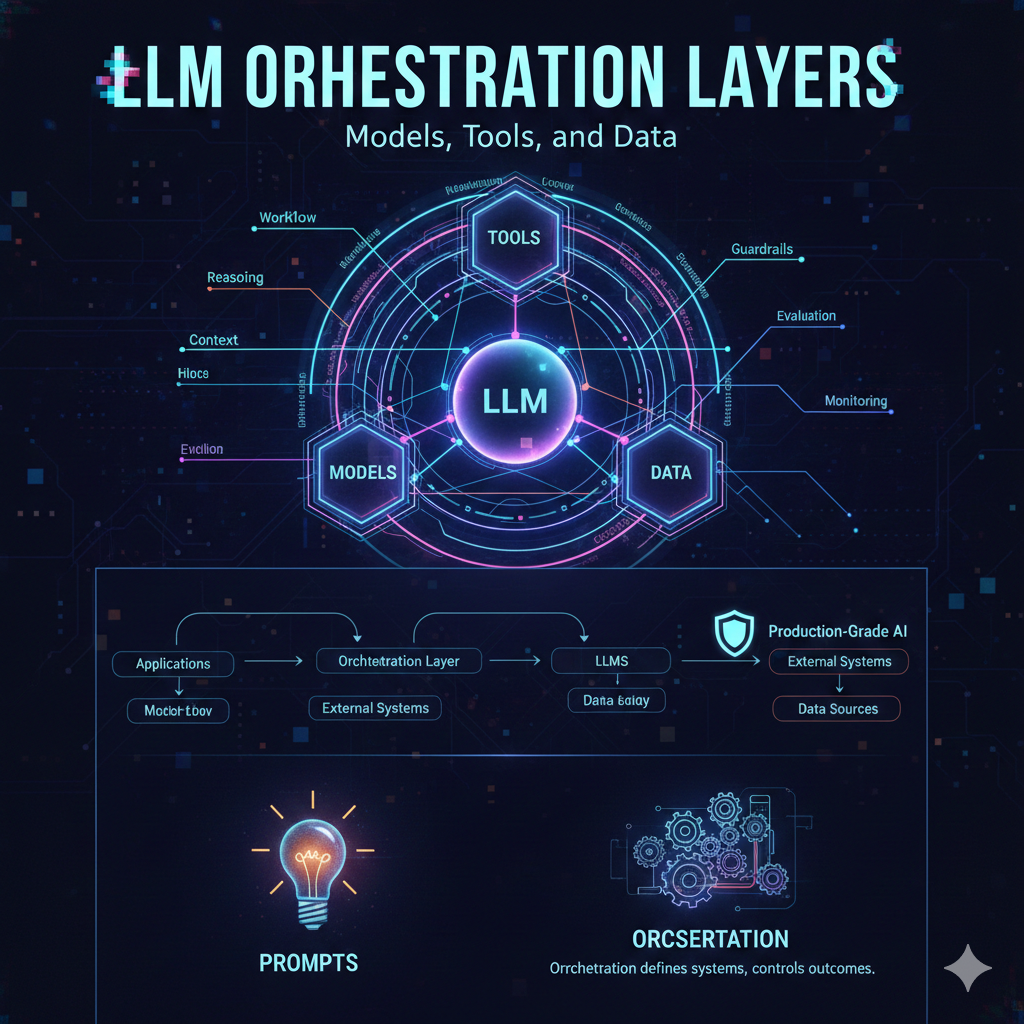
LLM Orchestration Layers: Models, Tools, and Data 🧠
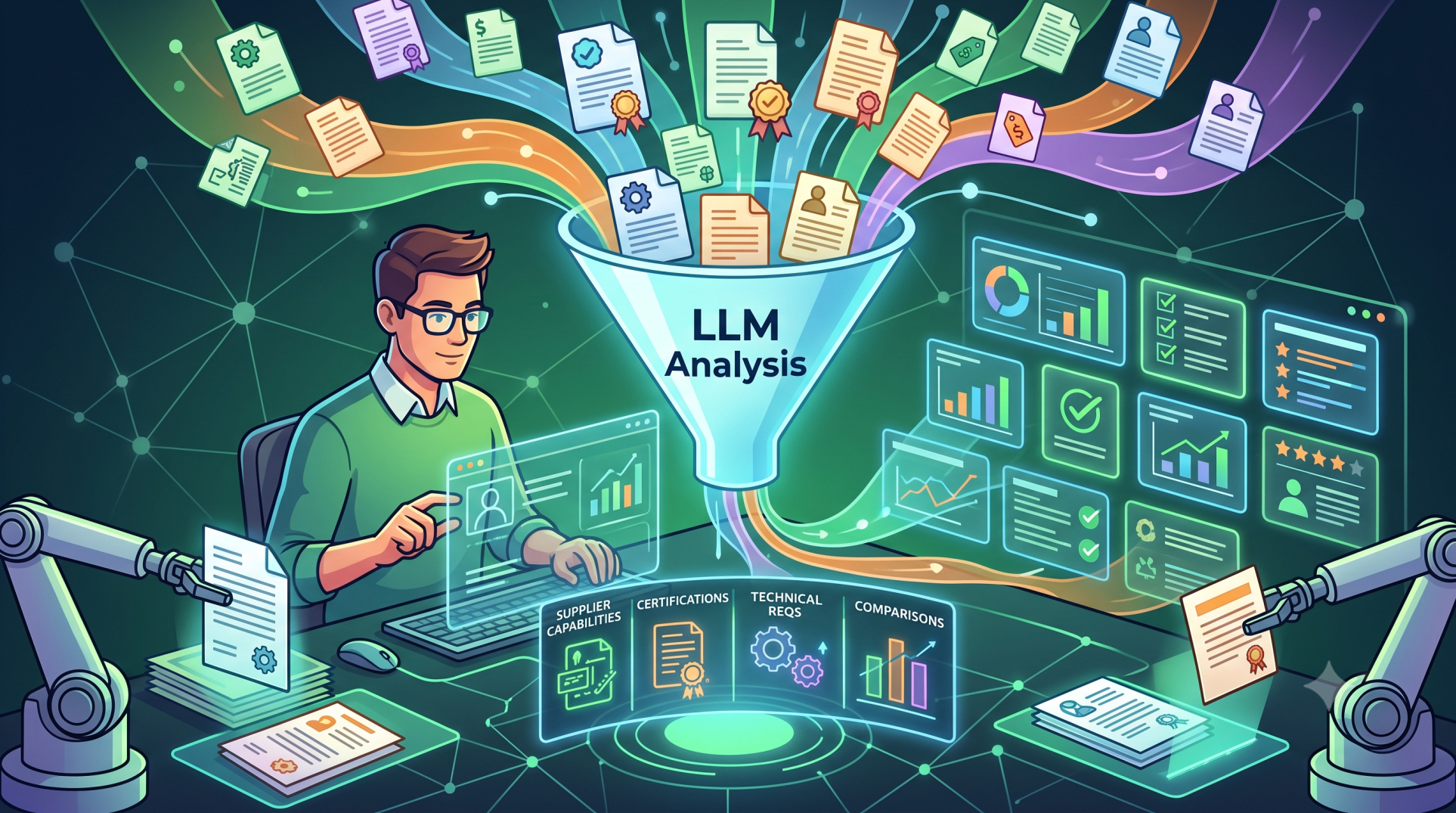
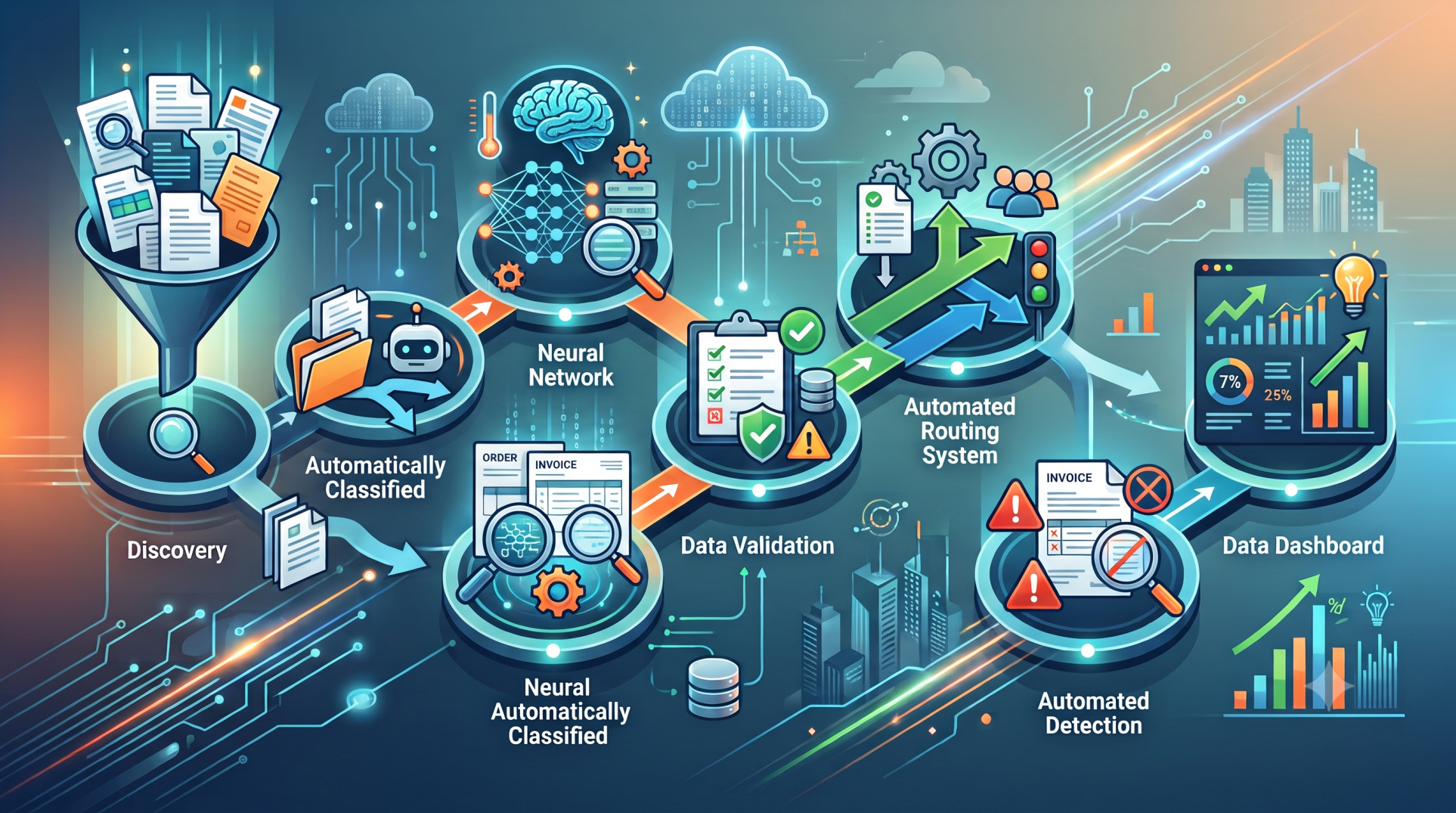
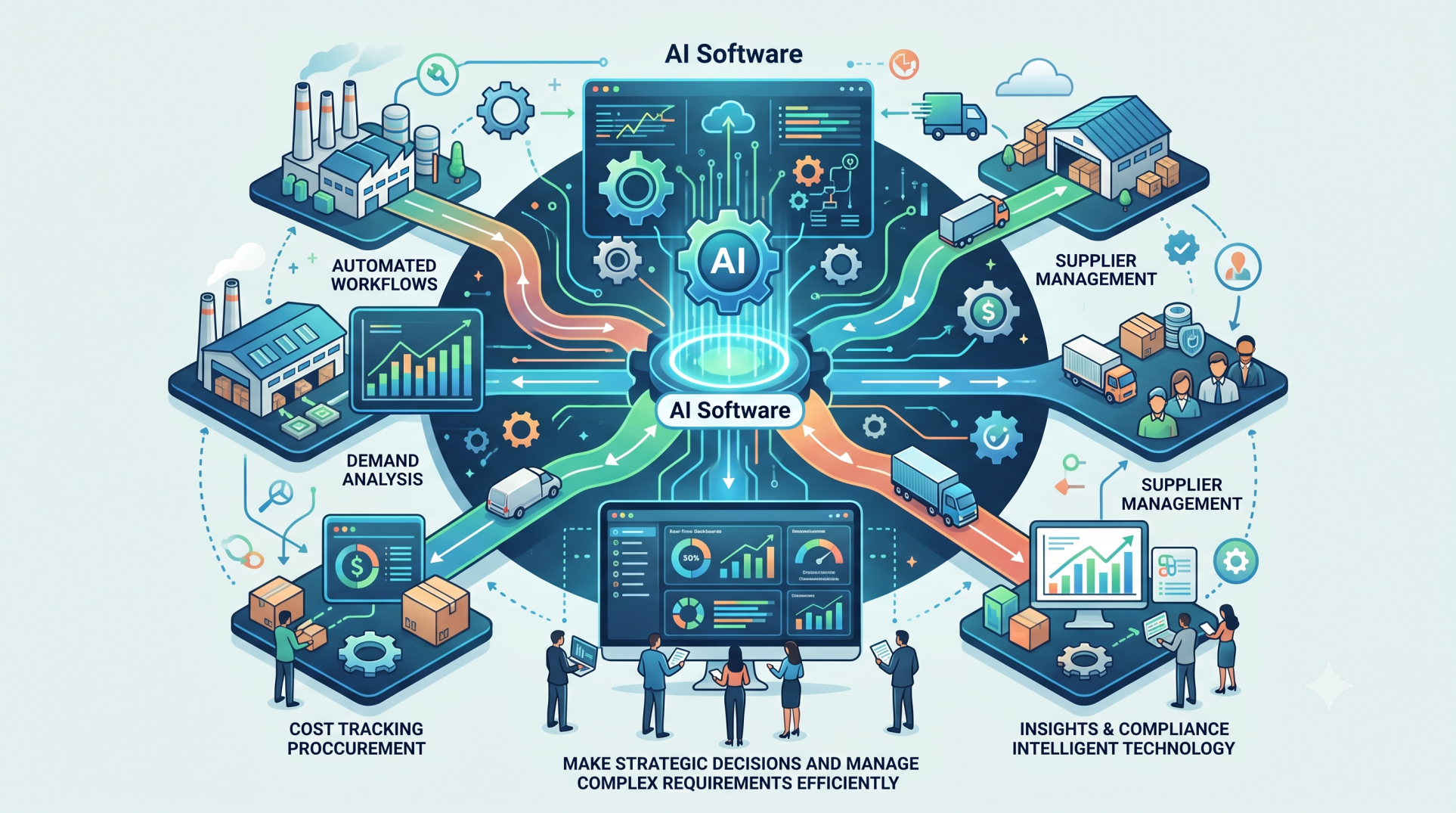
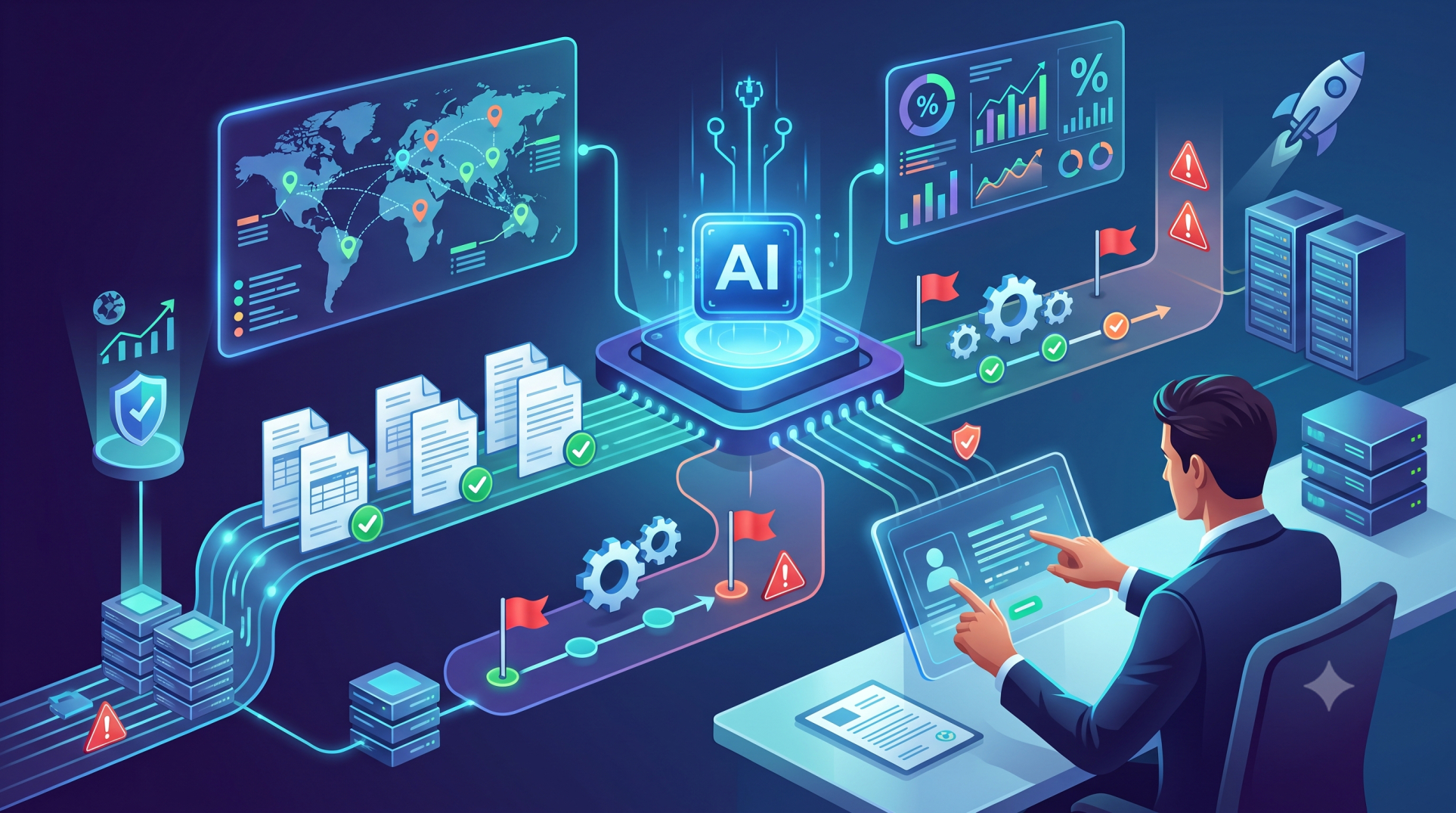
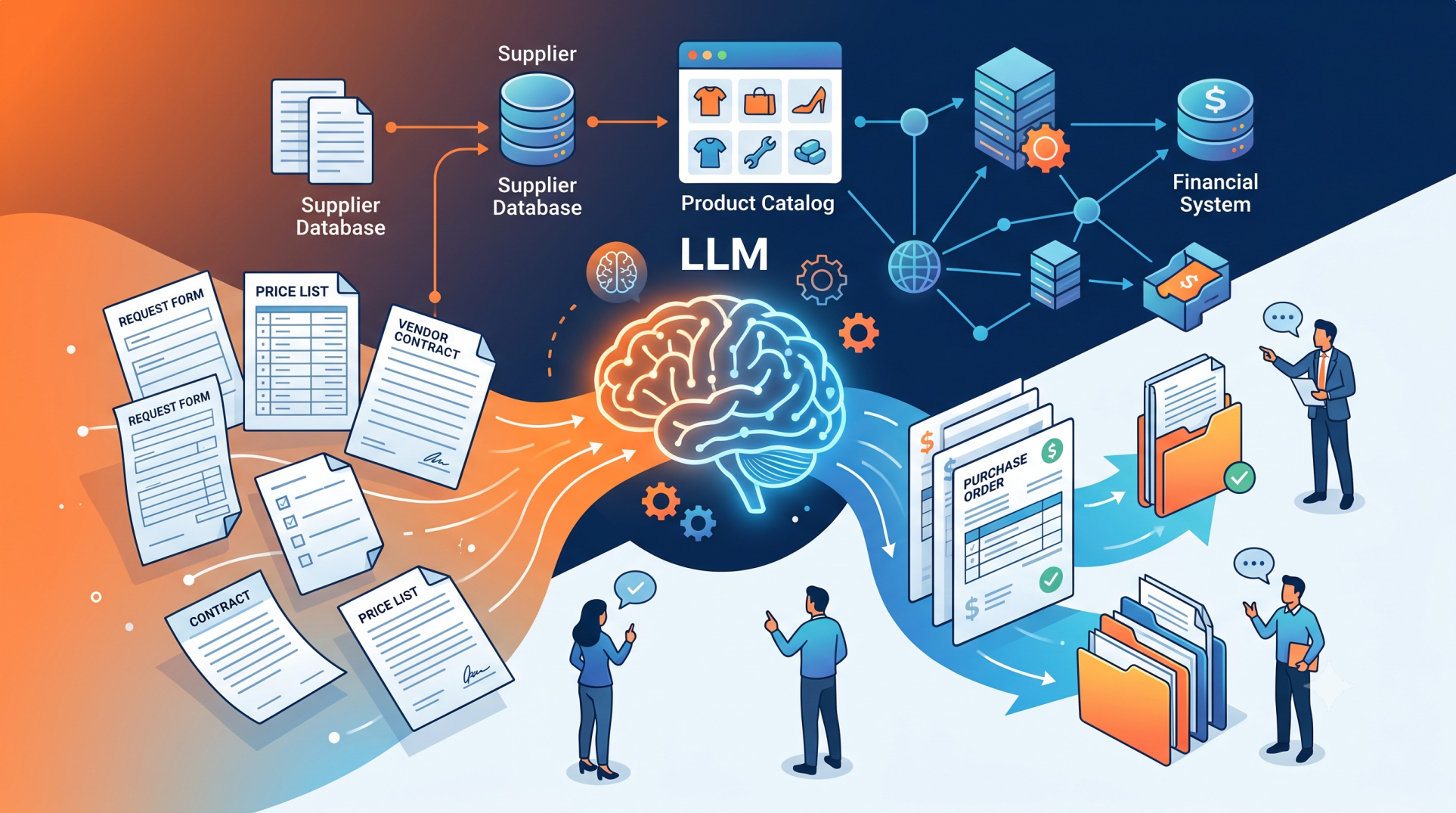
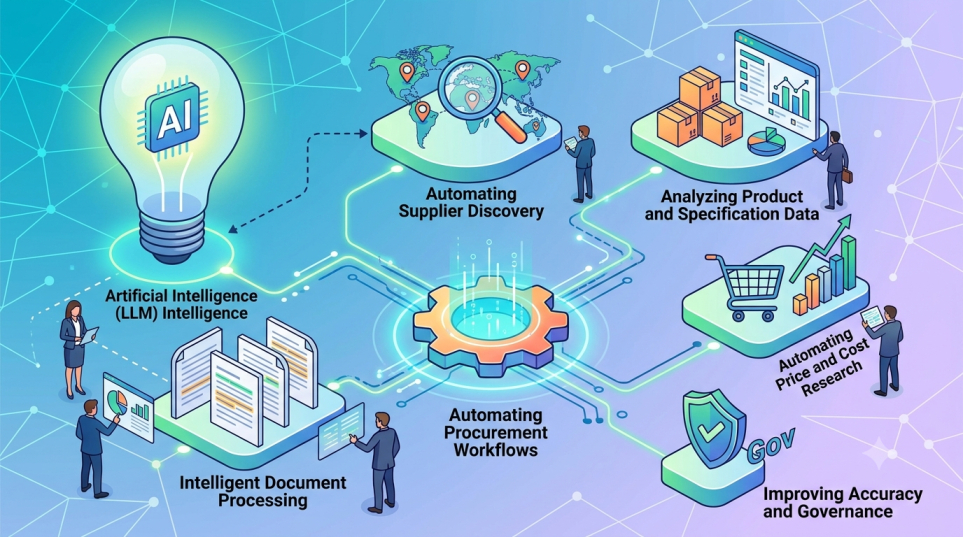
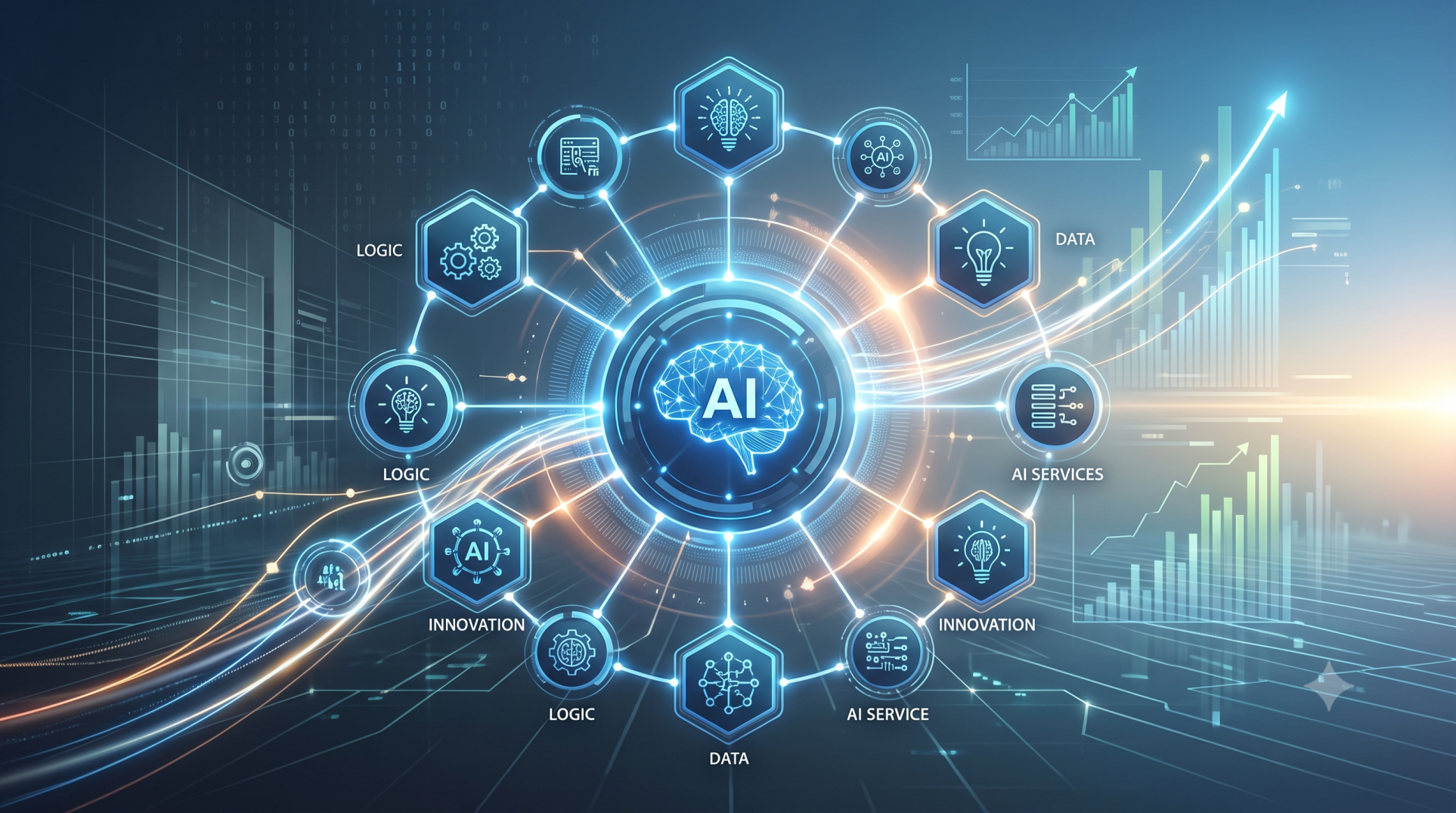
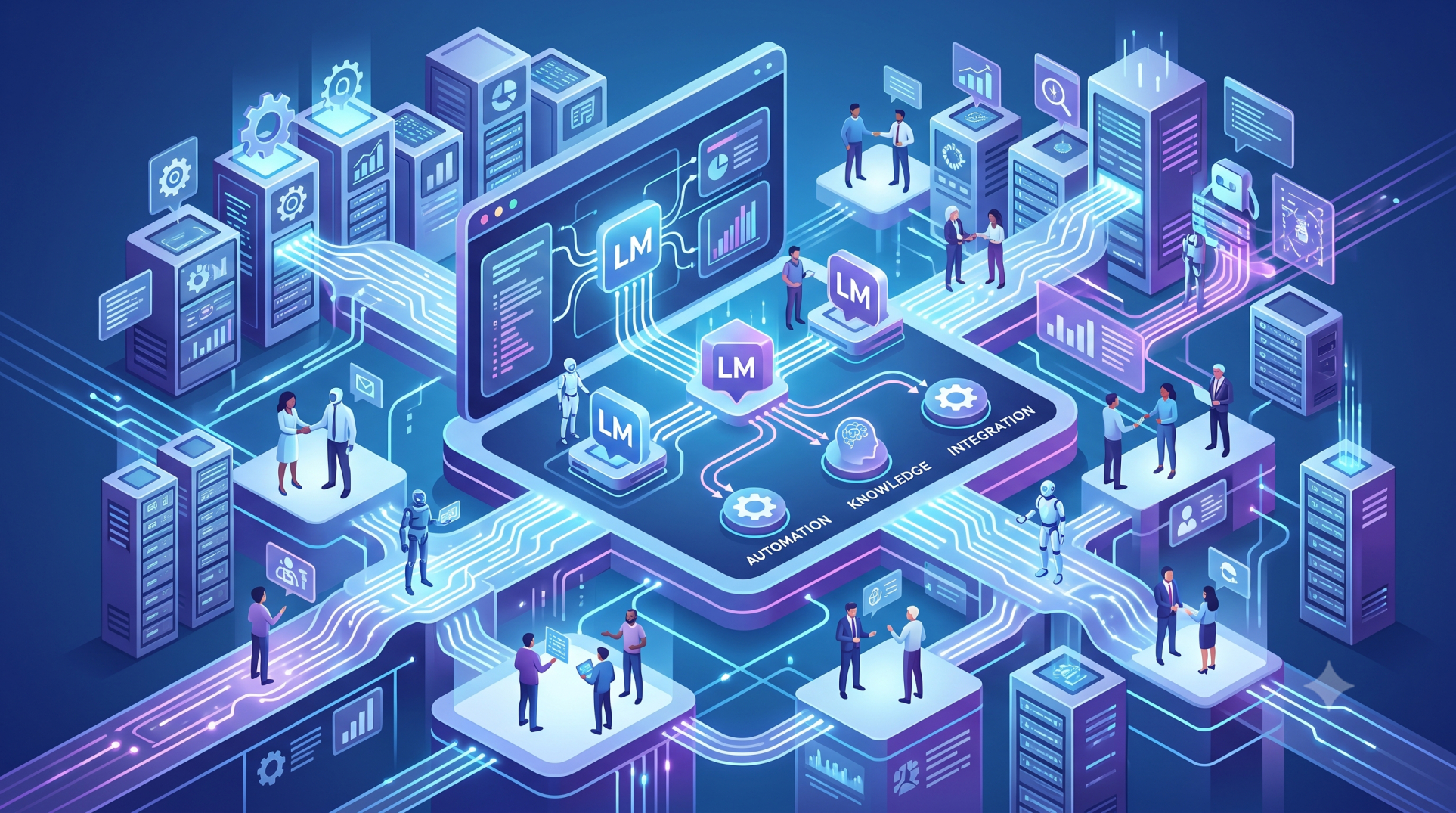
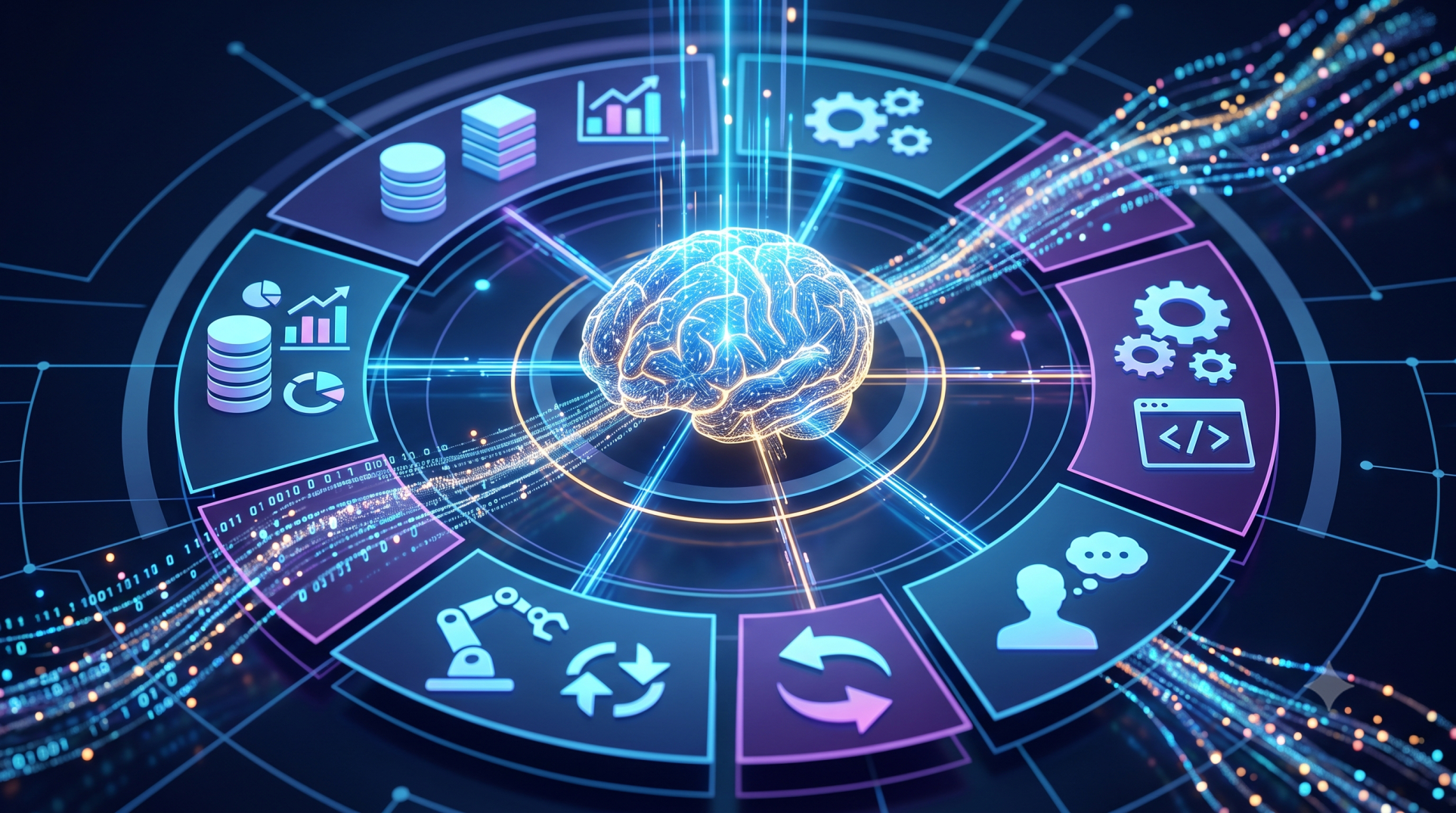
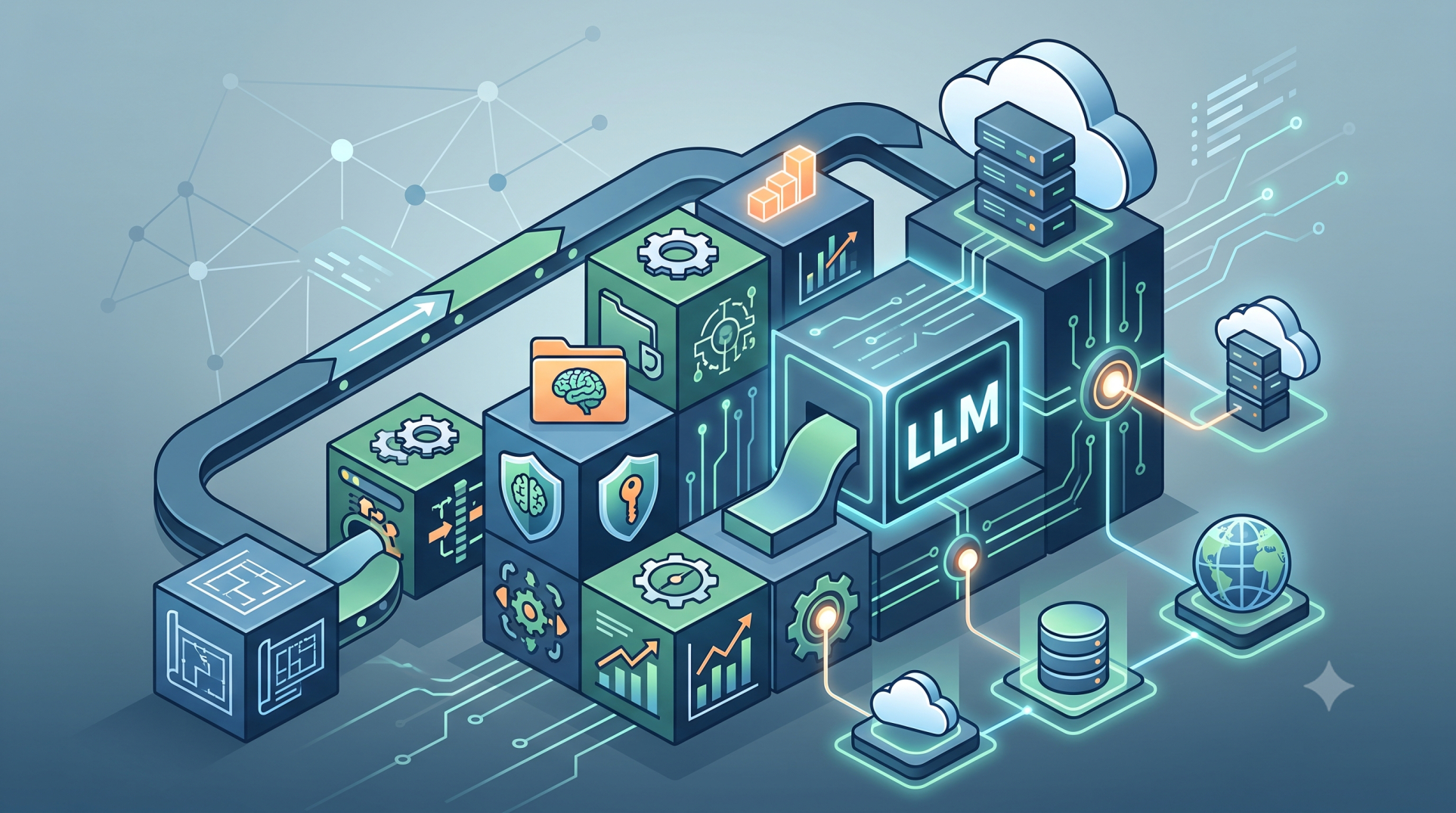
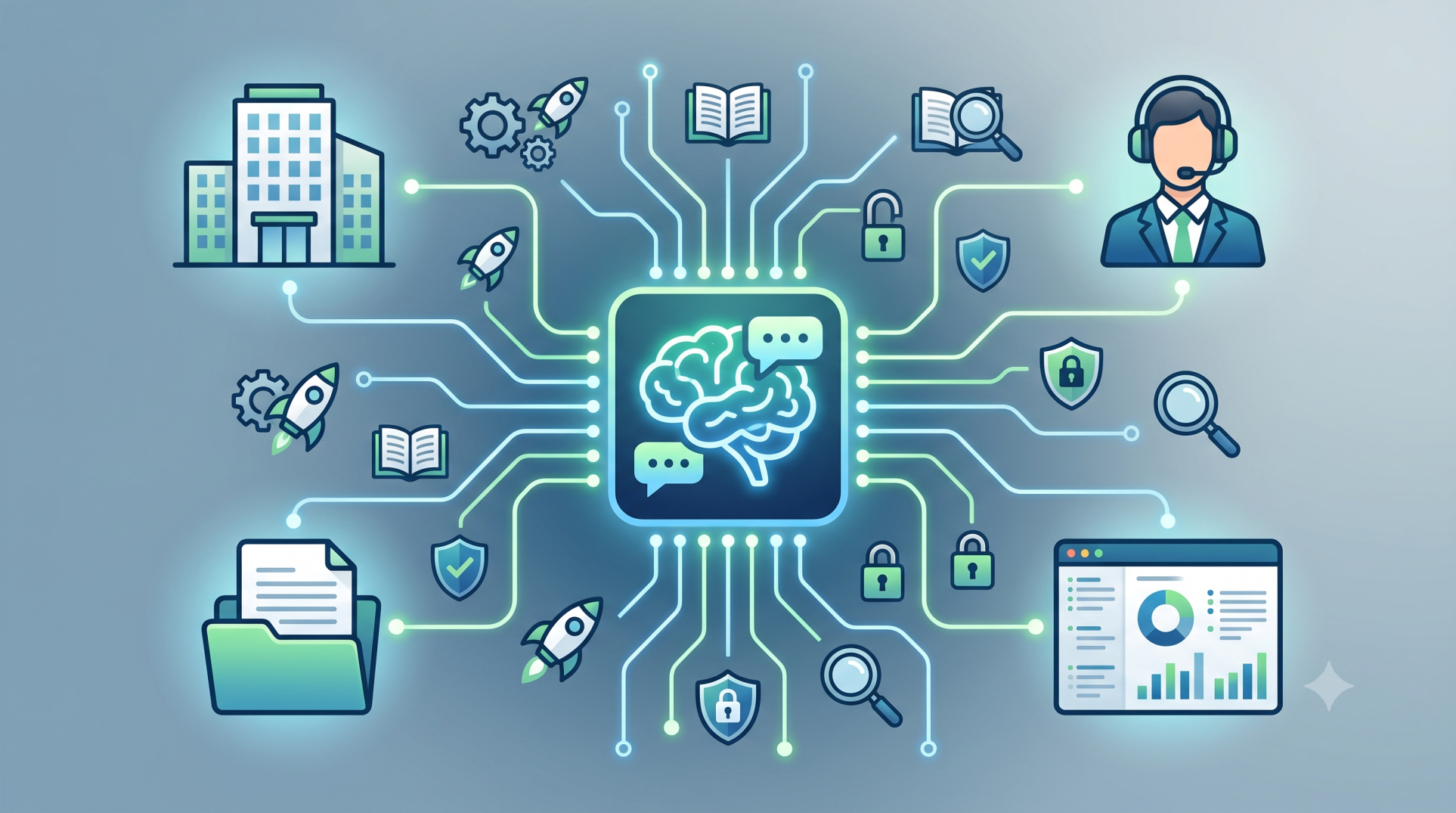
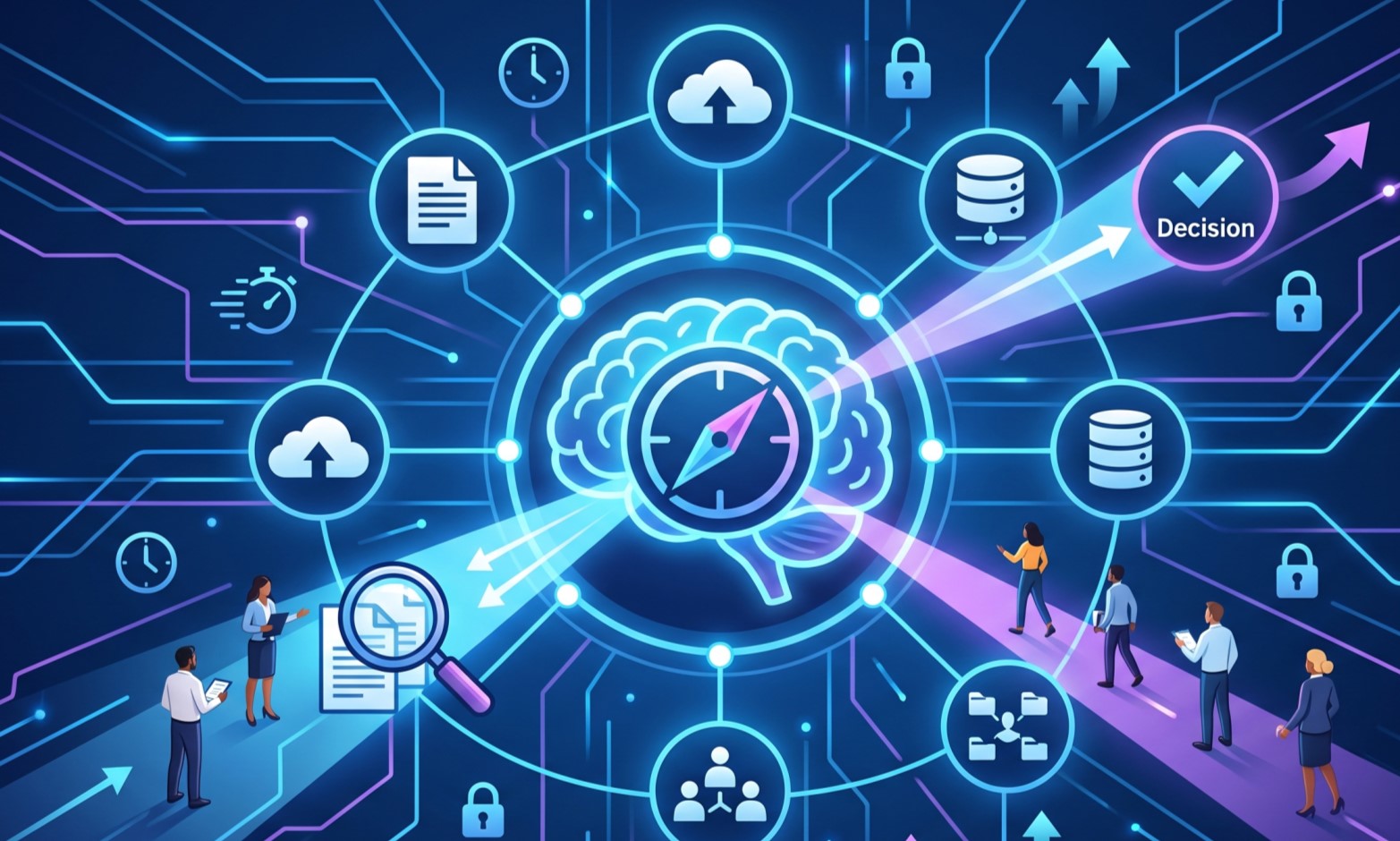
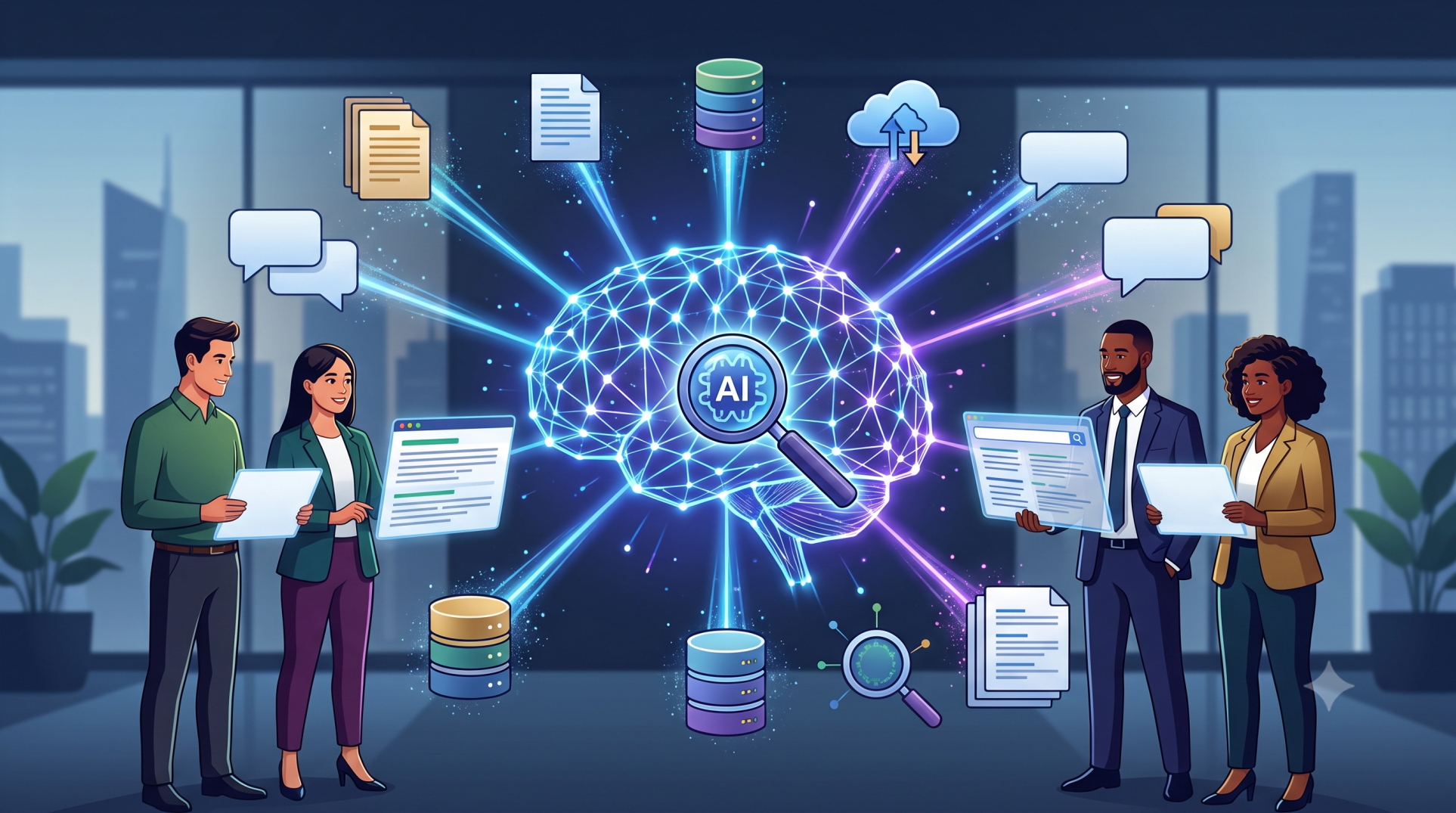
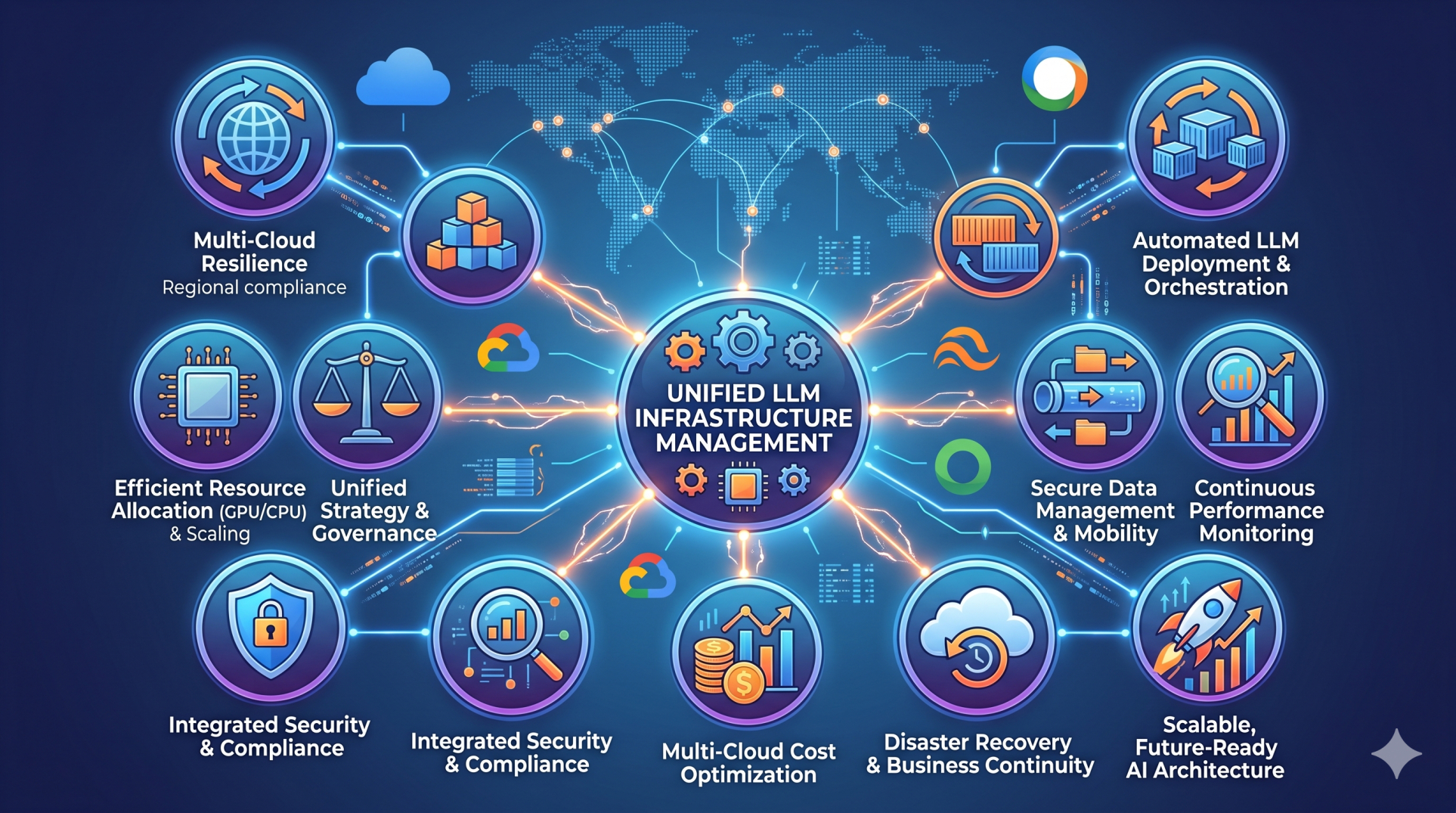
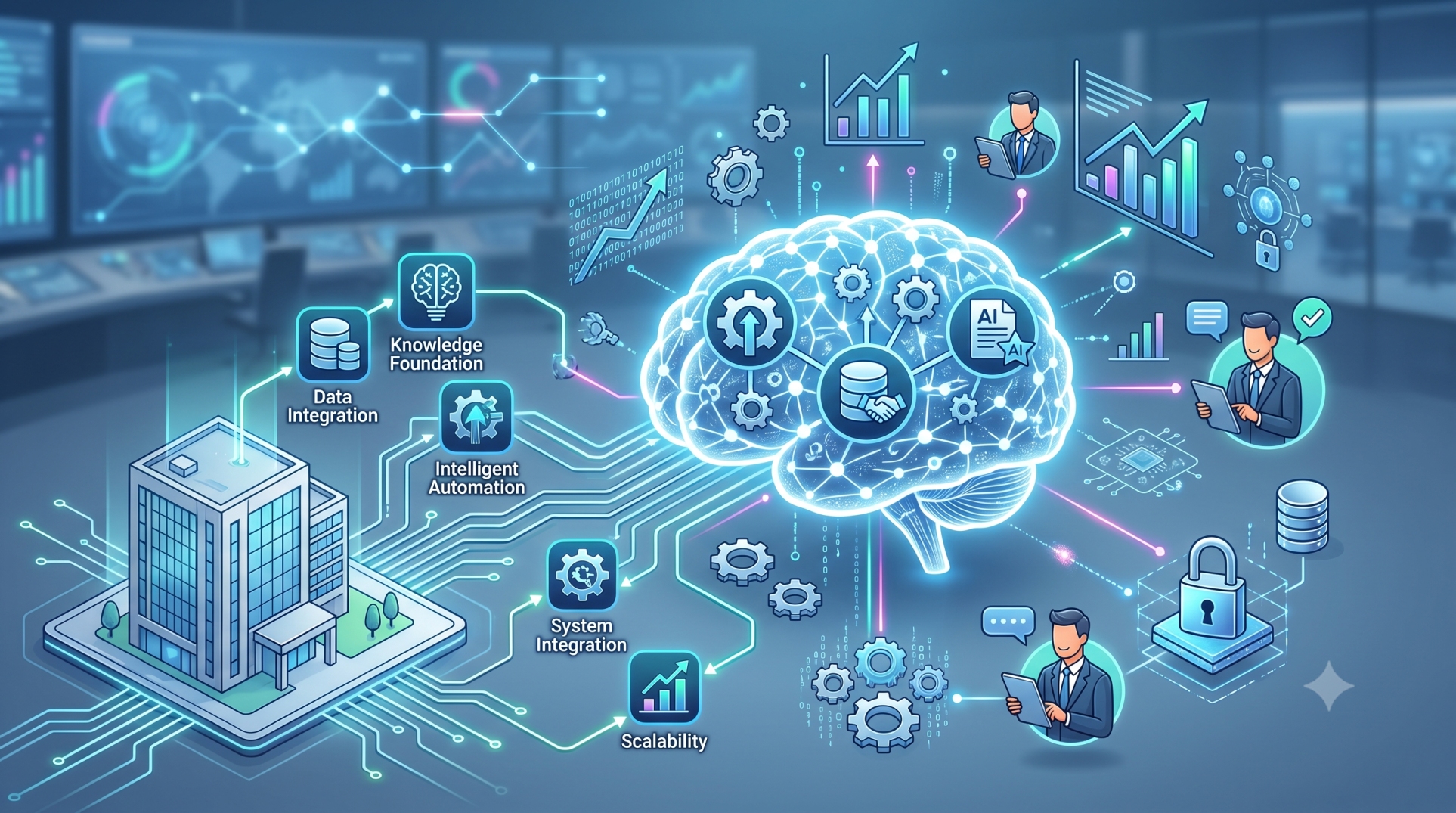
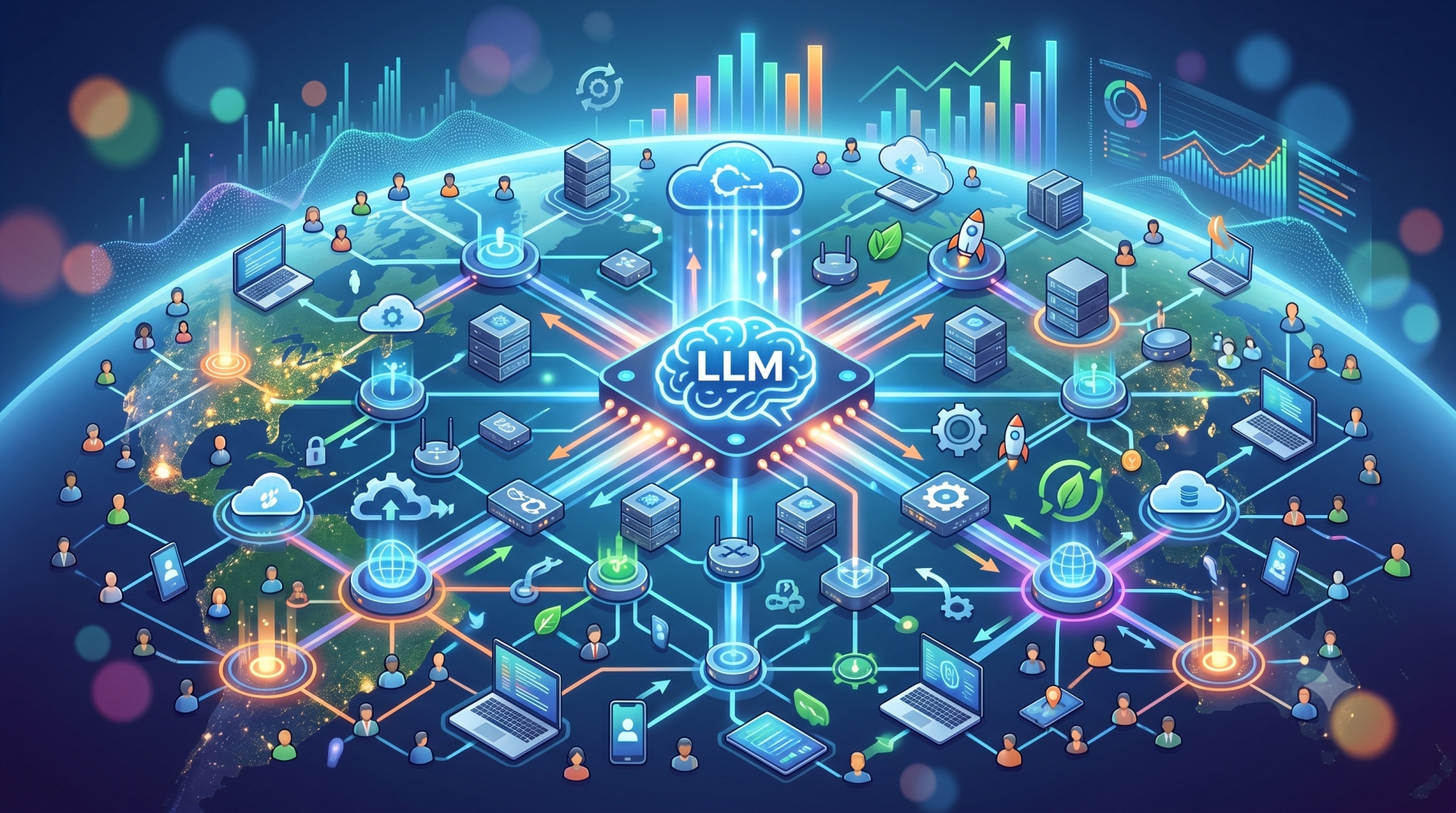
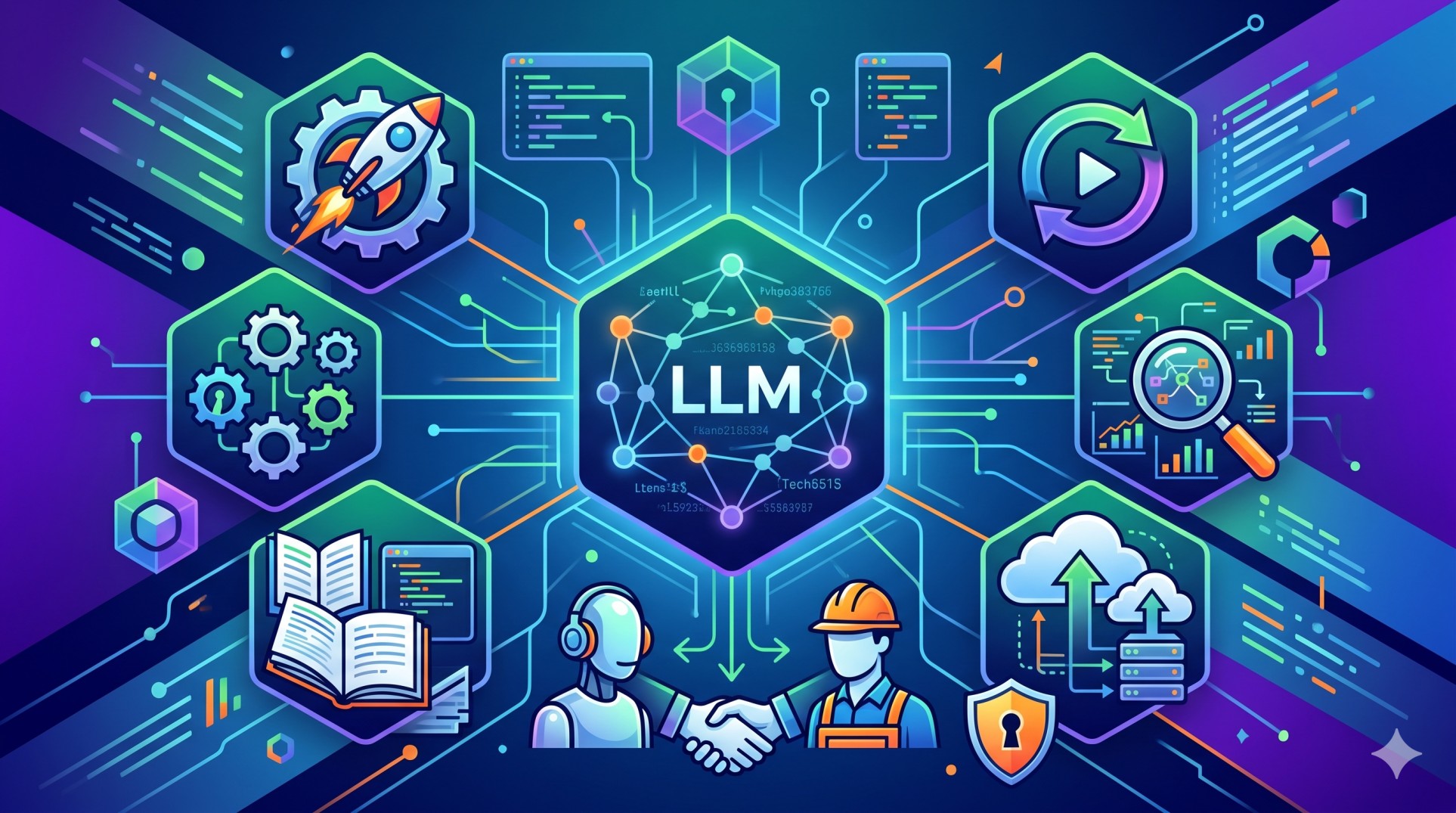
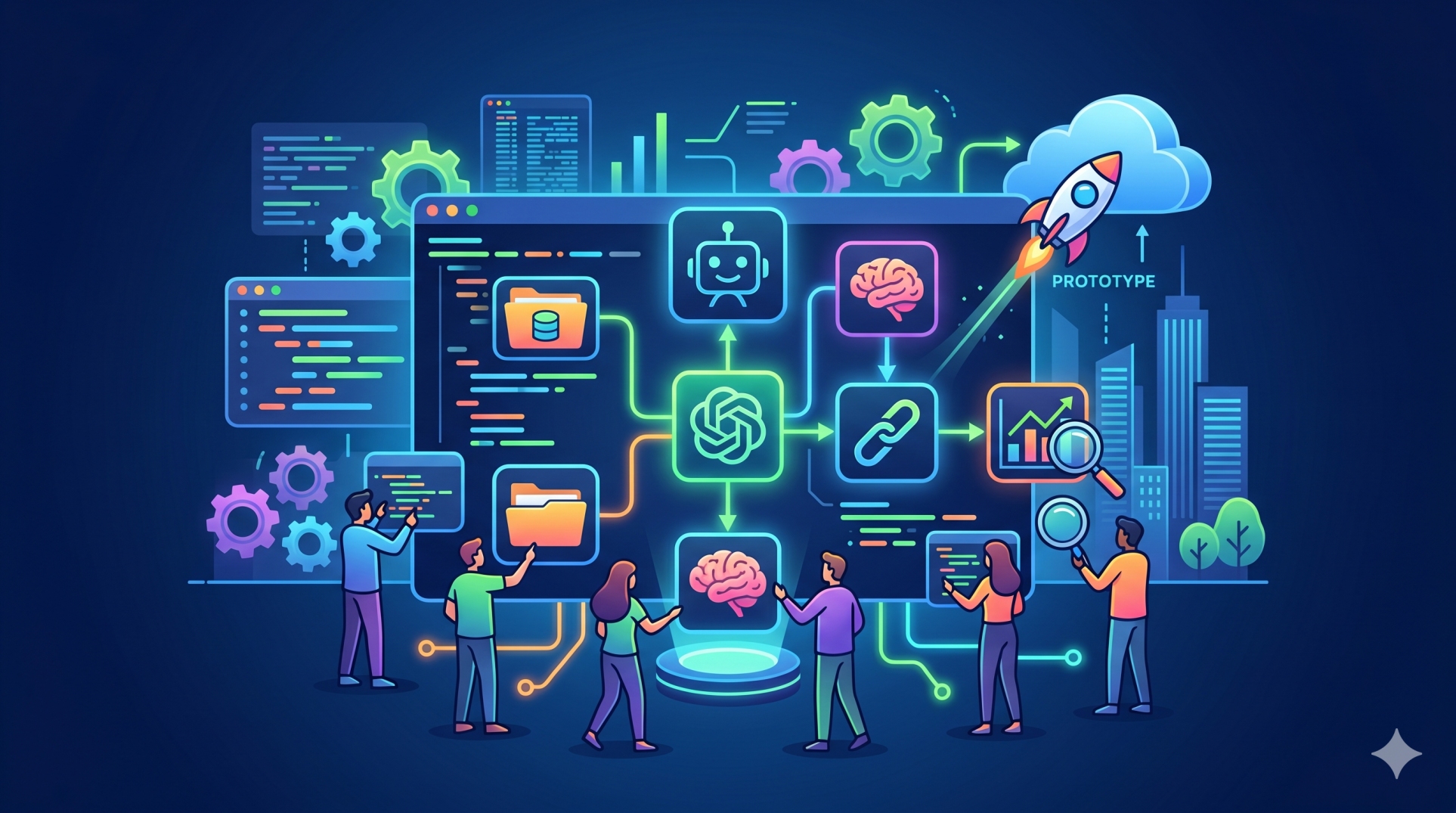
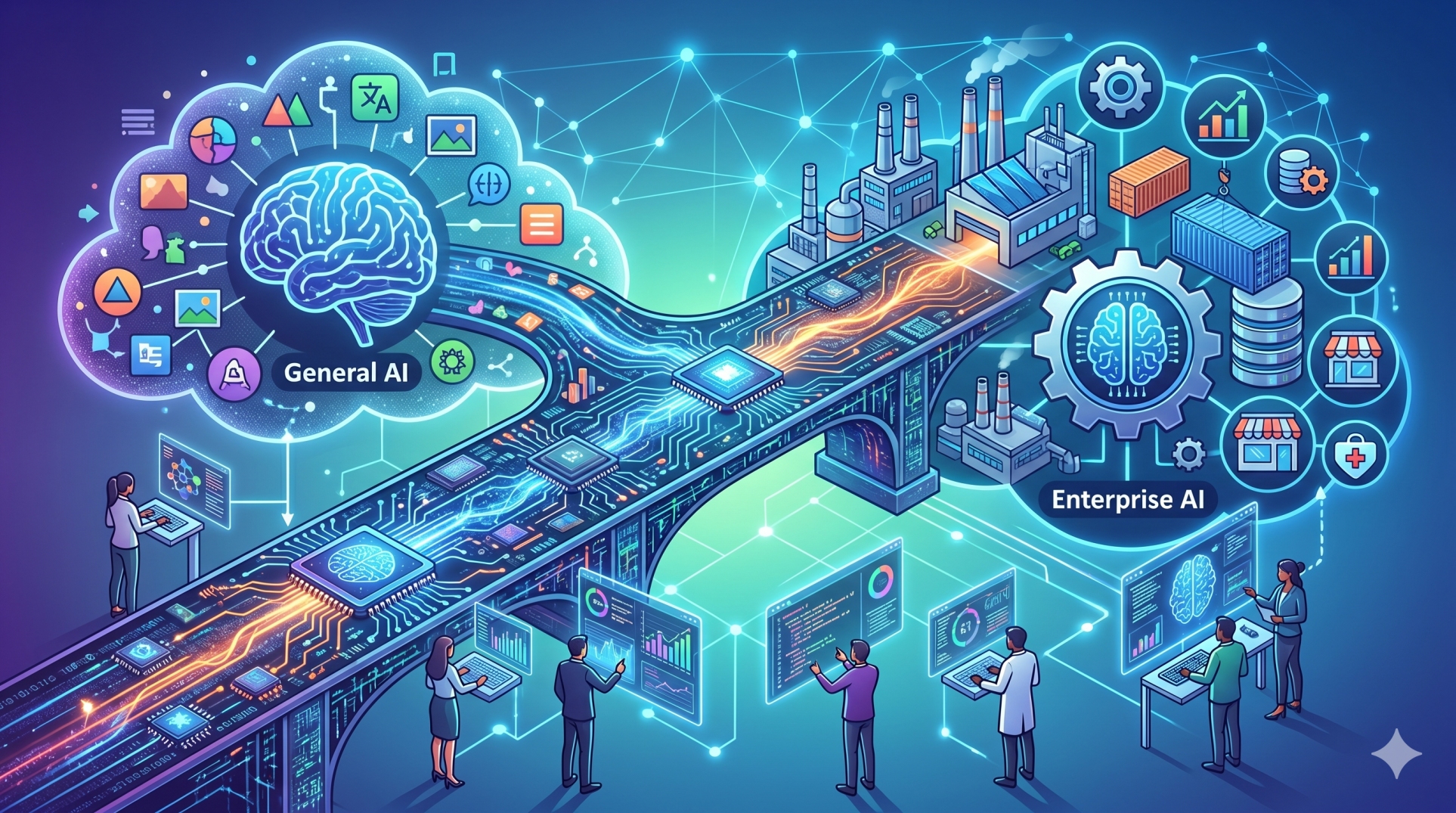
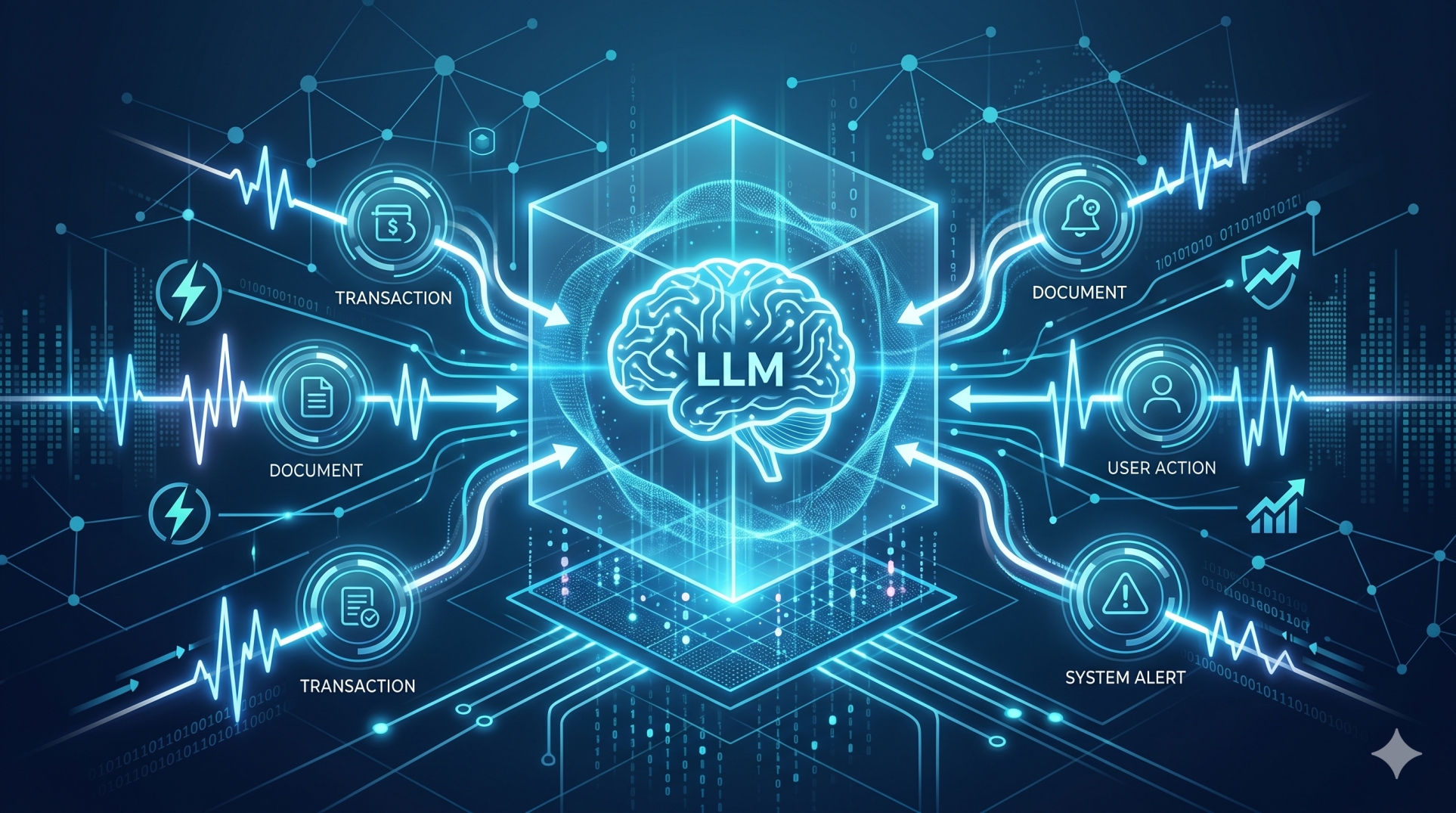
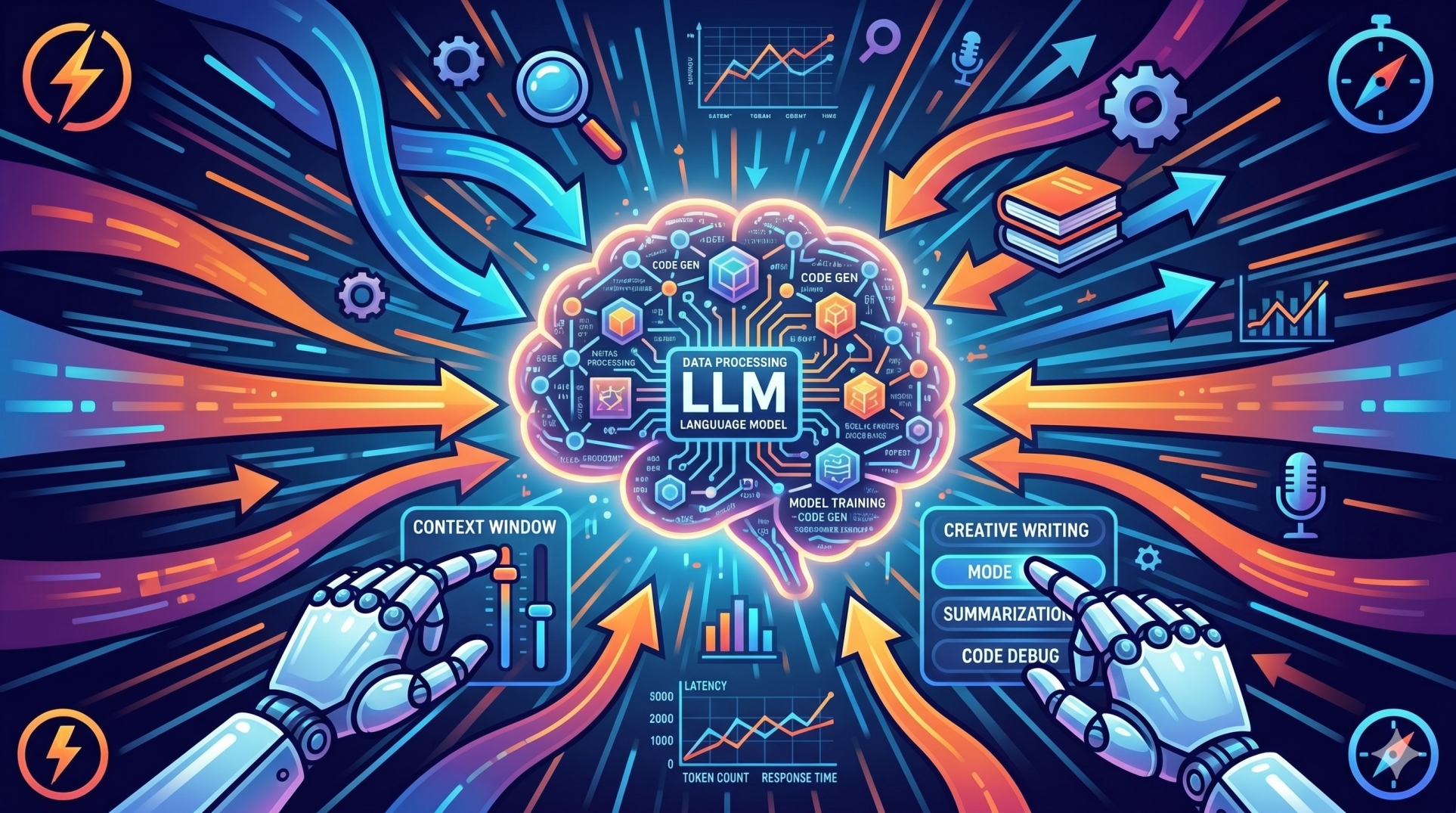
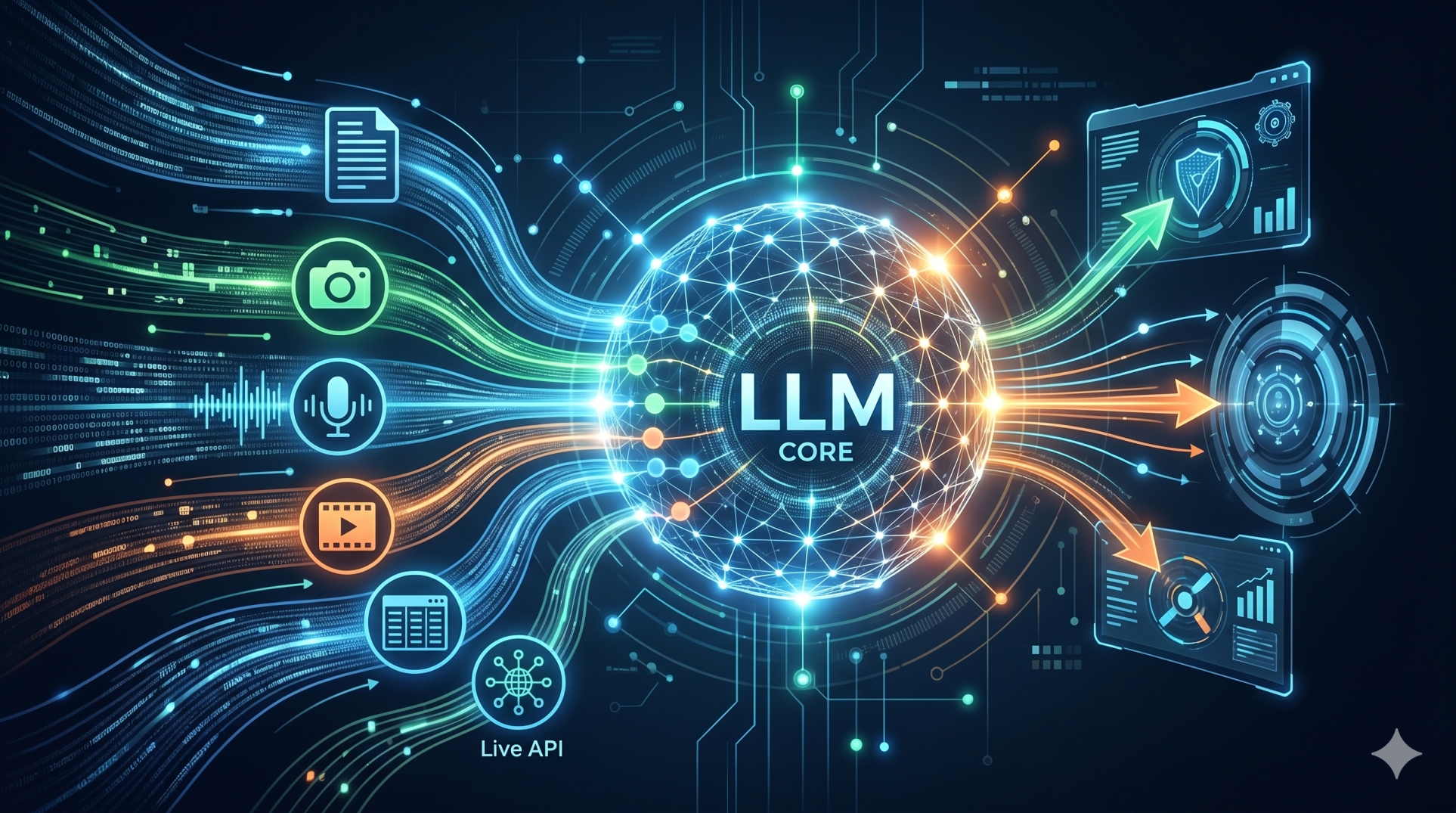
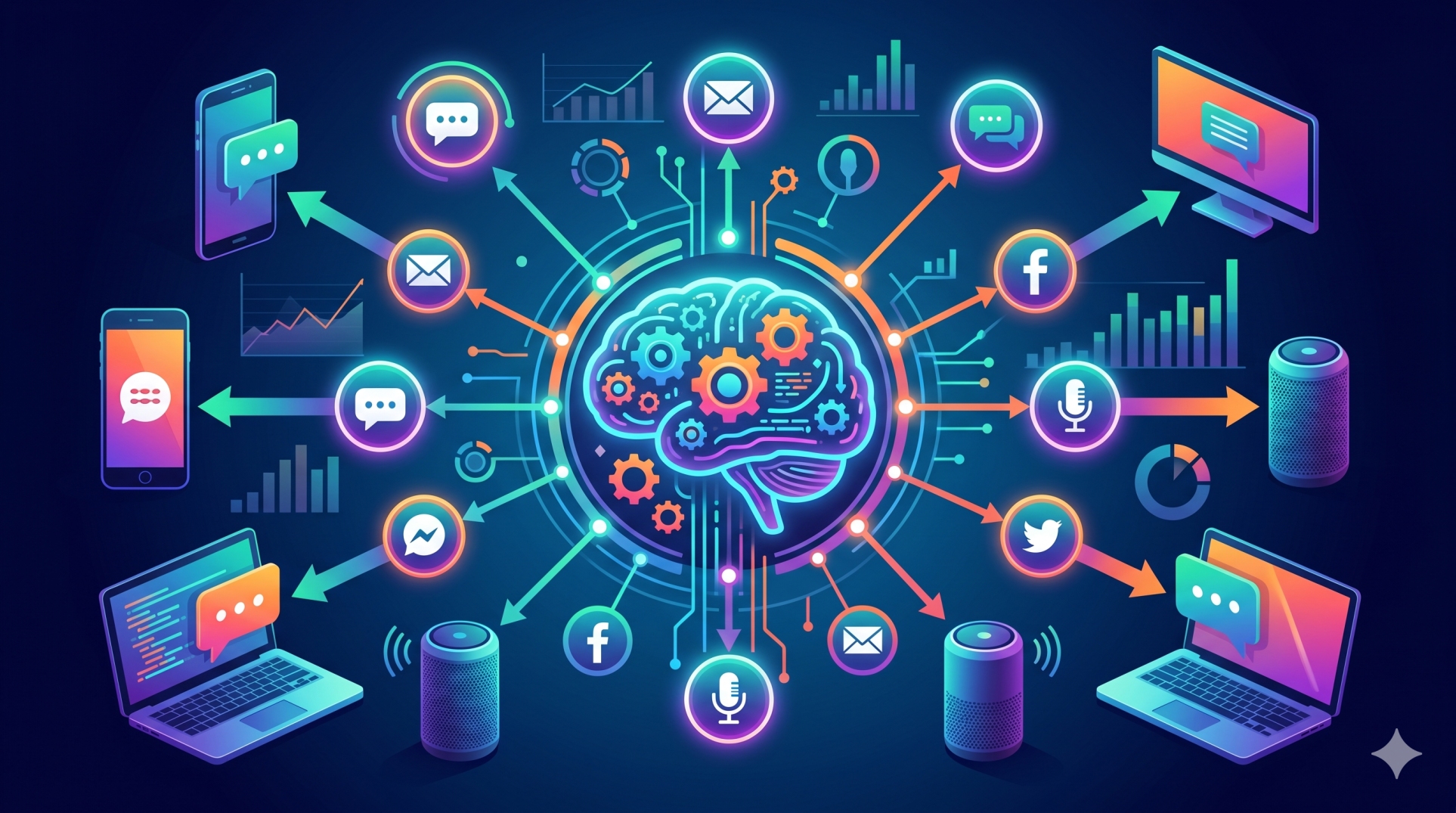
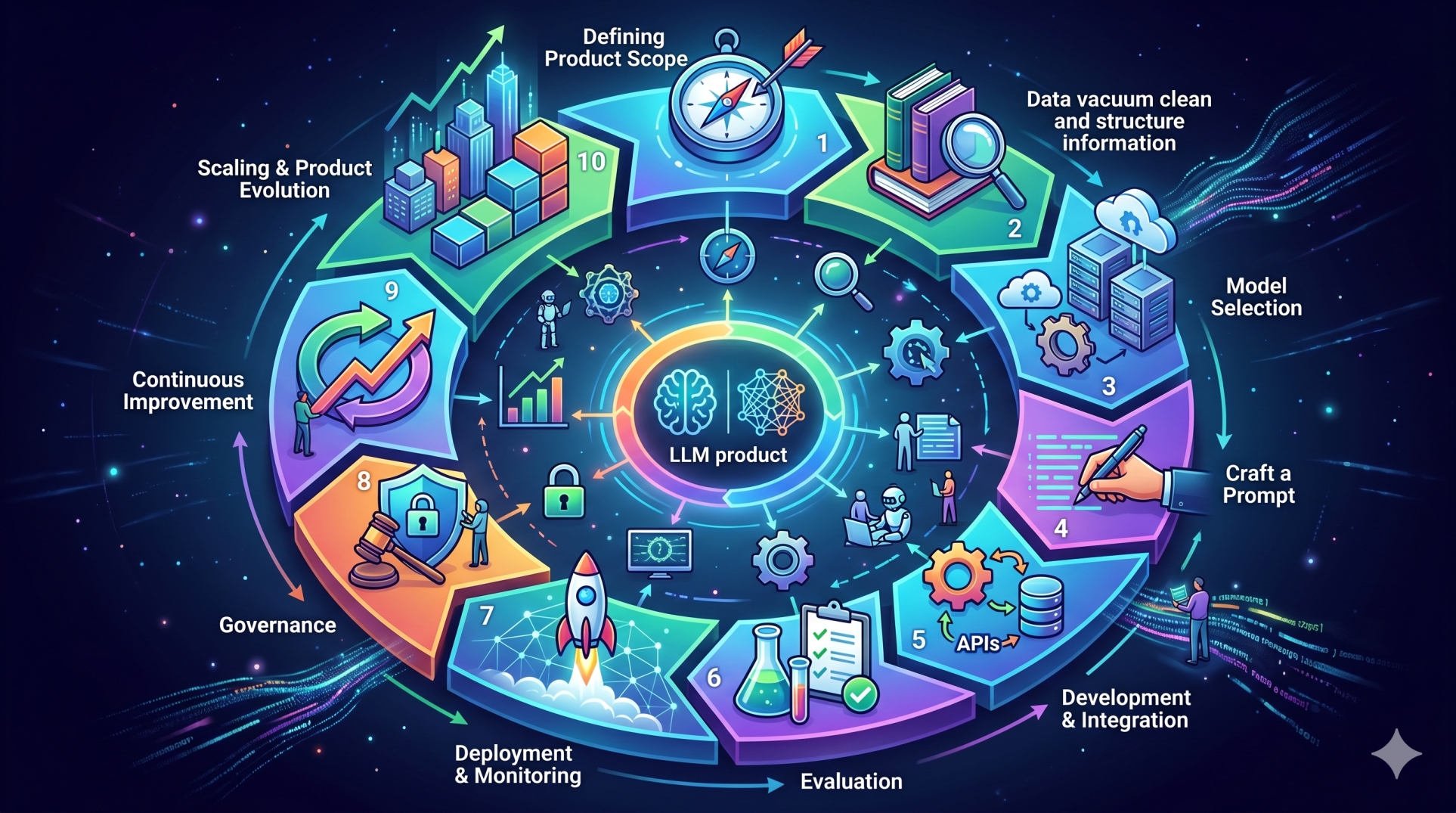
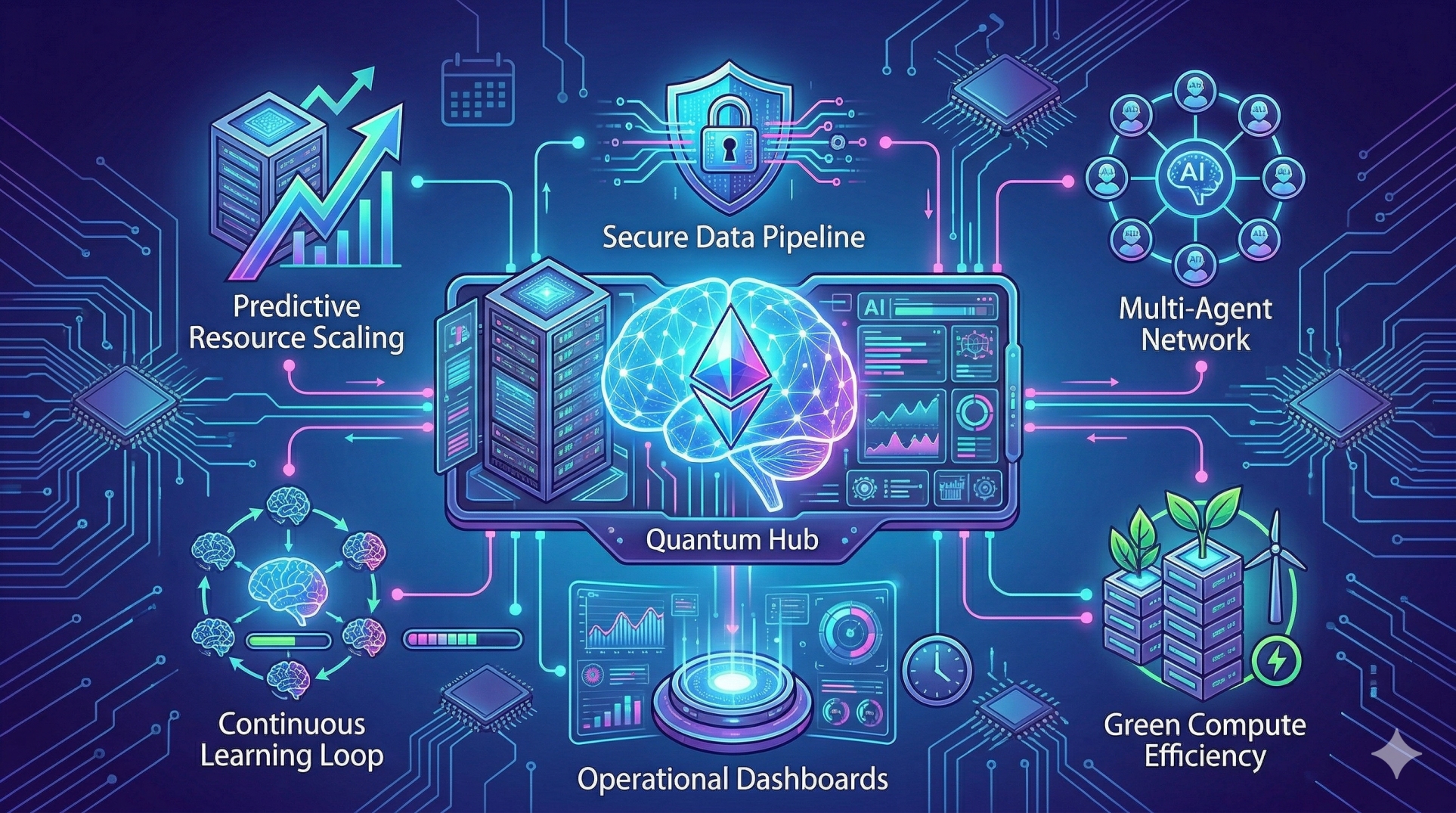
Large Language Models (LLMs) do not deliver real business value on their own. In production systems, the real intelligence comes from orchestration layers that coordinate models, tools, and data into reliable, controllable workflows. LLM orchestration is the system glue that turns raw model capability into scalable, enterprise-ready software. 🚀
What Is an LLM Orchestration Layer 🧩
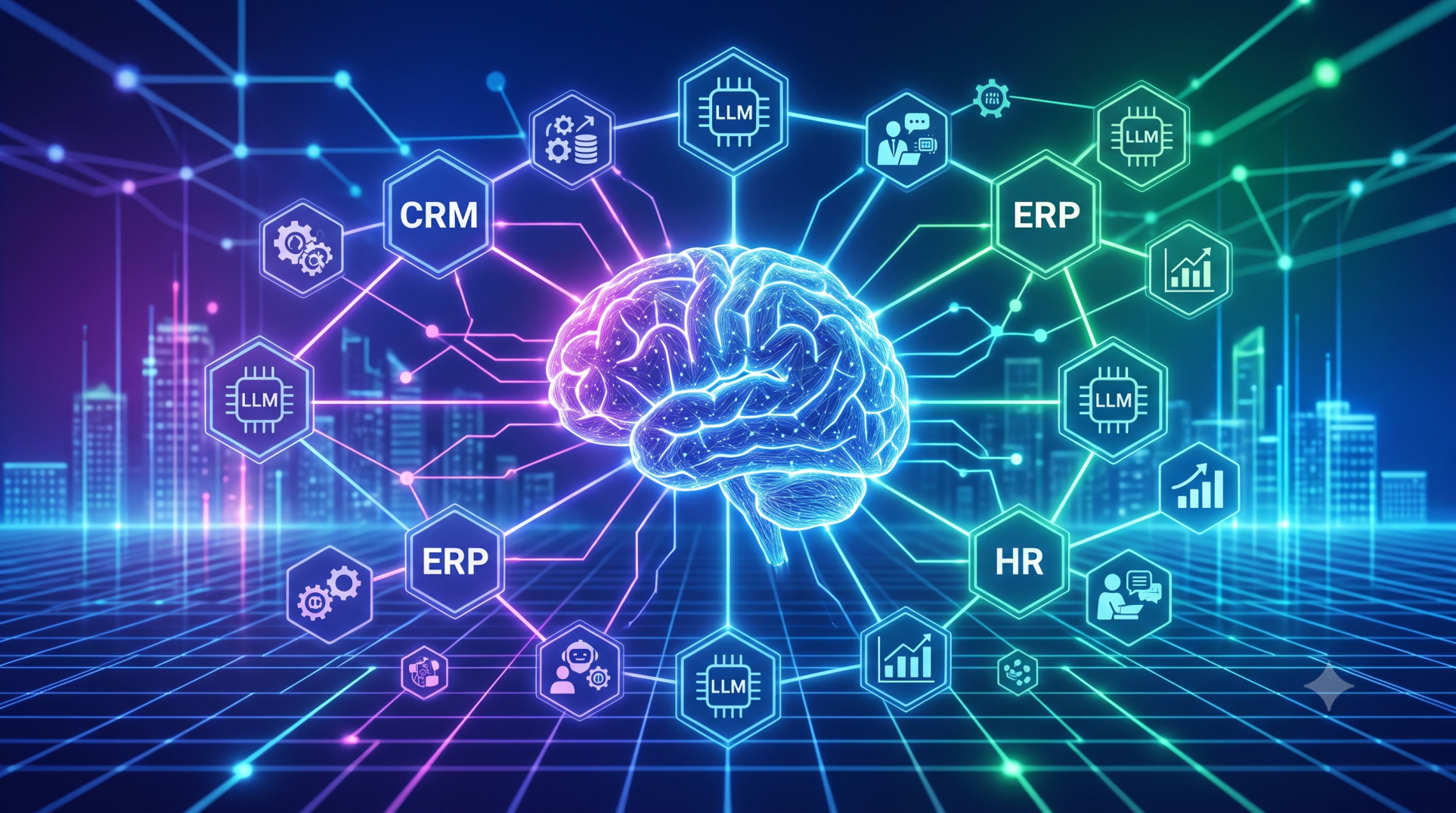
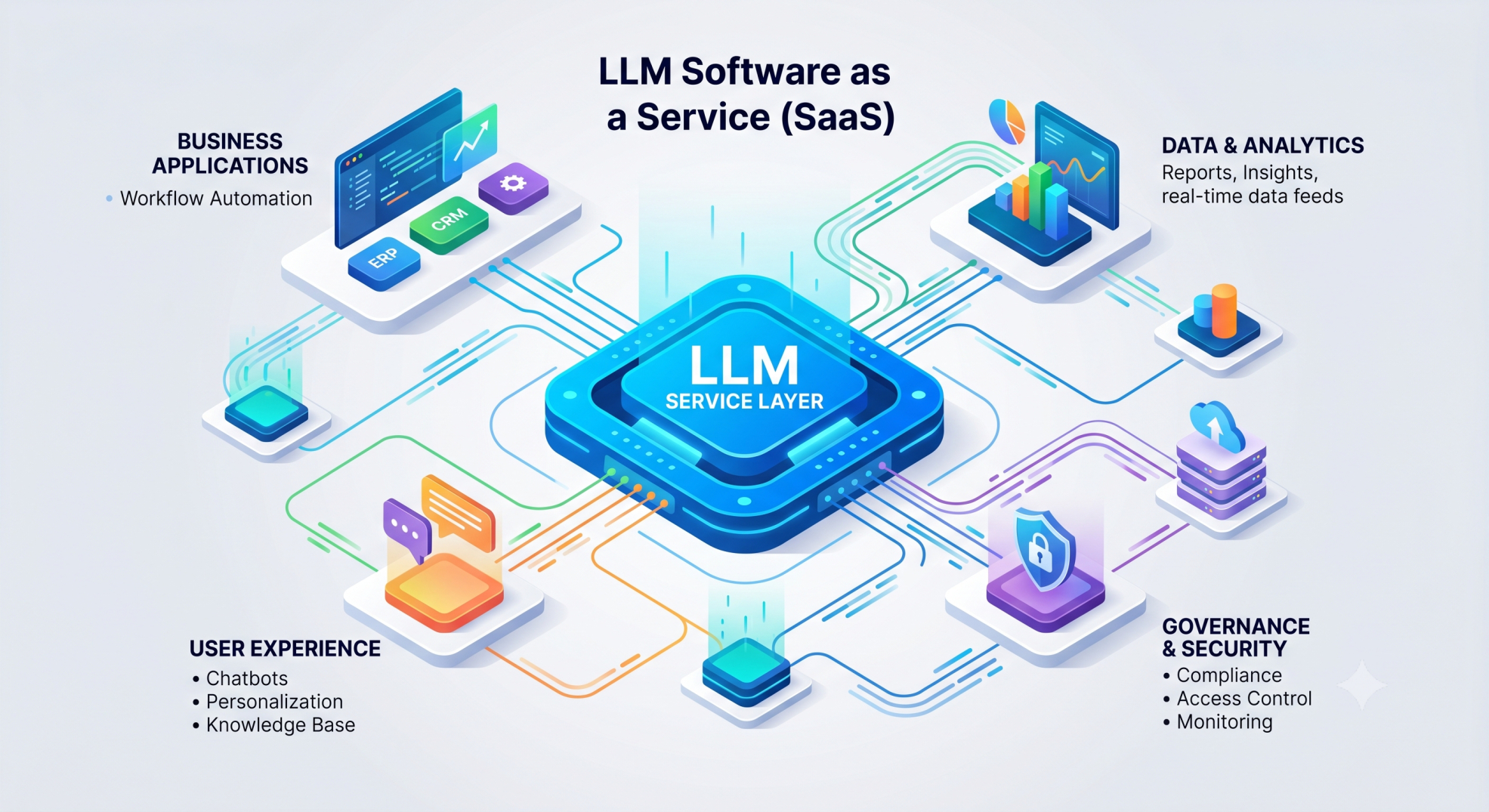
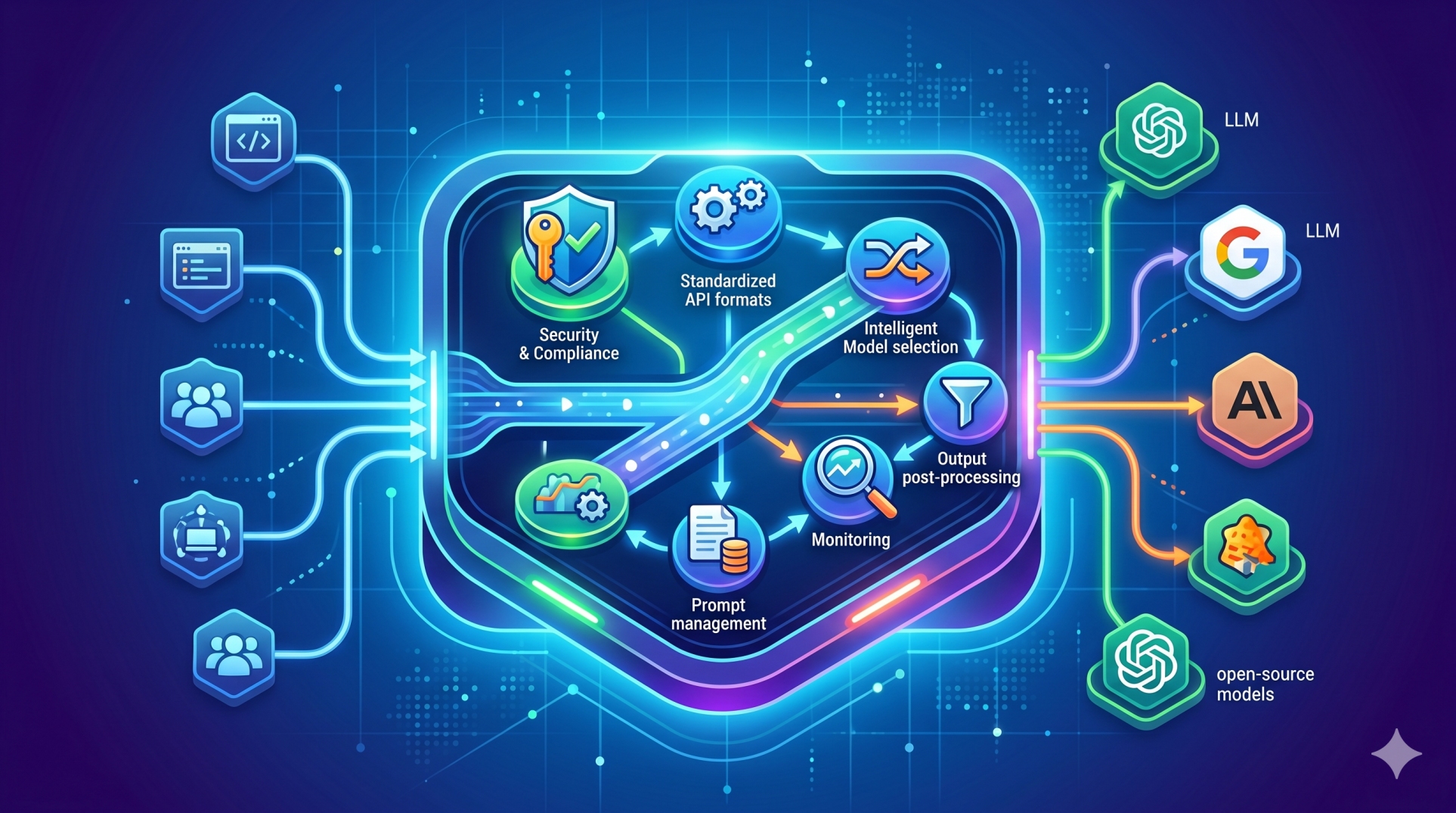
- Sits between applications and LLMs 🔗
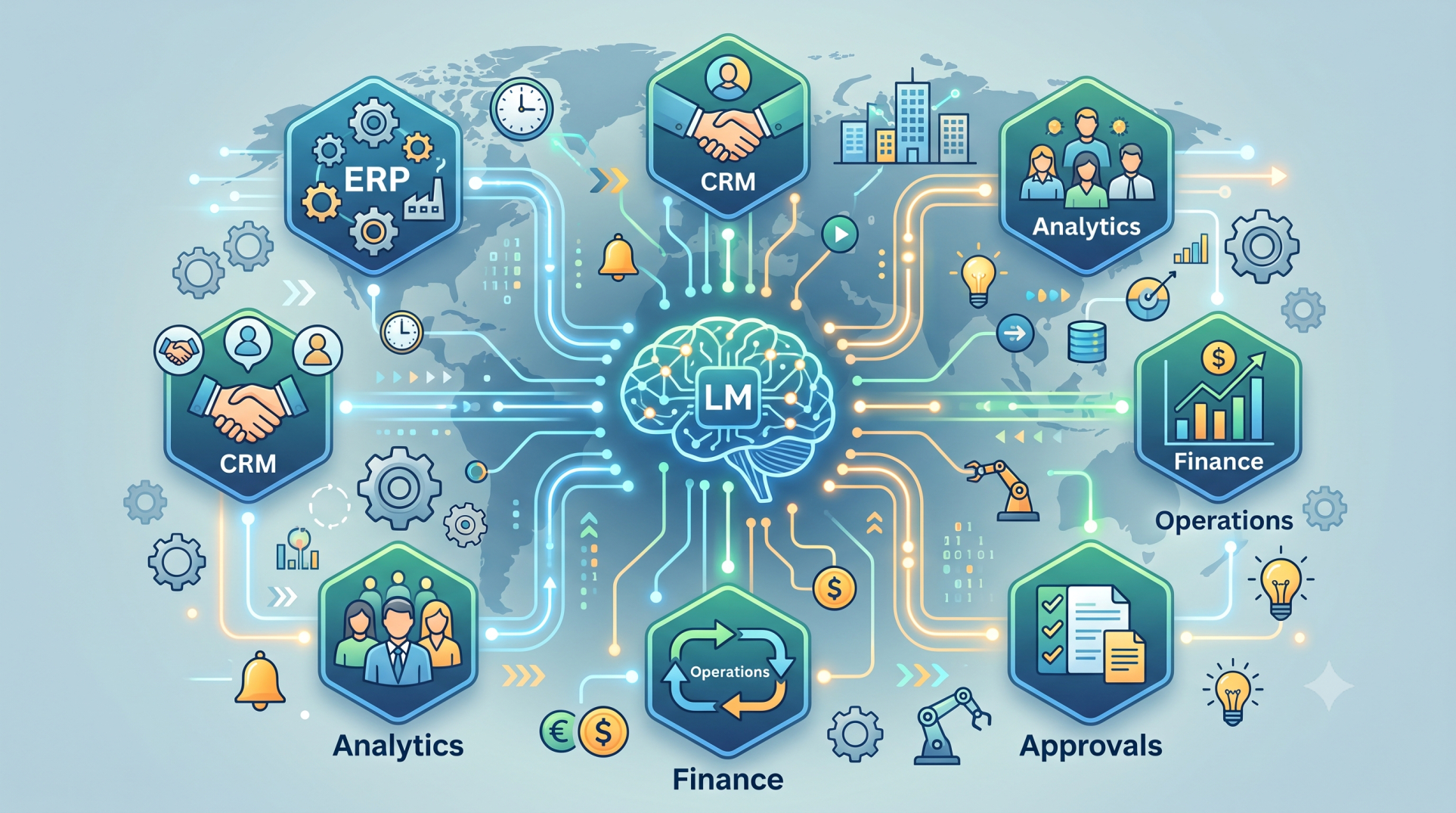
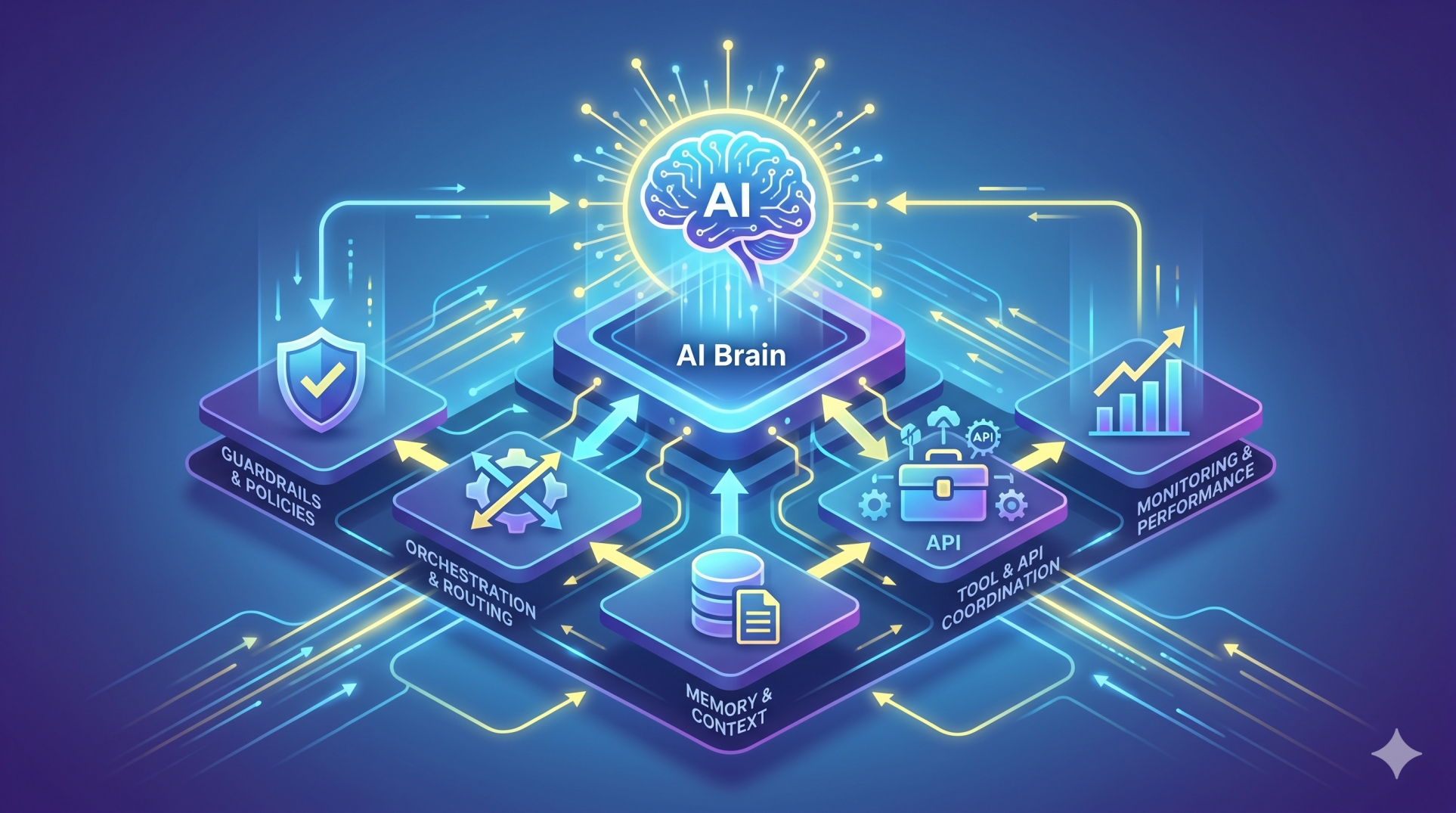
- Coordinates how models, tools, and data interact ⚙️
- Manages multi-step reasoning and execution 🧠
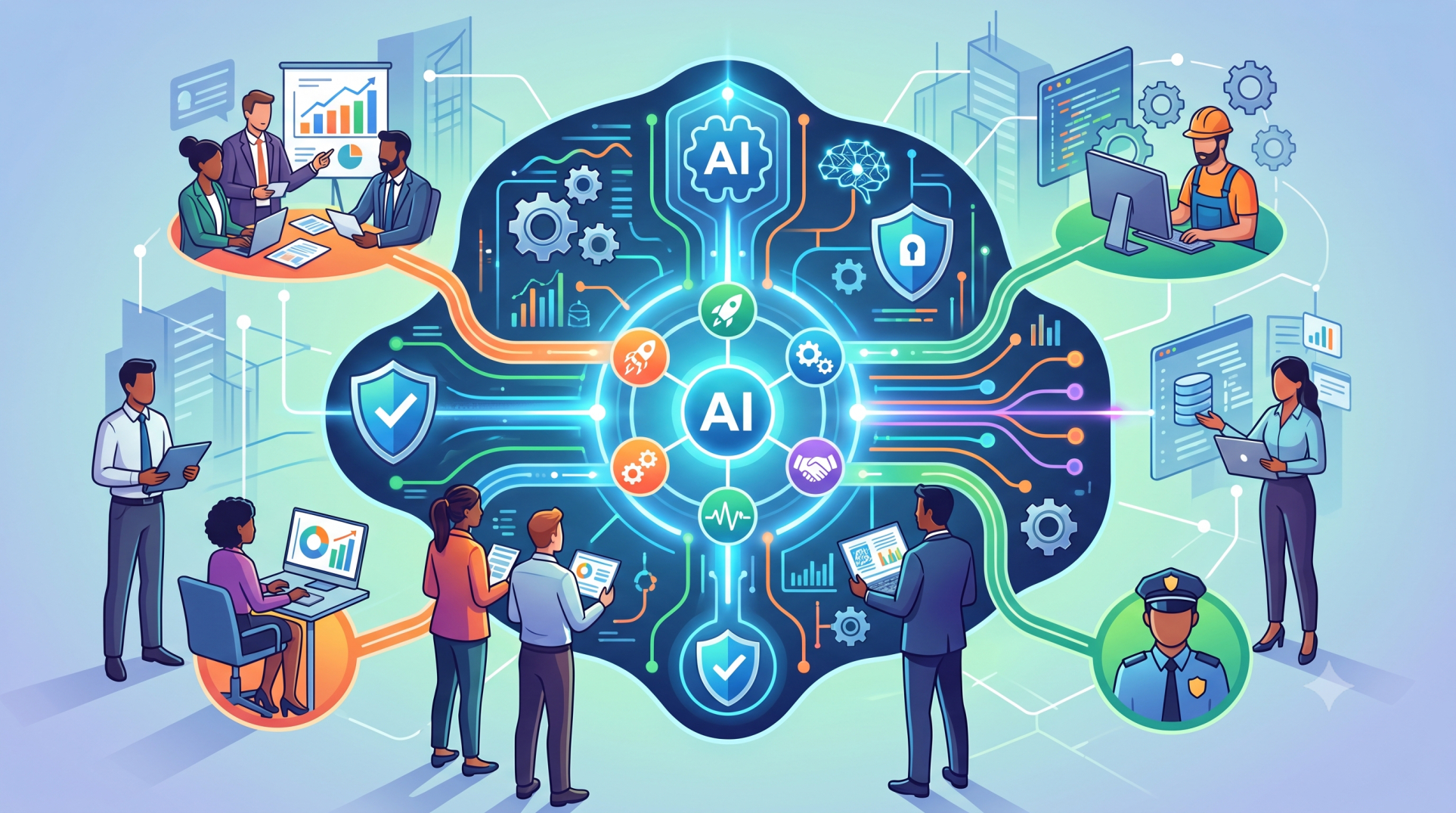
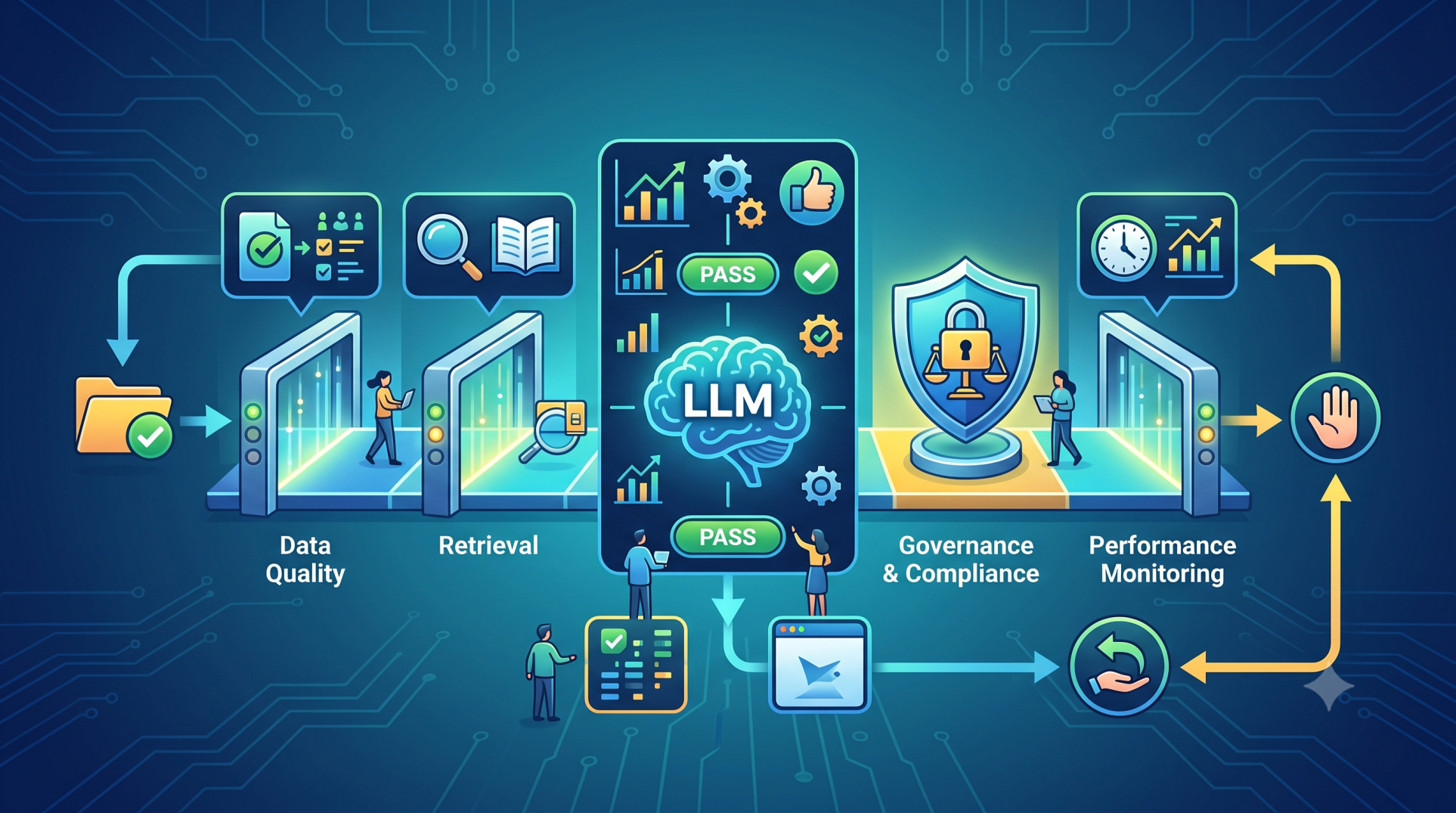
- Enforces control, reliability, and governance 🛡️
- Enables production-grade AI systems 🏭
Why Orchestration Is Essential ⚠️
- Single prompts are insufficient for complex tasks 🧾
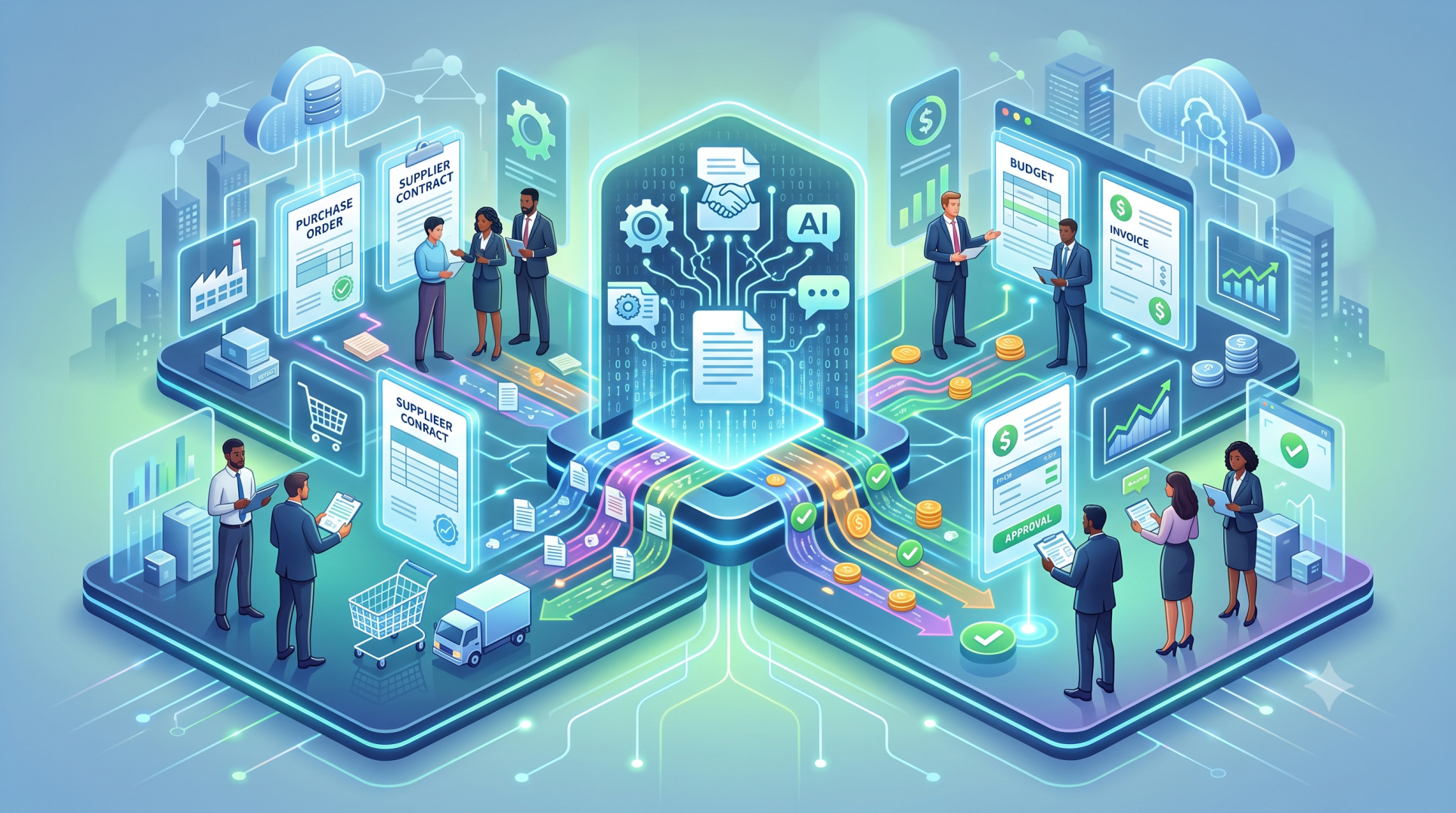
- Business workflows require multiple steps and validations 🔄
- Data must be retrieved, filtered, and grounded 📊
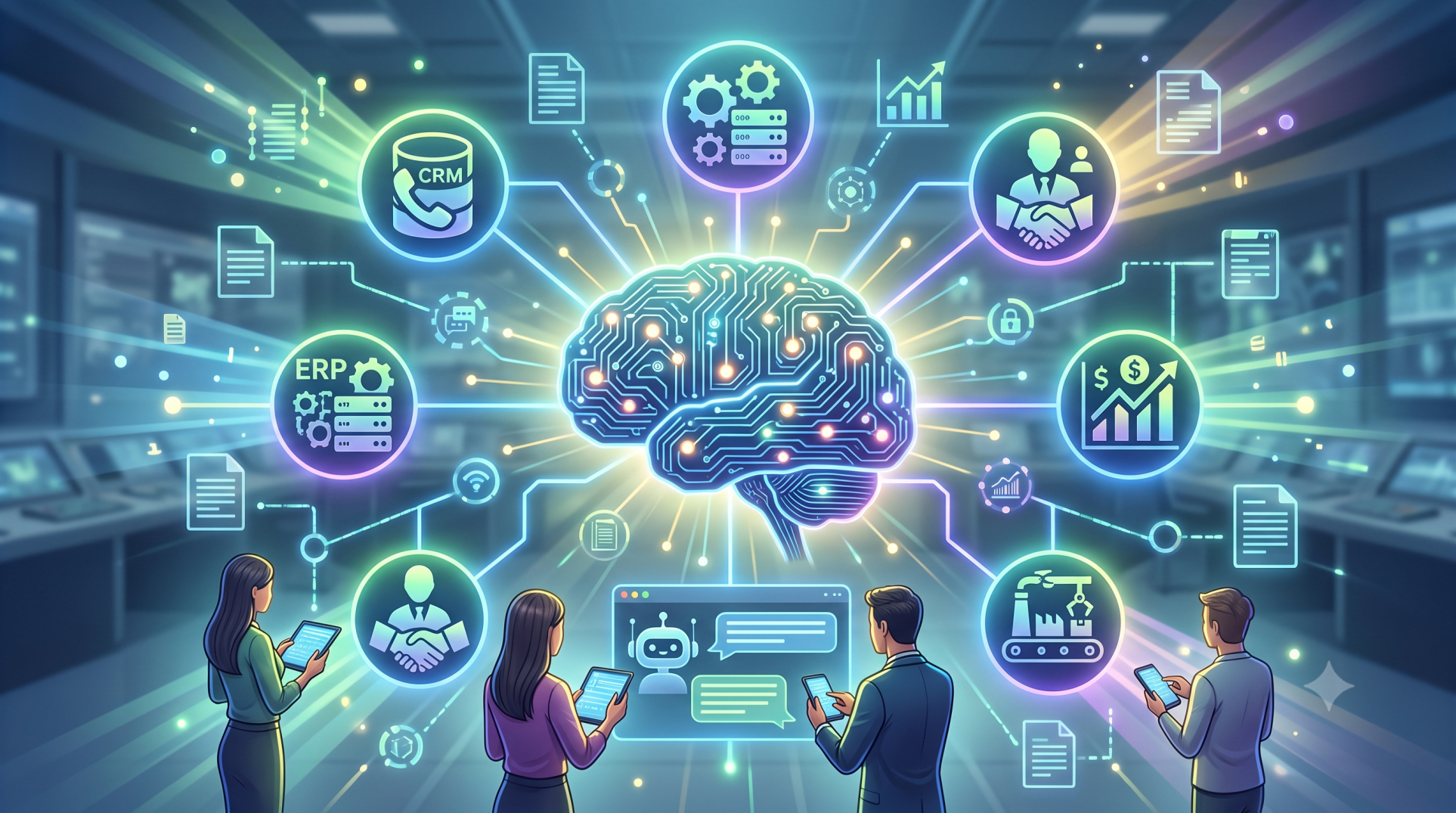
- External systems must be called safely 🔌
- Outputs must be evaluated and controlled 🎯
Without orchestration, LLM systems remain fragile and unpredictable. 🚫
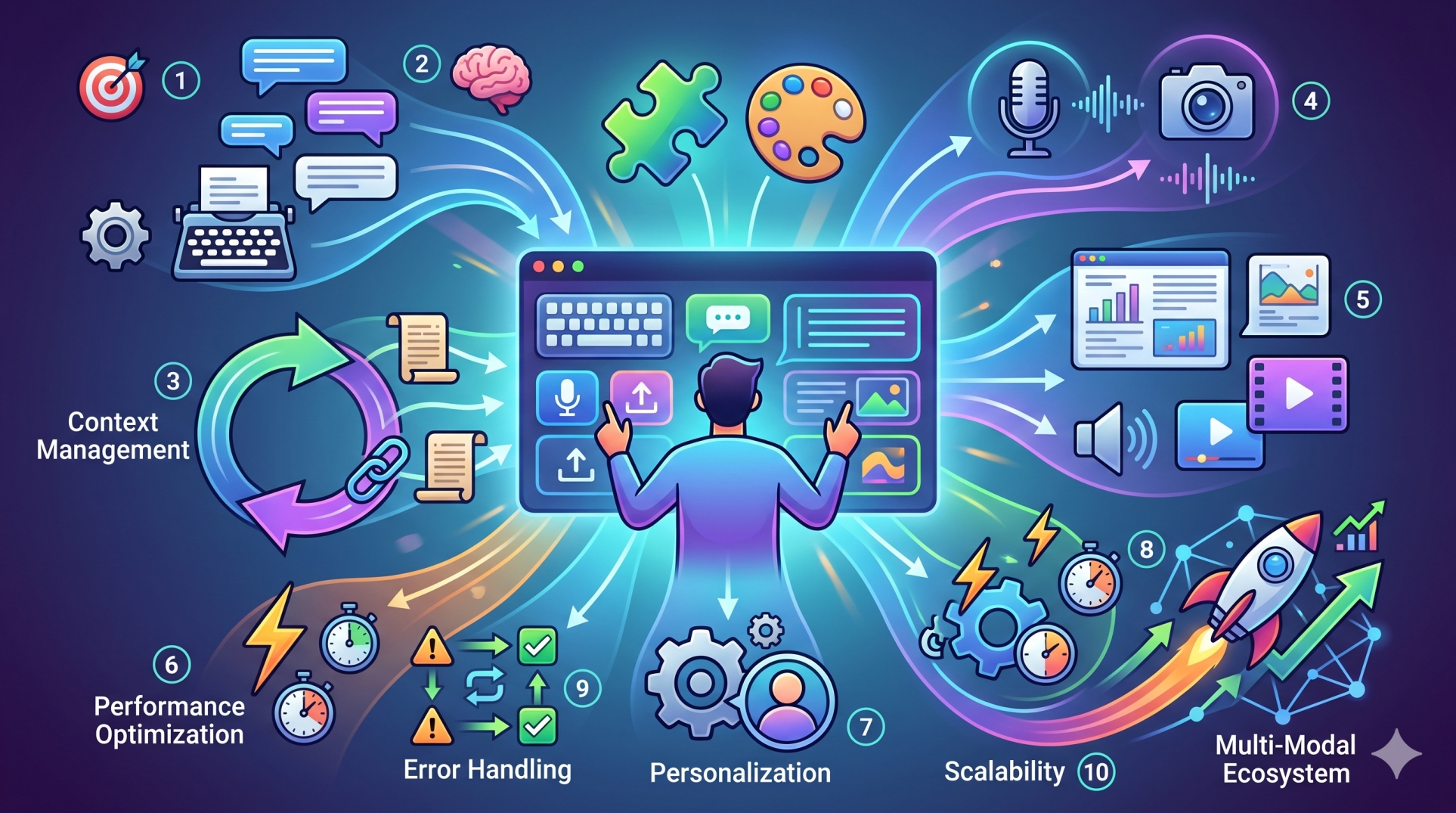
Core Components of LLM Orchestration 🏗️
1. Model Layer 🧠
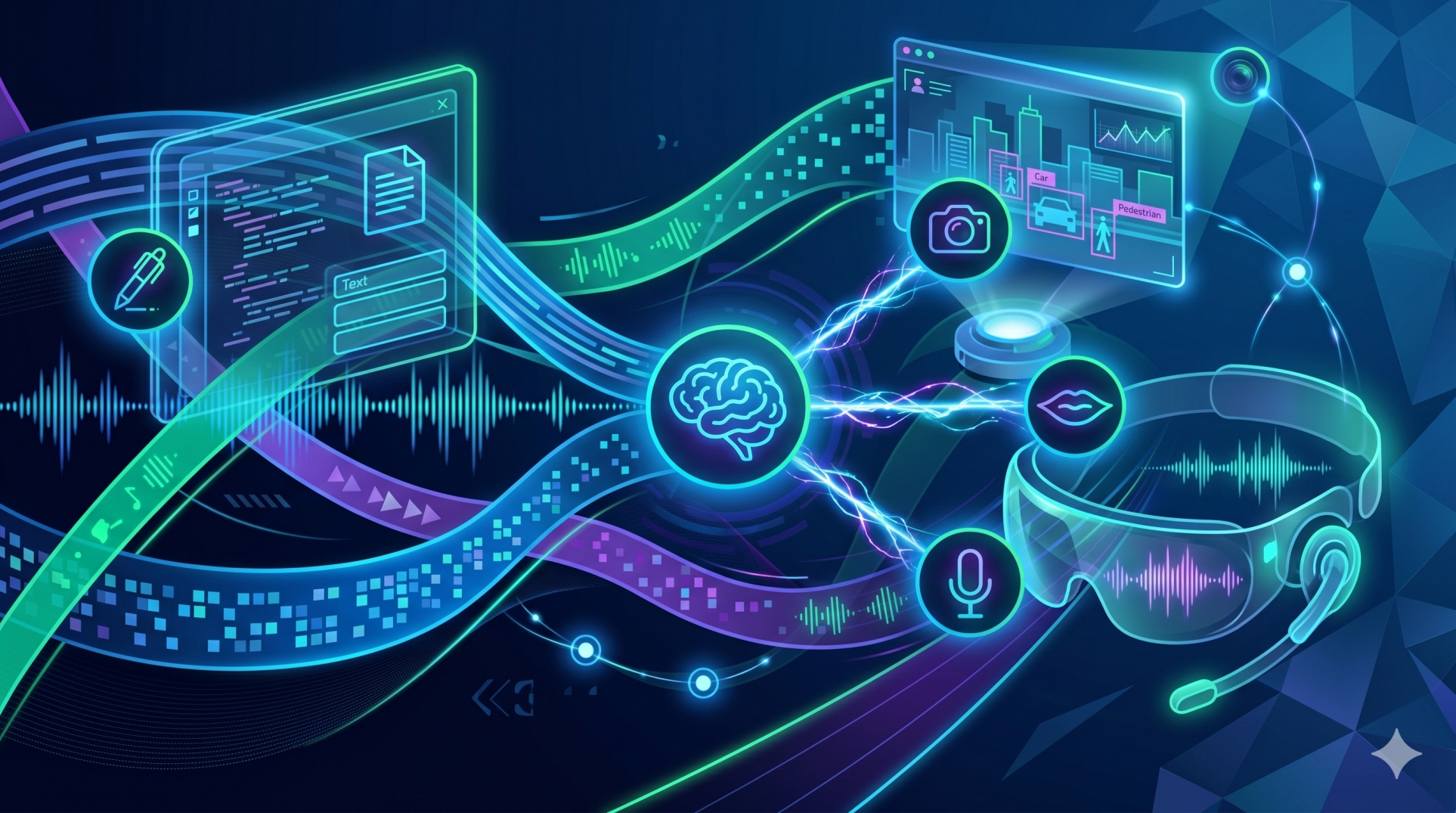
- Supports one or multiple LLMs 🤖
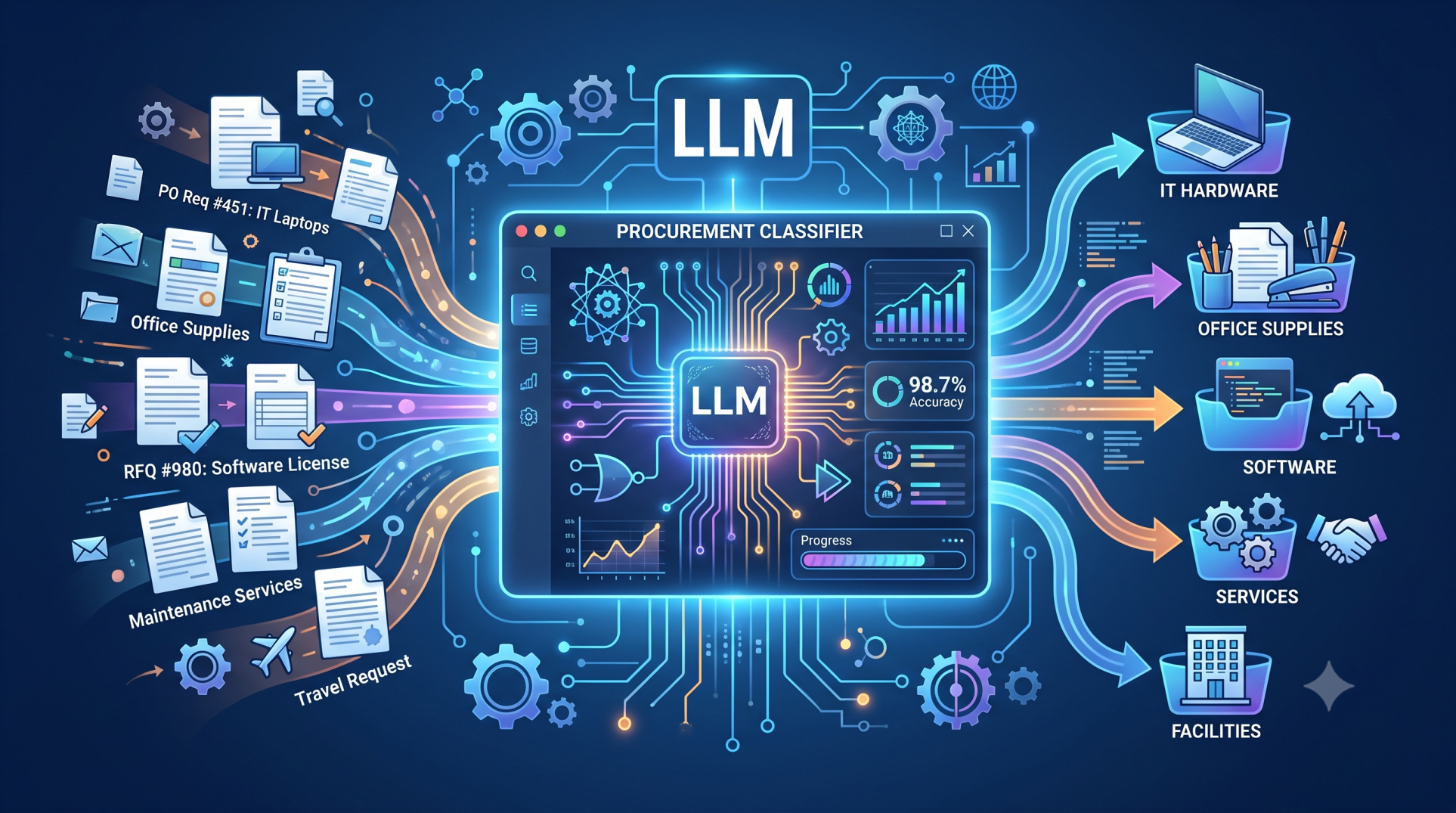
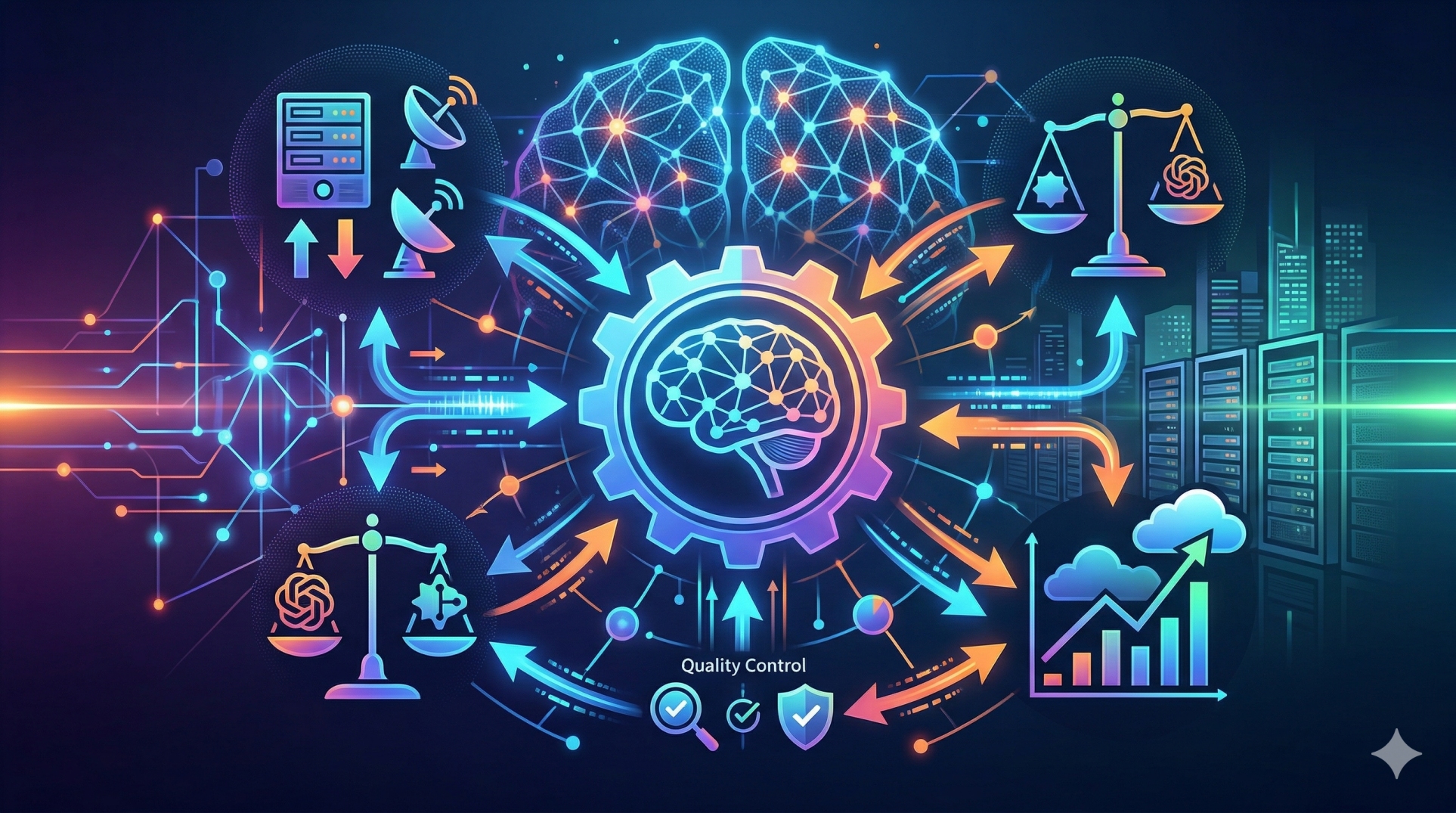
- Routes tasks to the most suitable model 🔀
- Enables model switching and upgrades 🔄
- Manages inference cost and latency 💰
- Allows specialization by task type 🎯
2. Tool Execution Layer 🔧
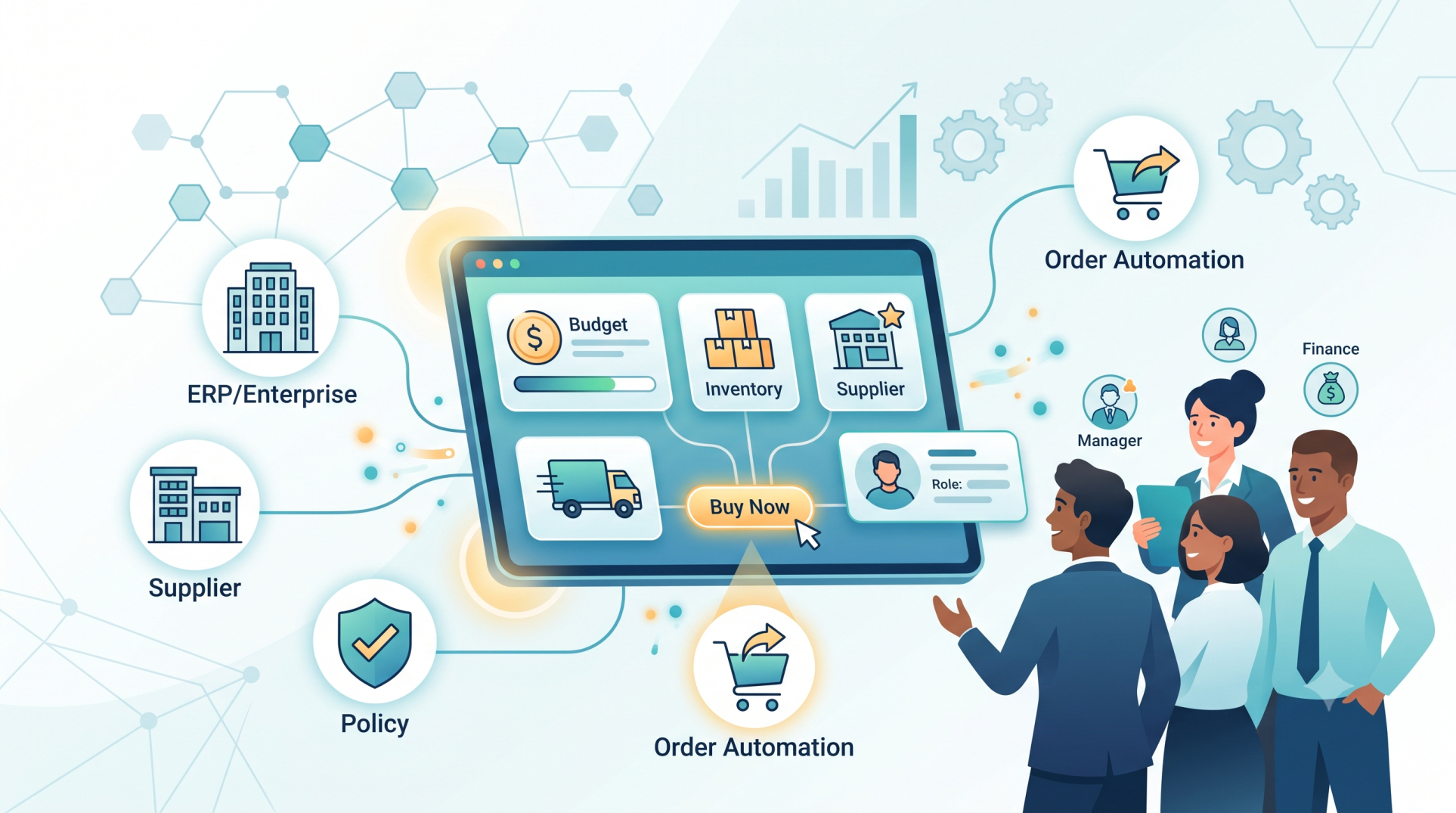
- Enables LLMs to call external tools and APIs 🔌
- Executes database queries and calculations 📊
- Triggers workflows and system actions ⚙️
- Validates tool inputs and outputs ✅
- Prevents unsafe or unauthorized actions 🛡️
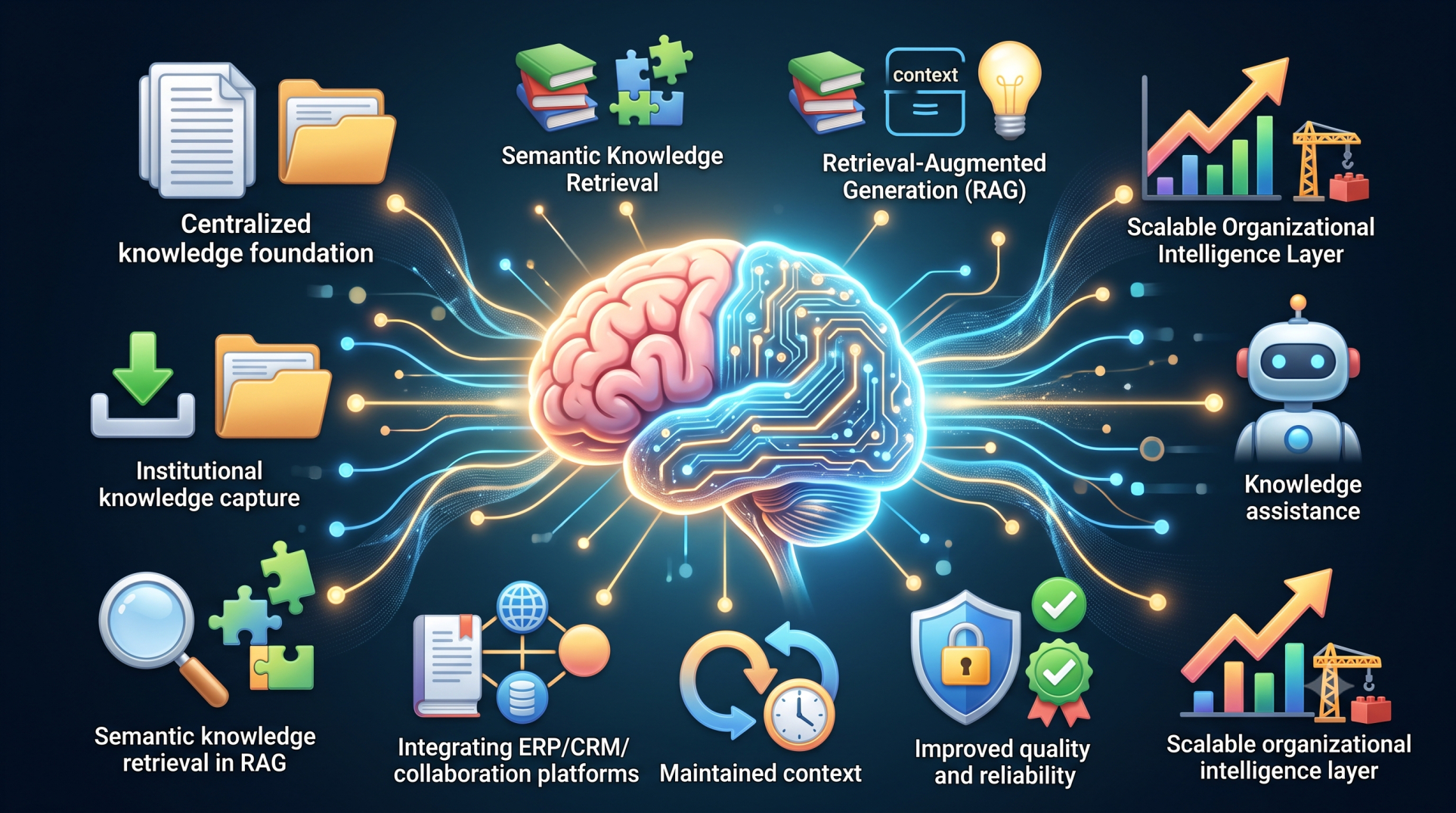
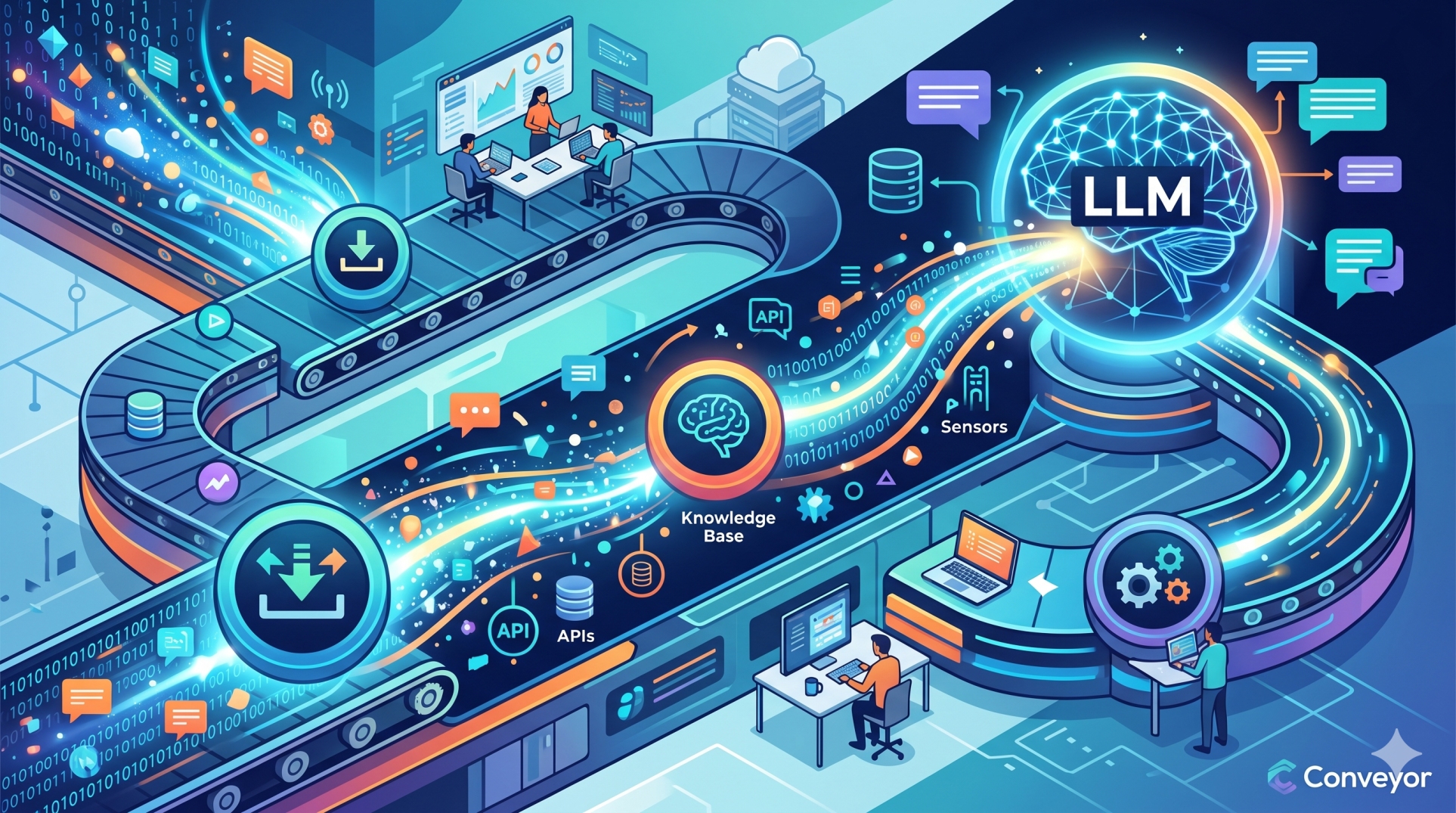
3. Data and Knowledge Layer 📚
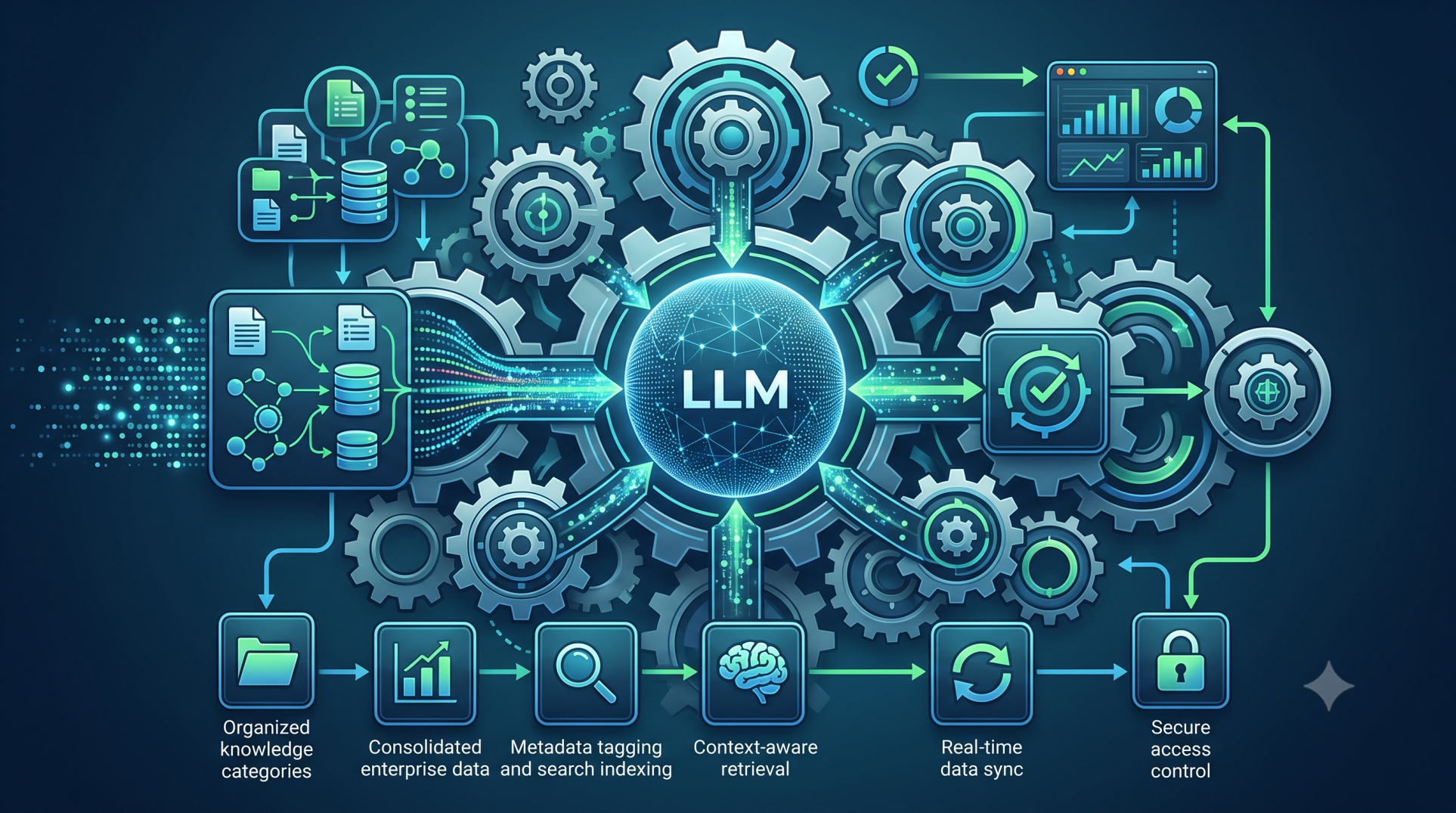
- Connects to documents, databases, and data lakes 🗄️
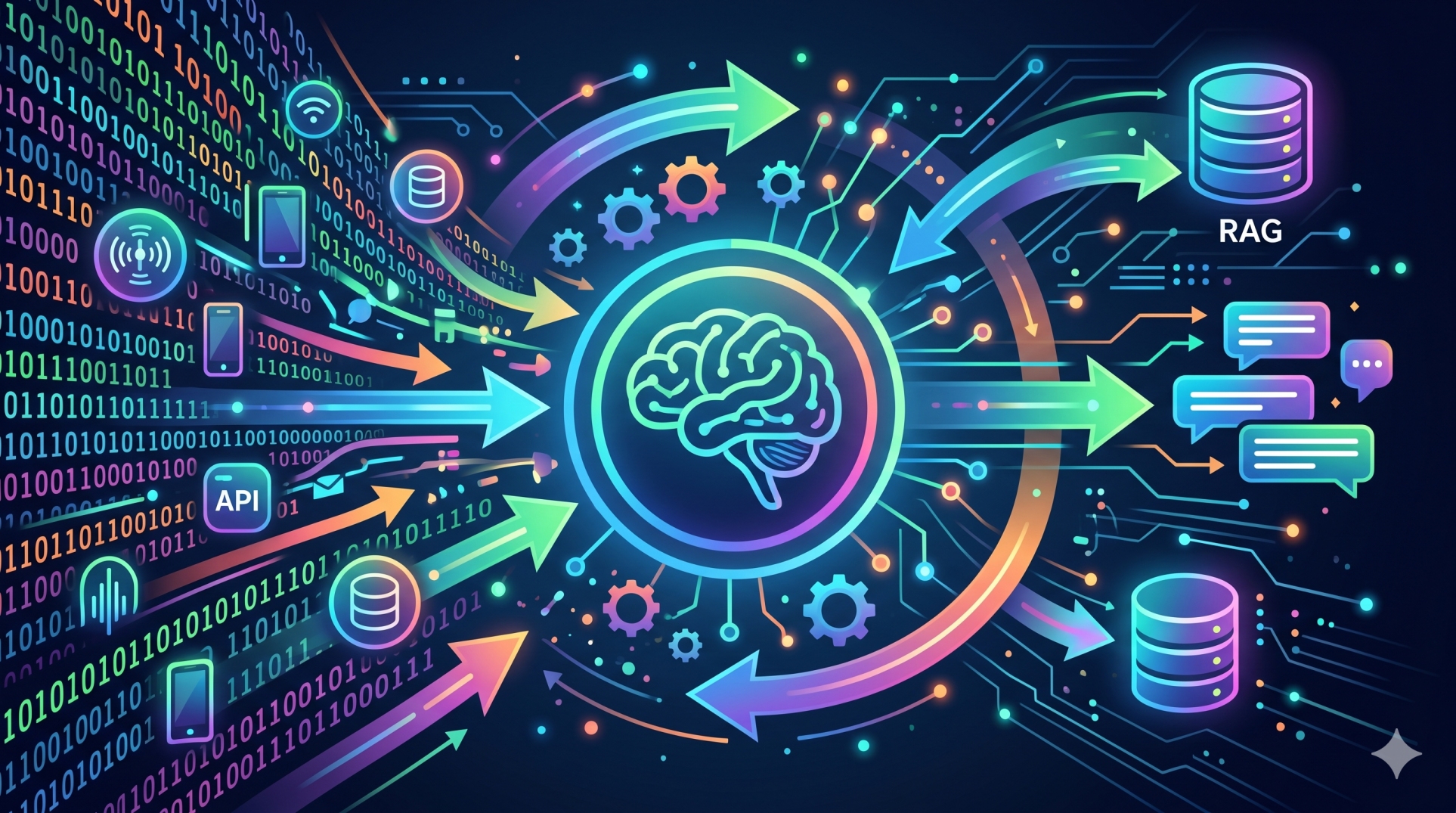
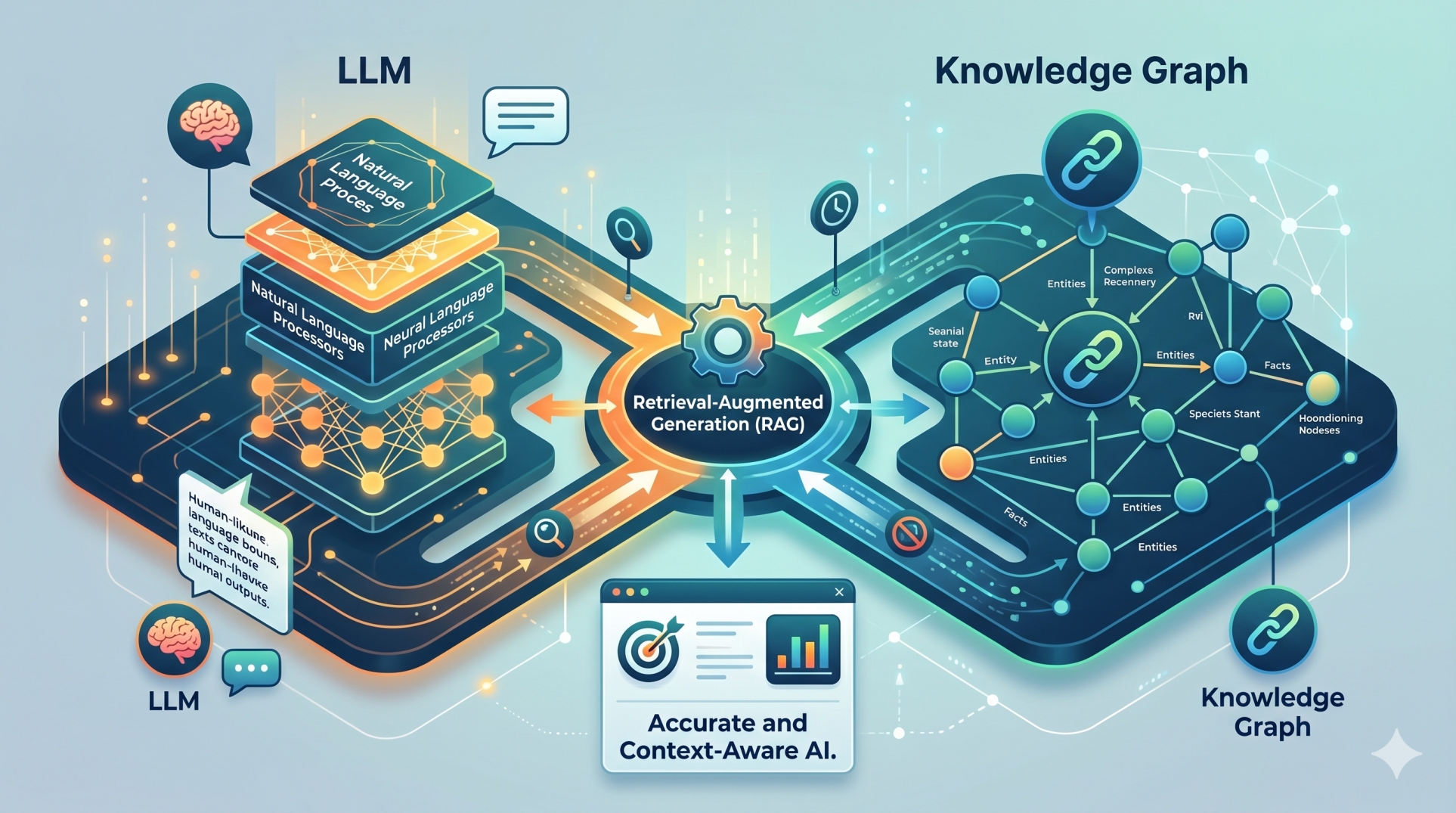
- Powers retrieval-augmented generation (RAG) 🔍
- Grounds responses in trusted sources 📌
- Ensures up-to-date and factual outputs 🕒
- Controls data access and scope 🔐
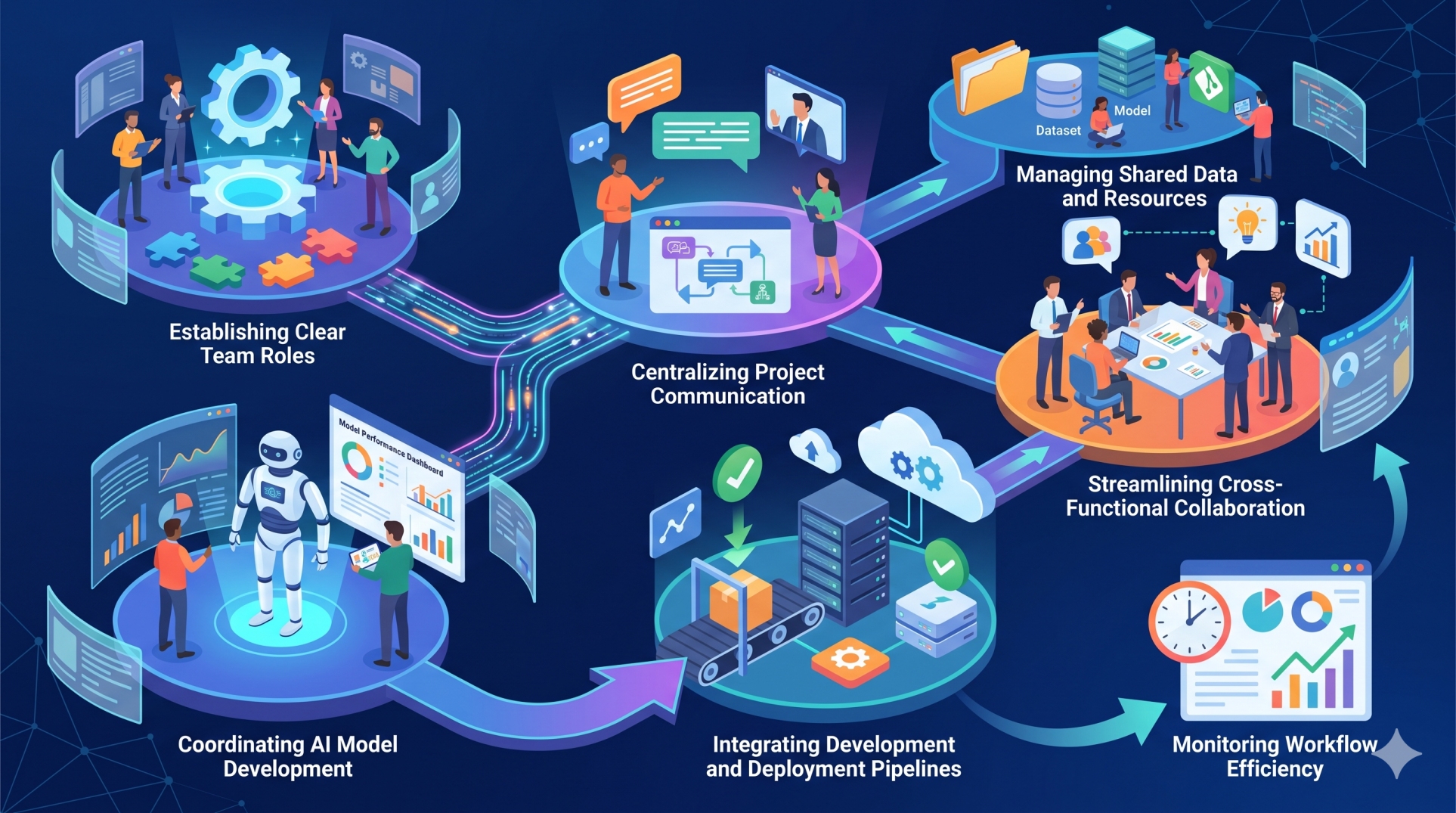
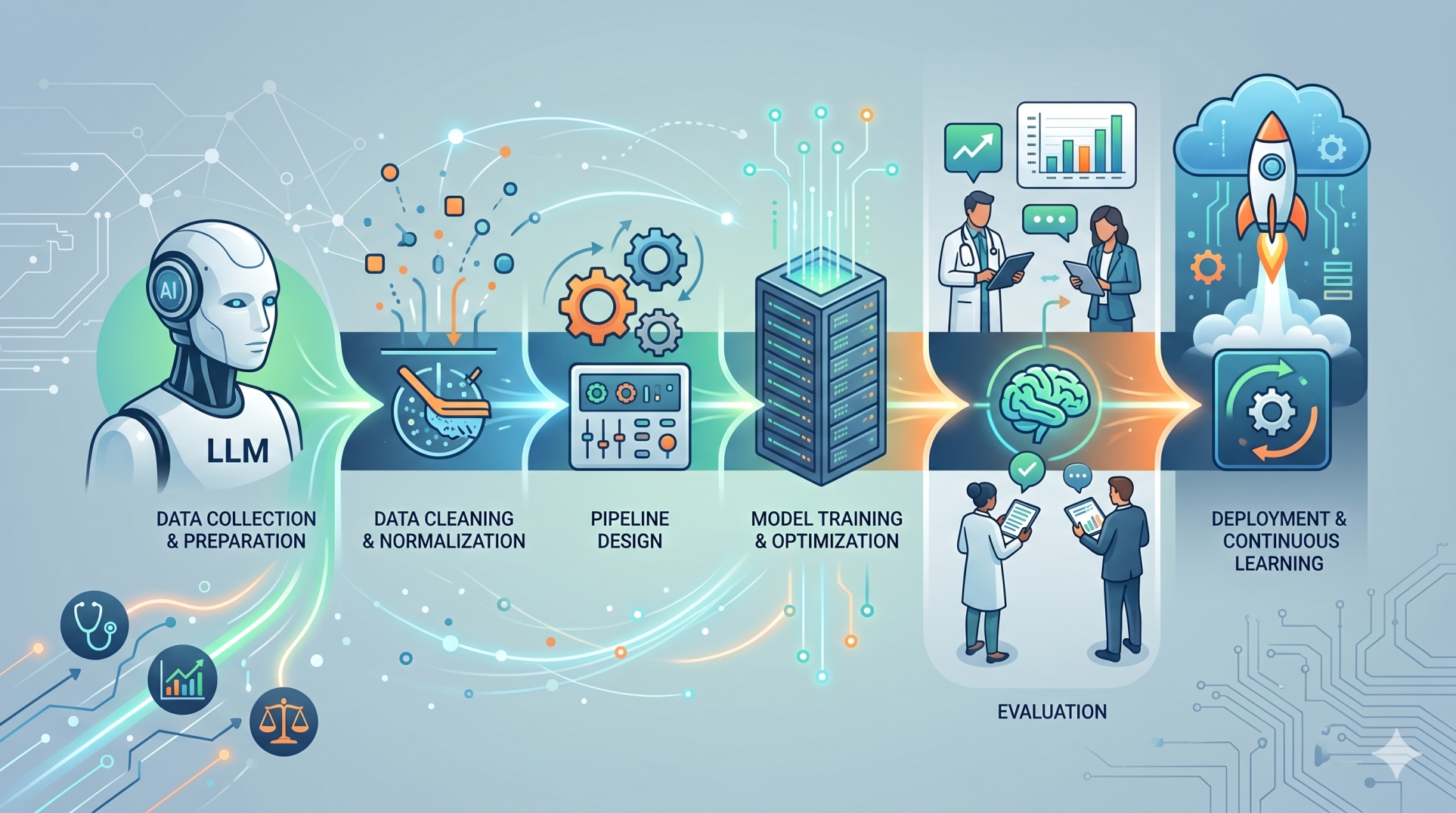
Workflow and Reasoning Management 🔄
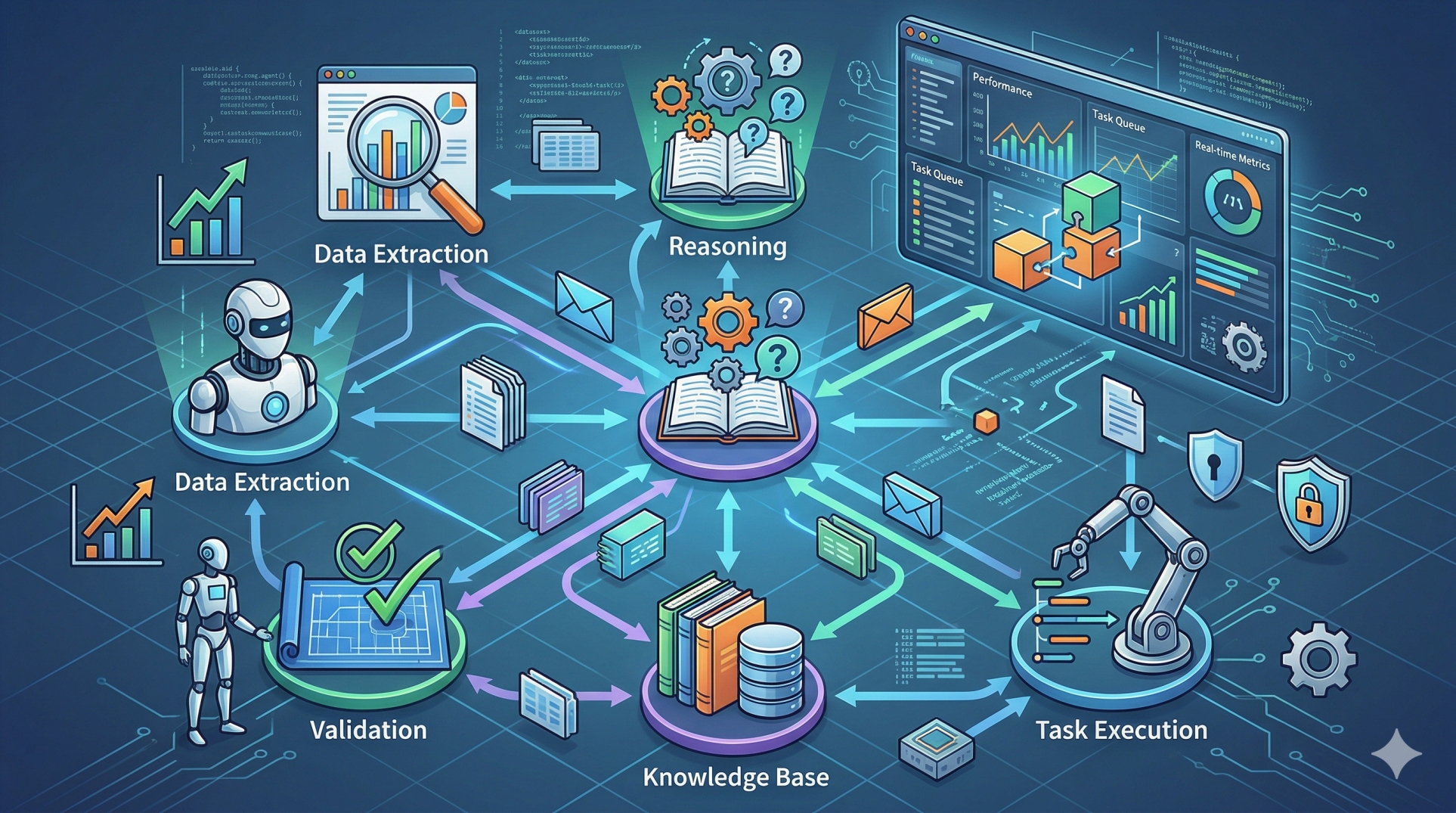
- Breaks complex requests into steps 🧩
- Manages task sequencing and dependencies 🪜
- Handles retries, fallbacks, and branching logic 🔁
- Combines reasoning with tool execution 🧠
- Produces consistent, repeatable outcomes ✅
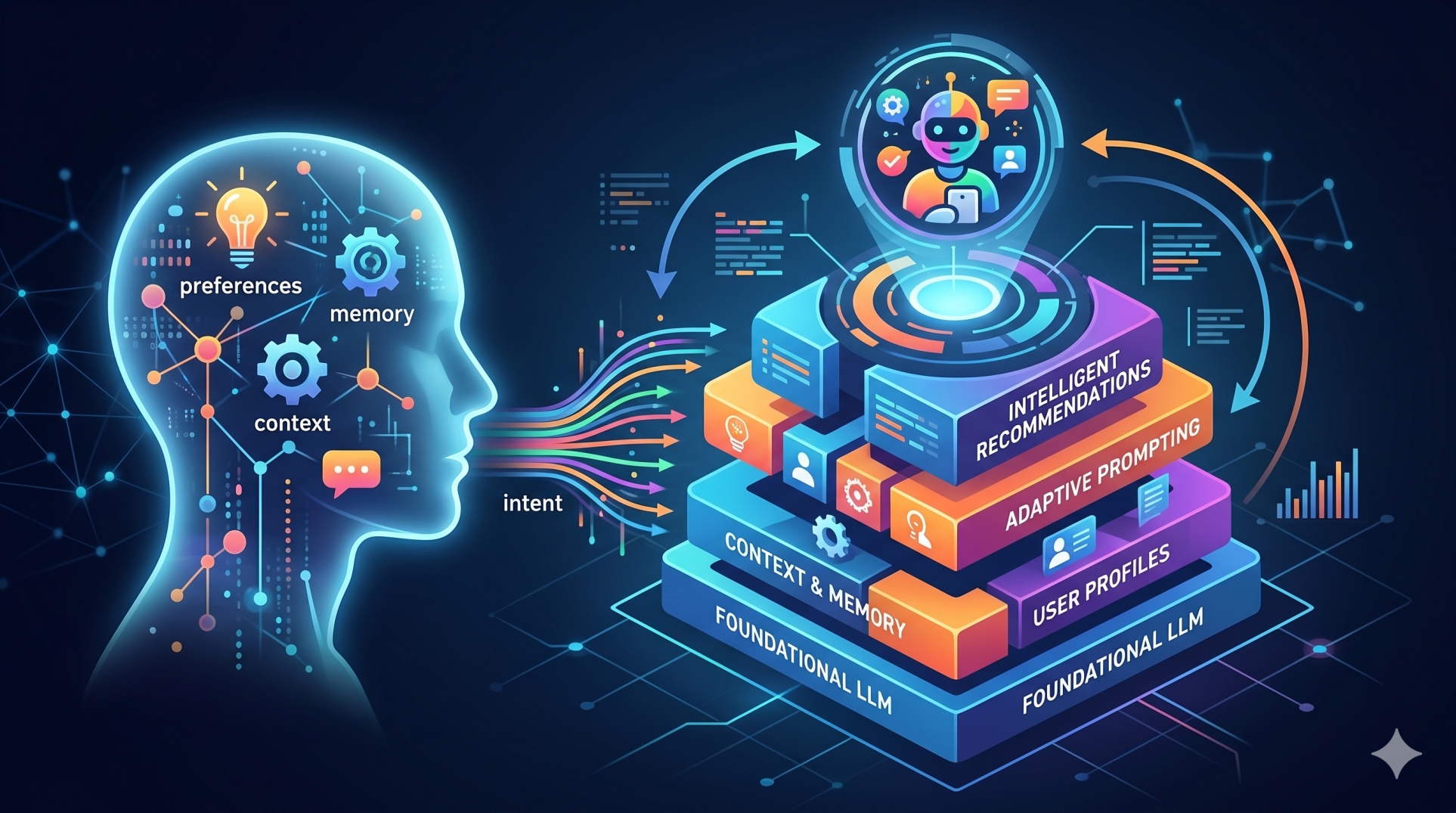
Context and Memory Handling 🧠
- Maintains short-term and long-term context 🗂️
- Controls what information is passed to models 🎛️
- Prevents context overflow and leakage 🚫
- Improves continuity across interactions 🔄
- Enables personalized and session-aware behavior 👤
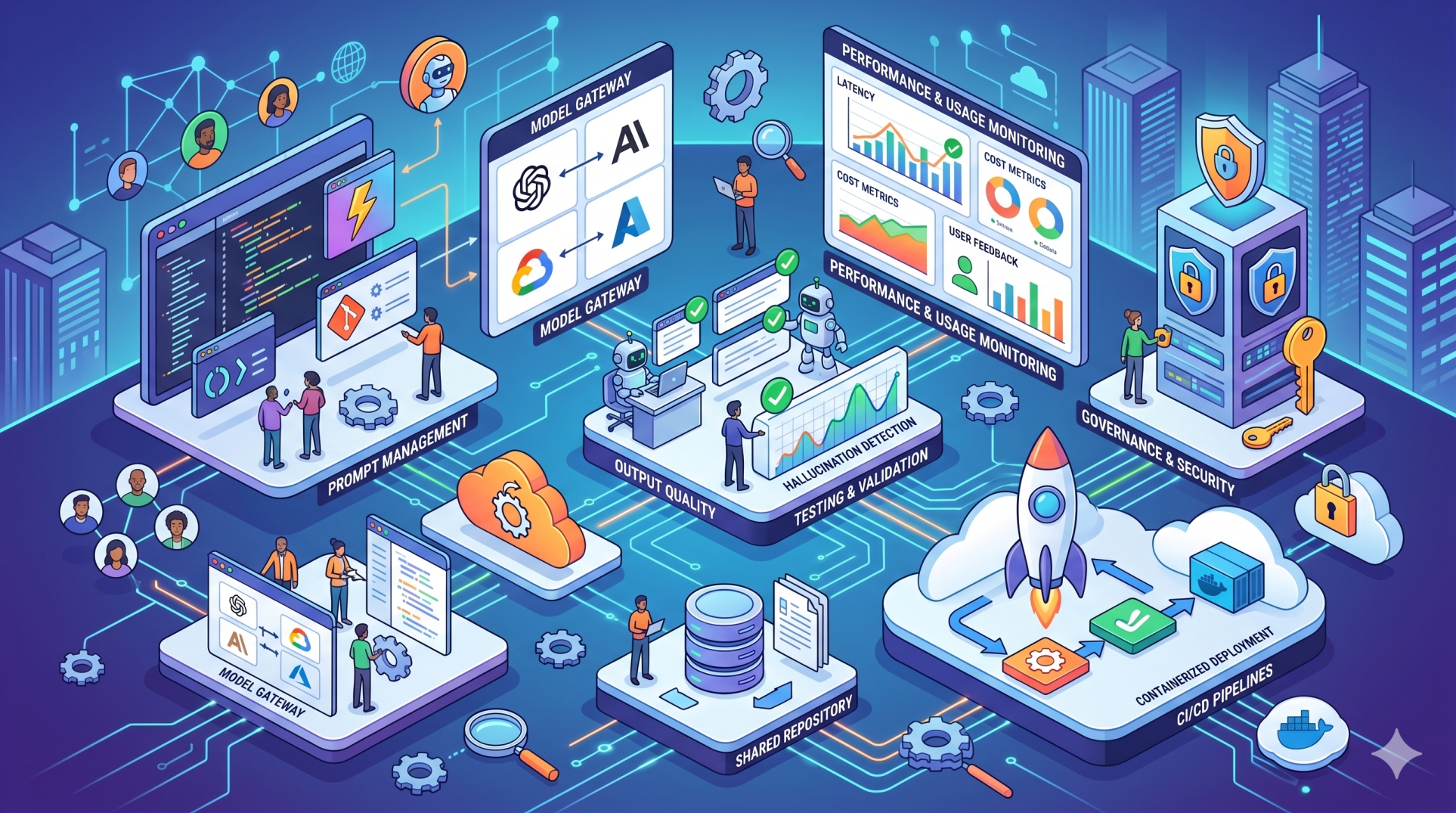
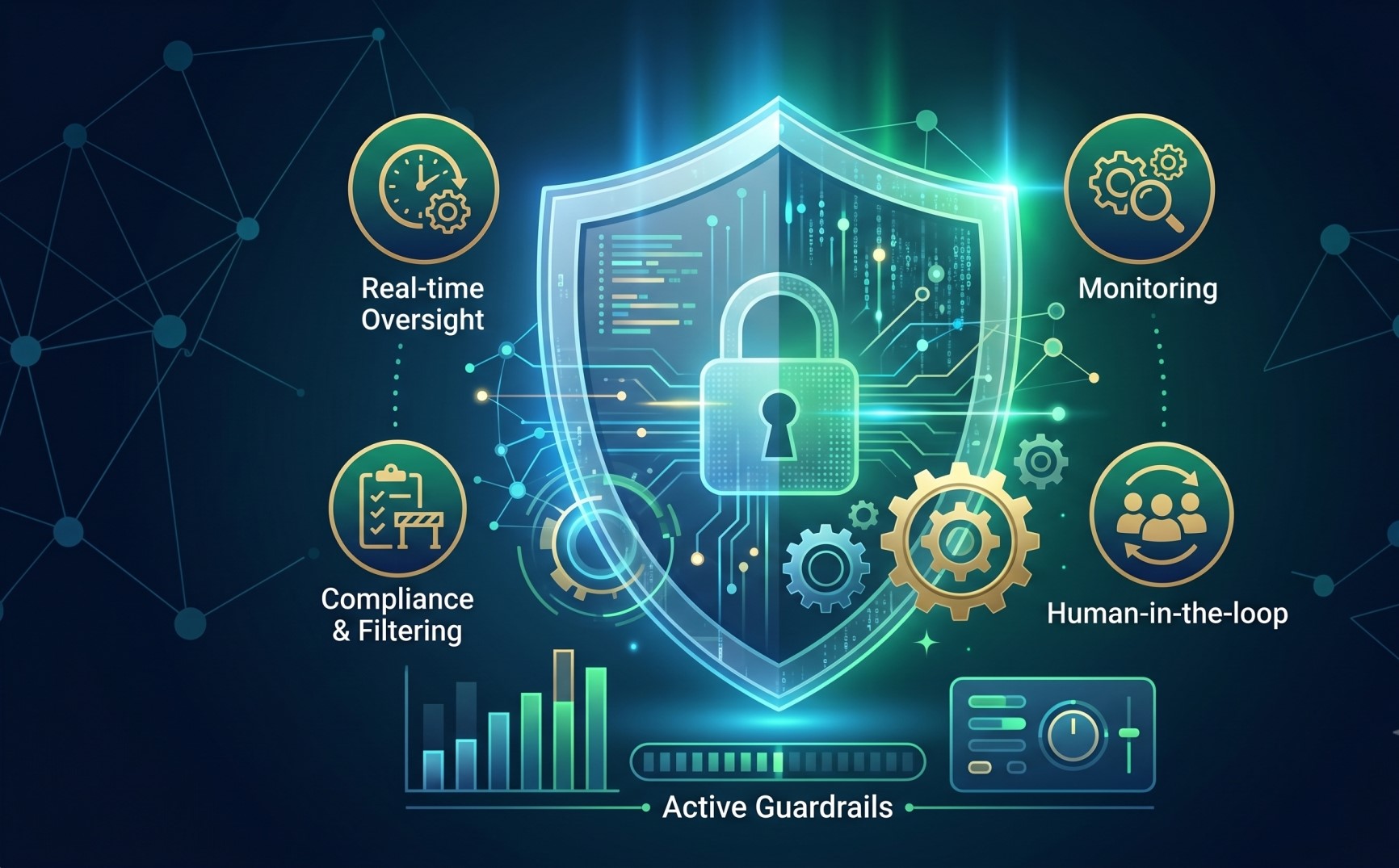
Guardrails and Control Mechanisms 🛡️
- Applies policy rules and safety filters 📜
- Enforces role-based access controls 👥
- Restricts data and tool usage 🔐
- Validates outputs before delivery ✅
- Reduces hallucinations and risk ⚠️
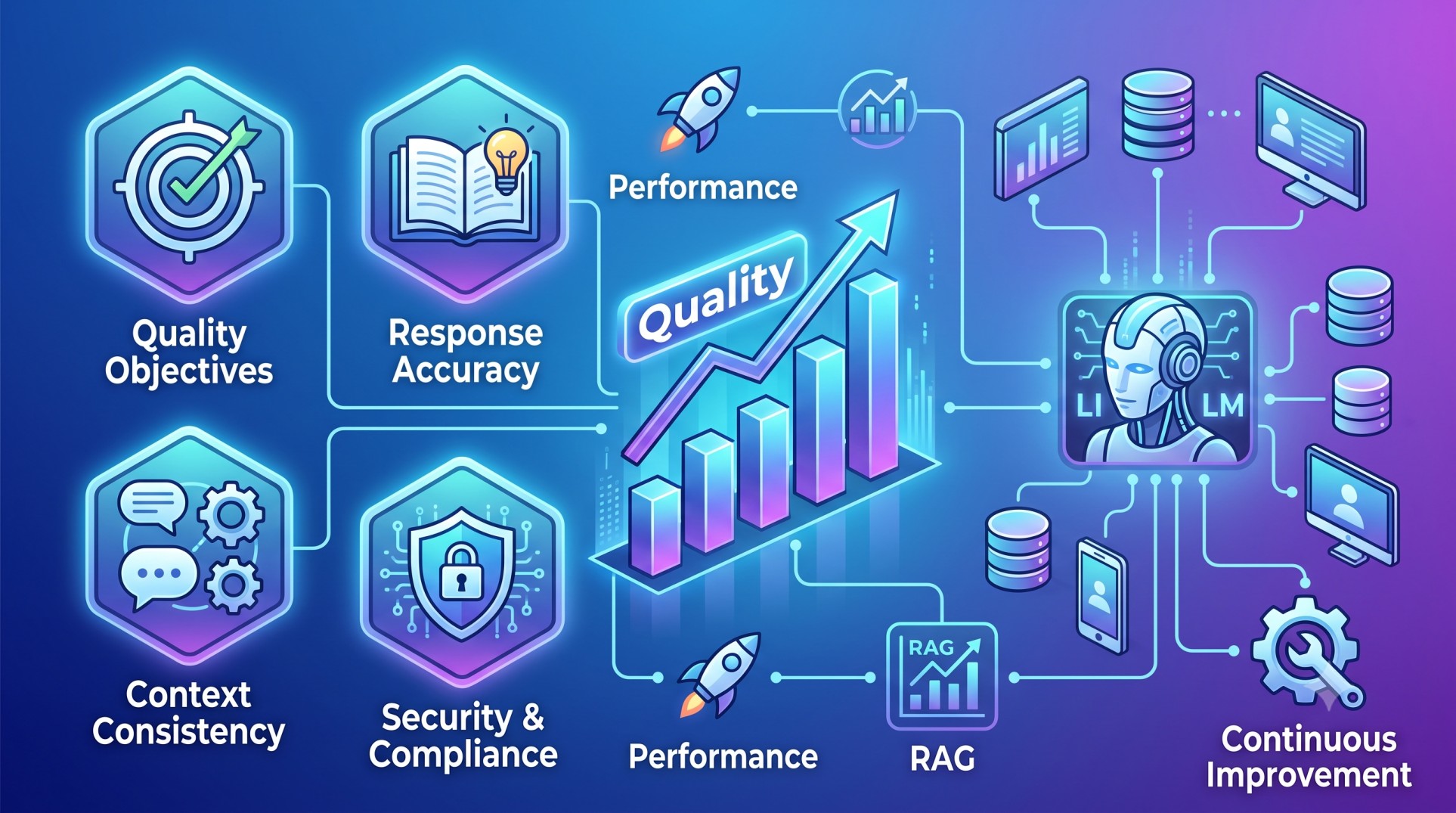
Evaluation and Feedback Loops 📈
- Scores responses for accuracy and relevance 🎯
- Tracks latency, cost, and failure rates ⏱️
- Compares model outputs over time 🔍
- Uses feedback to refine workflows 🔄
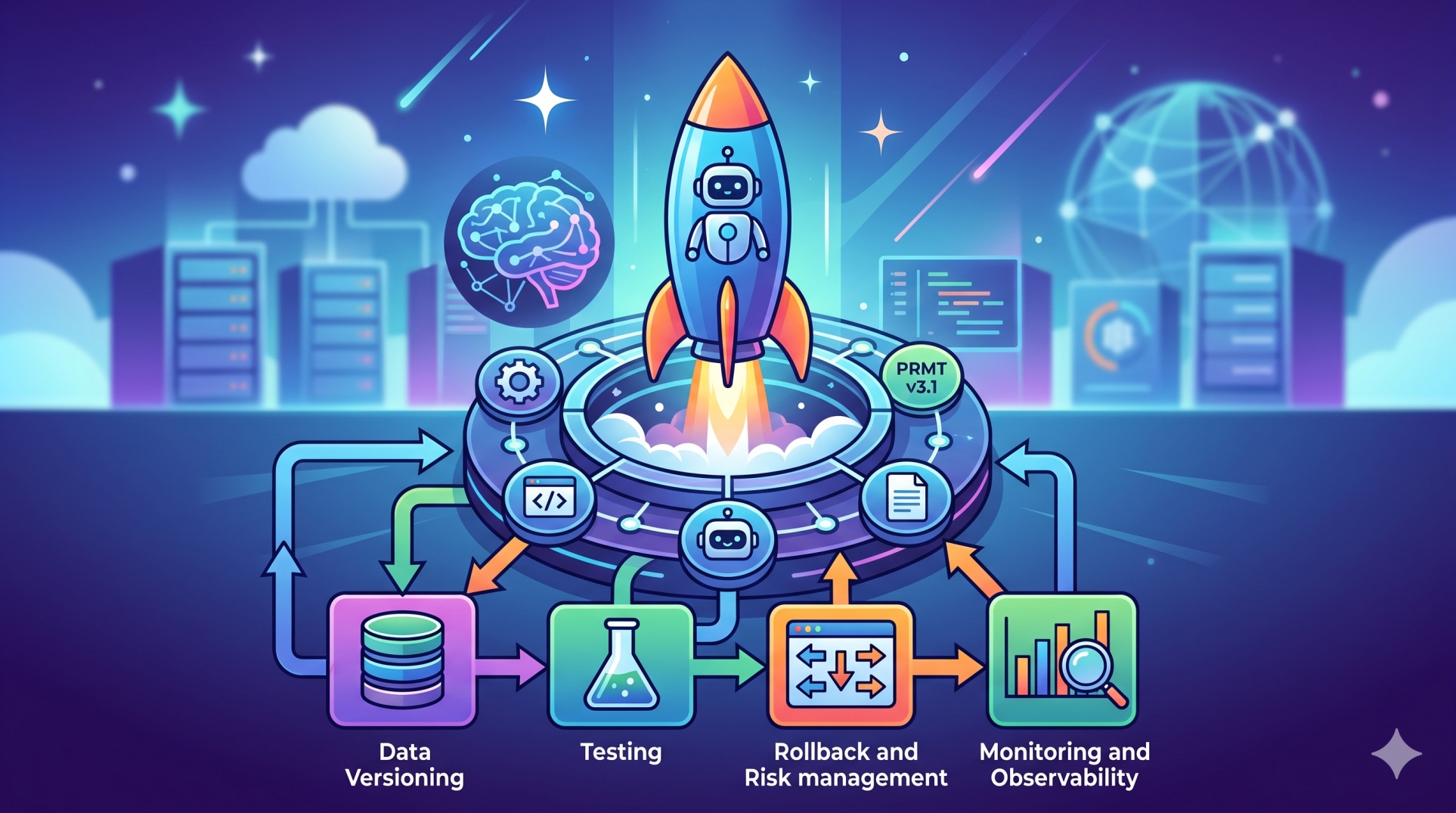
- Supports continuous improvement 🚀
Observability and Monitoring 👀
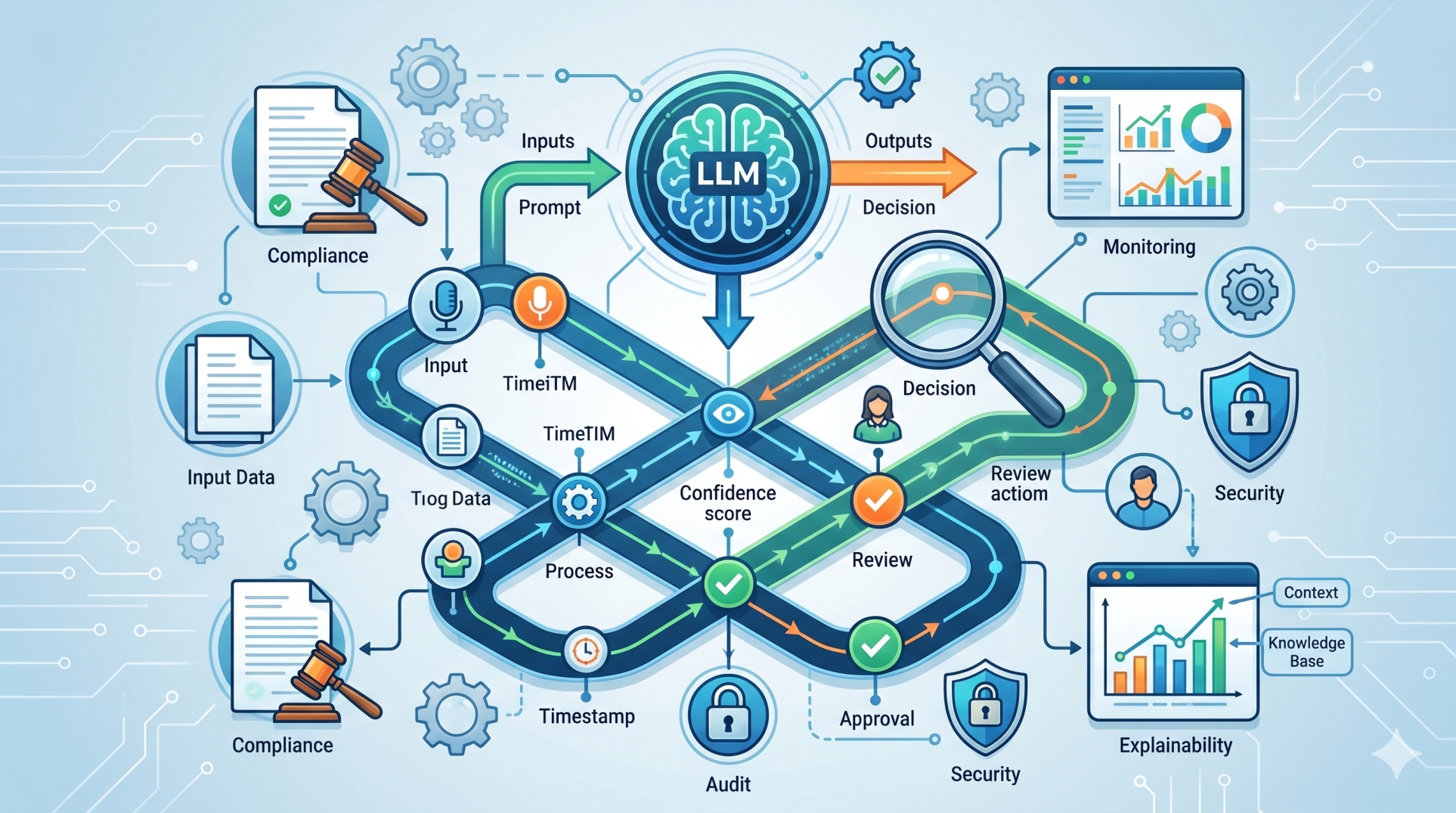
- Logs prompts, responses, and tool calls 📜
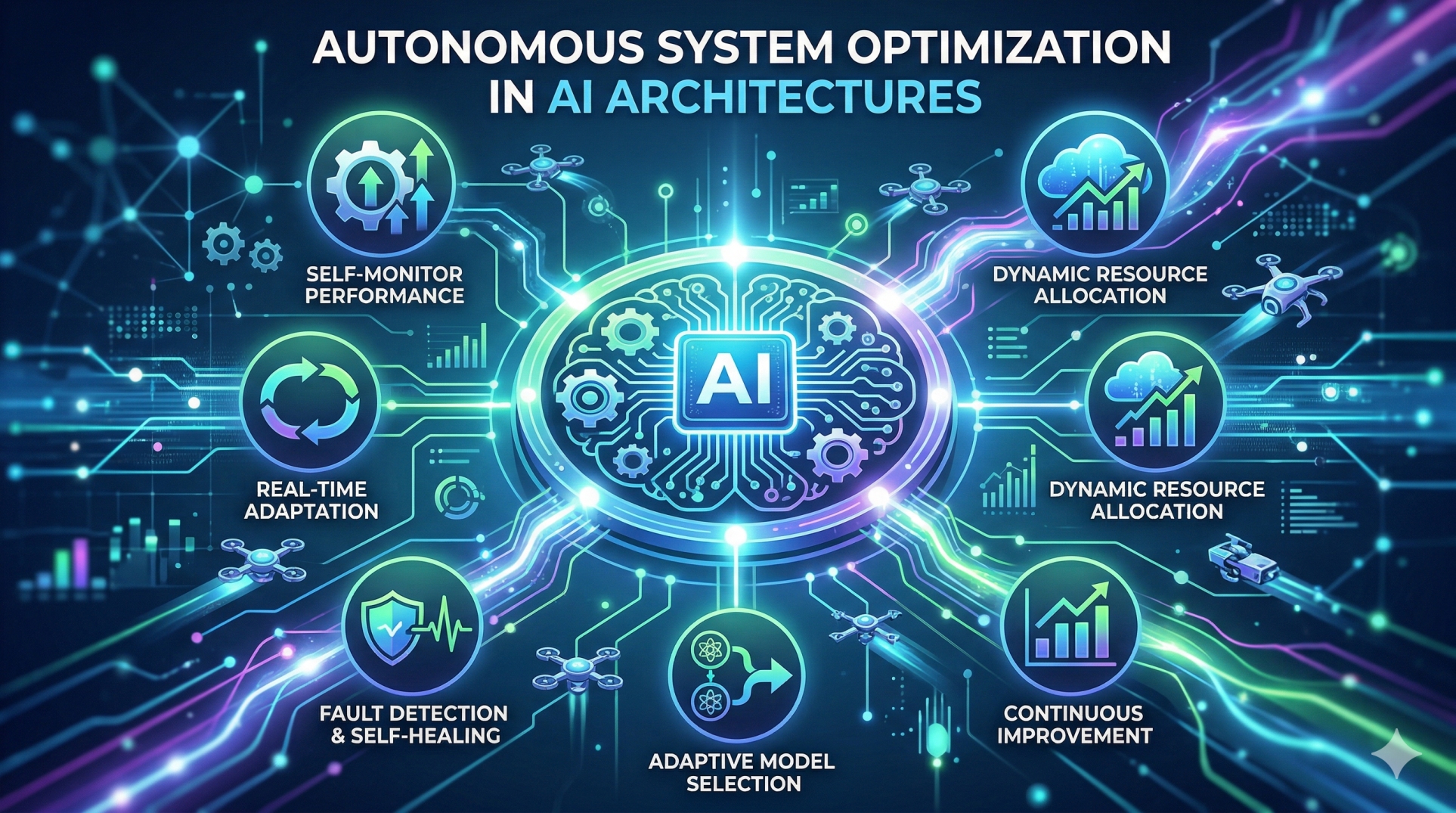
- Monitors system health and performance 📊
- Detects drift and quality degradation ⚠️
- Enables debugging and auditability 🧪
- Supports compliance requirements ⚖️
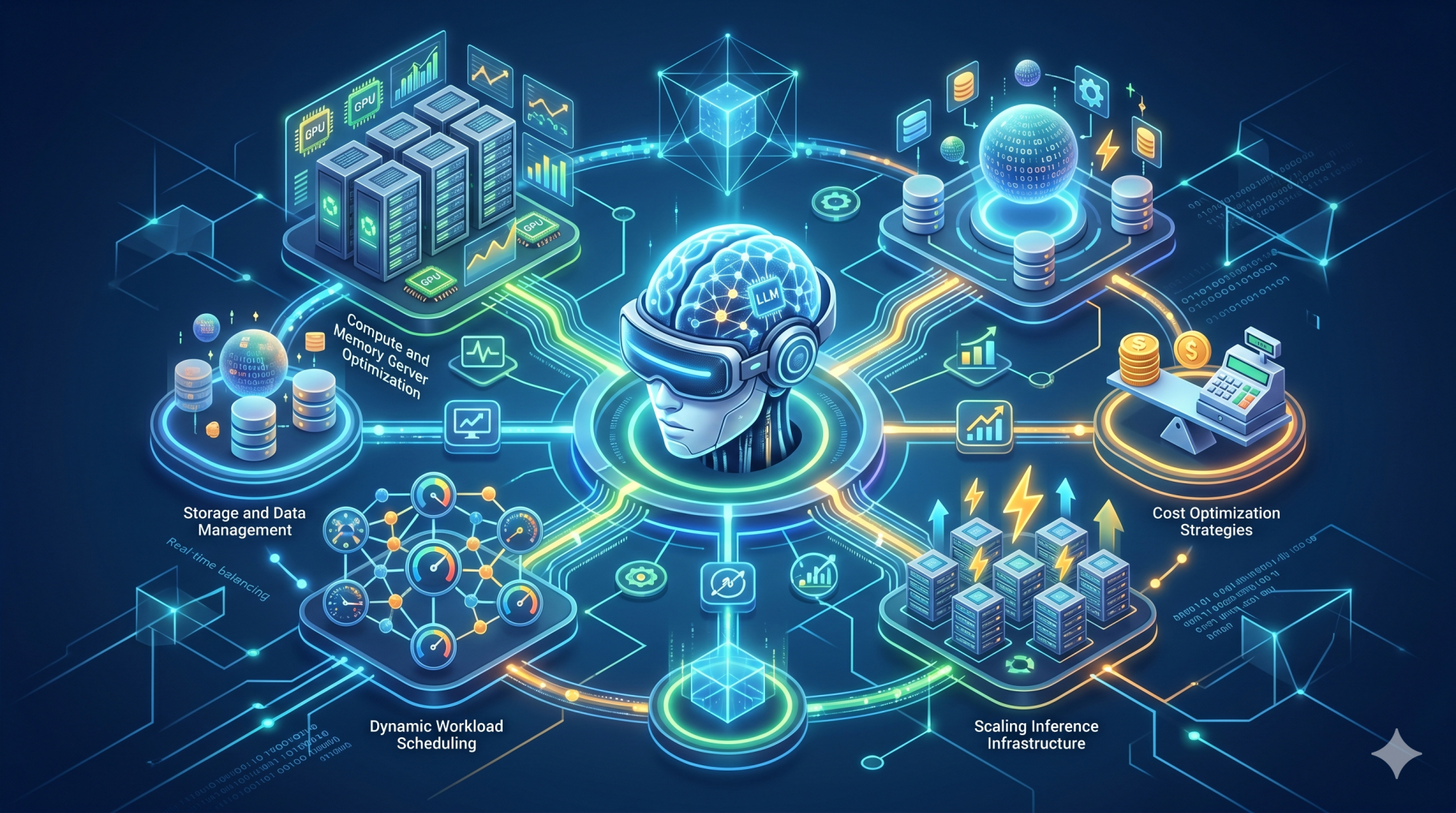
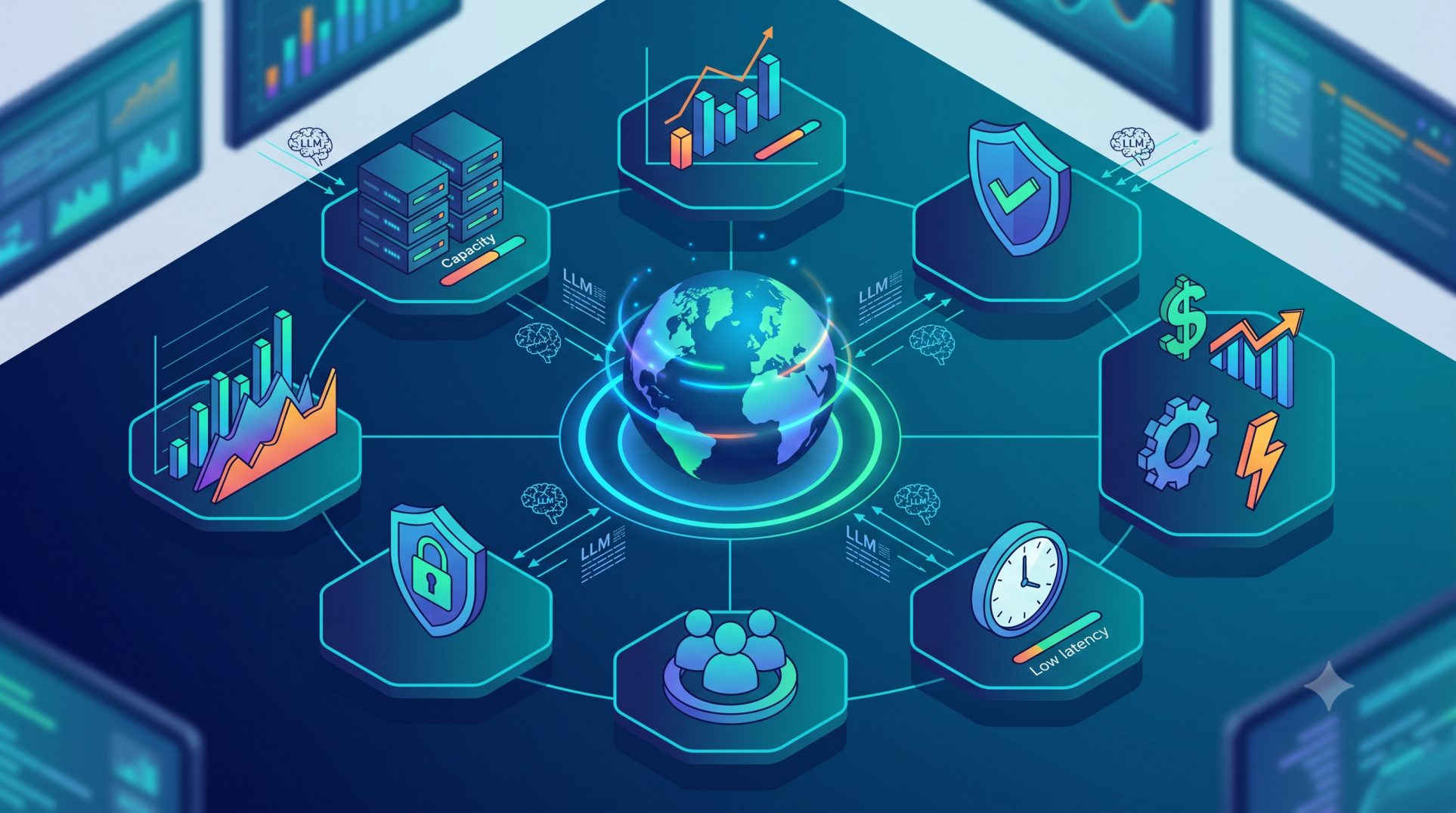
Scalability and Reliability 📈
- Handles concurrent users and requests 👥
- Supports distributed execution 🌐
- Enables load balancing and failover 🔄
- Isolates failures to individual steps 🚧
- Maintains consistent performance at scale 🏗️
Orchestration vs Prompt Engineering ⚖️
- Prompts define instructions 🧾
- Orchestration defines systems 🏗️
- Prompts are static; orchestration is dynamic 🔄
- Prompts guide responses; orchestration controls outcomes 🎯
- Real-world AI depends on orchestration, not prompts alone 🧠
Business Value of LLM Orchestration 💼
- Turns LLMs into reliable software components 🧩
- Enables automation, not just conversation 🤖
- Improves accuracy, safety, and trust ✅
- Reduces operational risk 🛡️
- Accelerates production AI adoption 🚀
Final Thoughts 🏁
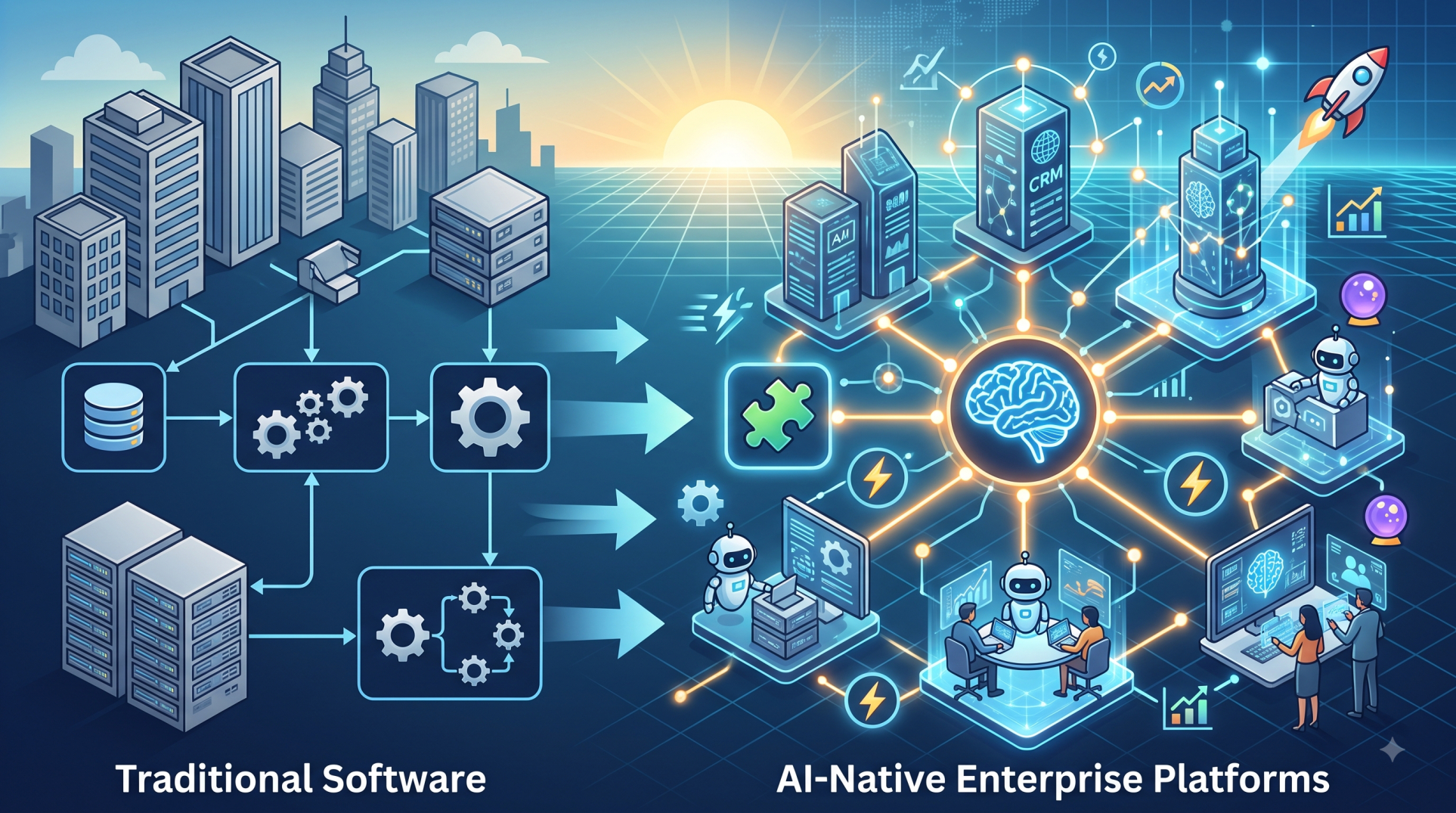
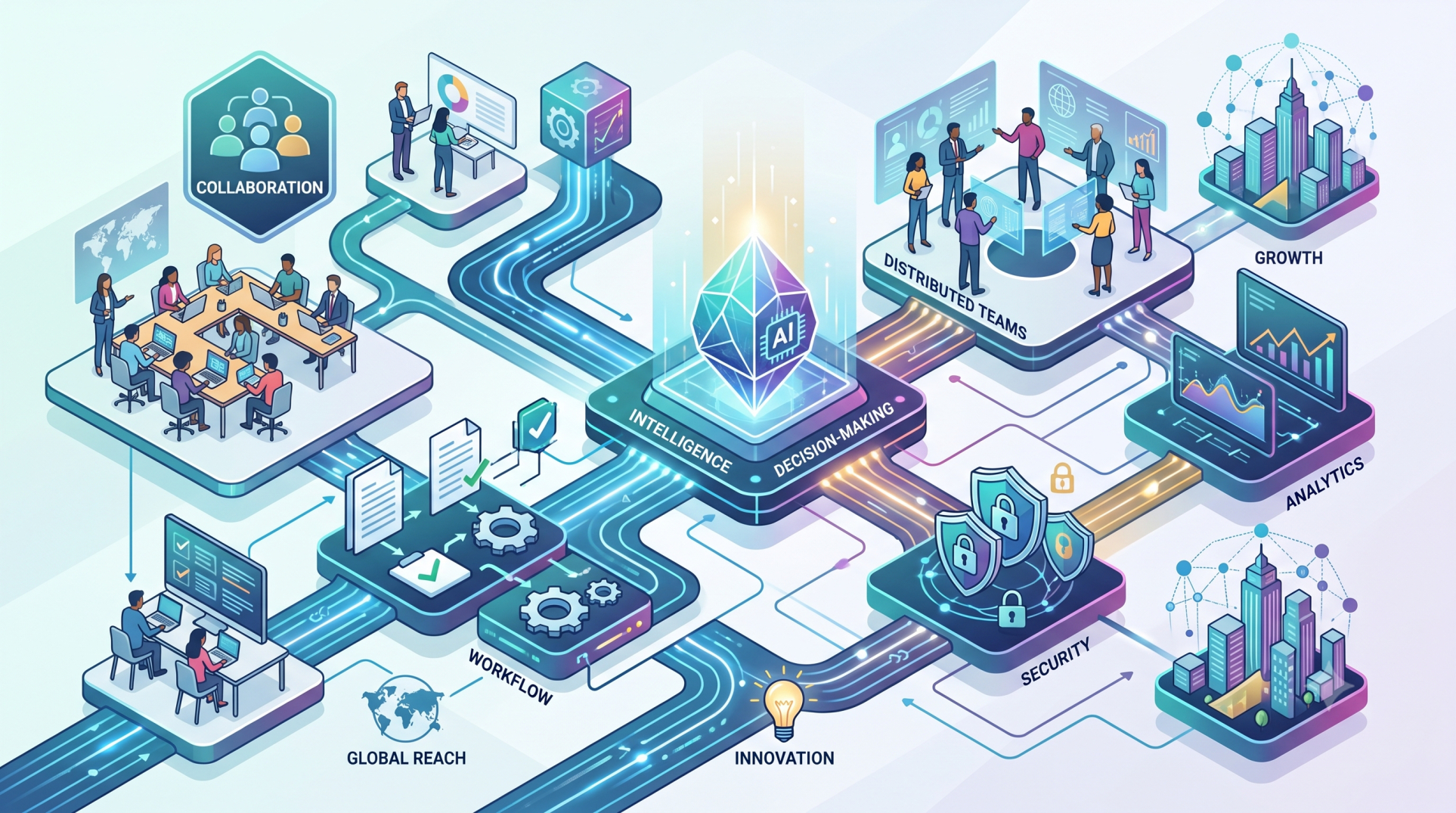
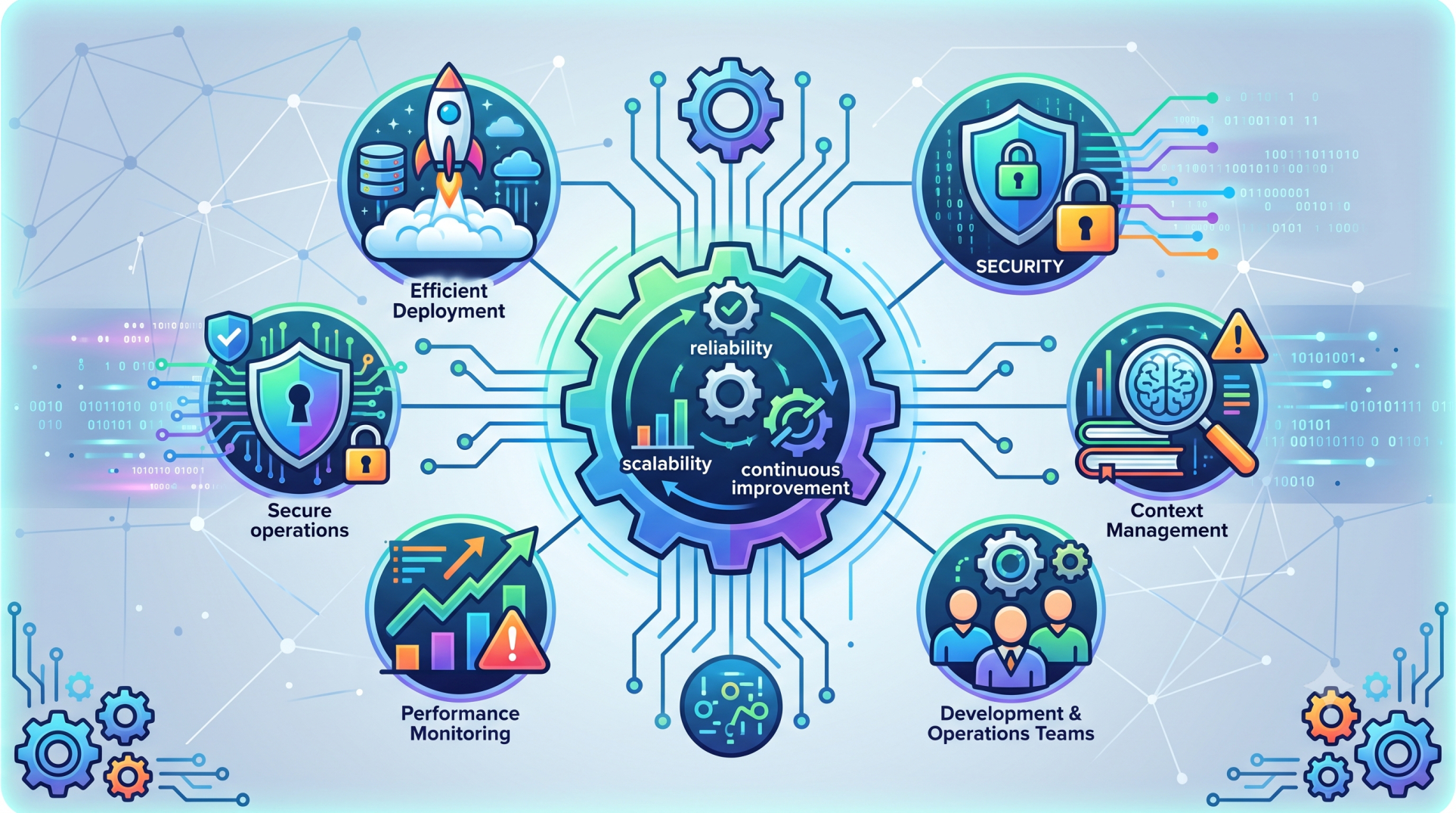
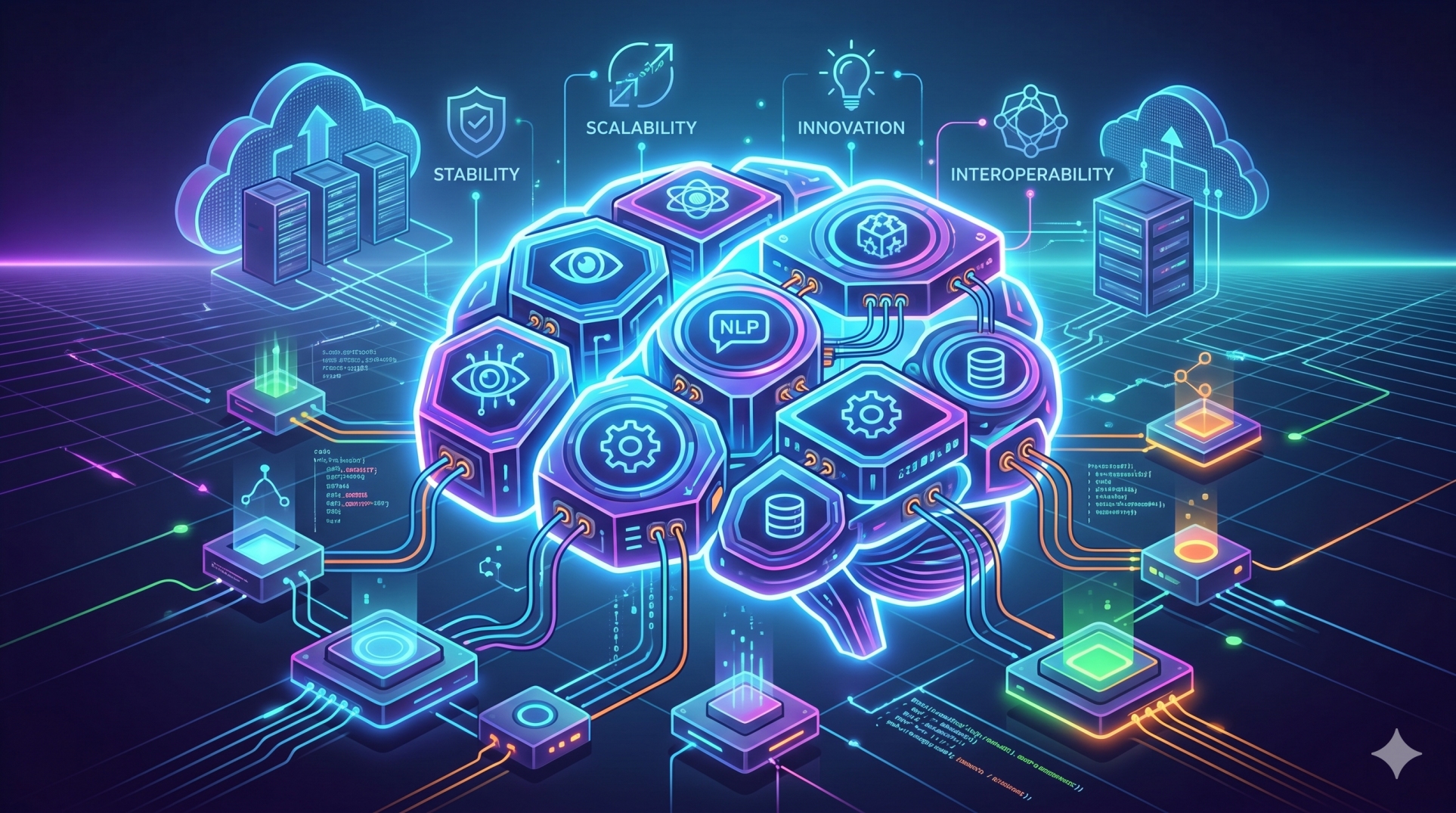
LLM orchestration layers are the foundation of serious AI systems. By coordinating models, tools, and data through structured workflows, orchestration transforms LLMs from experimental models into dependable, scalable platforms. In modern AI software, orchestration is not optional—it is the core architecture that makes LLMs usable, governable, and valuable in real-world applications. 🌍
See more blogs
You can all the articles below