Layered Design Patterns for Large Language Model Applications
Layered Design Patterns for Large Language Model Applications
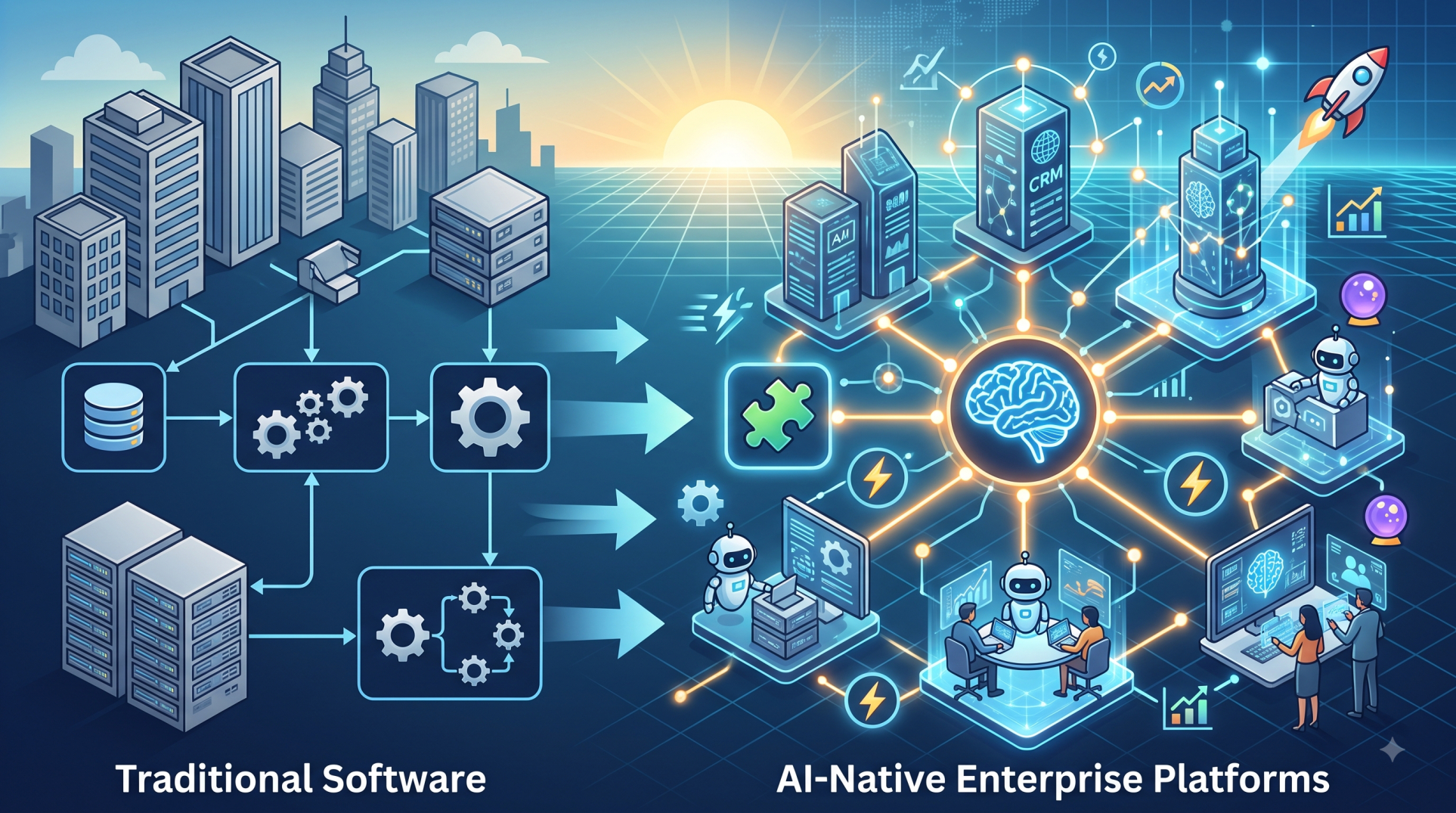
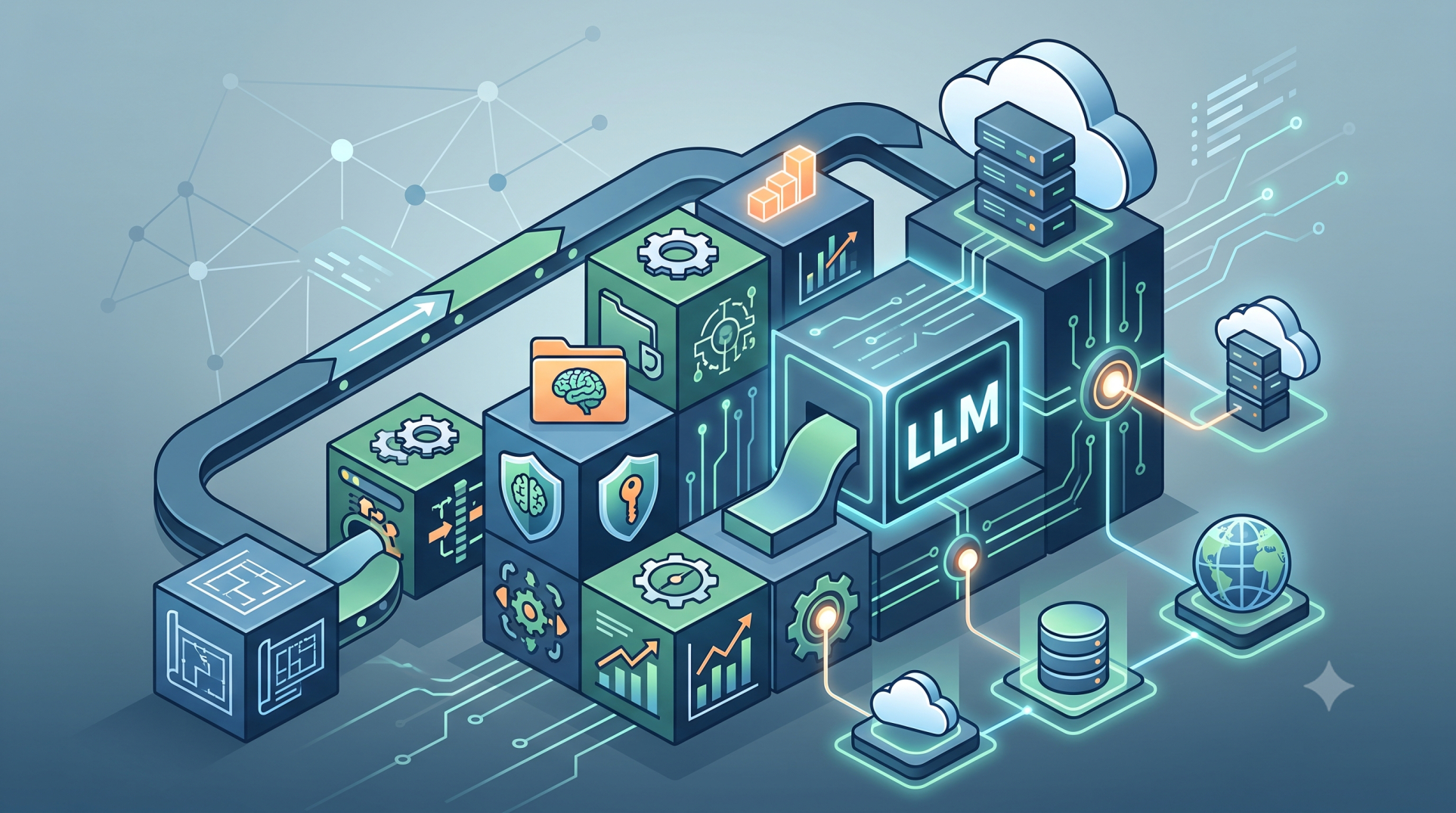
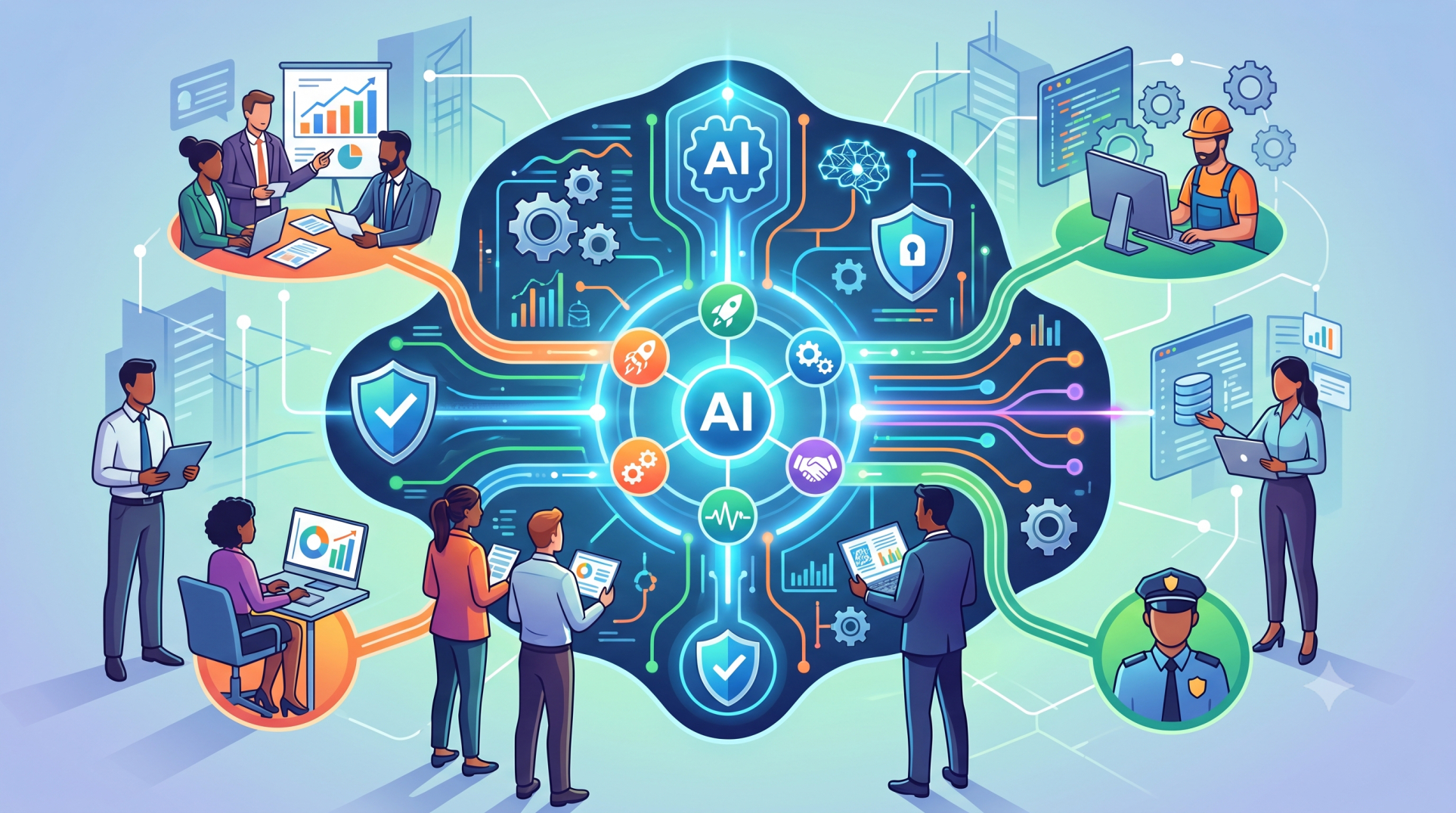
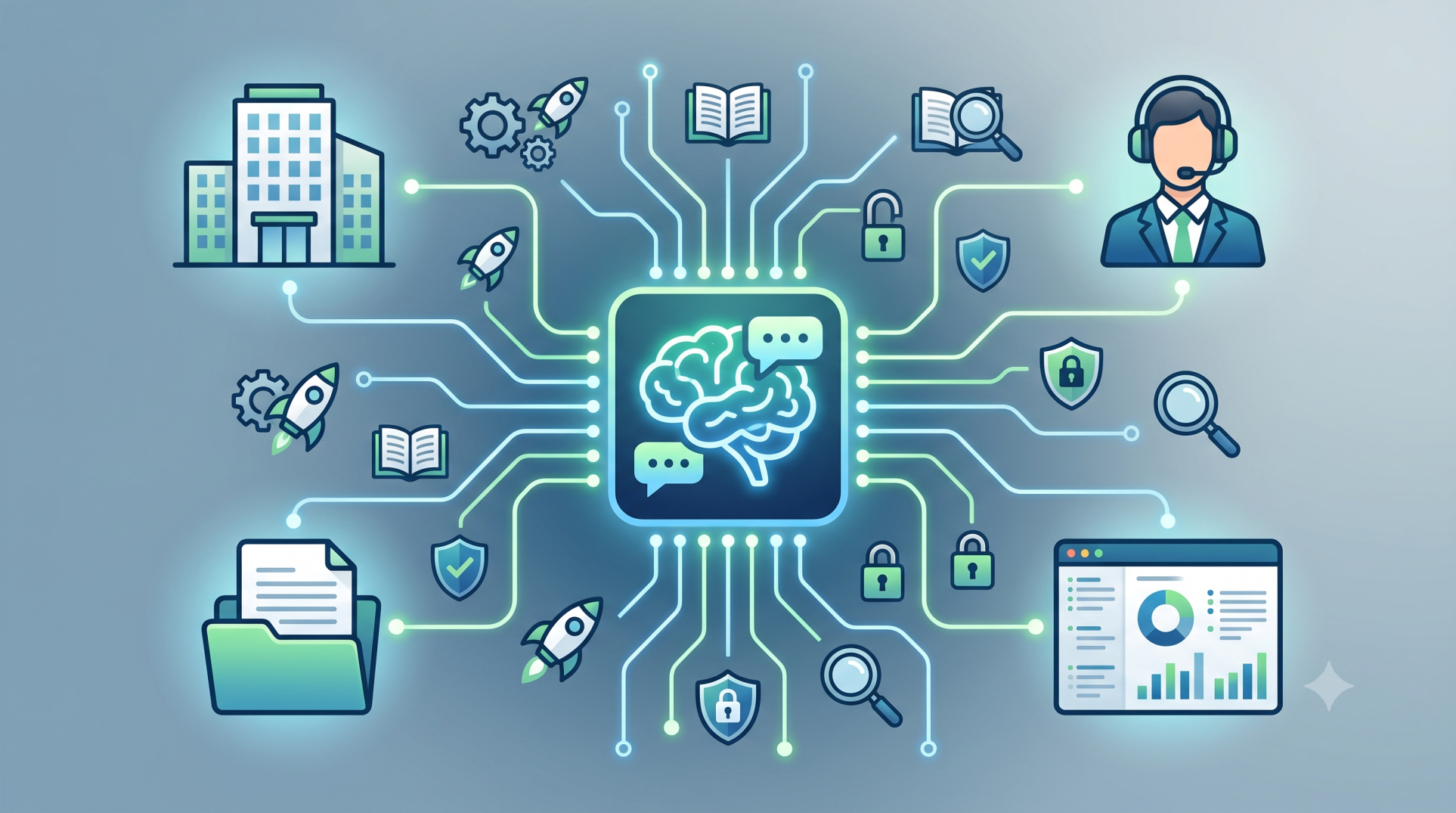
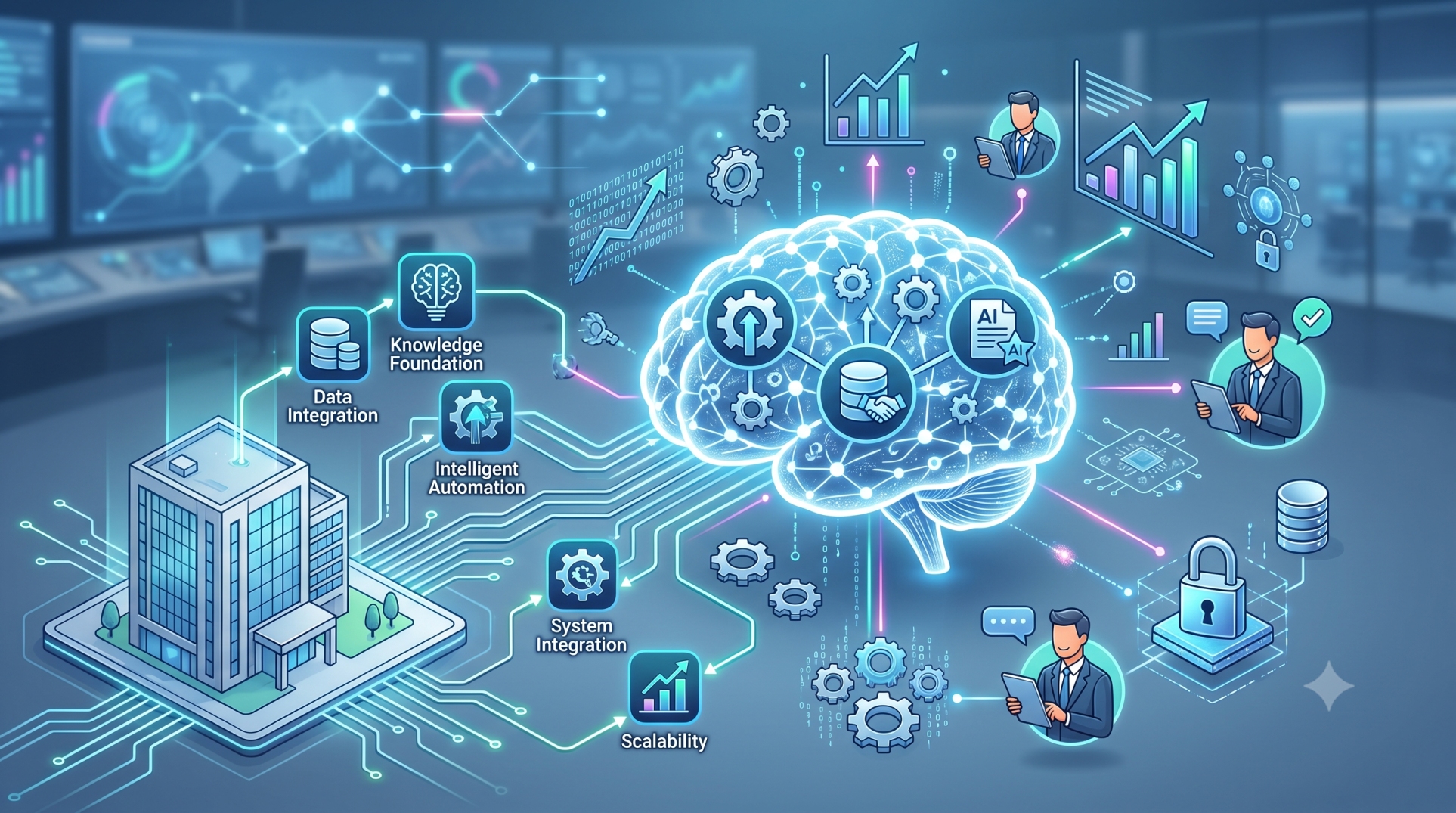
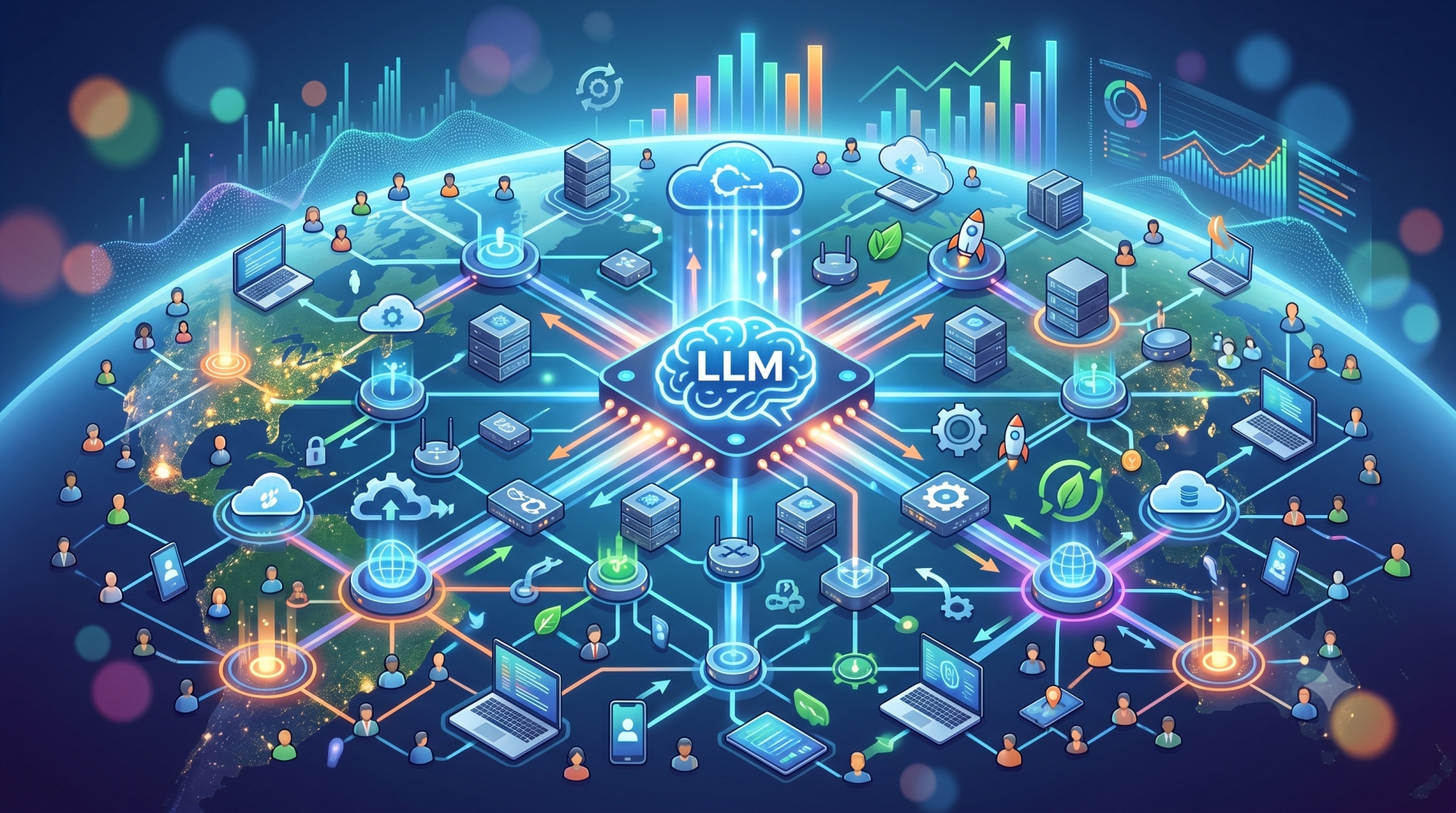
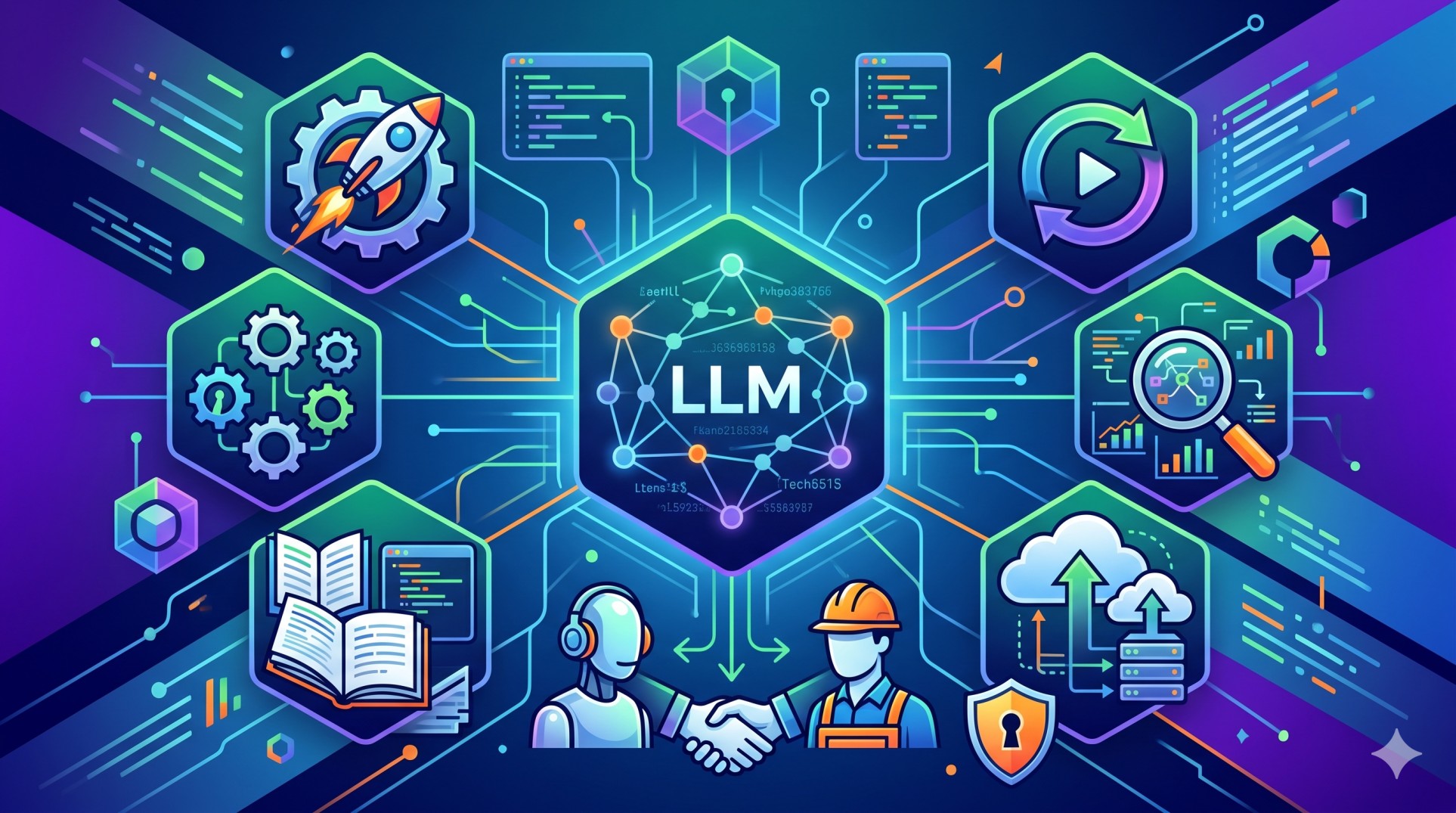
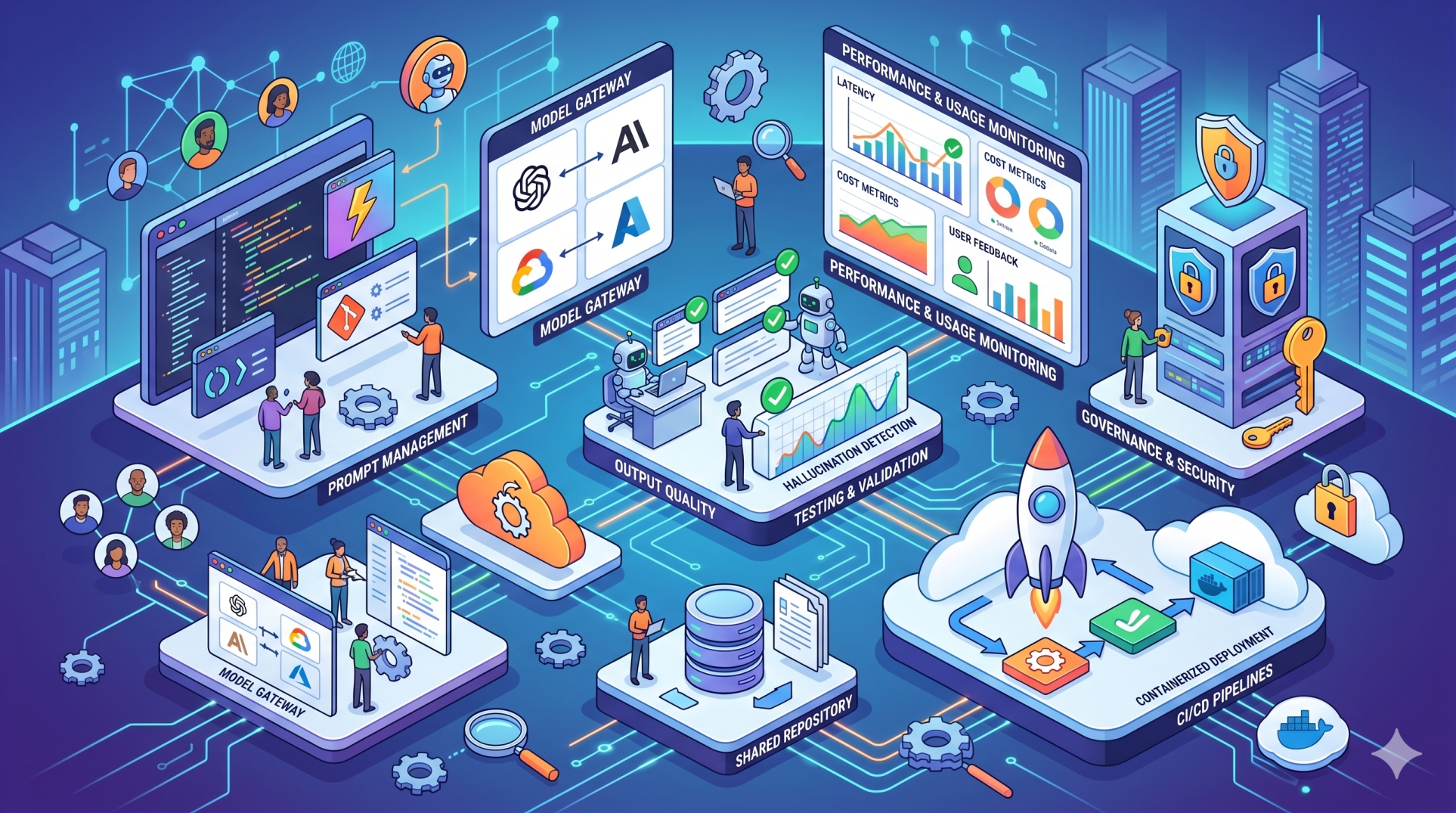
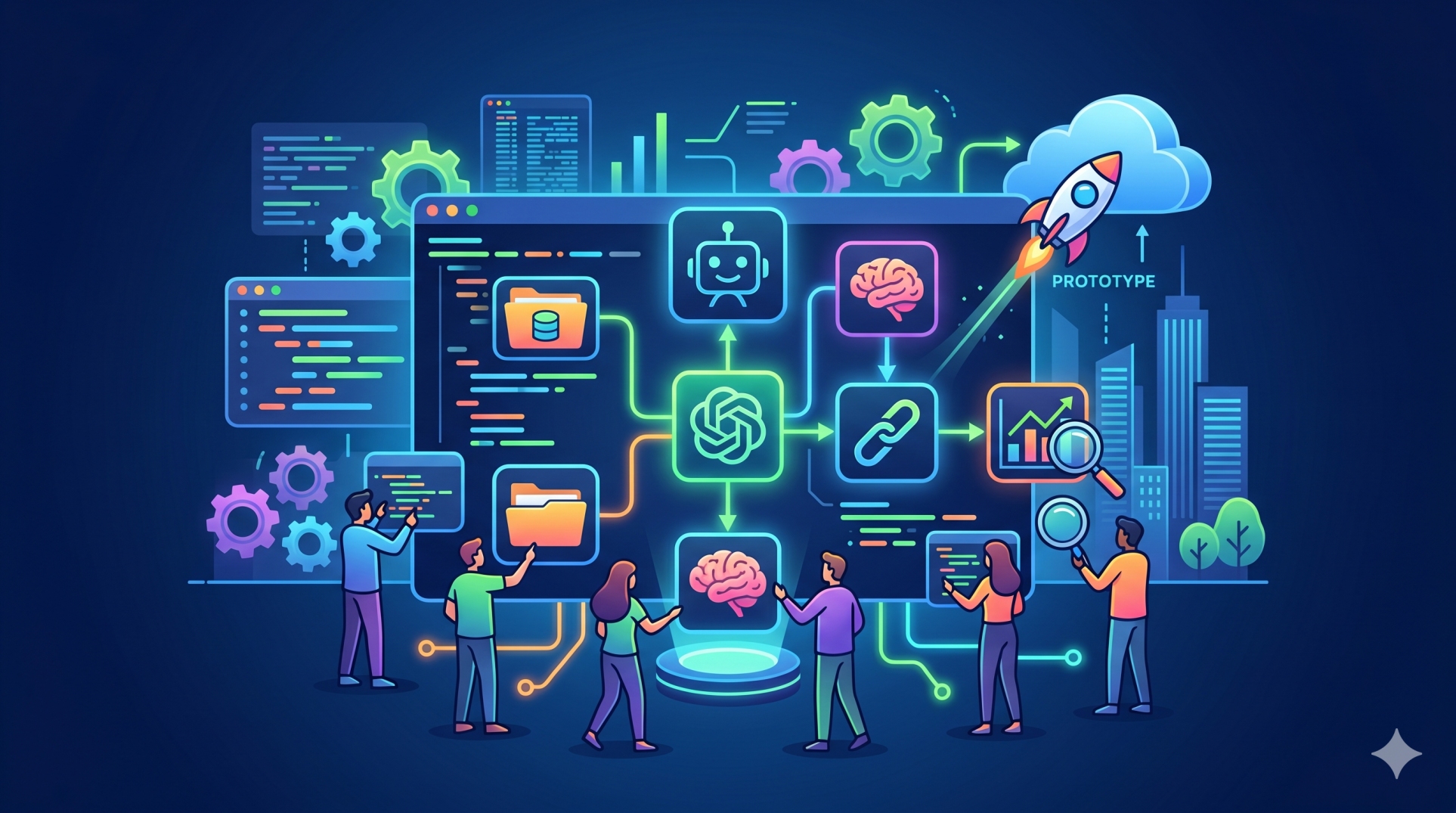
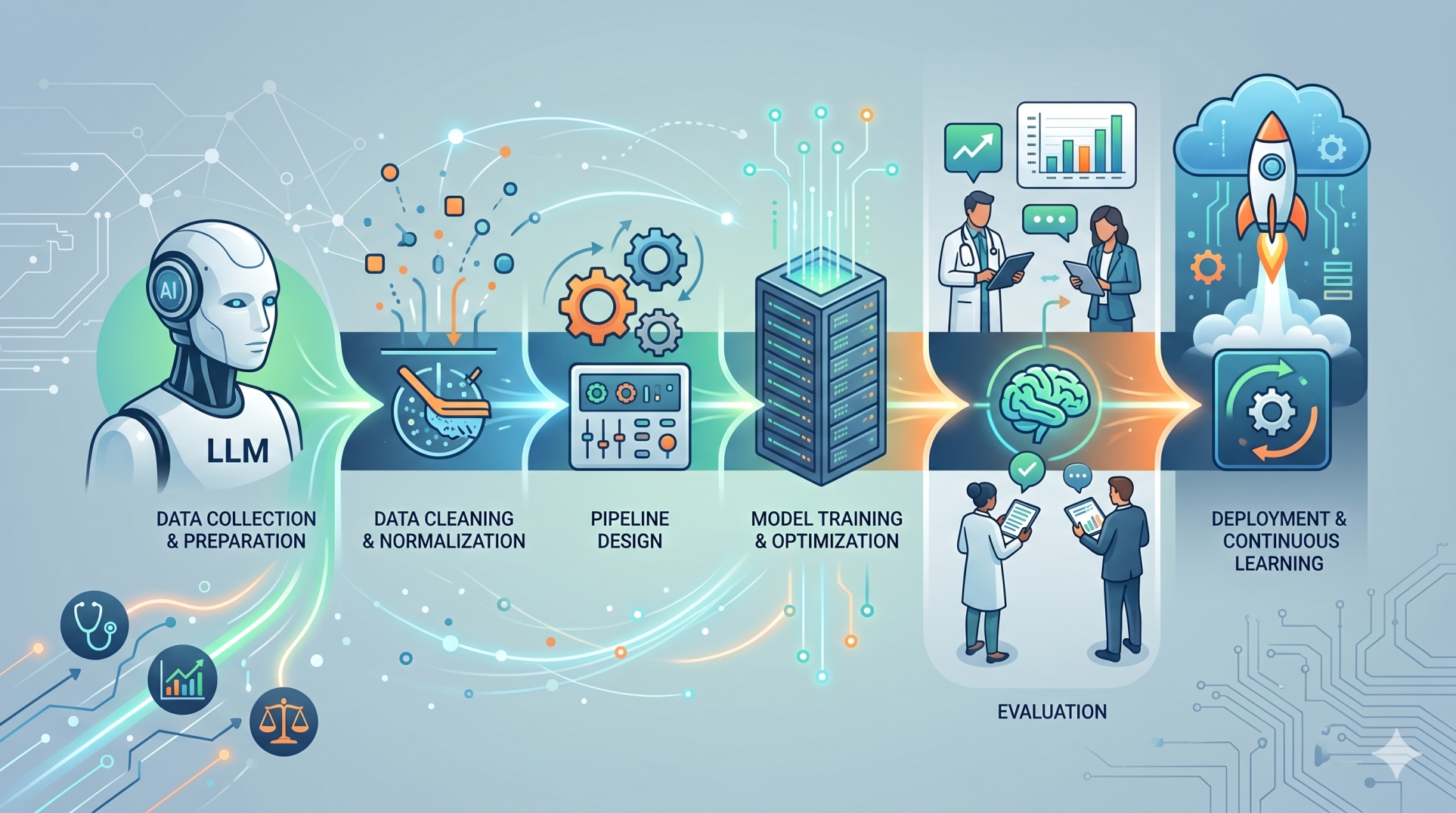
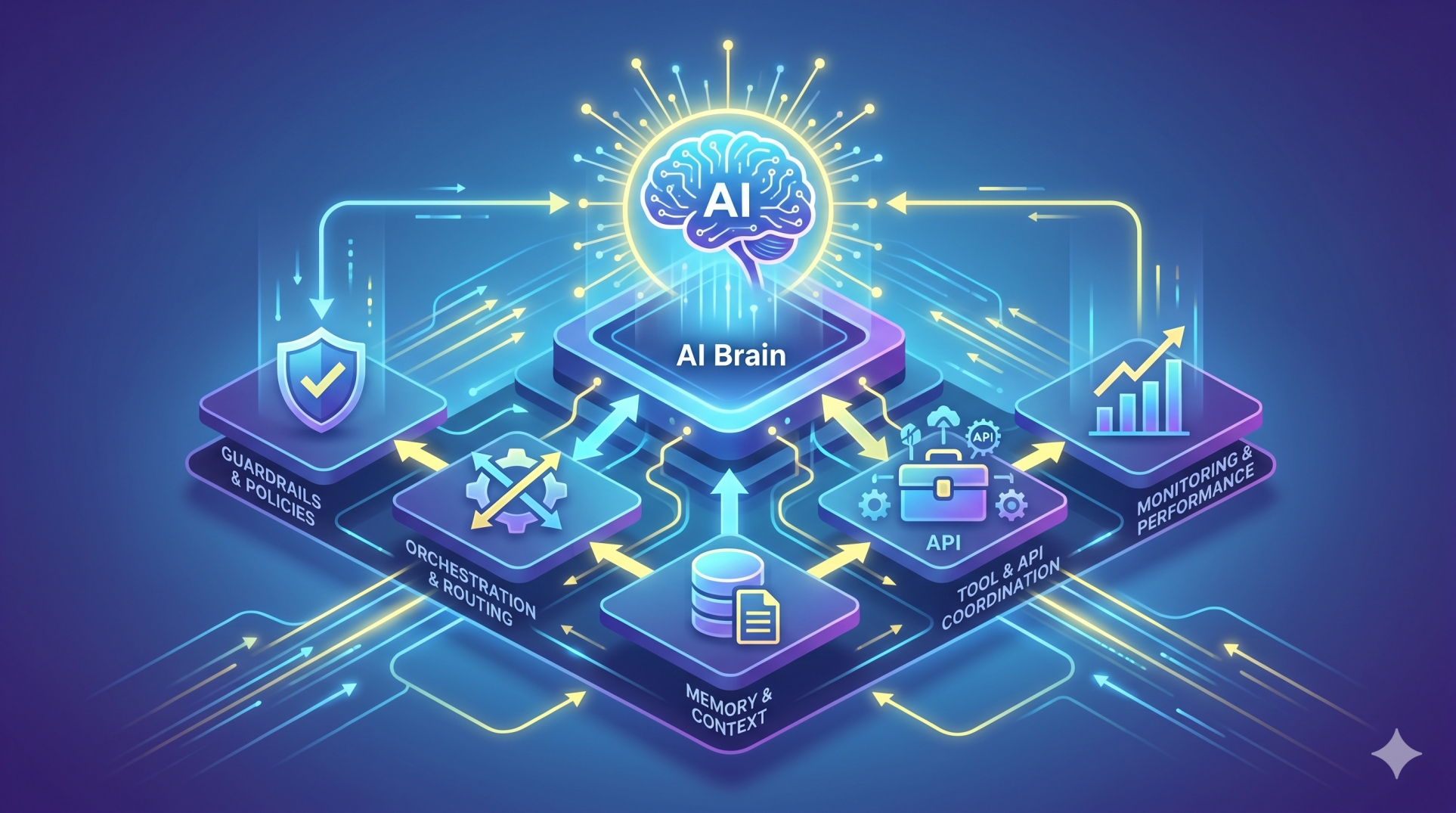
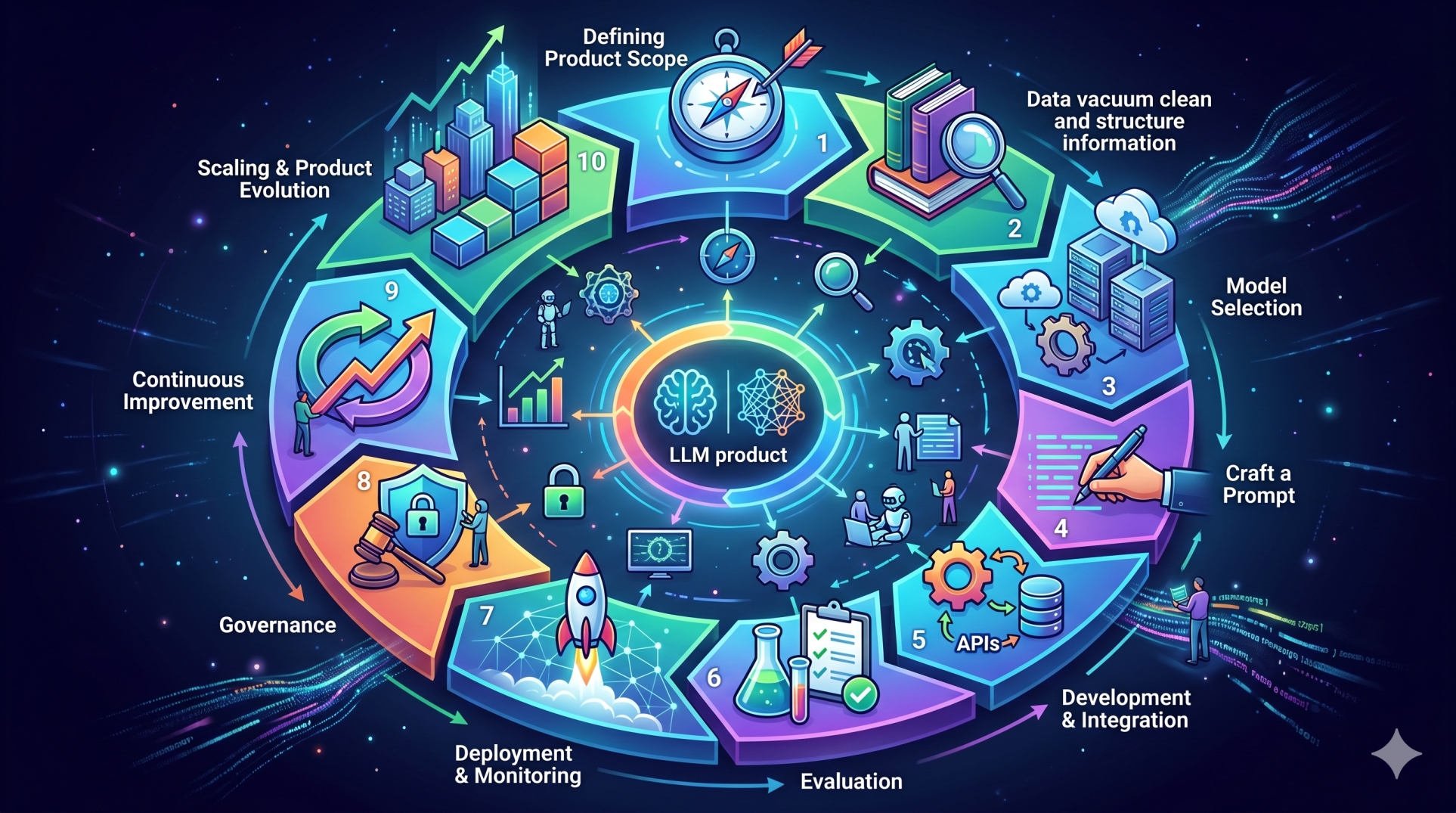
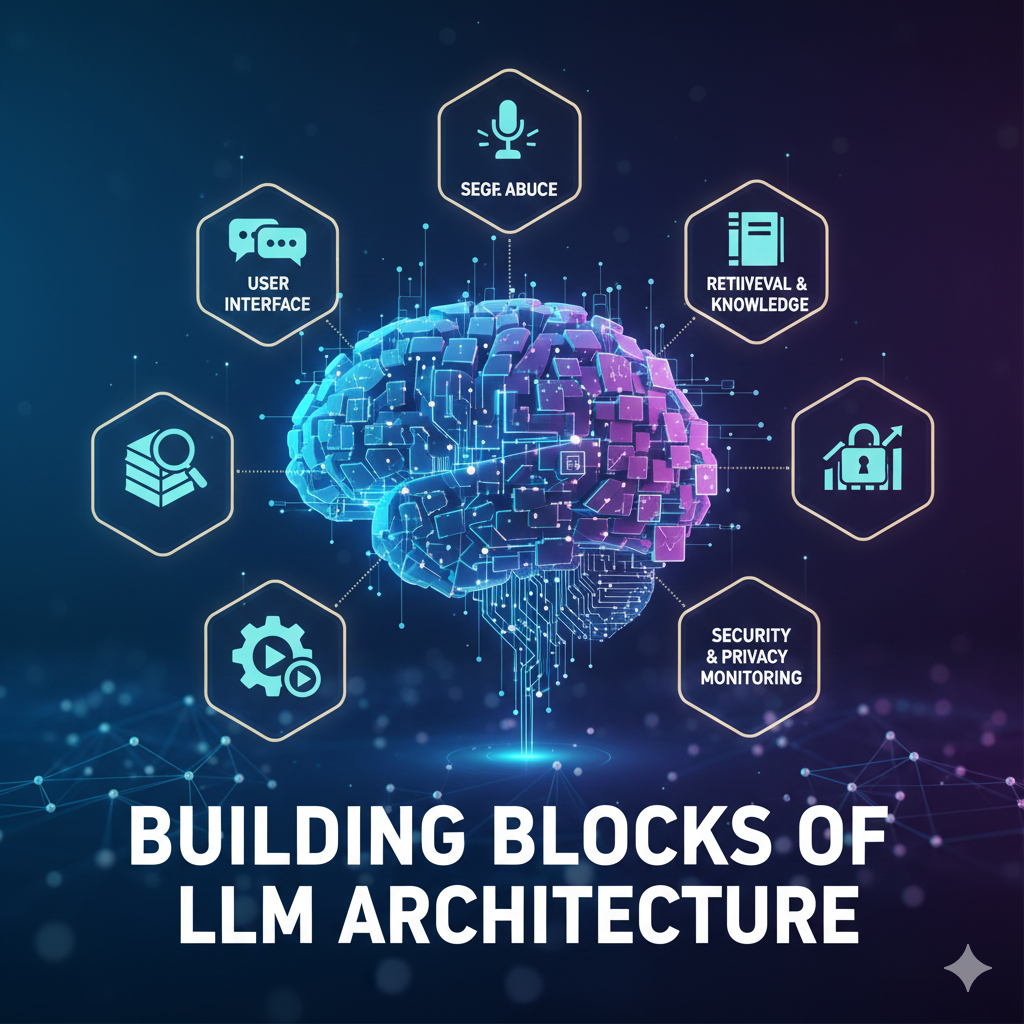
As Large Language Model applications transition from experimentation into enterprise-scale deployment, architectural rigor becomes essential. A layered design framework introduces clarity by separating responsibilities into well-defined components. This structured separation enhances scalability, maintainability, resilience, and long-term flexibility. With clearly delineated layers, LLM systems can evolve, integrate new capabilities, and scale operations without destabilizing the broader application ecosystem.
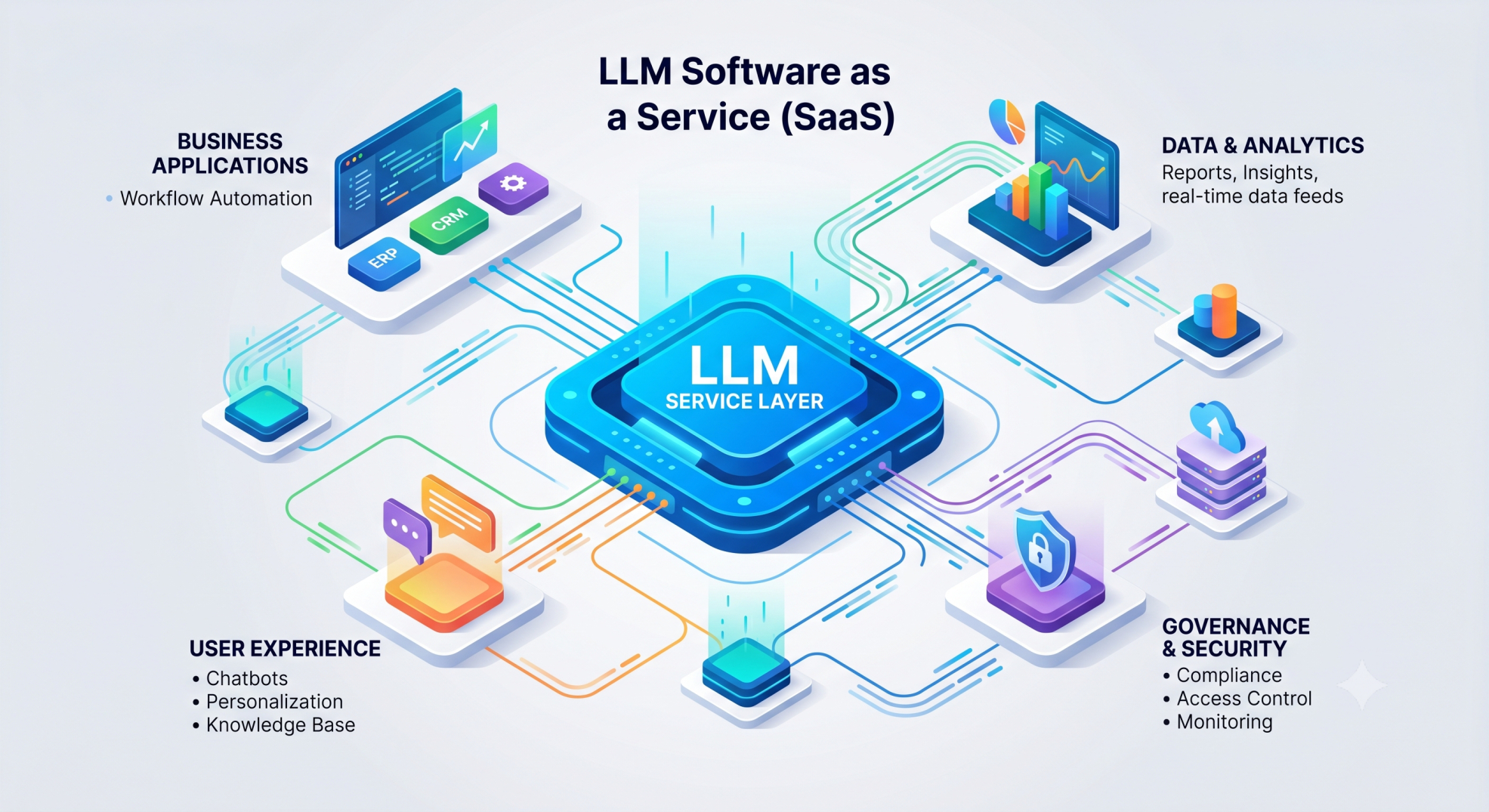
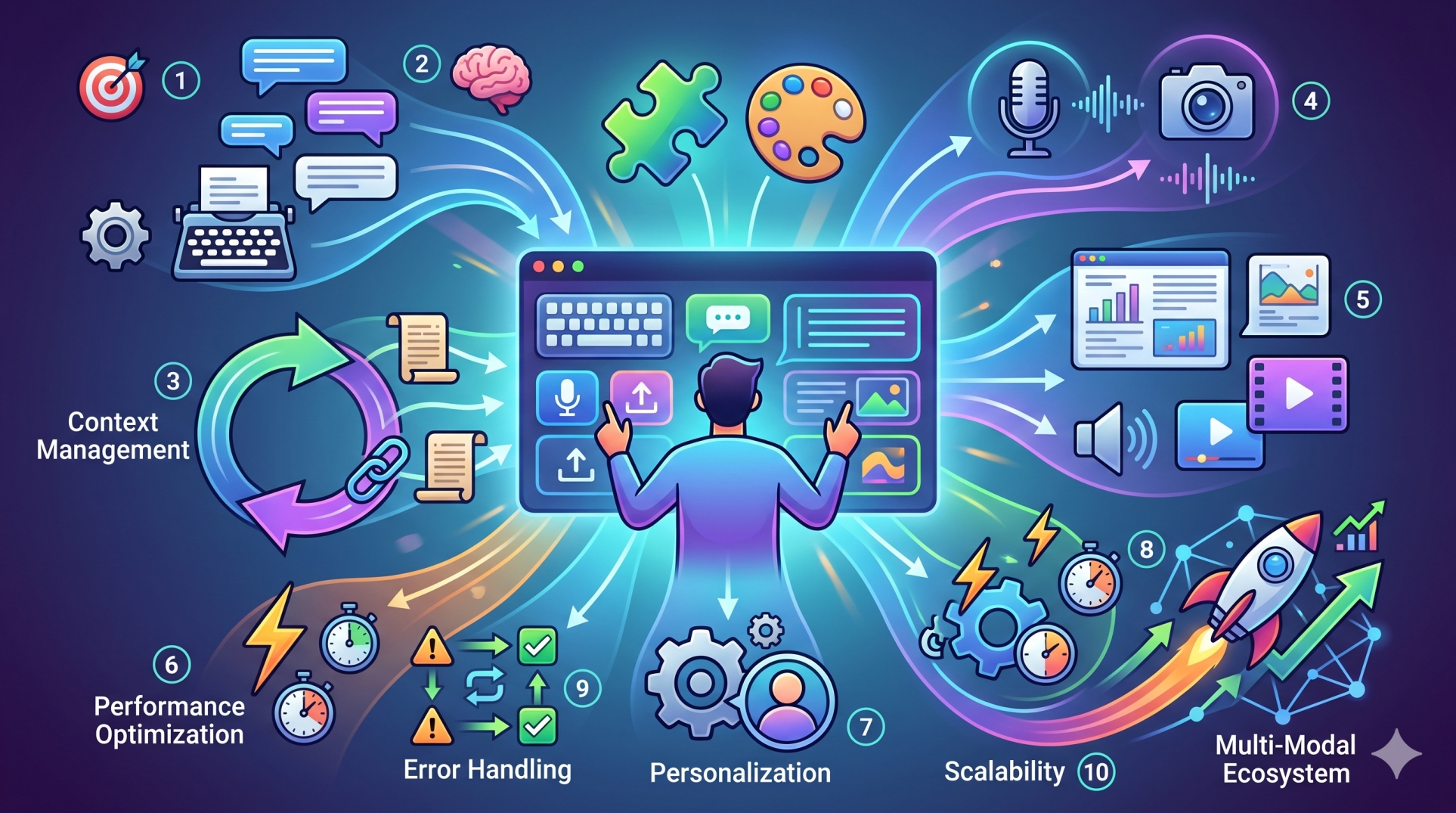
Step 1: Interface Layer – User Experience and Access 🌐
• Processes user inputs and formats structured responses 📝
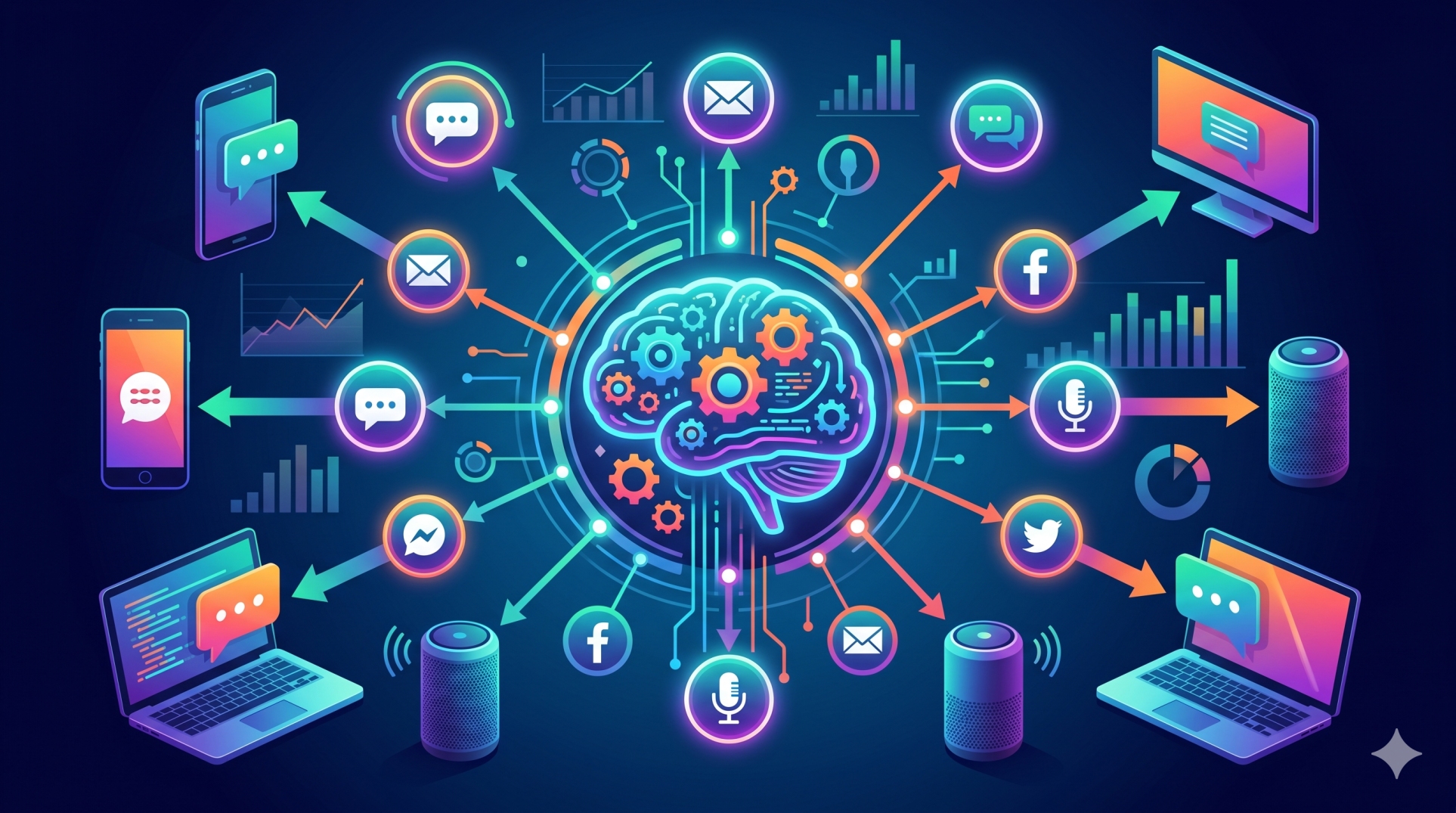
• Supports web applications, chat interfaces, APIs, and external integrations 🔗
• Manages sessions and contextual continuity across interactions 🔄
• Ensures performance, accessibility, and usability standards ⚡
• Keeps presentation logic decoupled from AI execution logic 🧩
Step 2: Orchestration Layer – Logic and Flow Management 🔀
• Coordinates multi-step reasoning and tool invocation 🧠
• Controls conversation logic and task sequencing 🔄
• Connects models with external systems and APIs 🔗
• Applies guardrails, constraints, and validation rules 🛡️
• Enables modular, reusable AI workflow patterns ⚙️
Step 3: Prompt and Context Management Layer 🧾
• Structures instructions to drive predictable outputs 🎯
• Injects policies, formatting requirements, and constraints 📏
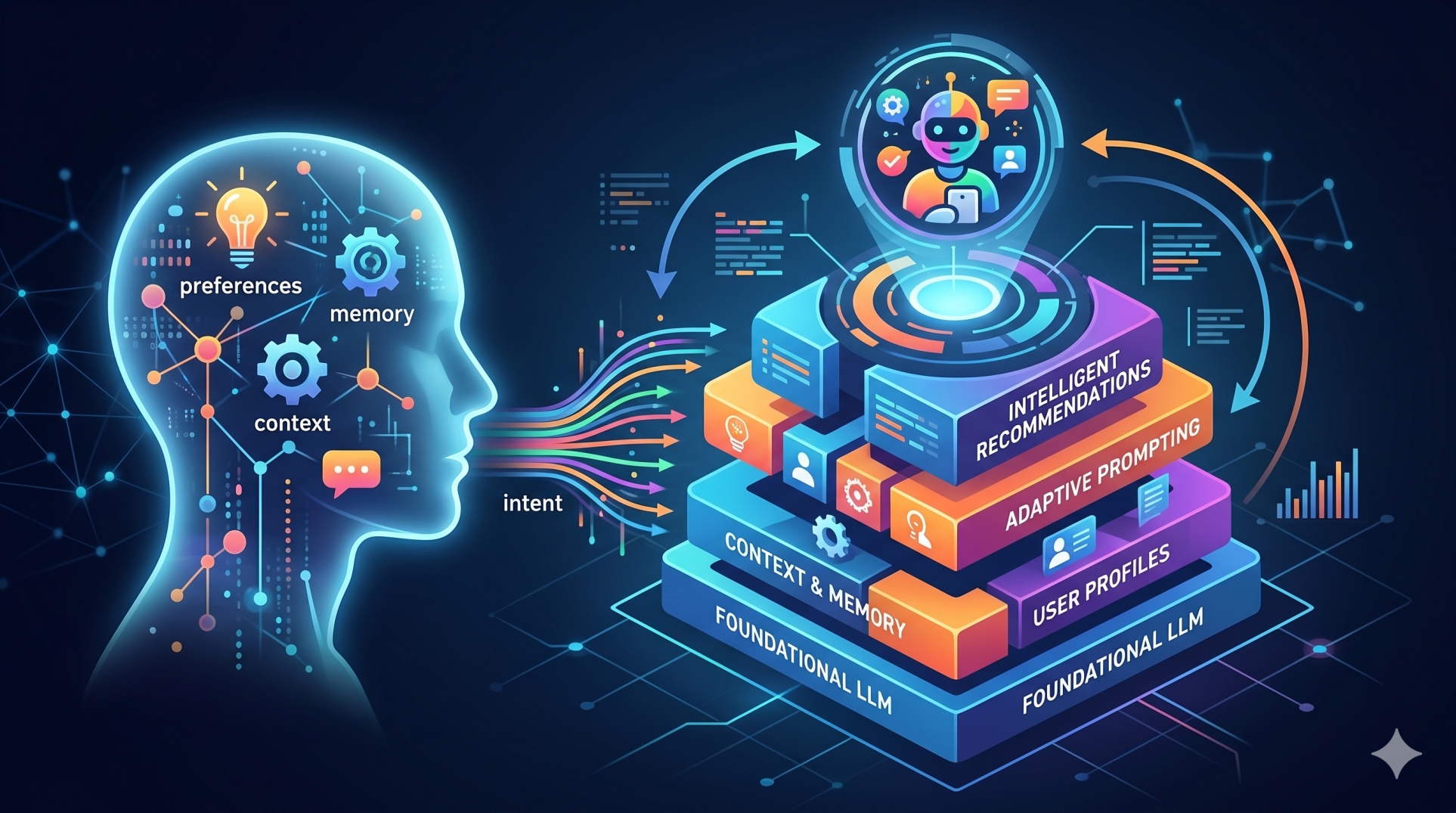
• Manages context windows and memory usage efficiently 🧠
• Optimizes token allocation to control operational cost 💰
• Reduces variability and inconsistency in responses 🔍
Step 4: Model Integration Layer 🤖
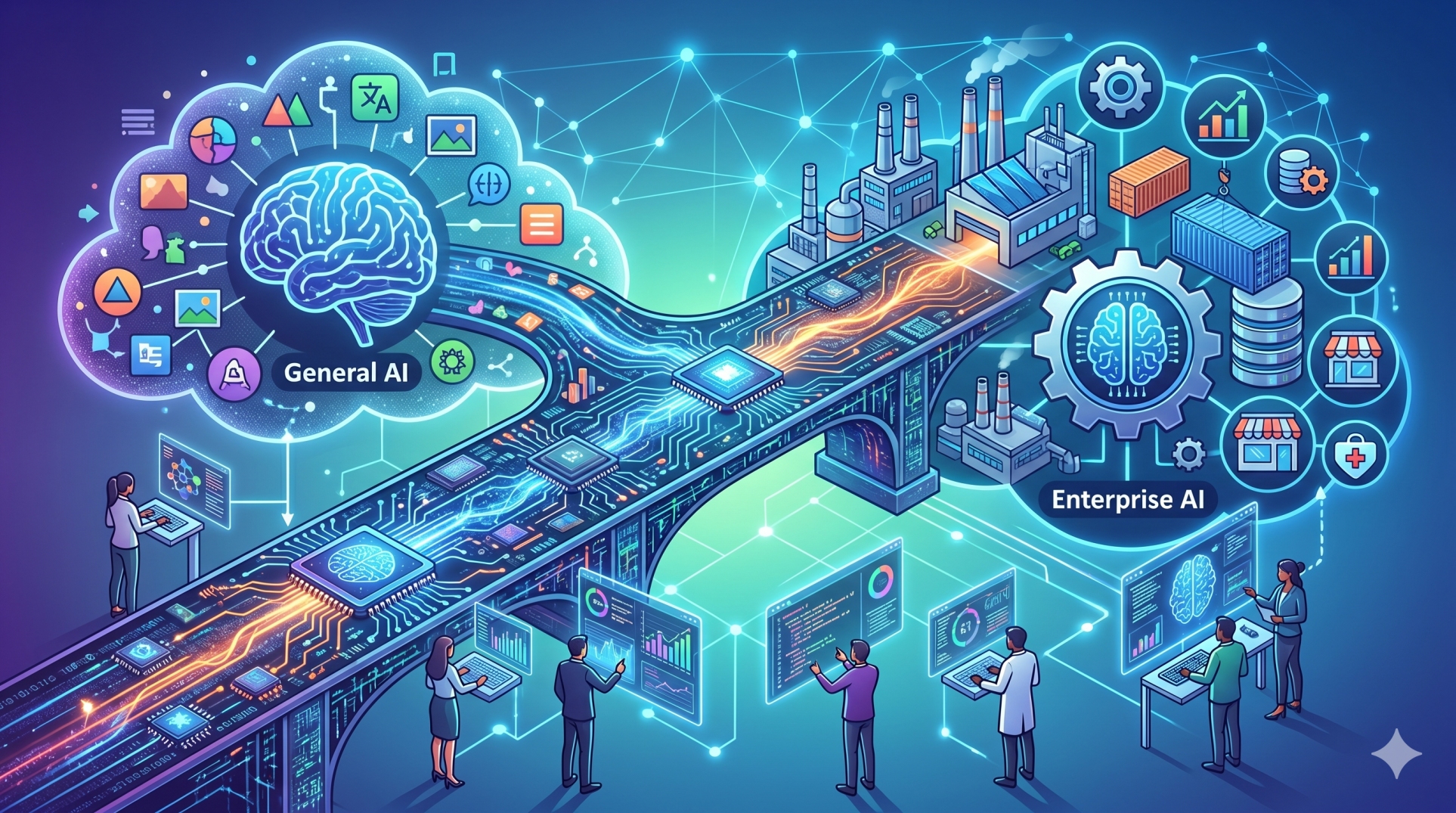
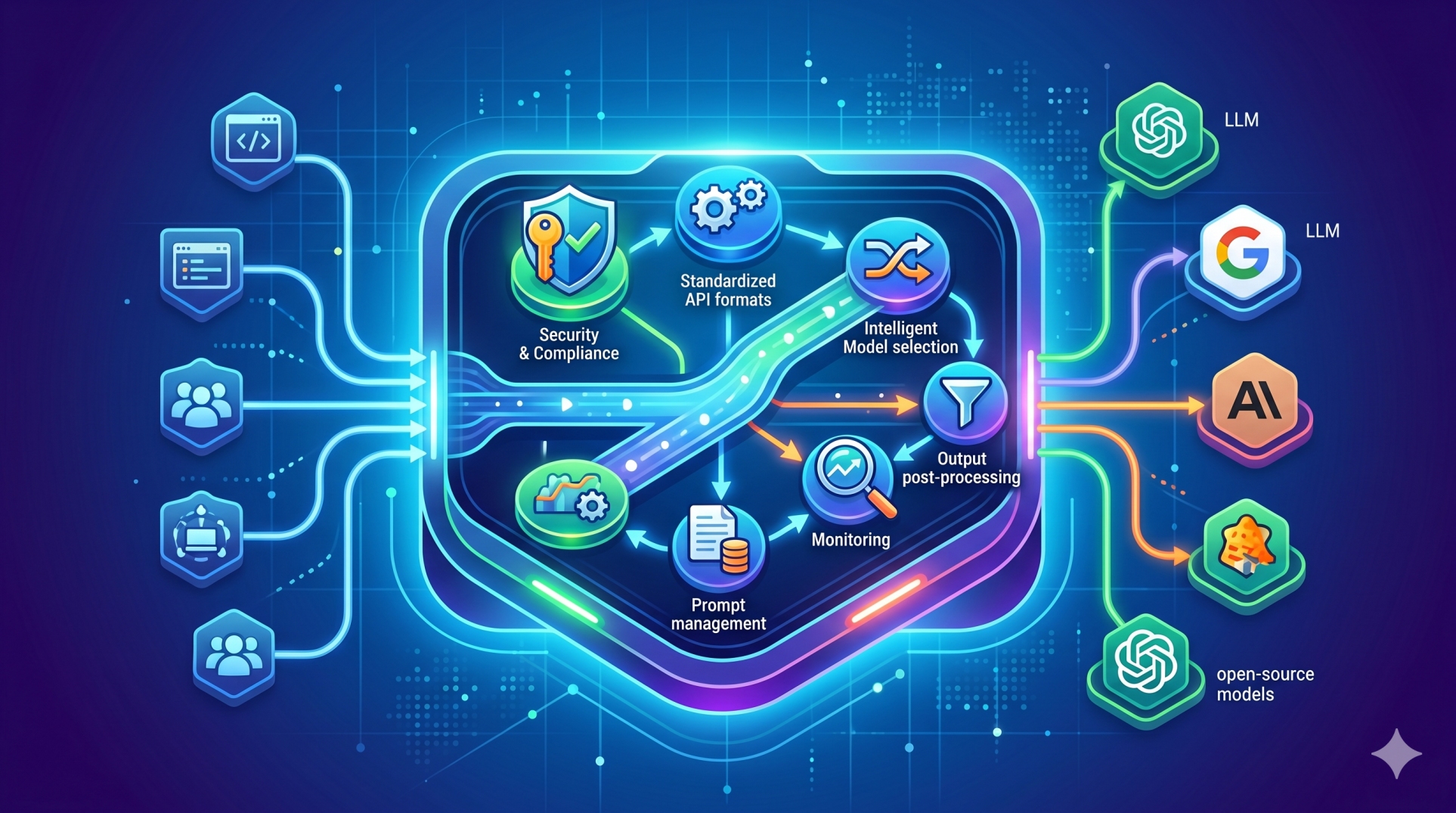
• Abstracts reliance on specific model providers 🔄
• Enables seamless switching between commercial and open-source models 🔁
• Implements fallback strategies and redundancy mechanisms 🛠️
• Supports version management and controlled experimentation 🧪
• Simplifies upgrades as model capabilities advance 🚀
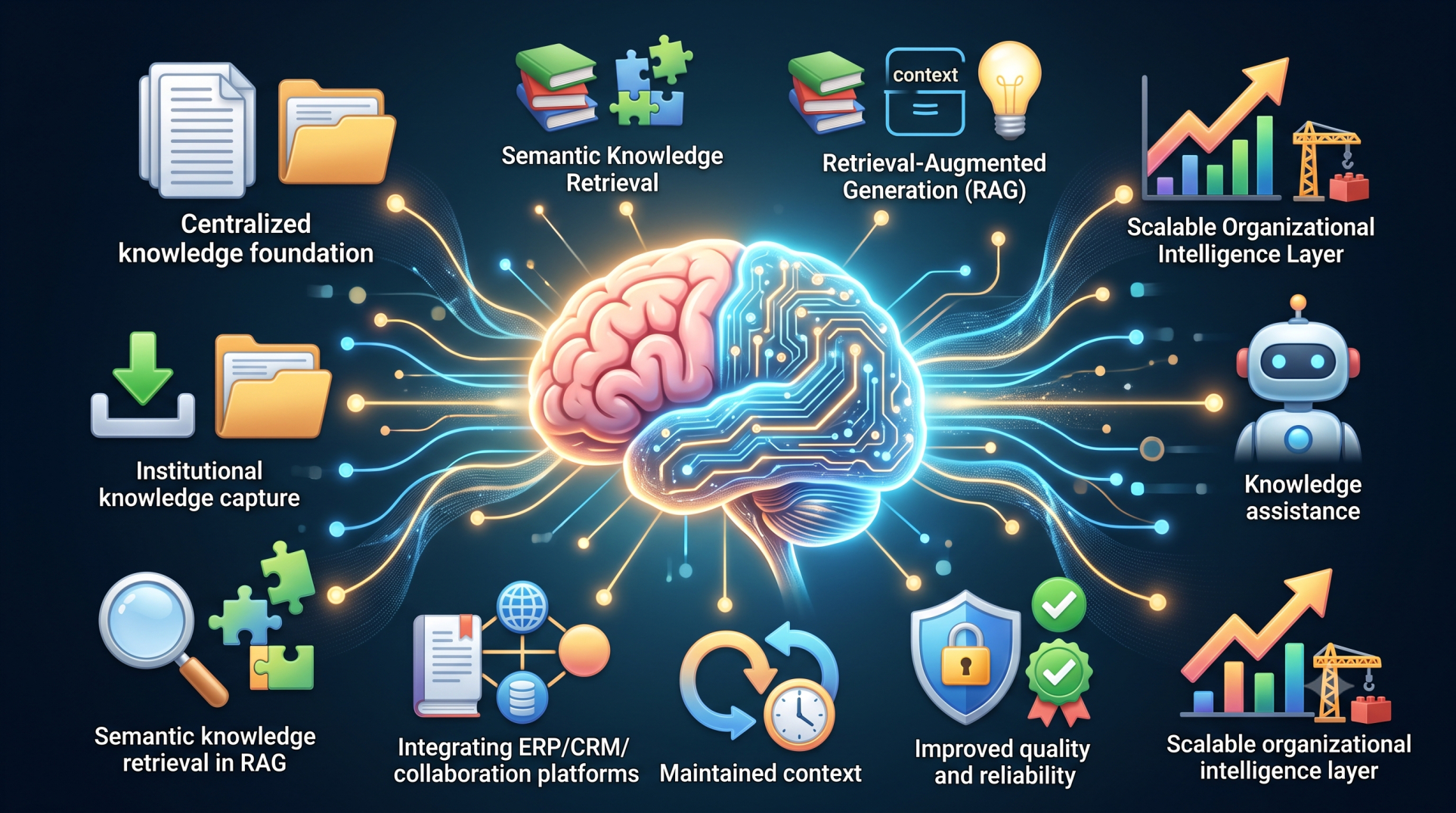
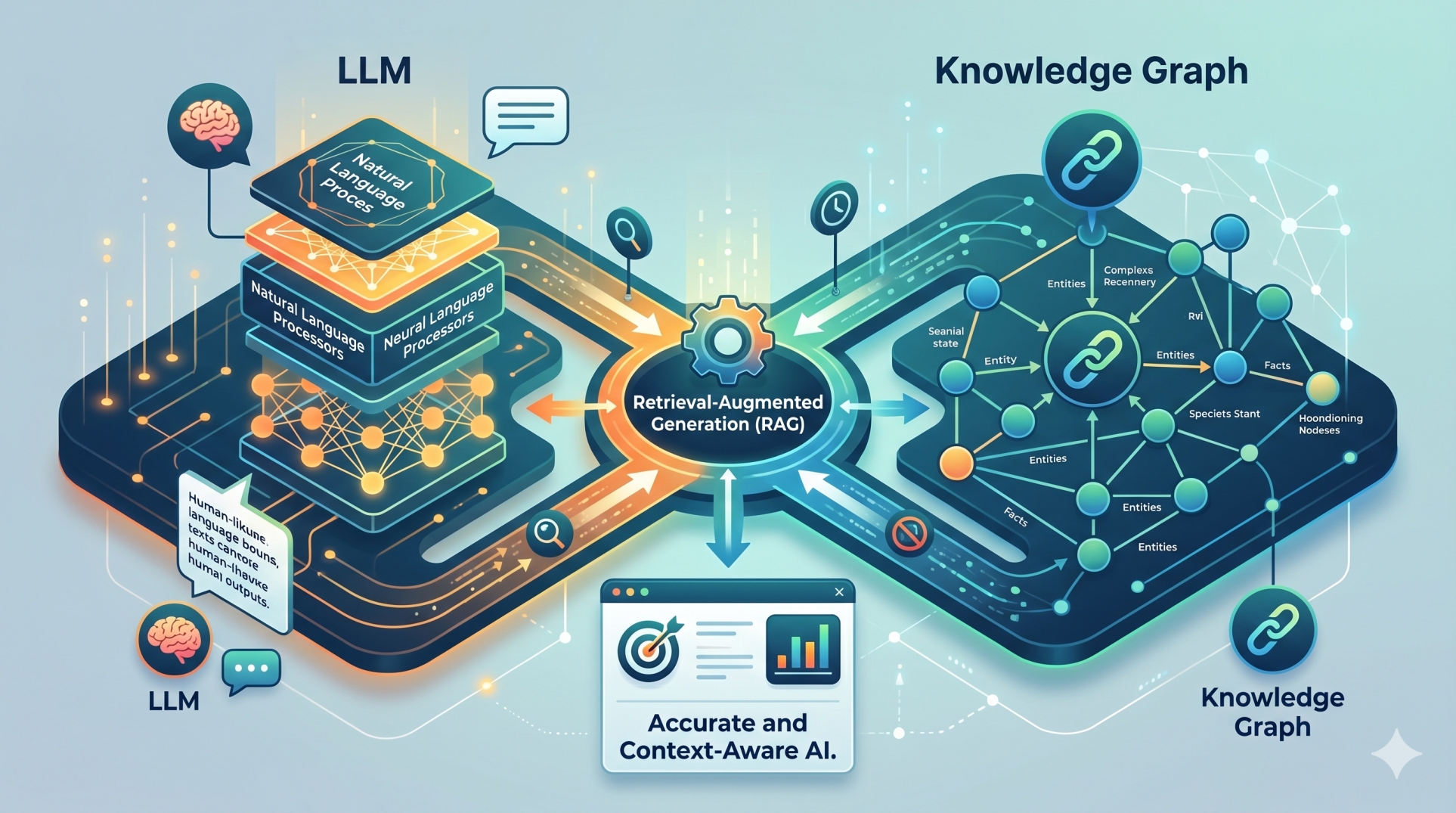
Step 5: Knowledge and Retrieval Layer 📚
• Connects to databases, document repositories, and knowledge systems 🗂️
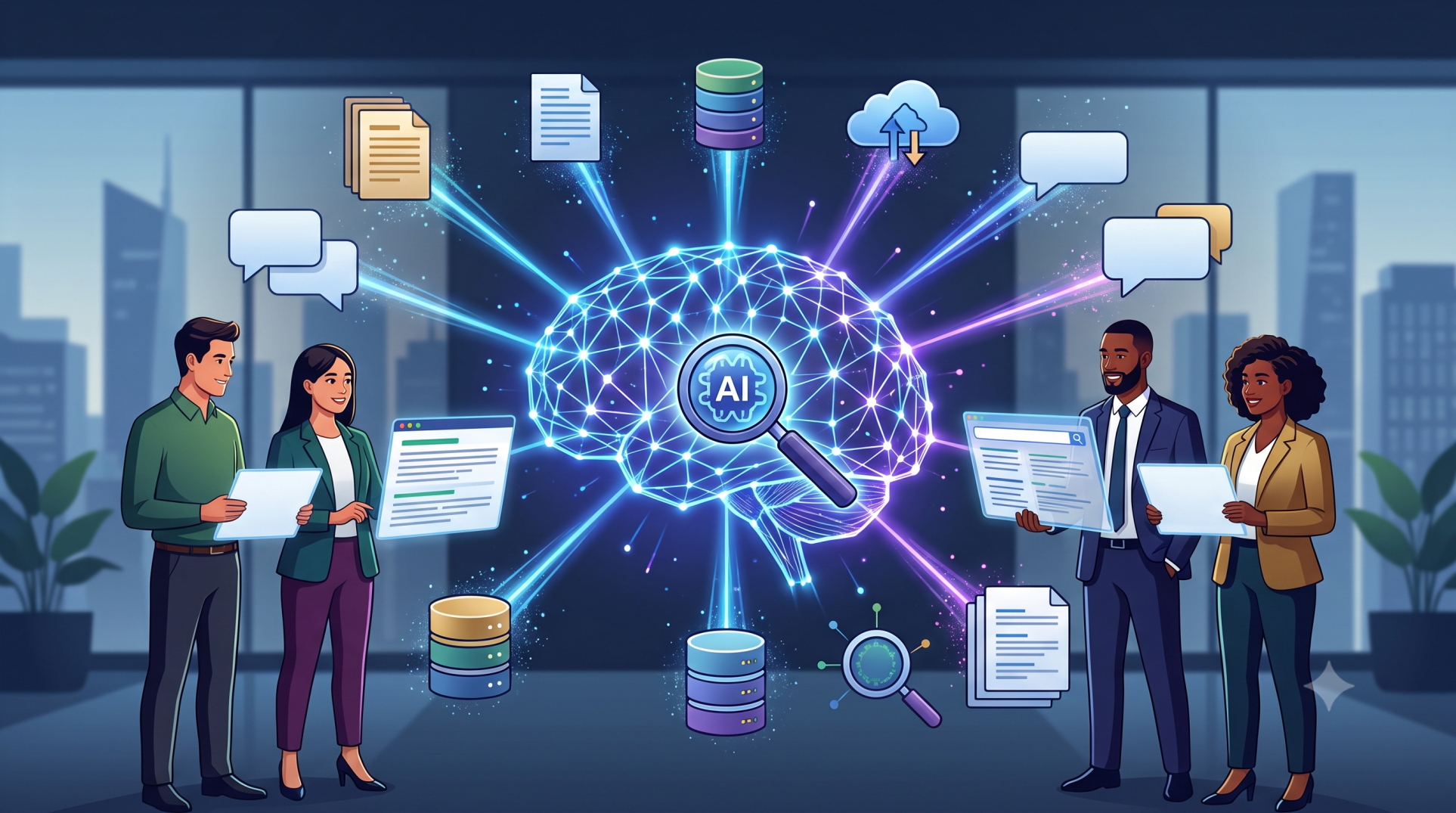
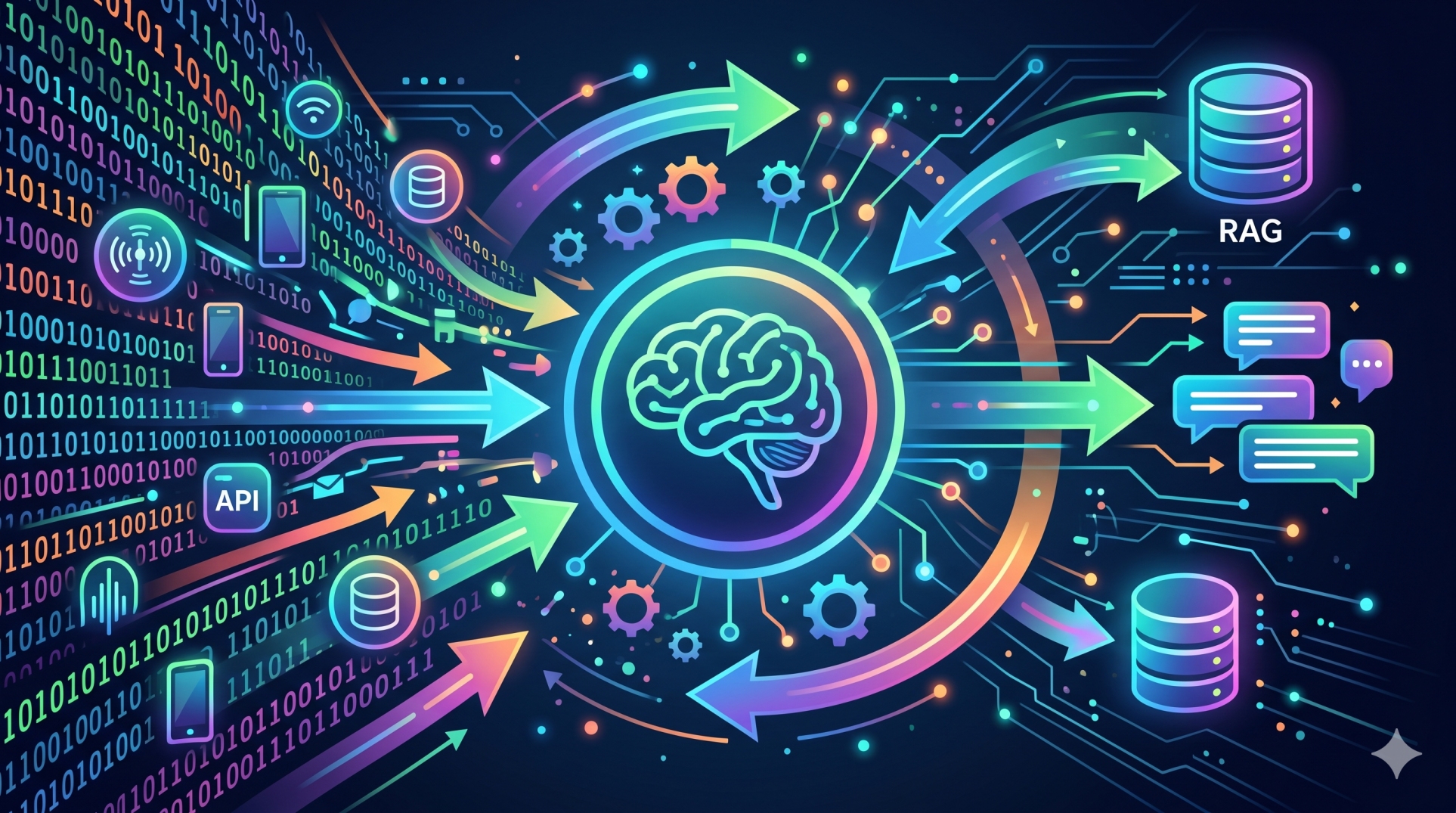
• Implements retrieval-augmented generation architectures 🔍
• Manages embeddings and similarity search processes 📊
• Grounds outputs in validated and traceable information sources ✔️
• Enhances factual consistency and domain-specific precision 🎯
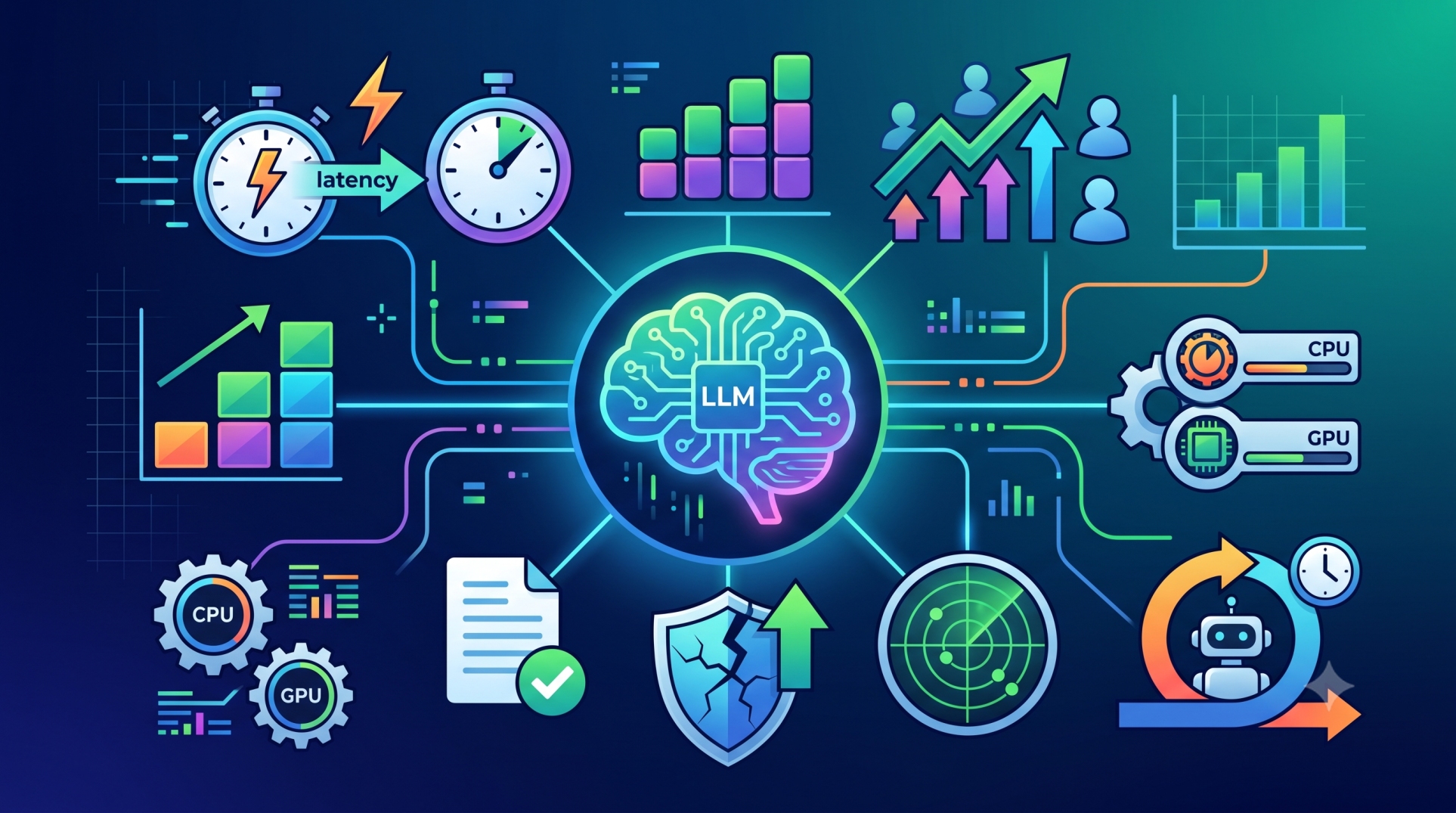
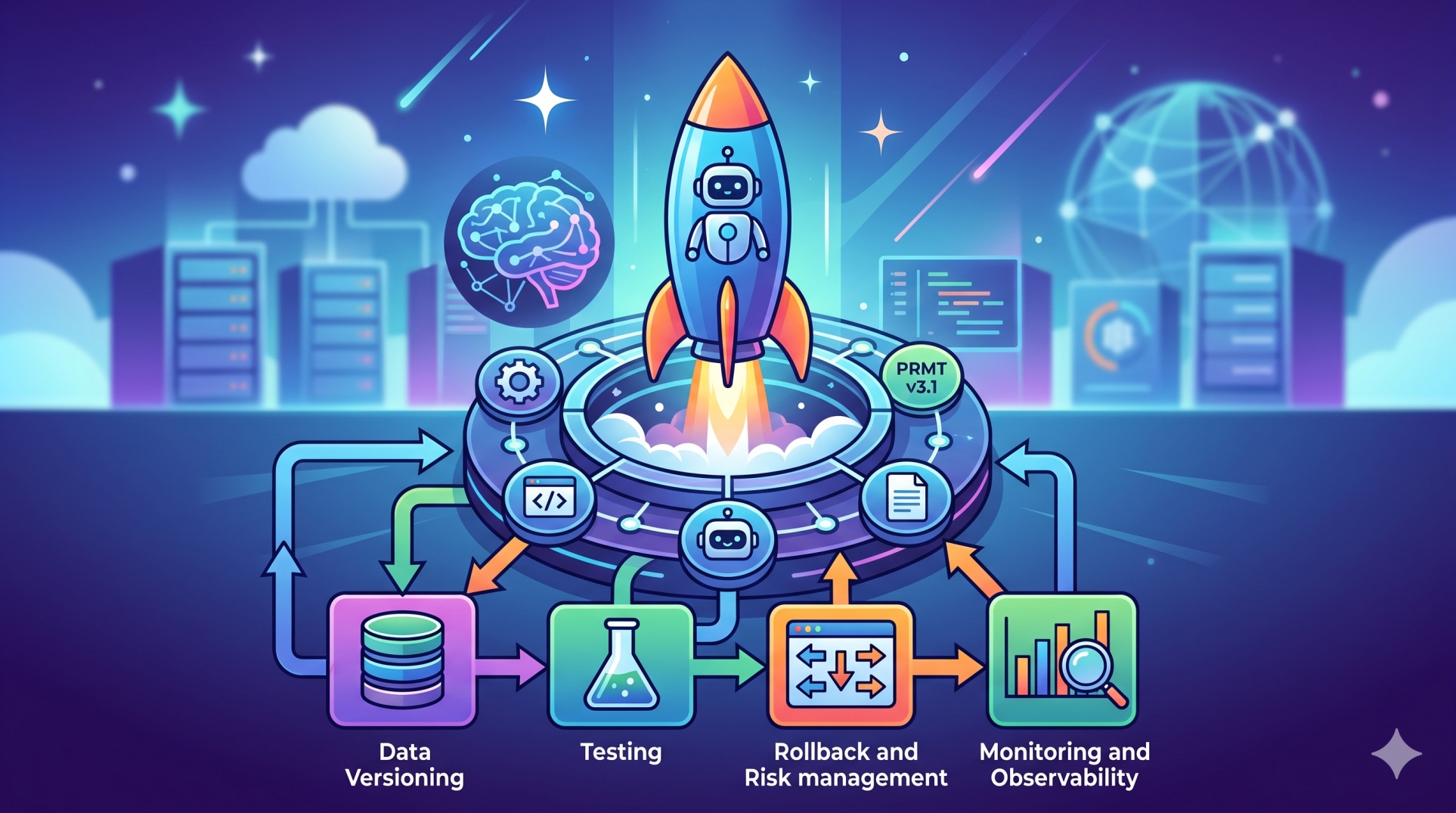
Step 6: Evaluation and Observability Layer 📊
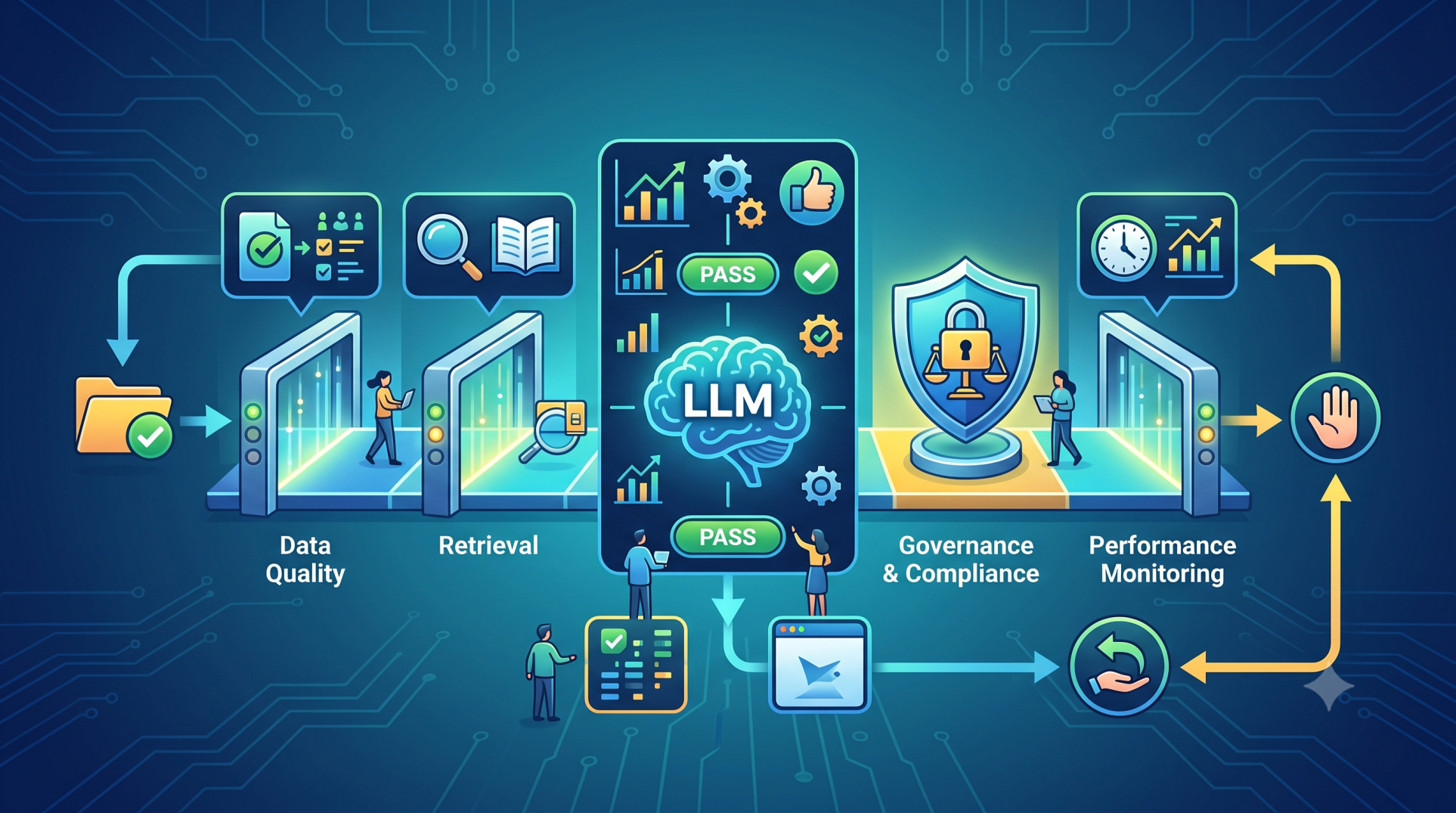
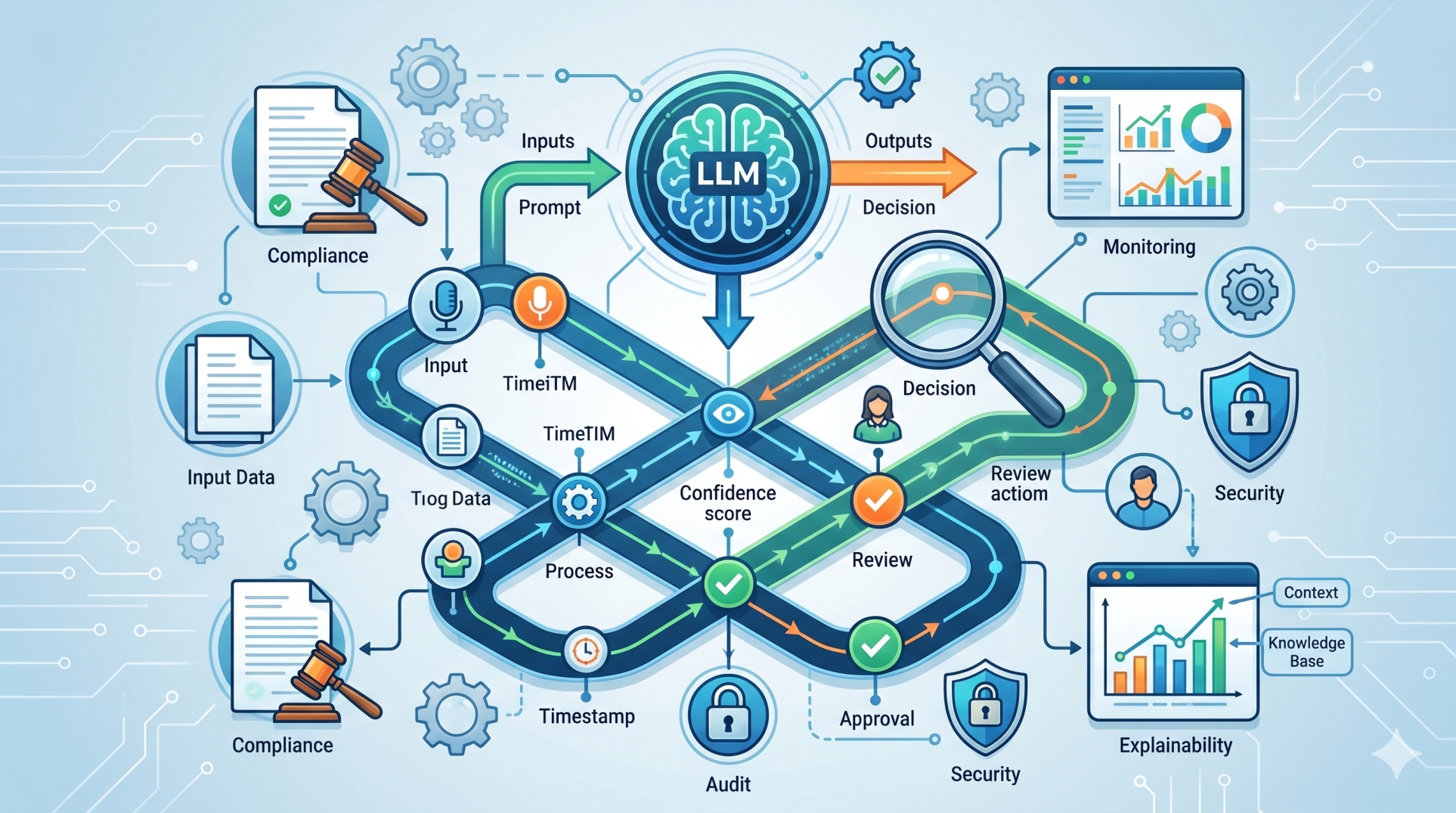
• Assesses output quality, relevance, and safety standards 📏
• Detects behavioral drift and performance degradation 🚨
• Logs interactions for monitoring and analysis 📝
• Combines automated scoring with human review 👥
• Drives continuous optimization and refinement cycles 🔁
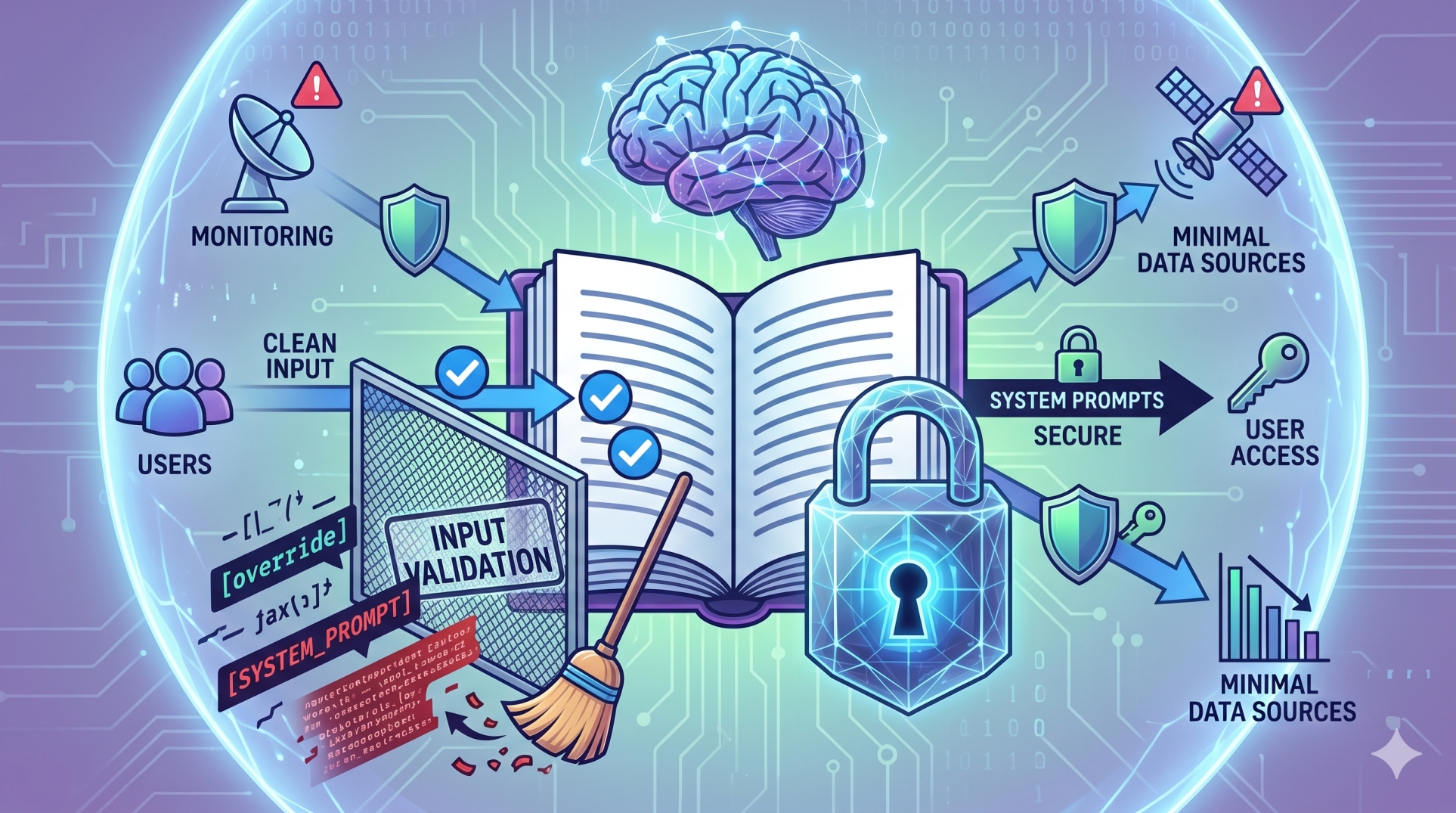
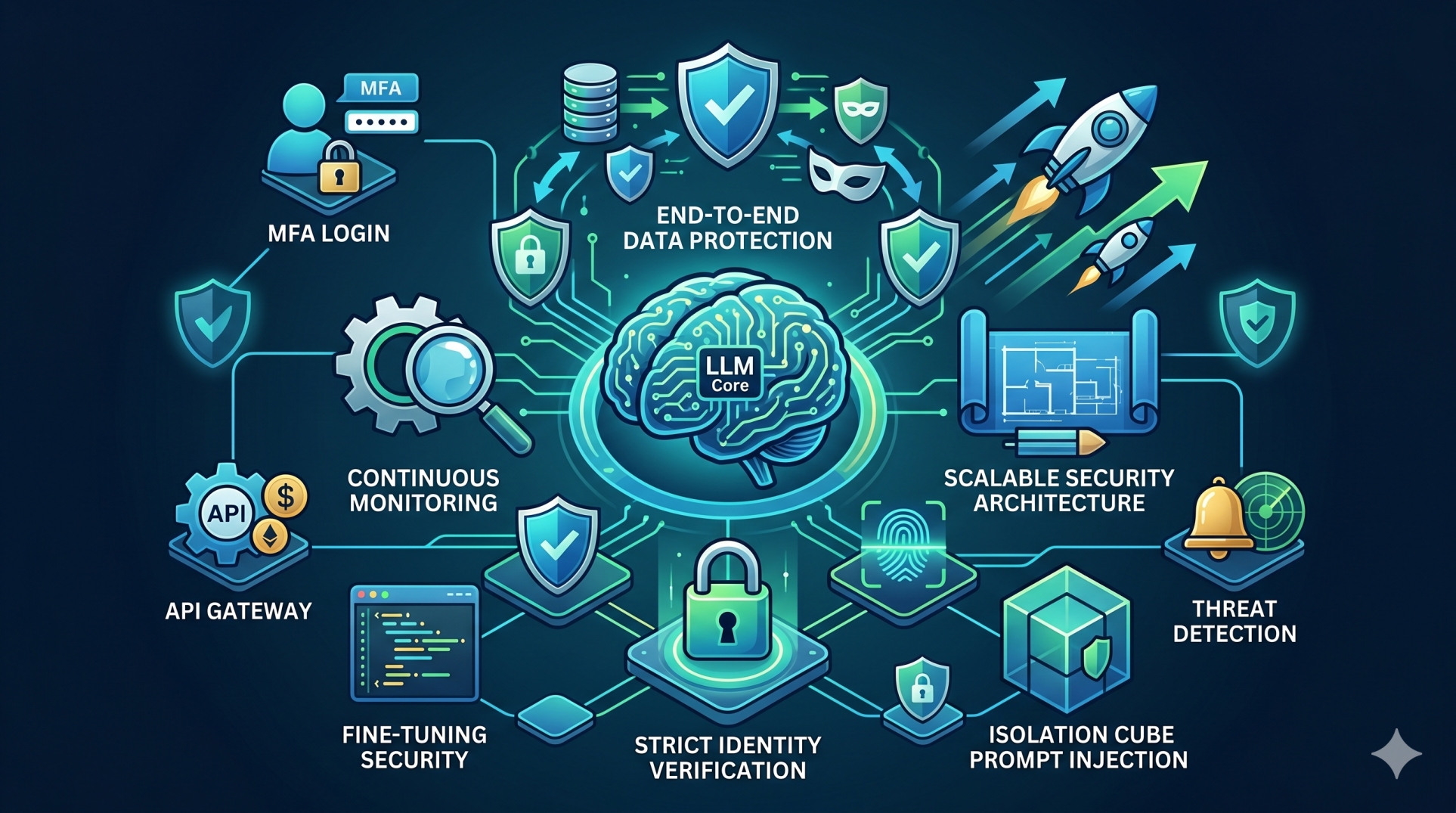
Step 7: Security and Risk Management Layer 🔐
• Enforces authentication and authorization controls 🛡️
• Protects sensitive user and enterprise data 🔒
• Applies moderation and policy enforcement mechanisms 📜
• Maintains compliance documentation and audit trails 🗂️
• Reduces operational, legal, and regulatory exposure ⚖️
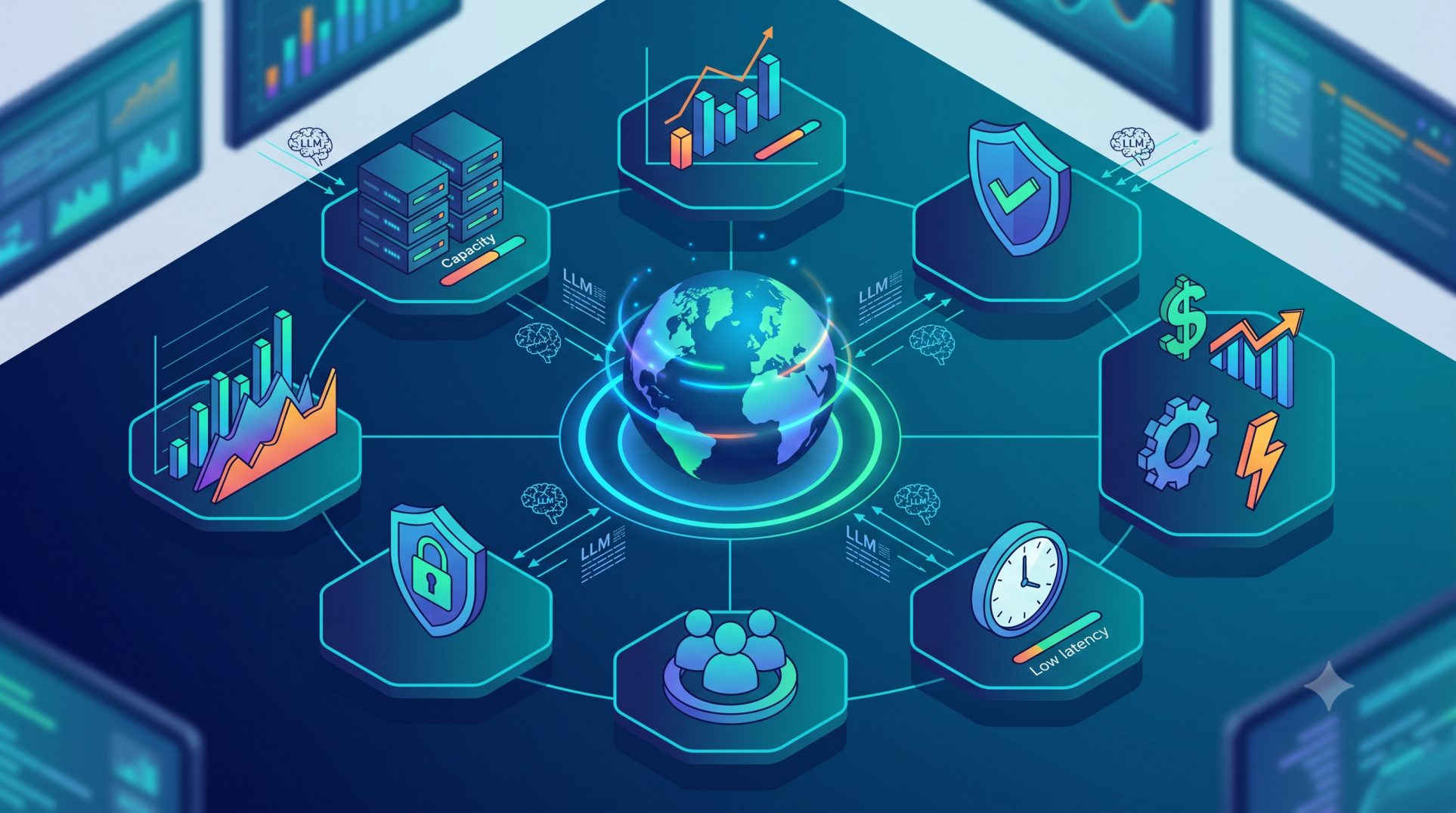
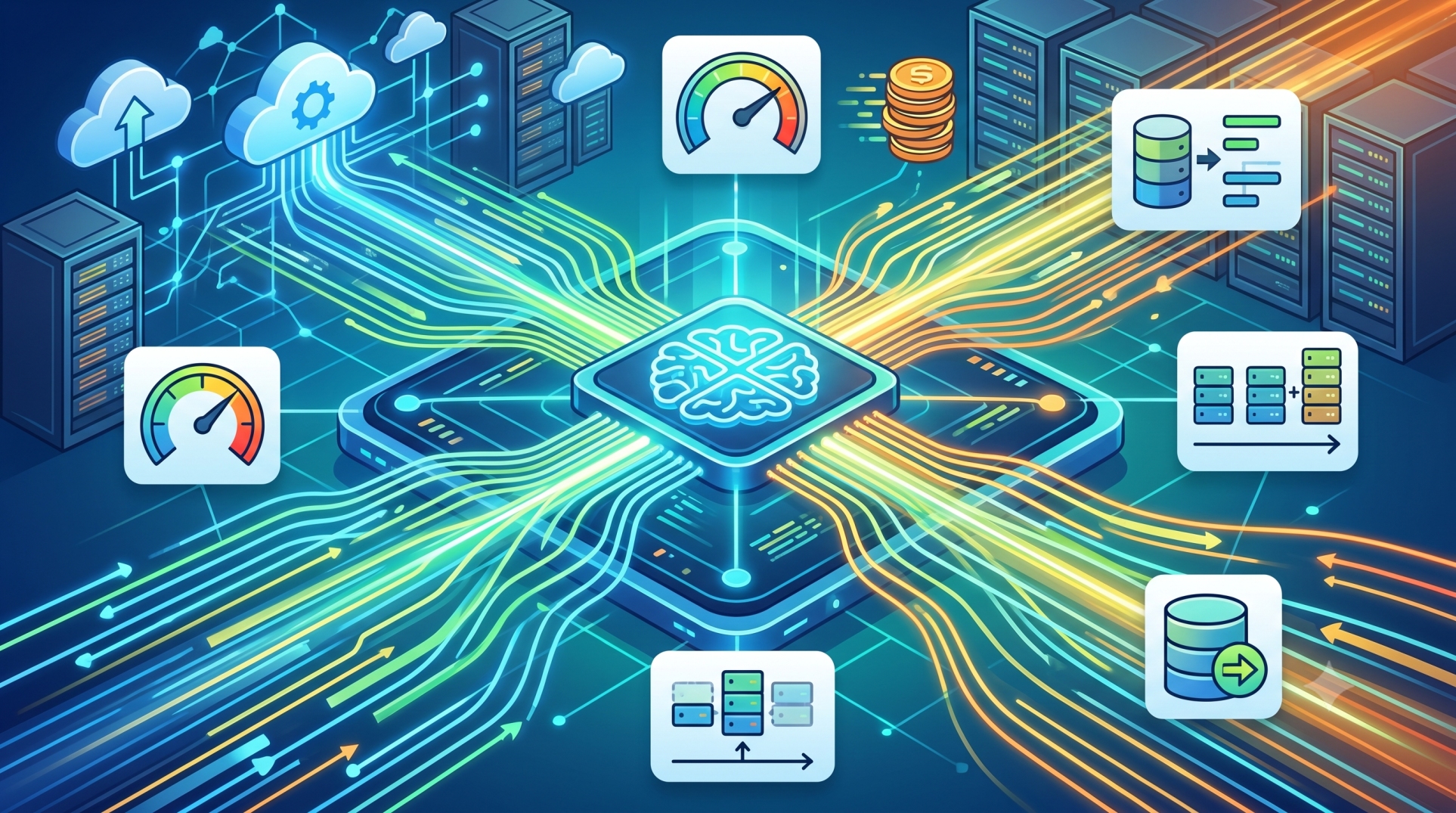
Step 8: Performance and Scalability Layer ⚡
• Ensures stability under fluctuating or high traffic loads 📈
• Optimizes response latency and infrastructure efficiency ⏱️
• Maintains reliability across distributed environments 🌍
Step 9: Learning and Feedback Layer 🔄
• Captures behavioral insights for continuous improvement 📊
• Incorporates evaluation outcomes into system updates 🧠
• Identifies emerging usage patterns and evolving requirements 🔍
• Strengthens alignment with real-world operational needs 🎯
• Supports iterative enhancement of the AI platform 🚀
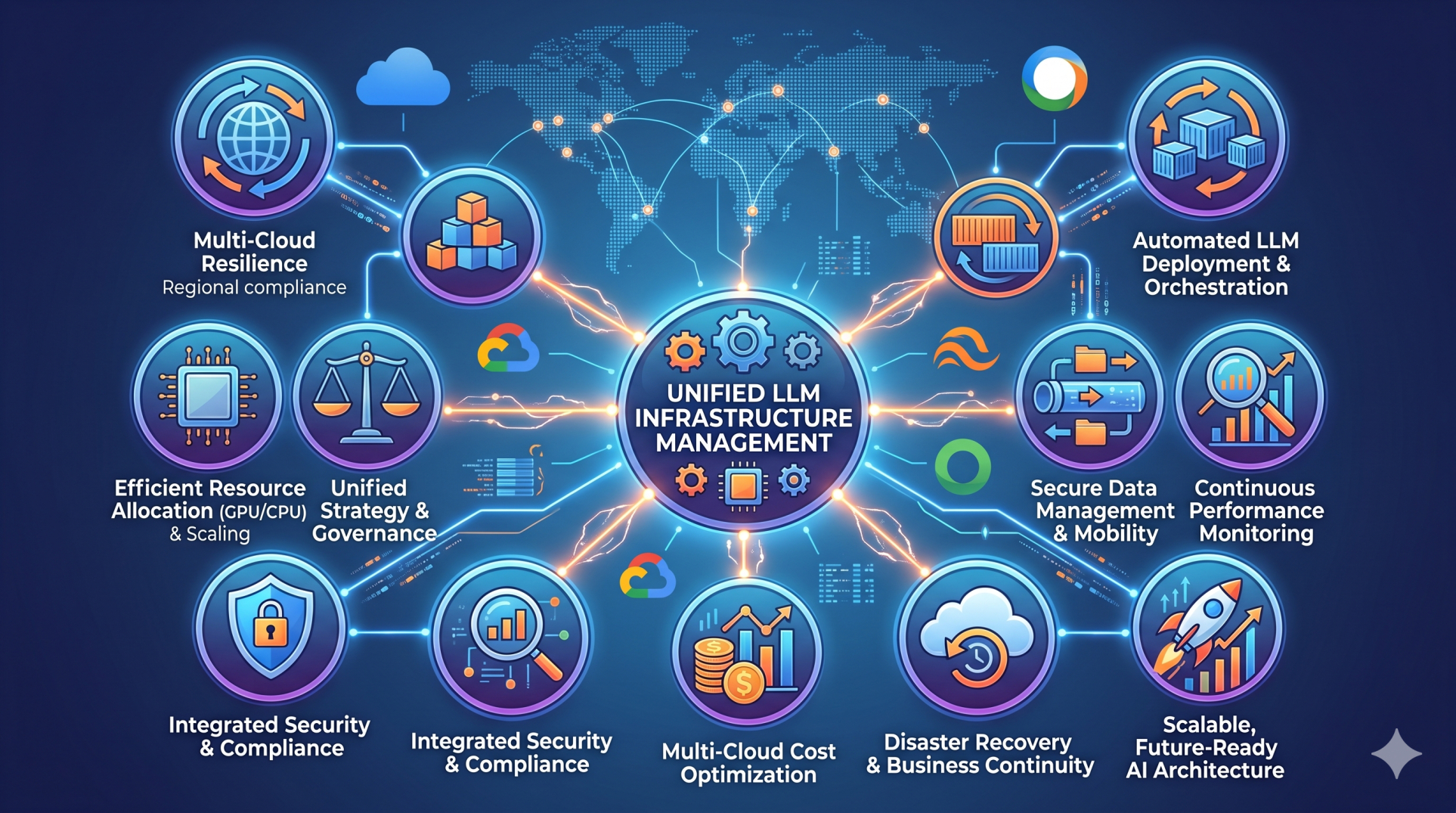
Step 10: Governance and Strategic Alignment Layer 🏛️
• Aligns AI capabilities with broader business strategy 🎯
• Defines accountability and ownership structures 🧑💼
• Establishes measurable performance indicators 📏
• Guides sustainable long-term platform evolution 📈
• Encourages responsible and ethical AI deployment 🤝
Conclusion
A layered architectural pattern introduces structure, resilience, and clarity to Large Language Model applications. By distinctly separating responsibilities across interface, orchestration, retrieval, evaluation, security, and governance layers, organizations can build AI systems that are scalable, maintainable, and enterprise-ready. This disciplined approach ensures that LLM applications remain adaptable, secure, and dependable as technology advances and business demands continue to evolve.
See more blogs
You can all the articles below