How to Choose the Best LLM Software for Your Business

How to Choose the Best LLM Software for Your Business
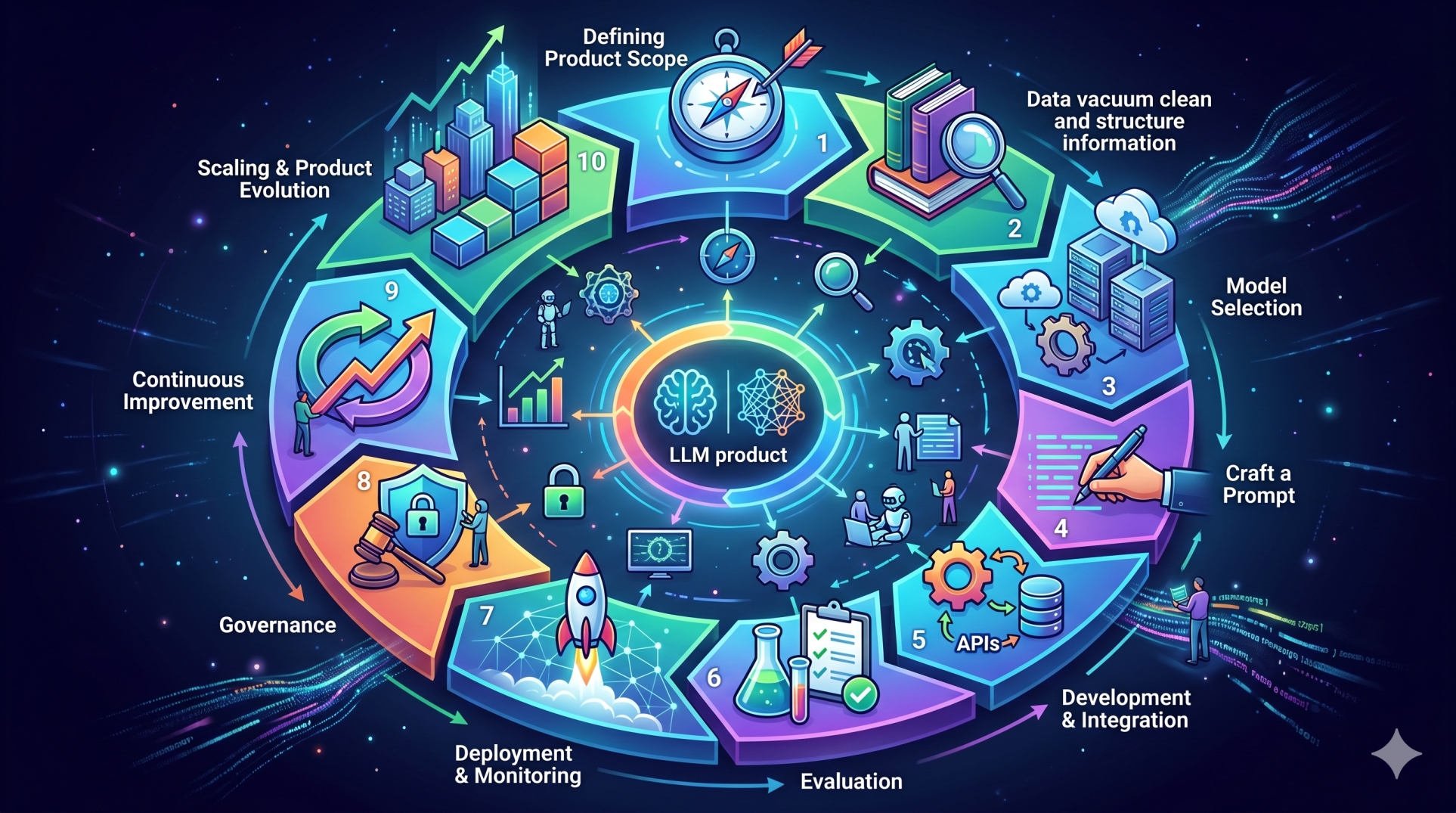
Choosing the right Large Language Model (LLM) software is a strategic decision that can significantly influence how effectively an organization adopts AI-driven solutions. With choices ranging from open-source frameworks to enterprise-grade cloud platforms, businesses must carefully assess multiple dimensions to ensure the selected LLM aligns with operational needs, financial considerations, and long-term growth plans. A structured approach helps reduce implementation risk while maximizing return on investment.
1. Define Clear Business Goals 🎯📌
• Identify the specific problems the LLM is expected to solve 🧩🤖
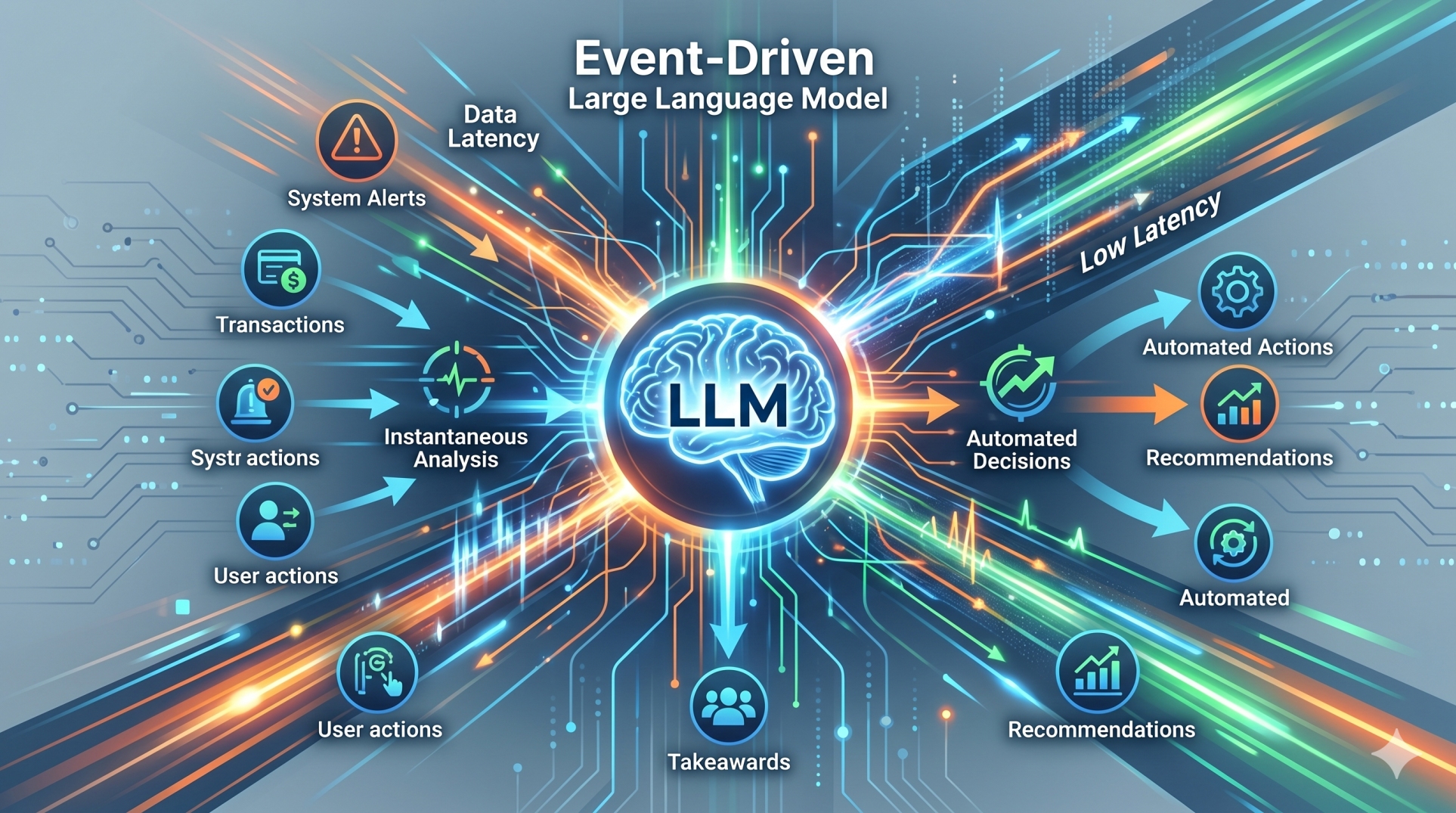
• Focus on workflows where language intelligence adds the most value ⚙️💡
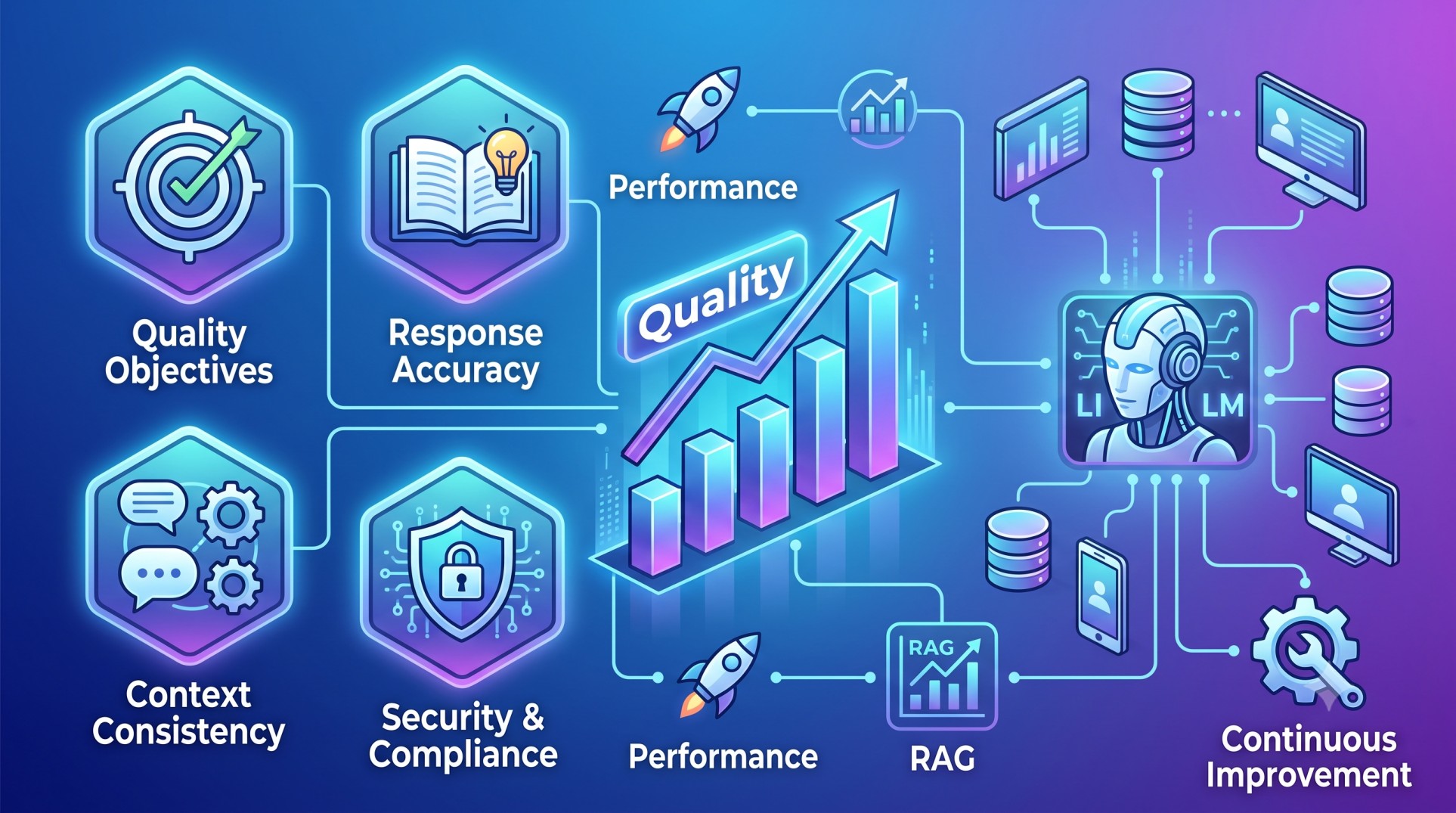
• Set clear metrics to evaluate success and impact 📊✅
• Ensure alignment with overall business and digital strategy 🏢📈
• Balance immediate use cases with future expansion plans 🔮📦
2. Assess Model Capabilities and Performance 🧠📐
• Evaluate language comprehension and reasoning depth 📖🧠
• Test performance across different content types and scenarios 🧪📝
• Measure effectiveness on industry- or domain-specific tasks 🏭🎯
• Verify multilingual and localization support if required 🌍🗣️
• Examine robustness when handling complex or ambiguous inputs 🧩⚠️
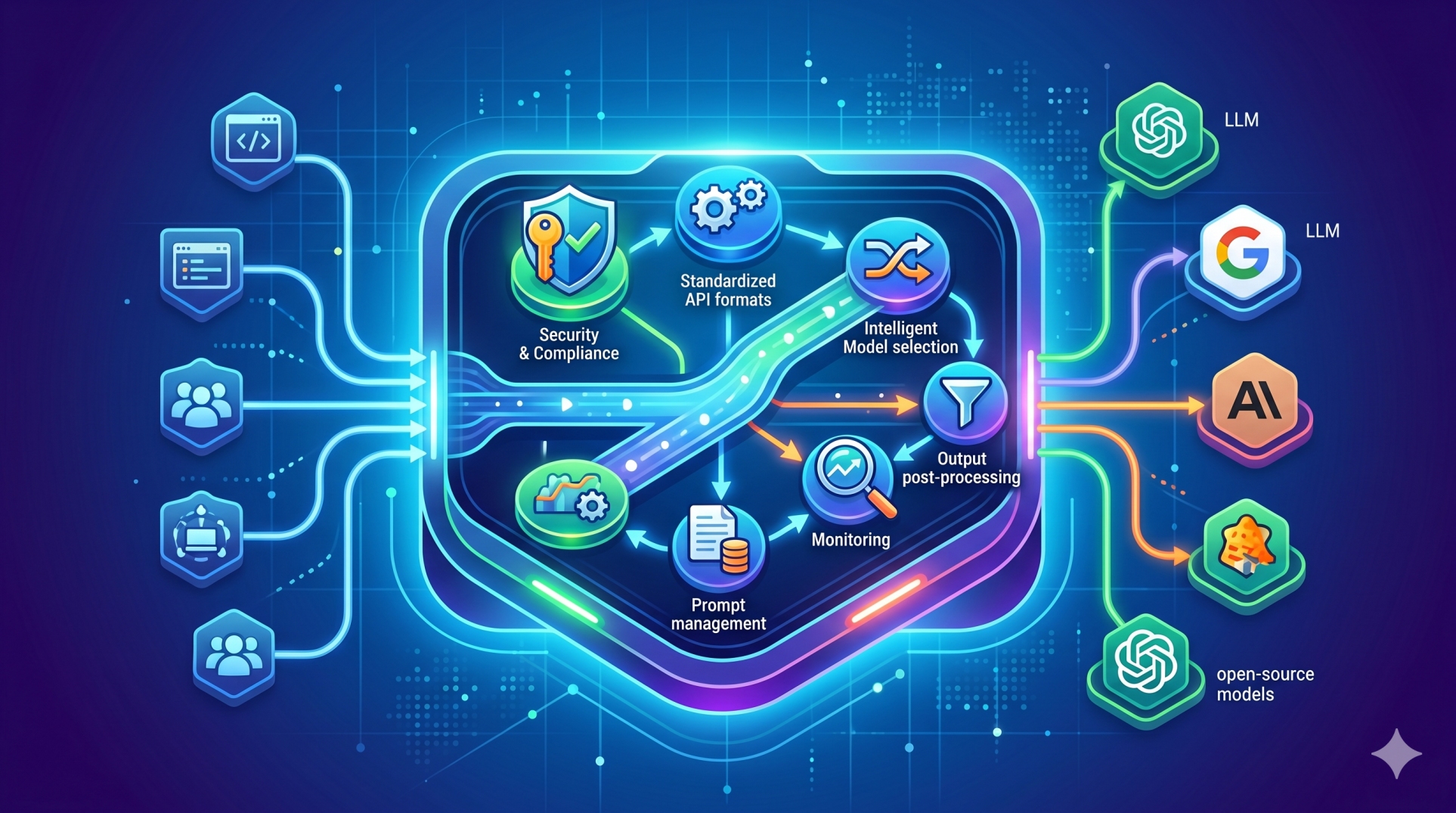
3. Analyze Integration and Deployment Flexibility ⚙️🔗
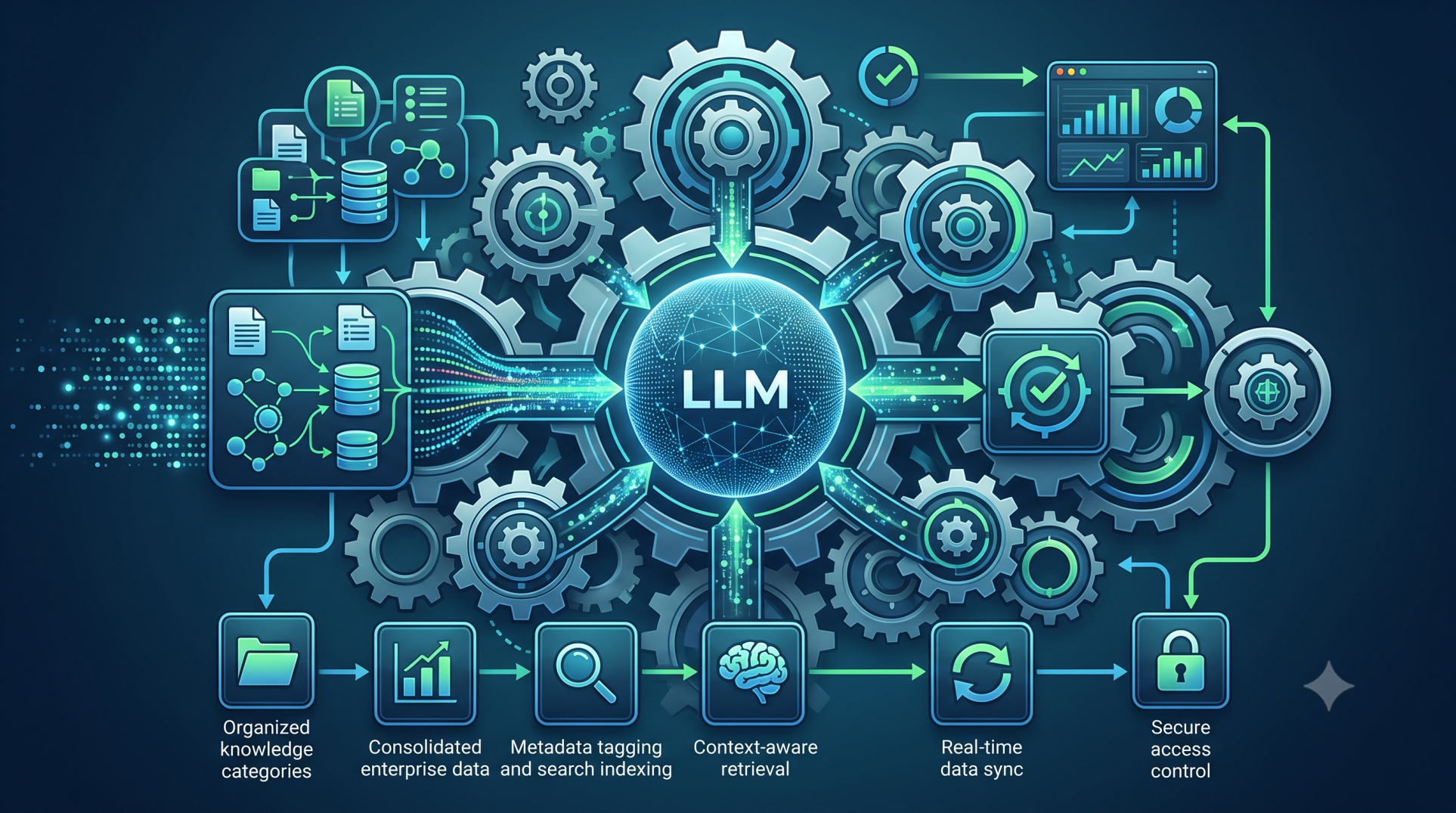
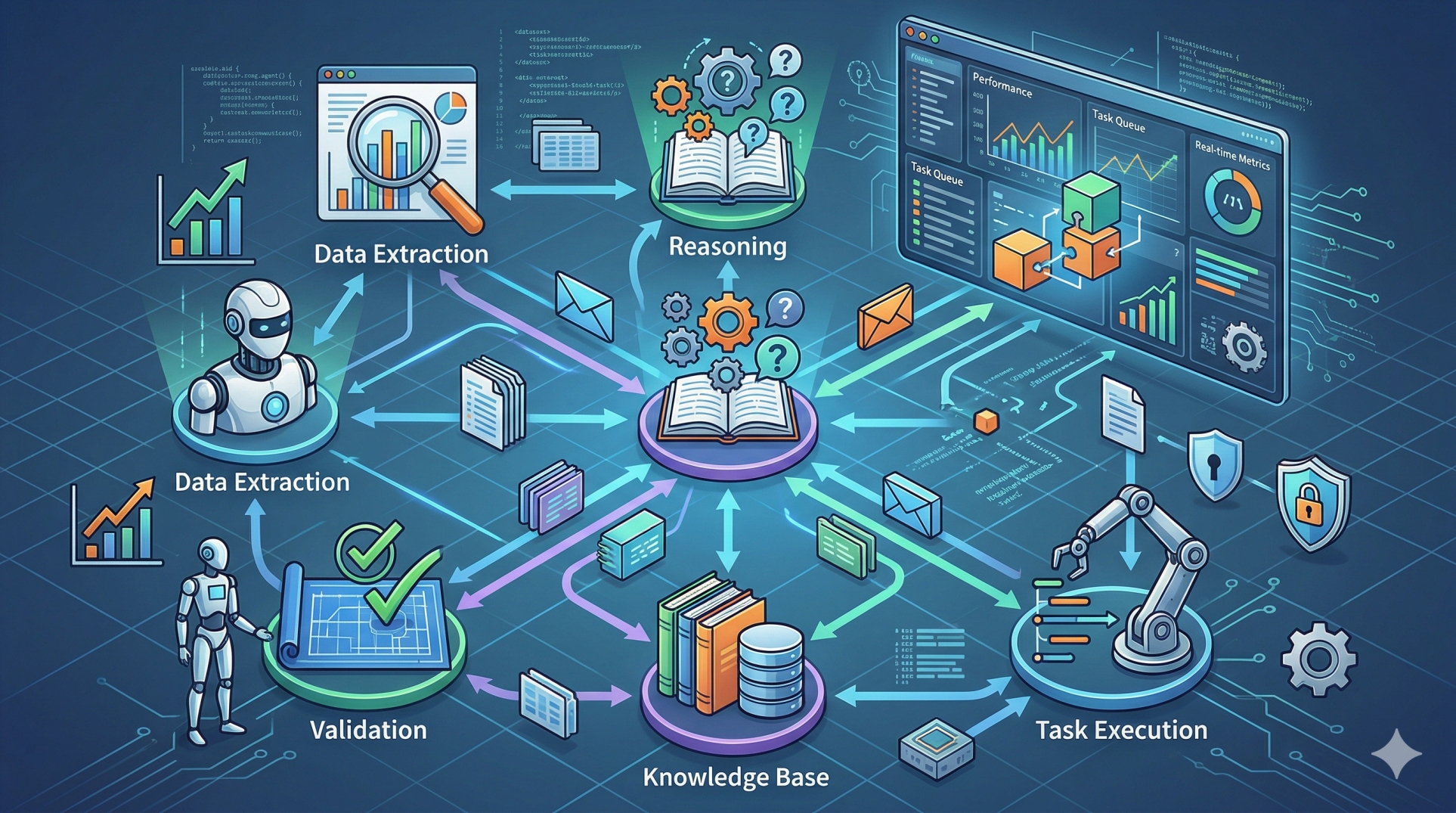
• Review compatibility with current systems and architecture 🏗️🖥️
• Check availability and maturity of APIs, SDKs, and tools 🔧📦
• Assess scalability to support growing workloads 📈🚀
• Compare cloud-based, hybrid, and on-premises deployment options ☁️🏢
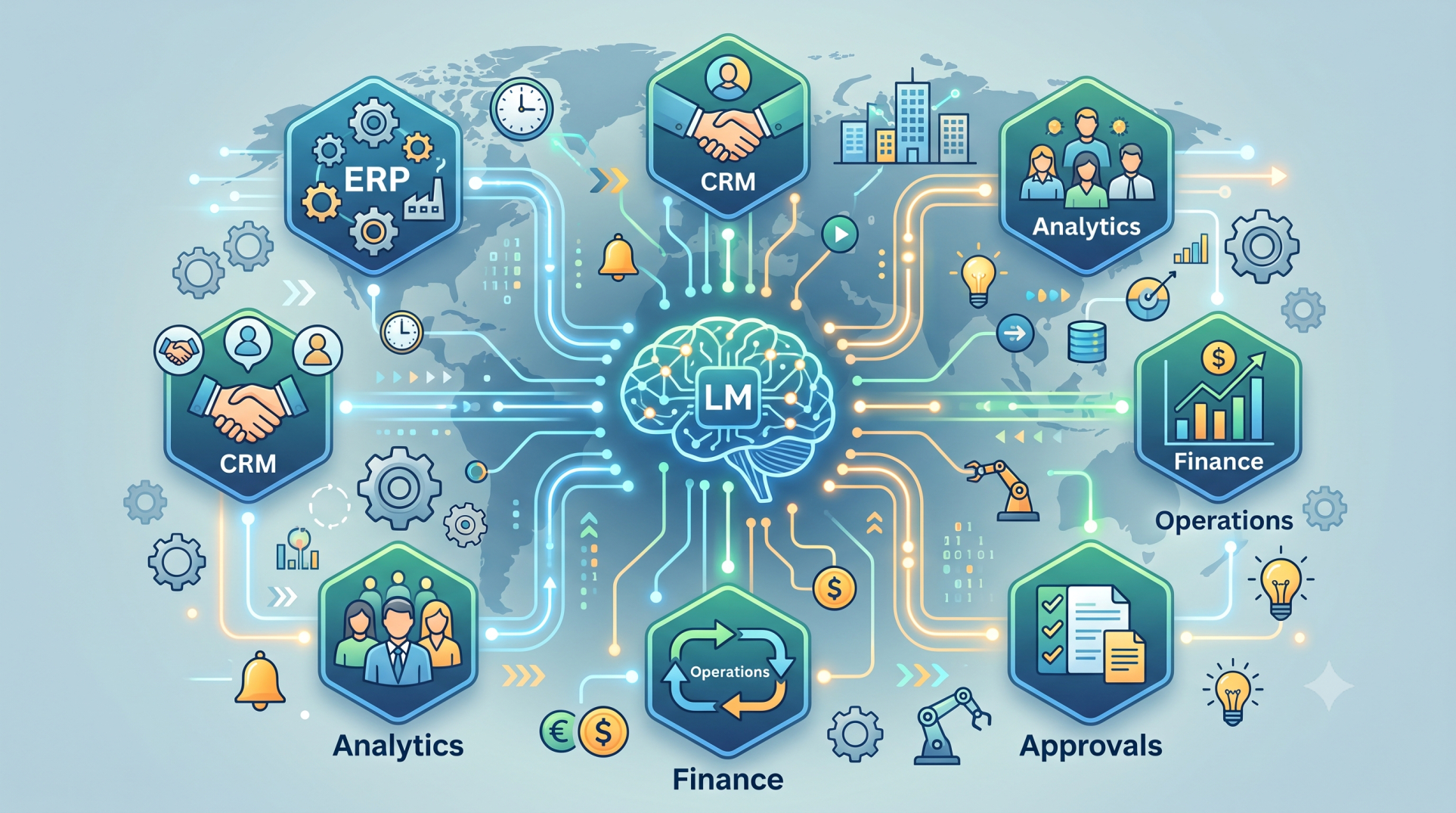
• Ensure smooth integration with existing enterprise applications 🔄🧩
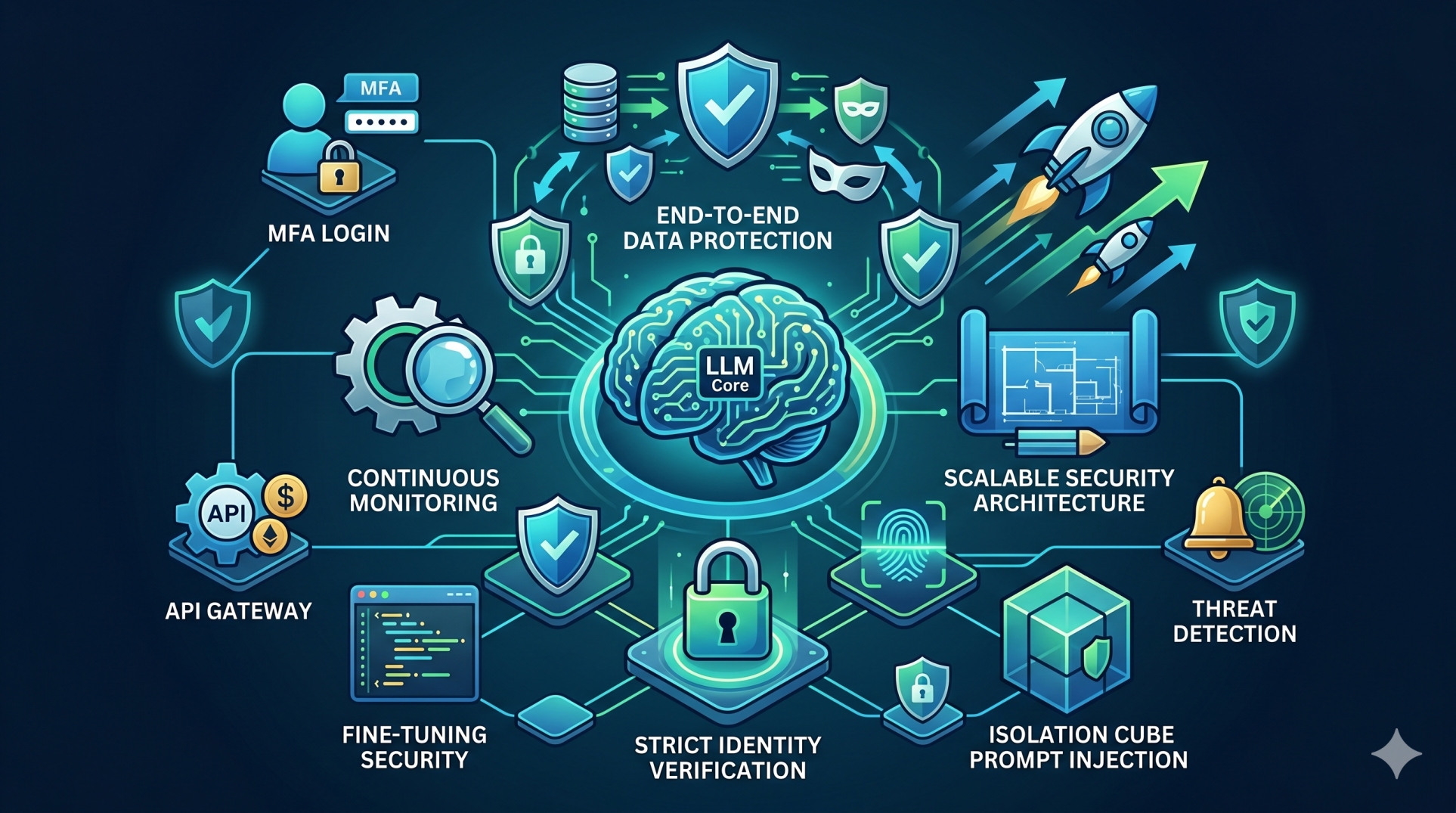
4. Review Data Privacy and Security Measures 🔐🛡️
• Confirm strong encryption for data storage and transmission 🔒📡
• Evaluate identity management and access control features 🪪✔️
• Ensure compliance with applicable data protection regulations ⚖️📜
• Understand how data is stored, processed, and retained 🗂️🔍
• Review options for tenant isolation and data segregation 🧱📂
5. Evaluate Cost Structure and Budget Impact 💰📊
• Compare pricing models and billing transparency 💵🔍
• Forecast costs as usage scales across teams or applications 📈👥
• Include indirect costs such as integration and maintenance 🛠️💸
• Analyze total cost of ownership rather than upfront pricing 📐💰
• Consider efficiency gains and automation-driven cost reductions ⚡📉
6. Examine Documentation and Support Quality 📘🤝
• Assess clarity and completeness of technical documentation 📝✔️
• Verify availability of onboarding guides and tutorials 🚀📚
• Review access to customer support and response times ⏱️🎧
• Explore developer communities and shared resources 👩💻🌐
• Understand service commitments related to uptime and reliability 🛡️📶
7. Validate Safety and Compliance Features 🛡️⚖️
• Review safeguards that limit harmful or incorrect outputs 🚫⚠️
• Assess alignment with ethical and responsible AI principles 🤖🤝
• Confirm compatibility with internal governance standards 🏛️✔️
• Evaluate content moderation and filtering controls 🧹🔍
• Ensure visibility into monitoring and incident reporting 👀📋
8. Run Pilots and Benchmarks Before Scaling 🧪🚀
• Test candidate LLMs using real business scenarios 🏢🧠
• Collect performance data and user feedback 📊🗣️
• Compare results across shortlisted solutions 🔍📈
• Fine-tune prompts and configurations during trials 🛠️🧩
• Use findings to inform final selection decisions ✅🎯
9. Consider Vendor Roadmap and Ecosystem Strength 🧭🏗️
• Review the provider’s long-term product direction 🔮📦
• Assess frequency and quality of model updates 🔄🧠
• Evaluate integrations with third-party tools and platforms 🔗🧩
• Check alignment with future business and technology plans 🏢🚀
• Consider vendor reliability, reputation, and financial stability 🏦⭐
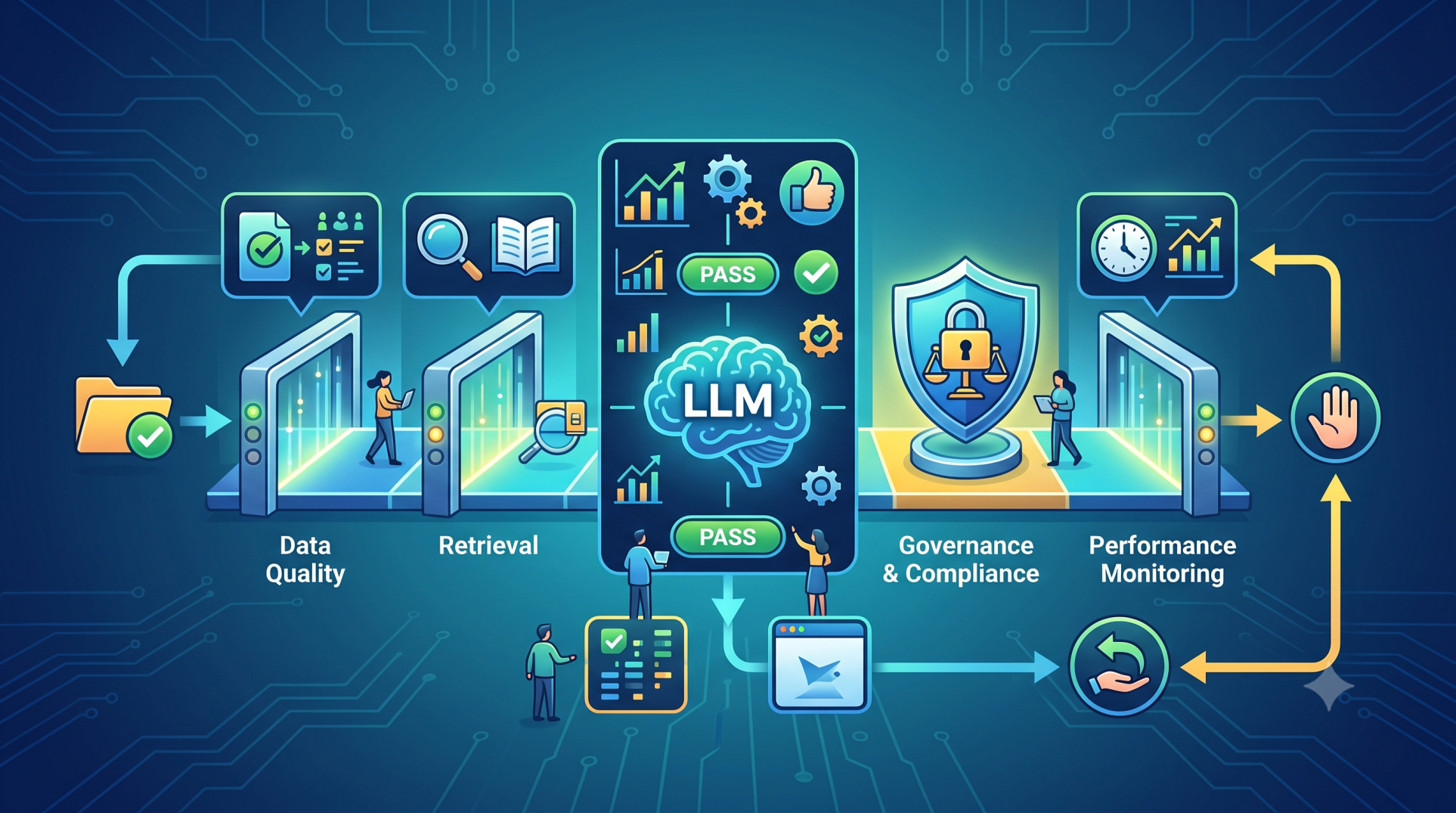
10. Plan for Governance and Continuous Evaluation 📋🔁
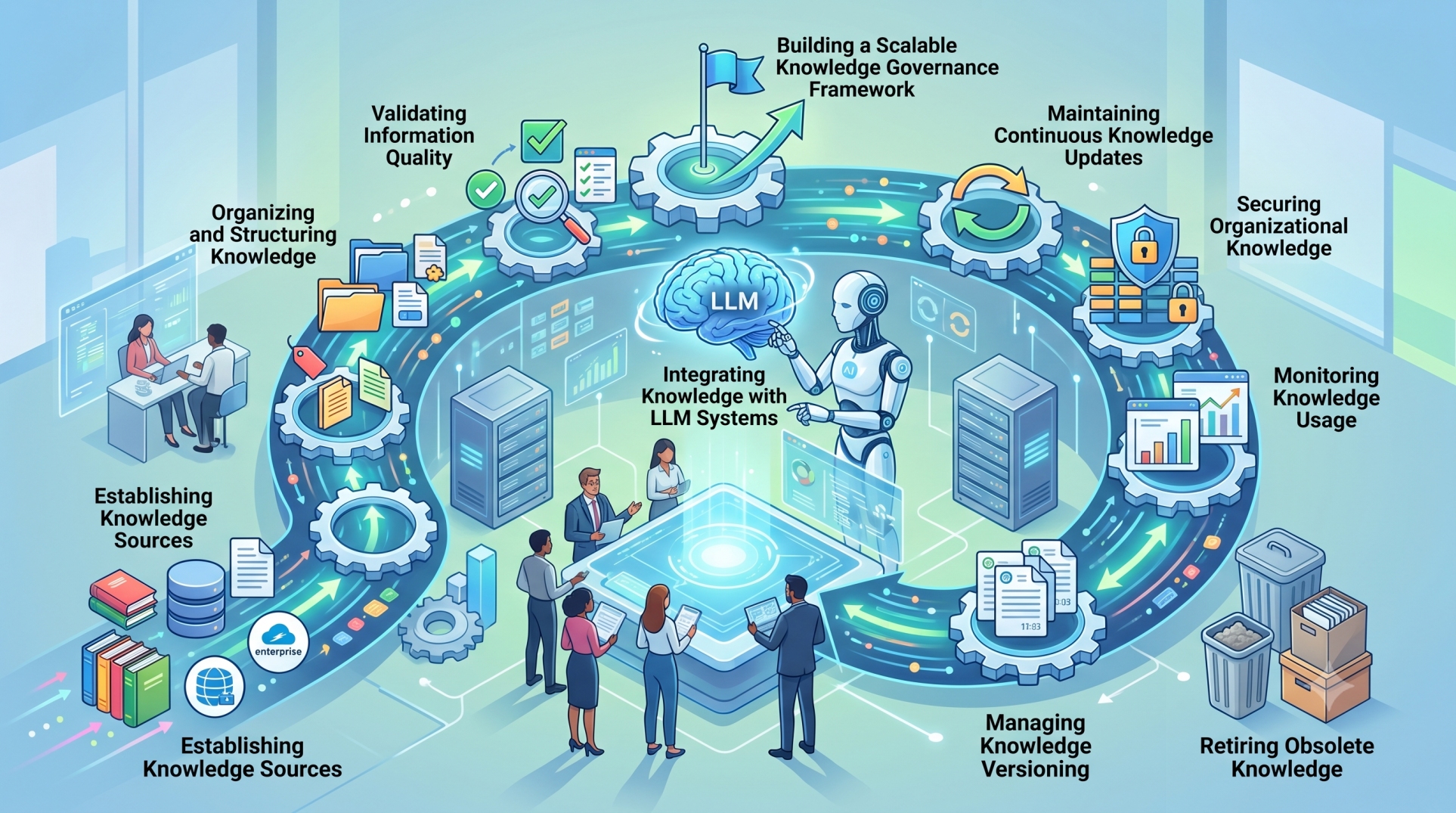
• Define clear policies for LLM usage and ownership 📝🤖
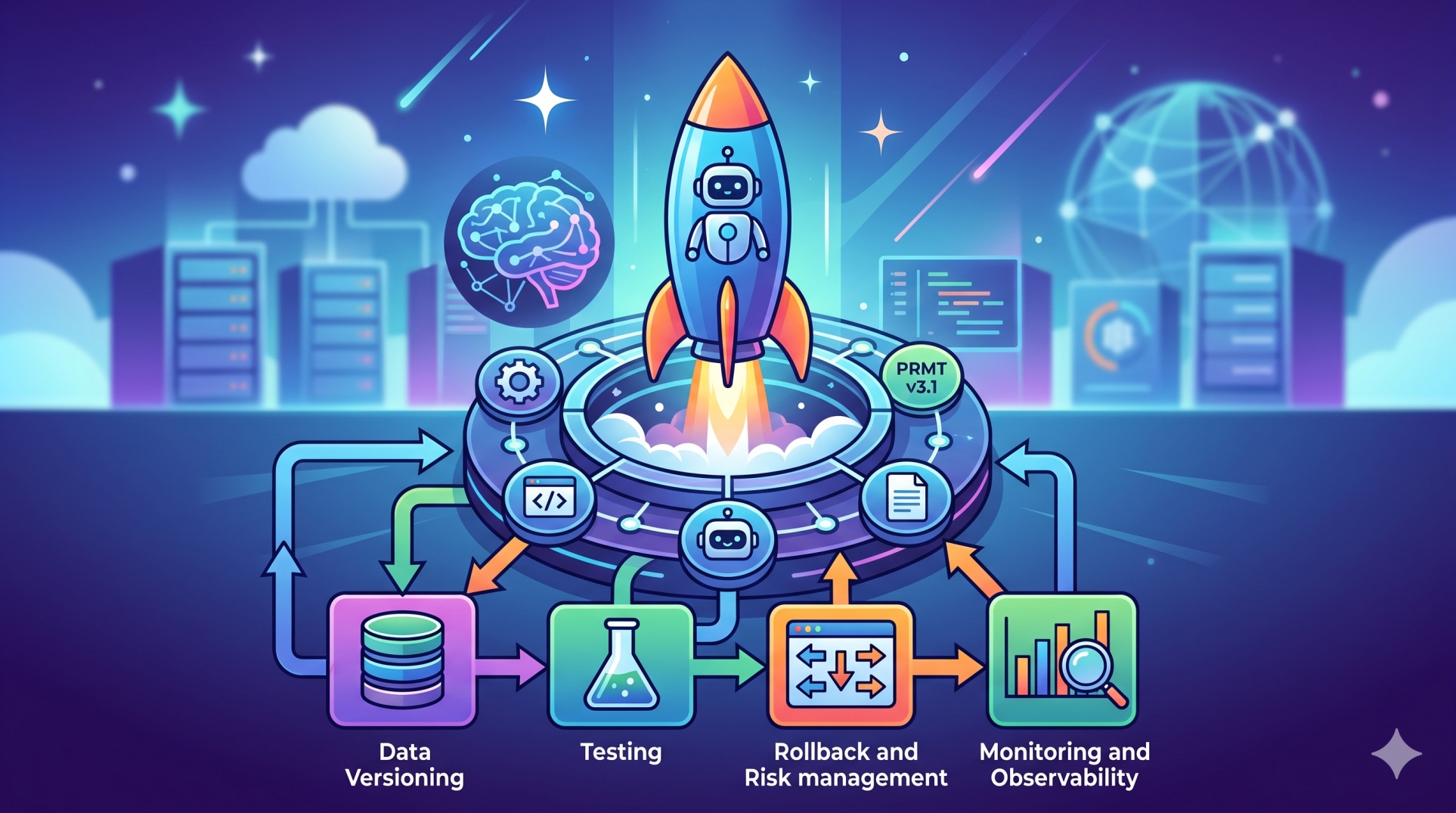
• Implement monitoring for quality, cost, and risk 📊⚠️
• Establish processes for handling failures or regressions 🔄🛠️
• Schedule regular performance and compliance reviews 🗓️✔️
• Prepare for model upgrades, replacements, or retirement 🔁📦
Conclusion 🎯
Selecting the best LLM software requires more than comparing model performance—it demands a comprehensive evaluation of business objectives, technical fit, security, cost, and long-term viability. By following a structured selection process that includes testing, governance planning, and vendor assessment, organizations can adopt LLM solutions that deliver sustainable value and scale confidently as business needs evolve.
See more blogs
You can all the articles below