How LLM Software Is Advancing Early Detection of Cognitive Decline Through Language and Speech
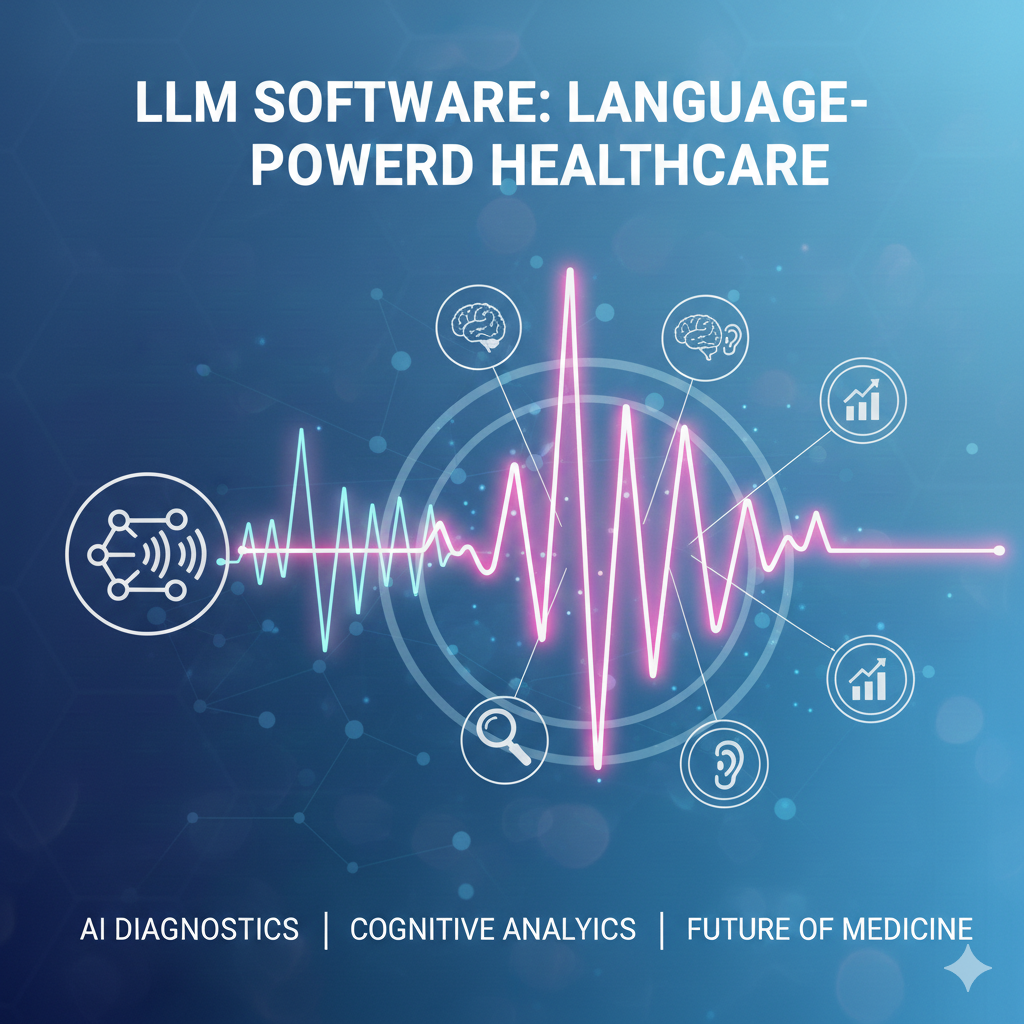
How LLM Software Is Advancing Early Detection of Cognitive Decline Through Language and Speech
Large Language Model (LLM) software is expanding beyond chatbots and automation into impactful healthcare use cases. One of the most promising developments is early cognitive decline detection, where subtle changes in speech and language often emerge well before clinical symptoms are formally diagnosed. By examining how people communicate—not only what they say—LLMs support earlier, non-invasive, and scalable cognitive screening 📊🗣️.
1. Language as a Window Into Cognitive Health
• Speech patterns reveal how the brain processes information 🧠
• Word choice and sentence structure reflect mental clarity ✍️
• Reasoning, memory, and perception are expressed through language 🔍
• Minor irregularities in speech may indicate early cognitive shifts ⚠️
• Everyday language use enables frequent and natural screening 📅
2. Applying Figure–Ground Analysis with LLMs
• Separates meaningful cognitive indicators from background noise 🎯
• Extracts critical linguistic features from daily conversations 📡
• Filters out filler words, pauses, and irrelevant variations 🚫
• Concentrates on reasoning, comprehension, and reference accuracy 🧩
• Improves detection beyond surface-level speech differences 📈
3. Turning Language Patterns Into Measurable Signals
• Structures speech characteristics into clear categories 🗂️
• Differentiates typical language use from potentially impaired patterns ⚖️
• Identifies issues such as incorrect references or faulty inference ❗
• Transforms unstructured speech into quantifiable cognitive markers 🔢
• Generates insights that support clinical evaluation 🩺
4. Superhuman Precision in Early Detection
• Provides consistent and objective analysis at scale 📏
• Detects subtle trends often missed by human reviewers 🔍
• Monitors cognitive changes over time with standardized measures ⏳
• Reduces subjectivity in early-stage assessment ⚖️
• Functions like a precision instrument for cognitive measurement 🧠
5. Why Spoken Language Offers More Than Text
• Captures emotional tone and hesitation cues 😊
• Analyzes rhythm, timing, and pause behavior ⏱️
• Identifies mood-related and stress-linked signals 🌡️
• Delivers deeper insight than text-only data 📖
• Builds a more complete picture of cognitive health 🧠
6. Defining the Right Scope for AI Detection
• Targets early-stage cognitive changes for timely intervention ⏰
• Supports longitudinal monitoring of progression 📈
• Improves accuracy through clearly defined objectives 🧭
• Increases clinical relevance of AI insights 🩺
• Maximizes real-world healthcare value 🌍
7. Expanding the Role of LLM Platforms in Healthcare
• Enables scalable, digital-first screening solutions 💻
• Supports non-invasive and cost-effective assessments 💡
• Integrates with mobile platforms and remote care tools 📱
• Augments clinician decision-making rather than replacing it 🤝
• Broadens access beyond traditional clinical settings 🌐
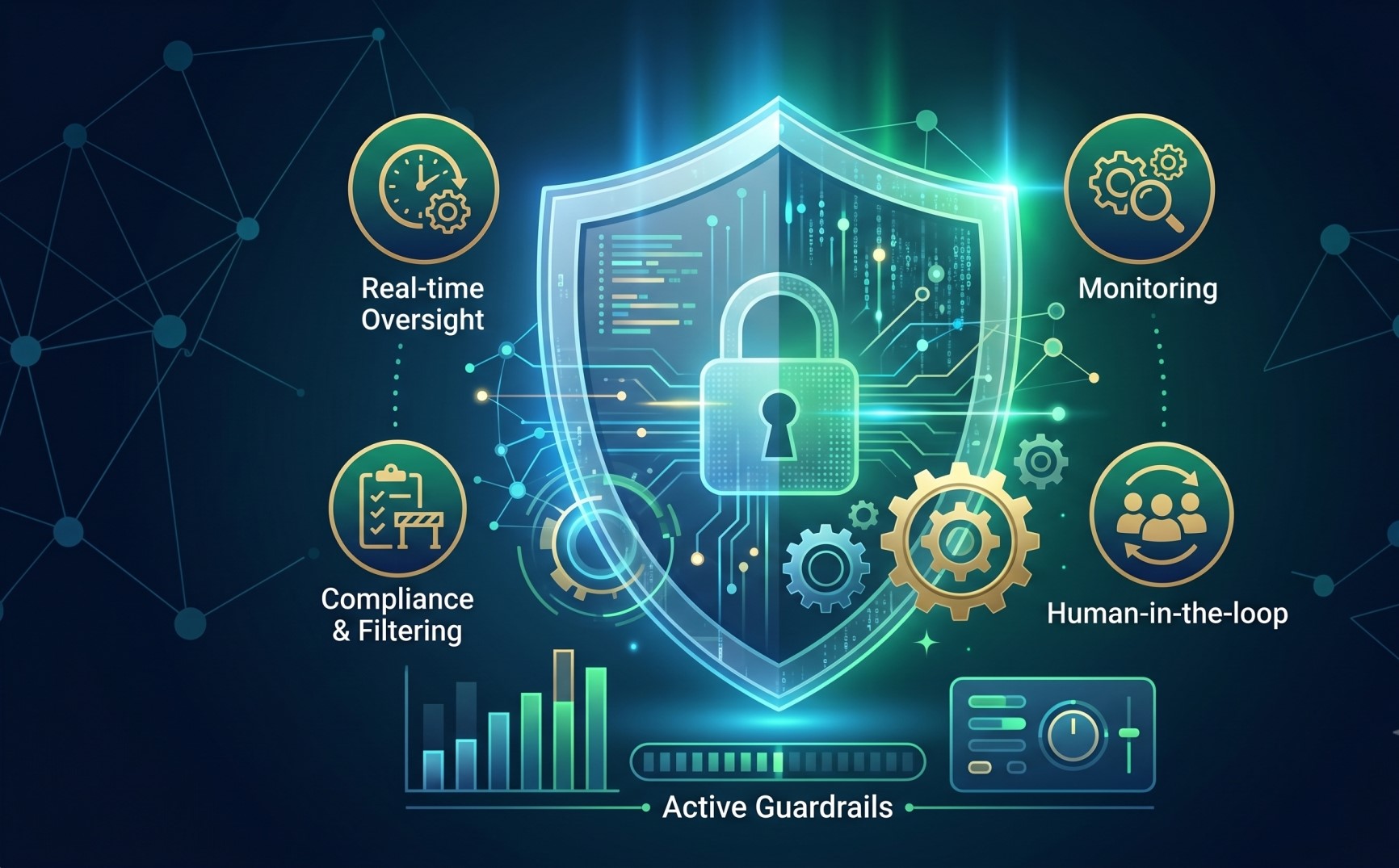
8. Ethical Design and Human Oversight
• Requires transparency about AI capabilities and limitations 📖
• Ensures robust privacy protections and data security 🔒
• Depends on informed patient consent ✅
• Maintains human oversight in clinical decisions 👩⚕️
• Builds trust through responsible and safe deployment 🤍
🏁 Conclusion
LLM software is redefining early cognitive health detection by analyzing language and speech with high precision. Through effective signal separation, structured pattern analysis, and speech-based biomarkers, these systems can identify early signs of cognitive decline at scale. When developed responsibly and used alongside human expertise, LLM-powered tools enhance clinical insight, enable earlier intervention, and improve patient outcomes—while keeping people at the center of care 🤝💙.
See more blogs
You can all the articles below