How AI Is Transforming Sound-Based Diagnostics in Digital Health
How AI Is Transforming Sound-Based Diagnostics in Digital Health
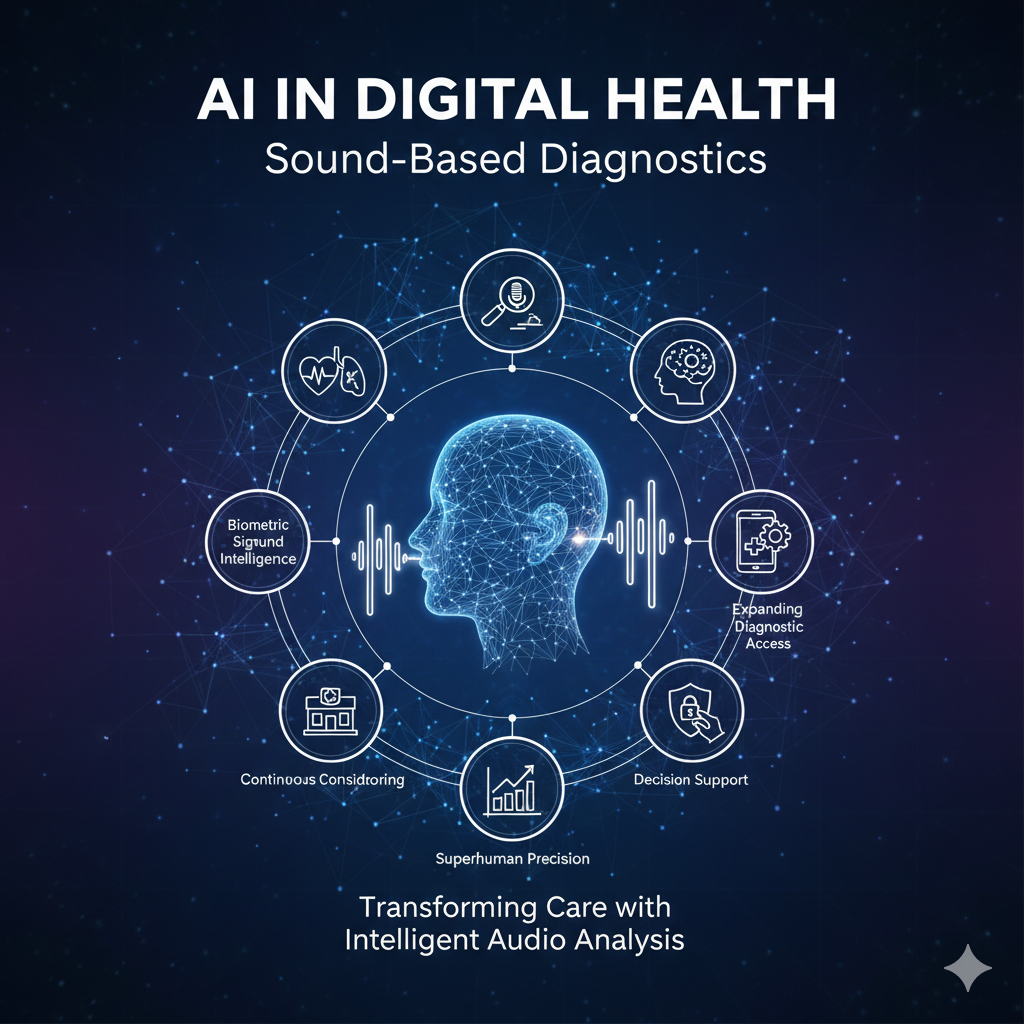
For generations, healthcare professionals have used sound to gain insight into the human body—listening to heartbeats, breathing patterns, coughs, and speech. These audio cues often reveal important information about physical and neurological health. Today, artificial intelligence (AI) is expanding this long-standing practice by analyzing sound with a level of speed, scale, and precision beyond human capability.
🔊 The Role of Sound in Health Assessment
Sound contains rich biological information linked to a person’s health condition.
• Changes in voice can signal respiratory, neurological, or vocal disorders 🗣️
• Cough sounds, breathing patterns, and speech rhythm reflect internal health changes 🌬️
• Many clinically relevant signals are subtle and difficult for human hearing to detect 👂
While skilled clinicians can identify some of these cues, large-scale screening has traditionally been limited by time, cost, and access to specialists.
🎚️ Figure–Ground Intelligence in Audio-Based AI
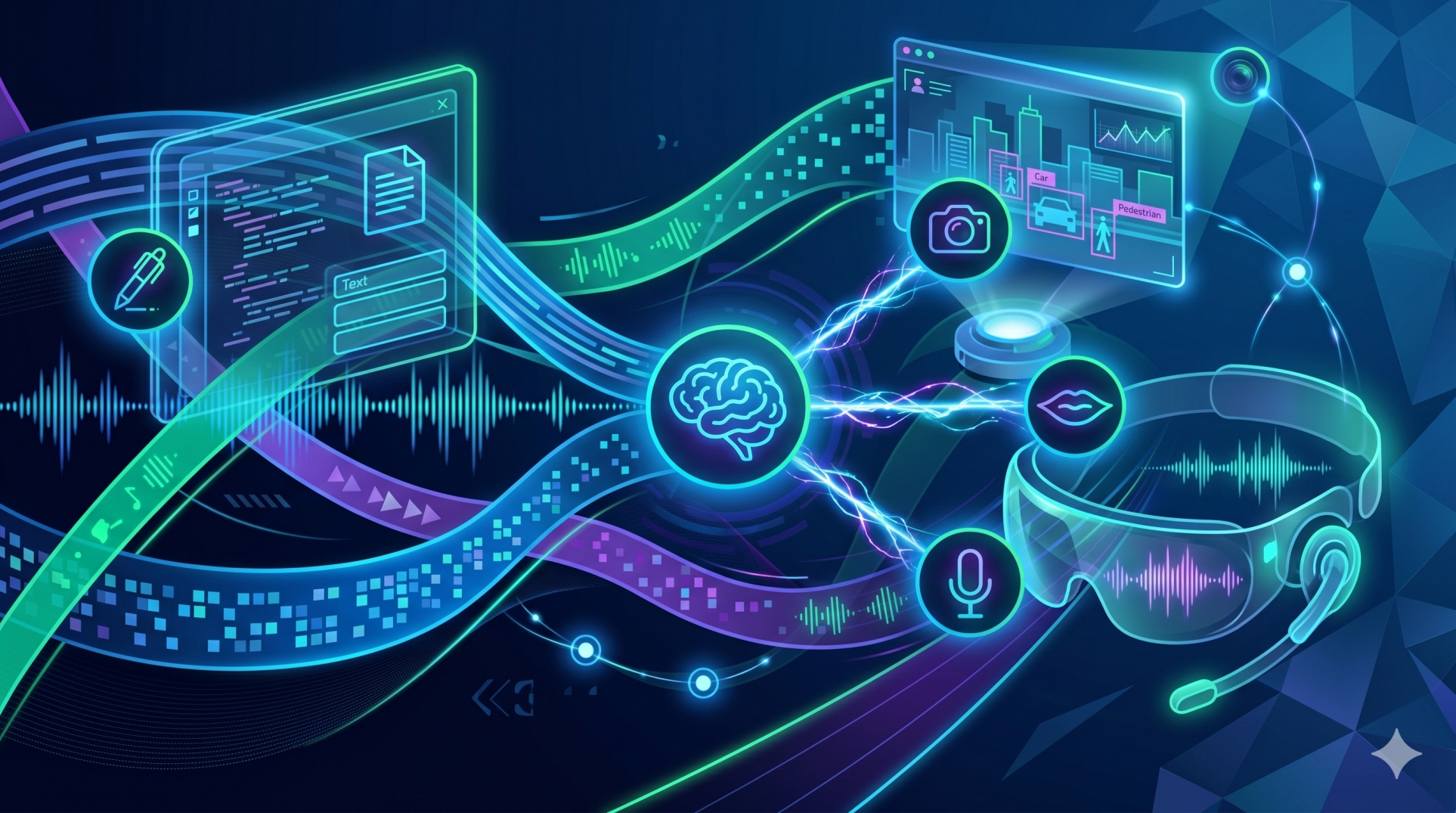
Before analysis, AI systems must separate meaningful signals from background noise.
• Identifies medically relevant vocal and audio features 🧠
• Filters out environmental noise and recording distortions 🔇
• Differentiates normal variation from potential abnormalities ⚠️
This ability to focus on important signals ensures that AI systems analyze only clinically useful information.
🧠 Turning Audio Data into Medical Insight
After isolating key sound features, AI systems interpret them to support diagnosis.
• Classifies audio patterns as healthy or abnormal ✔️❌
• Links sound features to specific medical conditions 🩺
• Supports early detection and clinical decision-making 🚑
Through this process, raw sound data becomes actionable medical insight.
🌍 Expanding Access to Diagnostics
Traditional sound-based diagnosis often depended on trained specialists. AI helps remove these limitations.
• Reduces reliance on scarce medical experts 👨⚕️
• Enables large-scale and remote screening 📡
• Uses common devices, such as smartphones, to collect audio data 📱
This makes early diagnosis more accessible and affordable for wider populations.
🎯 Achieving High Precision in Audio Analysis
In many scenarios, AI can detect patterns beyond human perception.
• Provides consistent and objective evaluations 📊
• Monitors subtle changes over long periods ⏳
• Identifies patterns too complex for natural hearing 🧠
Much like medical instruments outperform human senses, AI delivers reliable and repeatable sound-based measurements.
⚖️ Opportunities and Ethical Responsibilities
AI-powered audio diagnostics offer significant healthcare potential.
• Early detection of neurological, respiratory, and mental health conditions 🧠🫁
• Continuous monitoring outside clinical settings 🏠
• Decision-support tools that enhance, not replace, clinician judgment 🤝
At the same time, strong safeguards are essential, including data privacy, informed consent, and responsible handling of voice and audio data.
🏁 Conclusion
Artificial intelligence is reshaping digital health by unlocking the diagnostic value of sound. By separating meaningful signals from noise and intelligently interpreting audio patterns, AI enables earlier detection, broader access, and more proactive care. When combined with clinical expertise, sound-based AI diagnostics strengthen healthcare systems while keeping human judgment at the center of medical decision-making
See more blogs
You can all the articles below