How Deep Neural Networks Enable Modern LLM Software
🧠 How Deep Neural Networks Enable Modern LLM Software
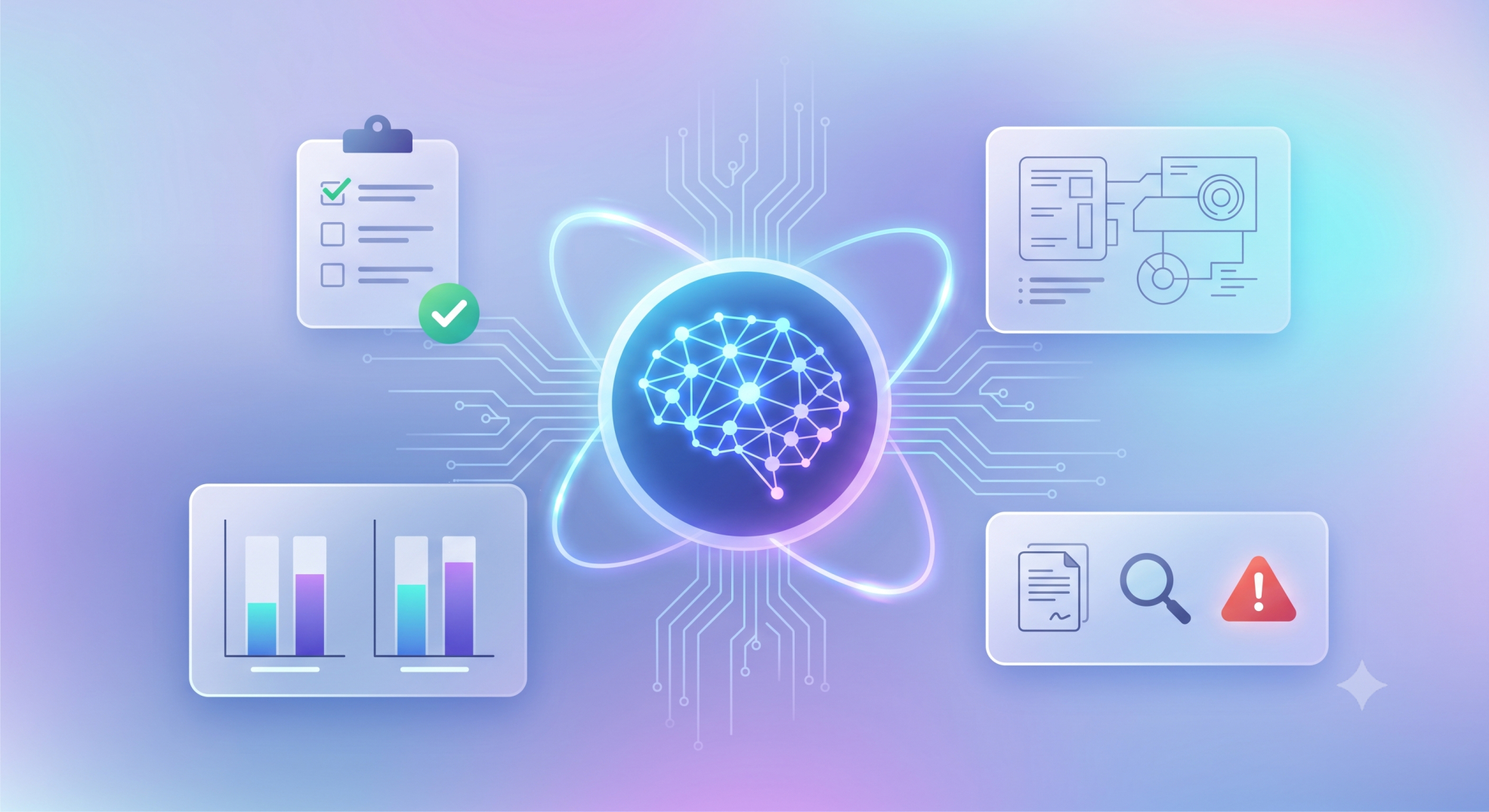
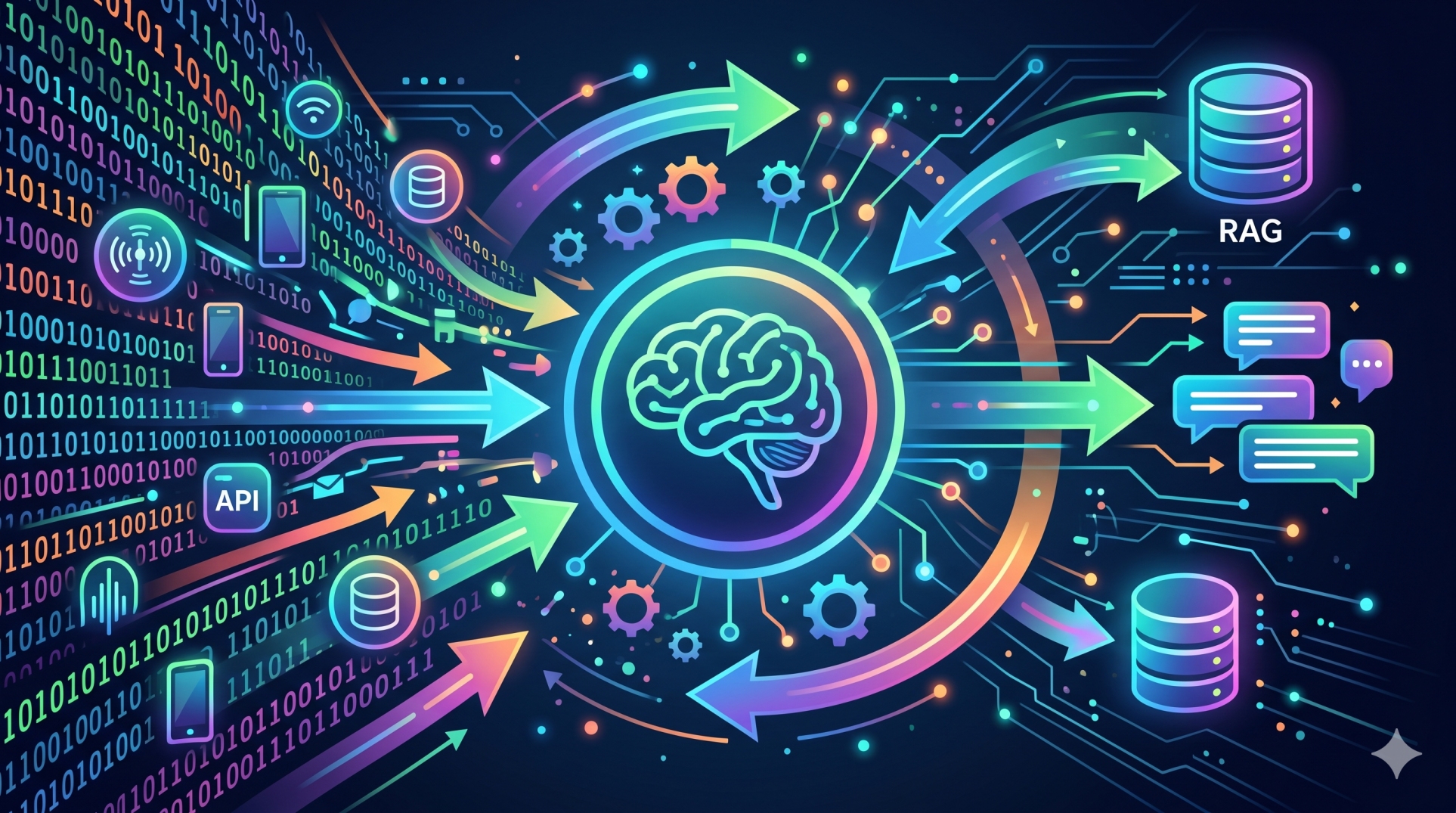
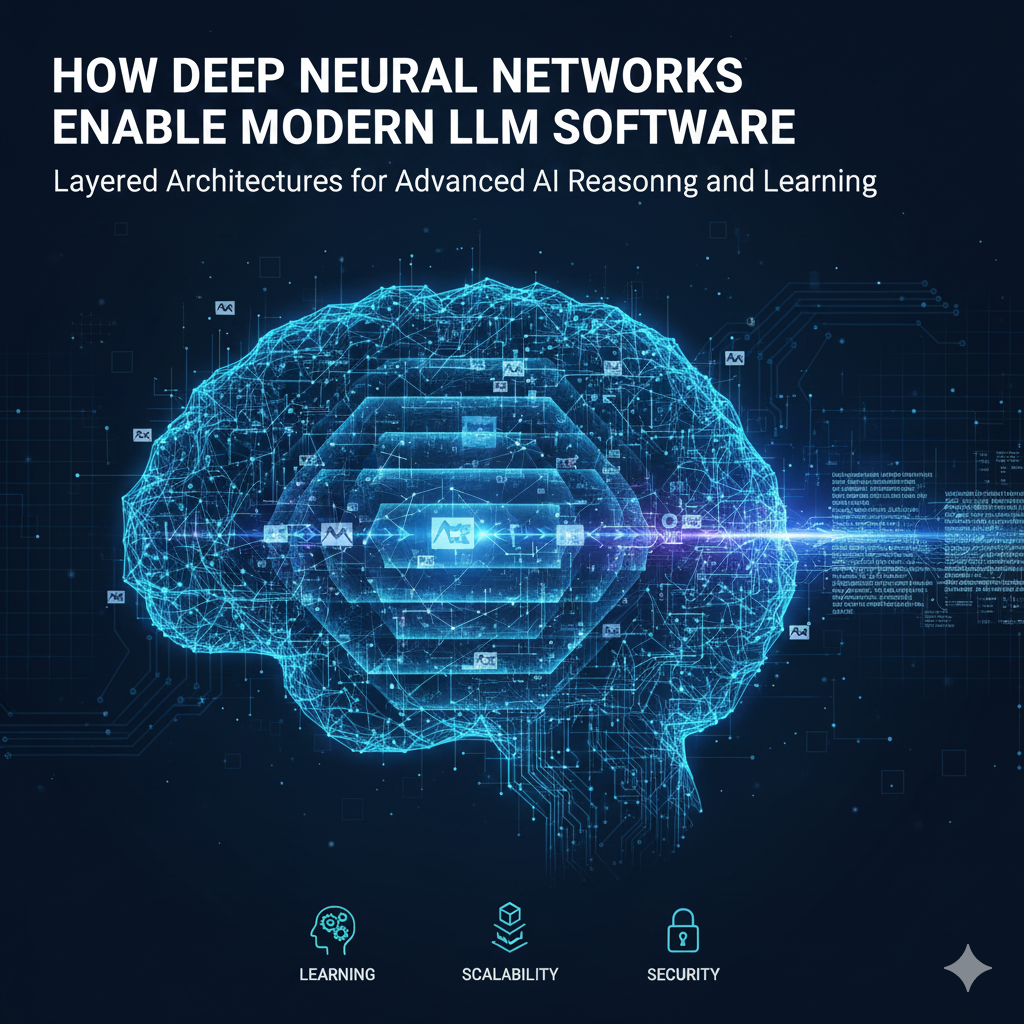
Large Language Model (LLM) software depends on deep neural networks to perform advanced reasoning, recognize complex patterns, and learn at massive scale. Deep Neural Networks (DNNs) use layered architectures to convert raw inputs into meaningful intelligence that powers today’s AI-driven applications 🤖📊.
🔍 Understanding Deep Neural Networks
• Neural networks composed of many interconnected layers 🧩
• Built to handle advanced tasks such as classification, prediction, and content generation 📈✍️
• Often combine multiple layer types within a single model 🔗
• Serve as the core architecture behind modern AI and LLM platforms 🧠
🧱 Key Building Blocks of DNNs in LLM Systems
• Input layers that process text embeddings or multimodal inputs 📝🖼️
• Feature extraction layers that learn relevant patterns 🔍
• Fully connected layers that integrate learned information 🔗
• Output layers that produce predictions or generated responses 🎯
Each layer adds a deeper level of understanding to the model 📚.
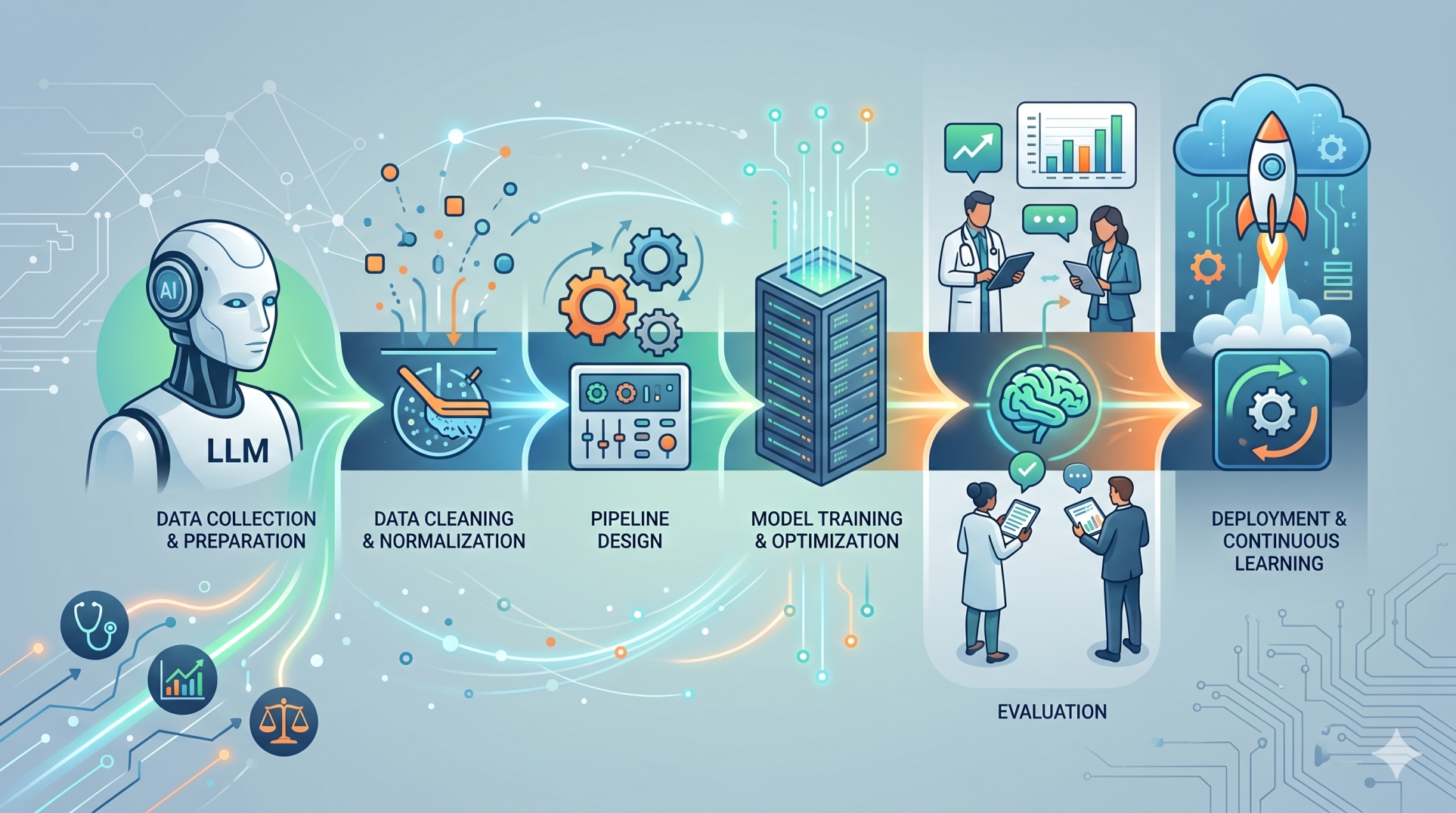
⚙️ How DNNs Learn at Large Scale
• Training is guided by loss functions that quantify prediction errors 📉
• Backpropagation determines how parameters should be updated 🔄
• Gradient-based optimization adjusts millions or billions of weights ⚖️
• Specialized hardware accelerates large-scale model training 🚀
This learning process enables LLMs to perform well across a wide range of tasks 🌍.
⚠️ Challenges in Training Deep Neural Networks
• Very large numbers of parameters to manage 🔢
• Increased risk of overfitting with insufficient data ⚠️
• High computational and time costs ⏱️💻
• Extensive tuning of hyperparameters 🎛️
Effective design and optimization are essential to overcome these challenges ✅.
🛠️ Methods That Enhance DNN Performance
• Regularization techniques to control overfitting 🧪
• Dropout layers to improve generalization 🎯
• Normalization methods to stabilize training ⚙️
• Automated architecture optimization to improve efficiency 🤖
These approaches help make large LLM systems more robust and scalable 📈.
🔄 Transfer Learning in LLM Development
• Starts from pre-trained neural network models 🧠
• Reuses early layers that capture general features ♻️
• Fine-tunes later layers for specific use cases 🎯
• Reduces training time and data requirements ⏳
Transfer learning accelerates the deployment of LLM-based solutions 🚀.
⭐ Why DNNs Are Essential for LLM Platforms
• Enable deep language comprehension at scale 📚
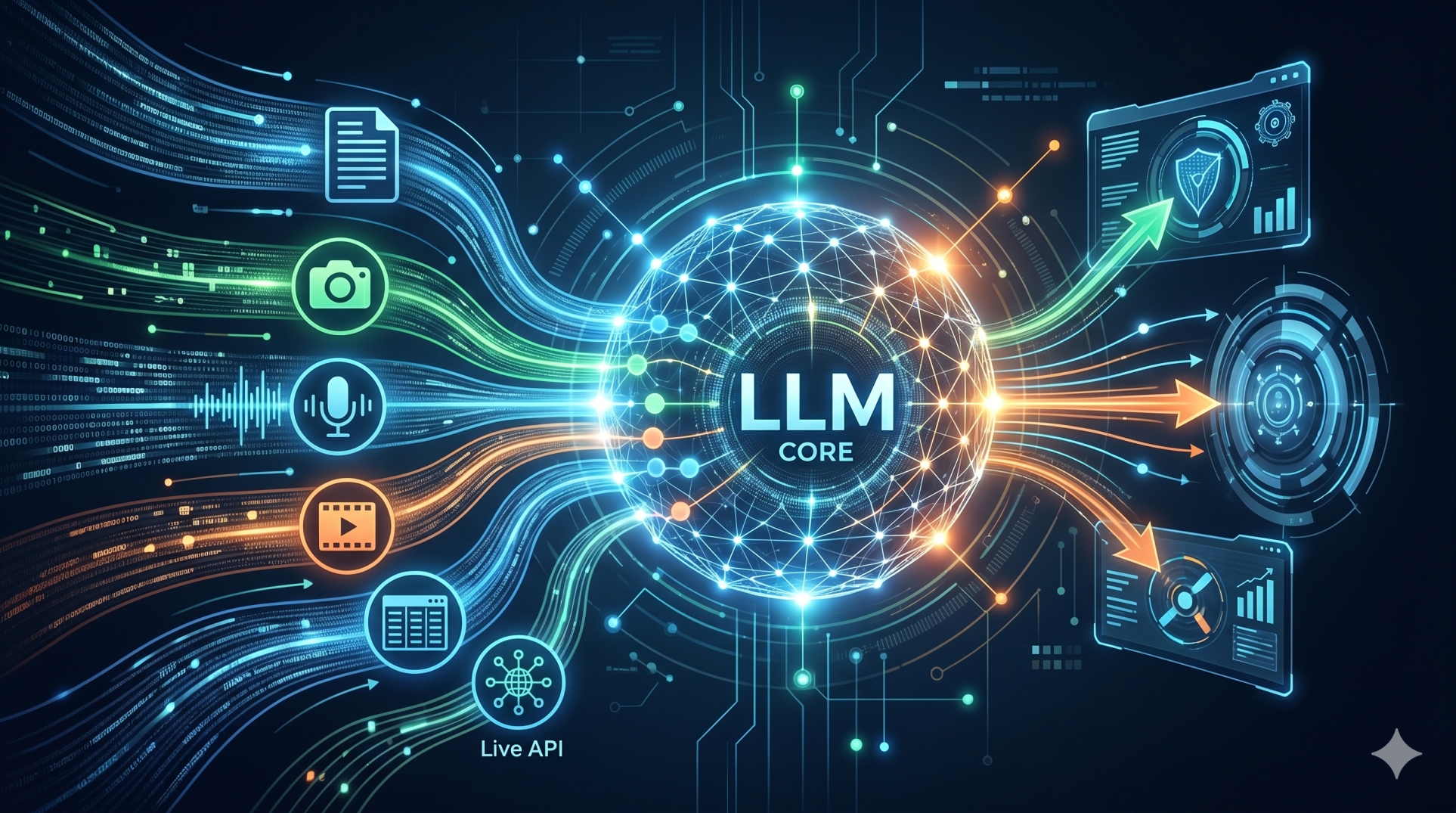
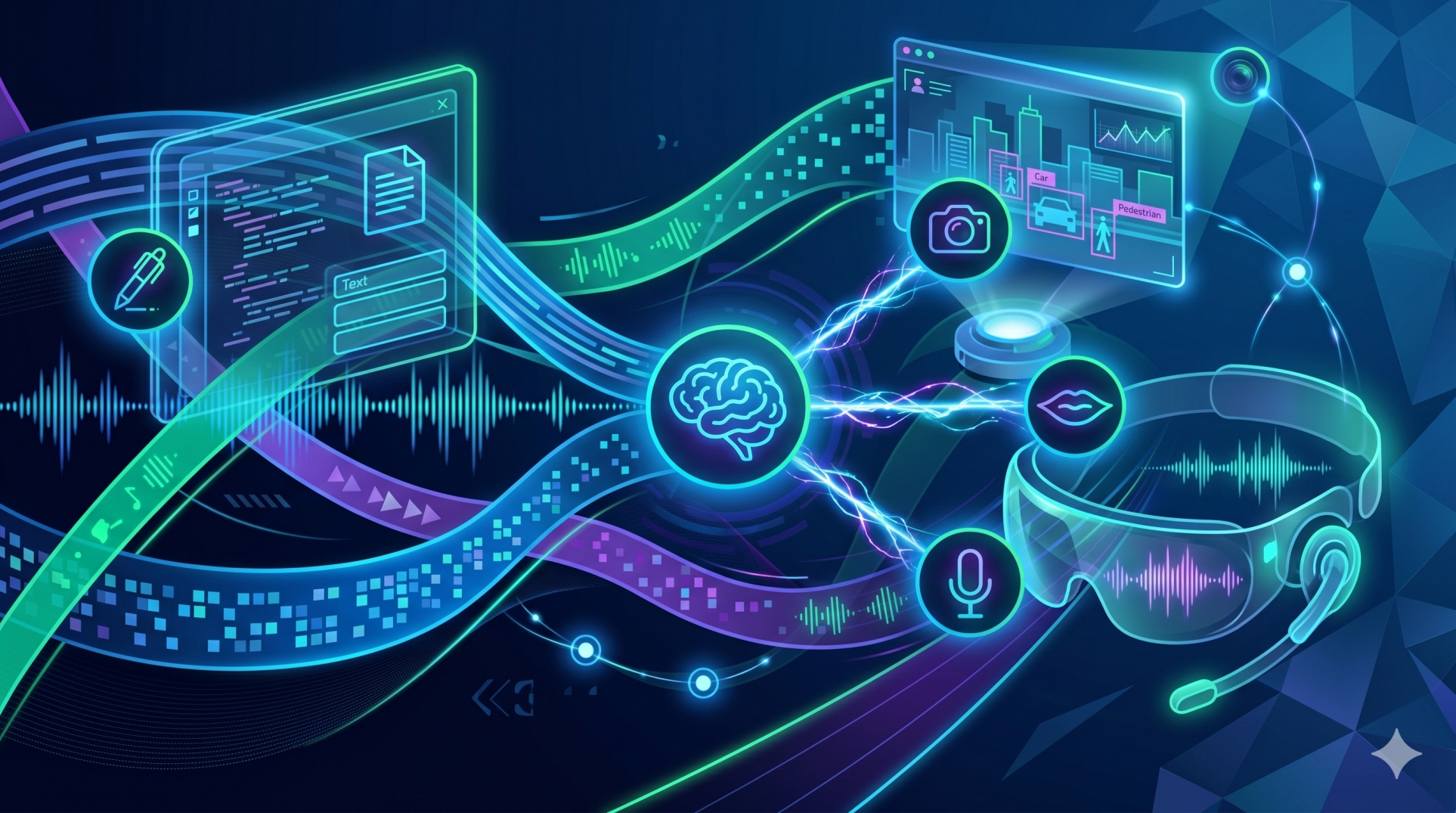
• Support multimodal reasoning across text, images, and data 📝🖼️📊
• Scale efficiently with growing datasets and computing power 📈
• Power enterprise-grade and production-ready AI applications 🏢🤖
🏁 Conclusion
Deep Neural Networks form the backbone of modern LLM software. By combining layered architectures, large-scale optimization, and transfer learning, DNNs allow AI systems to learn rich representations and adapt to diverse tasks 🧠✨. A strong understanding of DNNs is critical for building scalable, efficient, and intelligent LLM-powered applications 🚀🤖.
See more blogs
You can all the articles below