How Autoencoders Enhance Modern LLM
🧠 How Autoencoders Enhance Modern LLM
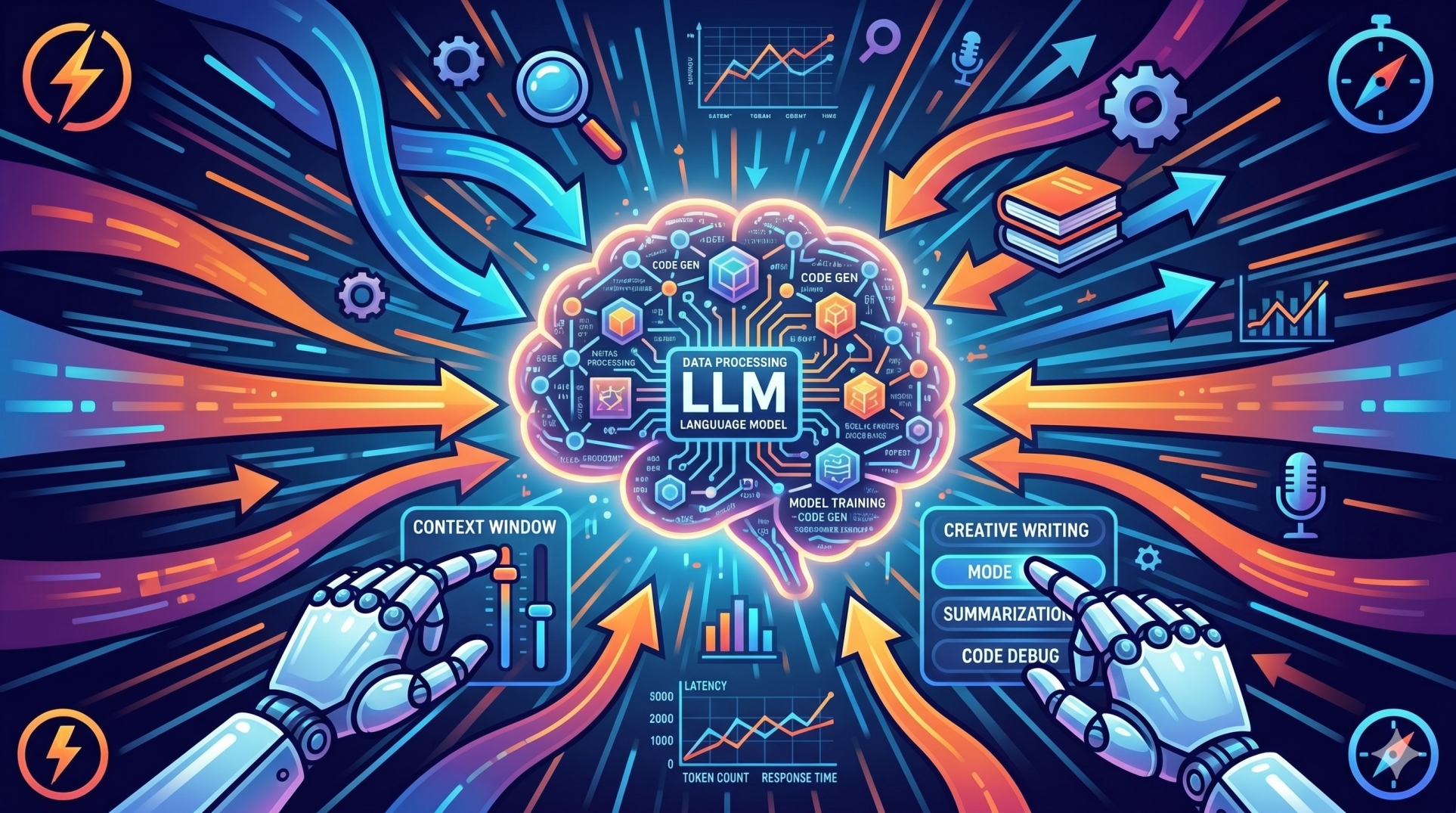
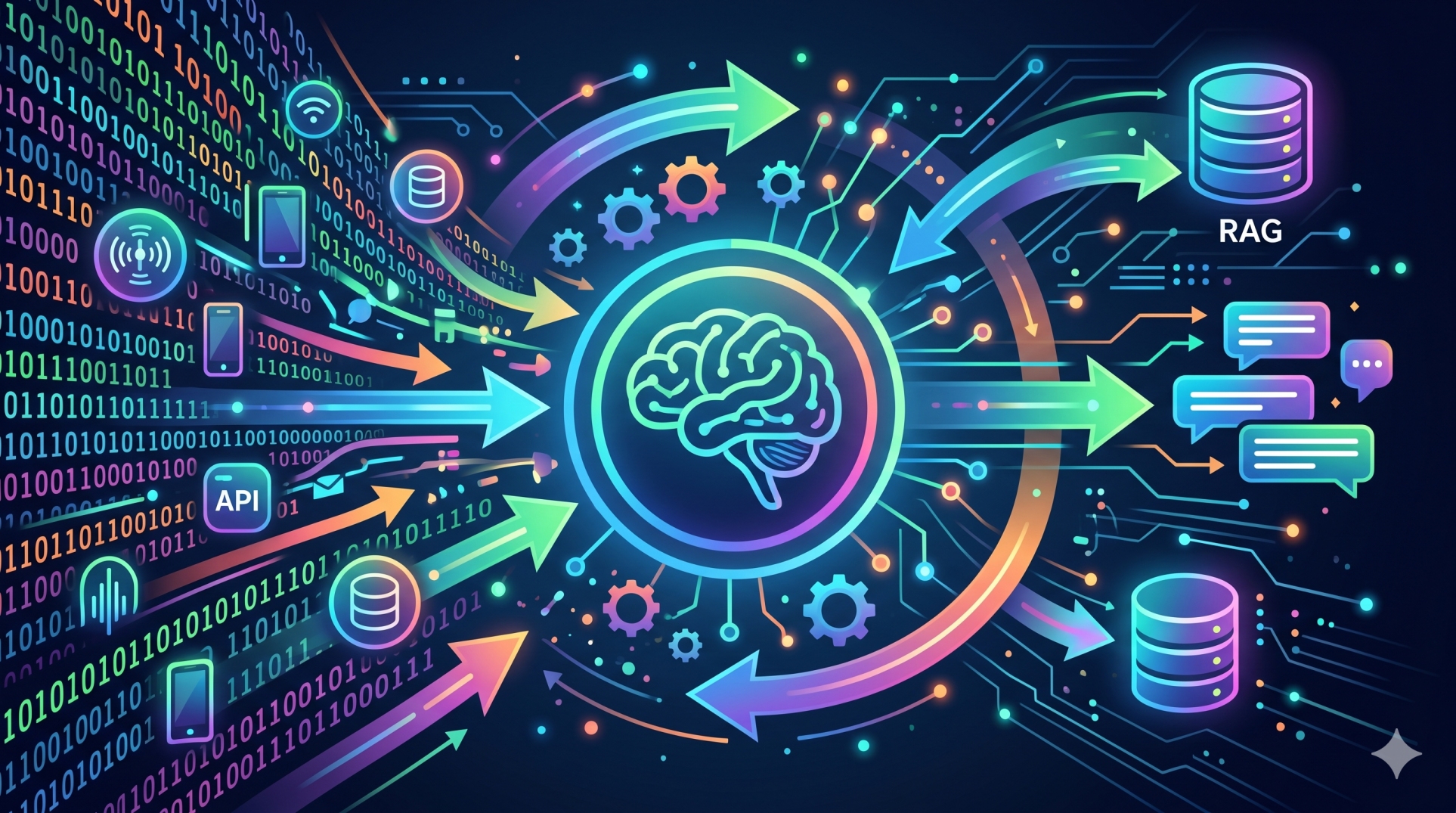
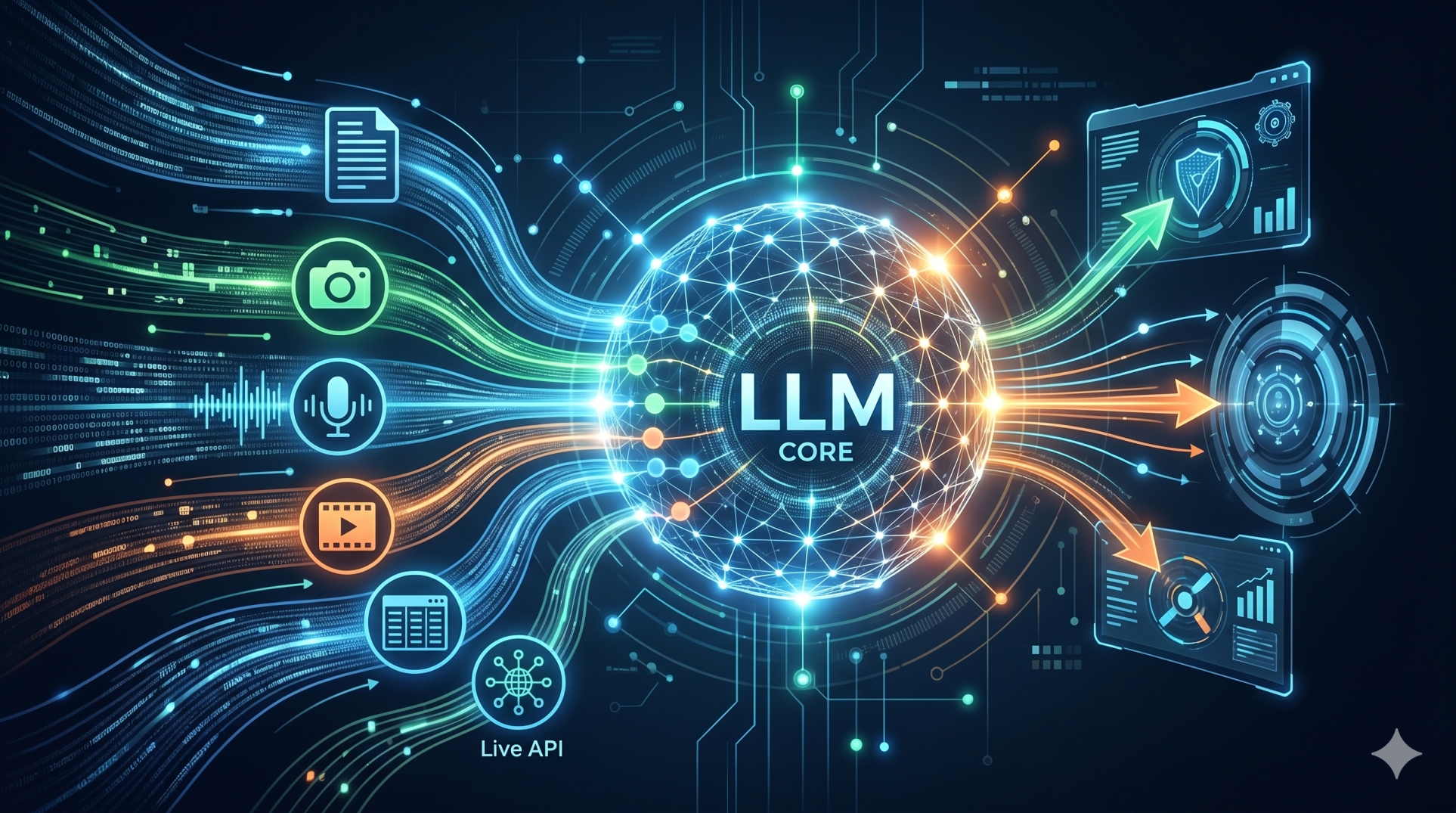
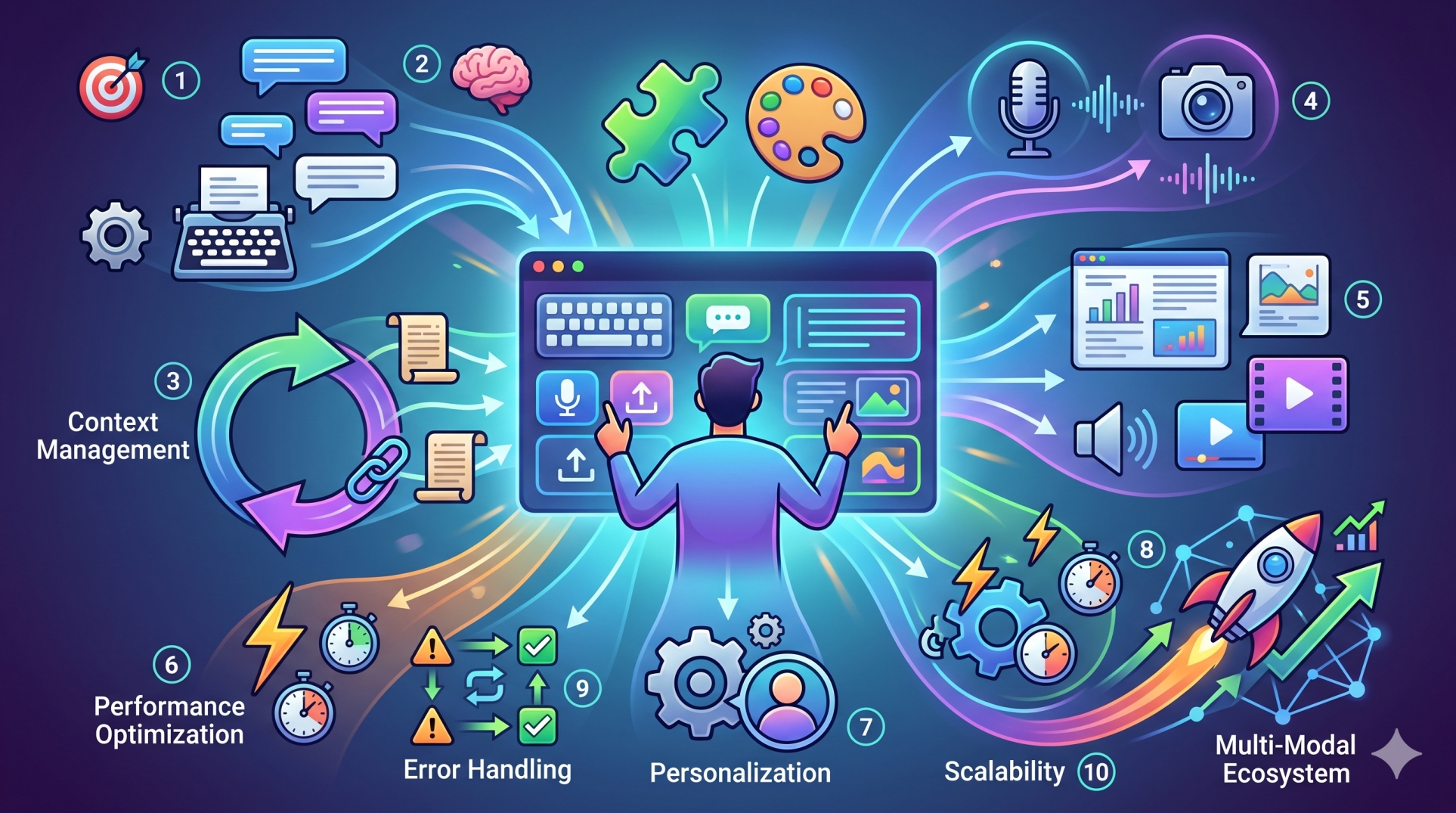
Large Language Model (LLM) software relies on efficient ways to process and represent massive volumes of data. Autoencoders are a key deep learning architecture that helps achieve this by learning compact and meaningful representations. By reducing complexity while preserving important information, autoencoders improve the performance, scalability, and intelligence of LLM-based systems 📊🤖
🔍 Understanding Autoencoders in LLM Applications
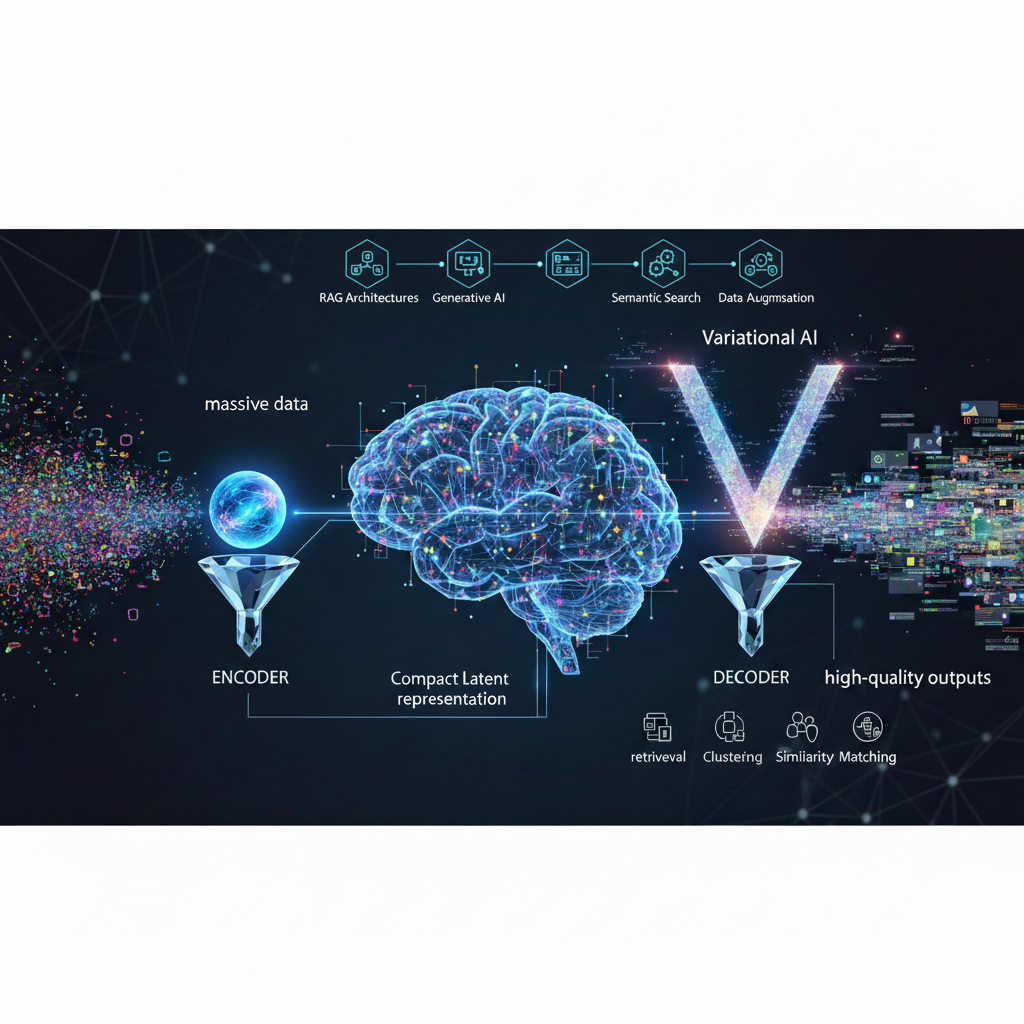
Autoencoders are neural networks built to compress and reconstruct data.
• They are composed of two primary parts:
• Encoder: Transforms high-dimensional input into a condensed latent form 🧠
• Decoder: Recreates the original input from this compressed representation 🔄
• Training is typically unsupervised, enabling pattern discovery without labeled datasets 🧩
Within LLM software, autoencoders help manage large language embeddings more efficiently ⚙️
🧬 The Importance of Latent Representations
The core strength of autoencoders lies in the latent space they create.
• Latent vectors capture essential features of the input data 🎯
• Redundant and noisy information is minimized 🔇
• Performance improves for tasks like retrieval, clustering, and similarity matching 📈
For LLM systems, this results in improved embeddings, quicker inference, and higher-quality outputs ⚡
📚 Feature Learning and Knowledge Extraction
Autoencoders naturally learn useful features during training.
• Patterns are discovered without manual supervision 🔍
• Extracted features can be reused across models ♻️
• Semantic understanding improves for search and grouping tasks 🧠
This makes autoencoders a powerful addition to LLM pipelines and RAG architectures 🧩🤖
🎨 Variational Autoencoders and Generative Intelligence
Variational Autoencoders (VAEs) extend standard autoencoders with probabilistic modeling.
• Latent representations describe distributions instead of fixed points 📊
• Sampling enables the creation of new, synthetic data ✨
• Generated outputs maintain realistic characteristics 🎯
In LLM software, VAEs support creative generation, reasoning workflows, and data augmentation 🚀
🎯 Conclusion
Autoencoders are an essential component of modern LLM software, enabling efficient representation learning and intelligent feature extraction. By improving embeddings and supporting generative capabilities, they strengthen how LLM systems process, understand, and create data. Understanding autoencoders provides deeper insight into how advanced AI platforms achieve scalability, accuracy, and innovation 🌟
See more blogs
You can all the articles below