From Prompts to Agents: The Evolution of LLM Software
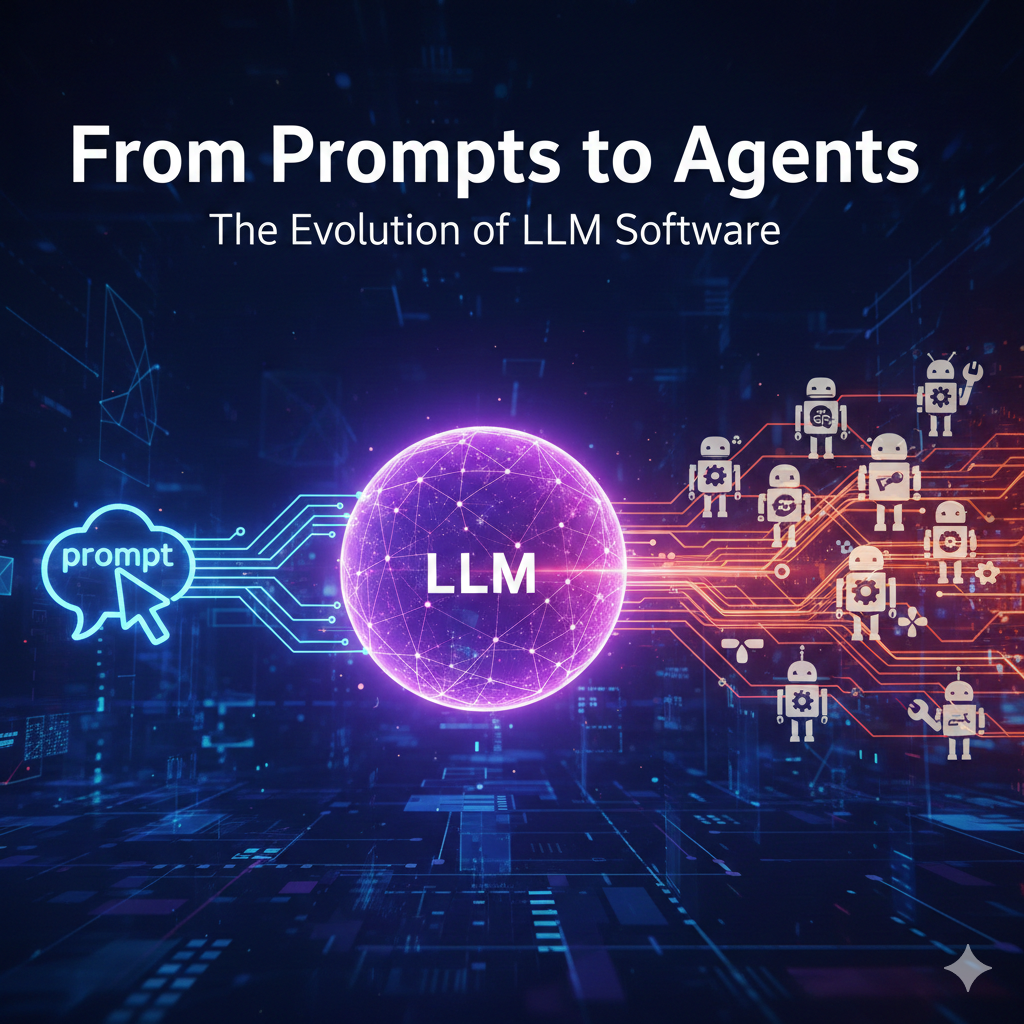
From Prompts to Agents: The Evolution of LLM Software 🧠
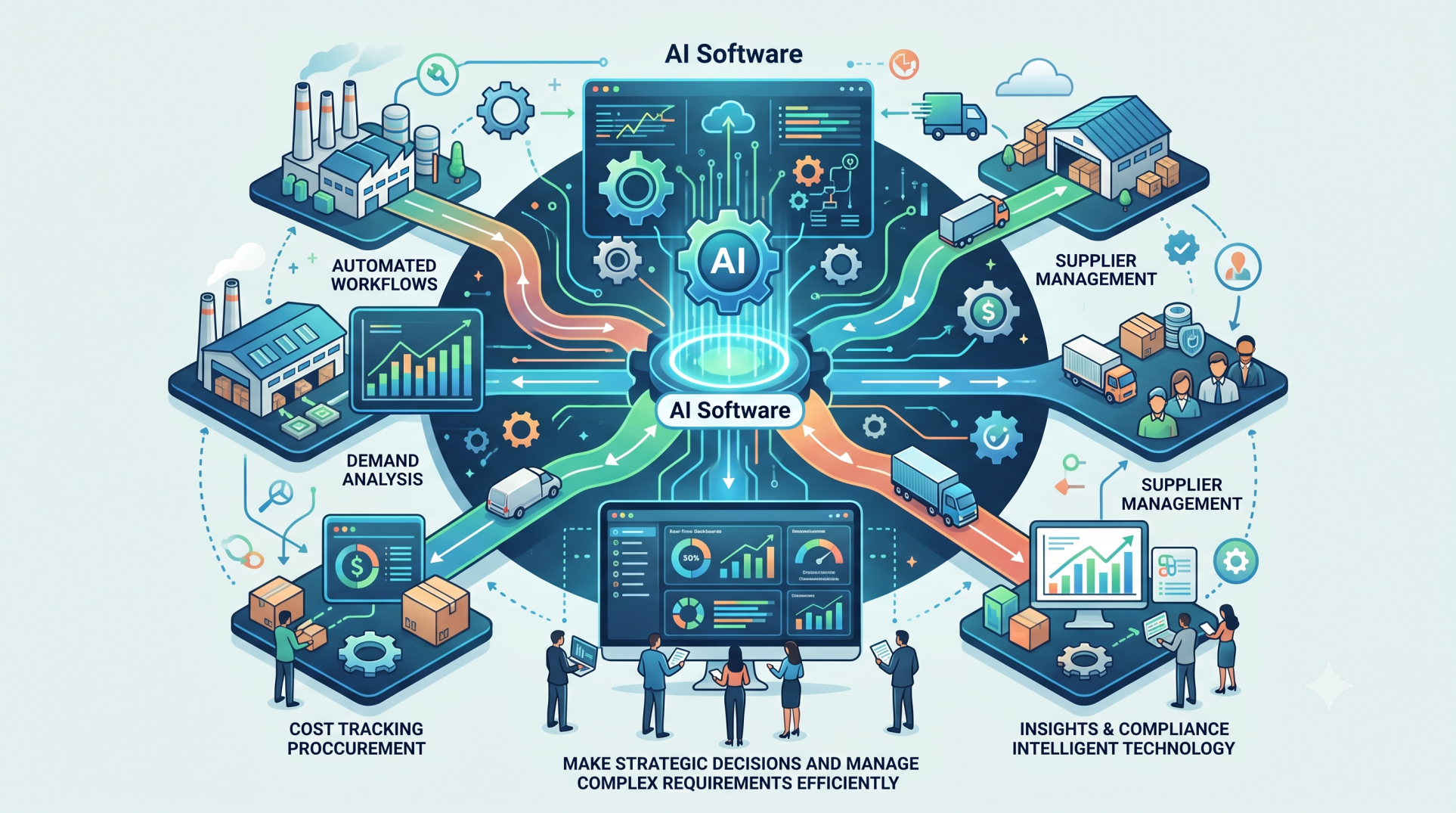
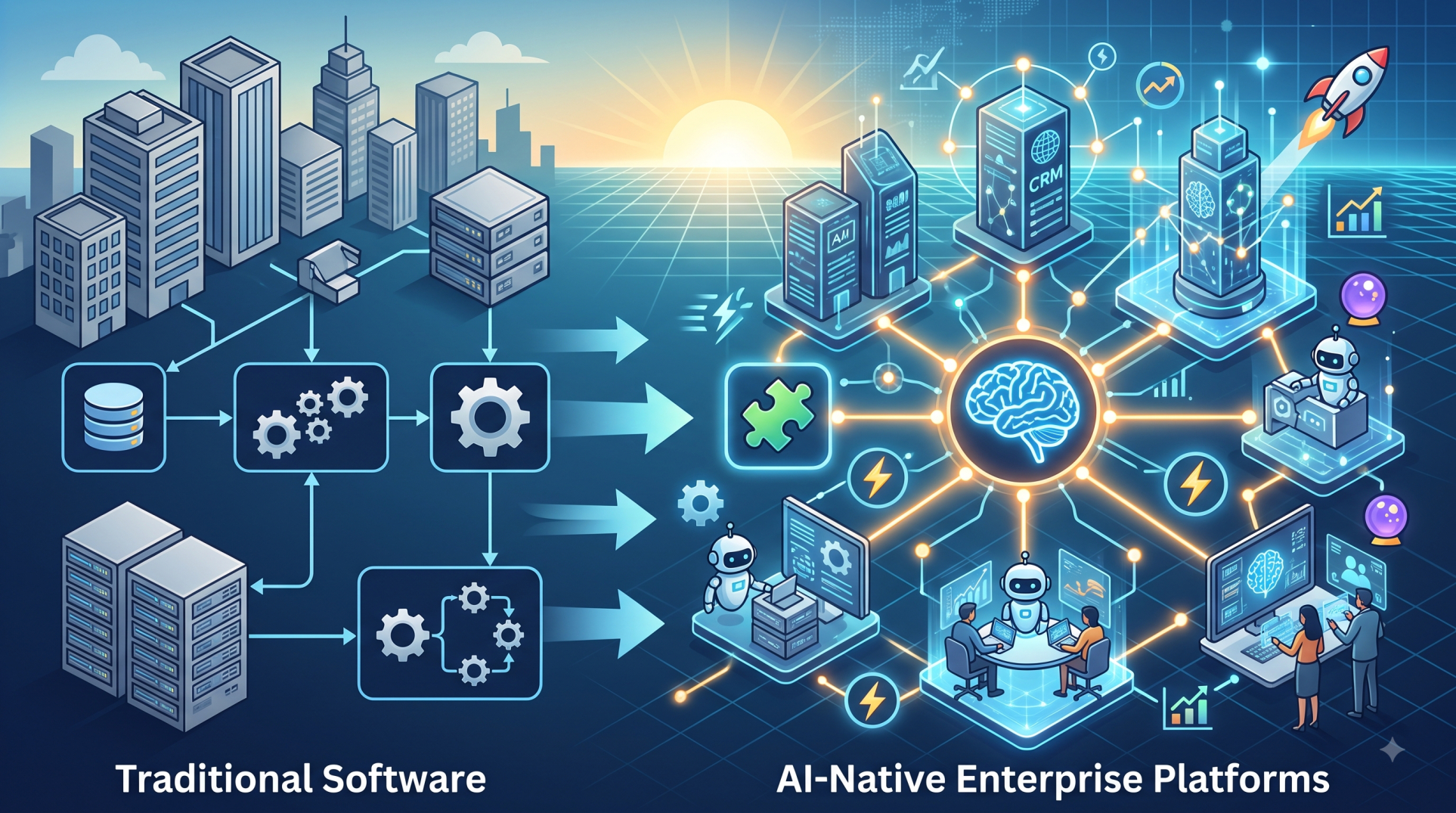
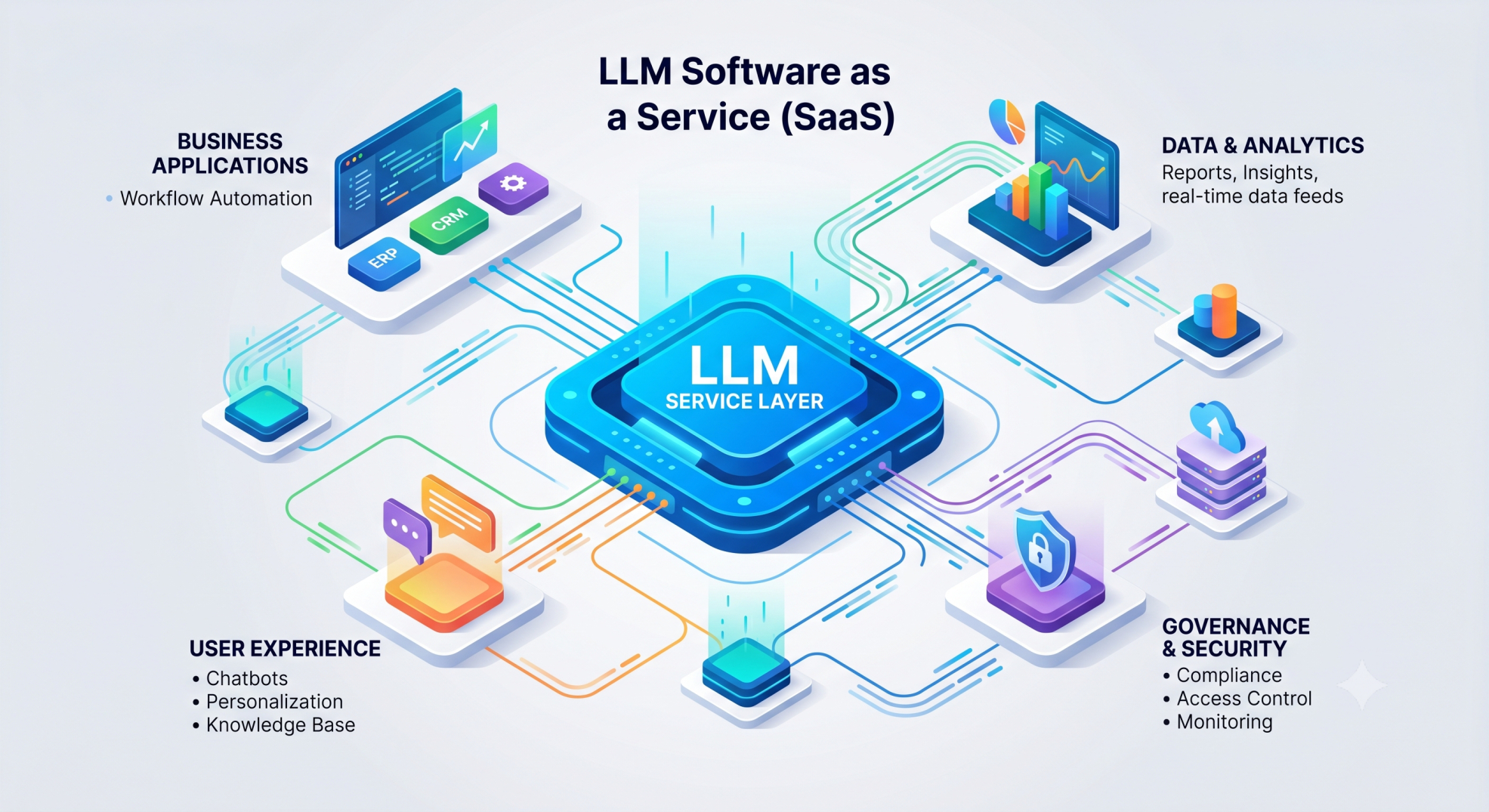
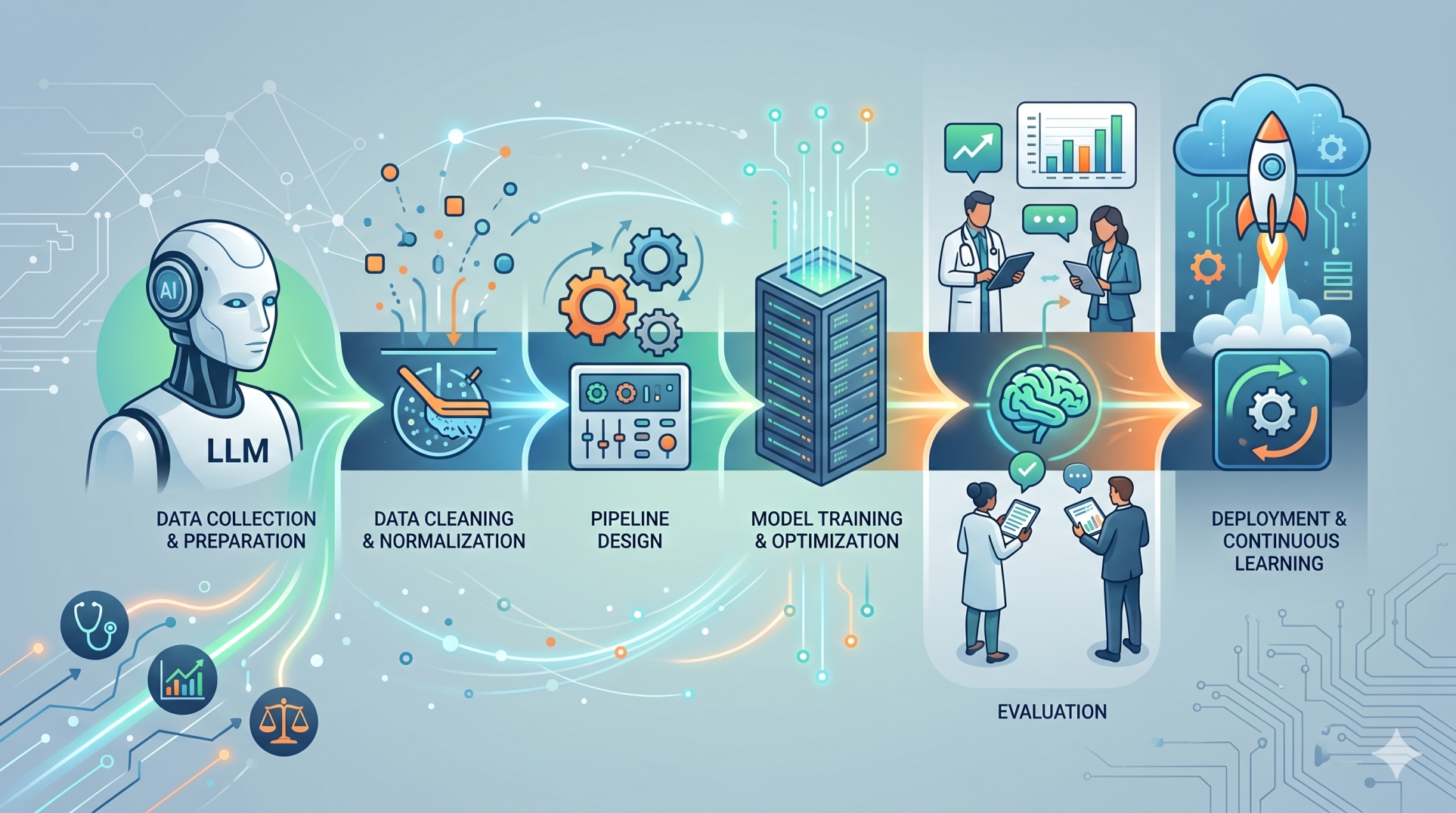
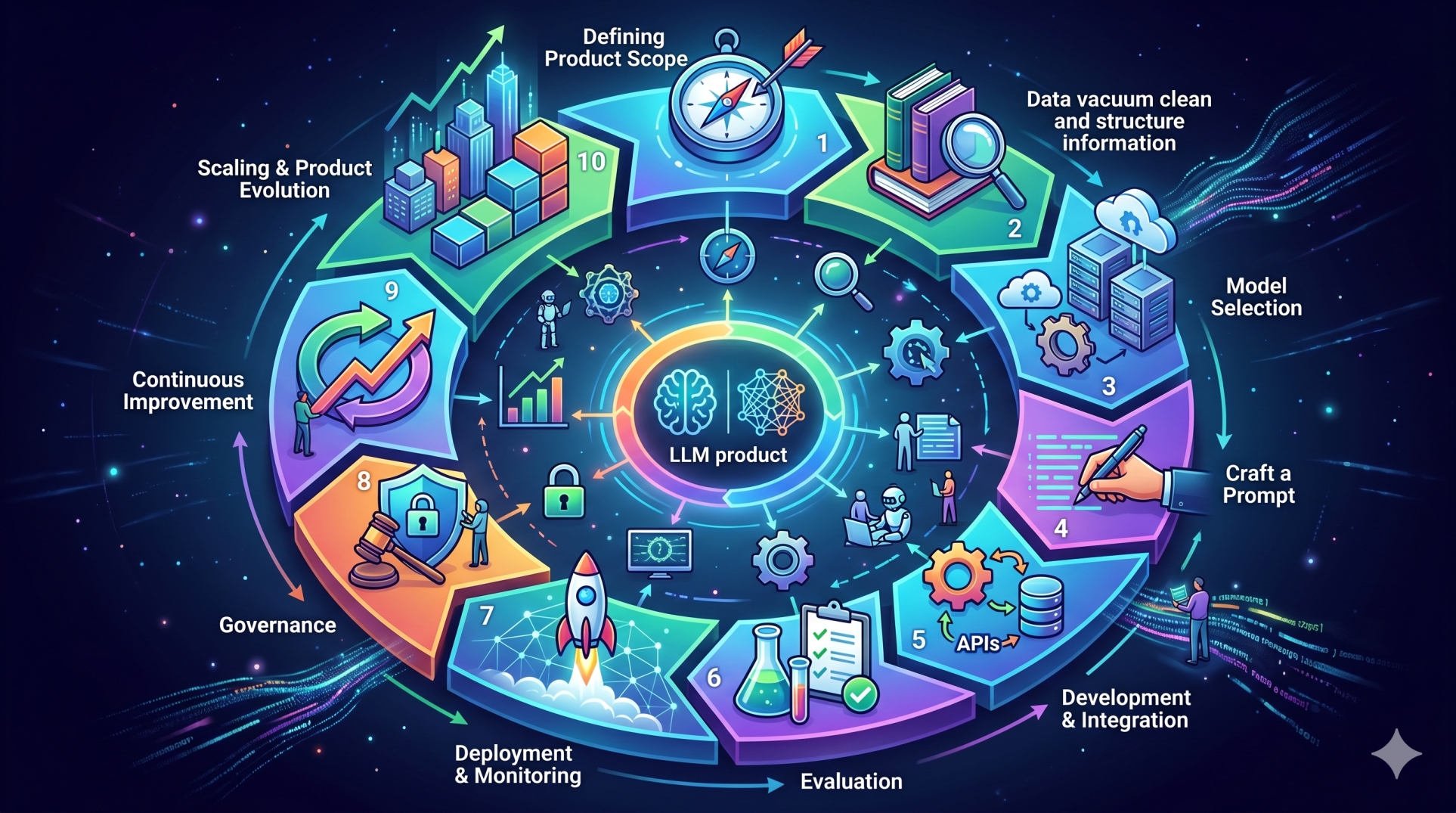
Large Language Model (LLM) software has evolved rapidly in a short time. What started as simple prompt-based interactions has grown into sophisticated, agent-driven systems capable of reasoning, planning, and acting across complex workflows. Understanding this evolution explains why modern LLM software is becoming a core layer in enterprise and product architectures. 🚀
1. The Early Stage: Prompt-Based LLMs 📝
- Users interact with models through single prompts 💬
- Models generate responses based only on provided input 🧾
- Limited memory and no awareness beyond the prompt 🚫
- Suitable for text generation, Q&A, and summarization ✍️
- Minimal control, consistency, or automation ⚠️
Prompt-based usage demonstrated capability, but not scalability. 📉
2. Prompt Engineering: Improving Control 🎯
- Carefully structured prompts improve output quality 📐
- Templates and instructions guide model behavior 🧩
- Helps reduce ambiguity and hallucinations 🔍
- Still manual and fragile at scale ⚙️
- Hard to manage across many workflows 🧠
Prompt engineering extended usefulness but remained limited. ⚠️
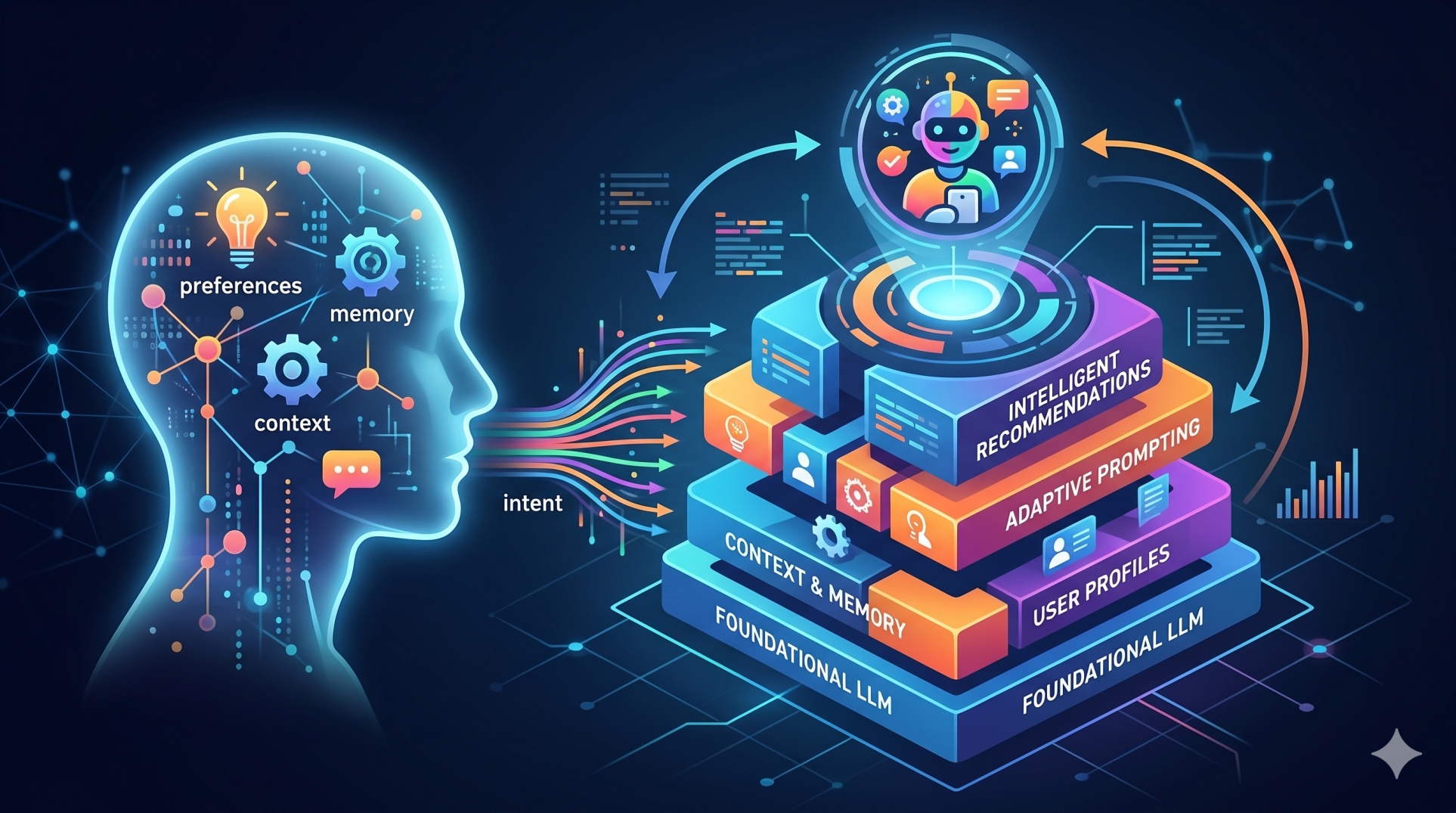
3. Introduction of Context and Memory 🧠
- Systems began adding conversation history 🗂️
- Short-term memory improved continuity 🔄
- External context injected into prompts 🌐
- Better responses across multi-turn interactions 💬
- Still lacked true reasoning and action 🚫
This stage improved experience, not system intelligence. 🎭
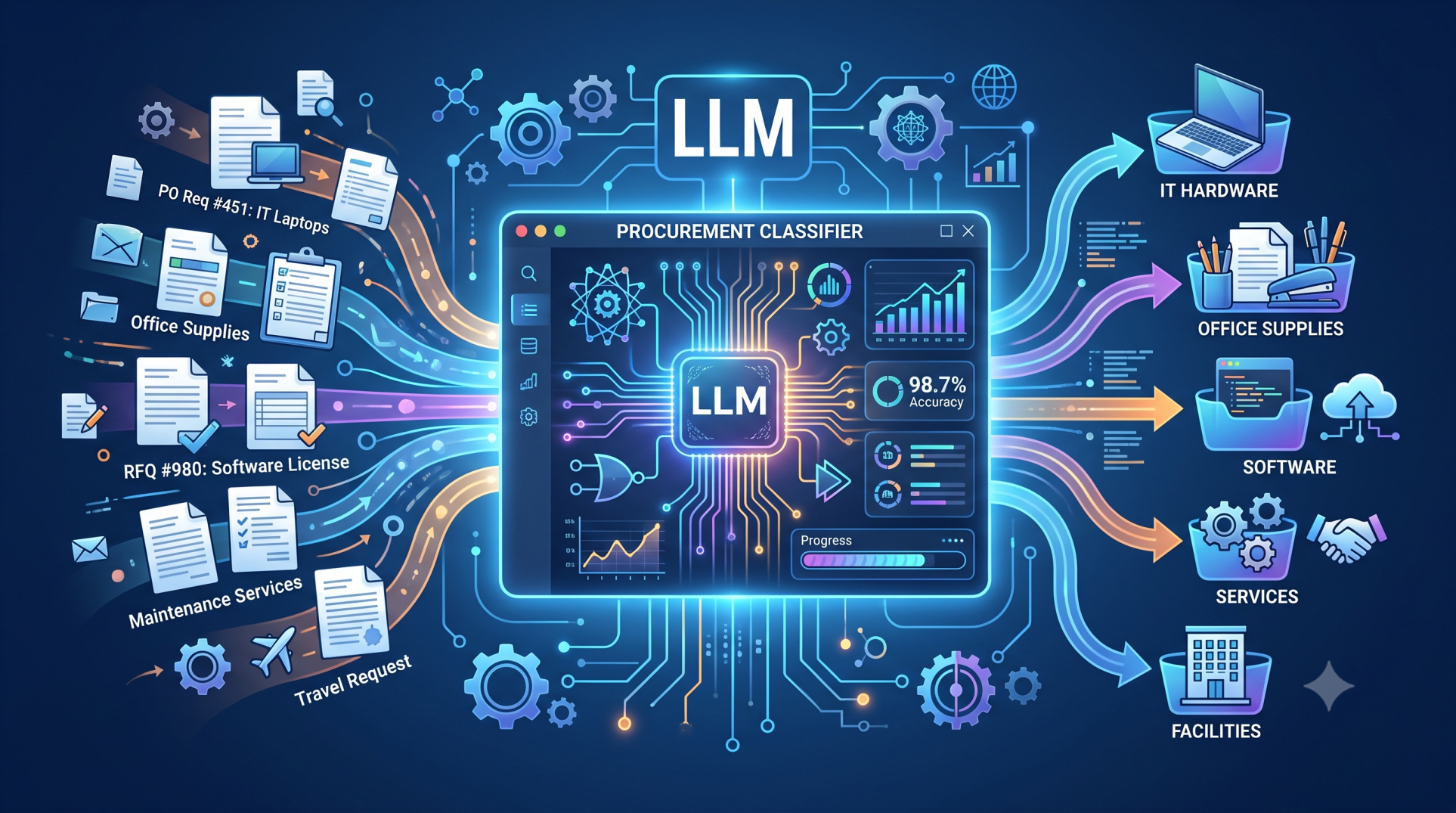
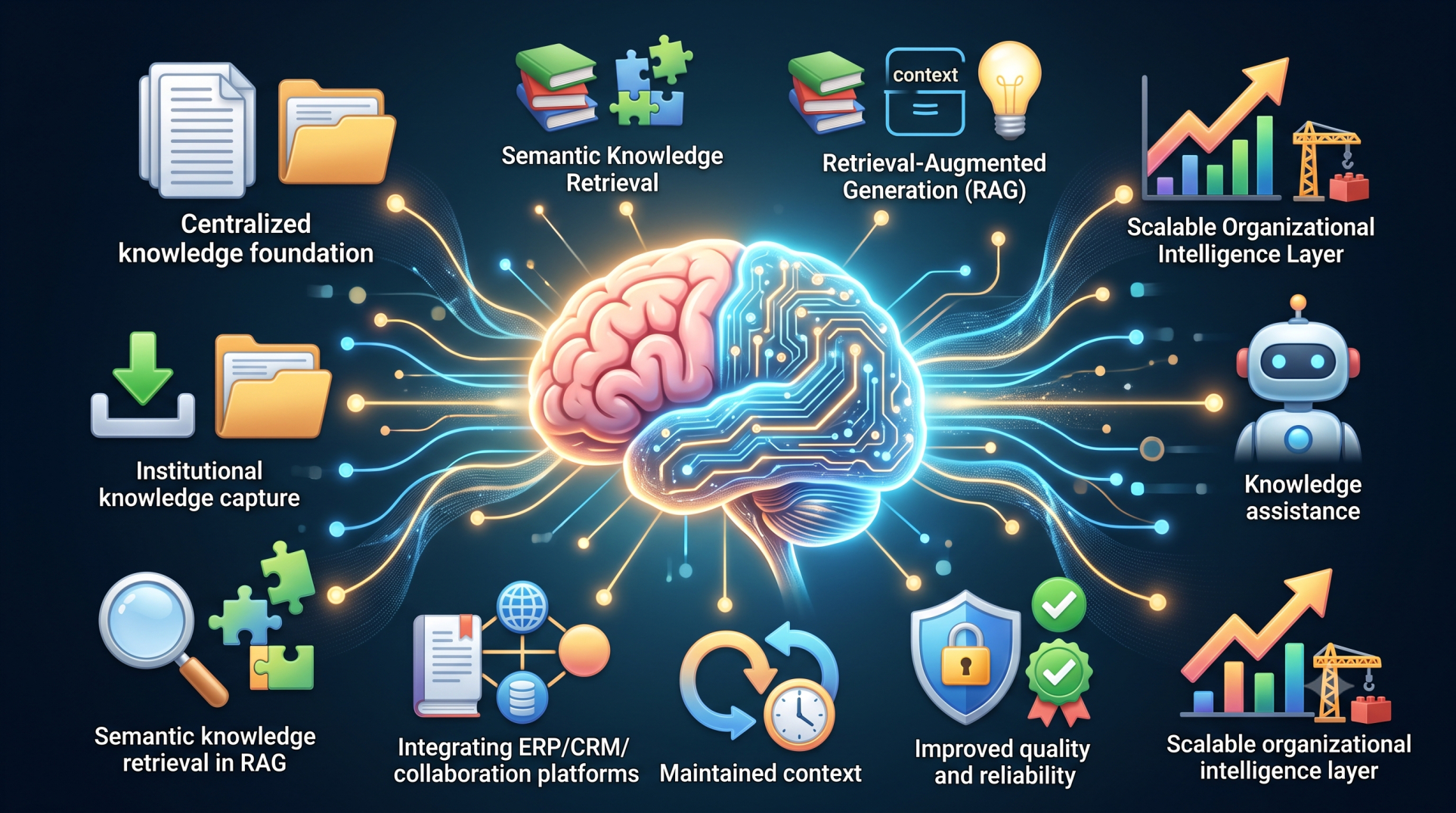
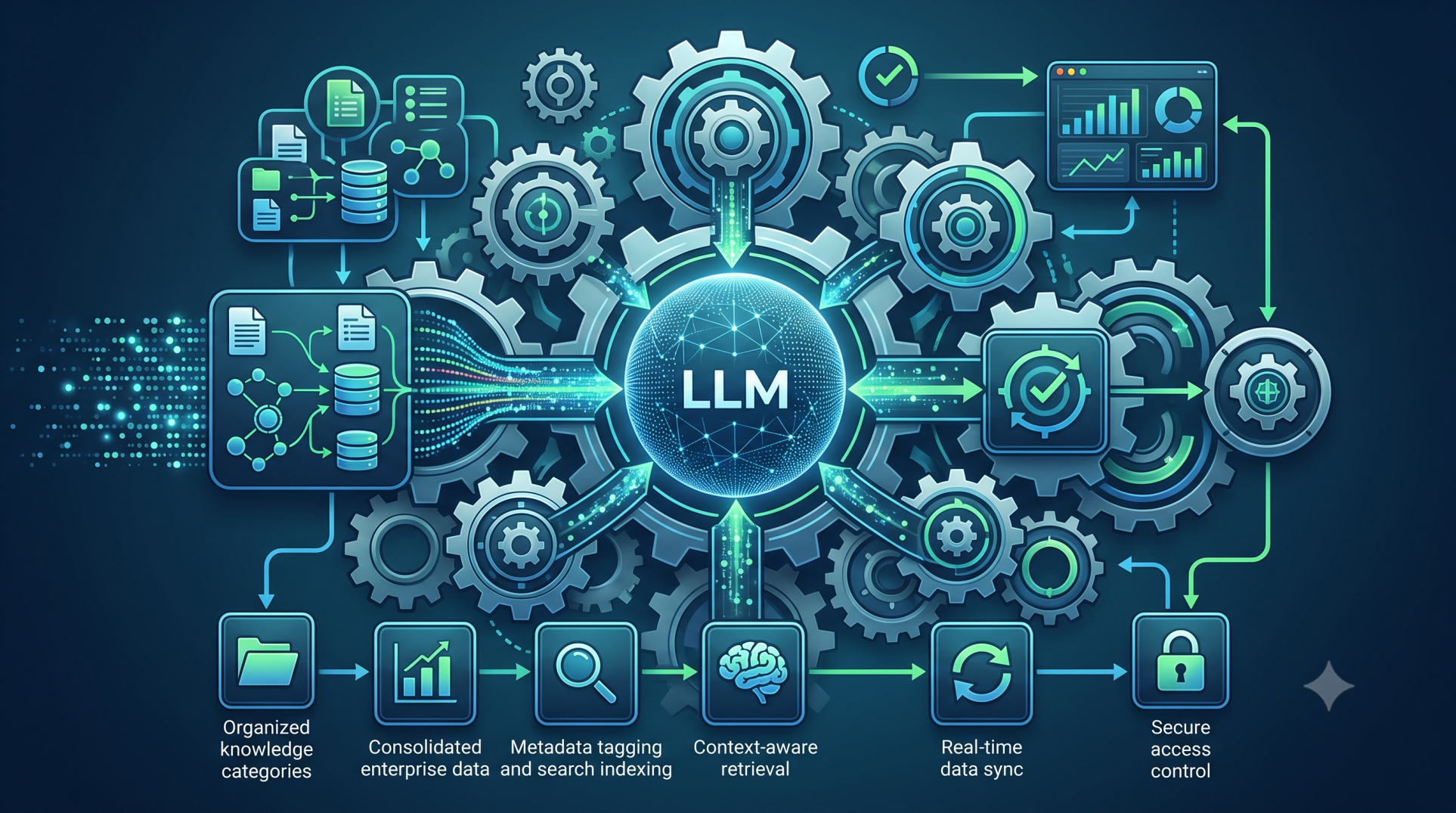
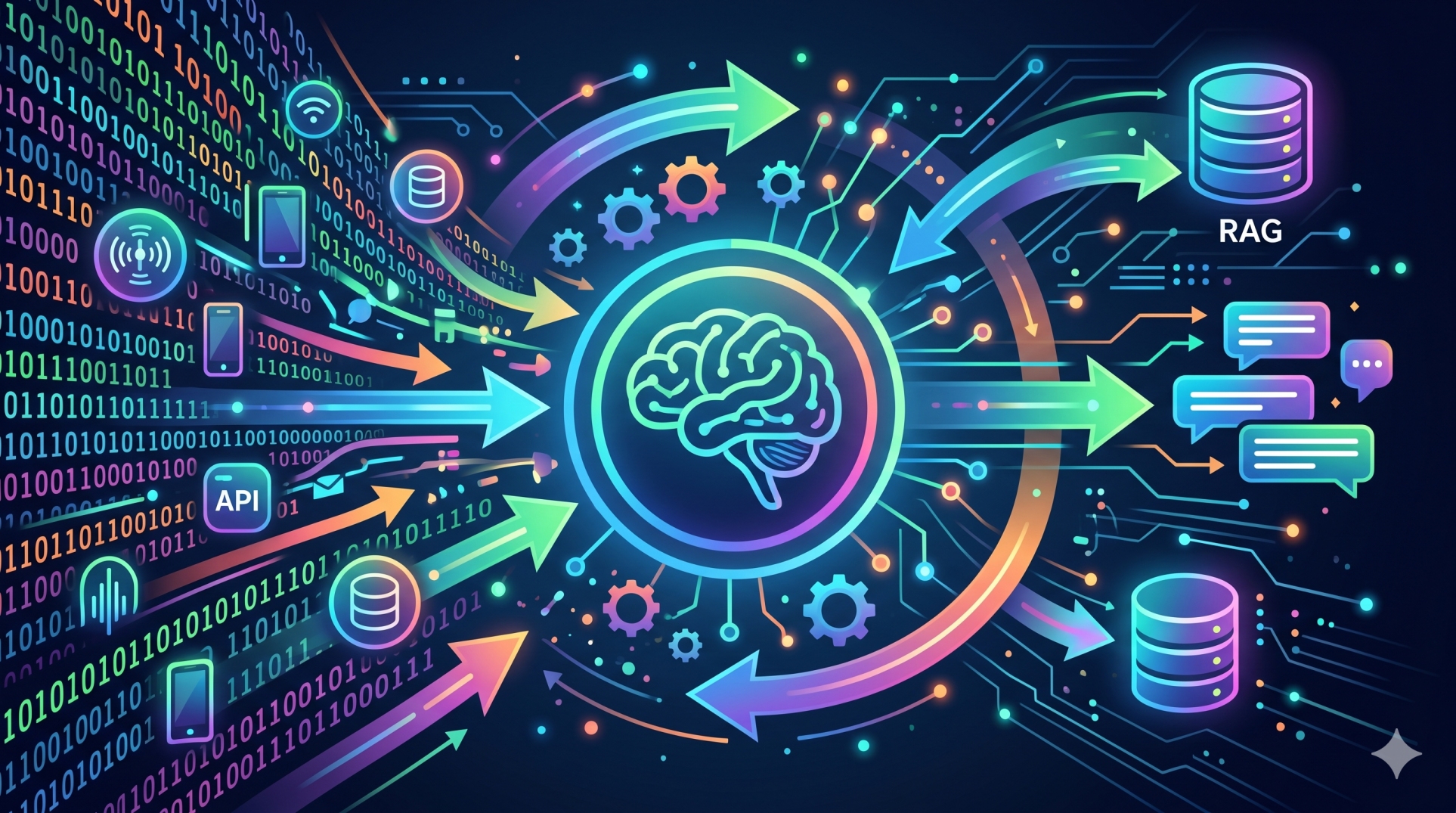
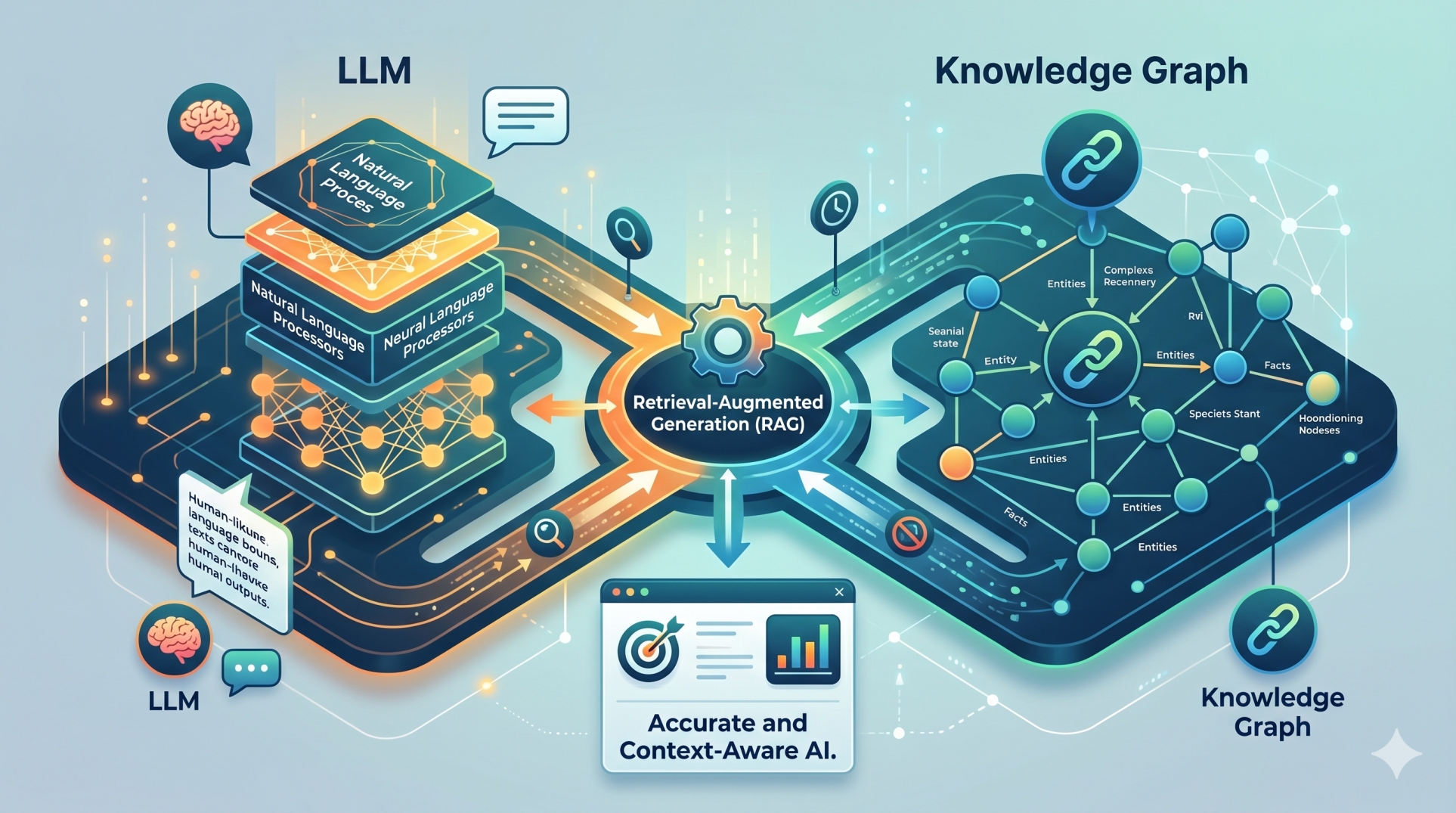
4. Retrieval-Augmented Generation (RAG) 🔍
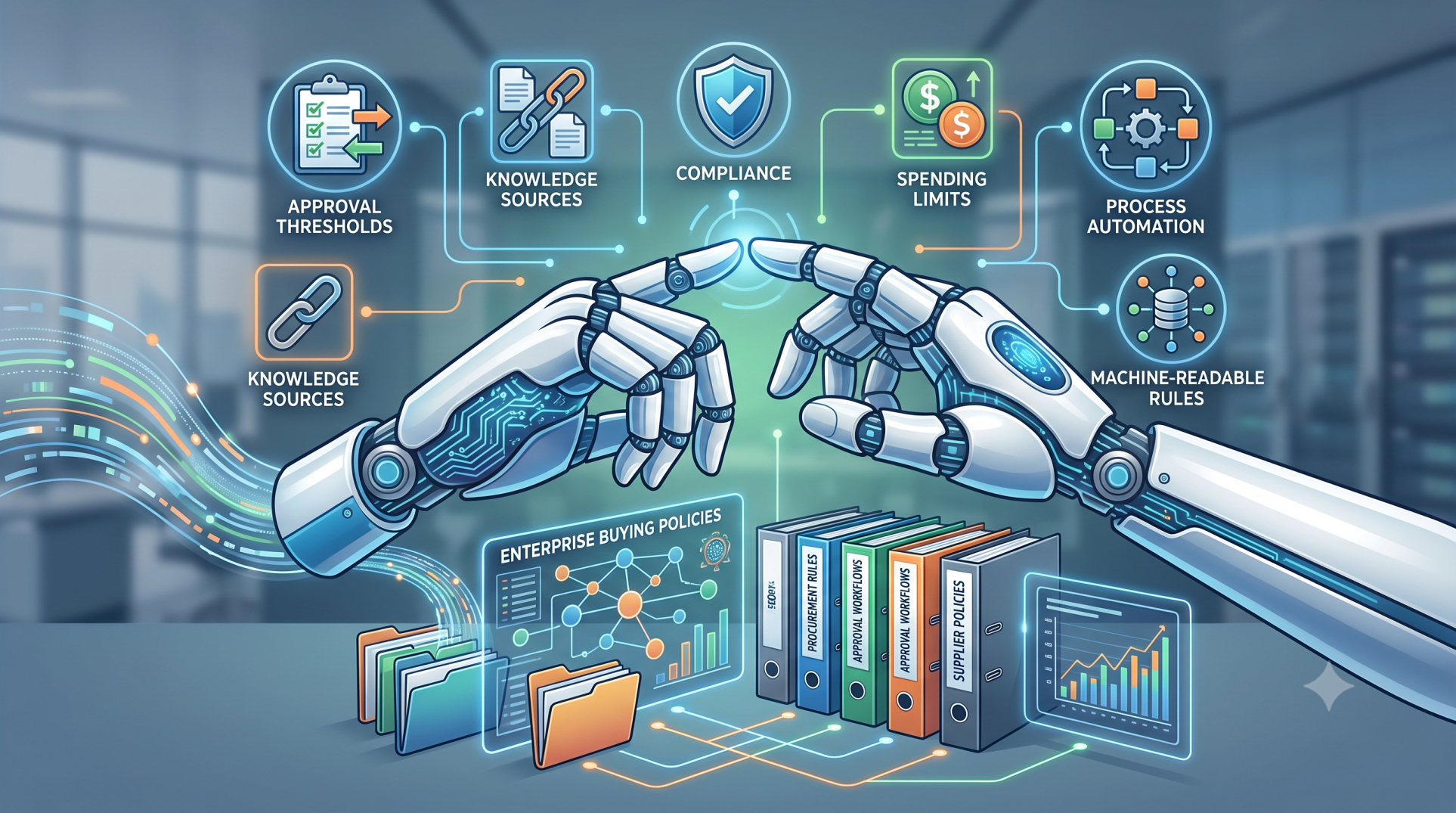
- LLMs connected to external knowledge sources 📚
- Retrieved documents ground model responses 📌
- Improved factual accuracy and relevance ✅
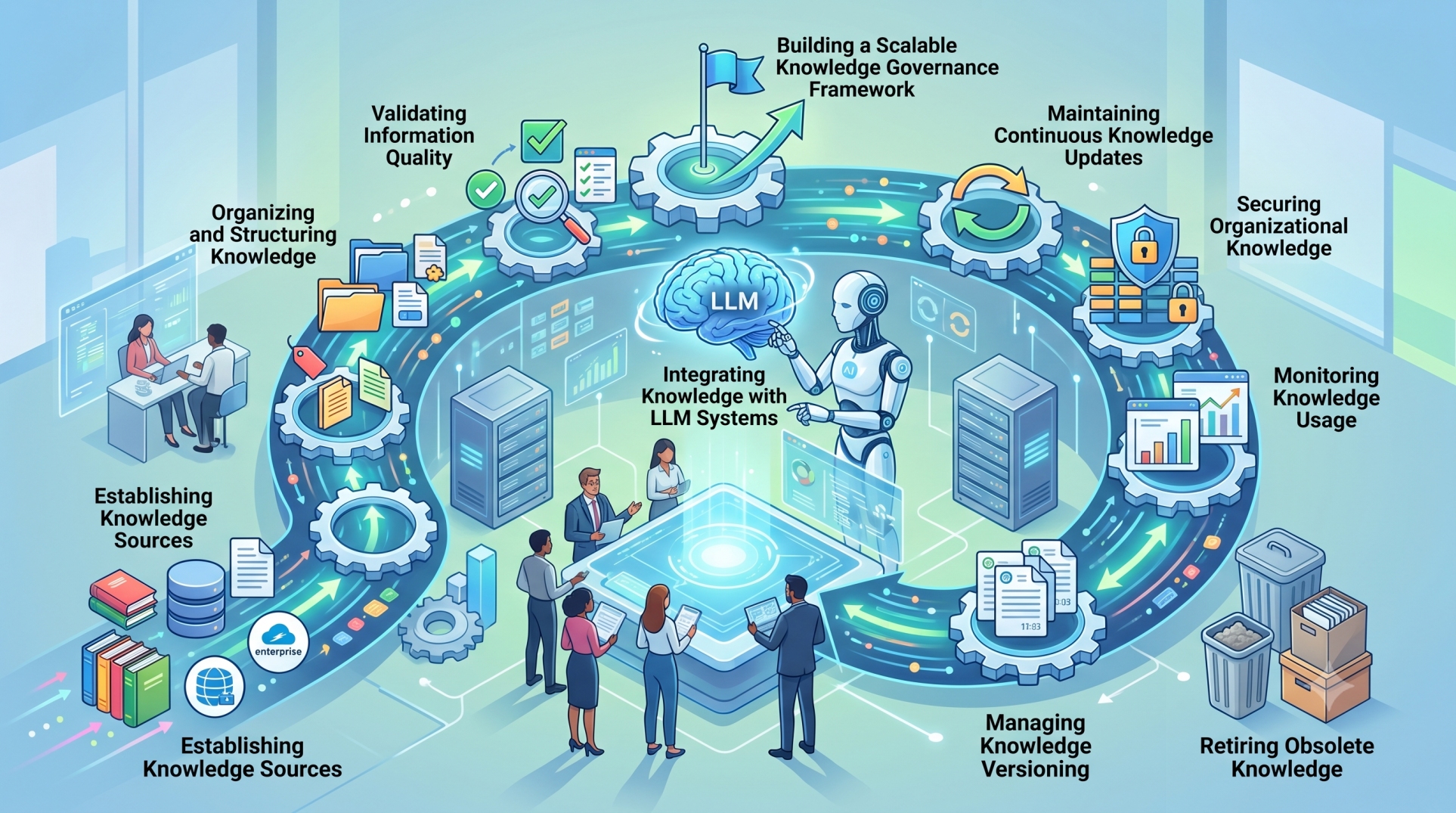
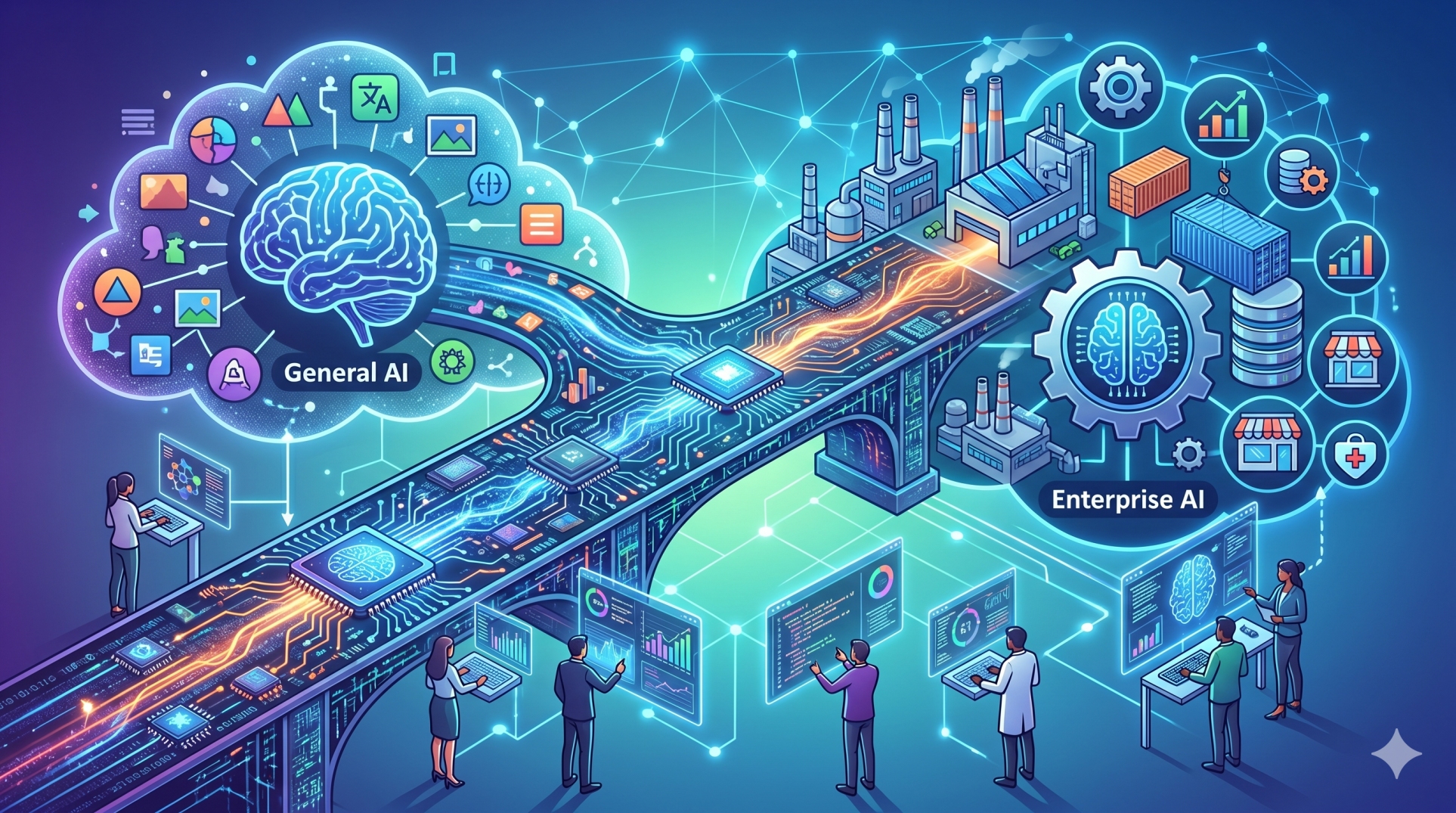
- Enabled enterprise knowledge use cases 🏢
- Marked a shift from static prompts to dynamic inputs 🔄
RAG made LLMs more reliable and business-ready. 🛡️
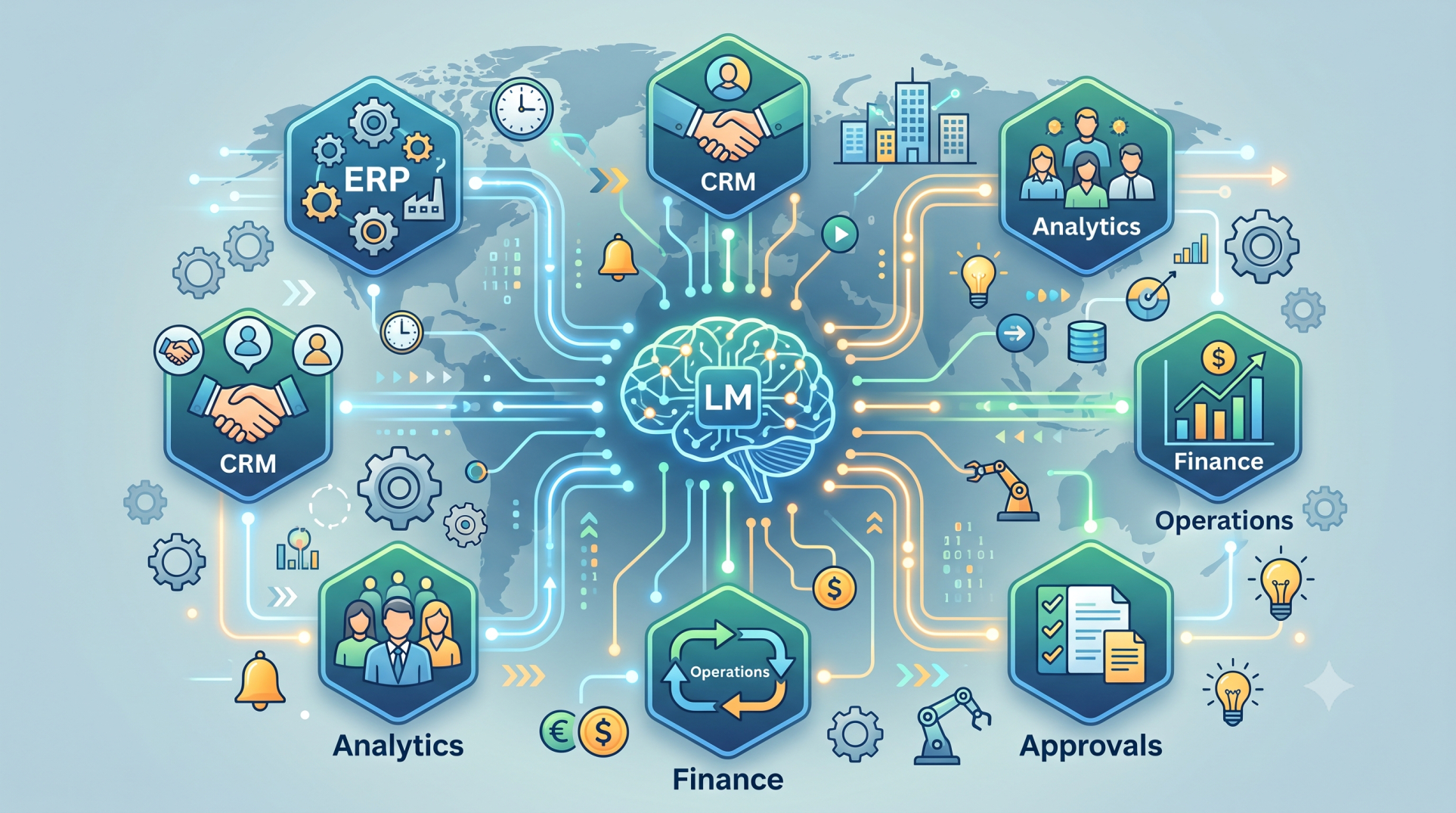
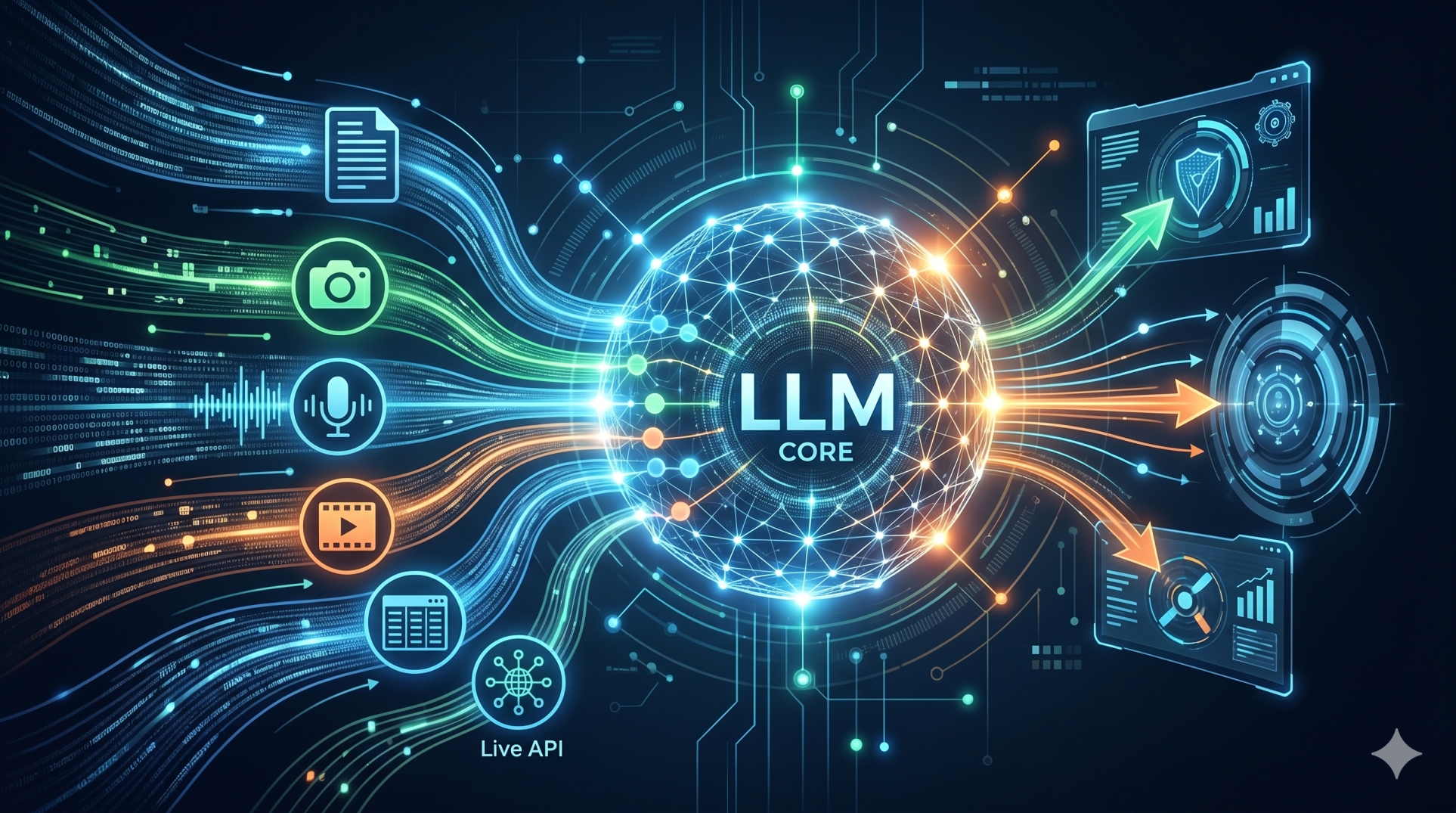
5. Tool-Enabled LLMs 🔧
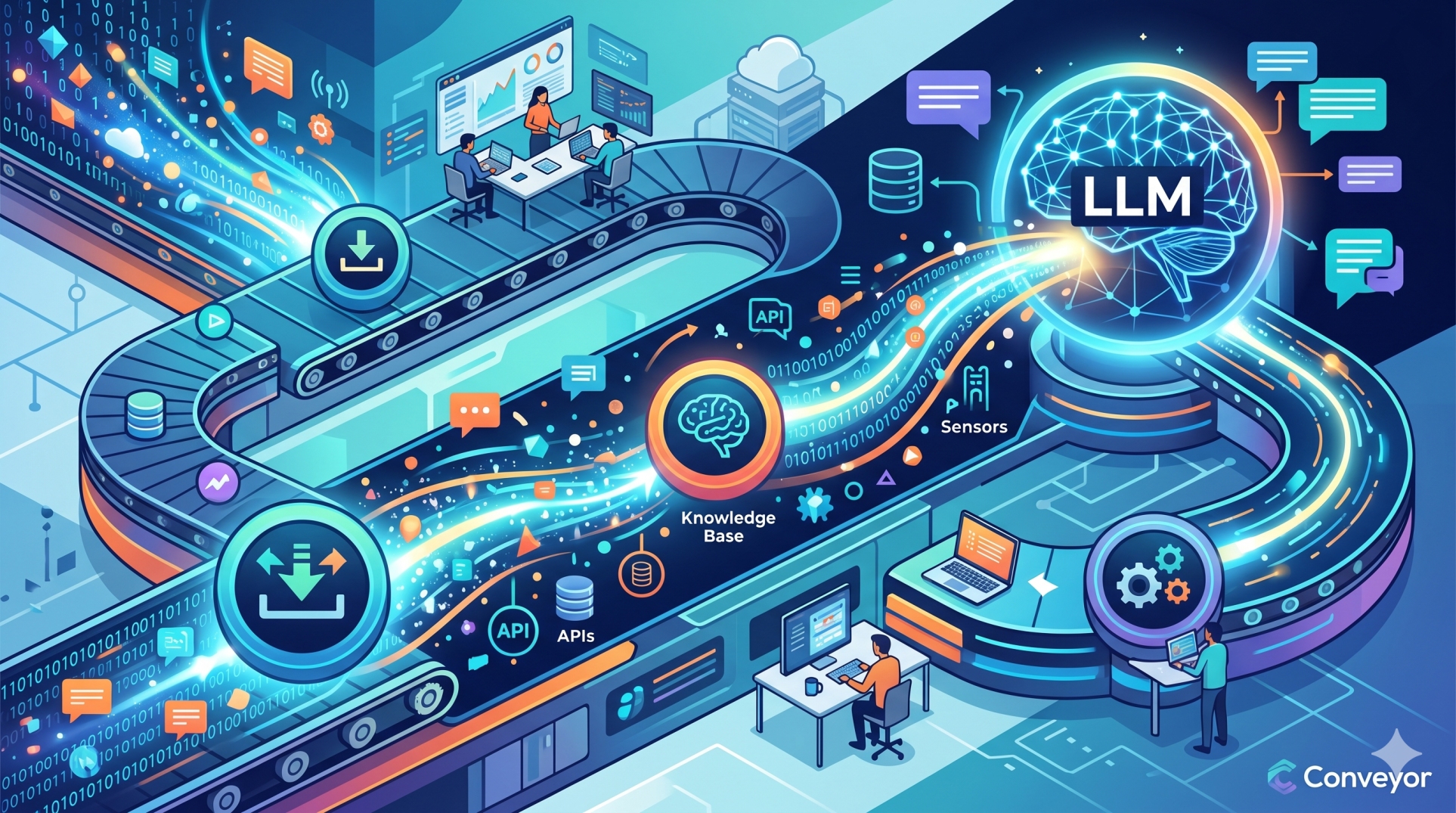
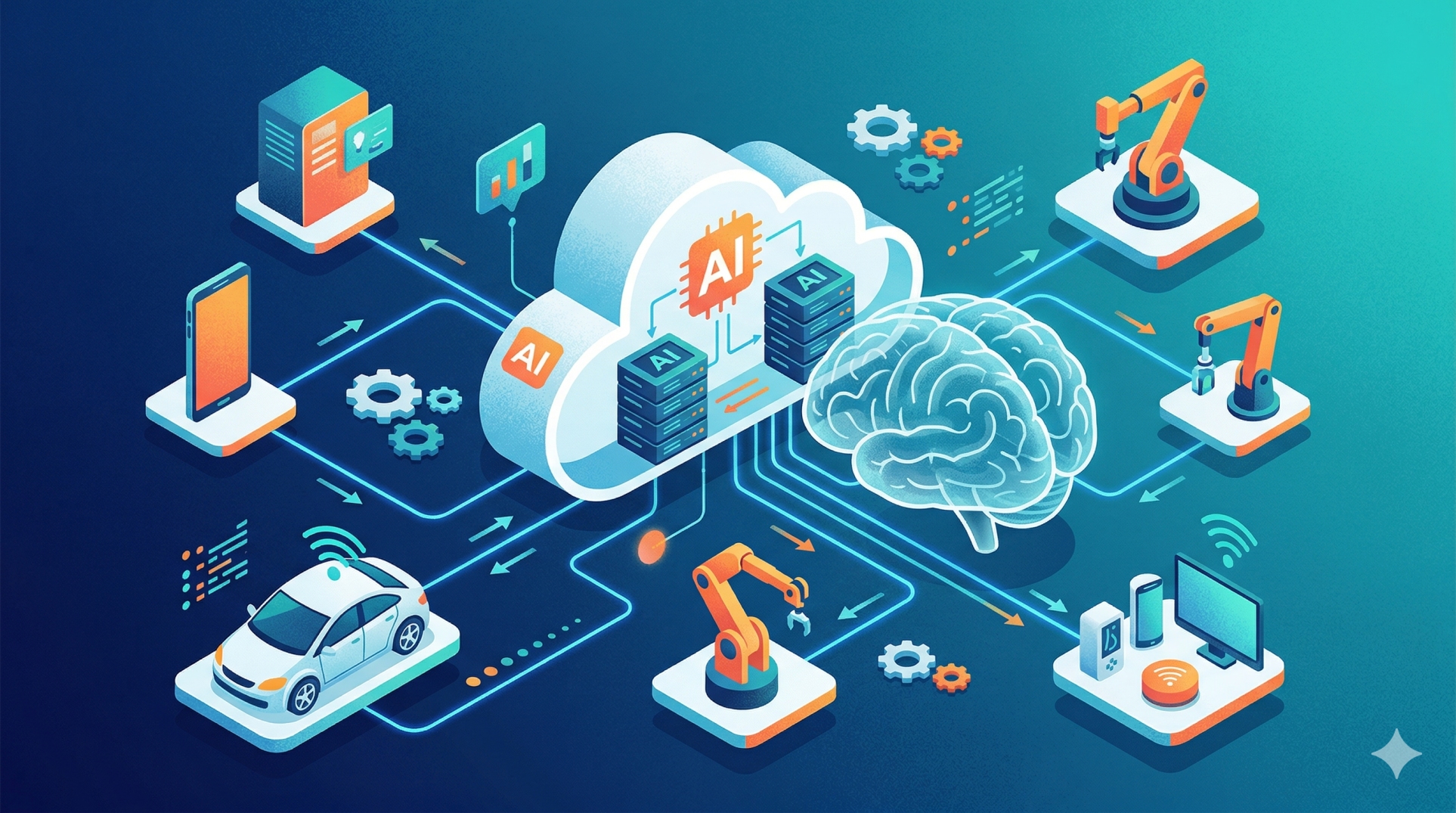
- Models gained the ability to call tools and APIs 🔌
- Execute database queries and calculations 📊
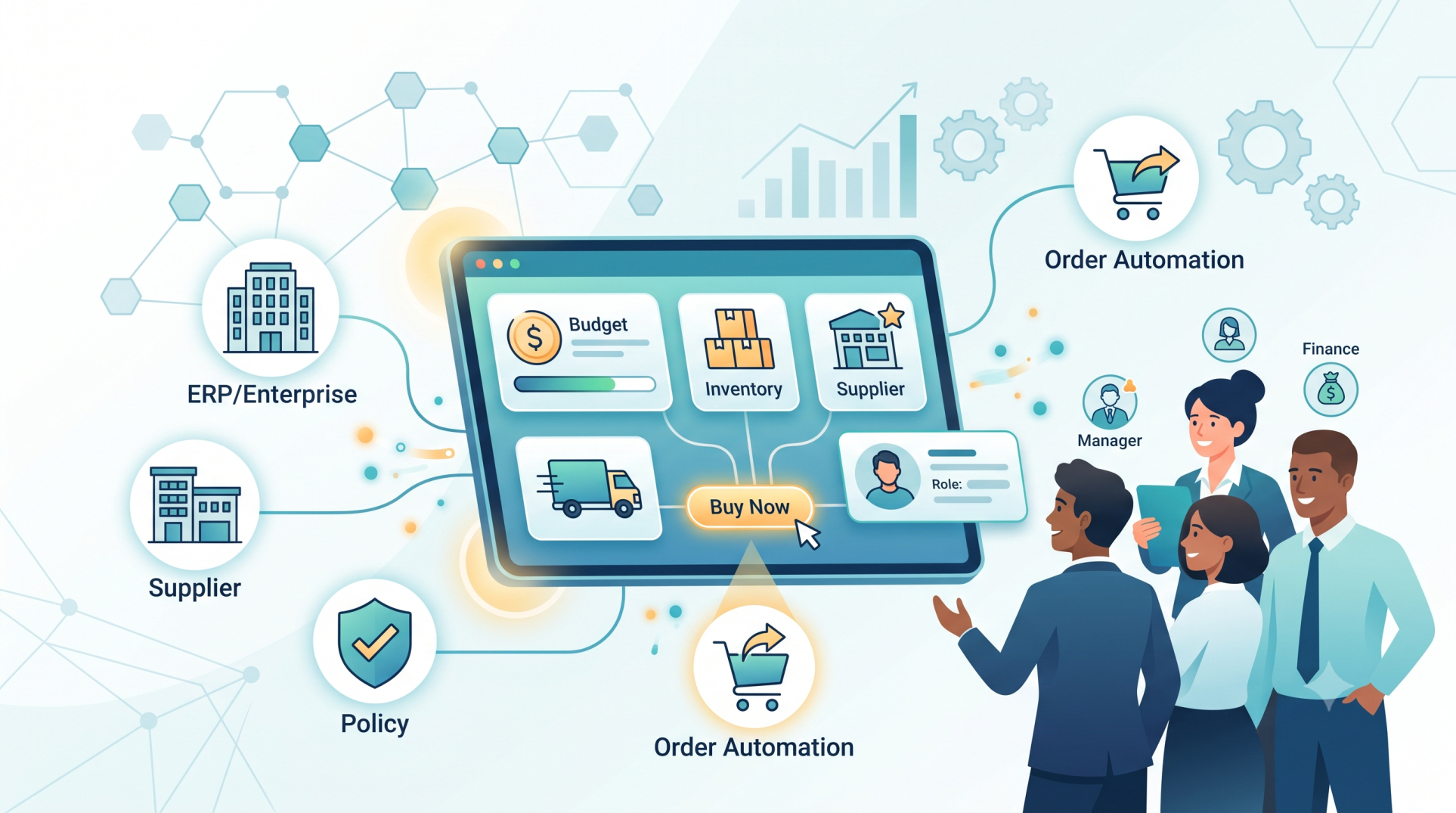
- Trigger workflows and system actions ⚙️
- Combine language understanding with execution 🧠
- Expanded LLMs from “answering” to “doing” 🚀
This was a major step toward real automation. 🤖
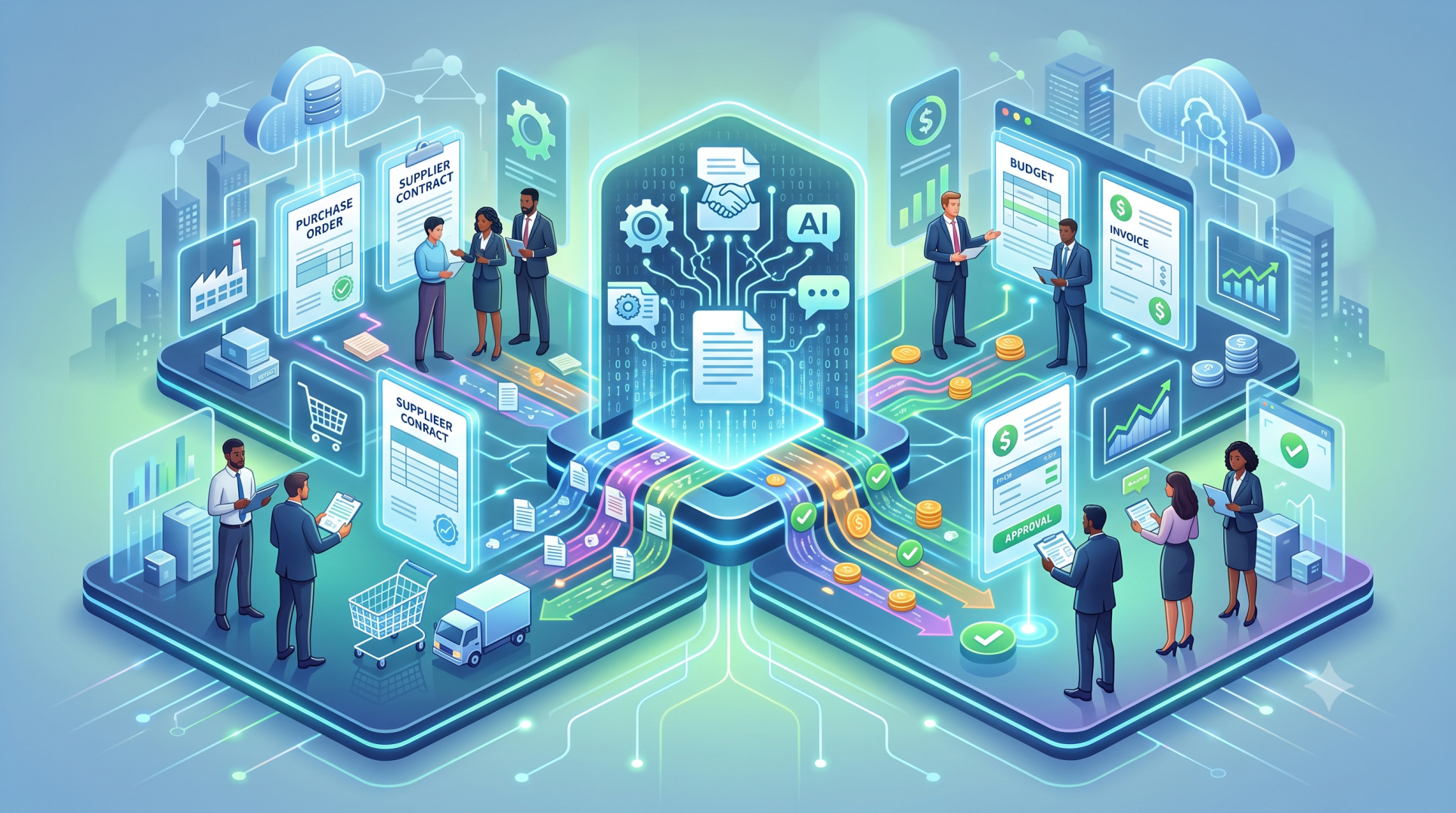
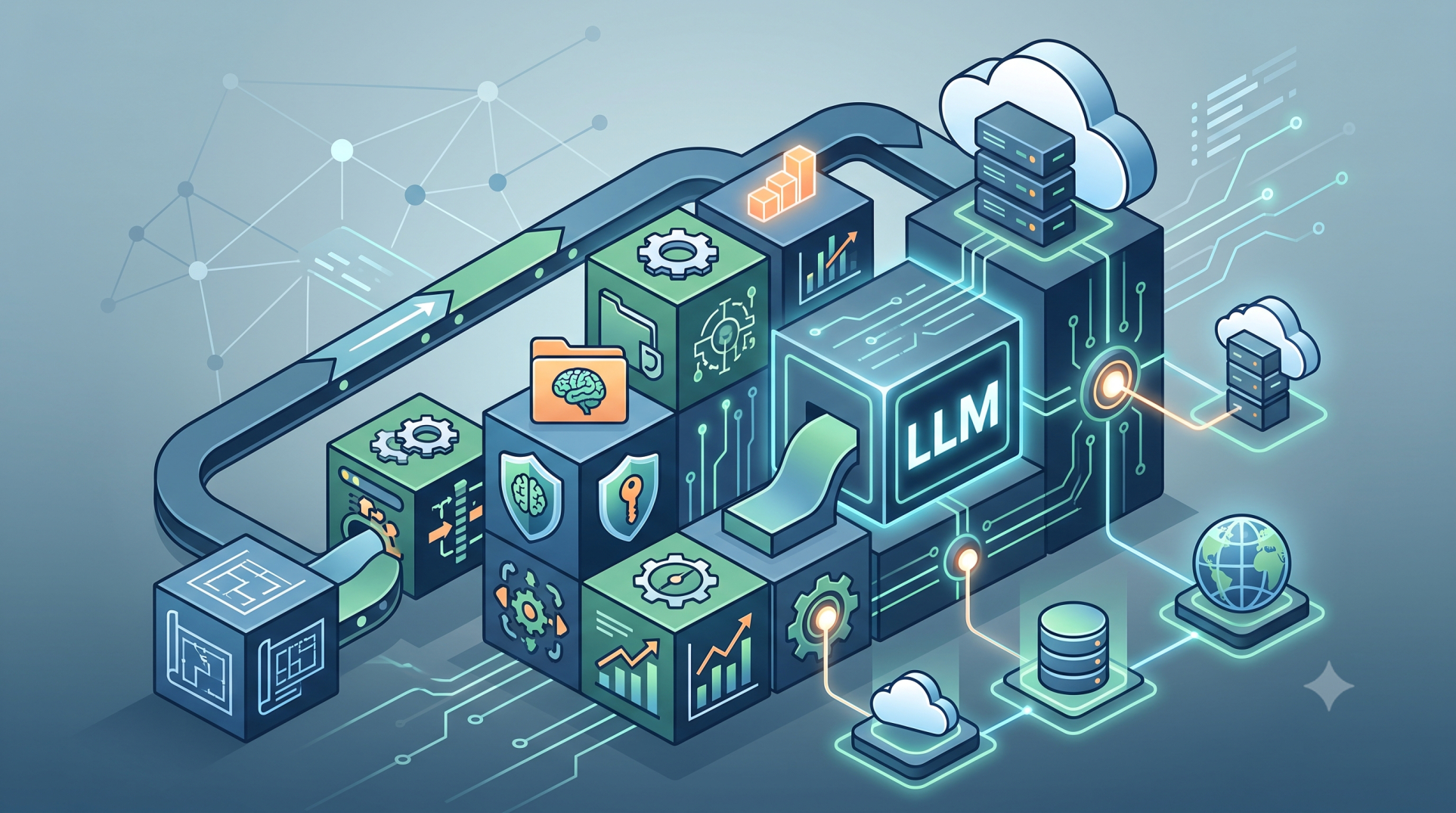
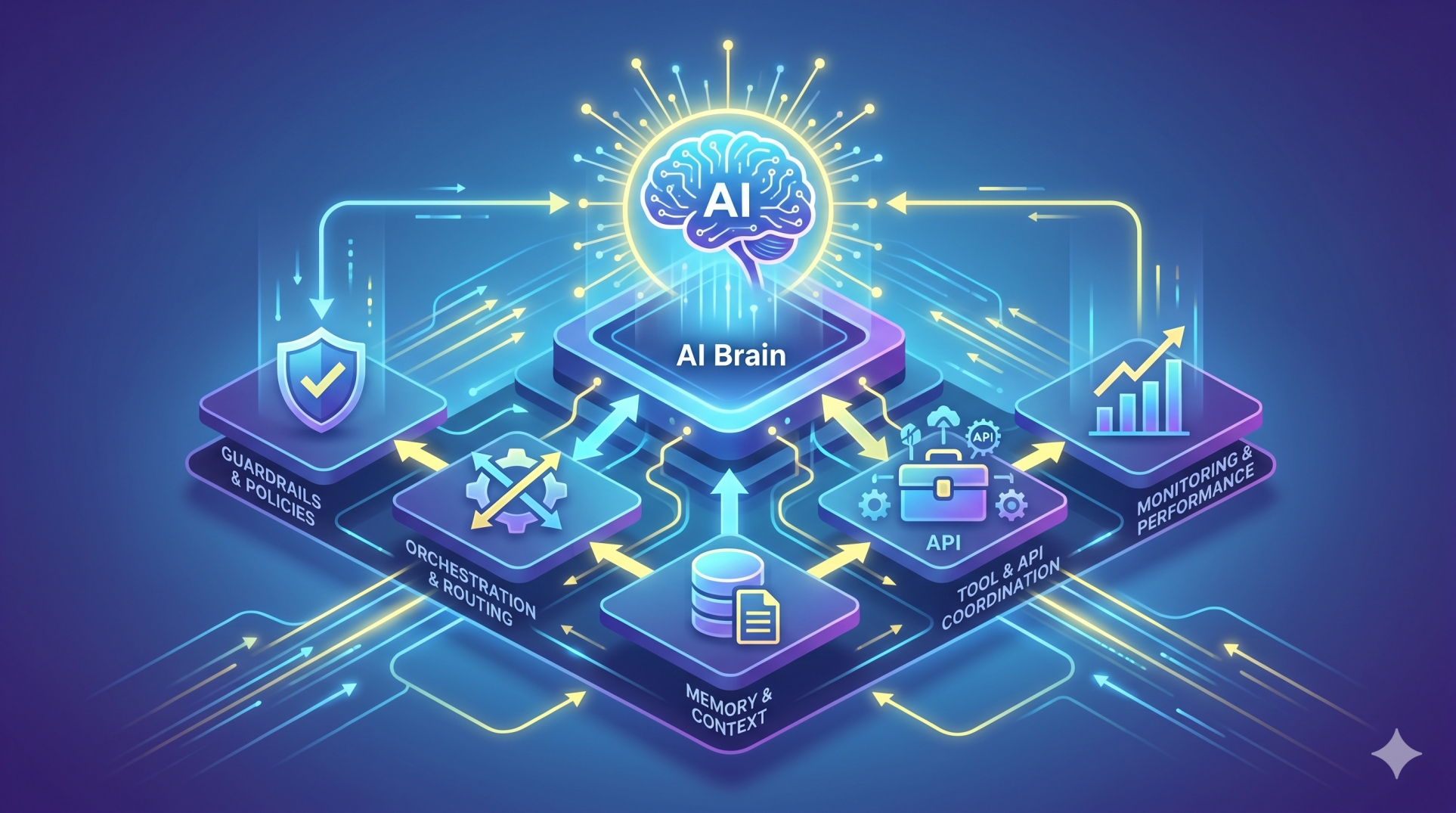
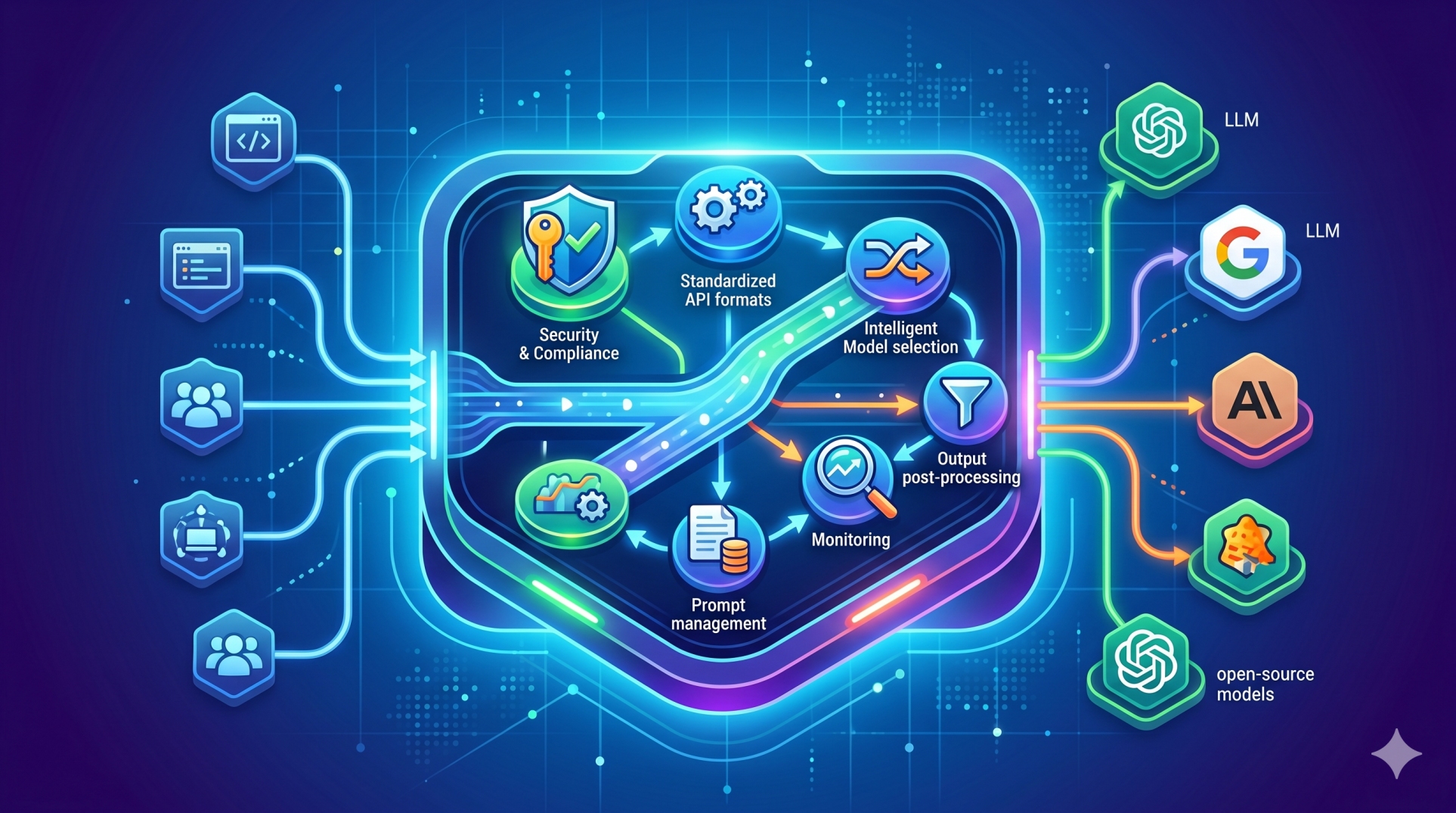
6. Orchestration Layers and Workflows 🏗️
- Multi-step reasoning managed outside the model 🔄
- Tasks broken into sequences with validation 🧩
- Fallbacks, retries, and branching logic introduced 🔁
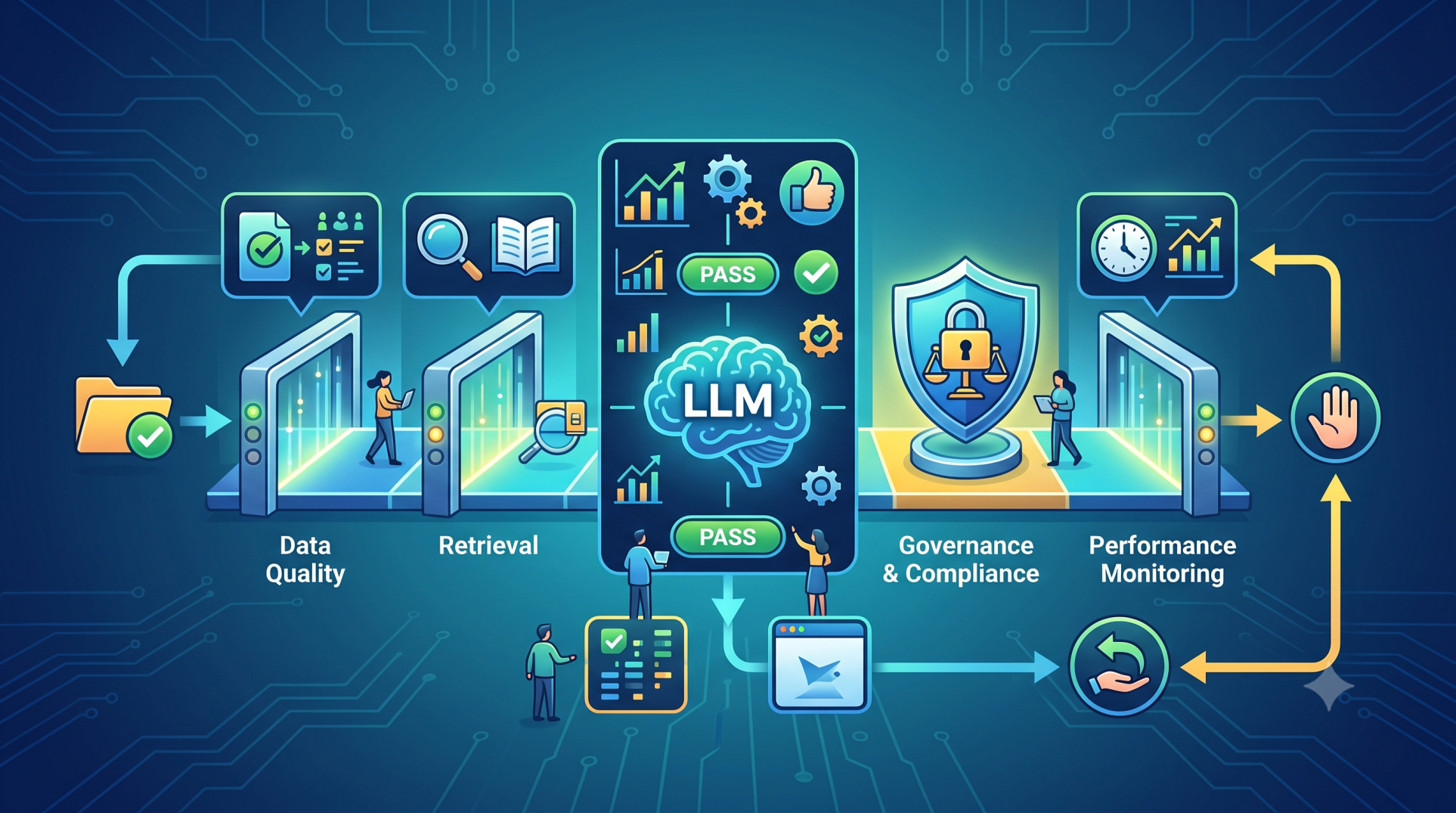
- Outputs evaluated before delivery ✅
- Systems became predictable and controllable 🎛️
Orchestration turned models into reliable components. 🧱
7. Emergence of LLM Agents 🤖
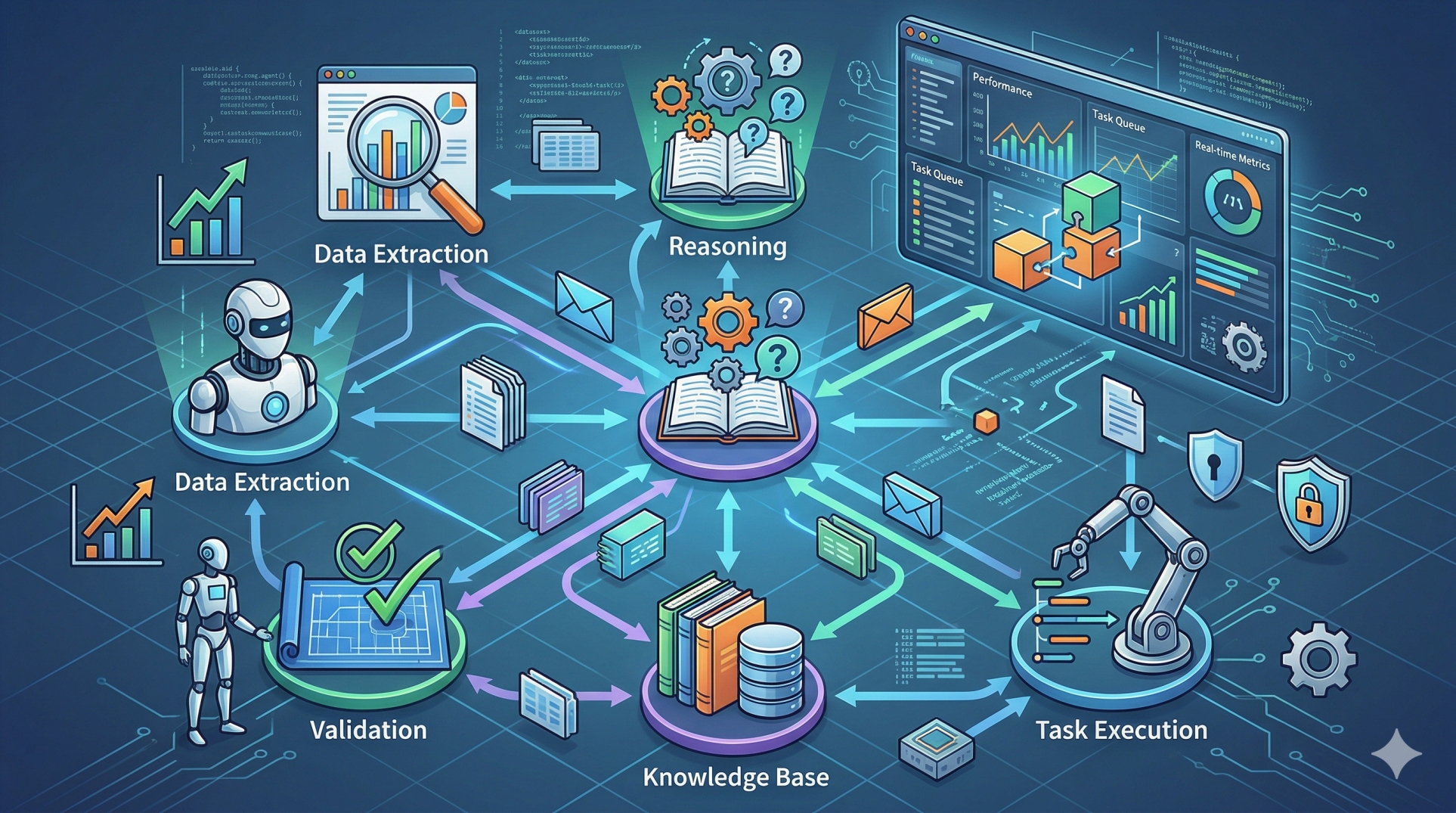
- Agents combine reasoning, memory, tools, and goals 🧠
- Can plan steps to achieve an objective 🗺️
- Adapt actions based on intermediate results 🔄
- Operate autonomously within defined boundaries 🛡️
- Handle complex, multi-stage tasks 🧩
Agents represent a shift from responses to outcomes. 🎯
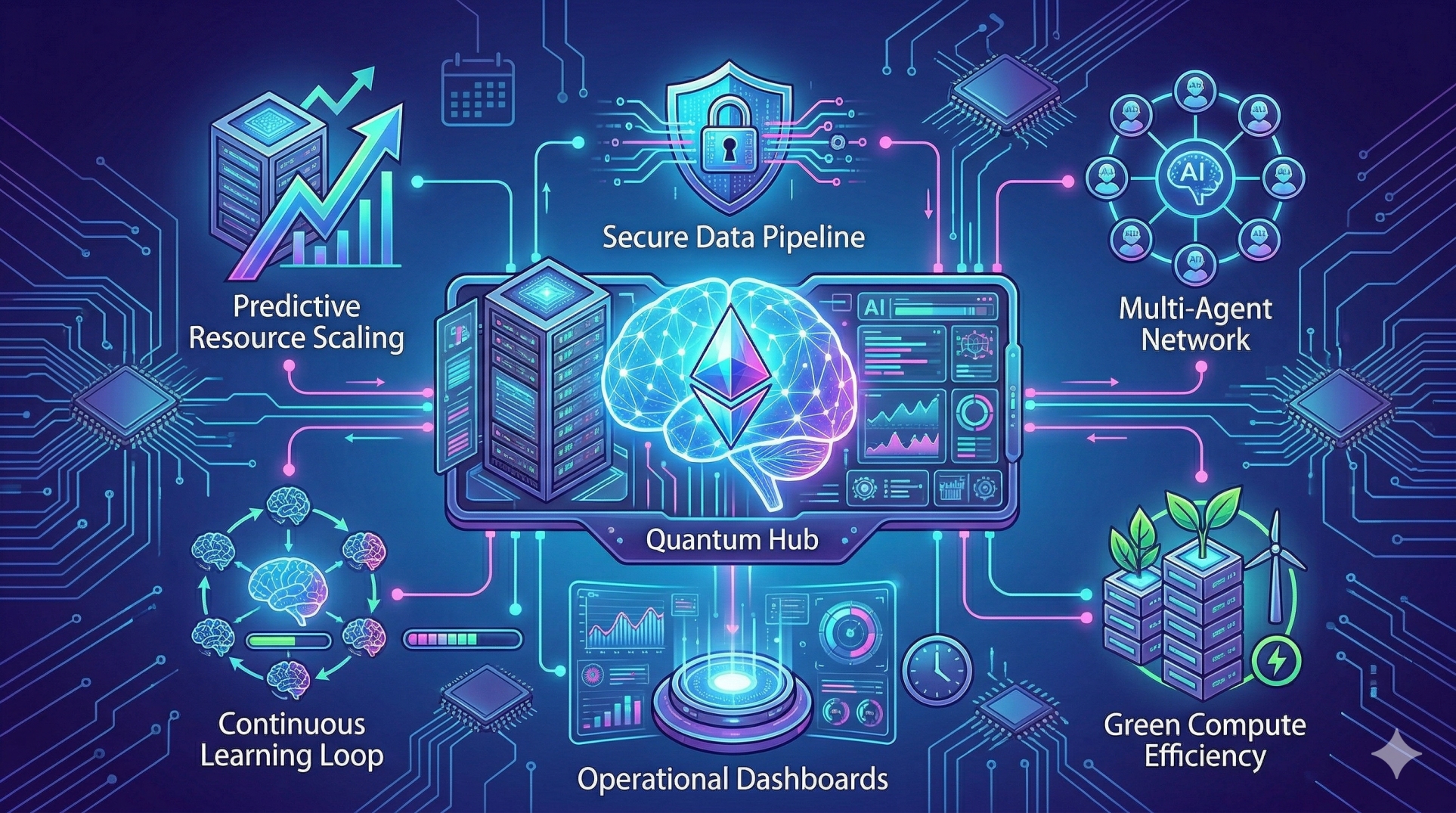
8. Agent Capabilities in Modern LLM Software ⚡
- Goal-driven task execution 🎯
- Dynamic decision-making 🔄
- Long-running workflows ⏱️
- Multi-tool coordination 🔧
- Context persistence across sessions 🗂️
These capabilities enable real system intelligence. 🧠
9. From Assistants to Autonomous Systems 🚀
- Early LLMs assisted users with answers 💬
- Modern agents assist systems with actions ⚙️
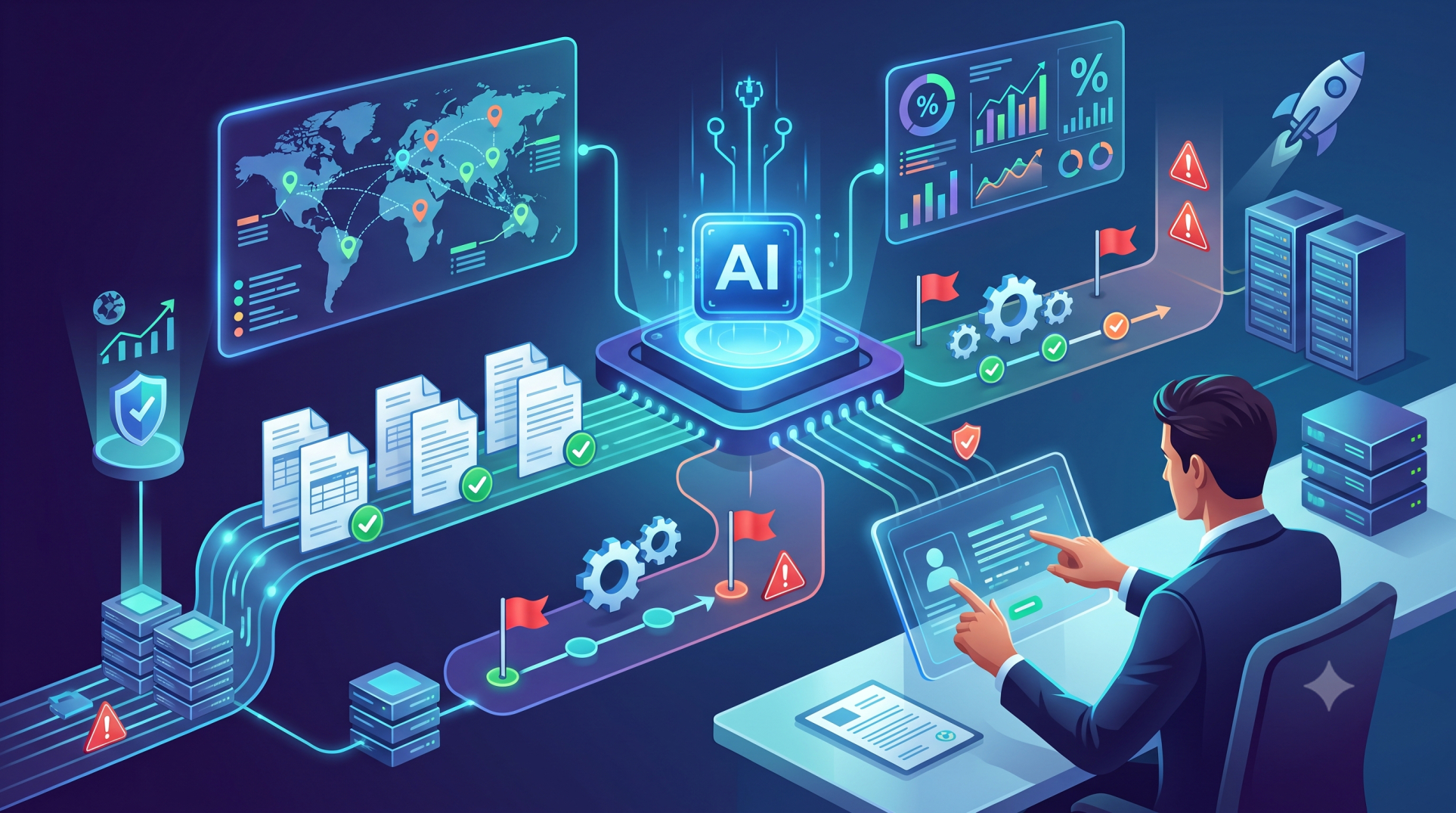
- Reduced human intervention in workflows 🤖
- Increased speed and consistency 📈
- Higher operational leverage 💼
The value moved from interaction to automation. 🔄
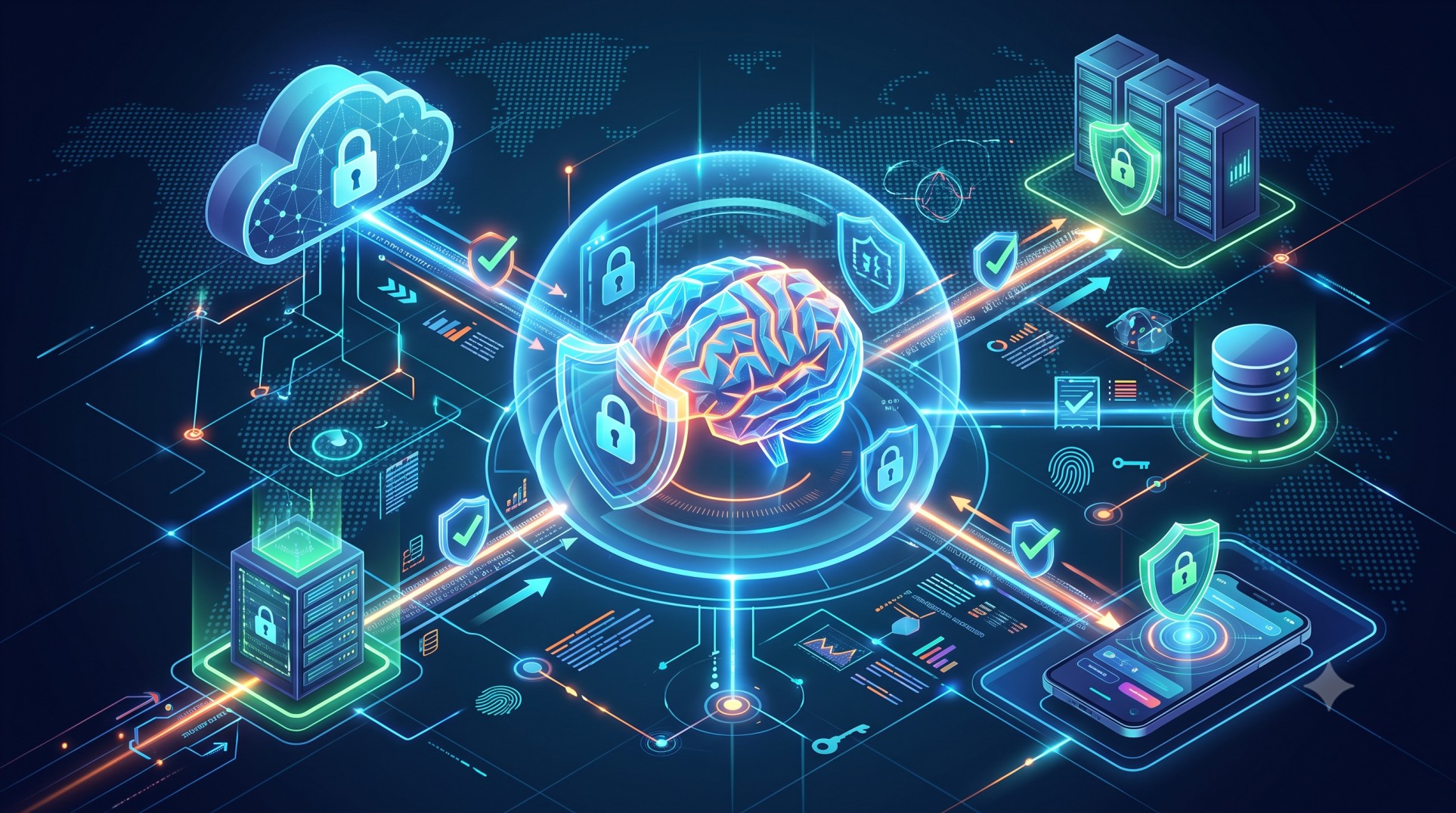
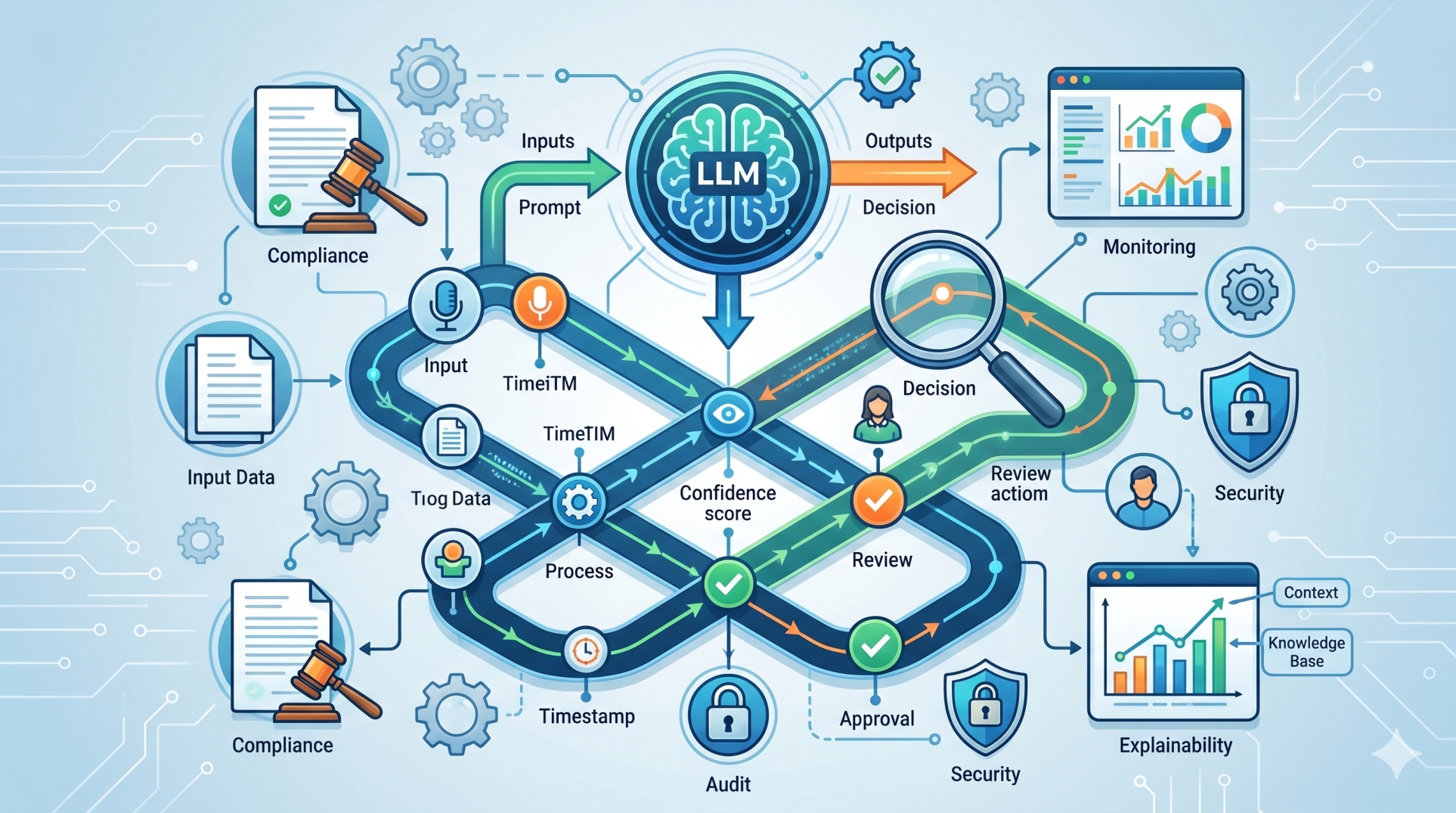
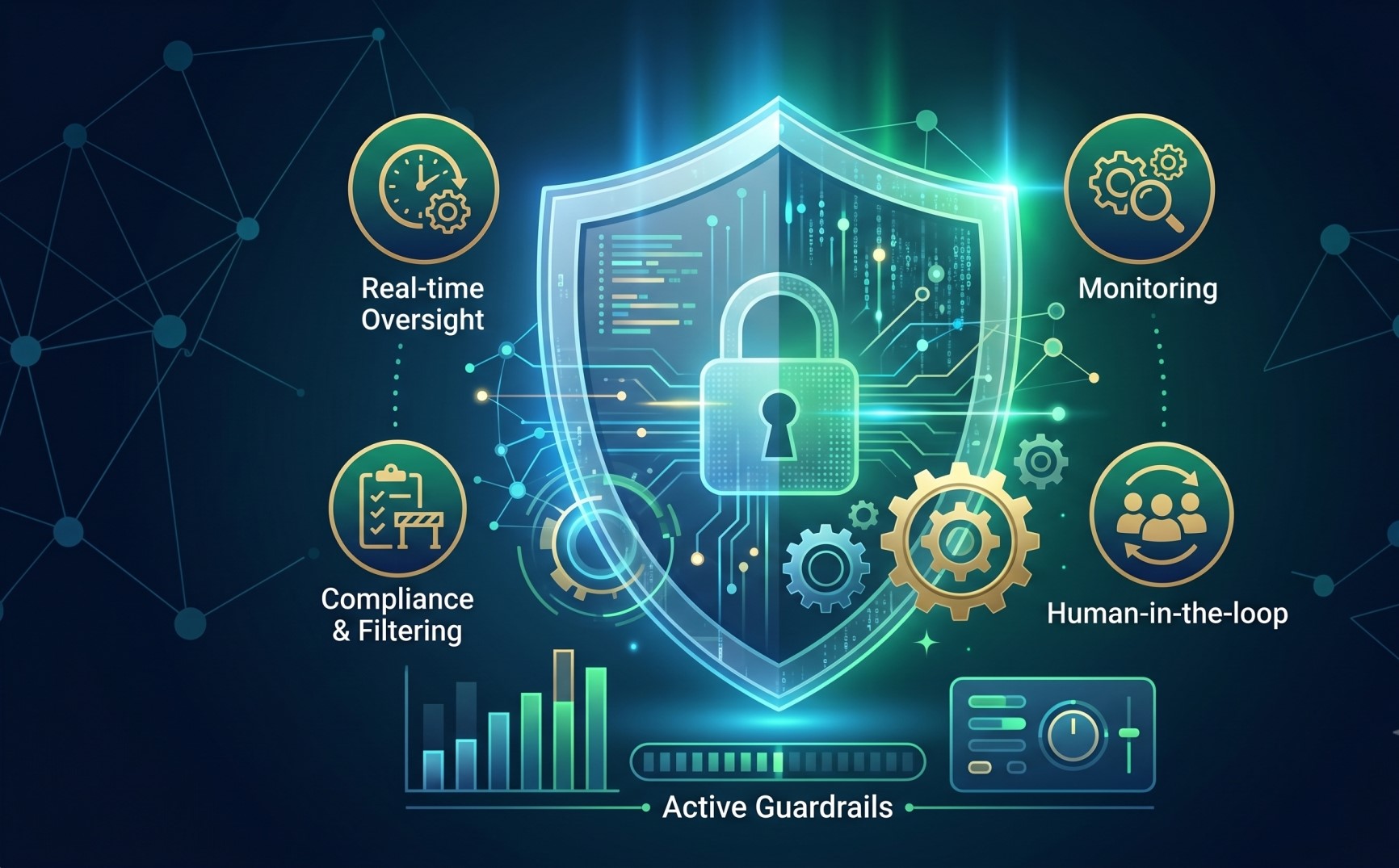
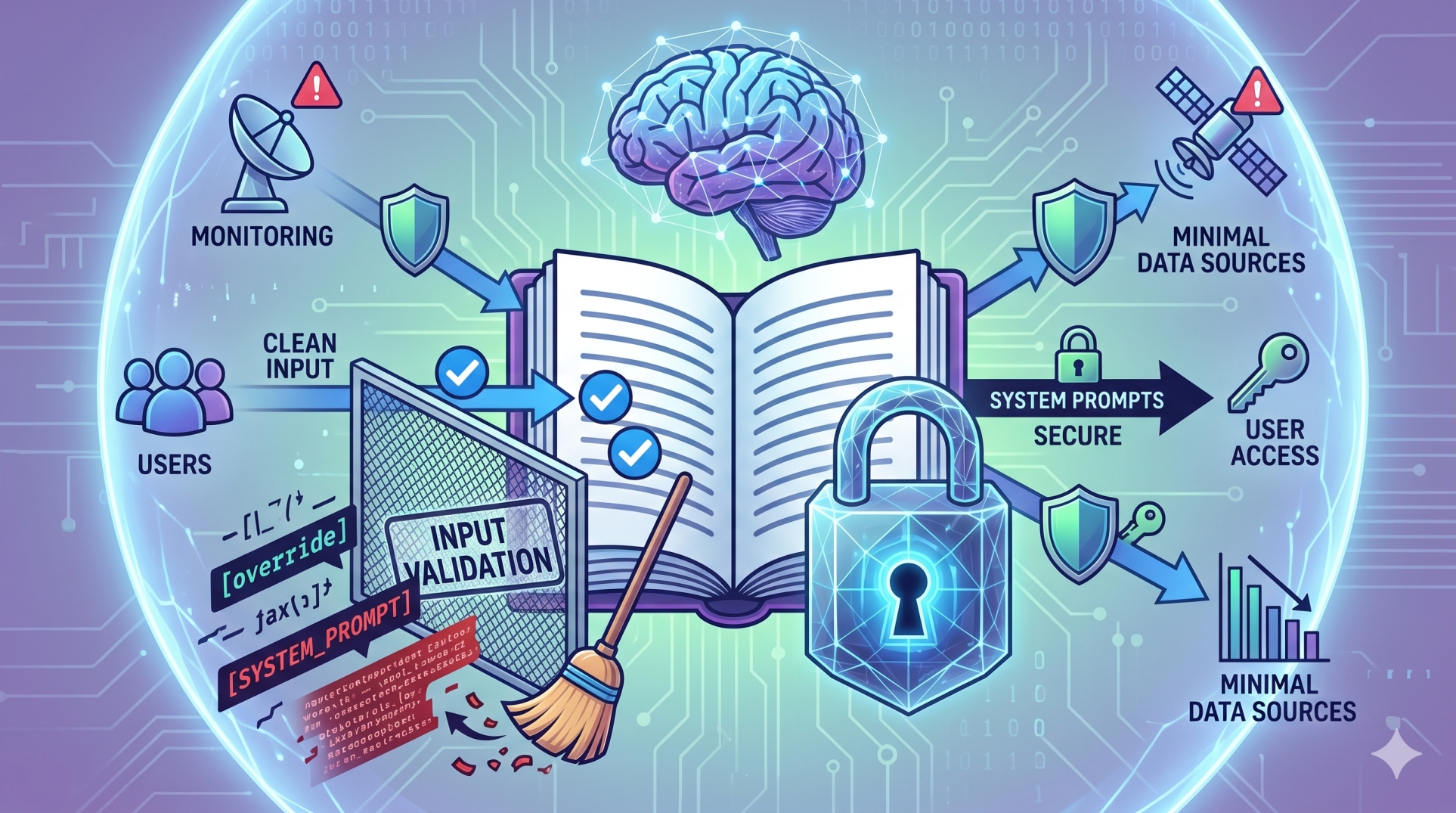
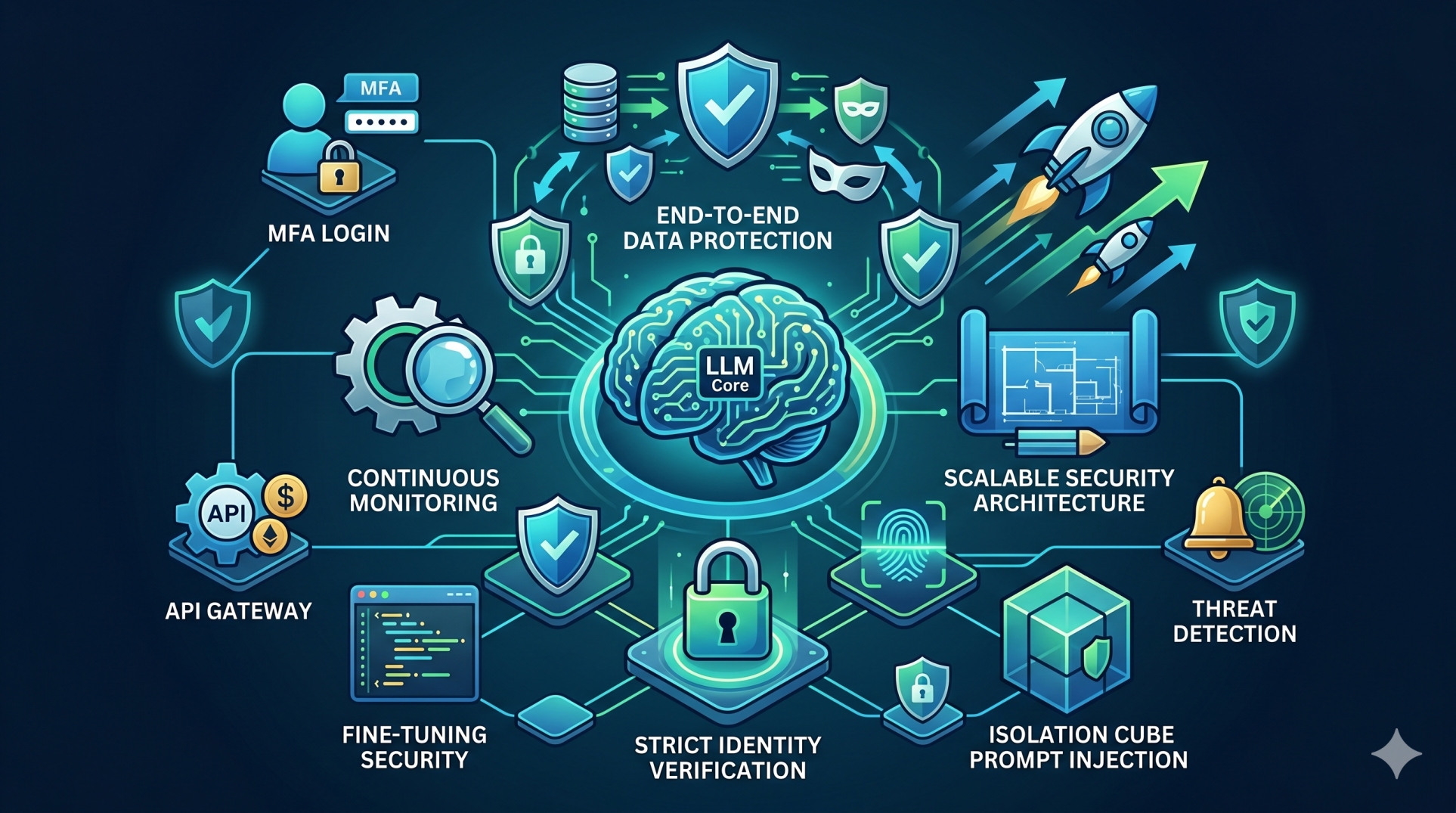
10. Governance and Control in Agent-Based Systems 🛡️
- Role-based permissions and guardrails 👤
- Limits on actions and data access 🔐
- Monitoring and auditability 👀
- Human-in-the-loop approvals where required 🤝
- Essential for enterprise trust and safety ⚖️
Agents require stronger controls than prompts. ⚠️
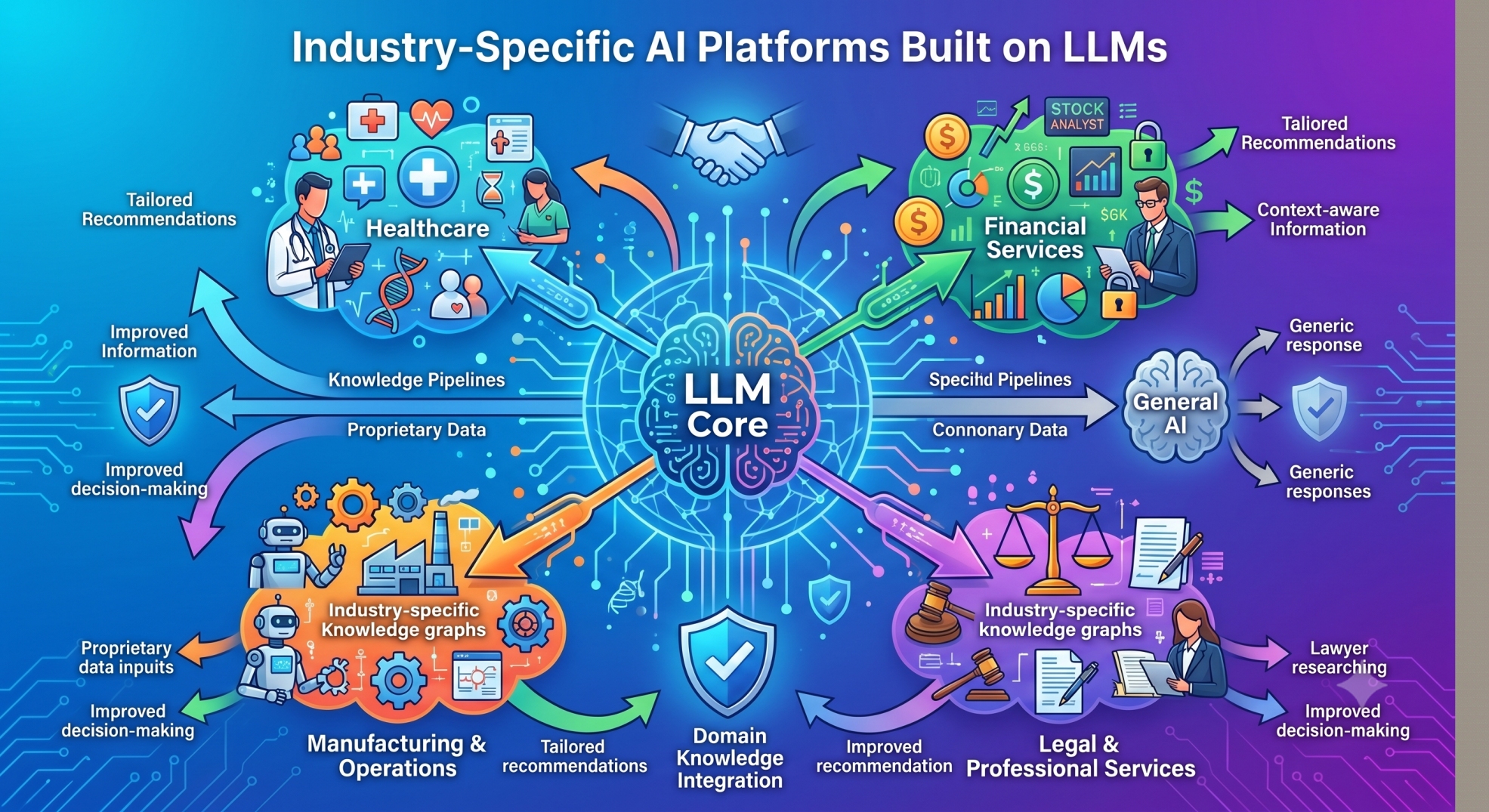
11. Business Impact of the Evolution 💼
- Faster process automation ⚡
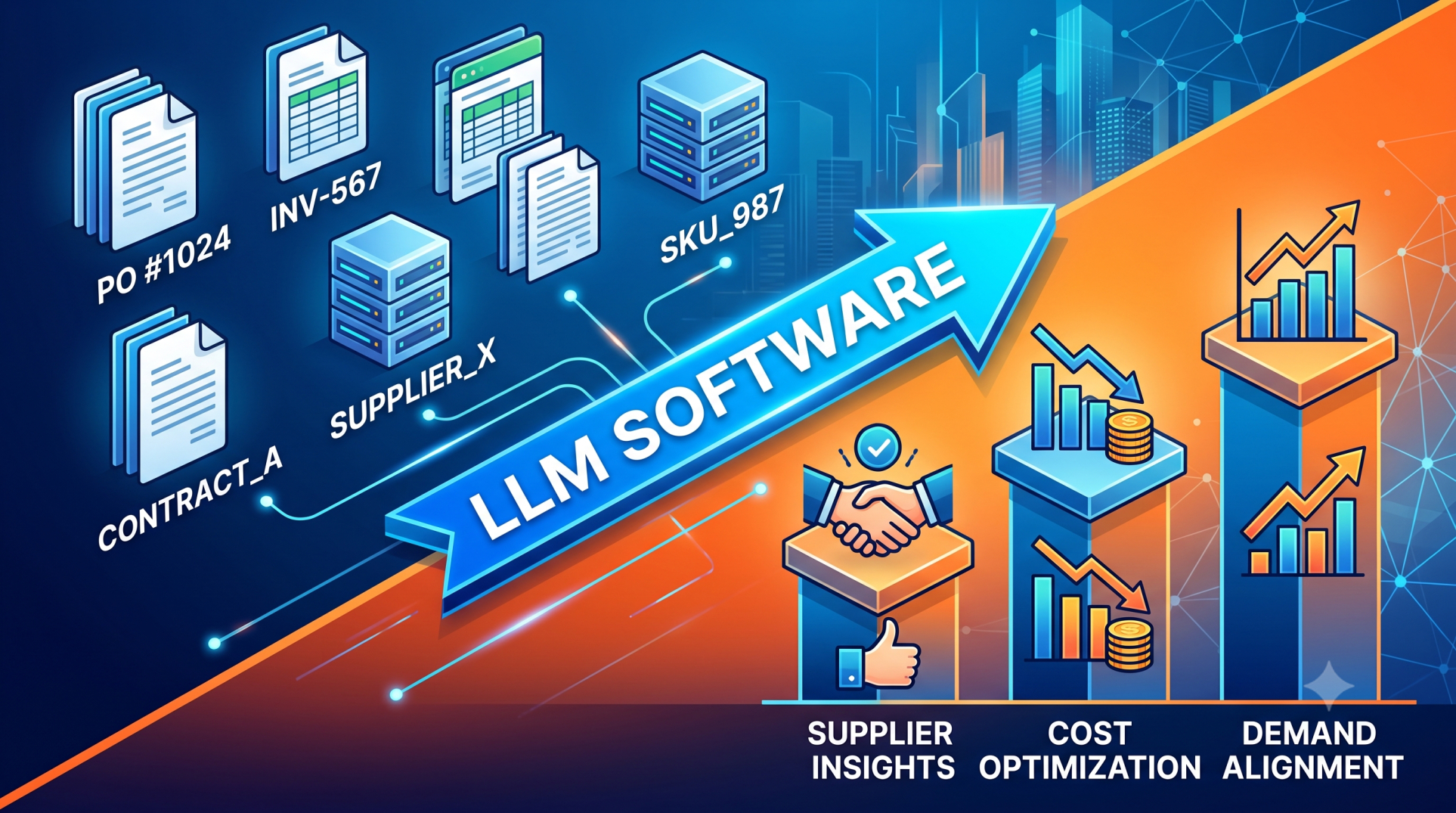
- Smarter decision support 🧠
- Better use of enterprise knowledge 📚
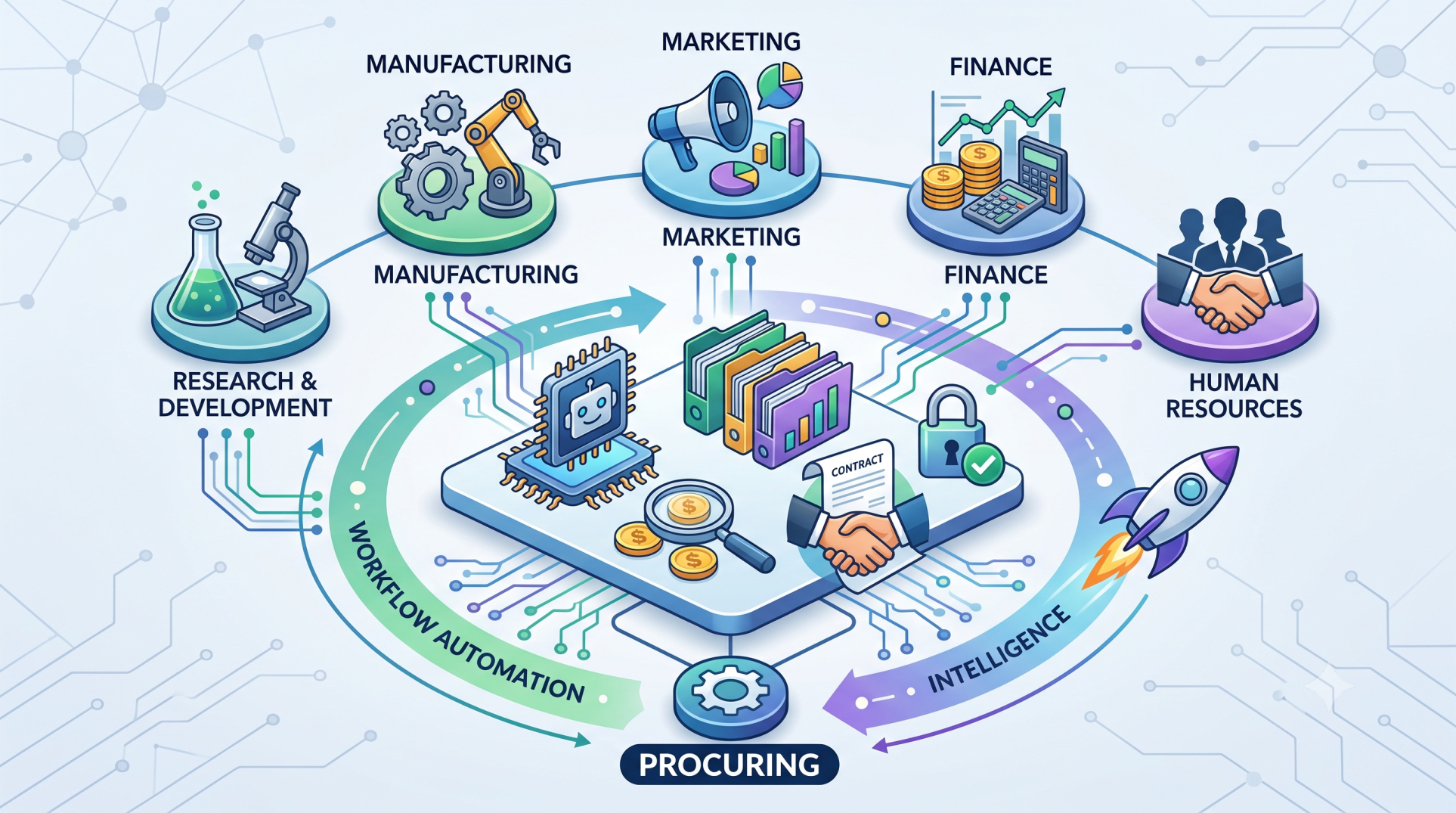
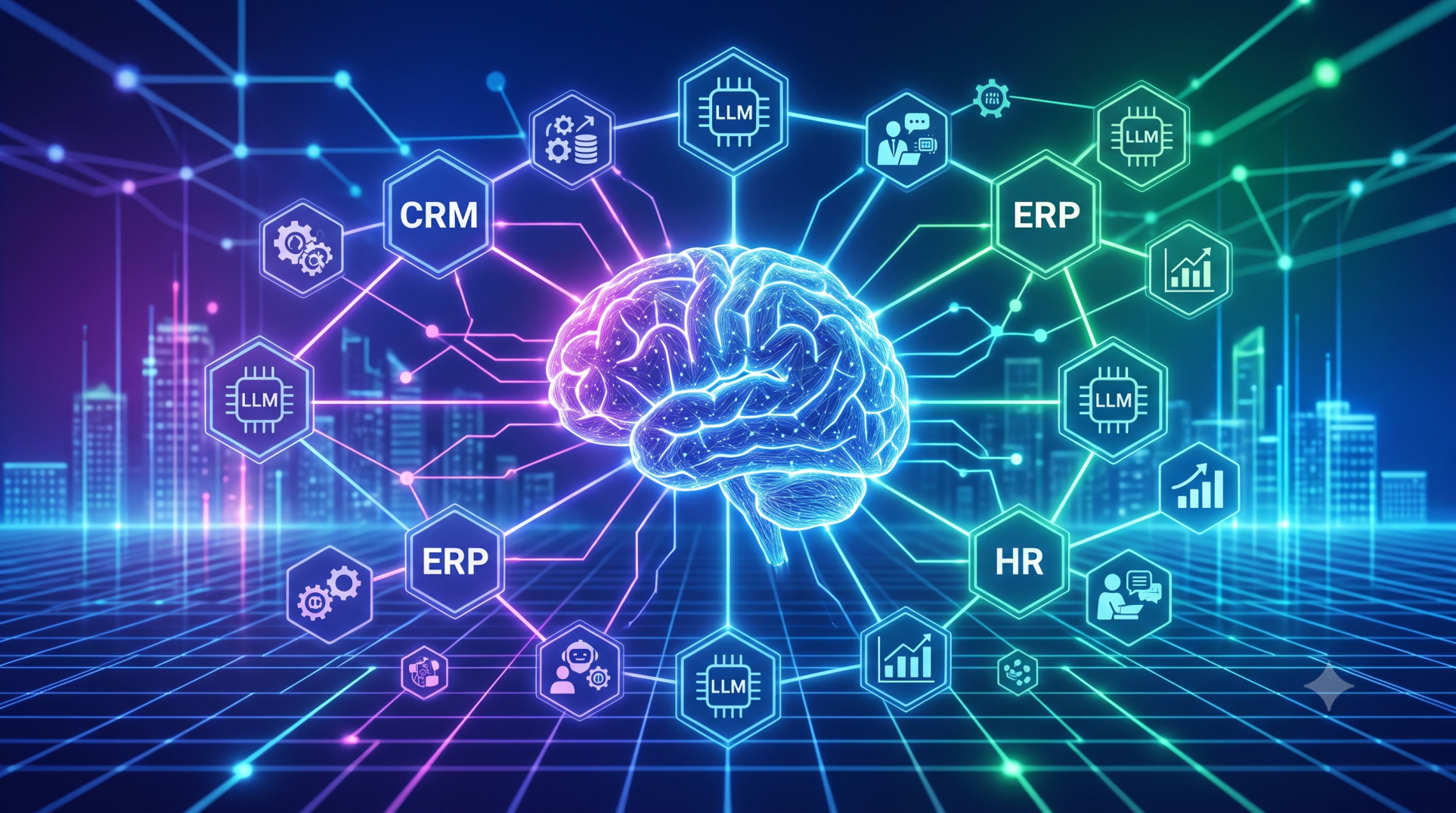
- Scalable AI across departments 🌐
- Competitive advantage through intelligent systems 🚀
Final Thoughts 🏁
The evolution from prompts to agents reflects the maturation of LLM software. What began as simple text generation has become goal-driven, orchestrated intelligence capable of acting across systems. Prompts are still useful—but agents represent the future. As LLM software continues to evolve, the real value will come not from better conversations, but from intelligent systems that plan, act, and deliver outcomes at scale. 🌍
See more blogs
You can all the articles below