Designing Artificial Intelligence for Real-World Problem Solving

Designing Artificial Intelligence for Real-World Problem Solving
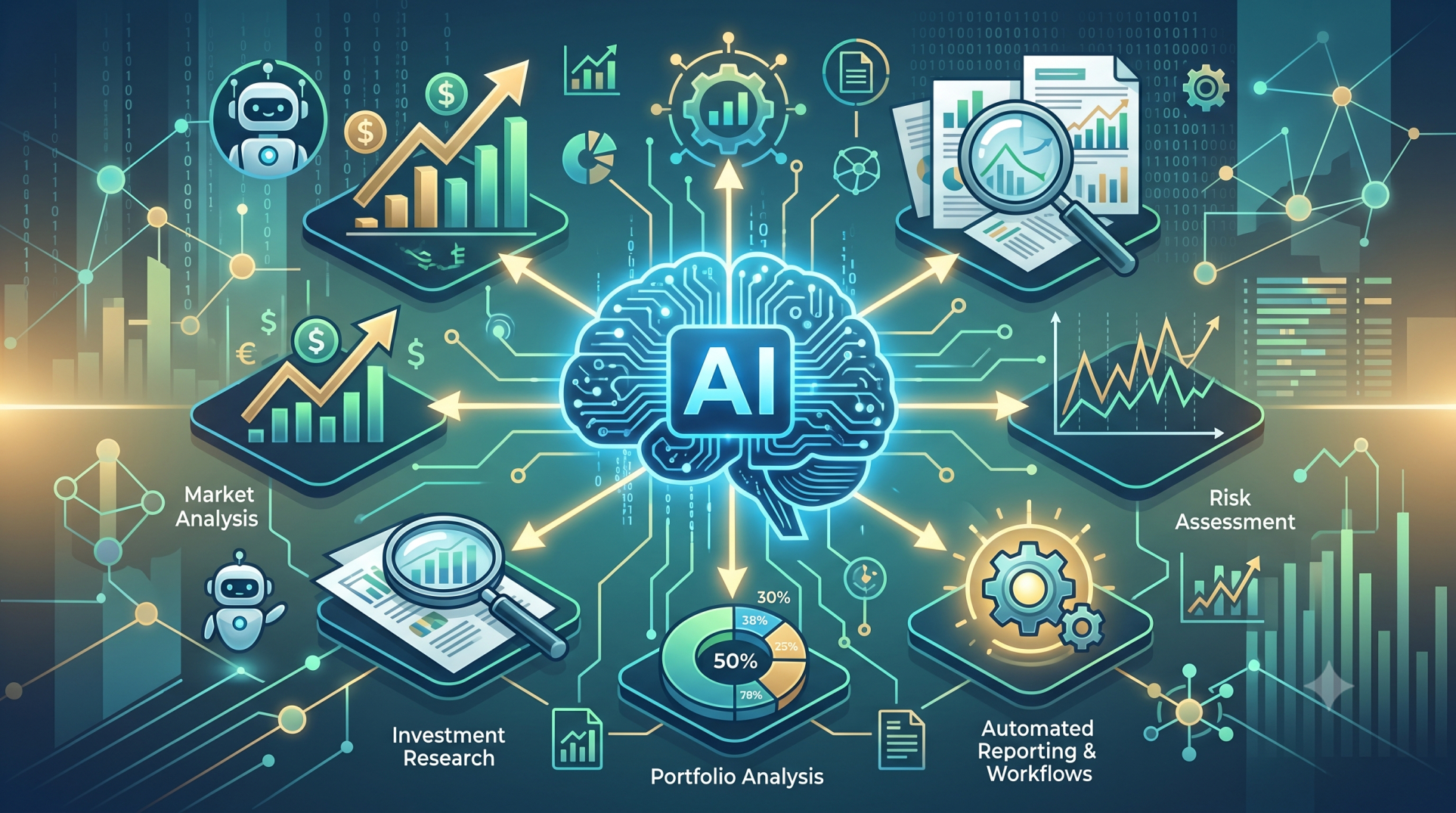
Creating AI systems for real-world applications involves much more than selecting models or training algorithms. Successful AI design requires a careful balance of technical performance, reliable data, and ethical responsibility. The objective is to build intelligent systems that address practical challenges—often by performing targeted tasks faster, more accurately, or more consistently than humans 🚀.
🧩 The AI Design Framework
• Clearly identifies the real-world problem the AI solution addresses 🎯
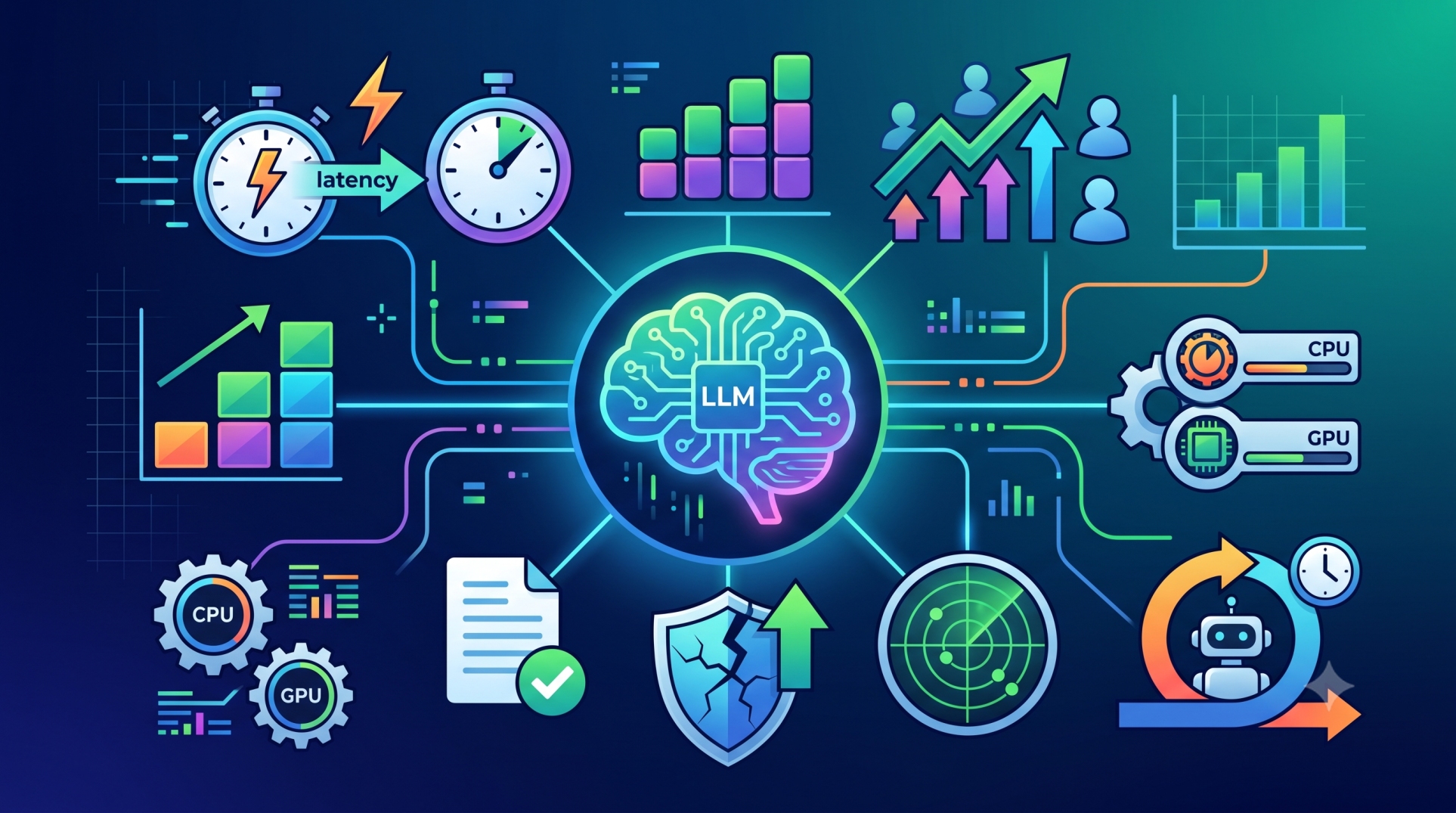
• Defines measurable performance and success criteria 📊
• Aligns data collection and modeling strategies with business goals 🧠
• Assesses technical feasibility and real-world limitations ⚙️
• Ensures AI initiatives remain focused, scalable, and results-driven 📈
🎯 Defining High-Performance AI Objectives
• Designs AI systems to exceed human performance in specific tasks 🚀
• Enables rapid processing of large and complex datasets ⚡
• Identifies patterns that are difficult for humans to detect 🔍
• Delivers consistent and repeatable results 🔁
• Shapes early decisions around data strategy and model selection 🧠
📊 Data Management and Crowdsourcing
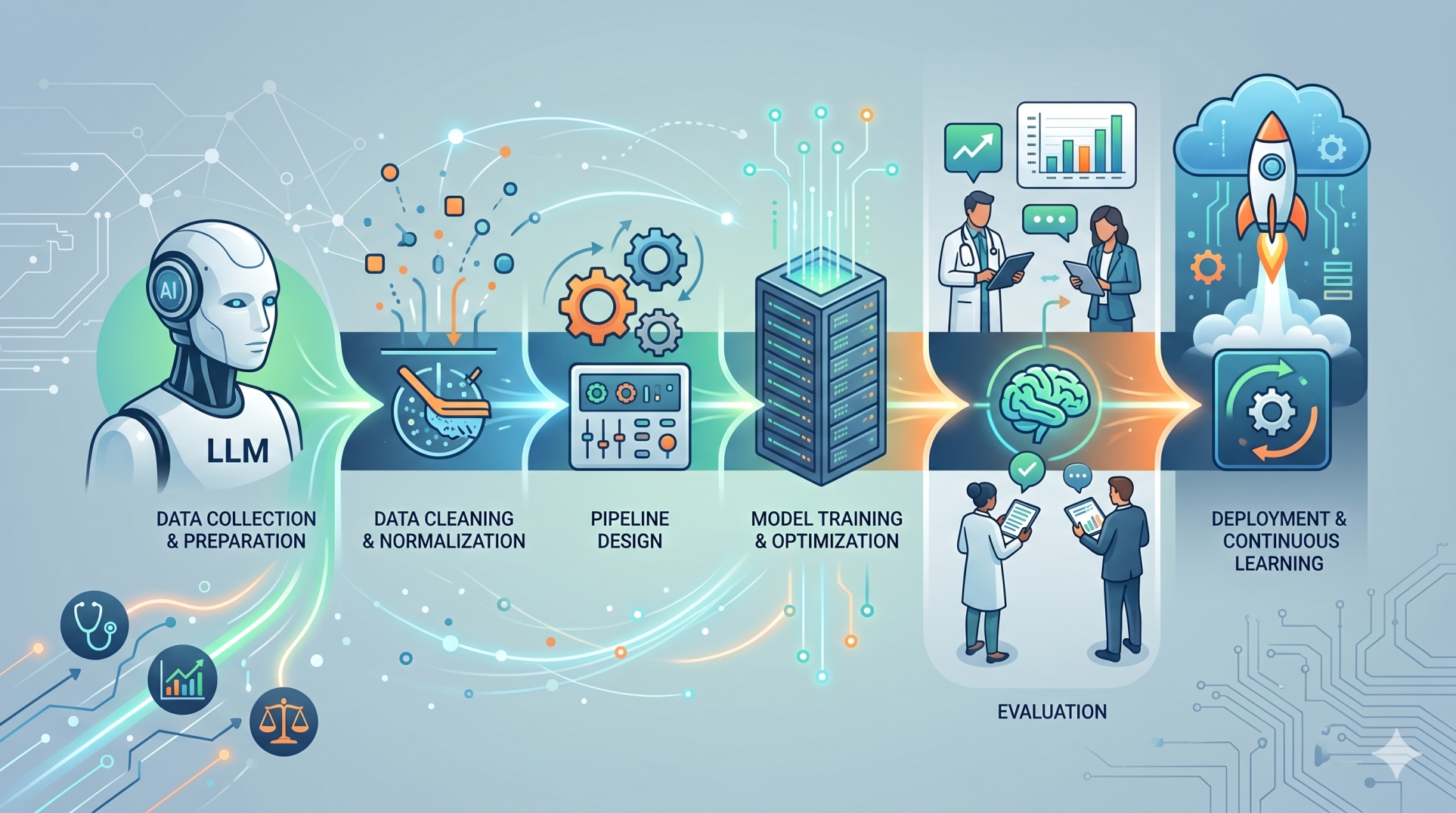
• Builds large, diverse, and representative datasets 🗂️
• Uses crowdsourcing to accelerate data collection and labeling 👥
• Balances data quality, cost, and development timelines ⚖️
• Applies validation processes to ensure fairness and accuracy ✅
🛡️ Ethical Design and Human Participation
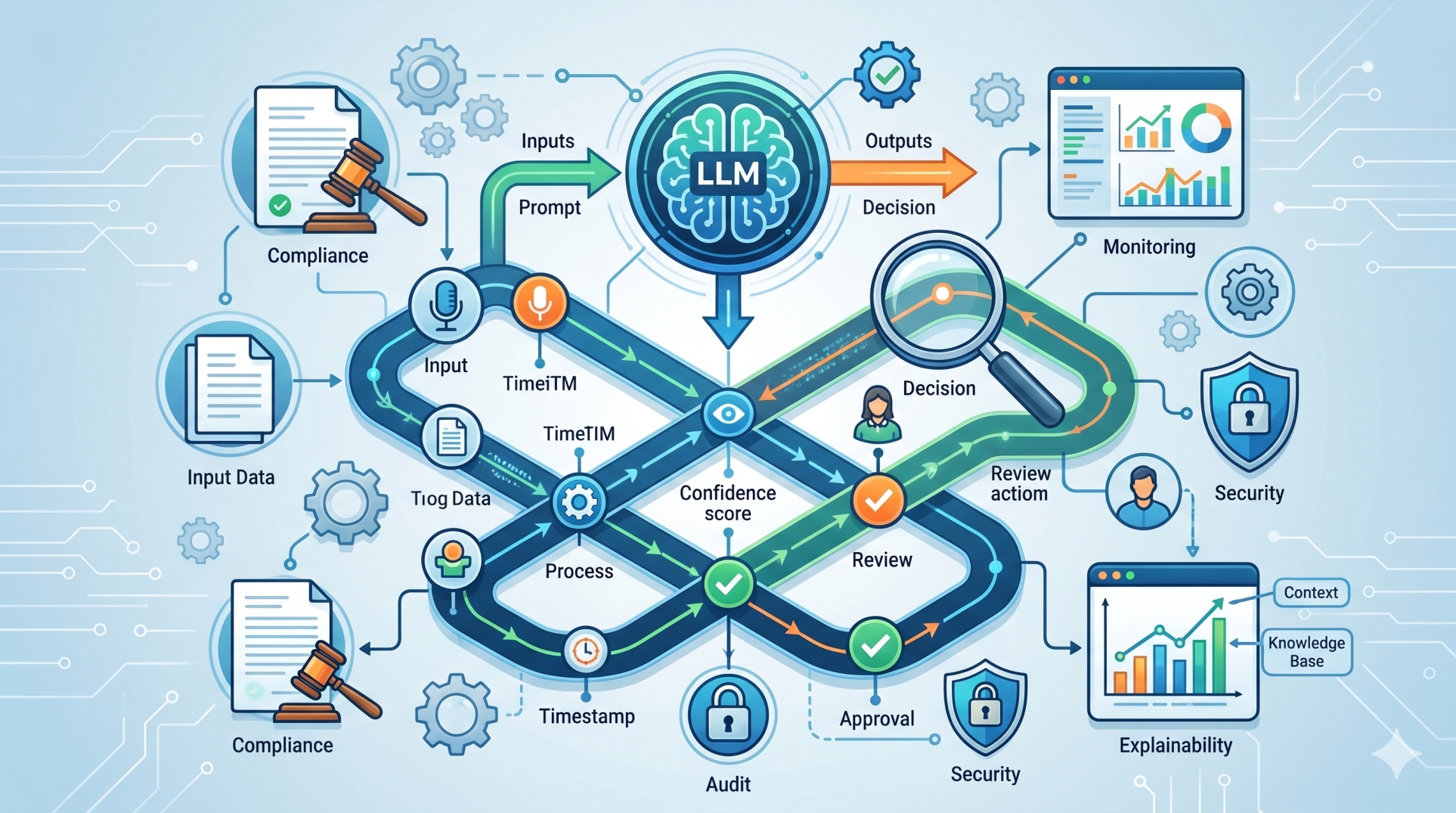
• Protects personal and sensitive data 🔐
• Ensures transparency and informed consent in data usage 📜
• Follows established review and approval procedures 🧾
• Promotes trust through responsible and ethical AI practices 🤝
🏥 Applying AI Design in Healthcare
• Enhances datasets with clinical indicators and biomarkers 🧬
• Supports diagnostics, patient monitoring, and treatment decisions 🩺
• Improves outcomes while maintaining patient safety ❤️
• Strengthens healthcare expertise rather than replacing it 👩⚕️👨⚕️
🎯 Final Thoughts
Designing AI for real-world problem solving goes beyond technical implementation. By setting clear goals, managing data responsibly, addressing ethical considerations, and following a structured design approach, organizations can develop AI systems that deliver reliable and impactful results. Thoughtful AI design ensures technology complements human capabilities while aligning with real-world requirements and societal values 🌍✨.
See more blogs
You can all the articles below