Designing Advanced LLM Architectures with Modular and Explainable AI
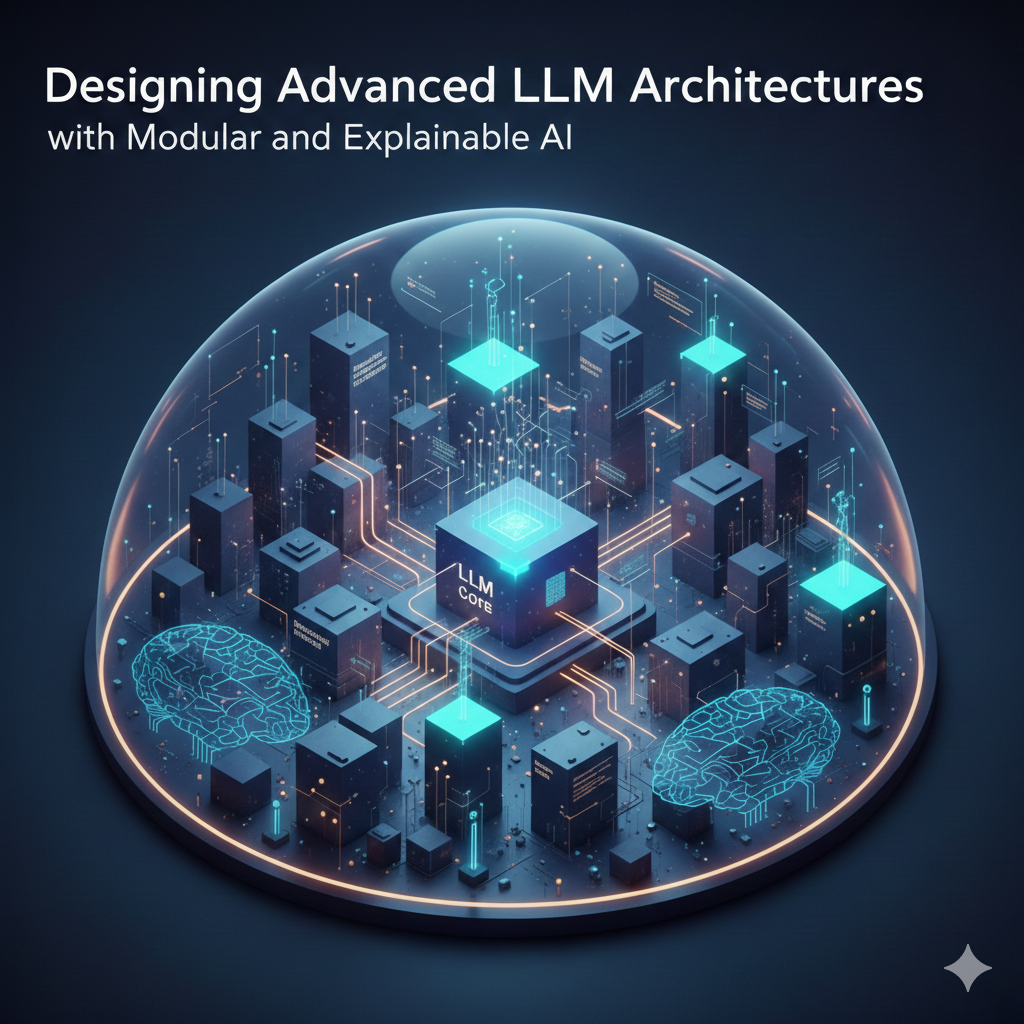
Designing Advanced LLM Architectures with Modular and Explainable AI
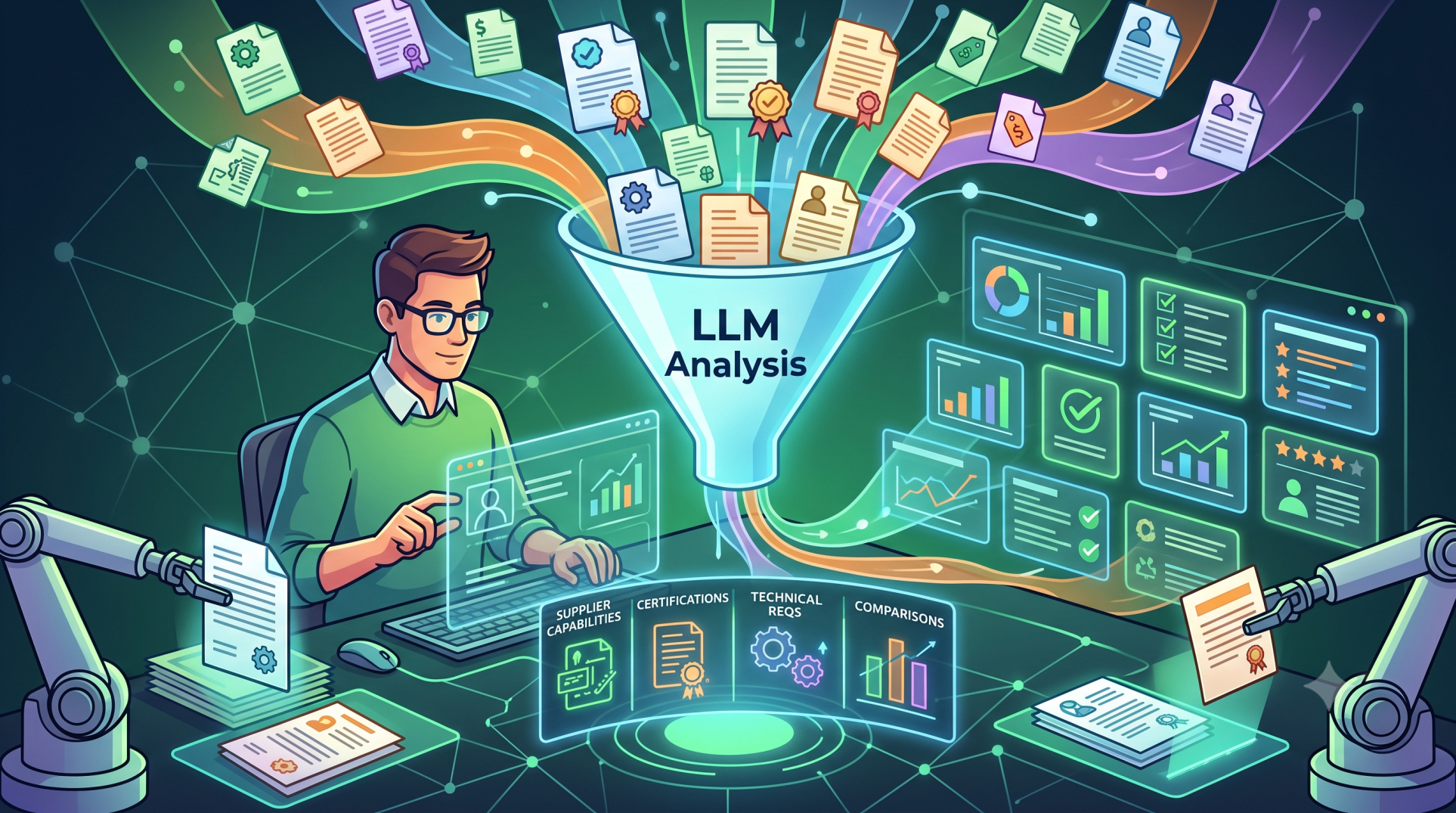
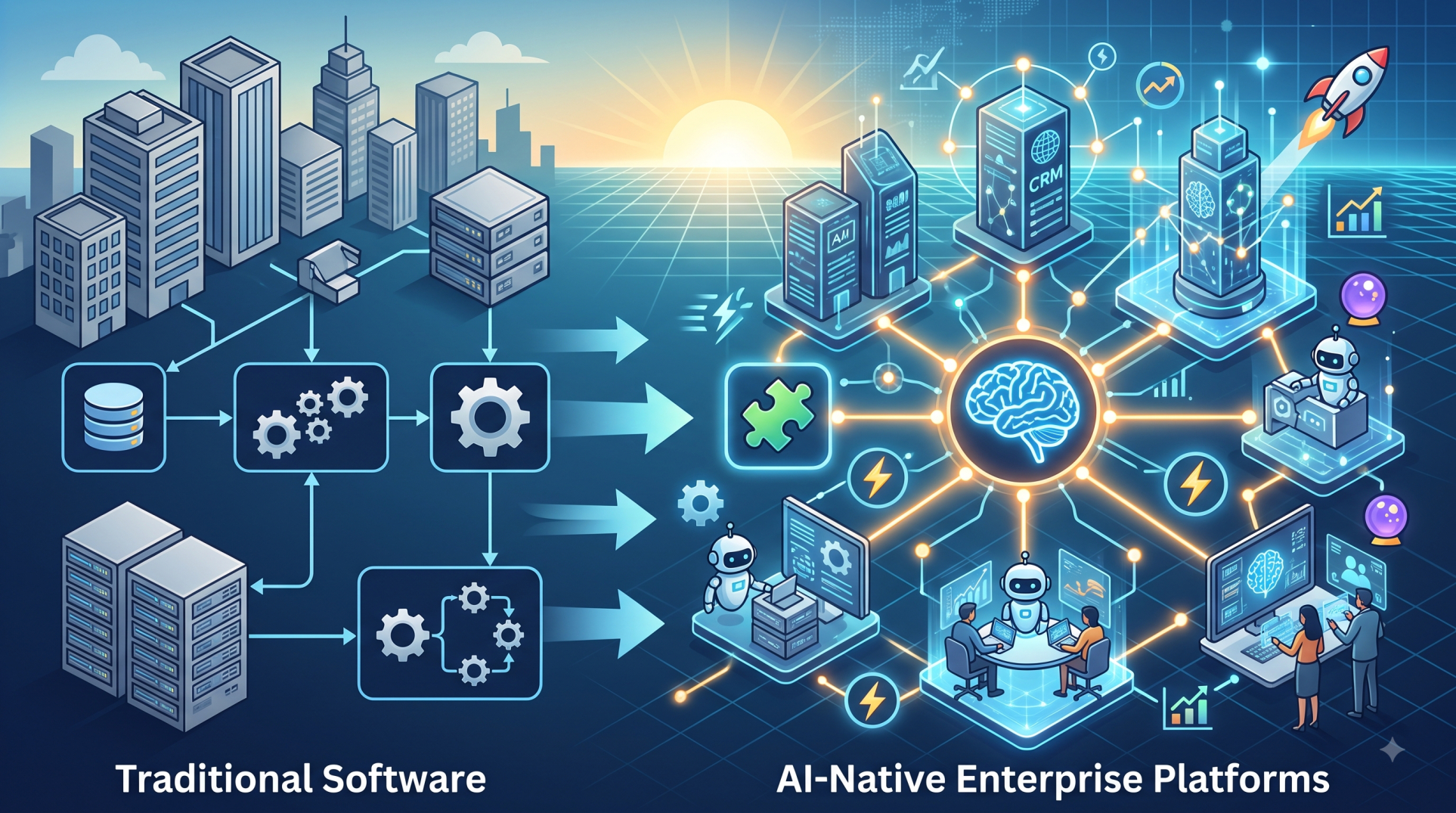
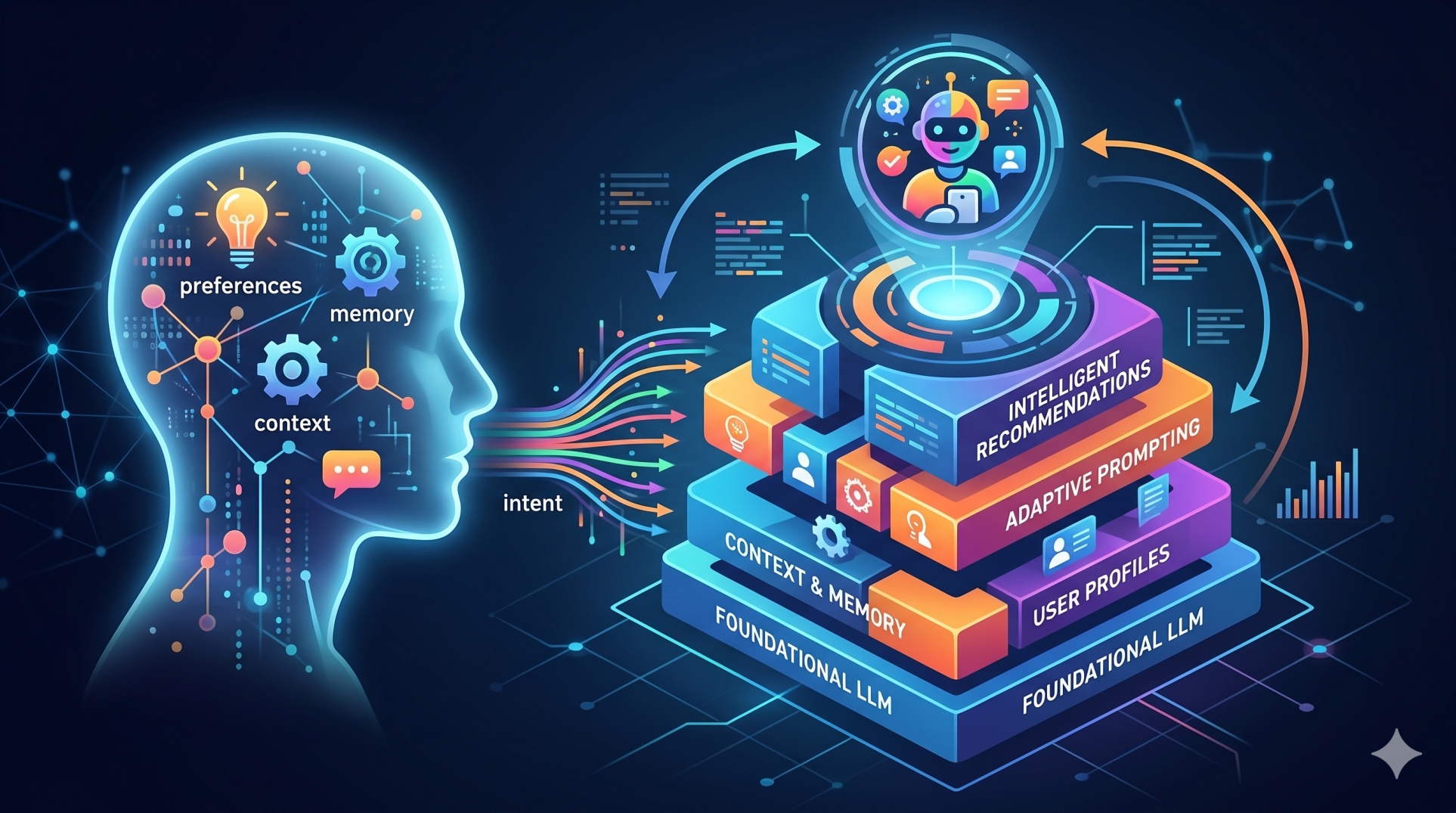
As LLM software transitions from prototypes to production, architecture becomes a primary differentiator. Rather than scaling a single, monolithic model, leading AI systems adopt modular, multi-model designs that deliver better accuracy, scalability, and explainability—especially in regulated or high-stakes domains like healthcare. 🏥
Why a Single Model Often Falls Short ⚠️
Early AI solutions typically start with one baseline model, but limits emerge quickly. 🚧
• Performance gains plateau after a point 📉
• Increasing model size alone rarely fixes domain-specific challenges 🧩
• Complex problems demand structure, not just scale 🏗️
At this stage, architectural innovation offers more value than swapping models. 💡
Improving Results Through System Design ⚙️
Performance can be elevated without discarding the base model. 🚀
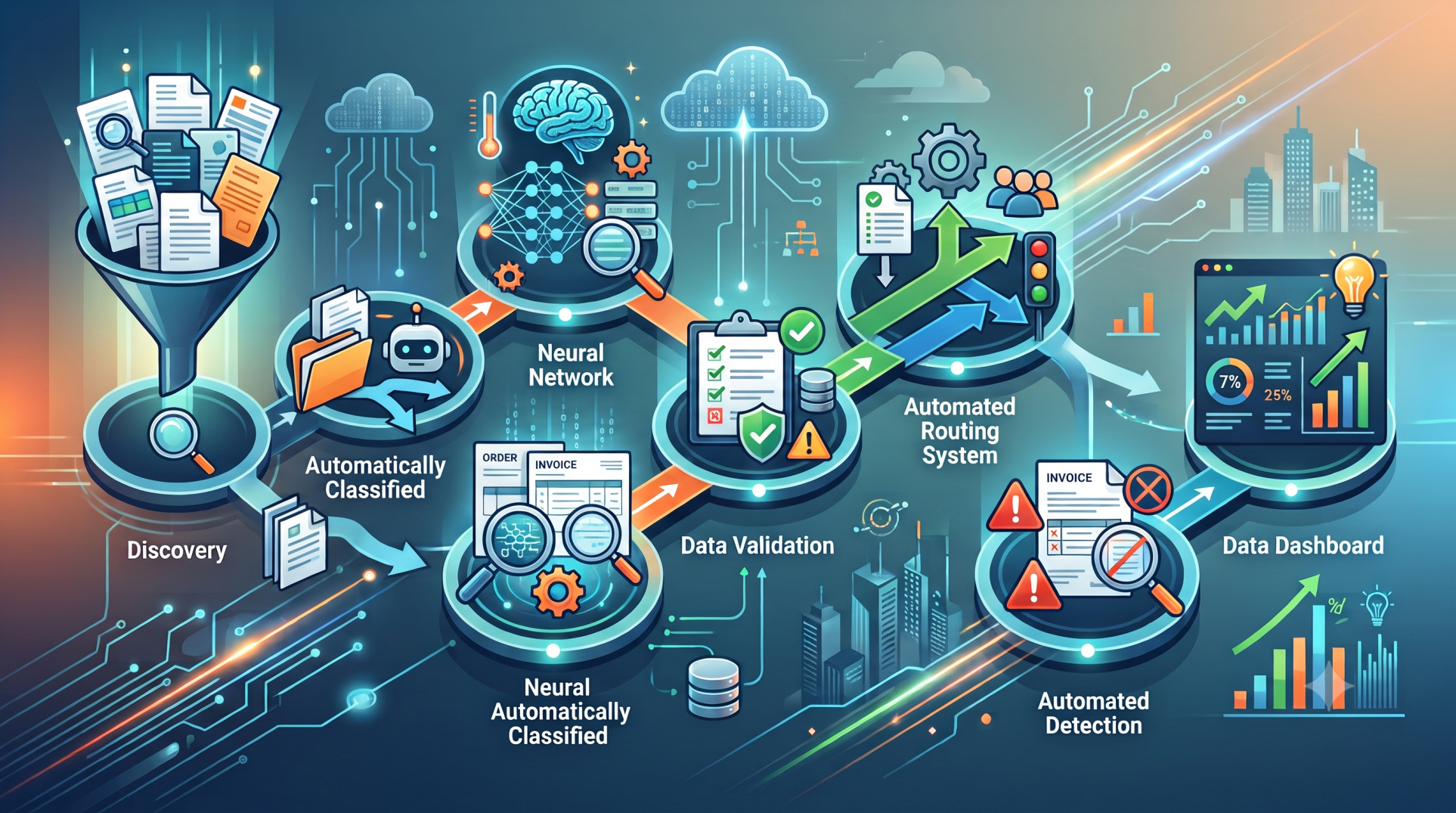
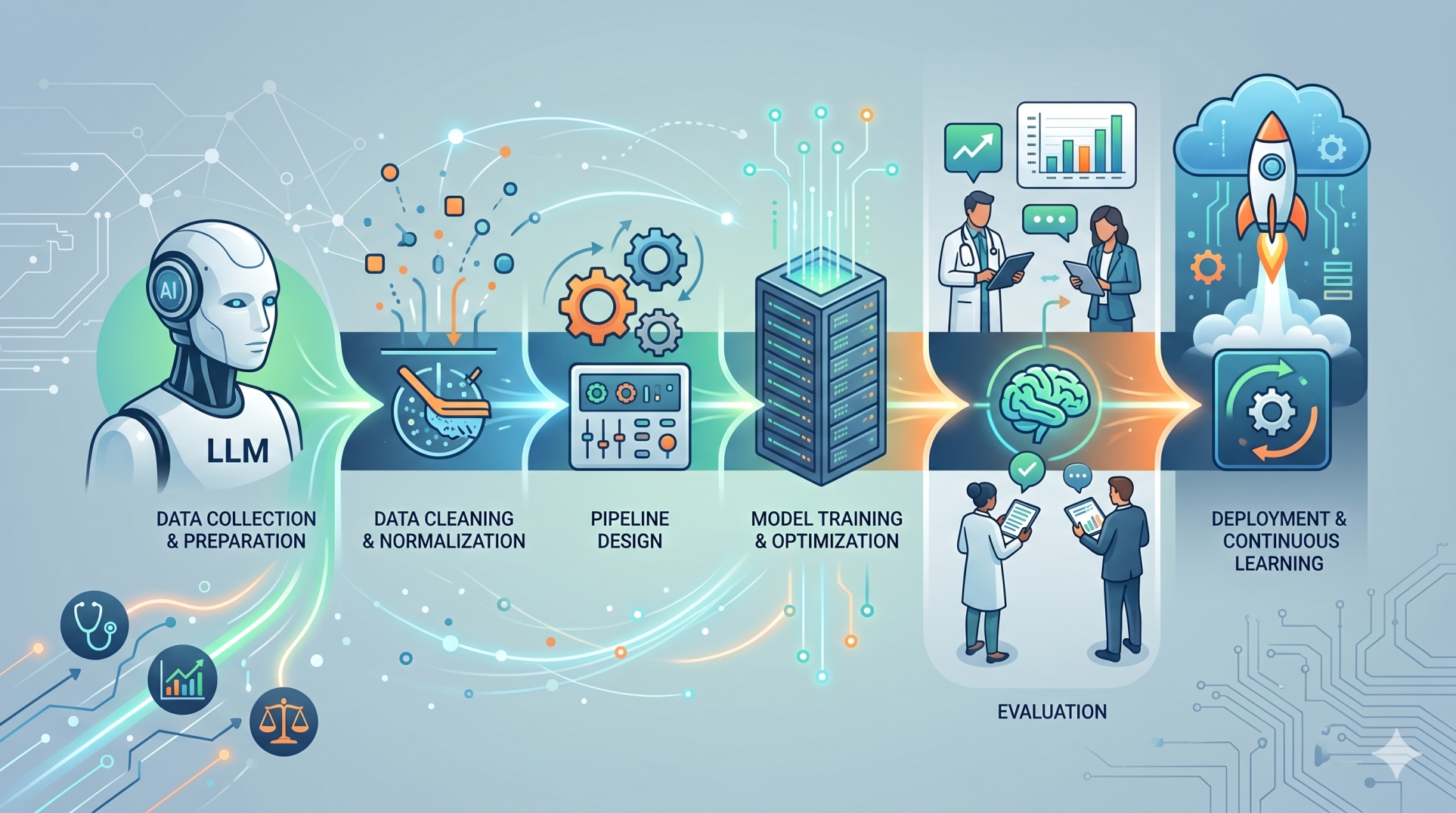
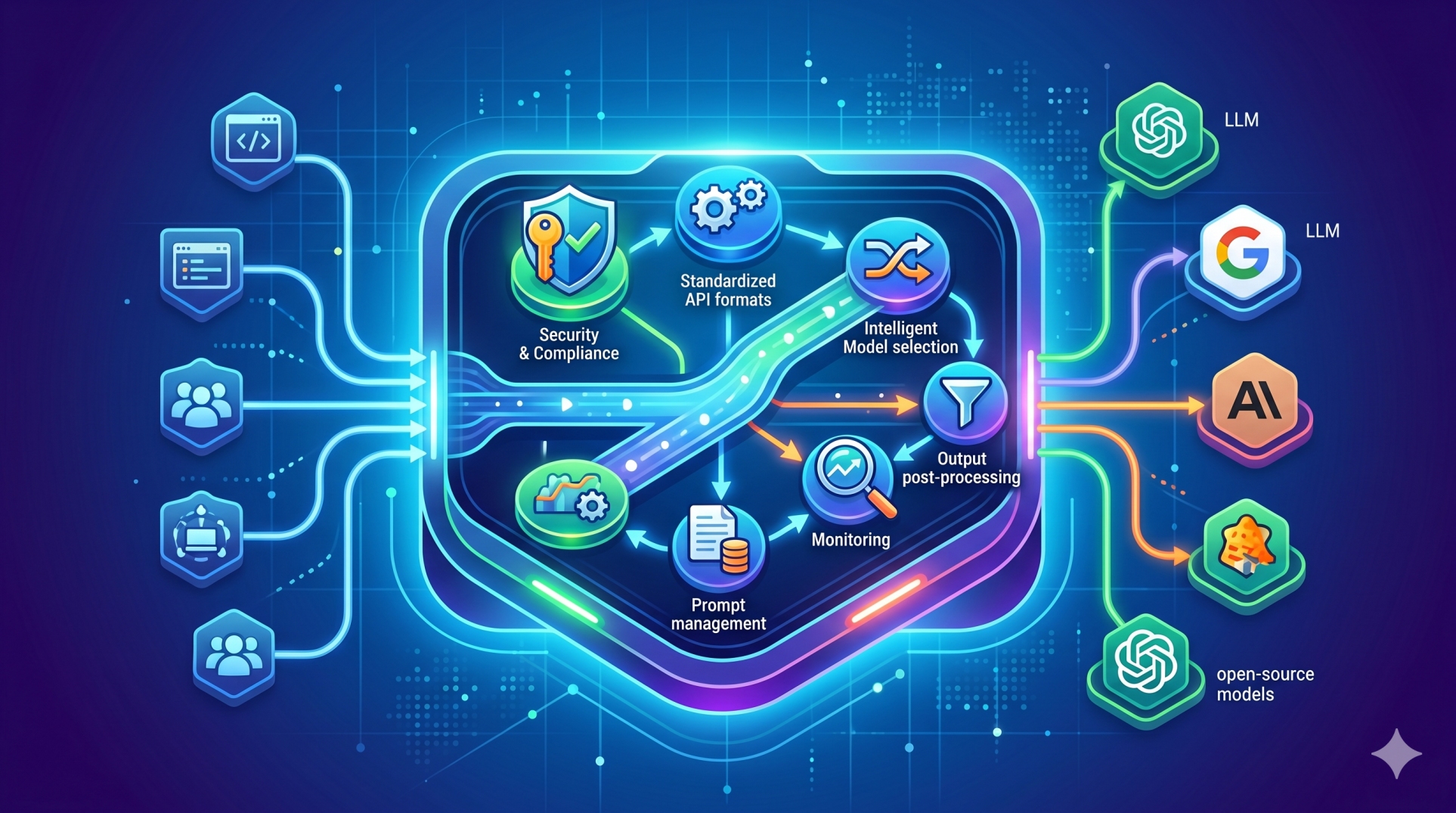
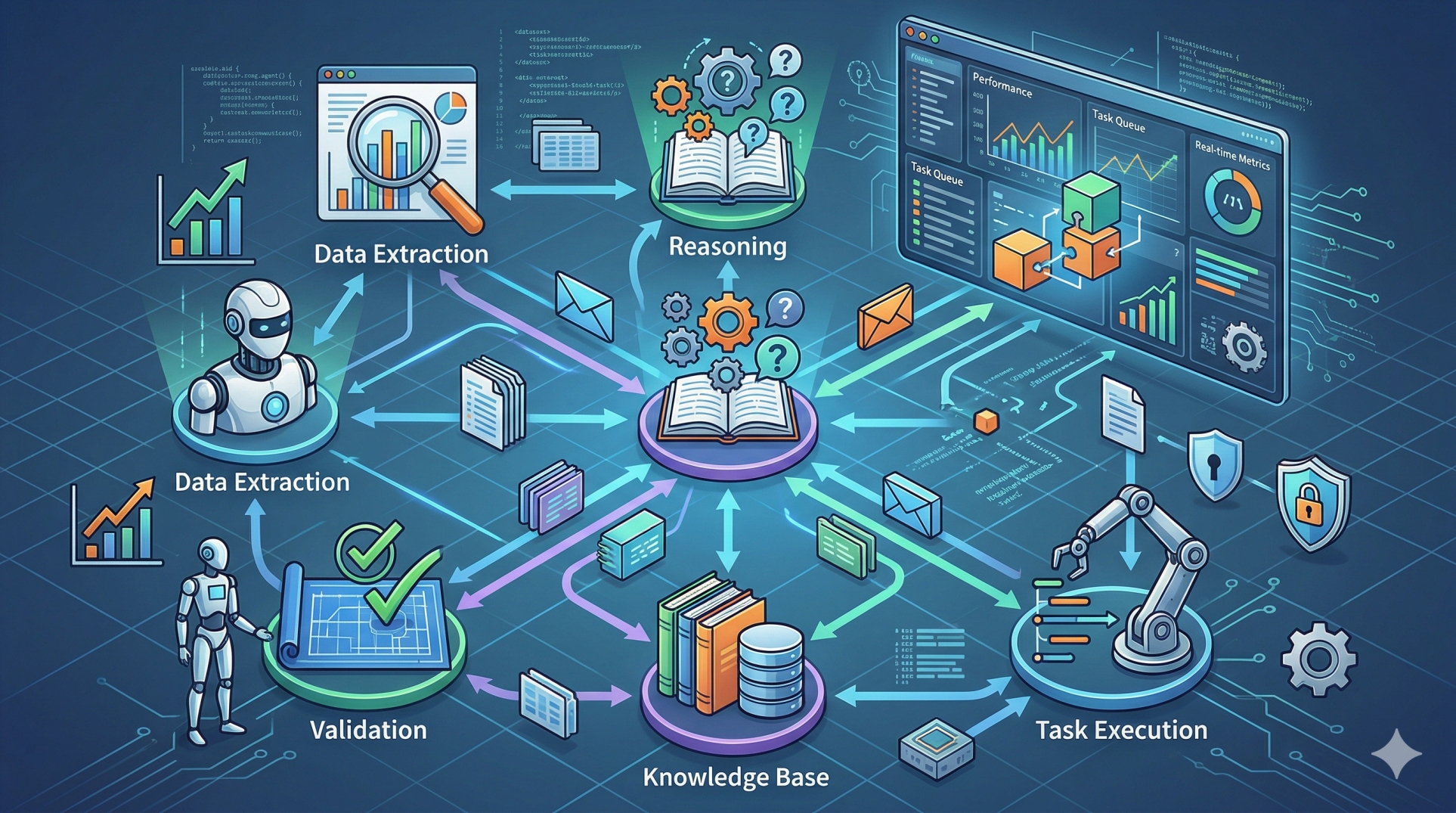
• Orchestrating multiple models into a cohesive system 🔗
• Applying domain-aware preprocessing steps 🧠
• Expanding effective data via augmentation 📊
• Reusing knowledge through transfer learning ♻️
Together, these techniques strengthen robustness while preserving proven foundations. 🛡️
Domain-Inspired Architecture as a Design Strategy 🧩
High-performing systems often mirror how experts understand the domain. 👨⚕️
• Use subject-matter knowledge to shape the architecture 📚
• Align AI components with functional roles in the domain 🏢
• Fuse outputs to identify system-level changes or anomalies 🔍
Embedding domain logic into the architecture improves relevance and reliability. ✅
Modular Networks for Richer Insights 🧱
Modularity replaces opacity with clarity. 🔎
• Specialized networks focus on distinct signal types 🎯
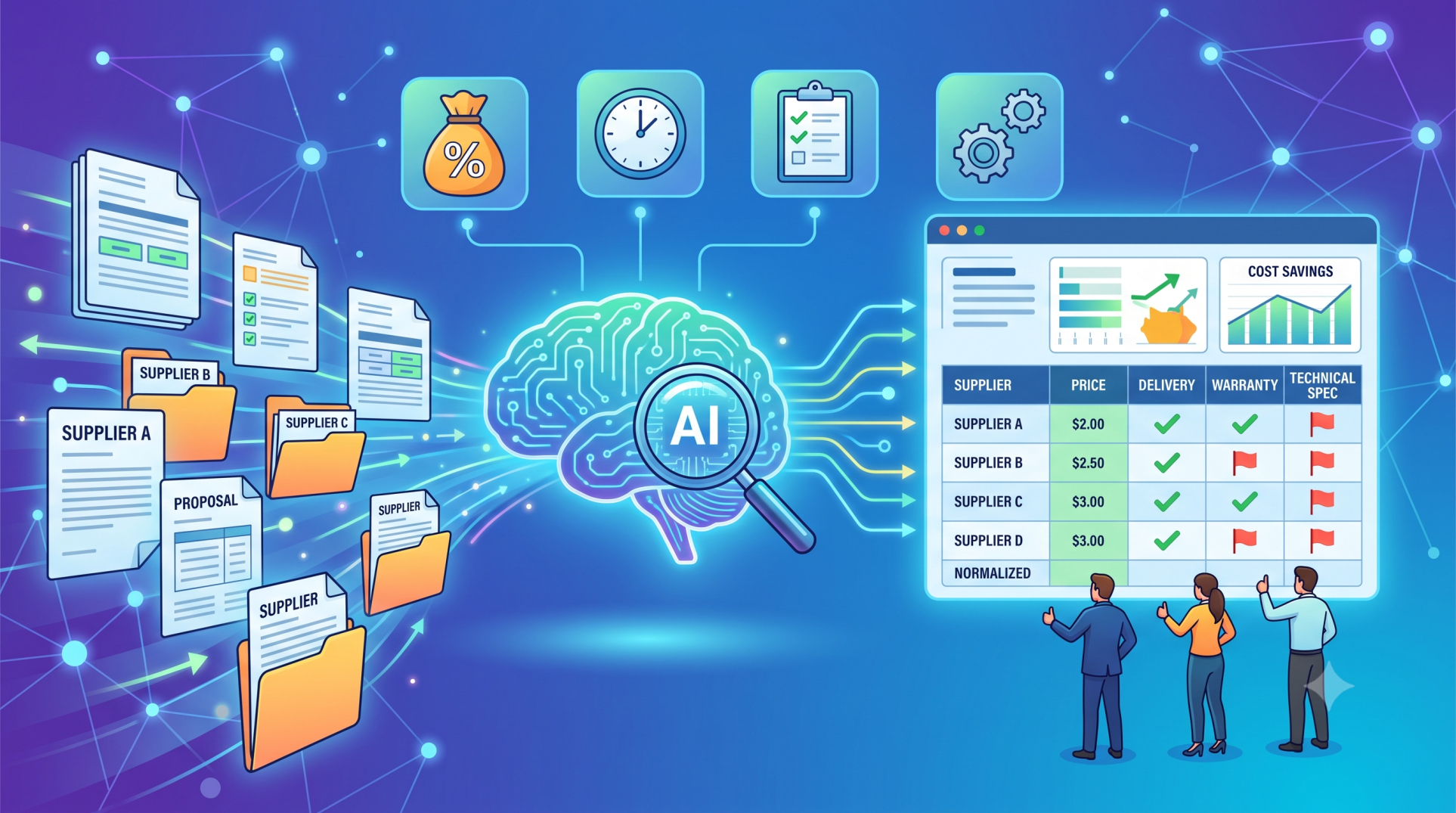
• Outputs are combined to form multidimensional representations 📐
• Subtle, long-term trends become detectable 📈
• Interpretability improves compared to black-box models 🧠
This enables reasoning across dimensions—not just averages. 🌐
Managing Long and Continuous Inputs ⏱️
Real-world data is often long-form and continuous. 🌊
• Inputs may exceed model context limits 🚫
• Segmenting data enables scalable processing 🧩
• Aggregating segment-level outputs reveals temporal patterns 📊
This approach allows LLM systems to operate efficiently on streams like audio or video. 🎥
Blending General and Task-Specific Features ⚖️
Strong architectures balance breadth and precision. 🎯
• General features transfer across tasks and domains 🌍
• Task-specific features capture local context and nuance 🔍
Systems that blend both achieve higher performance and adaptability. 🚀
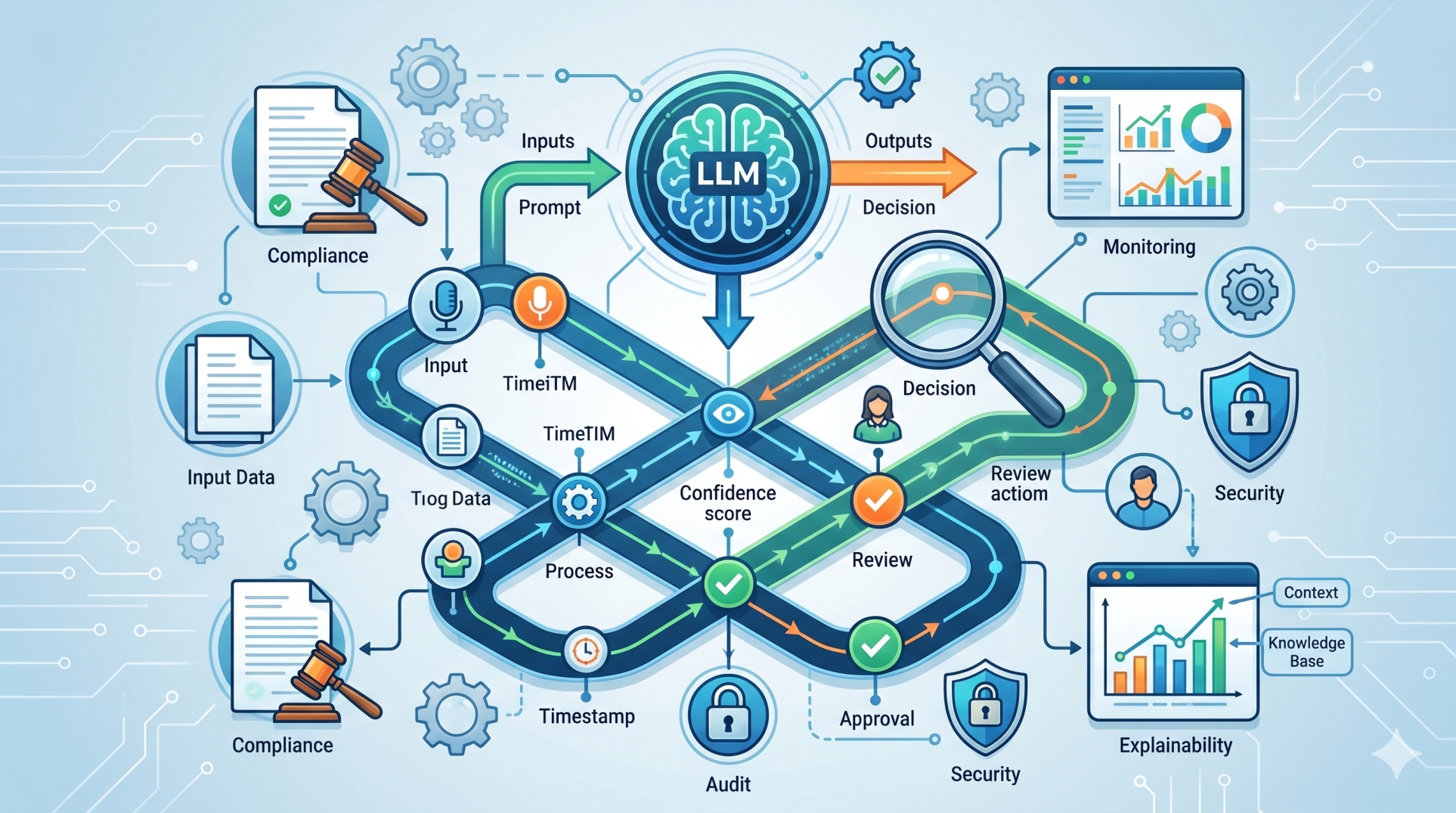
Making Explainability a First-Class Goal 🔍
Accuracy alone doesn’t ensure adoption. ⚠️
• Black-box systems hinder trust and deployment 🚫
• Structured designs clarify how decisions are made 🧠
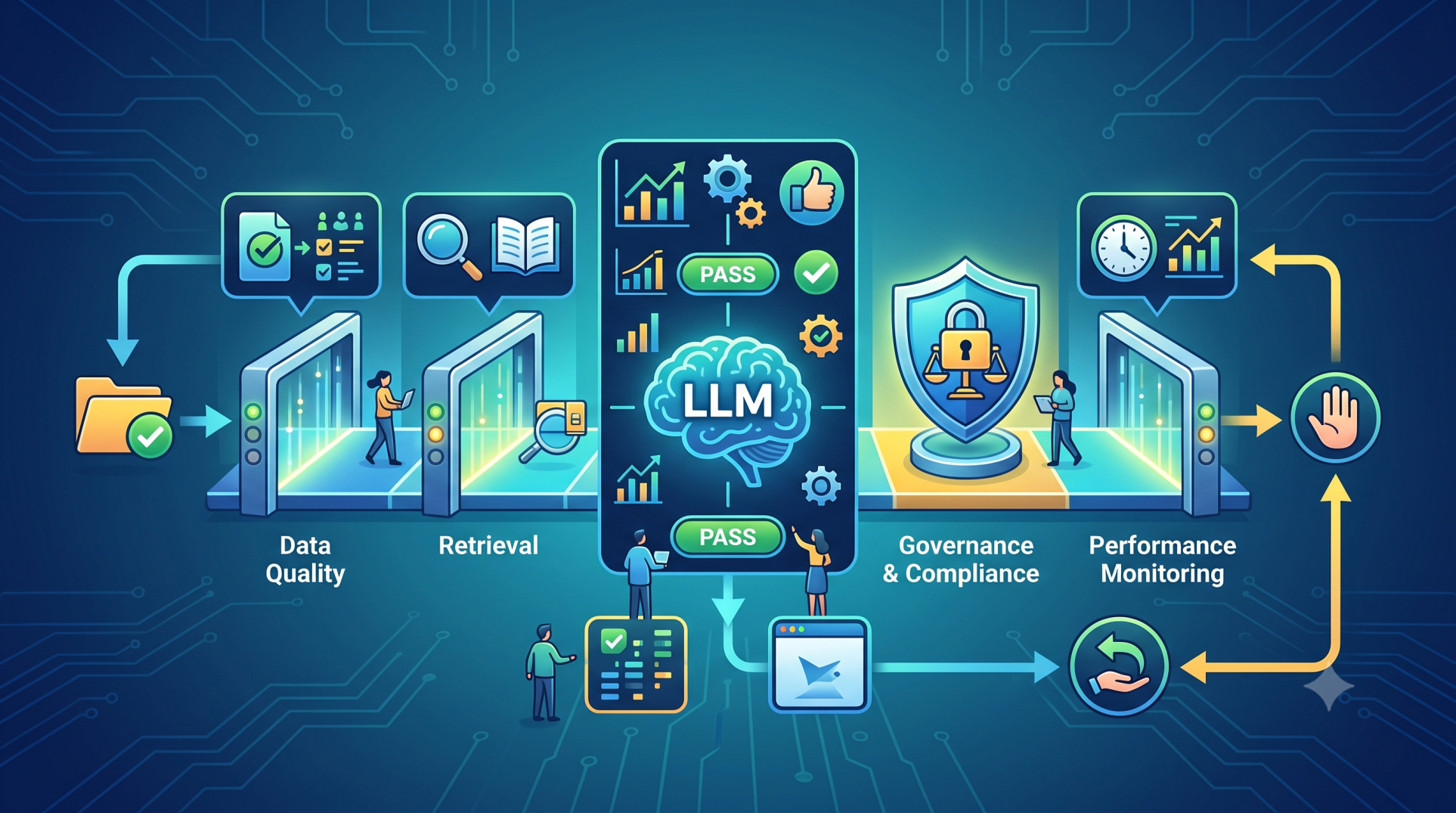
• Explainability supports compliance and user confidence 📜
Designing for transparency early reduces downstream risk. 🛡️
What This Means for LLM Platforms 🧠
For teams building LLM products: 🚀
• Architecture is a core intellectual property asset 🏛️
• Domain-aware designs outperform generic pipelines 🧩
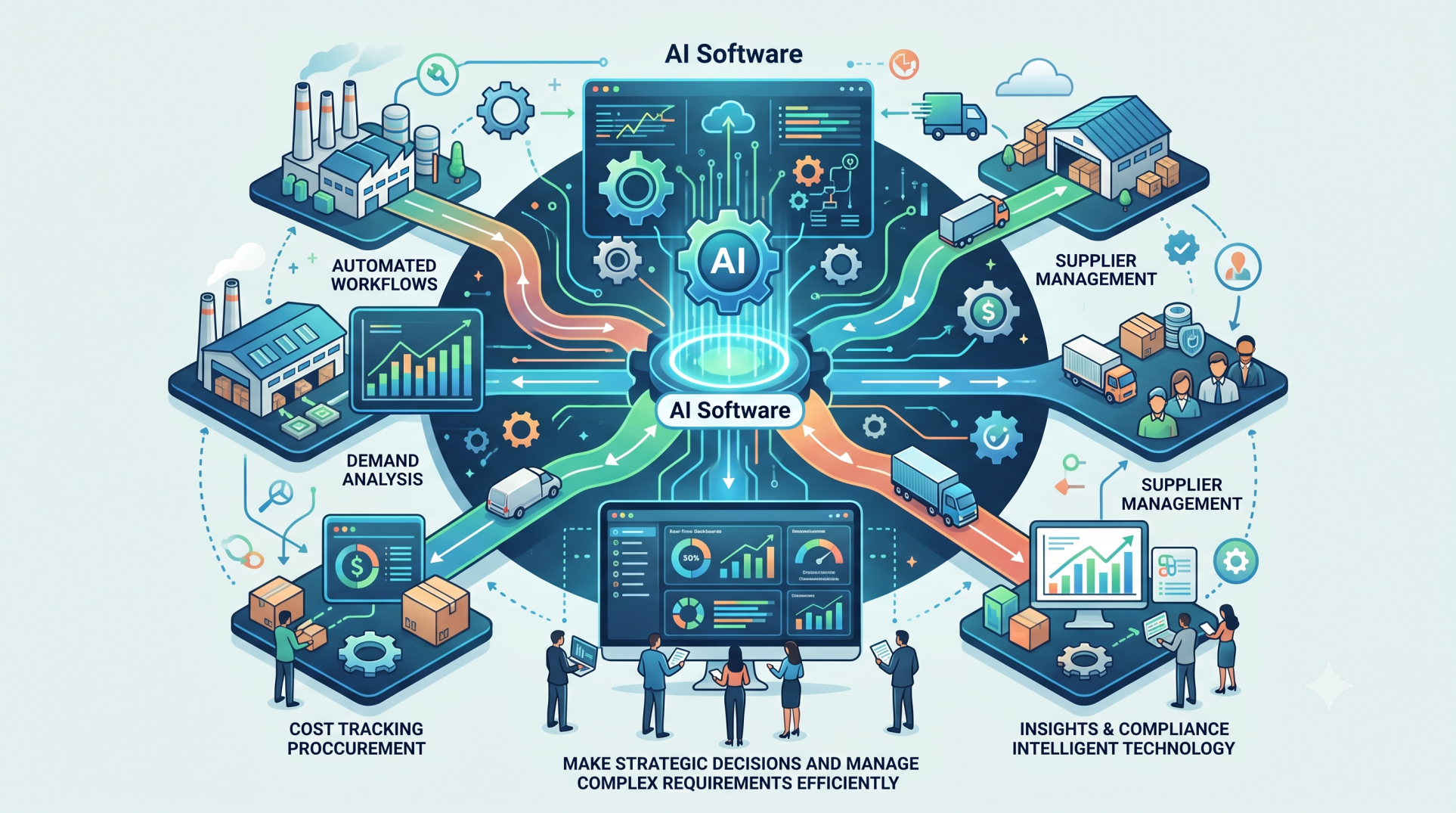
• Modularity simplifies scaling and maintenance 🔄
• Explainability accelerates adoption in regulated settings ⚖️
Success depends more on system design than sheer model size. 📐
Conclusion 🏁
The greatest impact in modern LLM software comes from thoughtful architecture. By combining proven base models with modular components, domain-informed structure, and built-in explainability, teams can move beyond baseline accuracy to deliver scalable, interpretable, and production-ready AI. These Stage III architectural decisions—centered on IP and system composition—often determine whether an LLM becomes a real product or remains an experiment. 🚀
See more blogs
You can all the articles below