Building Scalable LLM Systems with Trusted Deep Learning Architectures

Building Scalable LLM Systems with Trusted Deep Learning Architectures
When creating production-ready LLM and AI platforms, success is rarely about inventing brand-new neural networks. More often, it comes from how proven models are selected, structured, and deployed at scale. A practical and scalable approach is to rely on trusted architectures—such as Residual Networks (ResNets)—and integrate them thoughtfully across the entire AI pipeline.
1. Why Architecture Choices Matter in LLM Development
Modern AI systems must balance innovation with reliability ⚖️.
• Proven architectures are stable and battle-tested 🛡️
• They work seamlessly with frameworks like PyTorch and TensorFlow 🧩
• Model upgrades can be done with minimal refactoring 🔄
• Teams can focus on system design instead of low-level experiments 🧠
This approach reduces risk while accelerating development timelines 🚀.
2.An IP-Driven Approach to AI System Design
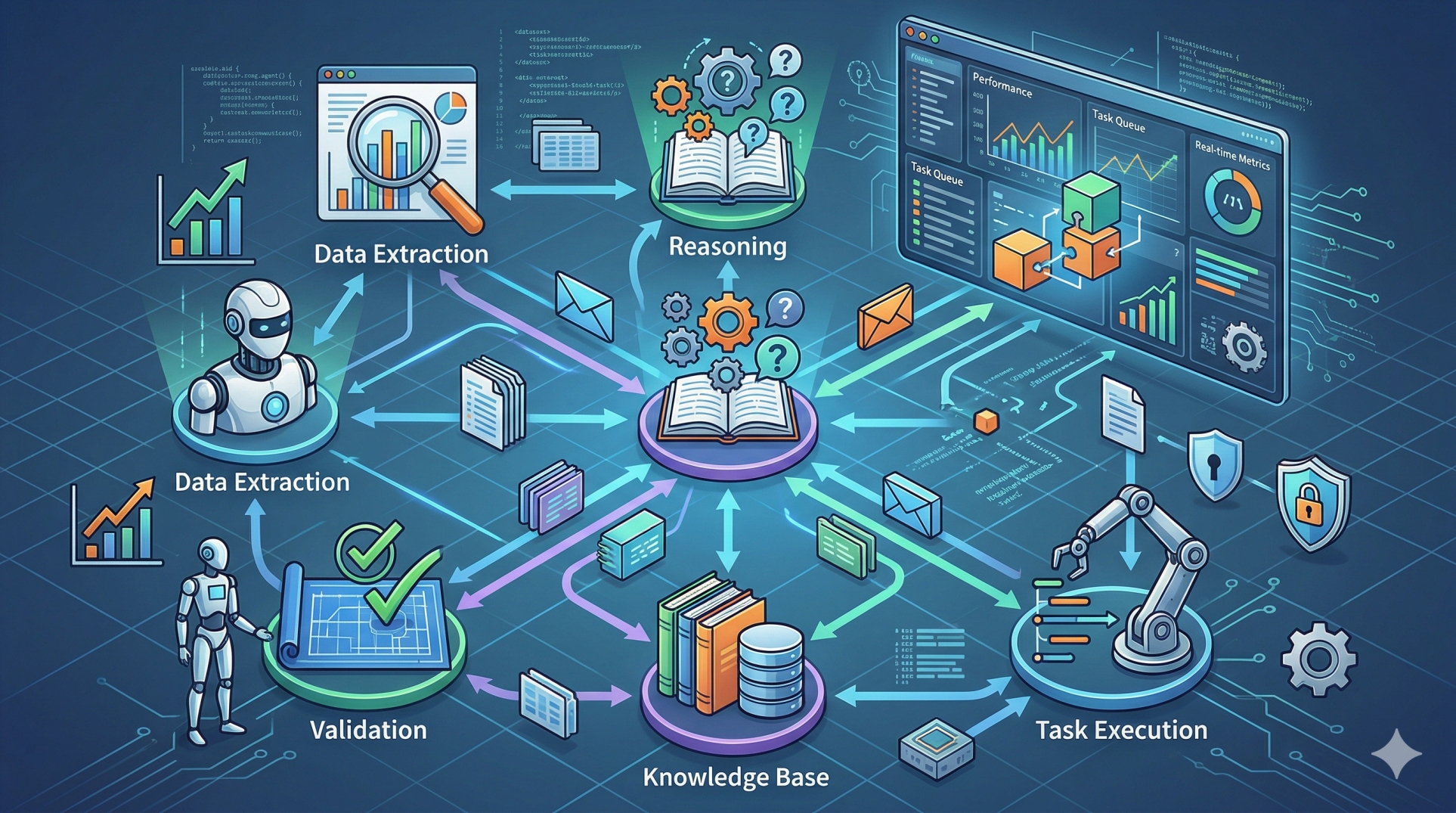
Rather than building new models from scratch, many teams focus on how models are reused and orchestrated 🔁.
• Use a common model type across multiple components 🧱
• Simplify benchmarking and performance evaluation 📊
• Enable faster iteration at the system level ⚡
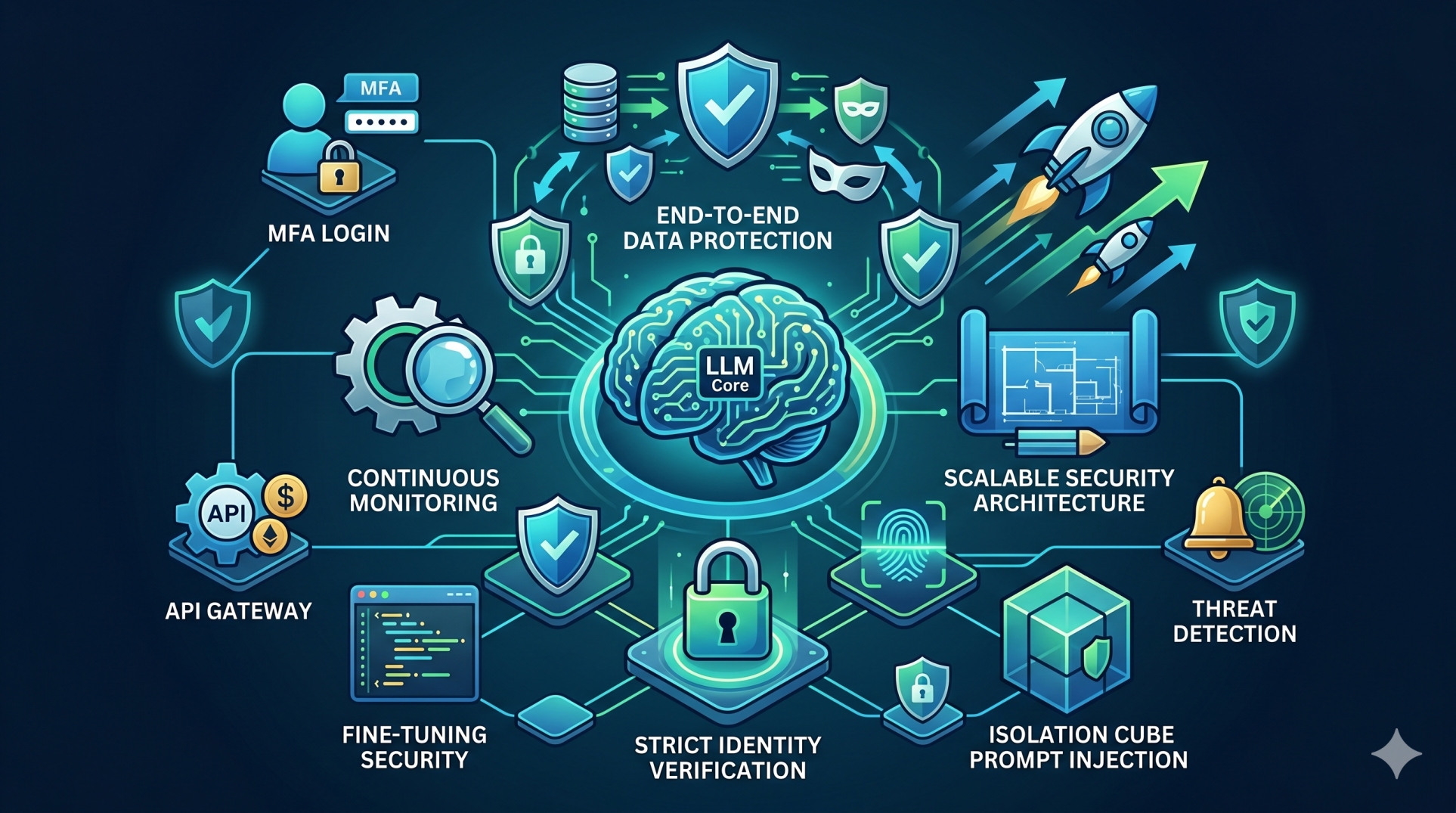
• Protect intellectual property through architecture and orchestration 🔐
In this model, innovation comes from system design rather than novel algorithms 🏗️.
3. Why Residual Networks Are a Strong Foundation
ResNets introduced architectural concepts that allow deeper and more reliable models 📐.
• Skip connections help information flow across layers 🔗
• Reduce performance degradation in deep networks 📉
• Address vanishing gradient issues 🌊
• Enable deeper models to outperform simpler ones 🏆
These characteristics make ResNets a dependable base for complex AI pipelines 🧱.
4. Using ResNets Beyond Computer Vision
Although widely known for image processing, ResNets are highly flexible 🔄.
• Applicable to audio and signal-processing tasks 🎧
• Useful for feature extraction in multimodal systems 🧬
• Consistent performance across diverse data types 📚
• Modular enough to fit into larger AI architectures 🧩
This flexibility is valuable for LLM platforms combining text, speech, and other inputs 🗣️✍️.
5. Base Models as a Strategic Advantage
Starting with a reliable baseline model strengthens system design decisions 🏗️.
• Trusted architectures act as stable reference points 📍
• Improvements can be measured objectively 📐
• Prevents unnecessary complexity in early stages 🧘
• Enables consistent comparison across iterations 🔁
Strong baselines support both technical clarity and competitive positioning 🎯.
6. Knowing When Custom Models Make Sense
Building custom architectures should be intentional, not automatic ⚠️.
• Consider custom models only when existing ones reach limits 🚧
• Ensure sufficient data, compute, and experimentation capacity 💻
• Treat custom development as optimization, not the starting point 🎯
This disciplined approach conserves resources and lowers delivery risk 💡.
7. What This Means for LLM Software Platforms
For teams building LLM-powered products:
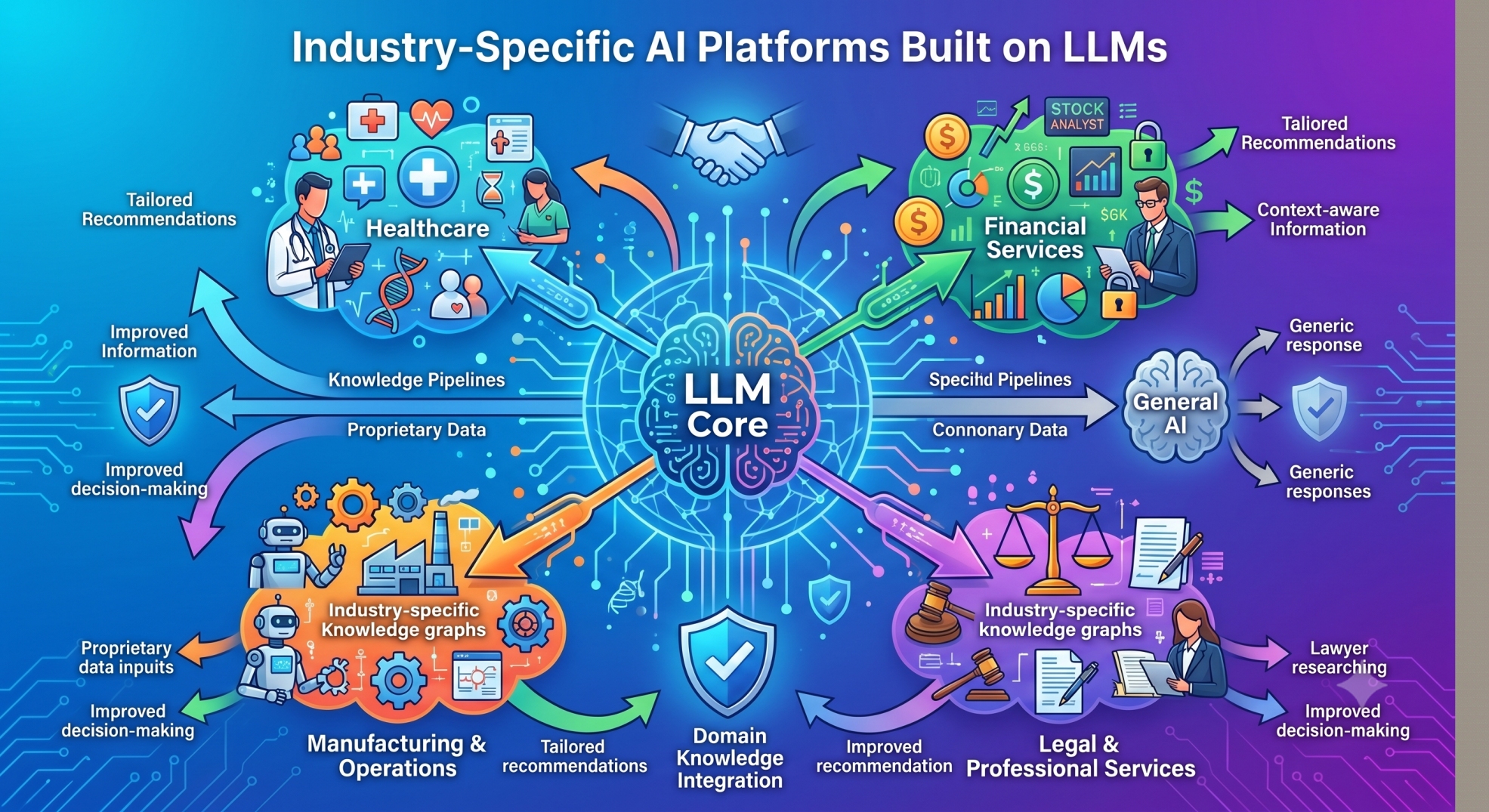
• Architecture design becomes a key differentiator 🔑
• Proven models accelerate time-to-market ⏱️
• System-level innovation often matters more than model novelty 🧠
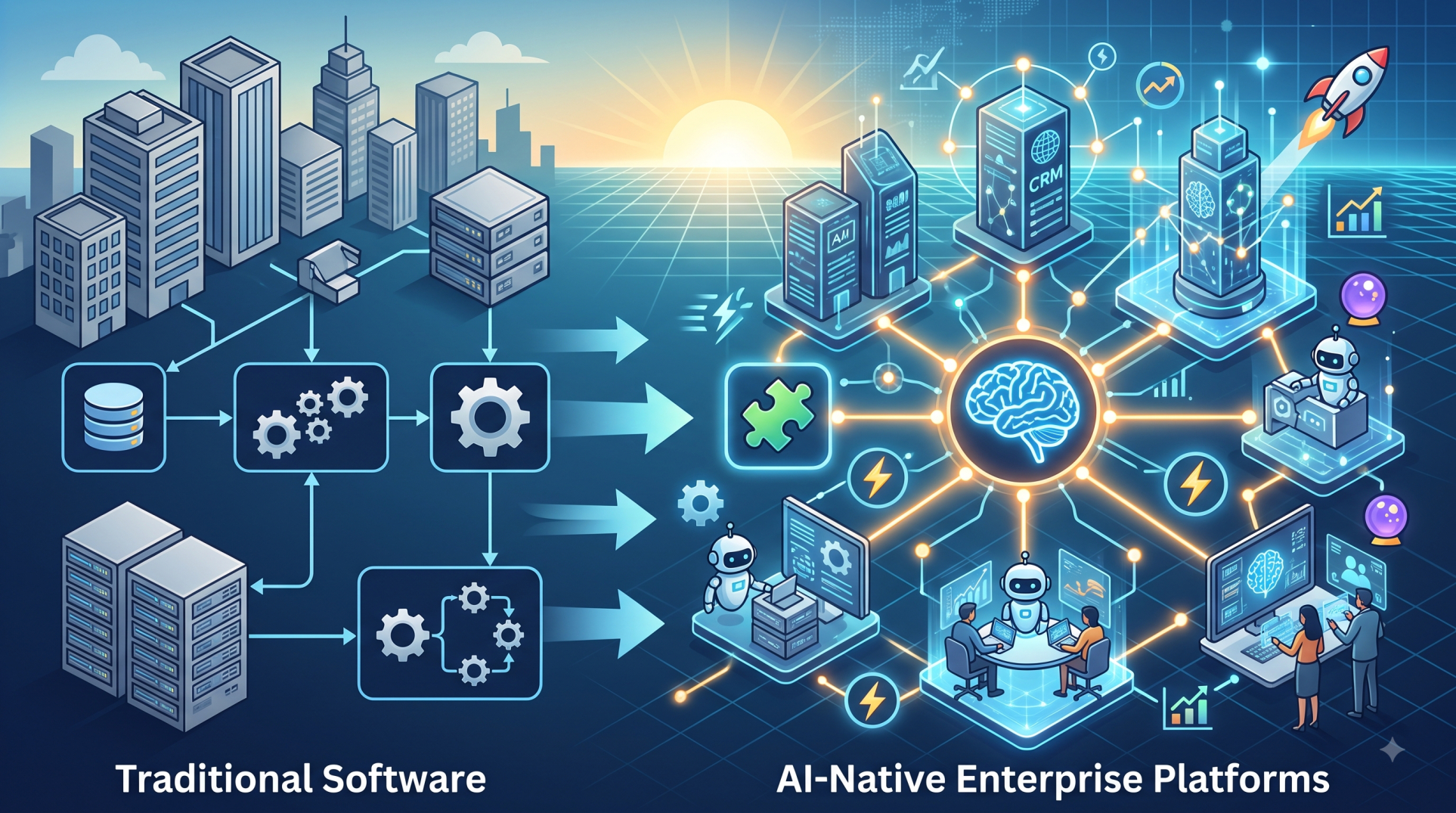
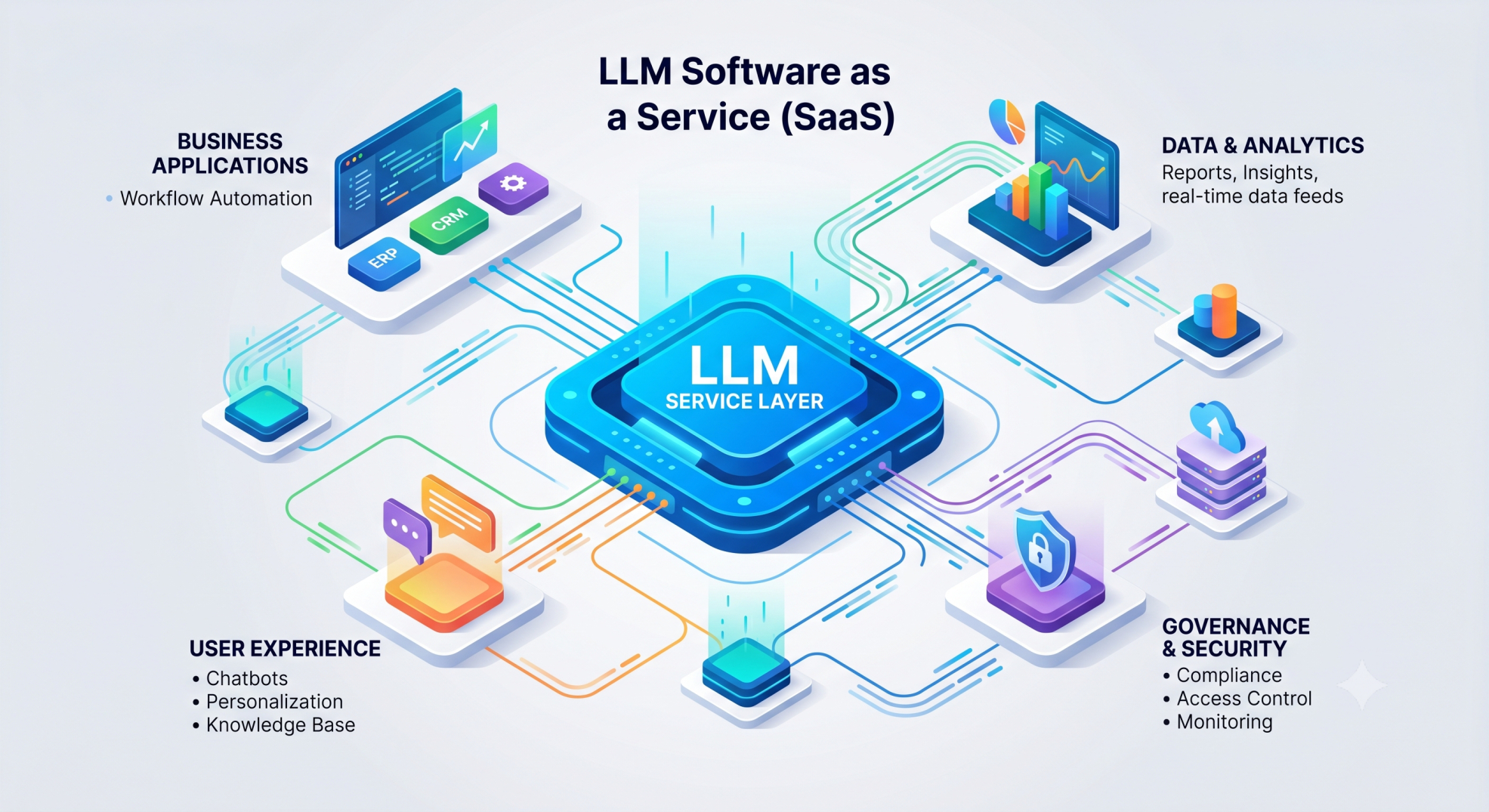
• Scalability comes from composition, not added complexity 🧱
Strong platforms combine sound engineering with strategic architecture decisions 🏛️.
🎯 Conclusion
Modern LLM systems do not require reinventing deep learning foundations. By leveraging established architectures like ResNets and focusing on how models are composed, deployed, and evaluated, teams can build scalable, reliable, and defensible AI platforms. An IP-focused strategy—rooted in strong base models and smart system design—enables faster innovation while maintaining long-term stability and flexibility 🌱.
See more blogs
You can all the articles below