Building Knowledge-Aware LLM Platforms
Building Knowledge-Aware LLM Platforms
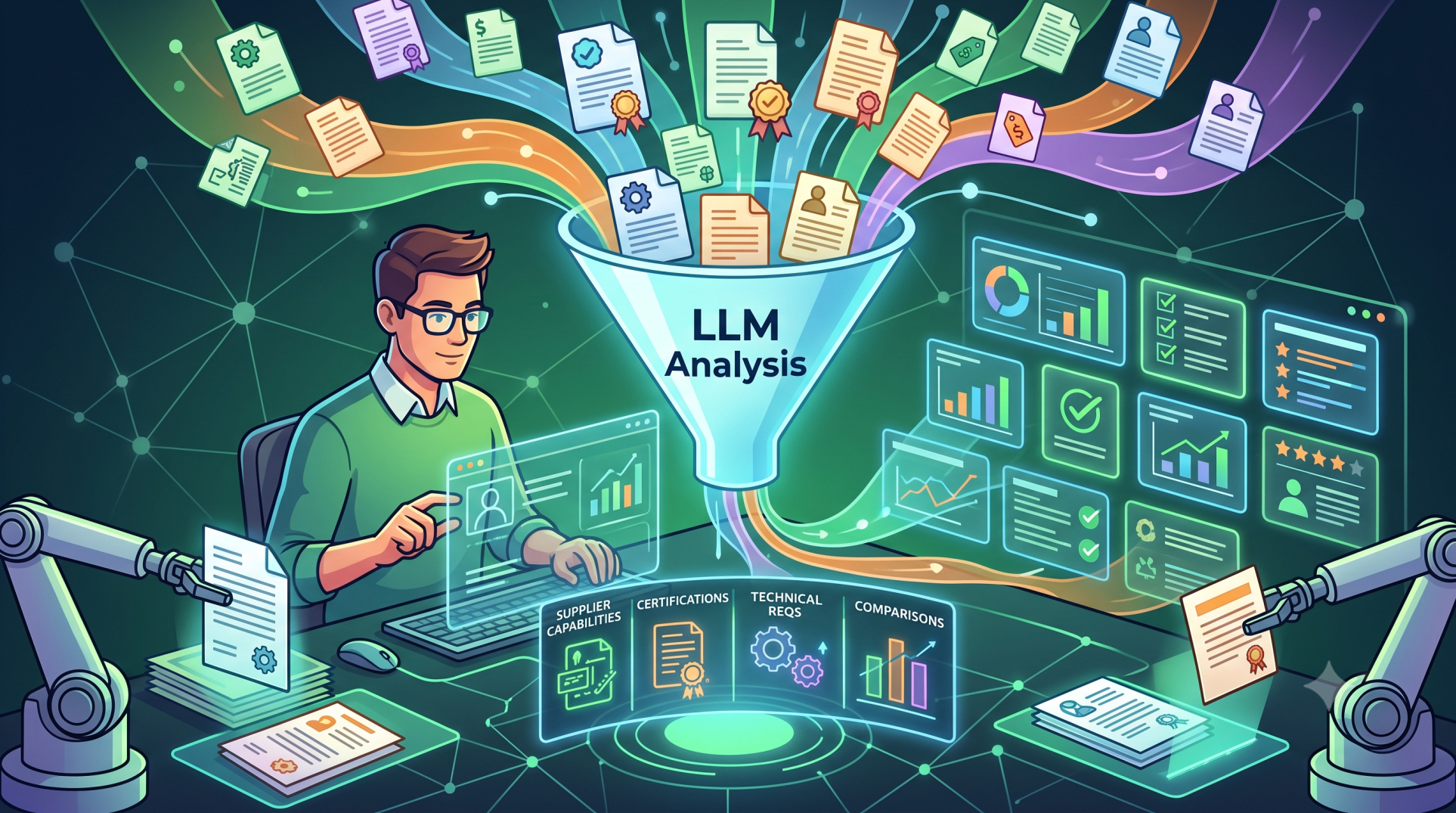
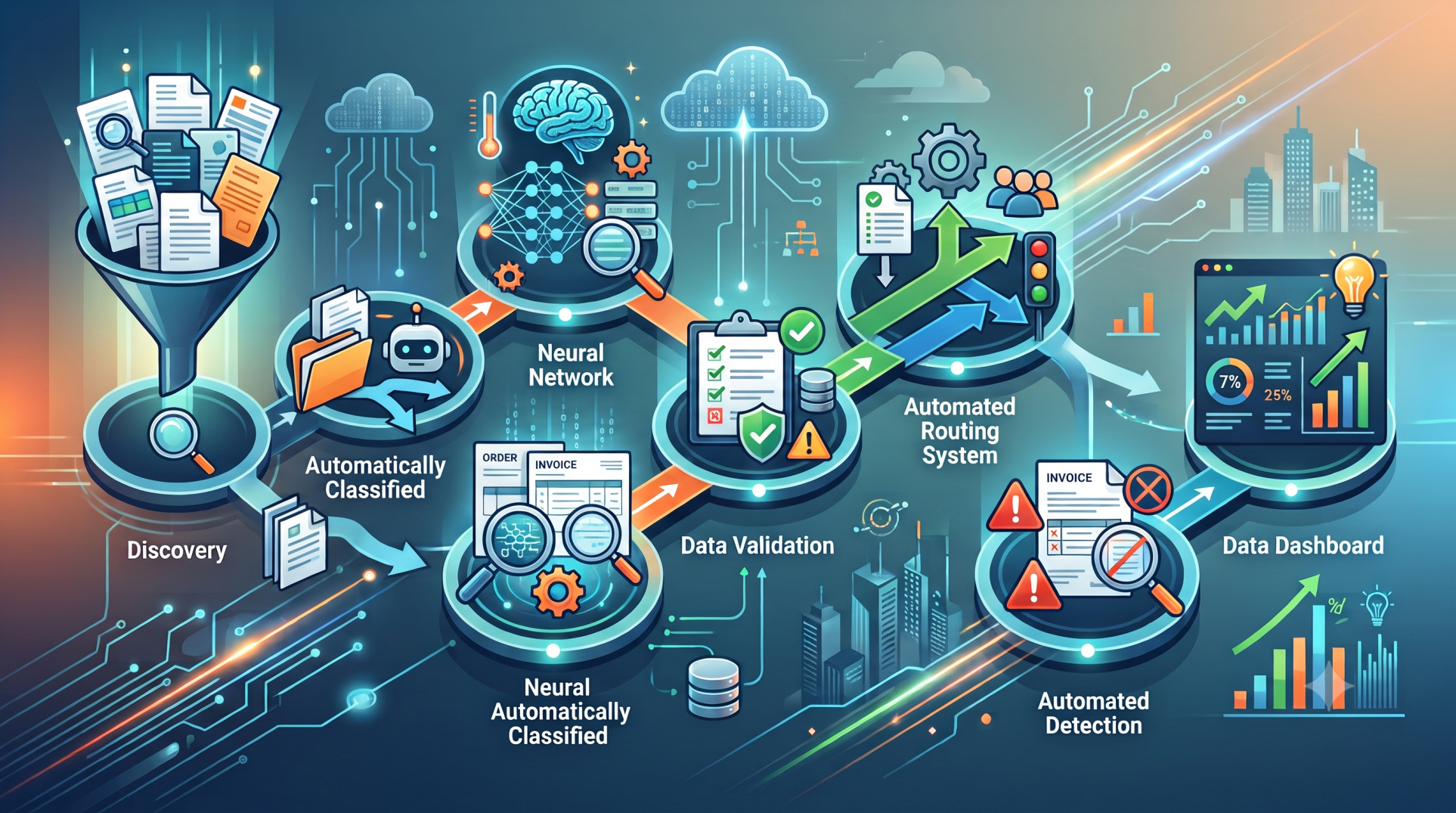
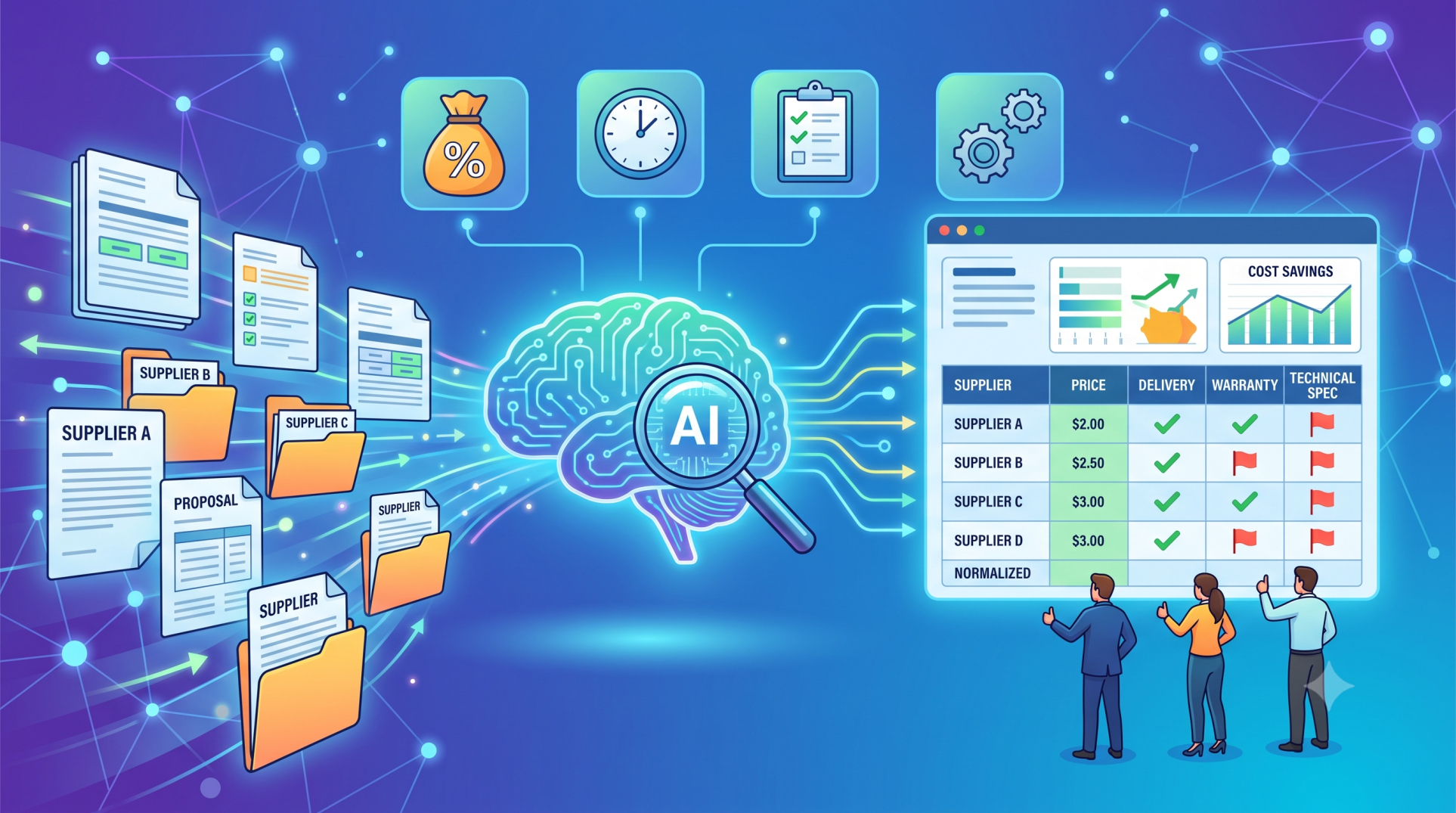
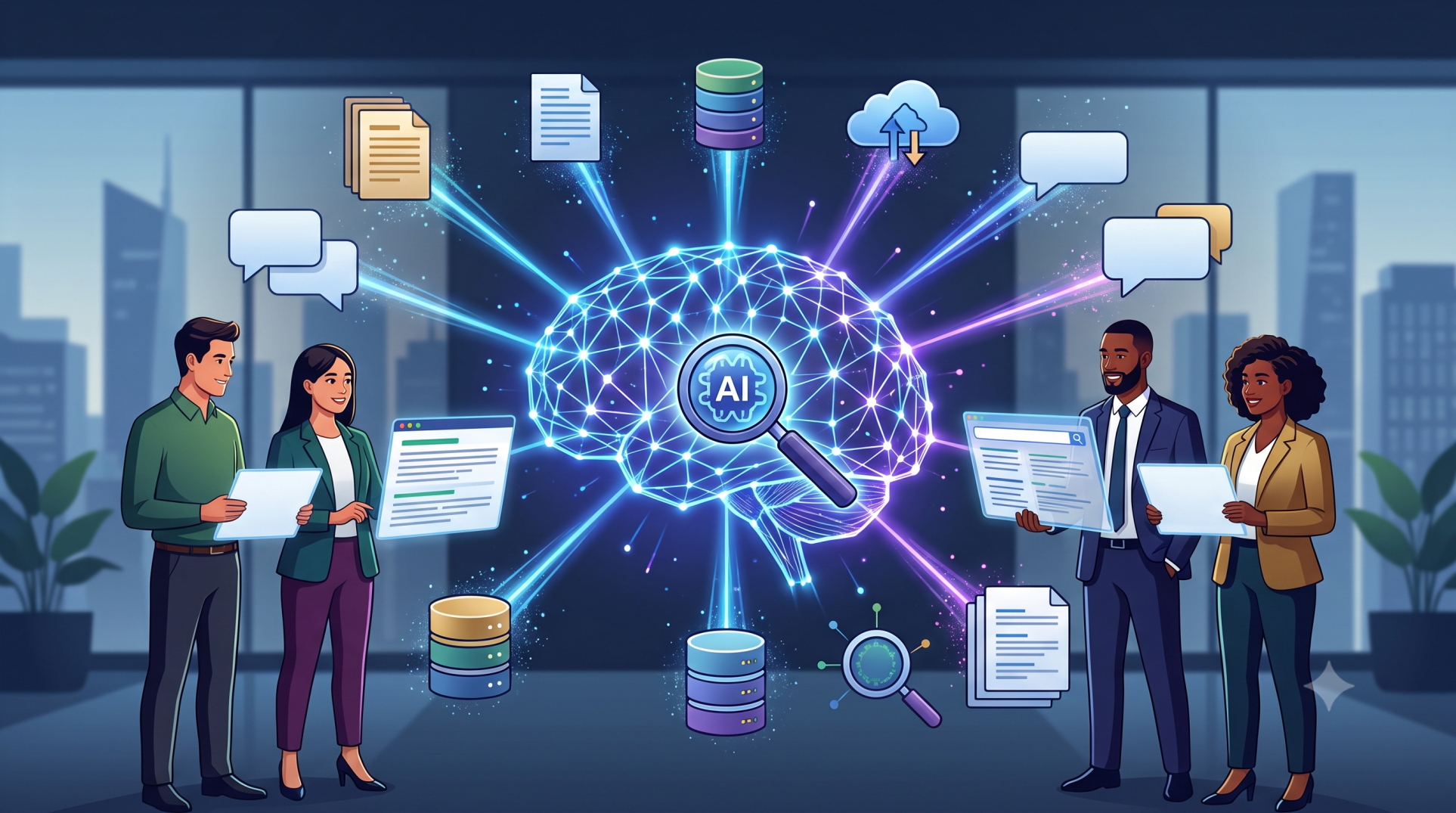
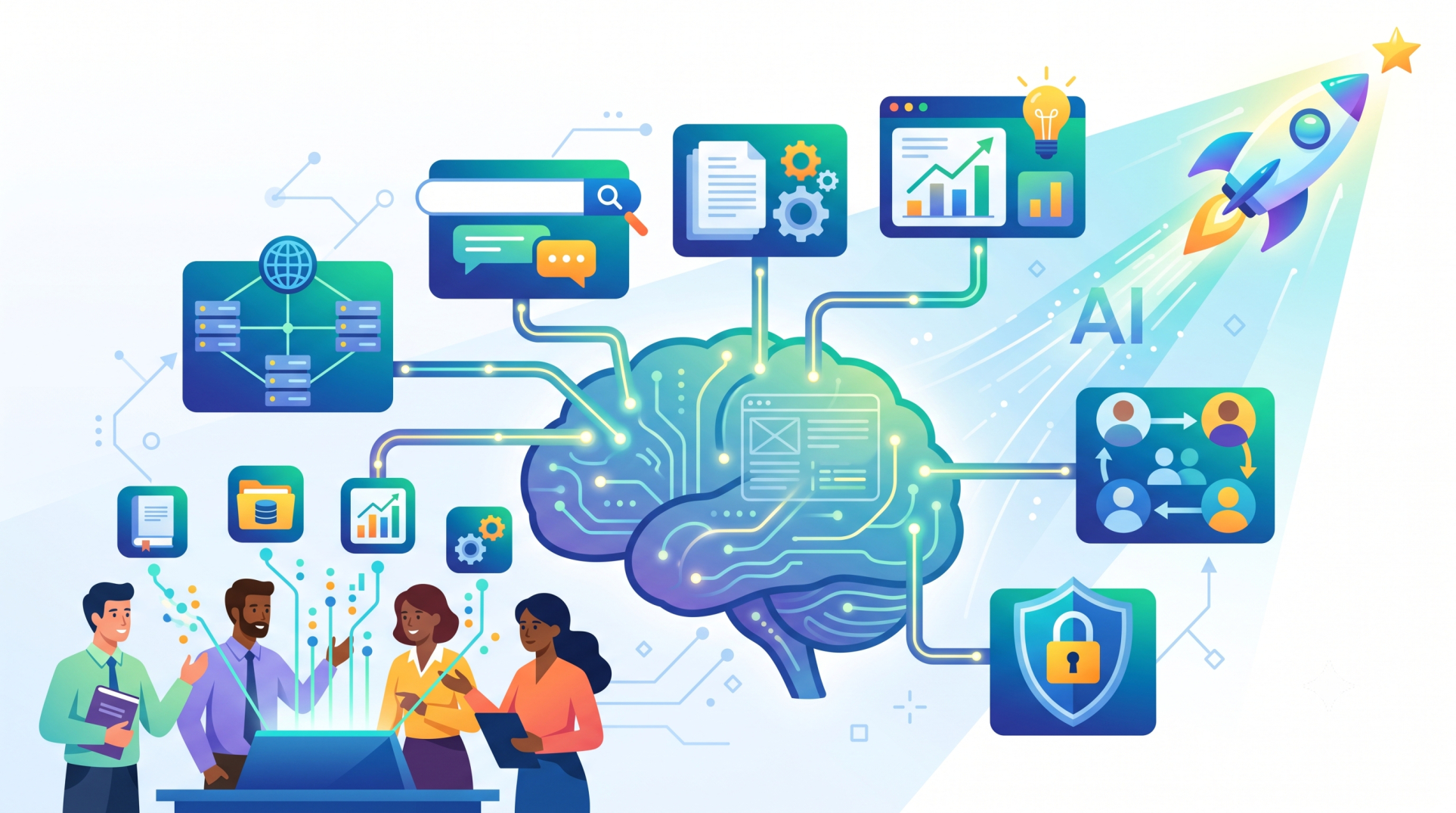
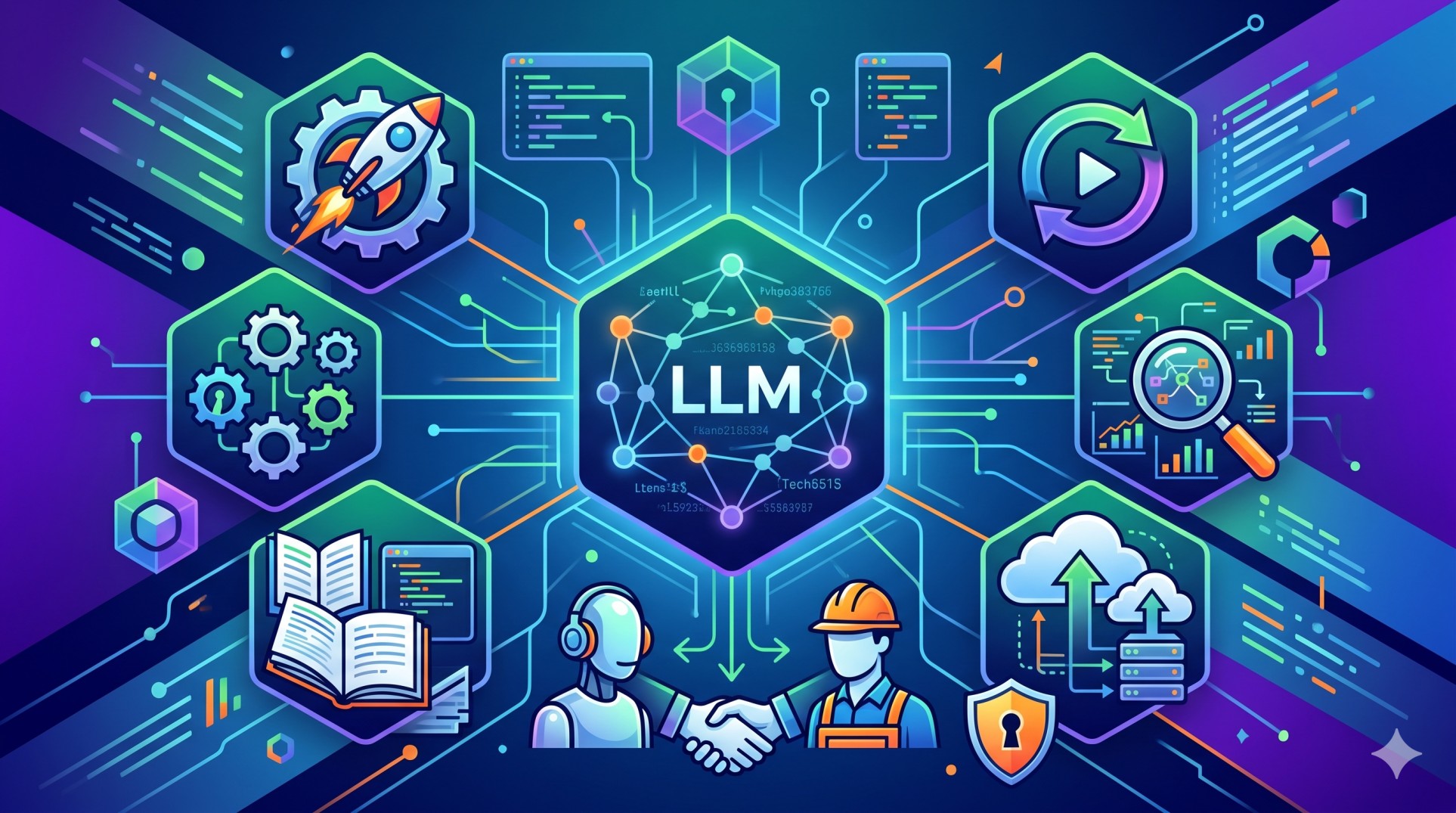
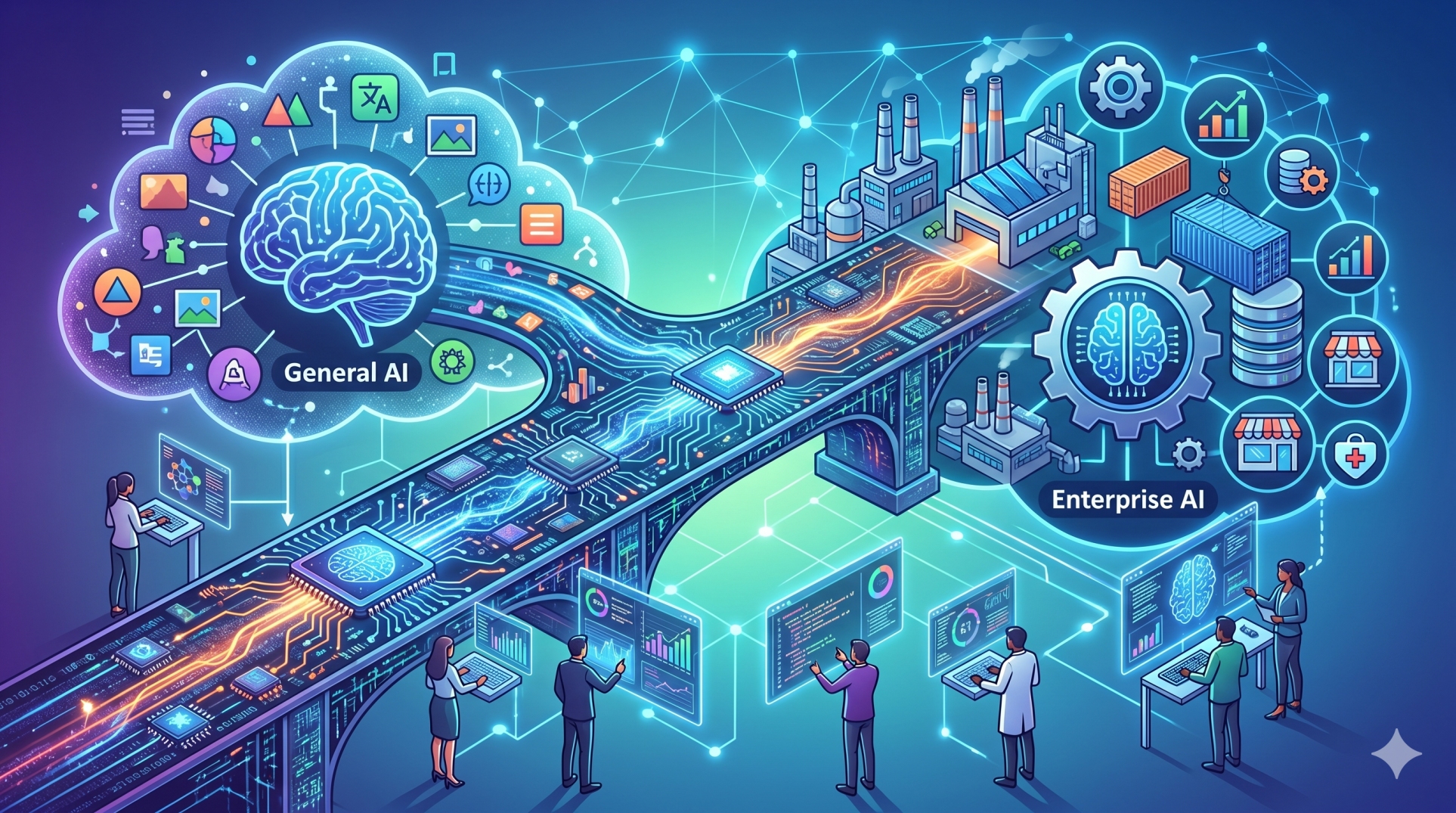
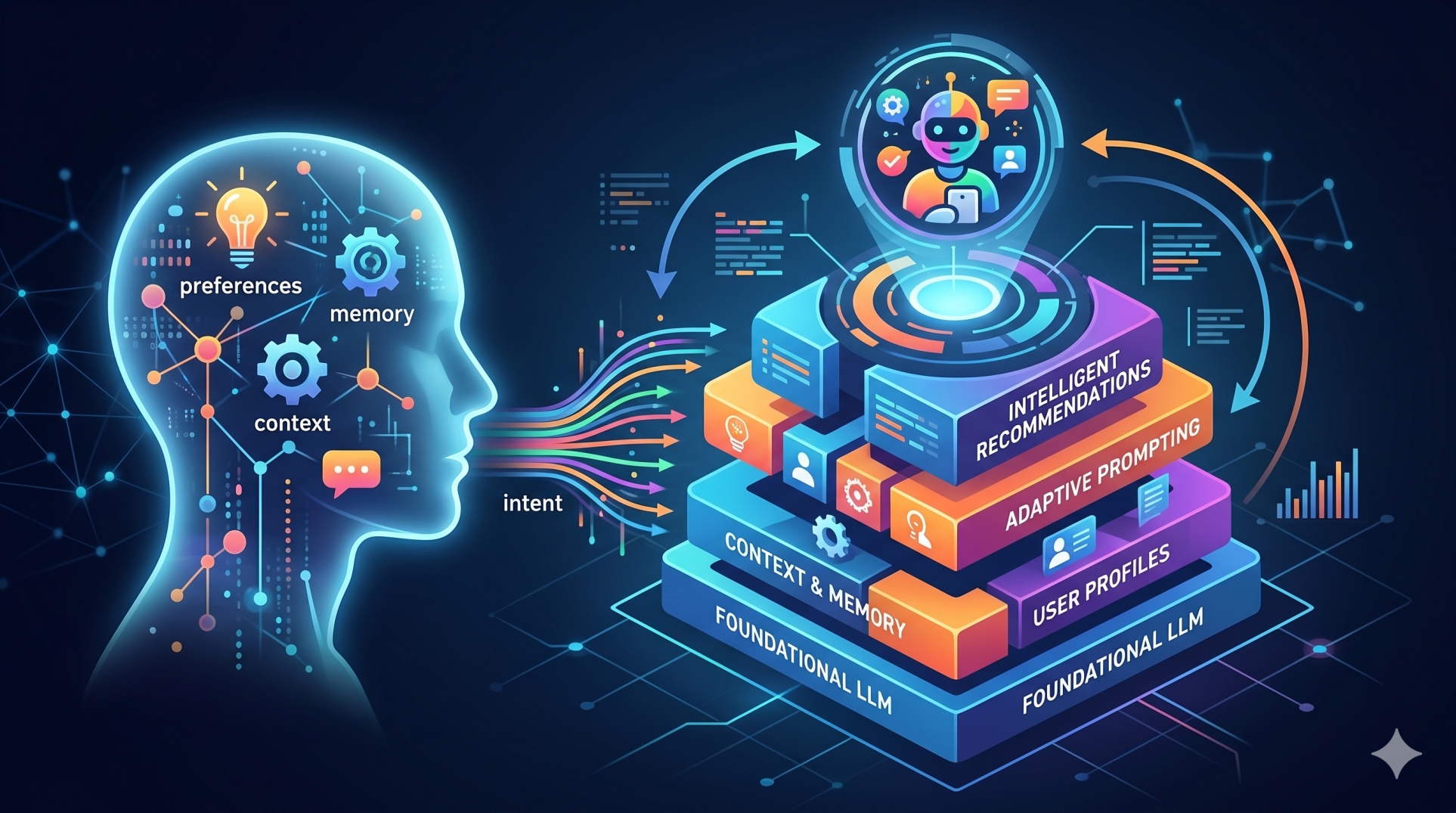
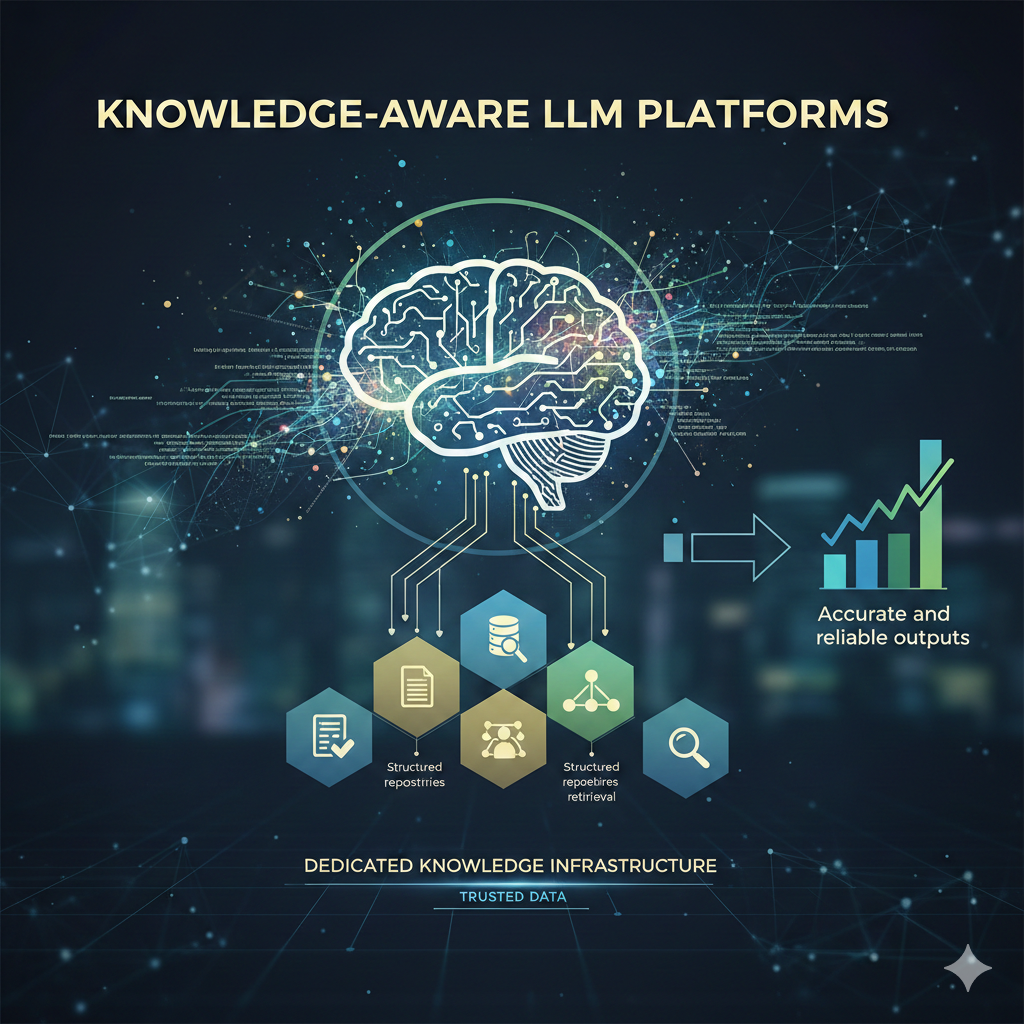
Large Language Models provide strong general-purpose reasoning capabilities, but enterprise-grade deployments demand contextual intelligence grounded in trusted data. Knowledge-aware LLM platforms combine language understanding with domain-specific information, structured repositories, and intelligent retrieval mechanisms to deliver accurate and reliable outputs. By embedding organizational knowledge directly into the reasoning process, businesses can transform generic AI responses into precise, production-ready insights.
Step 1: Recognizing the Limits of Standalone LLMs 🧠
• Pretrained models rely on historical training data 📚
• They lack awareness of organization-specific knowledge 🏢
• Real-time accuracy cannot depend on static model memory ⏳
• Enterprise use cases require traceable and verifiable answers 🔎
• Integrating knowledge reduces factual uncertainty ✔️
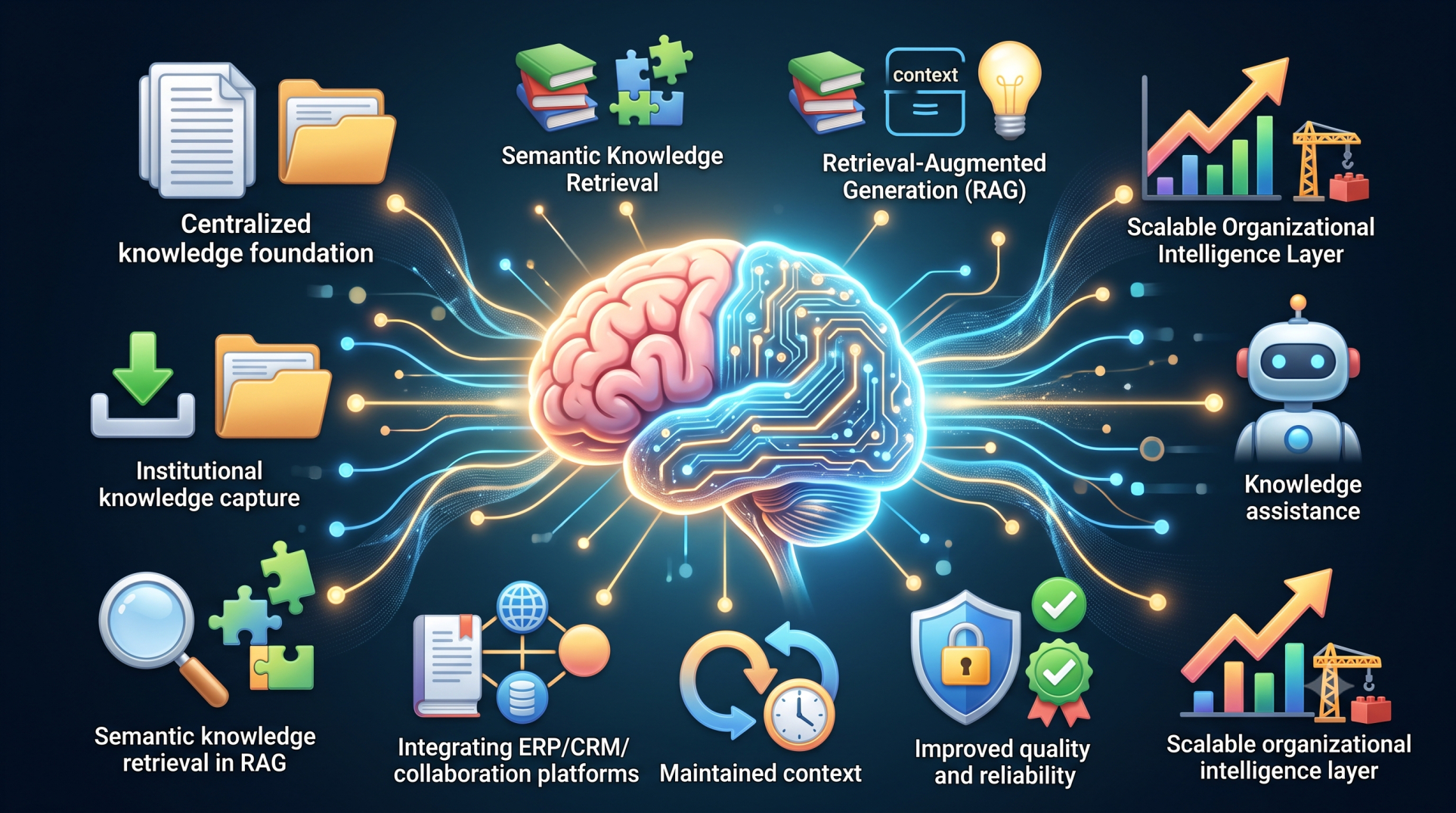
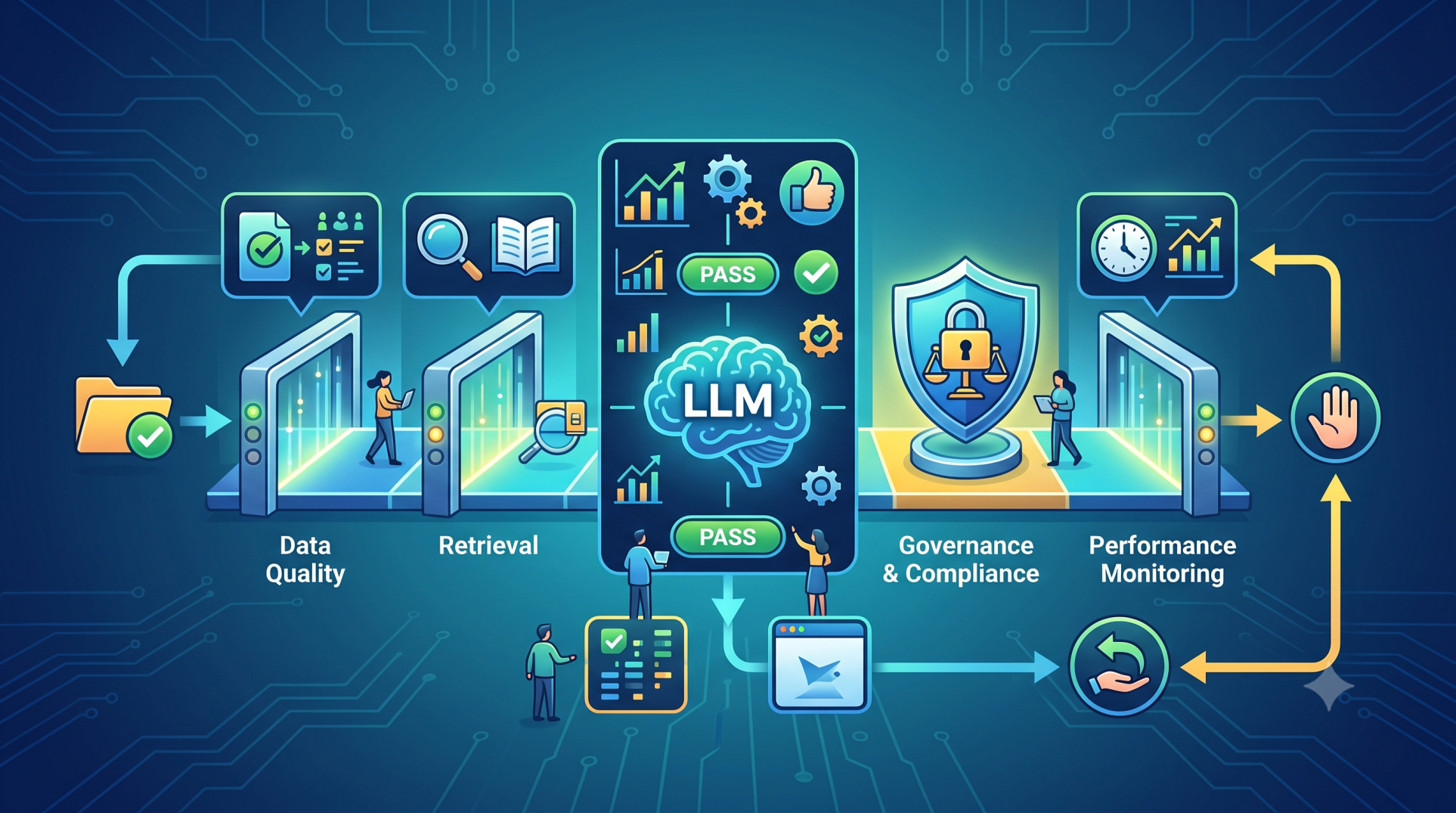
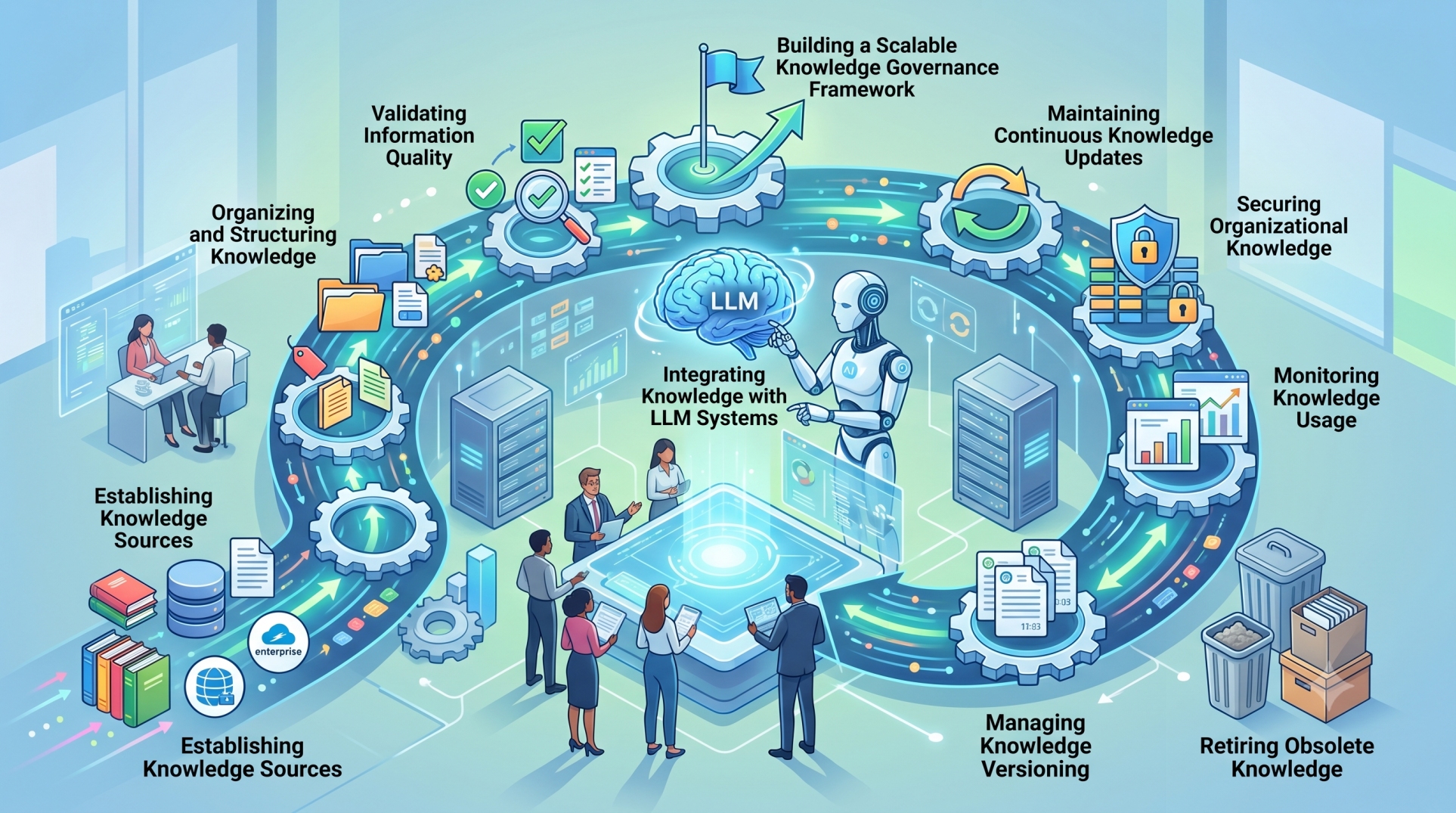
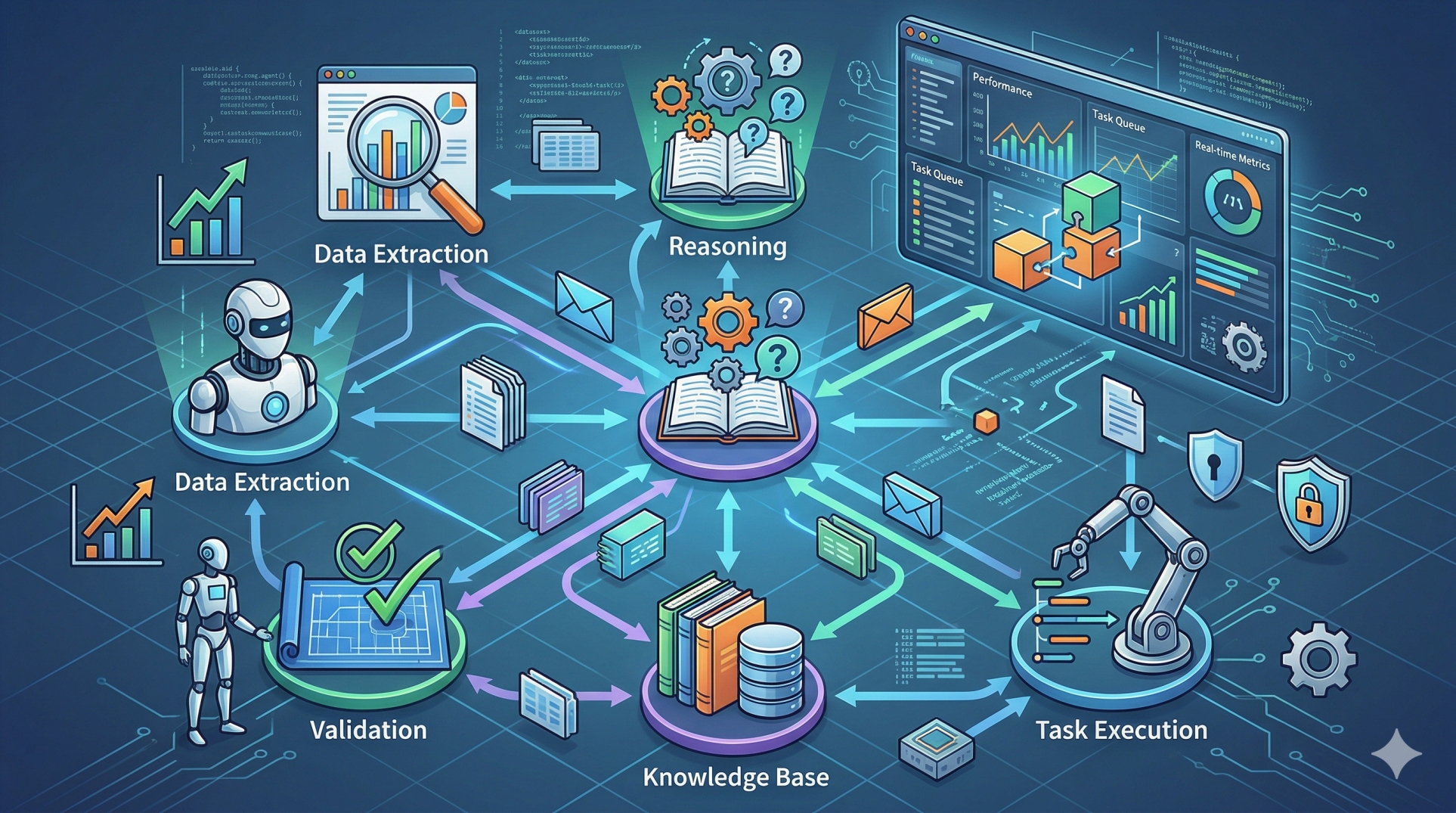
Step 2: Establishing a Dedicated Knowledge Infrastructure 🗂️
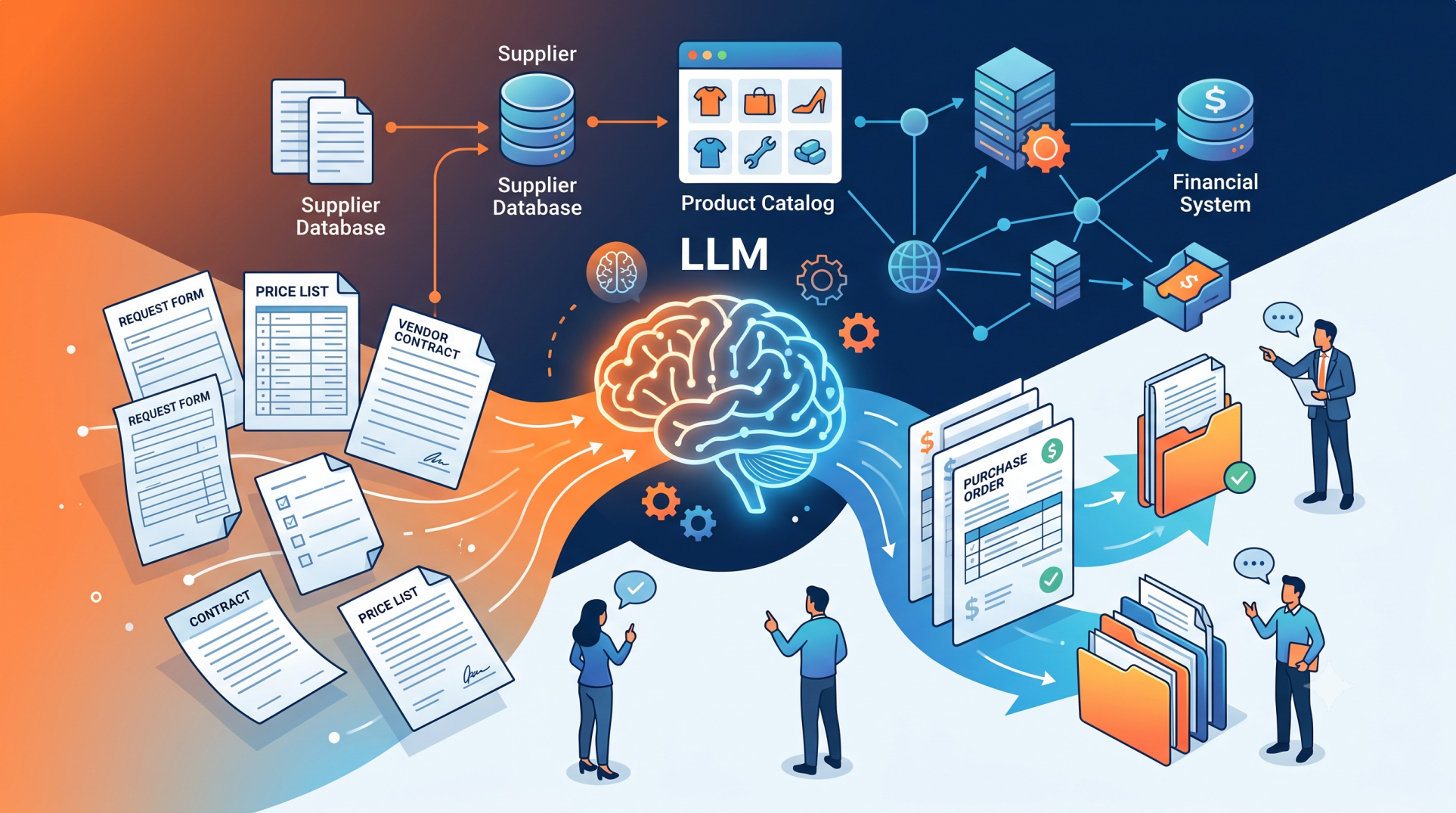
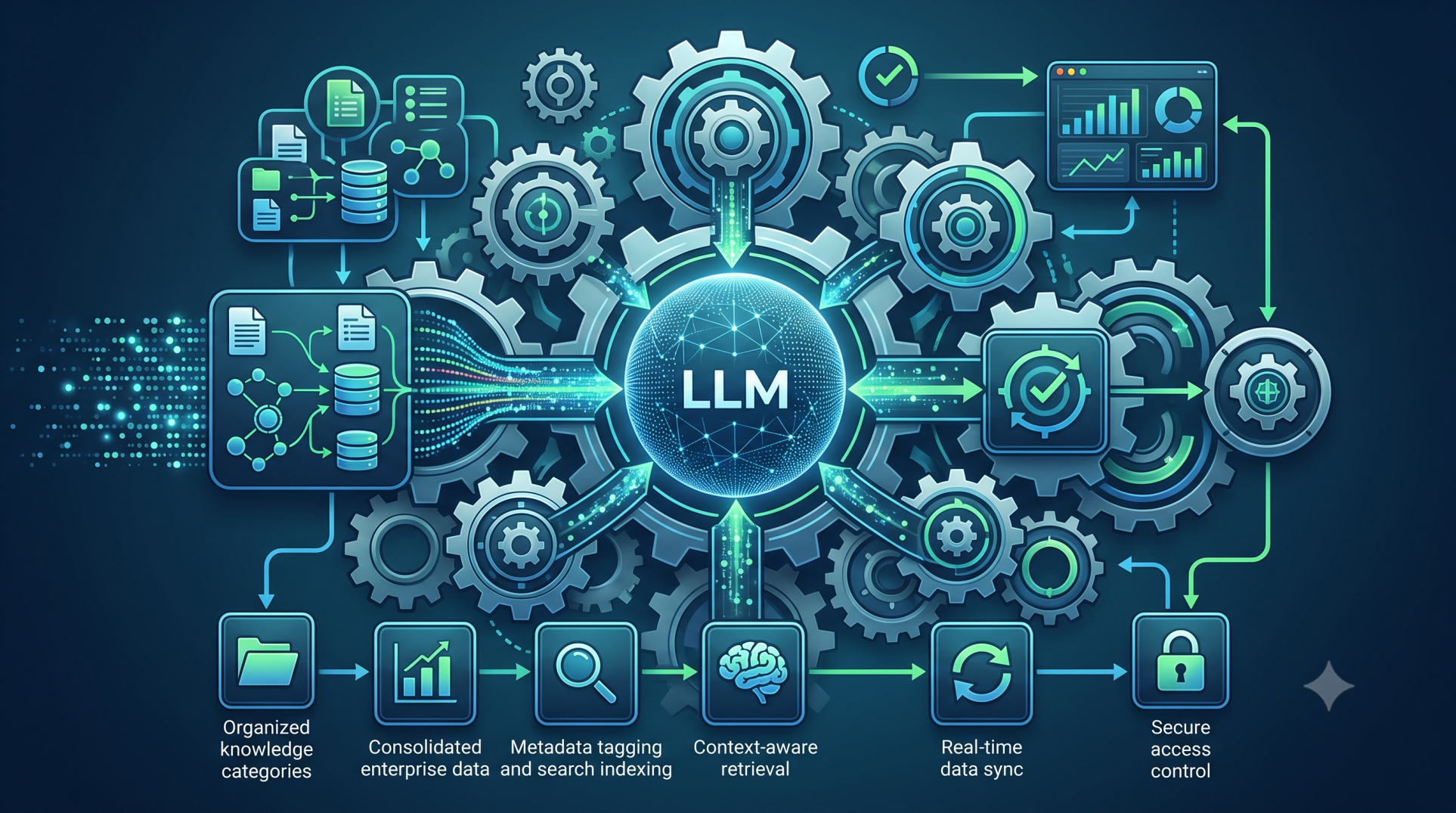
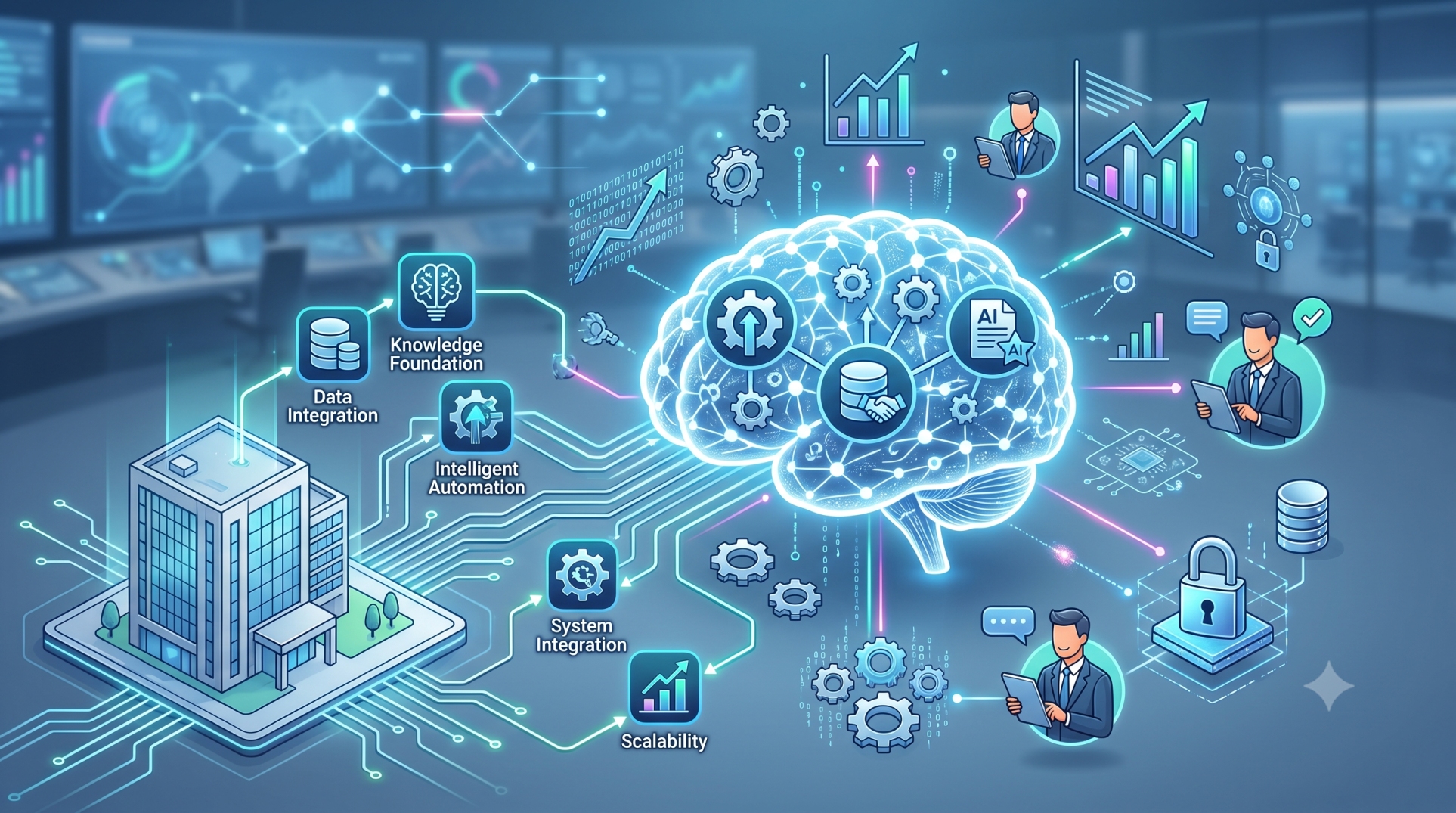
• Aggregates internal documents, databases, and policy files 📁
• Supports both structured records and unstructured content 🧩
• Indexes information for fast and relevant retrieval ⚡
• Manages content updates and version histories 🔄
• Applies governance controls and permission frameworks 🛡️
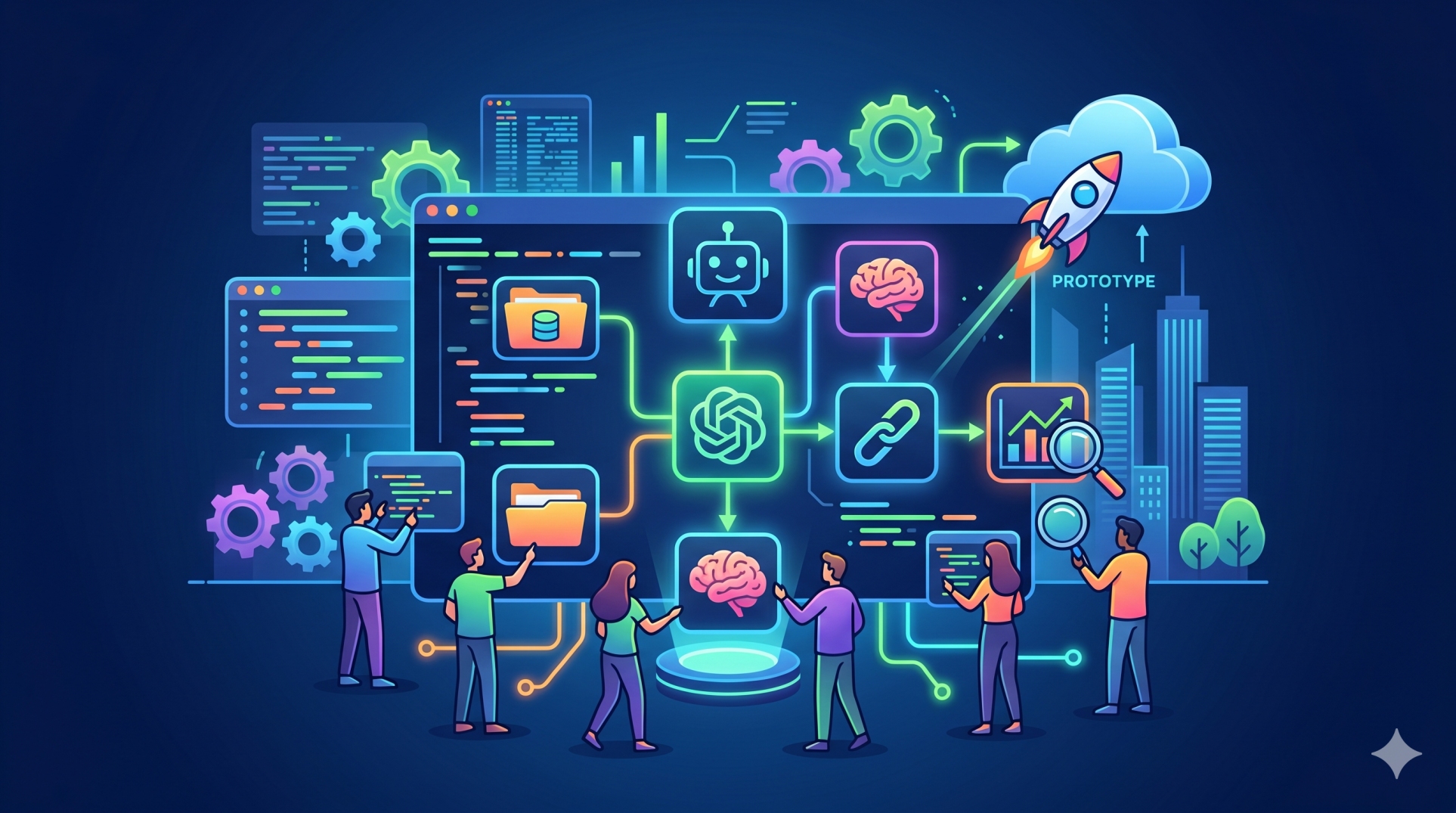
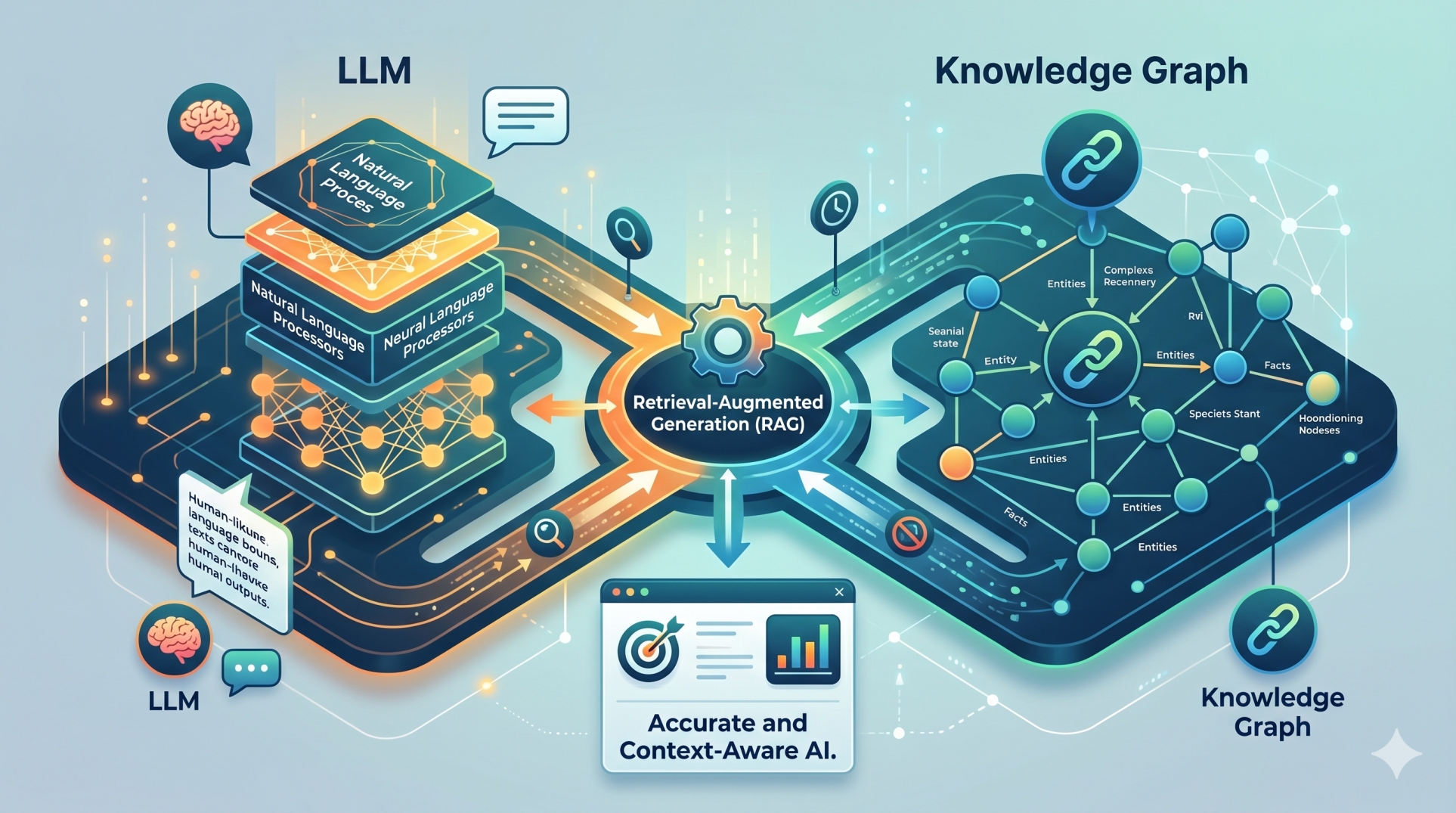
Step 3: Implementing Retrieval-Augmented Design 🔍
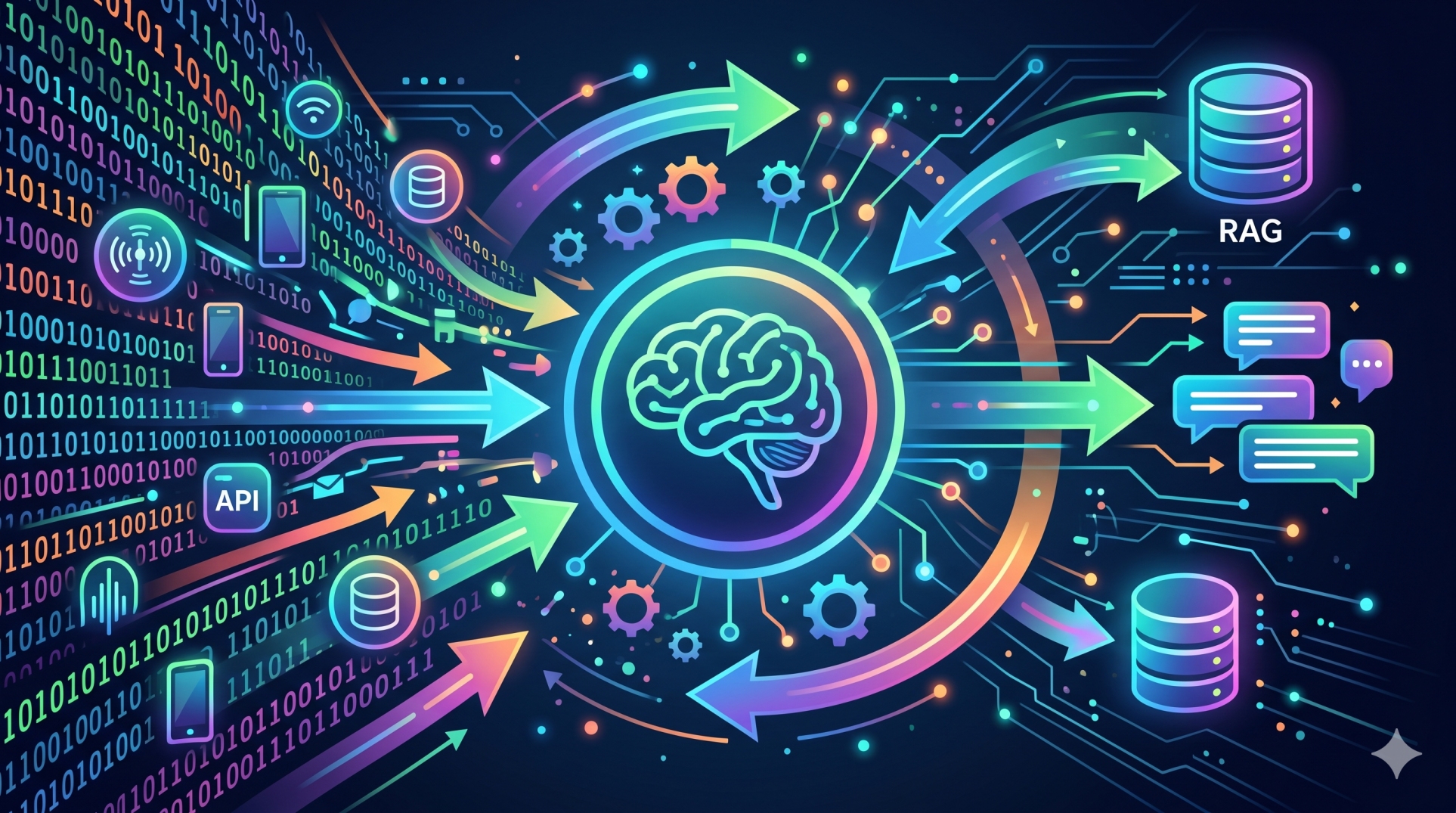
• Fetches relevant context dynamically at query time ⏱️
• Injects selected knowledge directly into prompts ✍️
• Separates long-term knowledge storage from reasoning logic 🧠
• Enhances factual grounding and transparency 📖
• Scales effectively across expanding data ecosystems 📈
Step 4: Structuring and Embedding Enterprise Knowledge 📊
• Transforms documents into vector representations 🧮
• Maps semantic relationships between concepts 🔗
• Segments large documents into searchable units 📑
• Enables meaning-based retrieval instead of keyword matching 🎯
• Improves accuracy of contextual responses ✔️
Step 5: Ensuring Knowledge Currency and Consistency 🔄
• Continuously updates repositories with new information 📥
• Flags outdated or conflicting data sources ⚠️
• Automates ingestion from approved systems 🤖
• Aligns outputs with the most current policies 📜
• Minimizes risk associated with obsolete content 🛡️
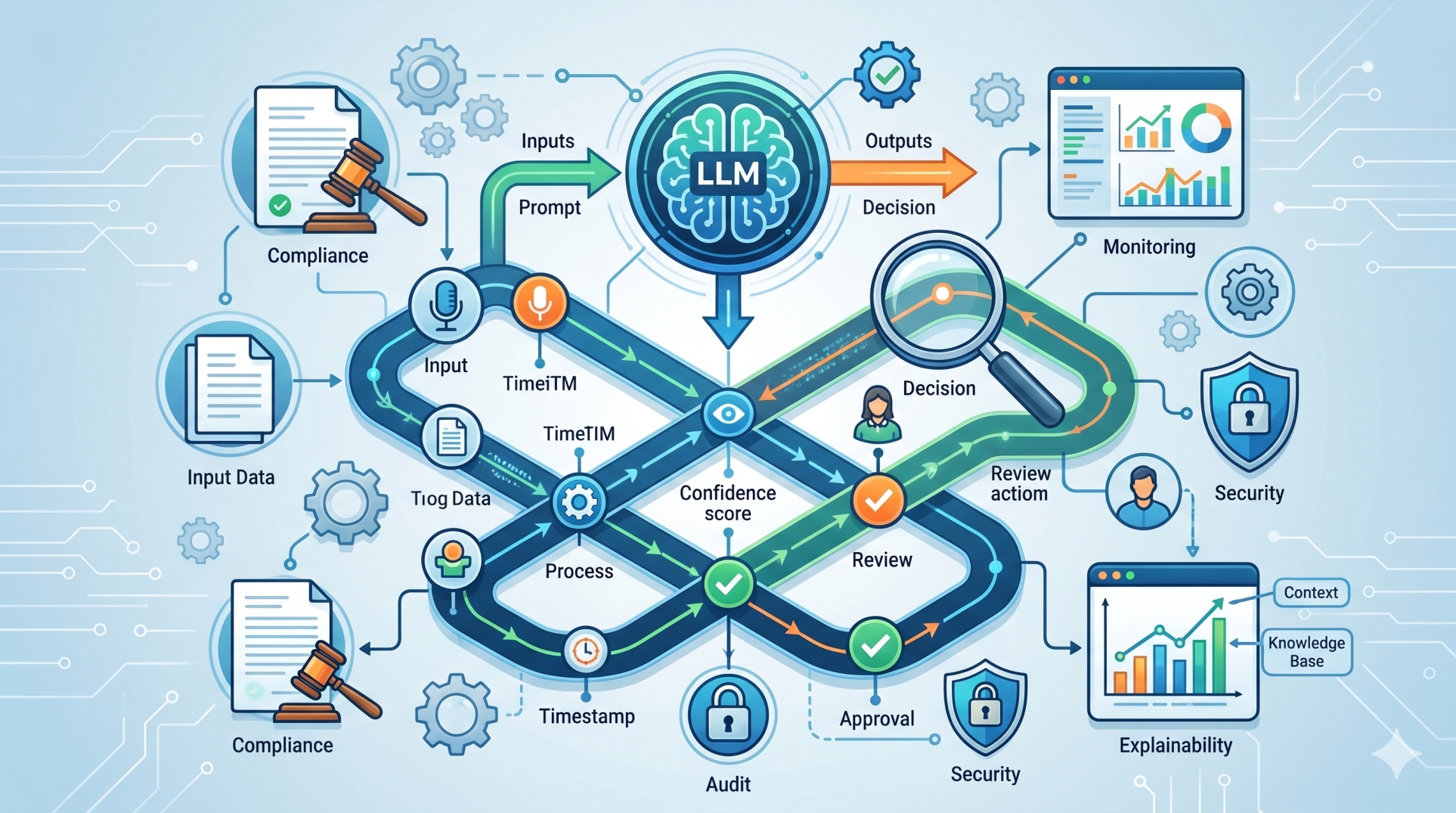
Step 6: Constraining Outputs Within Domain Boundaries 🏛️
• Applies validation rules and logical constraints 📏
• Enforces compliance and industry regulations ⚖️
• Screens outputs against internal policies 🔐
• Balances generative flexibility with controlled accuracy ⚙️
• Maintains domain-aligned reasoning 🎯
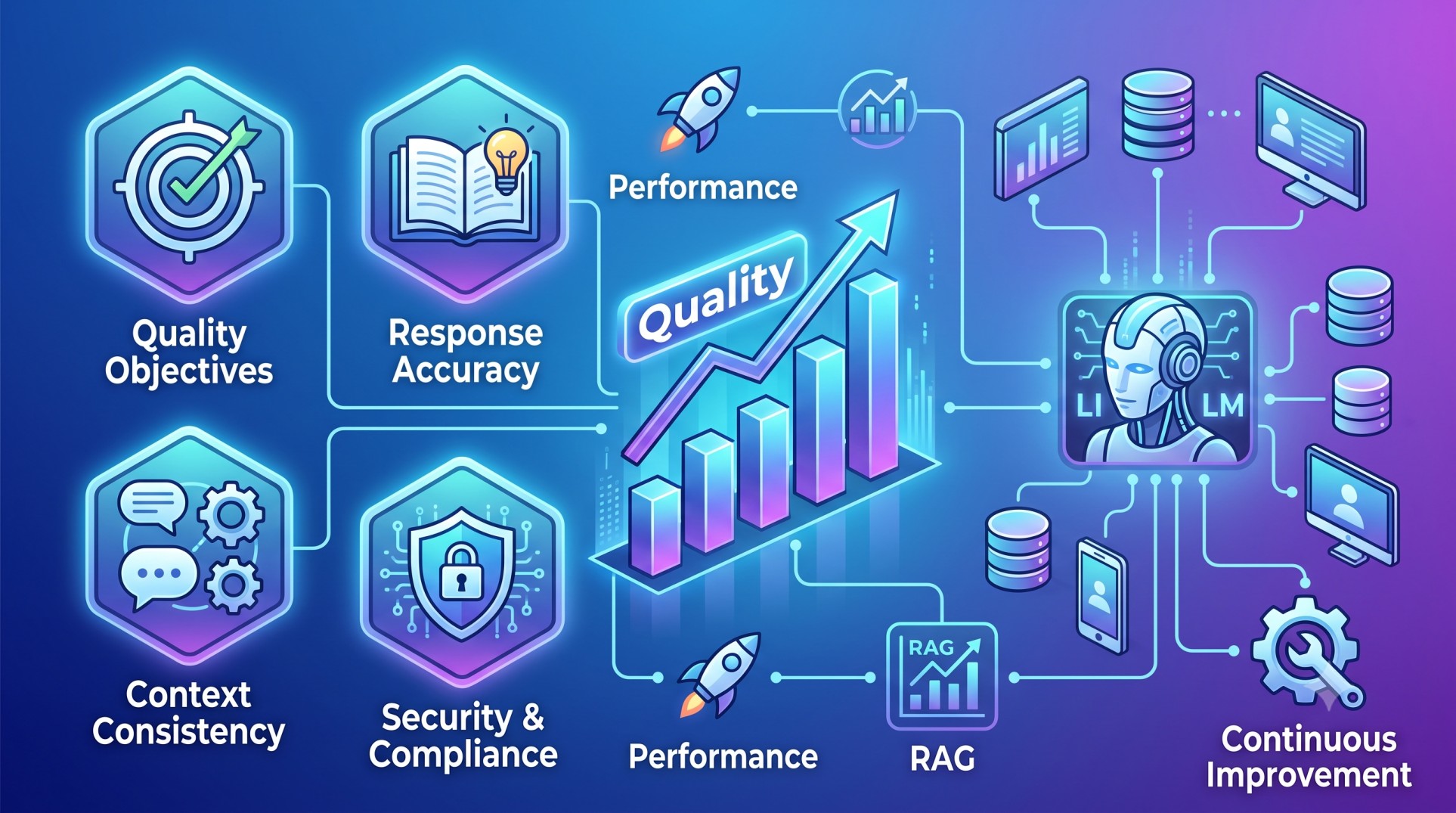
Step 7: Validating Grounded Responses ✔️
• Cross-checks answers against retrieved evidence 📚
• Measures citation alignment and source coverage 🔎
• Identifies unsupported or speculative claims 🚫
• Tracks consistency across similar queries 🔁
• Reinforces reliability through systematic evaluation 📊
Step 8: Business Impact of Knowledge-Aware Platforms 🚀
• Elevates LLM systems to enterprise-grade reliability 🏢
• Reduces compliance and operational risk ⚠️
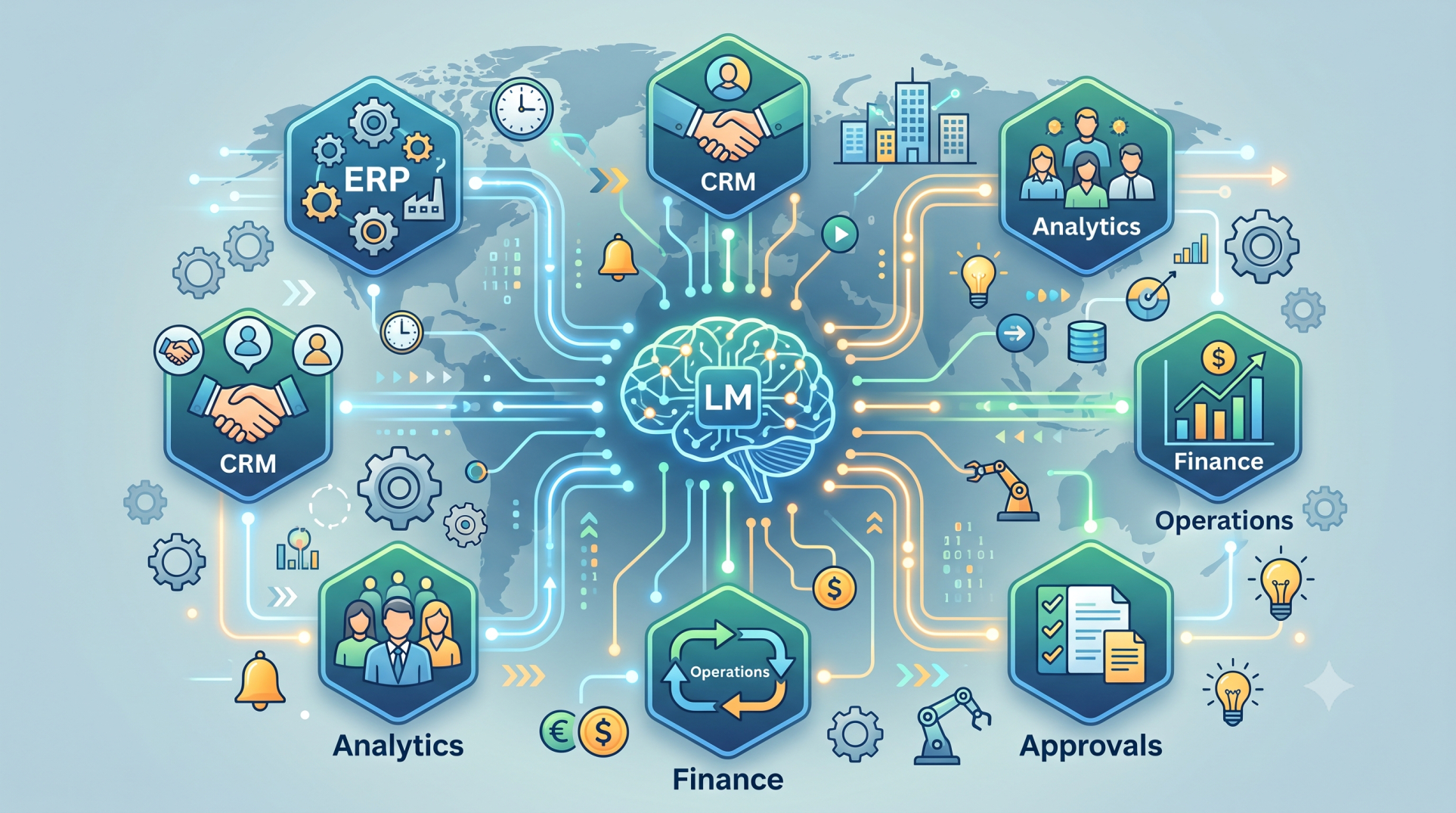
• Enables scalable, domain-specific AI deployment 🌐
• Strengthens trust in AI-driven decision support 🤝
Conclusion
Developing a knowledge-aware LLM platform requires deliberate architectural design that integrates retrieval systems, structured knowledge repositories, governance mechanisms, and validation workflows. When reasoning is anchored in trusted data, LLM systems become dependable tools for enterprise decision-making. By combining language intelligence with contextual awareness, organizations unlock scalable and trustworthy AI capabilities that support real-world operations.
See more blogs
You can all the articles below