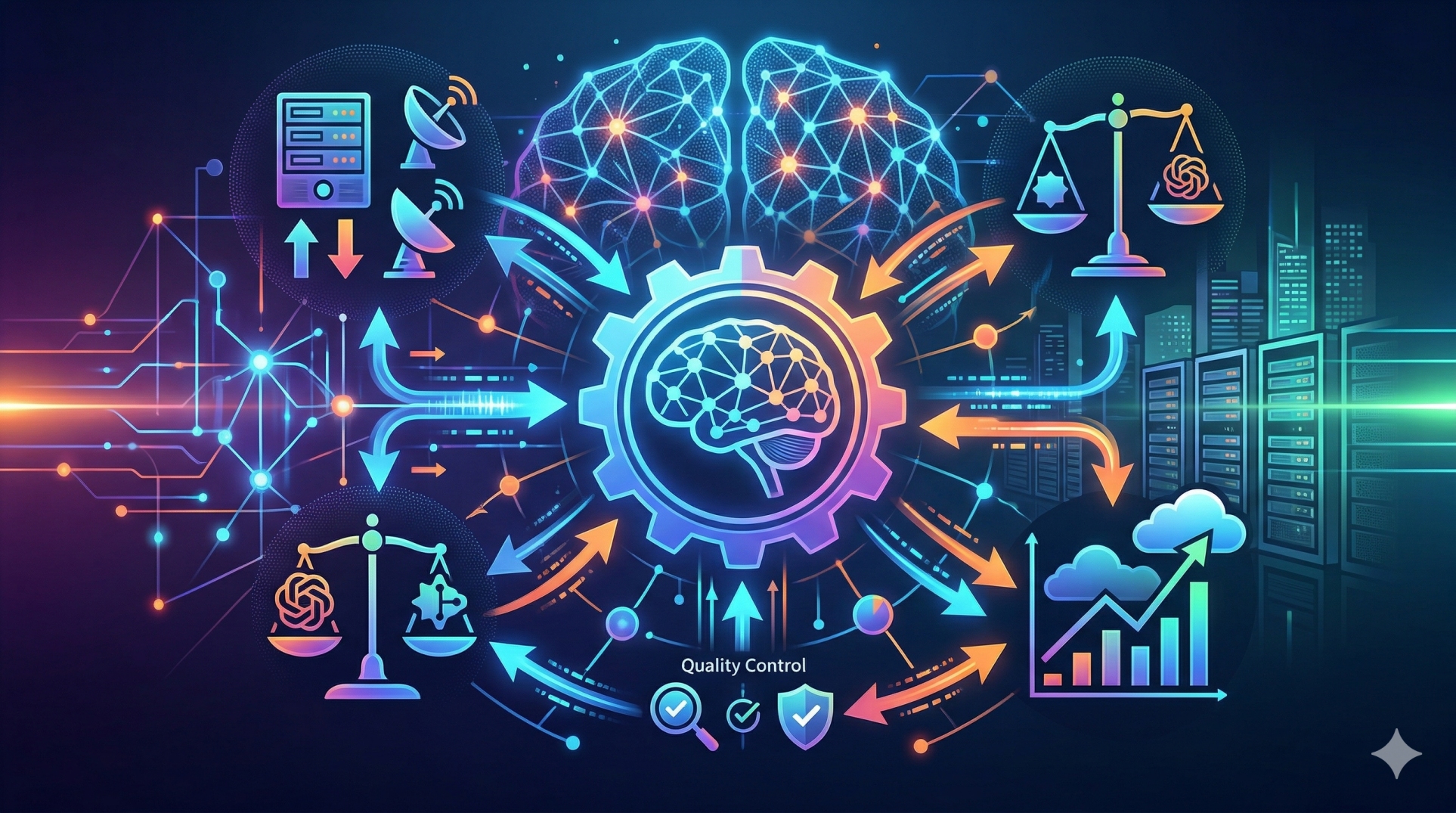
AI Design to Transformers: Creating Intelligent Systems for Real-World Impact
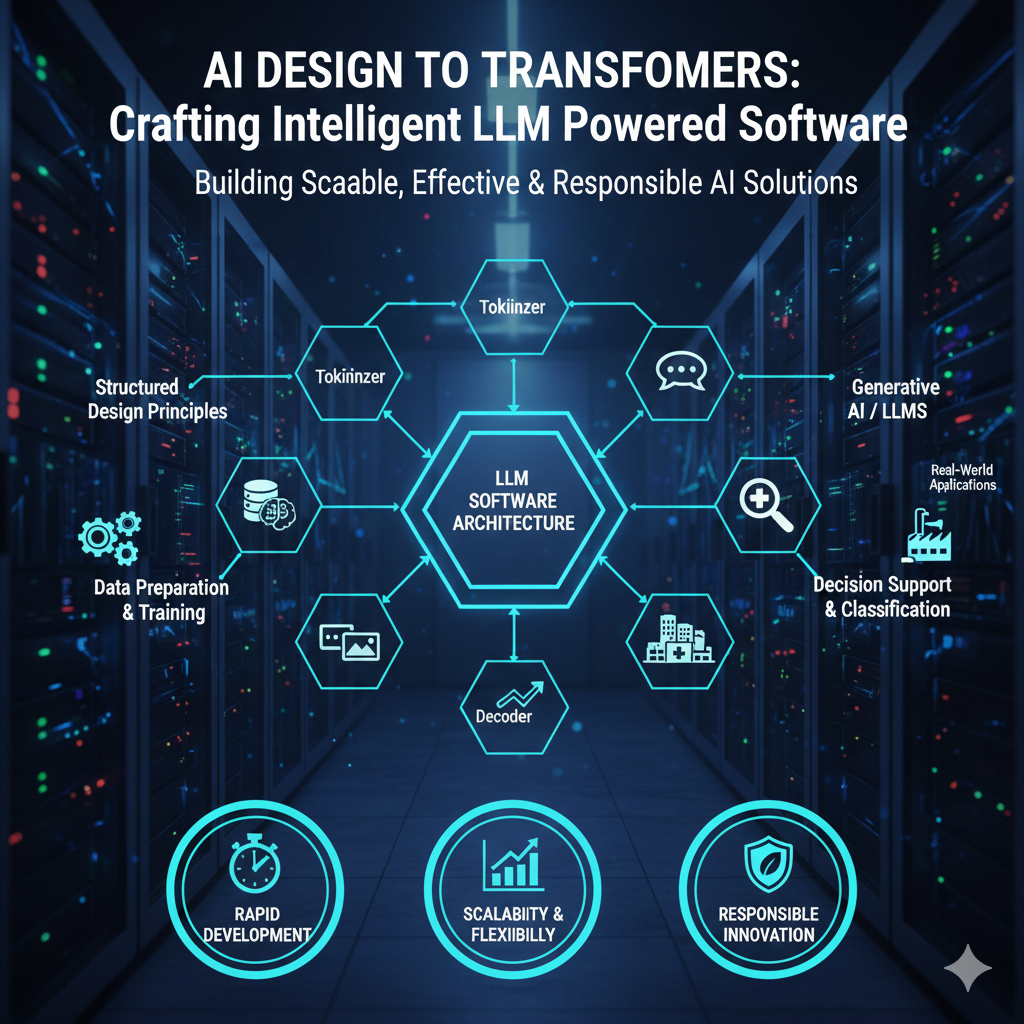
AI Design to Transformers: Creating Intelligent Systems for Real-World Impact 🚀
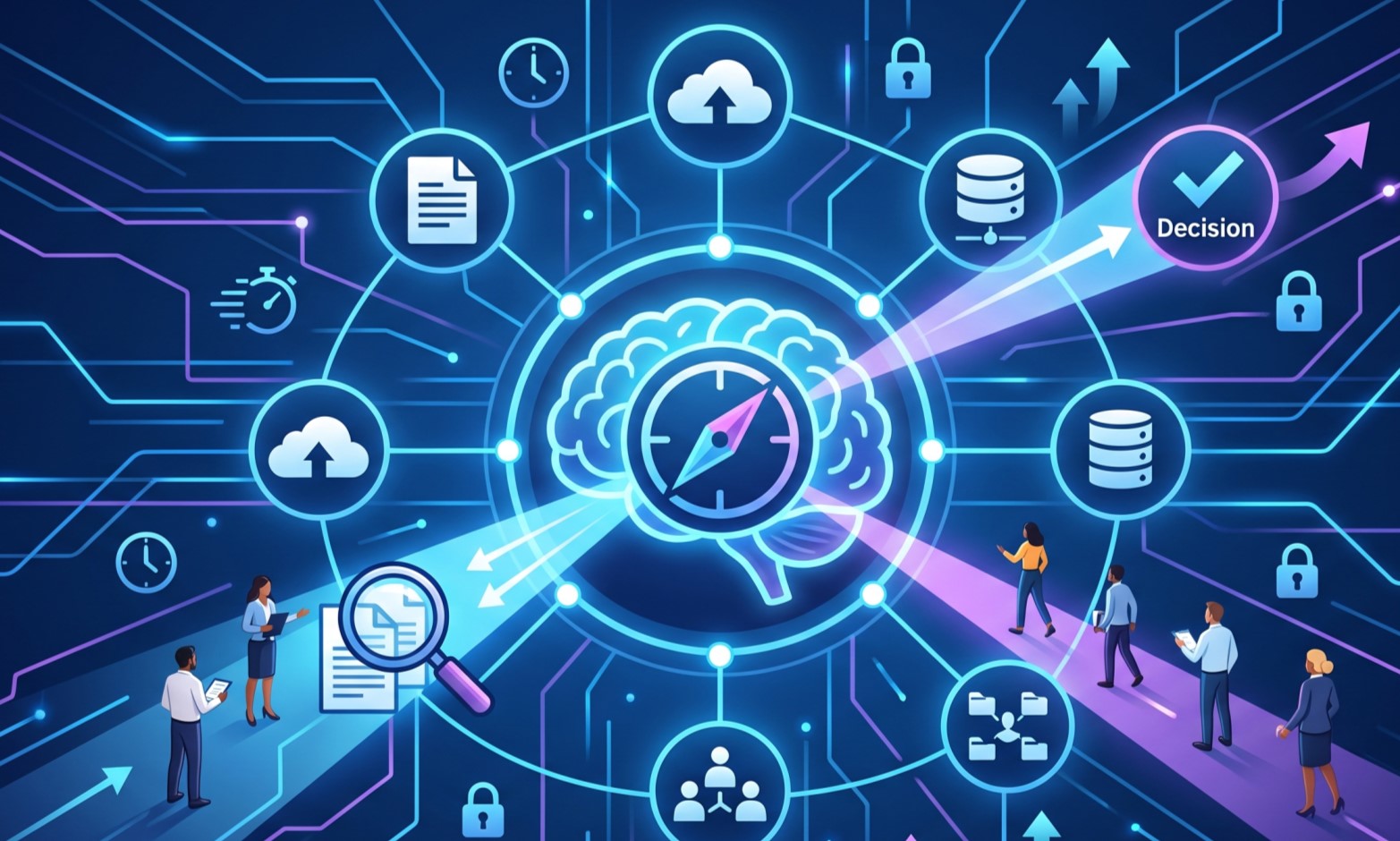
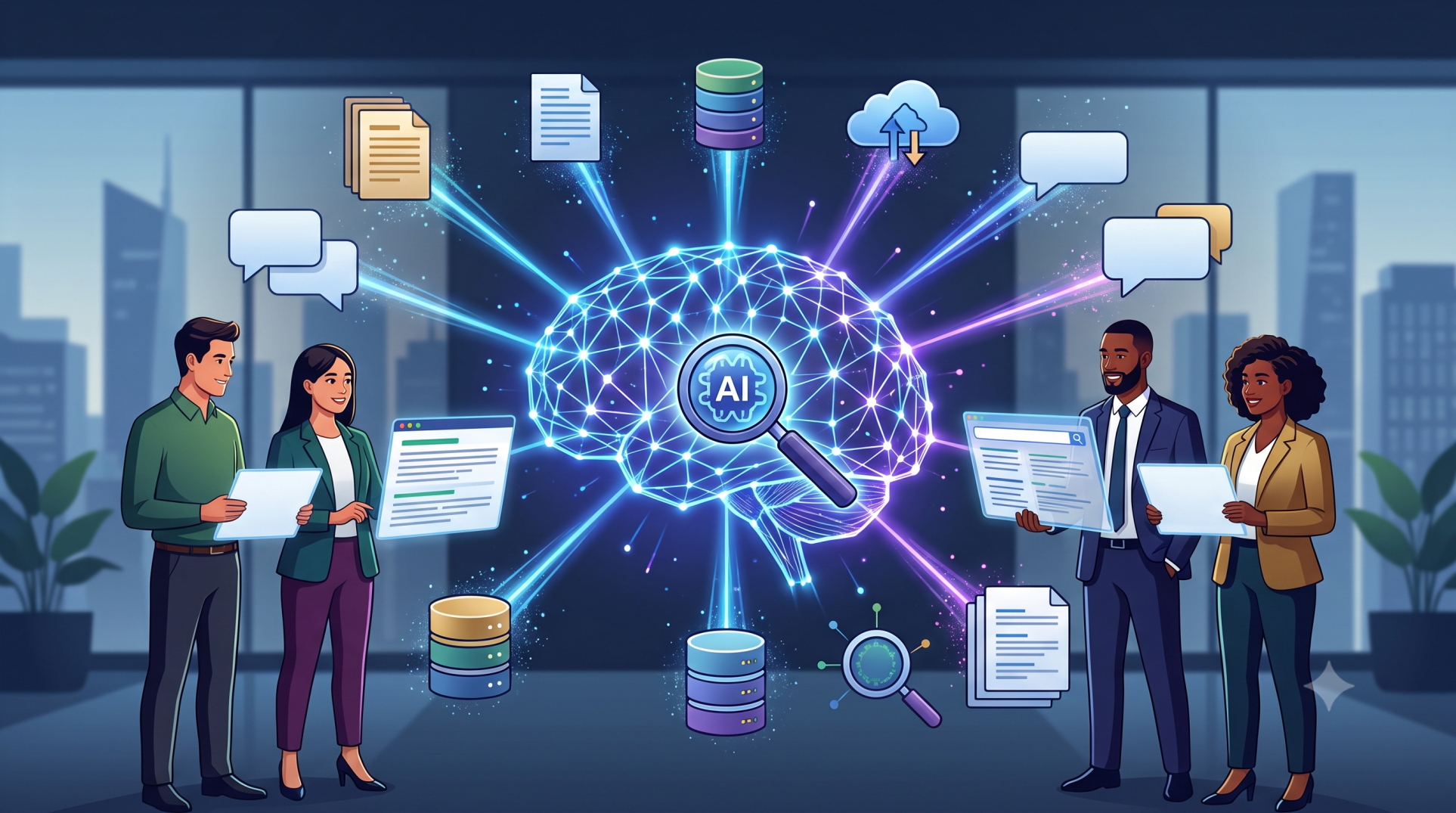
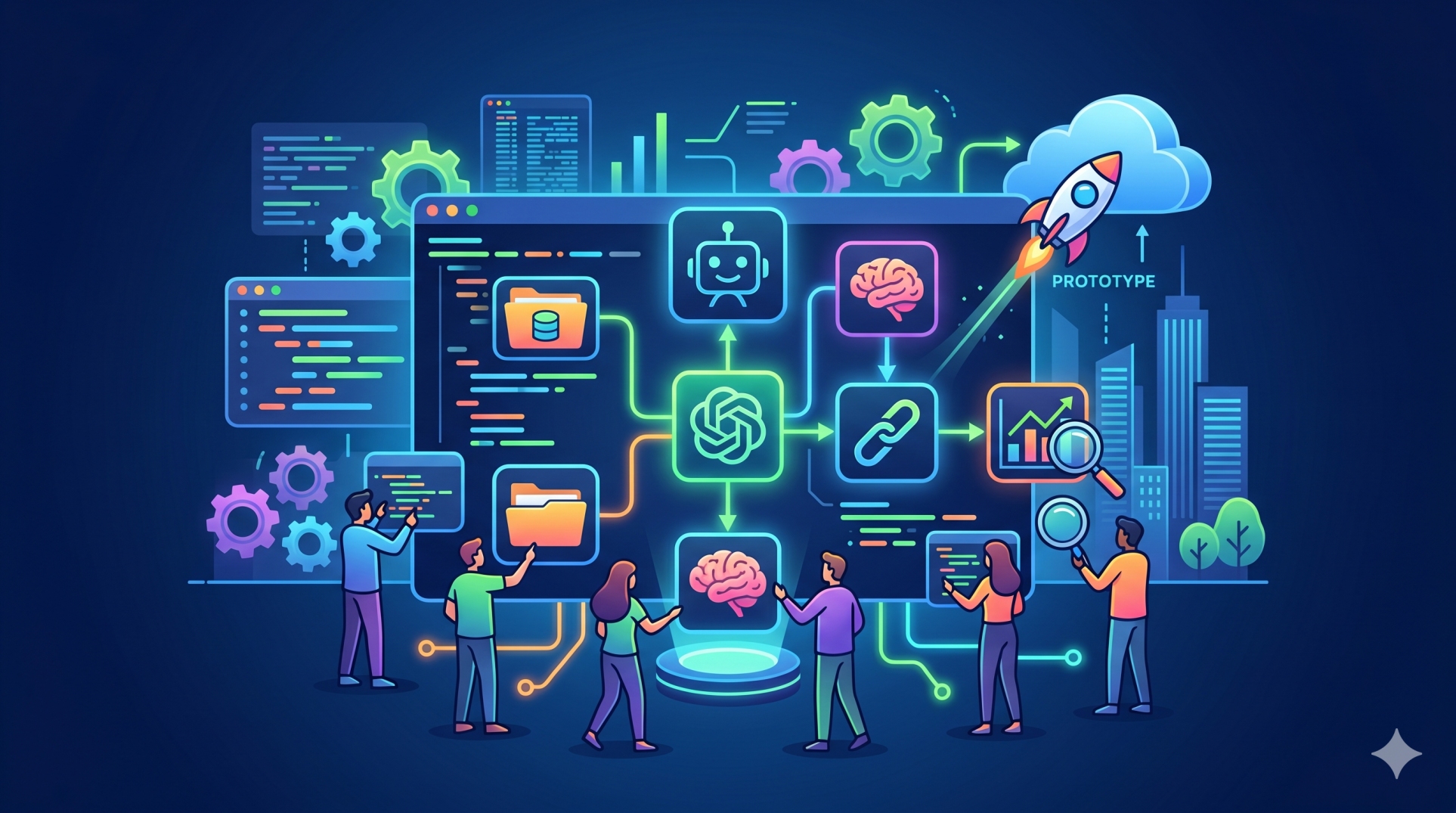
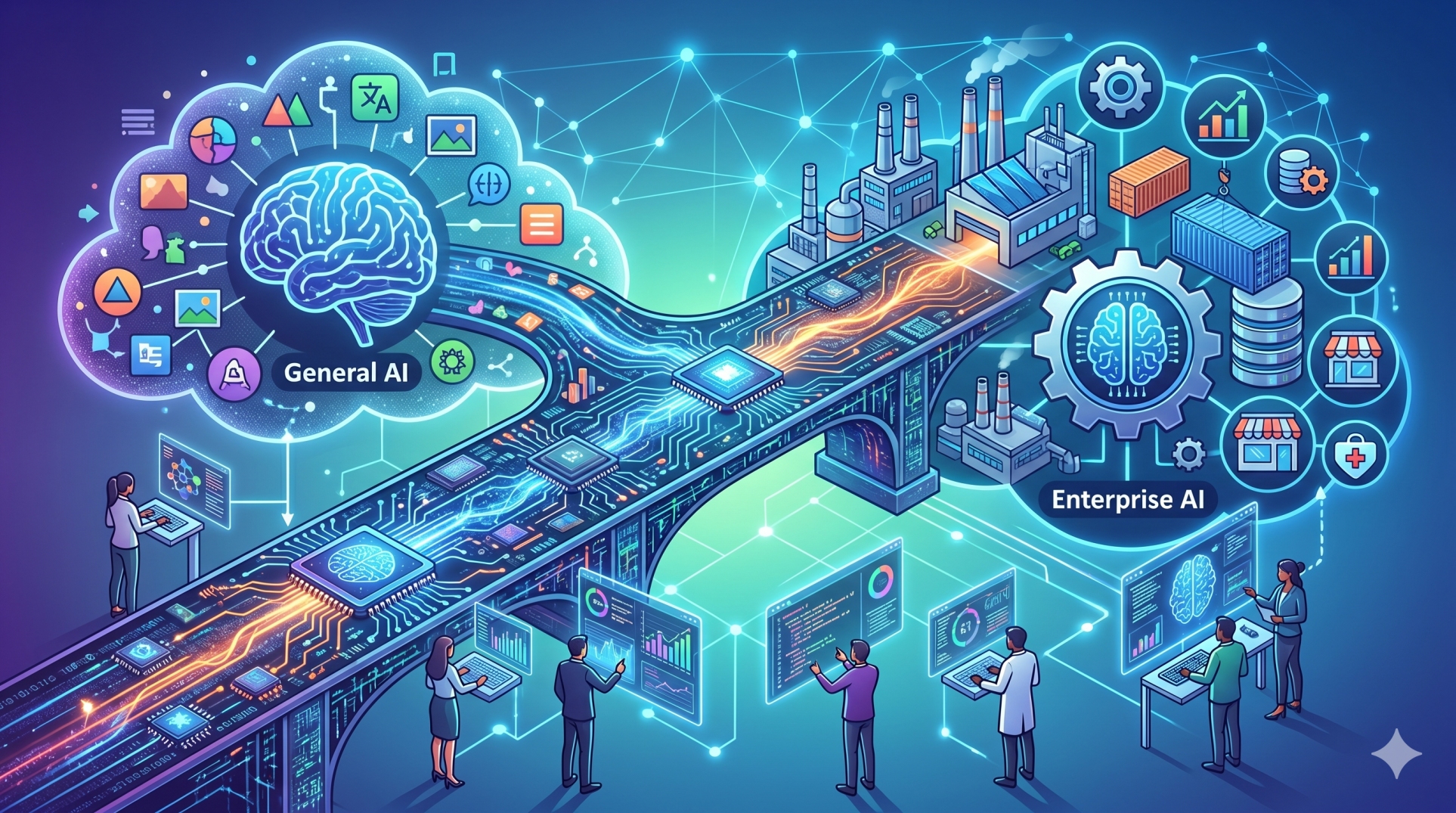
Artificial intelligence has moved beyond experimentation into a practical field focused on solving real business and societal challenges. Today’s AI systems combine disciplined design approaches with powerful technologies like transformers—the foundation of large language models (LLMs) and multimodal AI. Together, these elements enable scalable, effective, and responsible AI solutions.
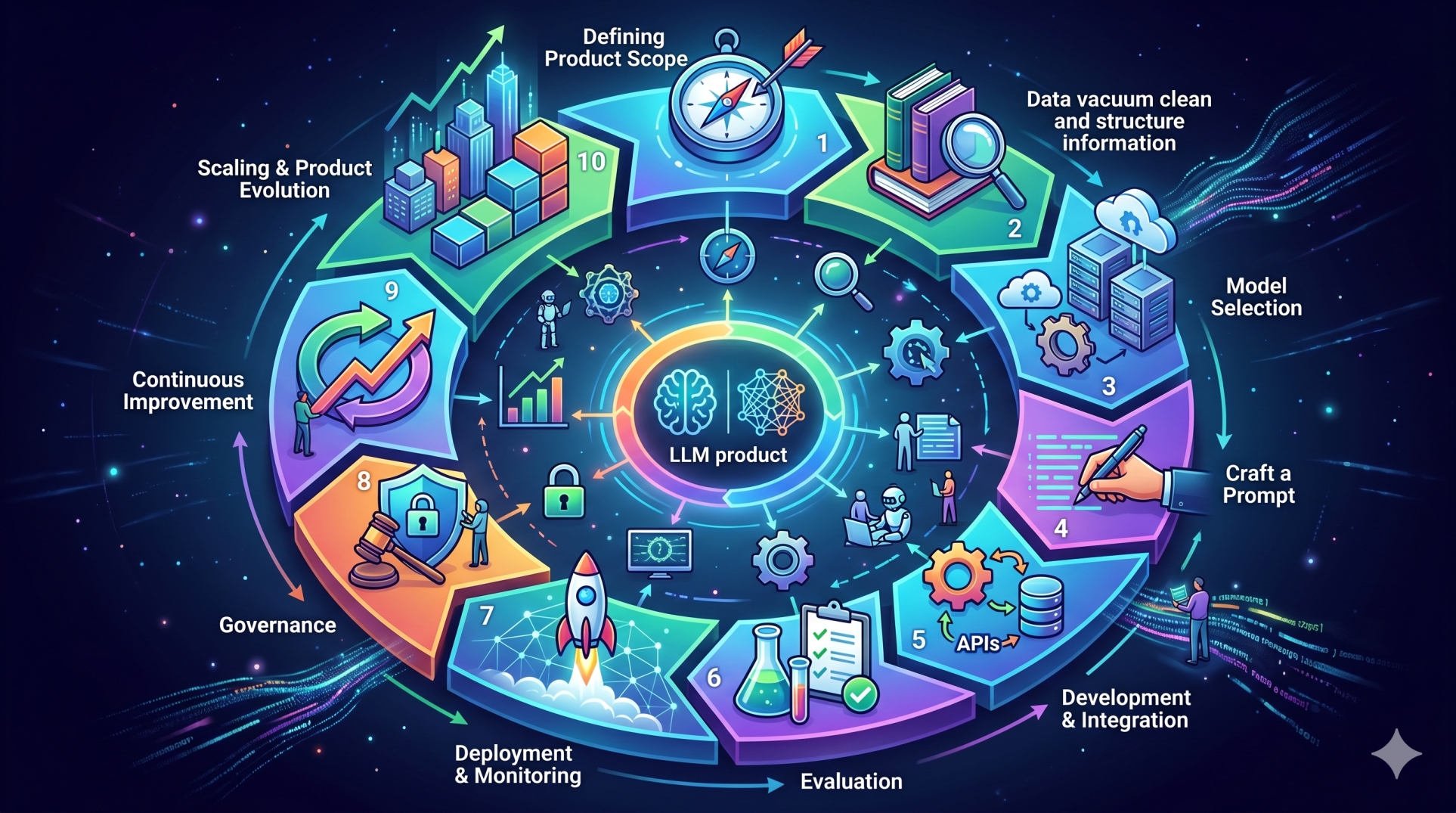
1. A Structured Approach to AI Design
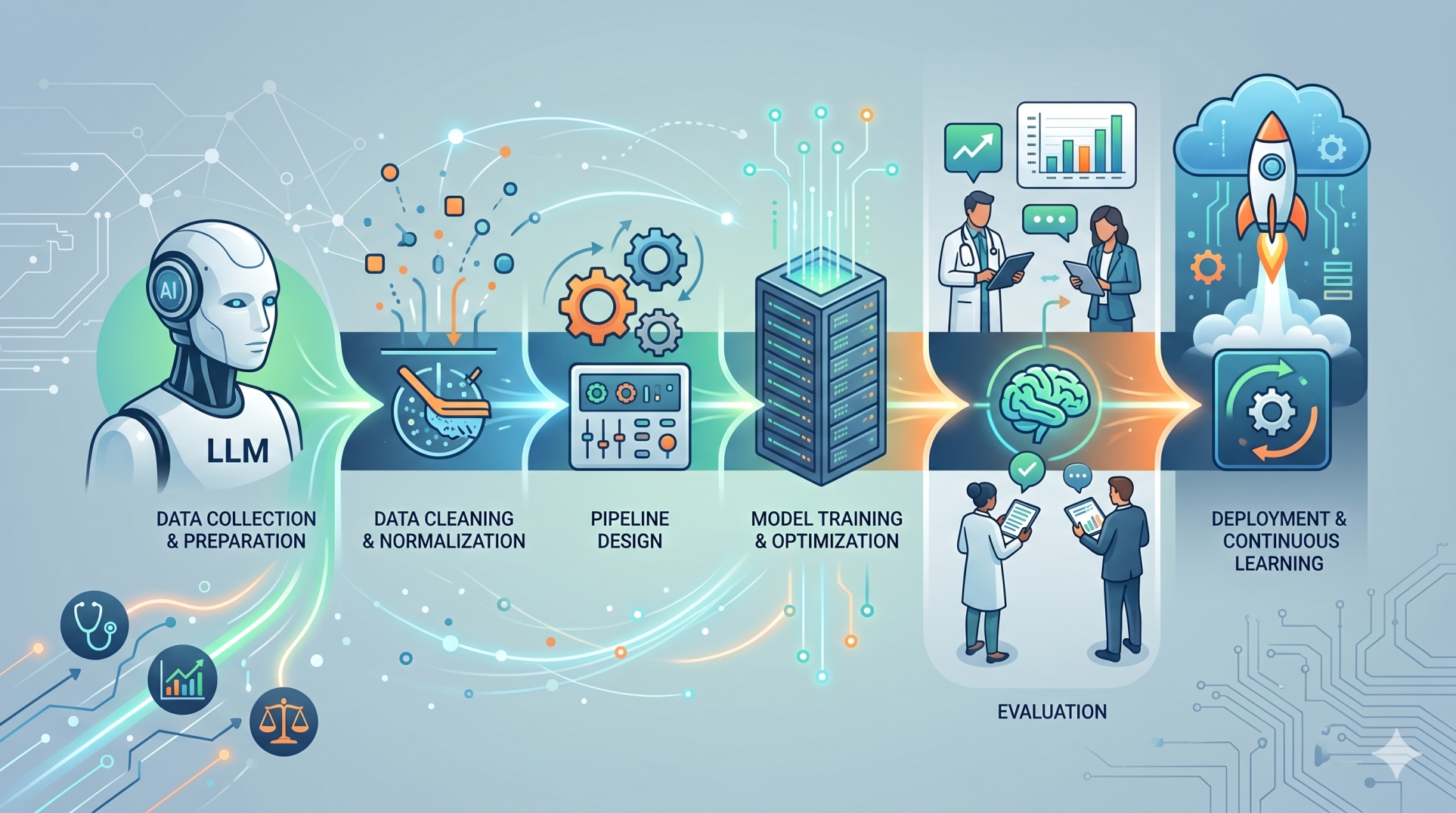
• Clearly define the real-world problem the AI system is meant to solve 🎯
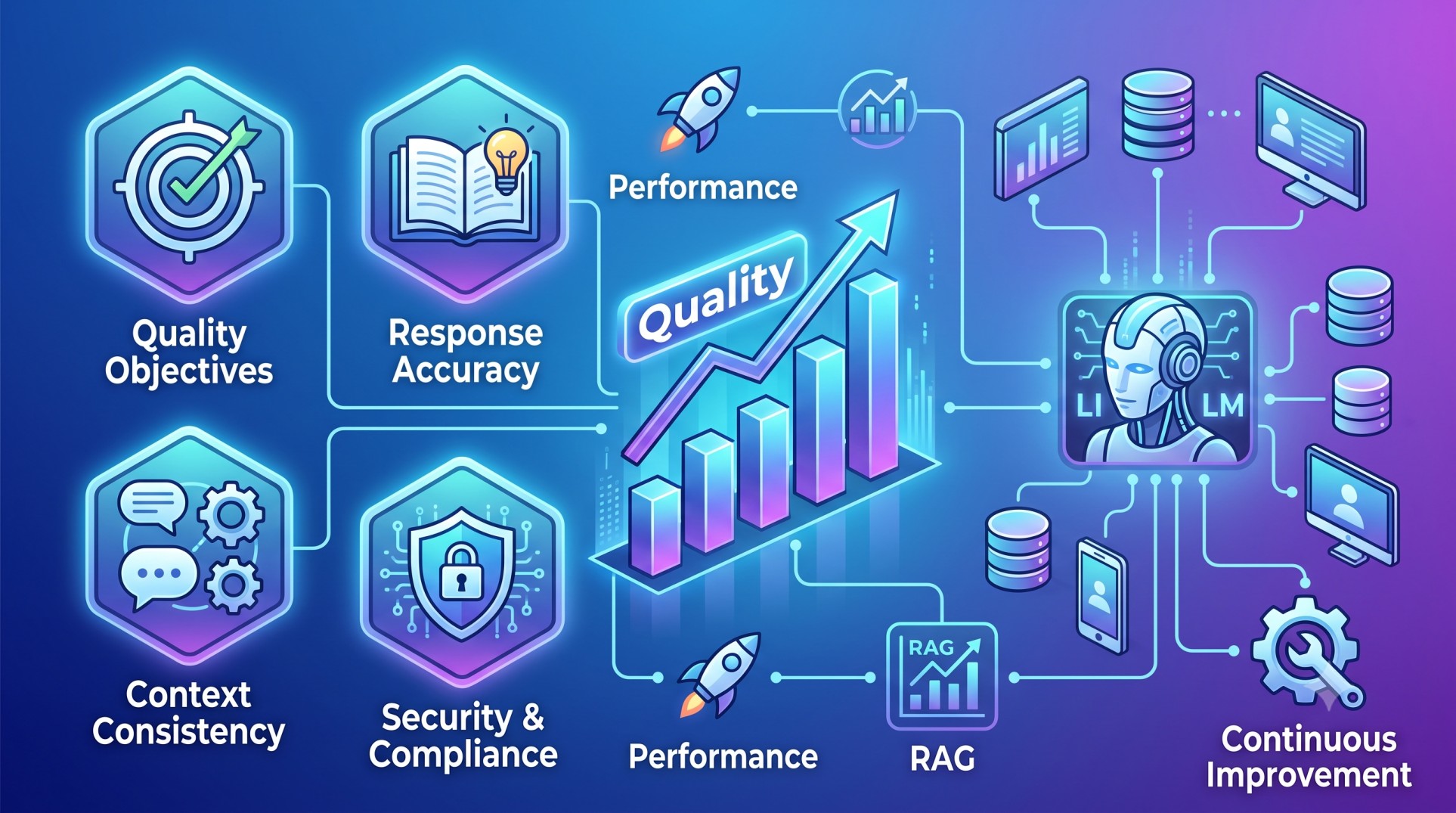
• Set measurable objectives to evaluate success and impact 📊
• Select AI technologies that match the problem’s scale and complexity ⚙️
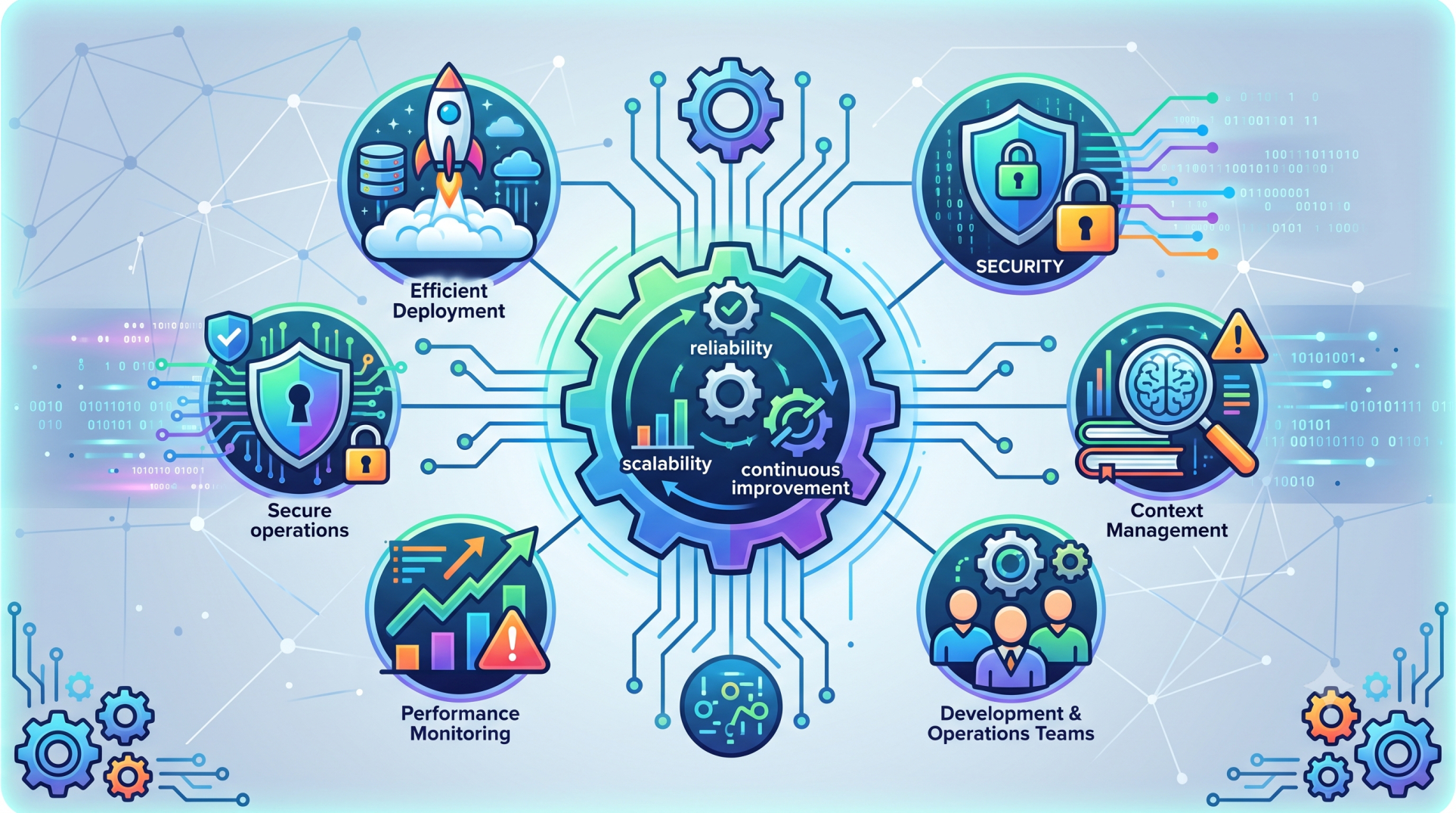
• Deploy systems in real environments and continuously improve them 🔄
Ensures AI initiatives are focused, scalable, and results-driven ✅
2. How Transformers Transformed Modern AI
• Enable efficient learning from massive language datasets 📚
• Support parallel processing for faster and scalable training 🚀
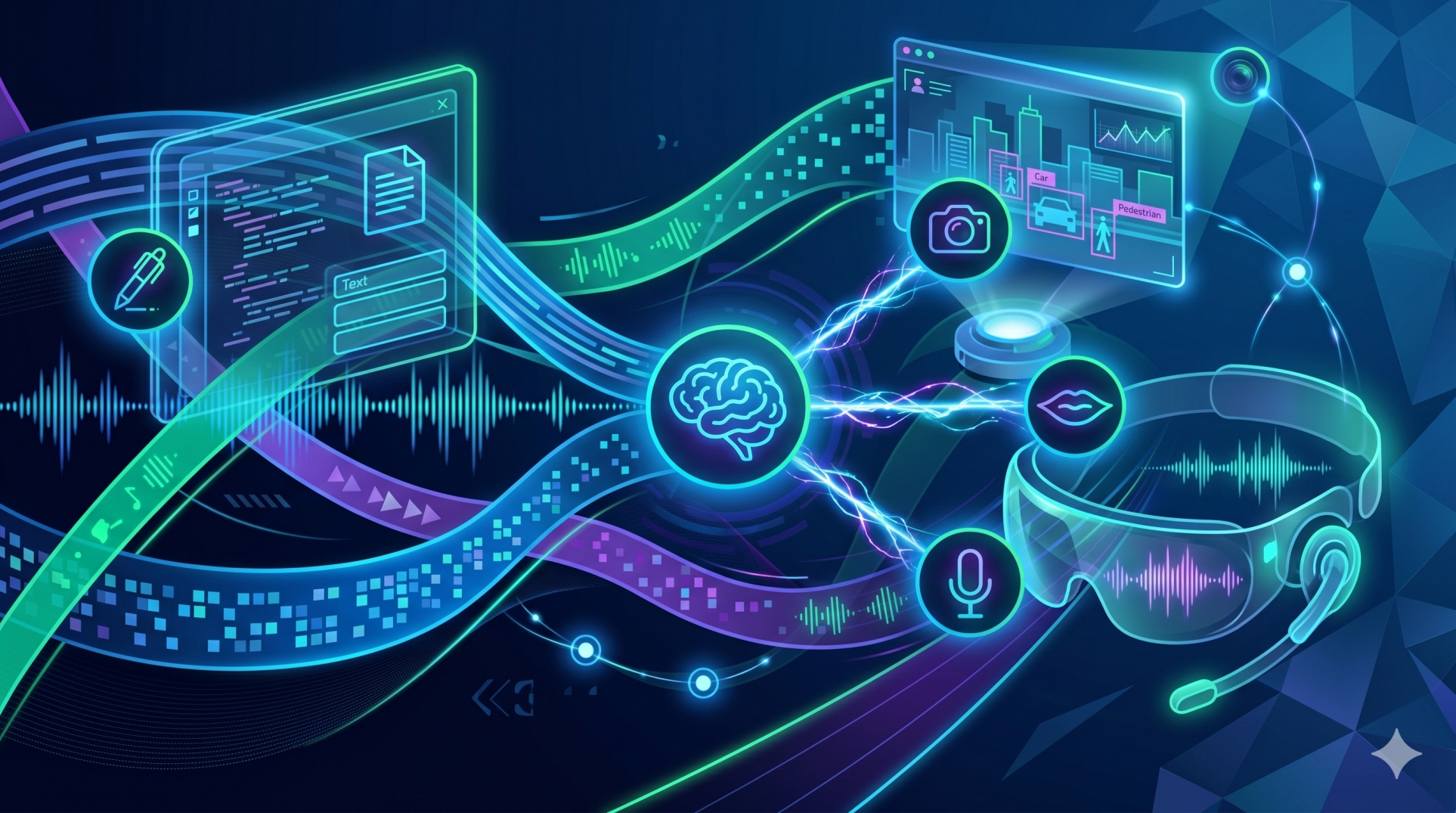
• Process multiple data types including text, images, audio, and video 📝🖼️🎧🎥
• Serve as the core architecture behind generative AI and LLMs 🧠
• Expand AI capabilities from narrow tasks to multimodal intelligence 🌐
3. Understanding the Transformer Architecture
Tokenizer
• Converts raw text into structured tokens 🔤
• Translates language into numerical formats models can process 🔢
Encoder
• Captures context and relationships between tokens 🔗
• Produces rich internal representations of meaning 🧩
Decoder
• Generates outputs such as text, predictions, or responses ✍️
• Enables conversational and generative AI behavior 💬
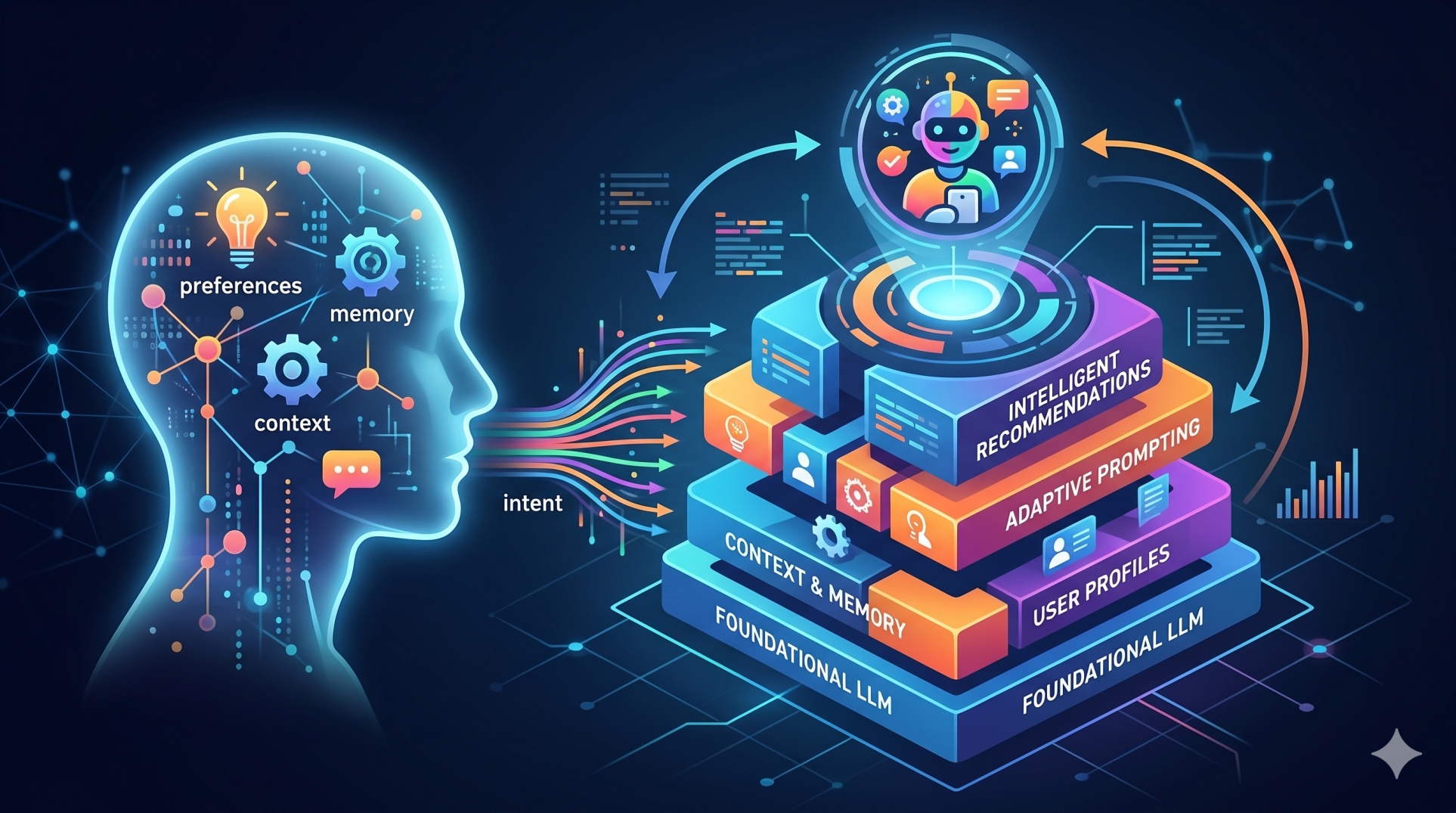
Understanding this pipeline helps teams evaluate how LLMs operate 🧠
4. Beyond Content Generation
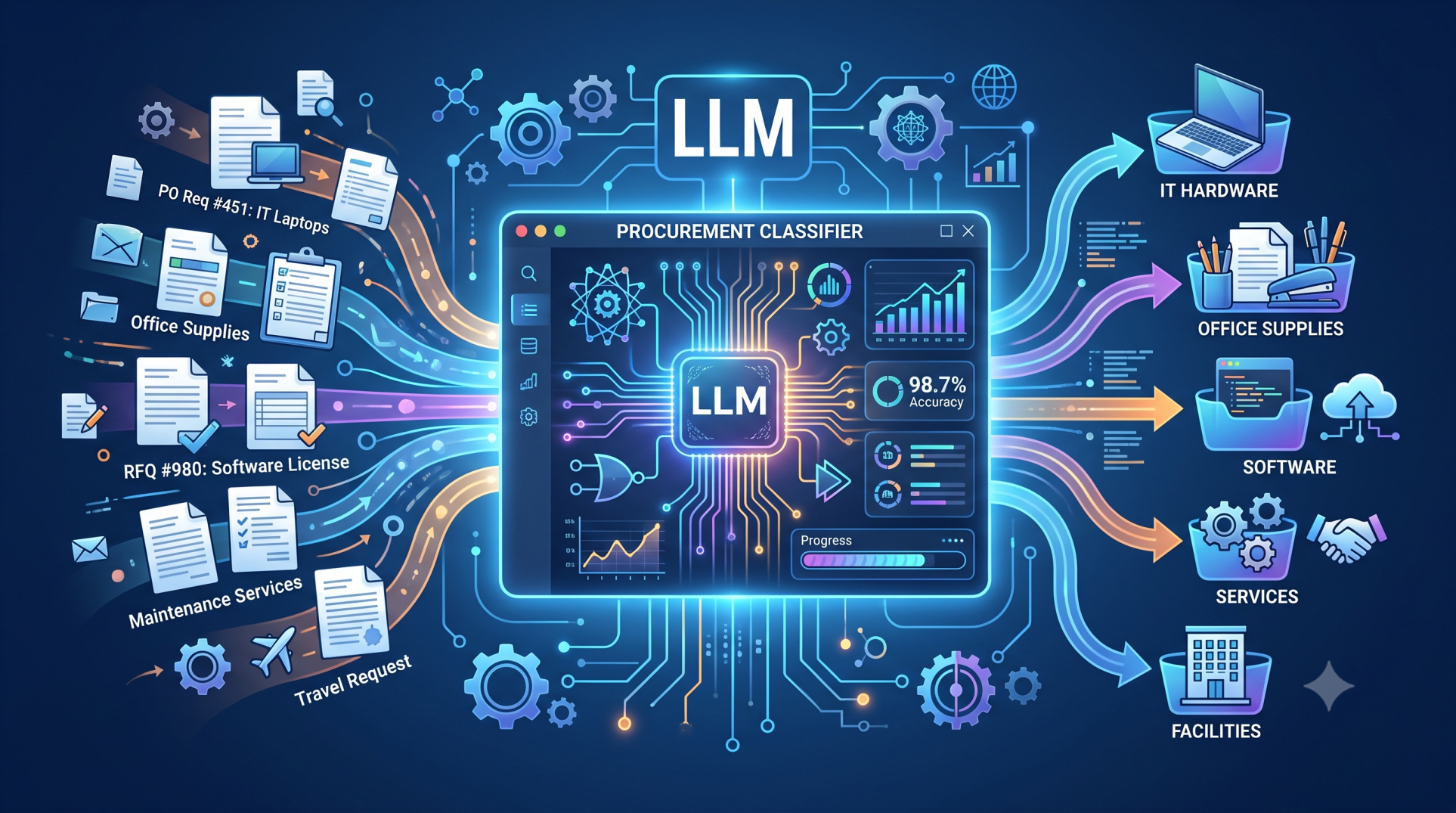
• Supports classification and decision-making use cases 🗂️
• Enables diagnosis, risk evaluation, and pattern detection 🔍
• Uses text and speech inputs to improve predictive accuracy 🗣️
• Encoder-only models can power decision-support systems 🧠
• Makes transformers valuable across a wide range of applications 📈
5. AI Design in Healthcare and Speech-Based Systems
• Speech analysis can identify cognitive and neurological indicators 🧠
• Context-aware text analysis improves diagnostic insights 📊
• AI supports professionals rather than replacing human expertise 🤝
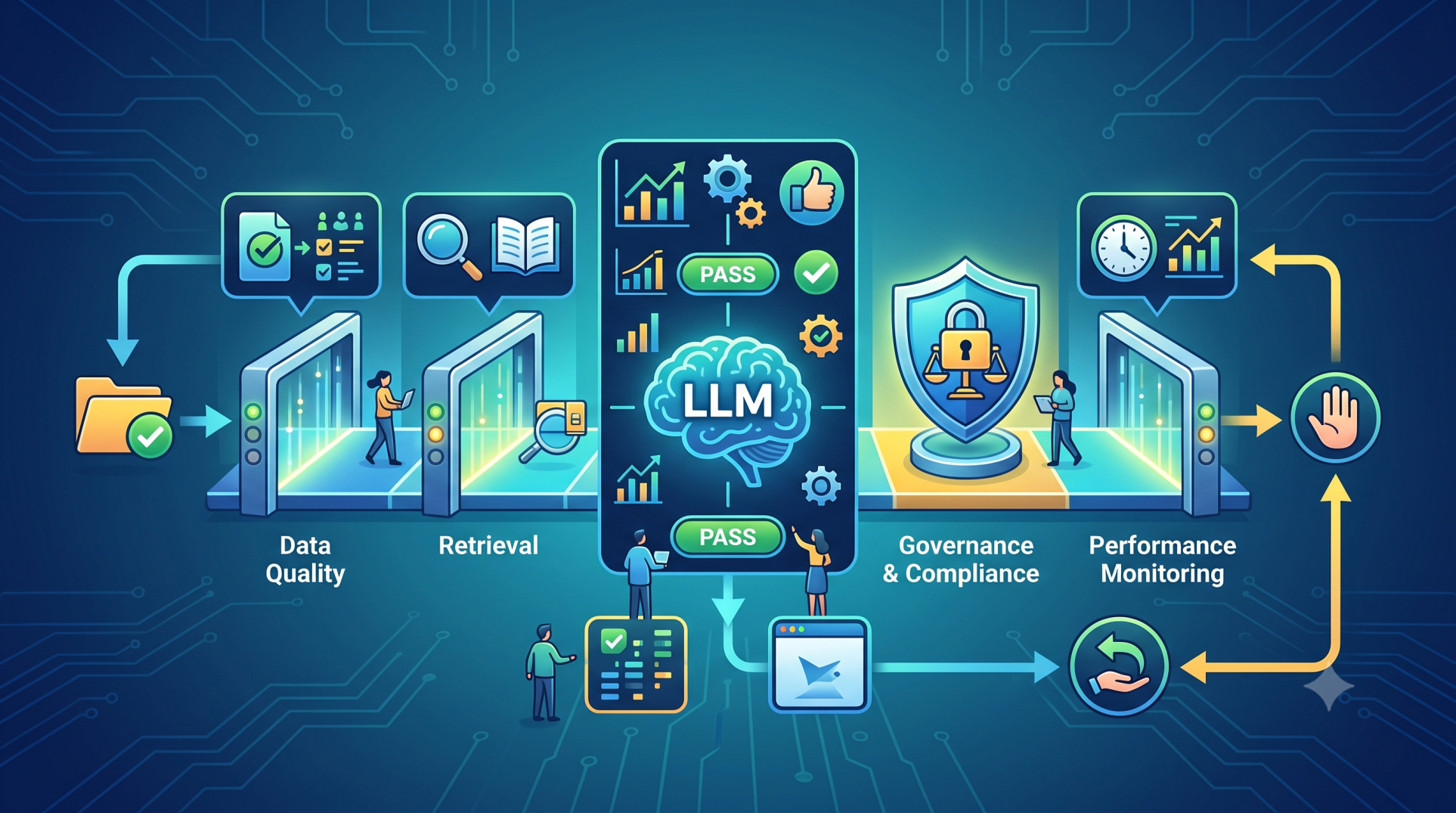
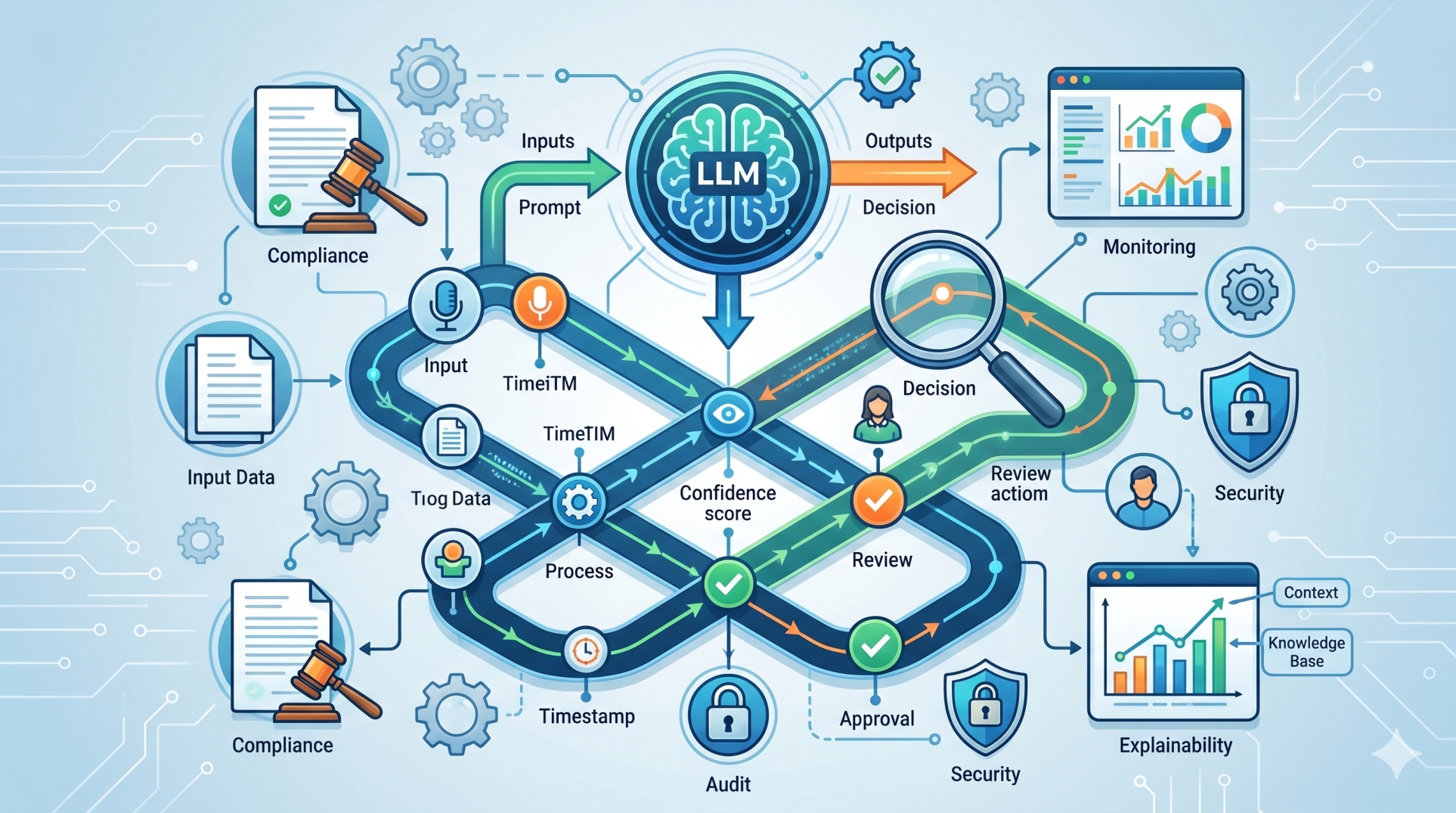
• Safety, transparency, and reliability are essential requirements 🔐
• Well-designed systems enhance human judgment with actionable data ✅
6. Understanding the Limits of Generative AI
• Outputs may sound confident but still be inaccurate ❗
• Model performance depends heavily on data quality and design 📉
• Ethical, regulatory, and business risks must be addressed ⚖️
• Human oversight and validation remain critical 👥
• Responsible AI balances innovation with caution ⚖️
Final Thoughts 🎯
The most impactful AI systems are built by combining strong design principles with advanced technologies like transformers. By understanding AI design frameworks, transformer architectures, and real-world constraints, organizations can create intelligent systems that deliver meaningful and responsible value. Thoughtful AI design ensures that LLMs and generative models solve real problems while remaining reliable, transparent, and aligned with human goals 🌍✨.
See more blogs
You can all the articles below