Building Intelligent Supplier Communication Systems with LLMs

Supplier communication is a critical part of procurement and supply chain operations. Organizations regularly exchange information about purchase orders, delivery schedules, pricing, product specifications, invoices, quality requirements, and contract terms. Large Language Models (LLMs) can help transform these communication processes by interpreting supplier messages, extracting relevant information, generating responses, and connecting conversations with enterprise workflows. When implemented with appropriate controls, LLM-powered communication systems can improve response speed, reduce manual effort, and create more consistent supplier interactions.
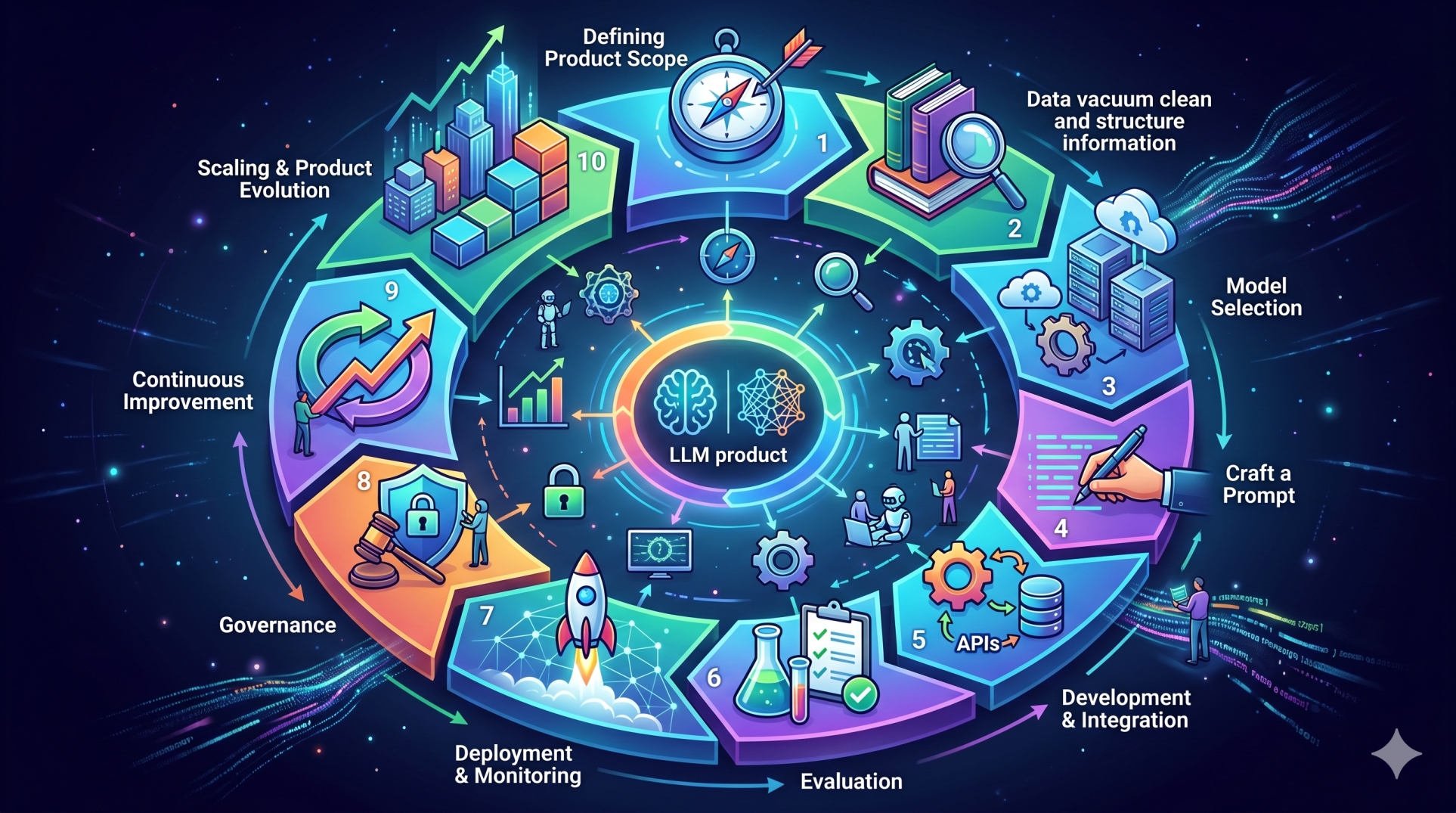
Step 1: Understanding Supplier Communication Challenges 📦
• Procurement teams often manage large volumes of supplier emails and messages. 📧
• Important information can be scattered across different communication channels. 🔎
• Manual data entry can introduce errors and delays. ⚠️
• Different suppliers may use inconsistent formats and terminology. 📝
• Delayed responses can affect purchasing, production, and delivery schedules. ⏱️
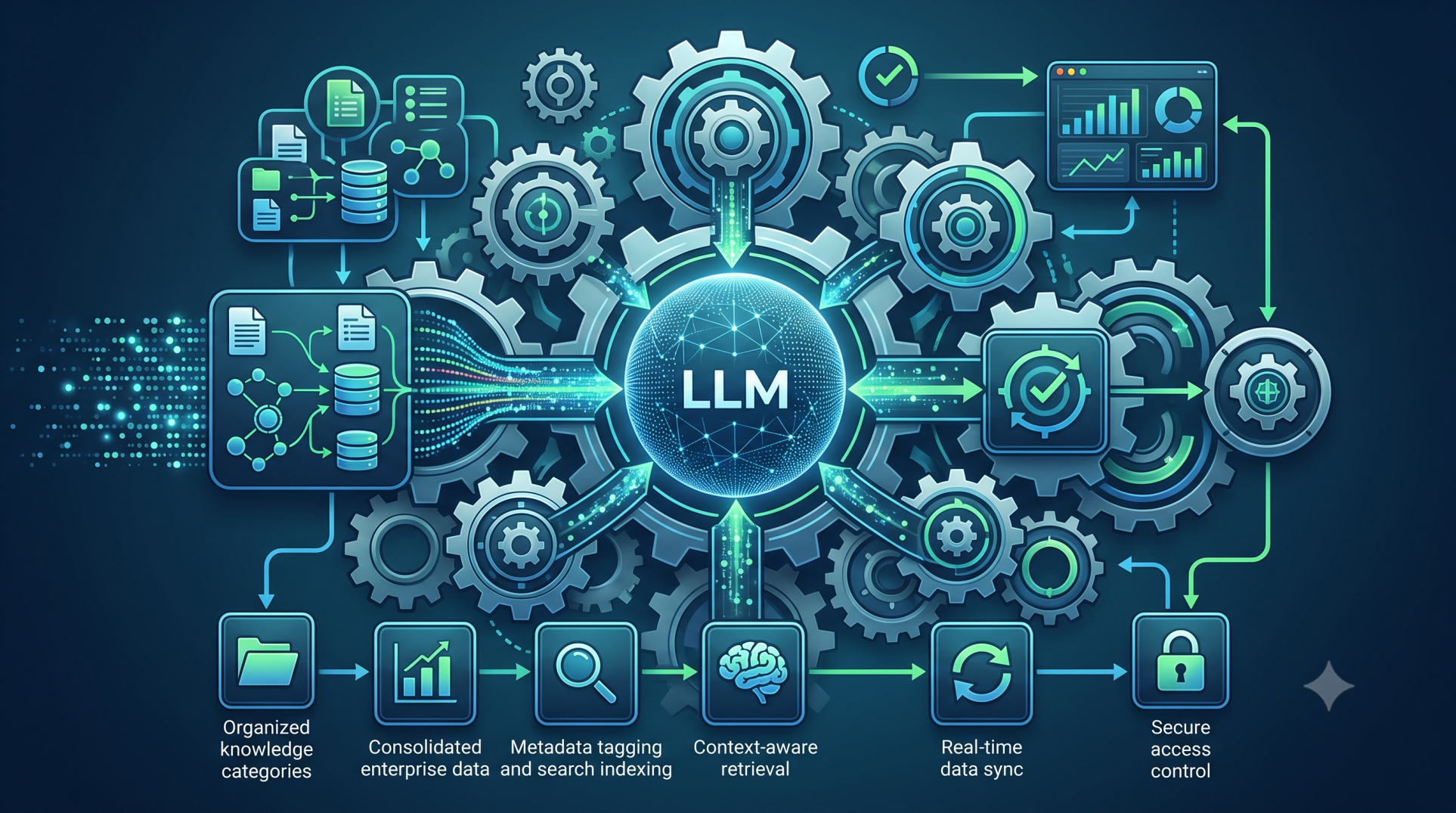
Step 2: Connecting LLMs with Supplier Data 🤖
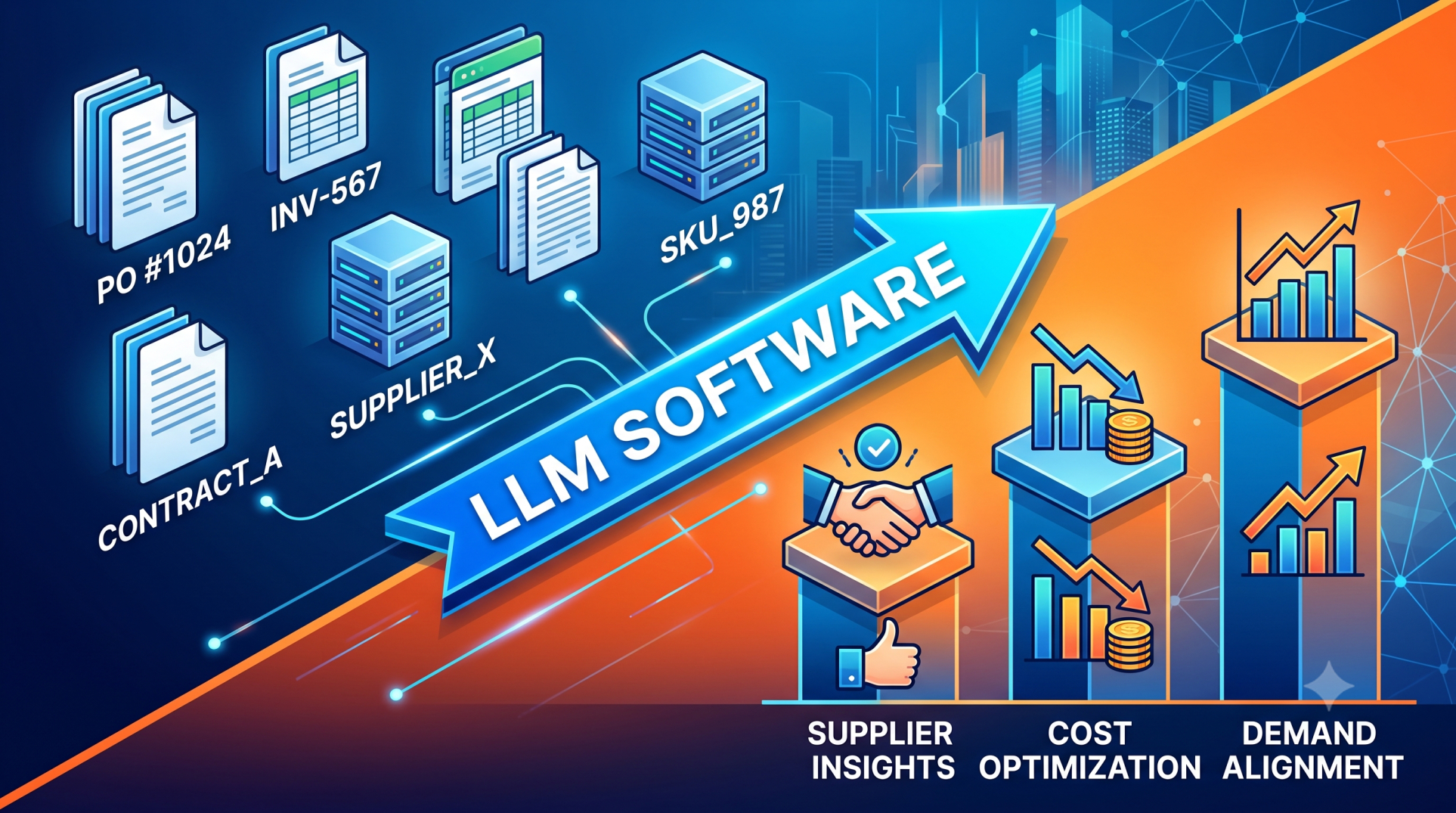
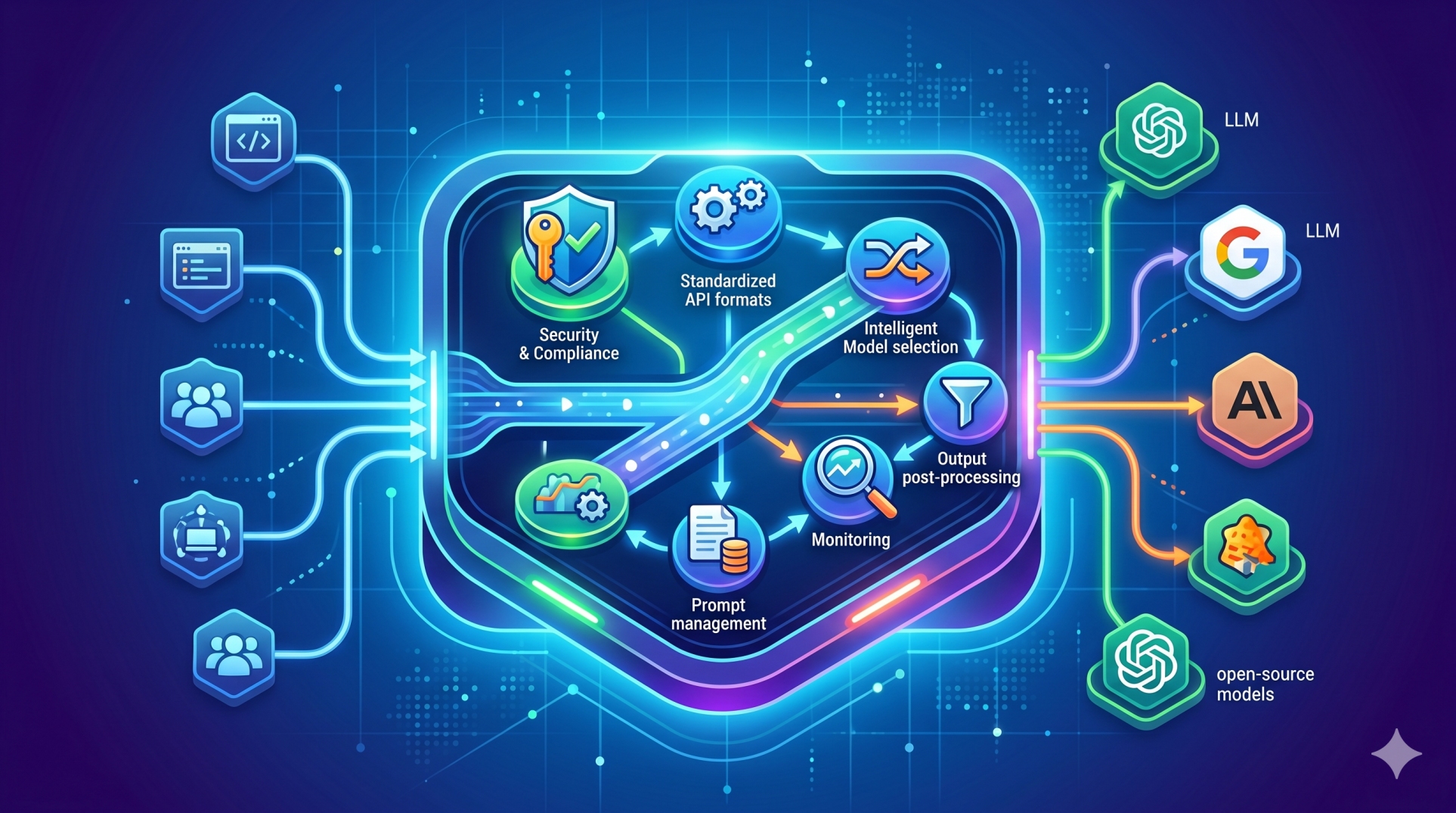
• Connect LLM systems with approved supplier records and procurement data. 🔗
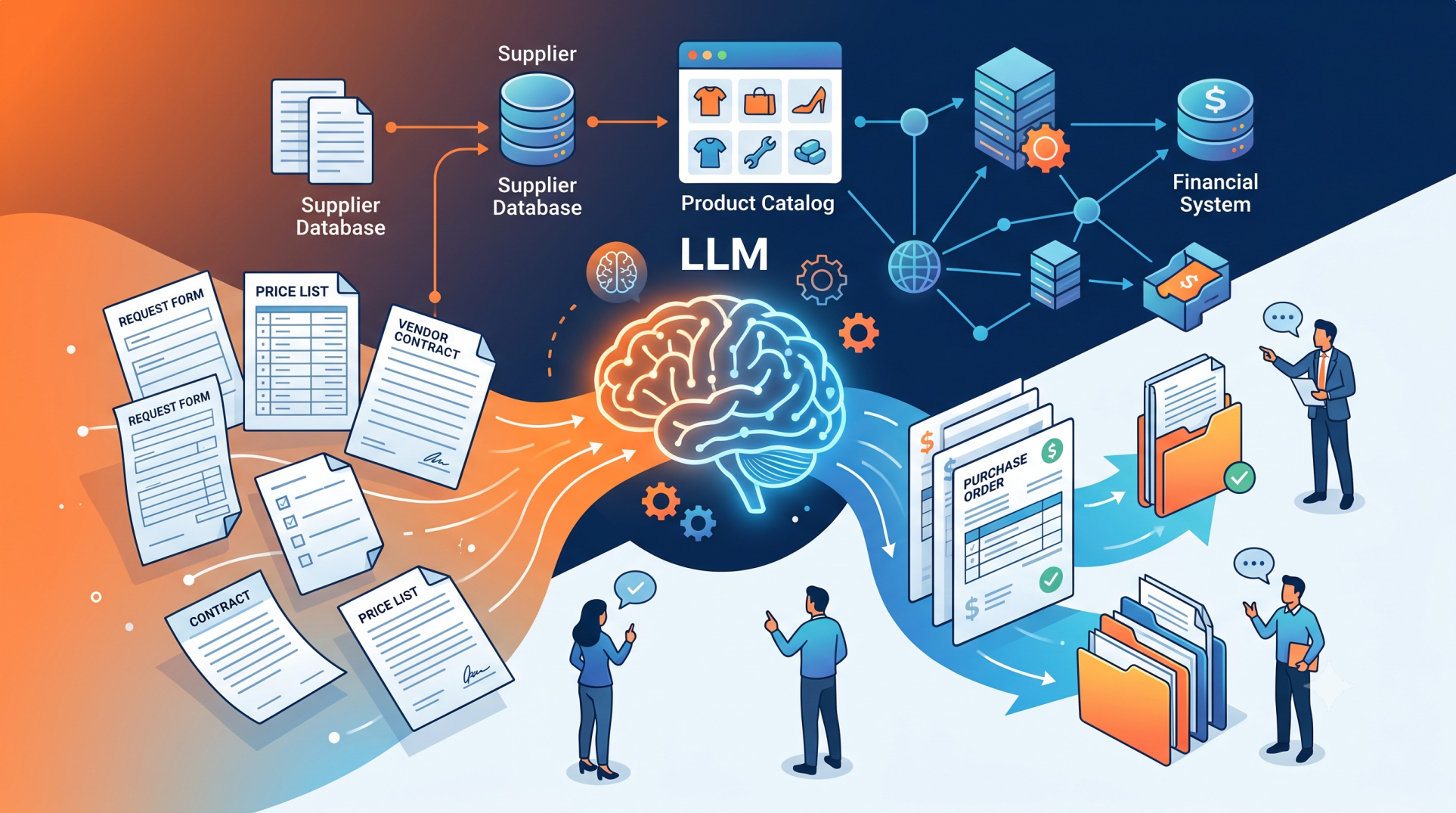
• Provide access to relevant purchase orders, contracts, catalogs, and delivery information. 📊
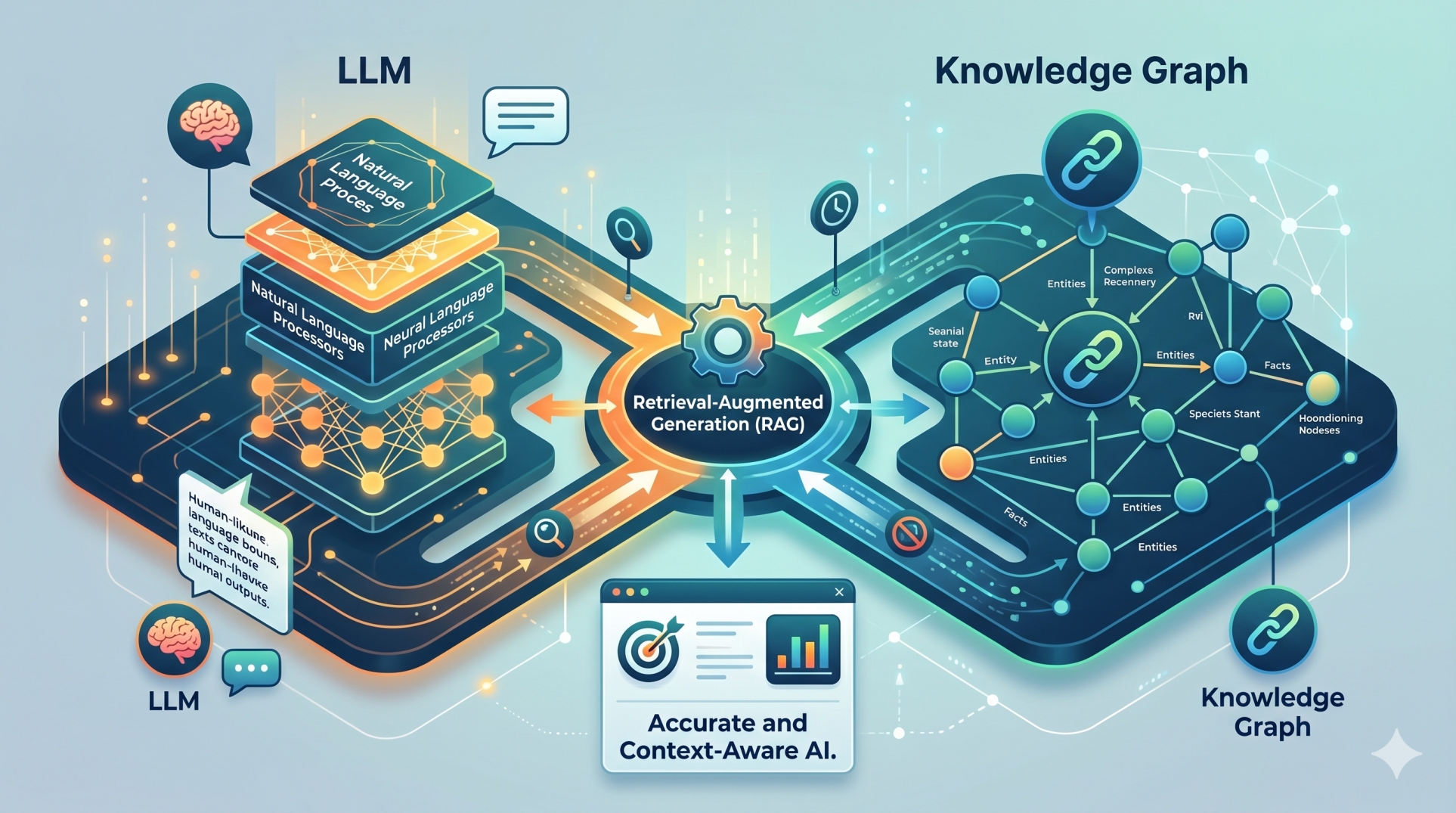
• Use structured data sources to provide reliable business context. 🗄️
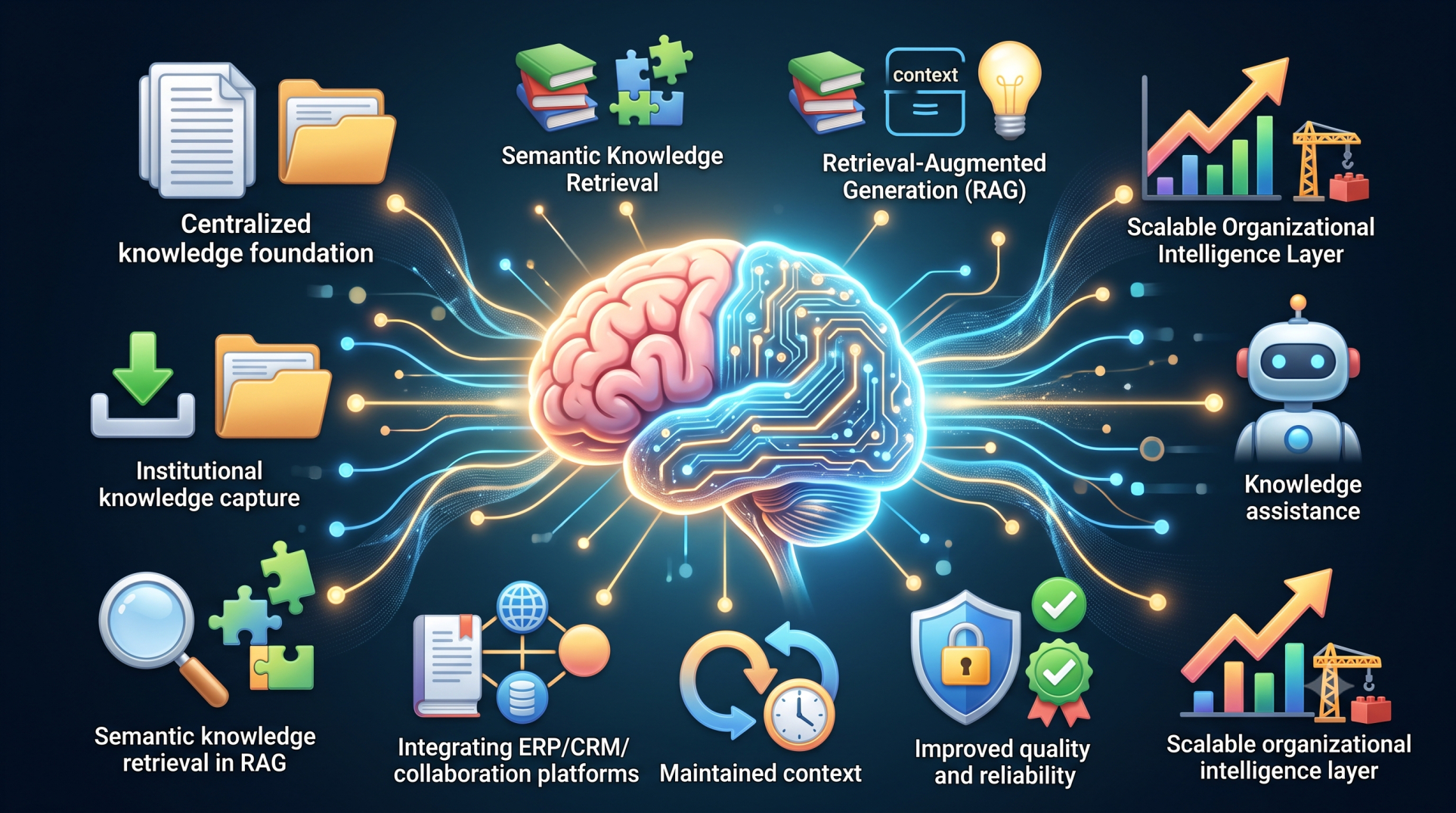
• Apply retrieval mechanisms to locate relevant information before generating responses. 🔍
• Keep sensitive supplier information protected through appropriate access controls. 🔐
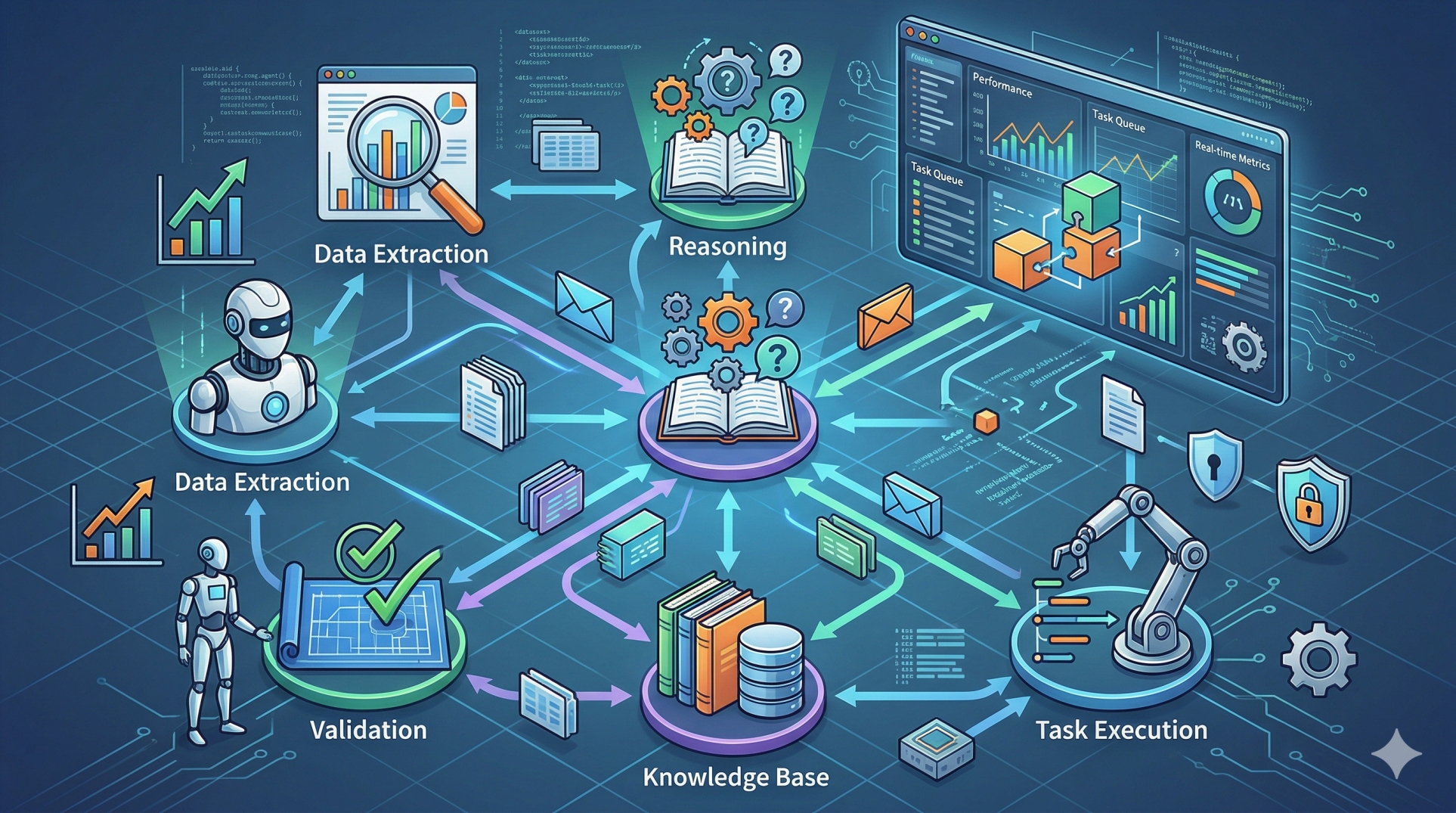
Step 3: Automating Message Understanding 📩
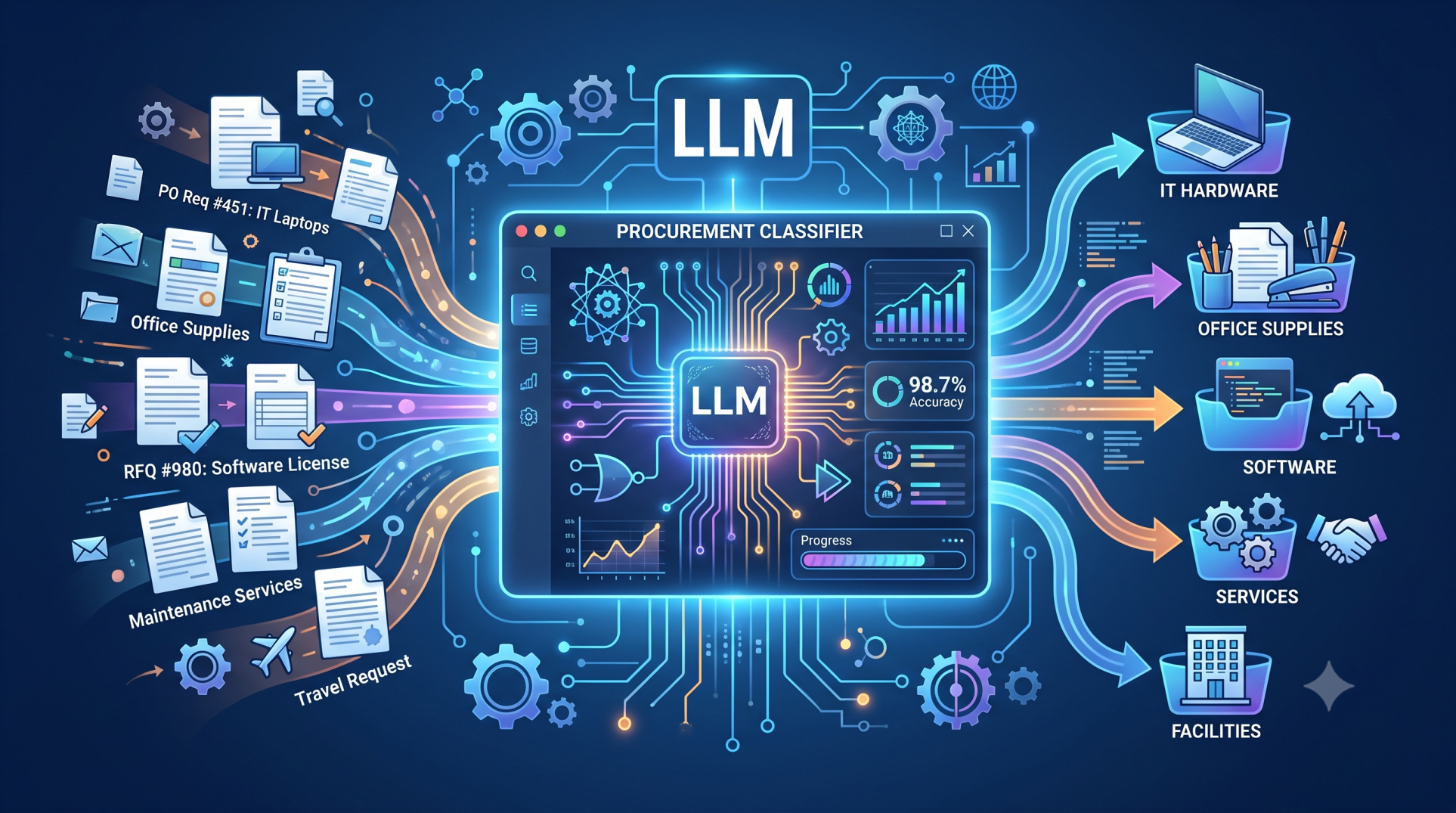
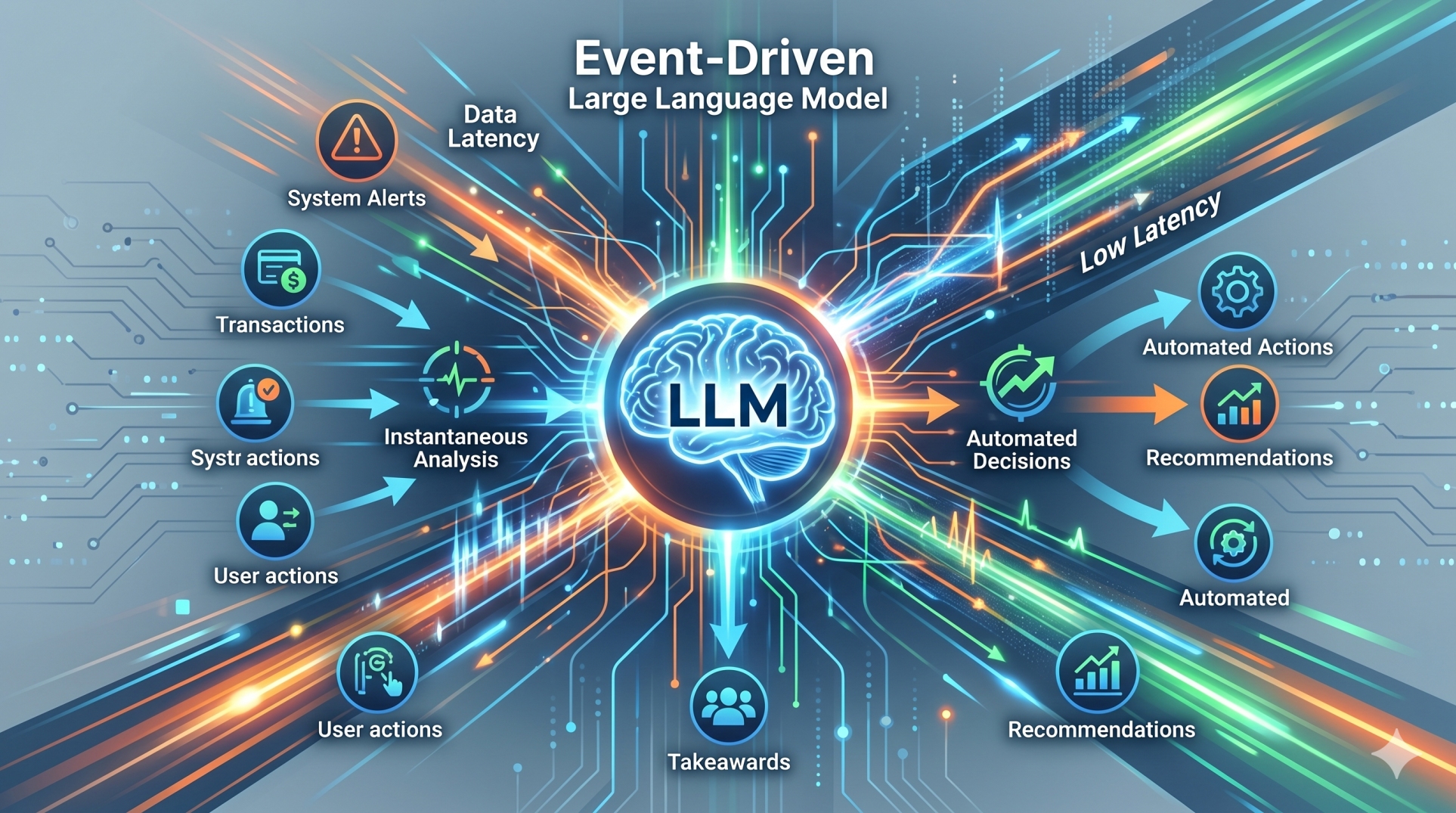
• Use LLMs to classify incoming supplier communications by topic and urgency. 🧠
• Extract details such as order numbers, quantities, prices, dates, and delivery commitments. 📋
• Identify requests related to changes, delays, shortages, or product issues. ⚠️
• Convert unstructured messages into structured procurement information. 🔄
• Route communications to the appropriate teams or workflows. 👥
Step 4: Generating Context-Aware Responses ✍️
• Generate draft responses using relevant supplier and transaction information. 📝
• Adapt communication based on the purpose and context of each interaction. 🎯
• Maintain consistent terminology and professional communication standards. 💼
• Include relevant order, shipment, or procurement details when appropriate. 📦
• Require human approval for sensitive or high-impact communications. 👤
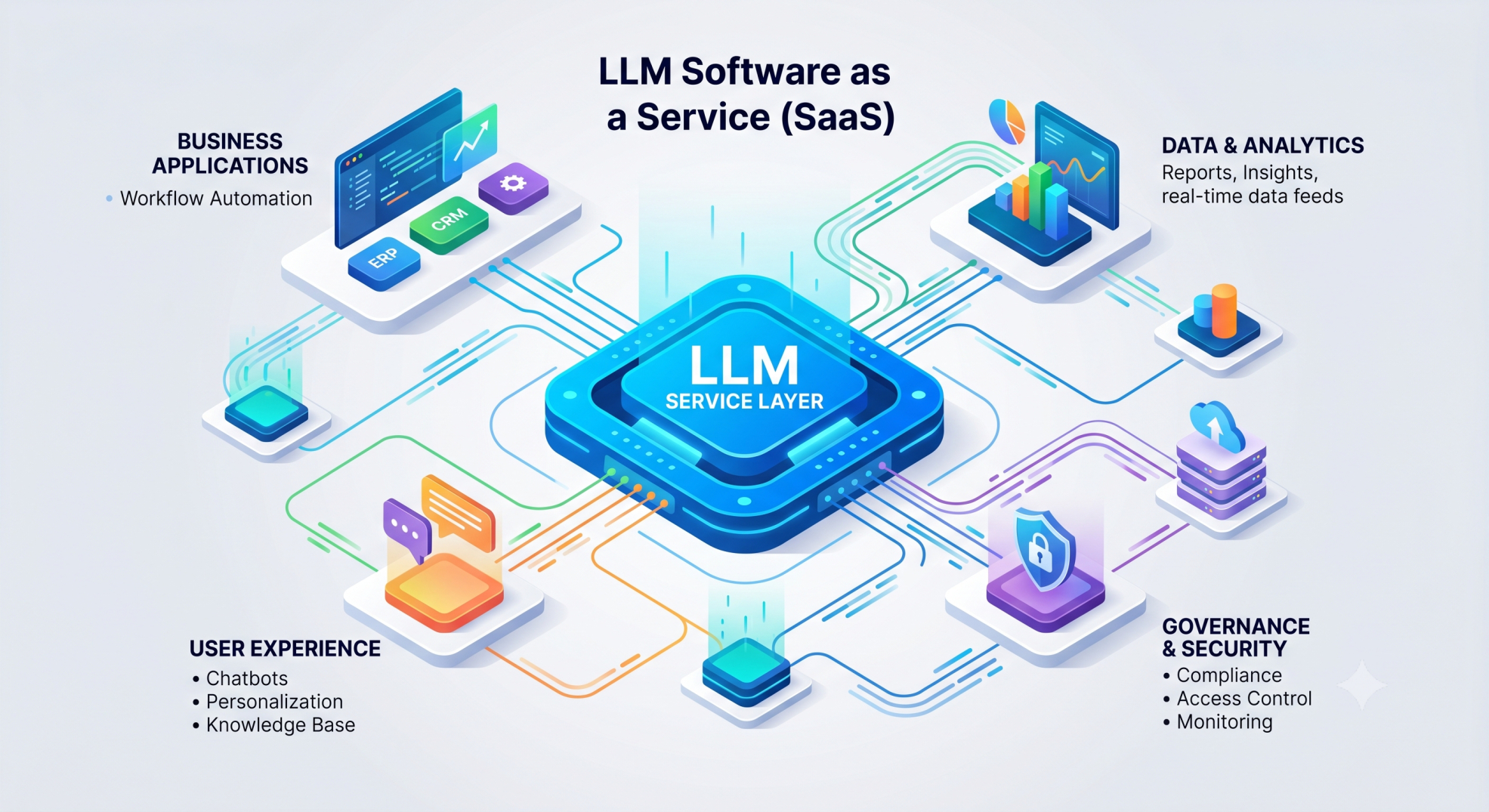
Step 5: Integrating with Procurement Workflows 🔗
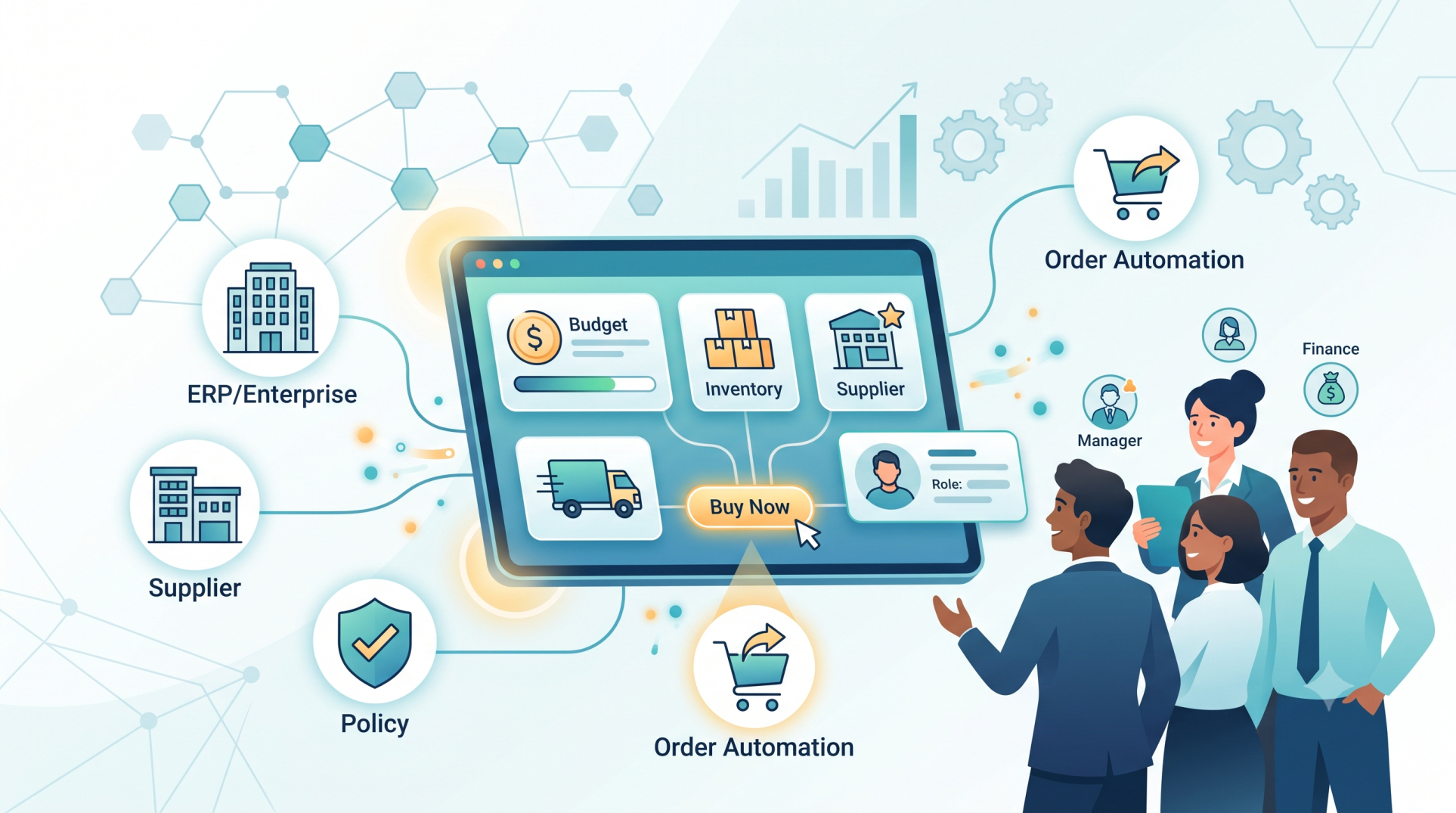
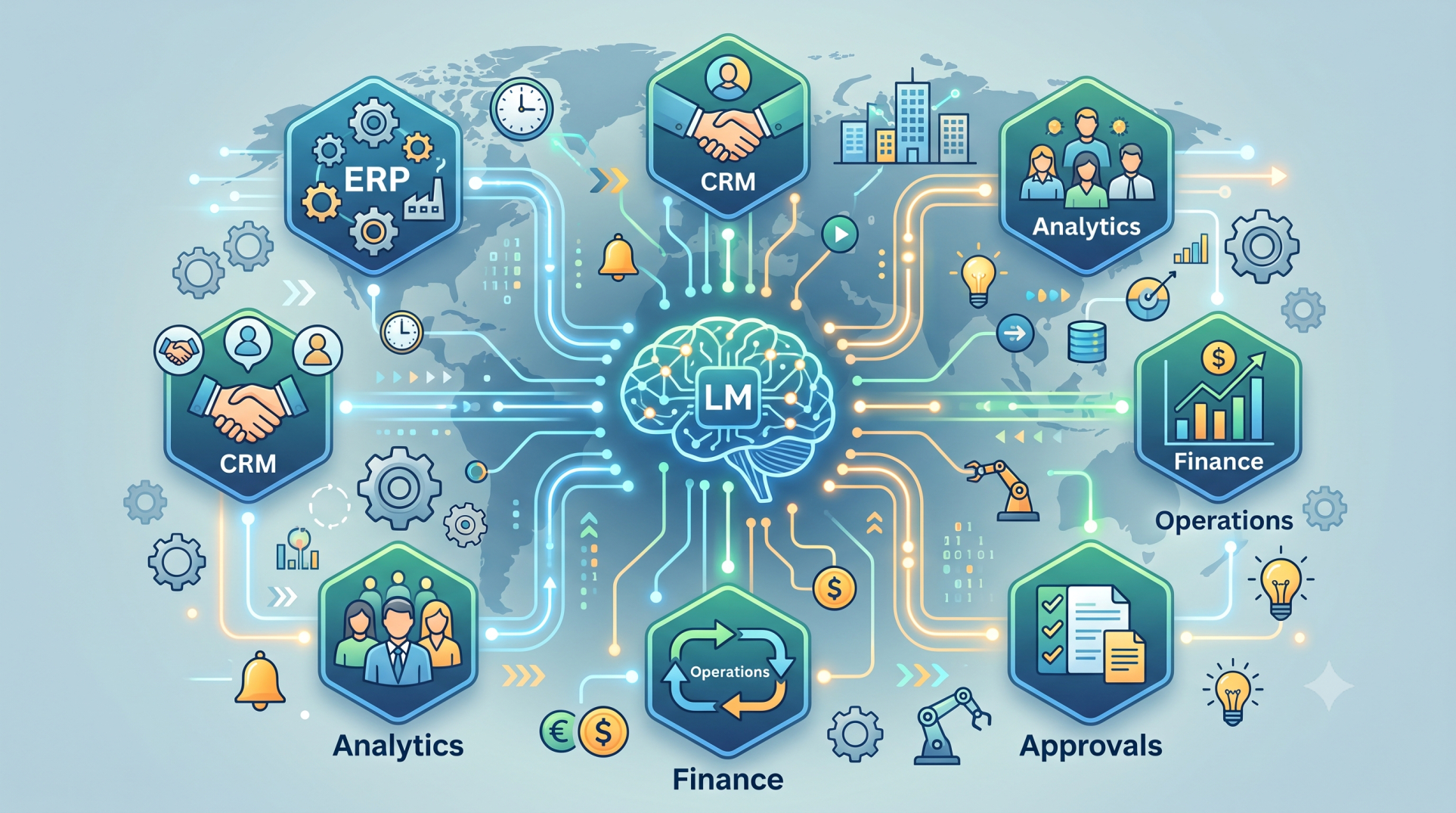
• Connect LLM-powered communication systems with ERP and procurement platforms. 🏢
• Link supplier conversations to purchase orders and related transactions. 📑
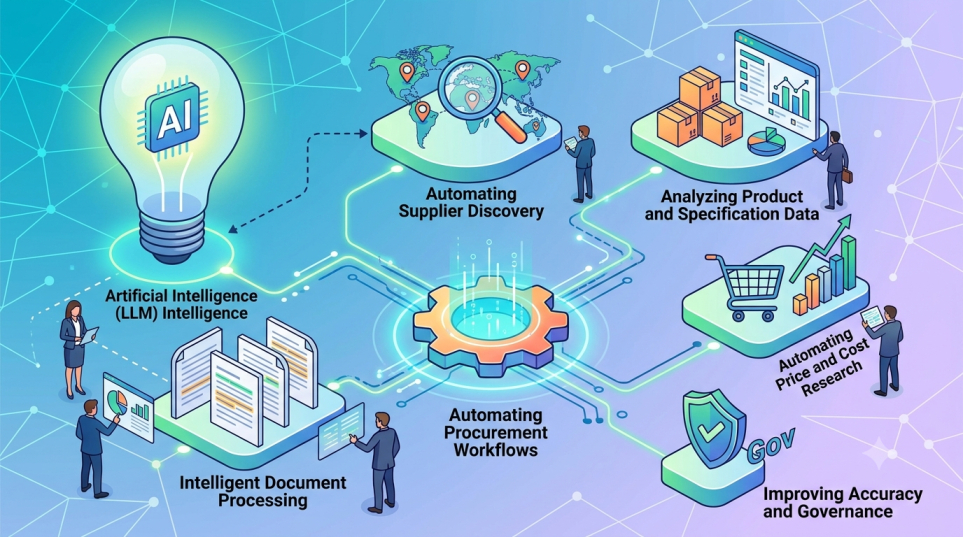
• Trigger workflow actions when specific events or requests are detected. ⚙️
• Update approved information in enterprise systems through controlled processes. 🔄
• Maintain synchronization between communication records and operational data. 📊
Step 6: Managing Supplier Requests and Exceptions 🚨
• Detect delivery delays and changes in supplier commitments. ⏱️
• Identify discrepancies between supplier messages and purchase order information. 🔍
• Escalate unresolved issues to procurement teams. 📢
• Recommend appropriate follow-up actions based on predefined business rules. 🎯
• Maintain exception histories for future analysis and resolution. 📚
Step 7: Supporting Multilingual Communication 🌎
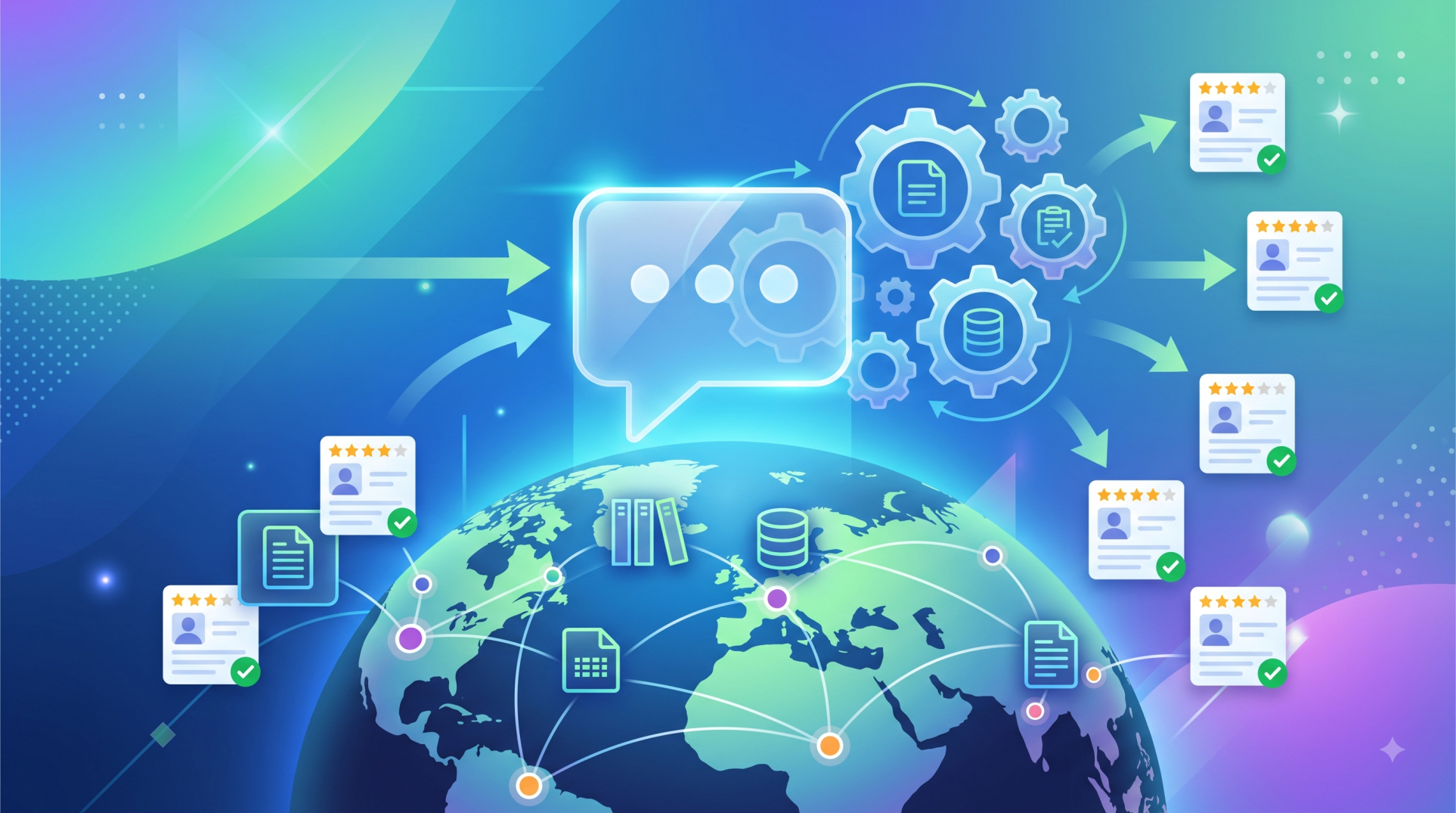
• Process supplier communications across multiple languages. 🗣️
• Translate messages while preserving relevant business terminology. 🔄
• Help procurement teams communicate consistently with international suppliers. 🌍
• Reduce language-related misunderstandings in global supply chains. 🤝
• Apply human review where translation accuracy has contractual or operational consequences. 🔐
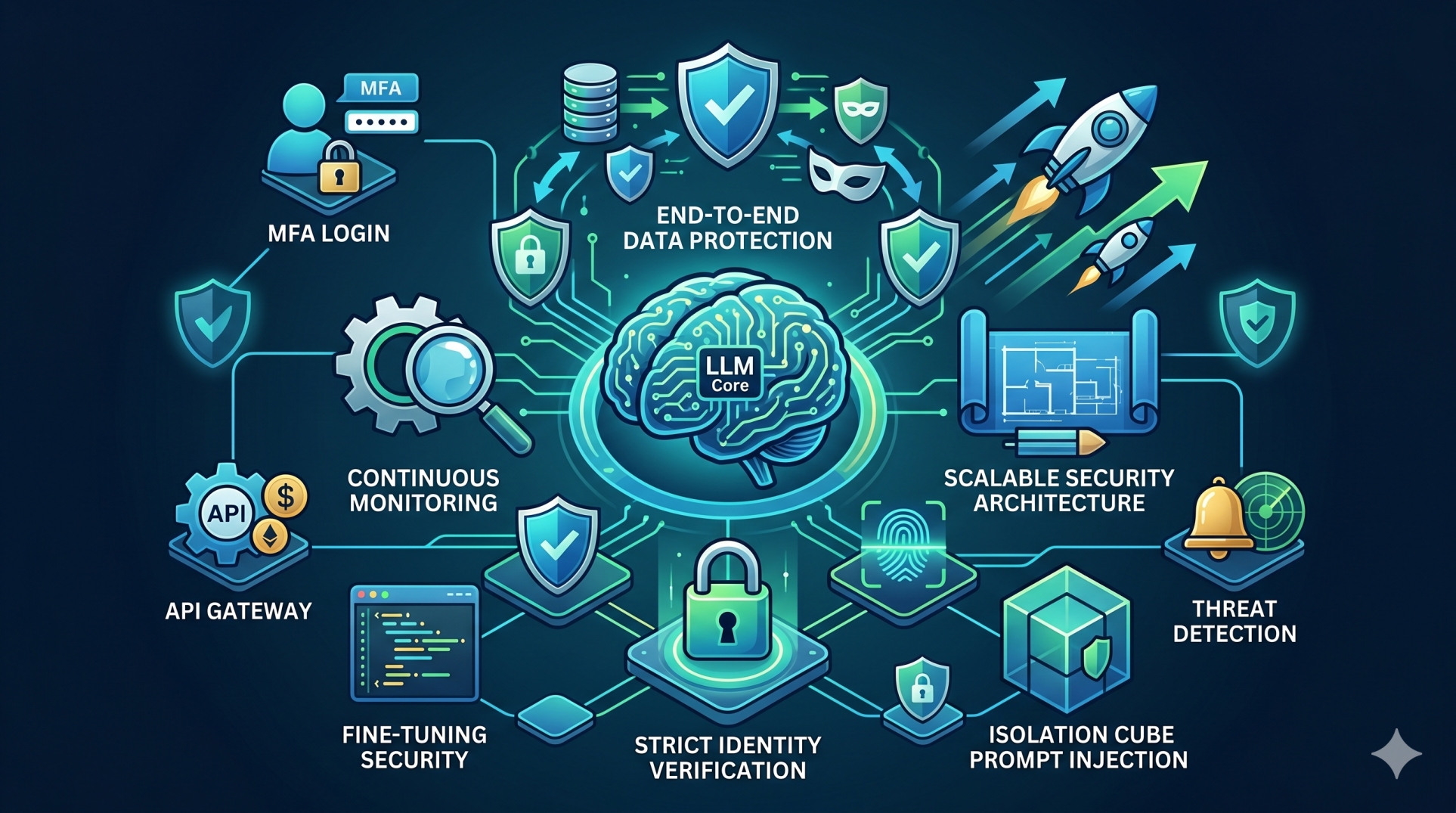
Step 8: Establishing Security and Governance 🛡️
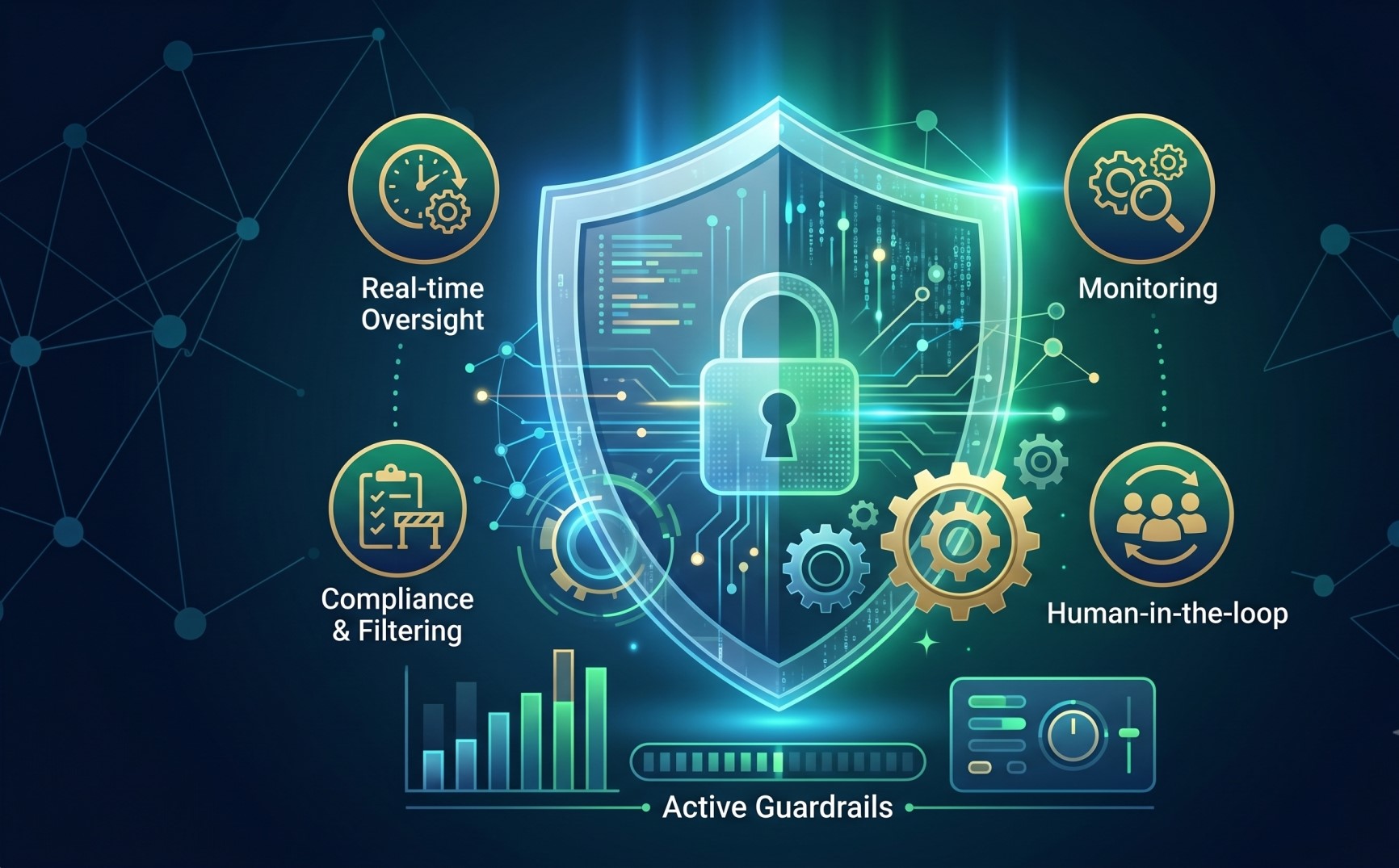
• Restrict LLM access to information required for each supplier interaction. 🔒
• Apply role-based permissions to procurement and supplier data. 👥
• Prevent confidential information from being unnecessarily exposed in generated responses. 🚫
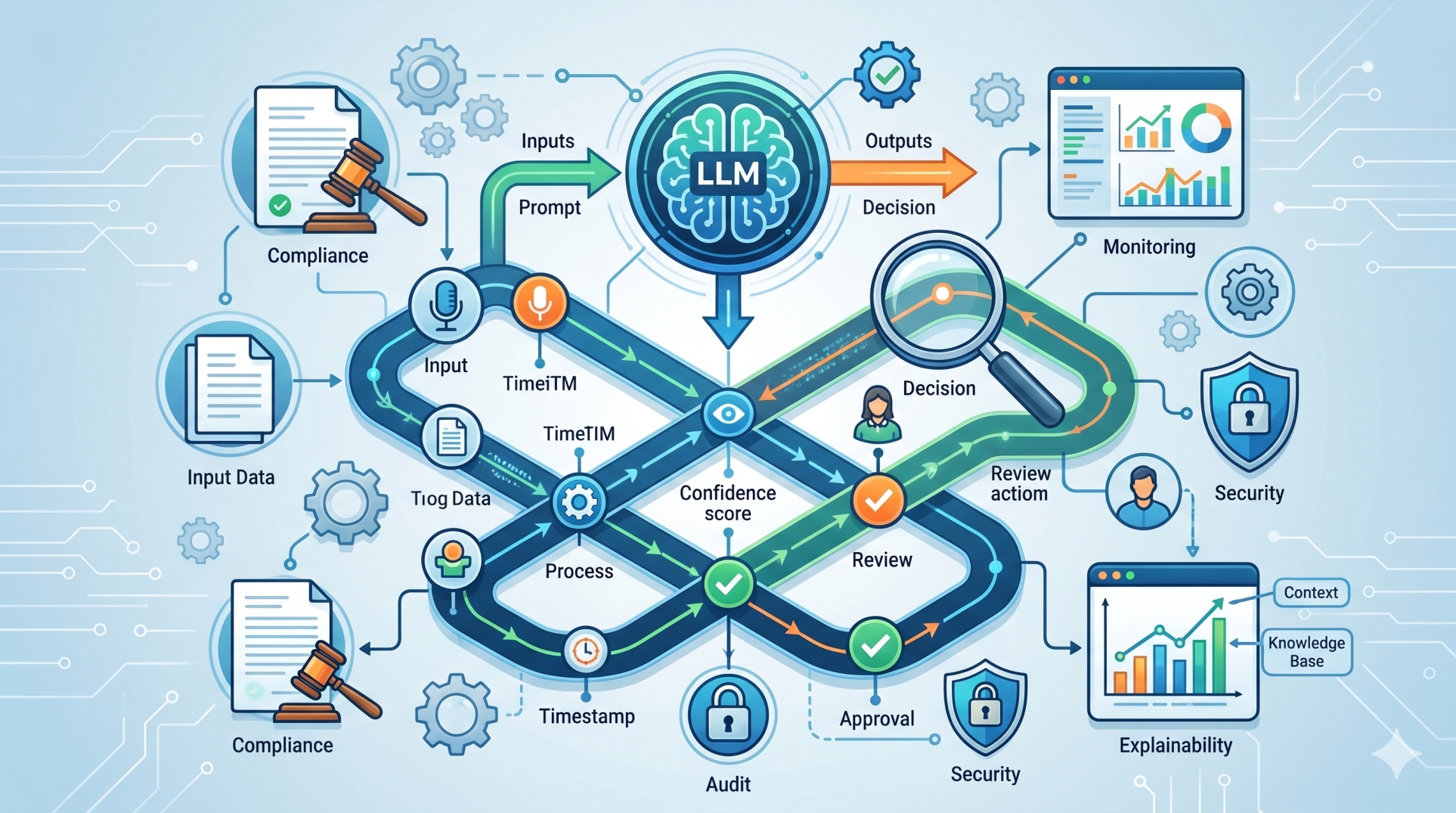
• Maintain logs of important AI-assisted actions and communications. 📝
• Establish approval policies for automated supplier interactions. ✅
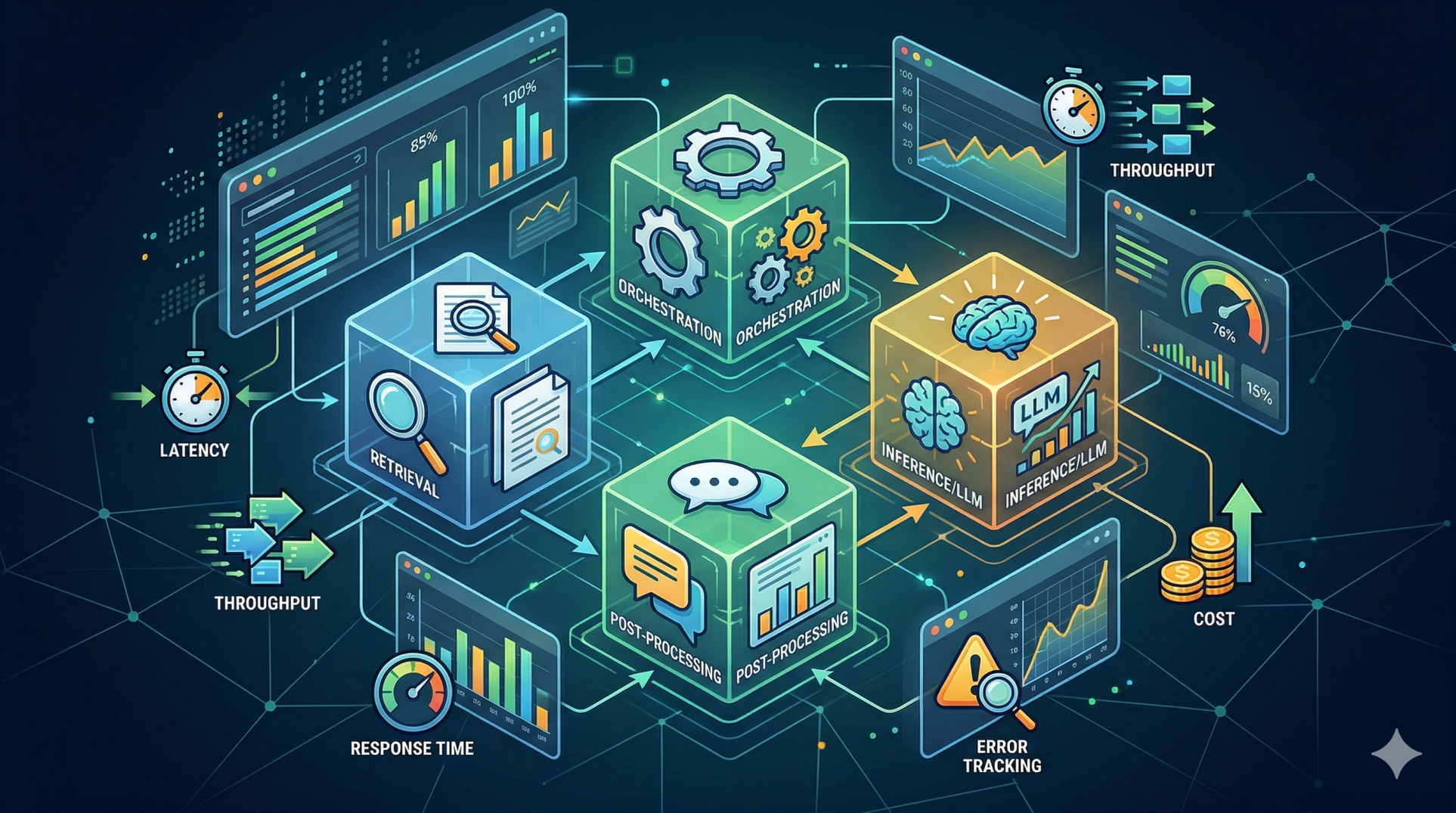
Step 9: Monitoring Communication Performance 📈
• Track response times across supplier communication workflows. ⏱️
• Measure how frequently AI-generated drafts require human modification. 📊
• Monitor extraction accuracy for important procurement information. 🔎
• Identify recurring supplier questions and communication bottlenecks. 💡
• Continuously improve prompts, retrieval methods, workflows, and validation rules. 🔄
Step 10: Building a Scalable Supplier Communication Ecosystem 🚀
• Design modular systems that can support additional suppliers and communication channels. 🧩
• Integrate email, procurement portals, ERP systems, and other approved platforms. 🔗
• Expand automation gradually as reliability and governance mature. 📈
• Support increasingly complex supplier workflows without creating unnecessary manual effort. ⚙️
• Build an adaptable communication layer that can evolve with procurement requirements. 🌐
Conclusion 🎯
Building intelligent supplier communication systems with LLMs can transform how procurement teams interact with suppliers and manage operational information. By combining language intelligence with enterprise data, workflow automation, and appropriate human oversight, organizations can process communications faster while improving consistency and visibility. The greatest value comes from treating LLMs as part of a broader supplier communication architecture rather than as standalone chat tools. With strong data integration, security controls, validation processes, and scalable workflows, businesses can create more responsive supplier relationships and build a smarter, more efficient procurement operation.
See more blogs
You can all the articles below