Integrating Knowledge Graphs into Language Model Platforms
Integrating Knowledge Graphs into Language Model Platforms
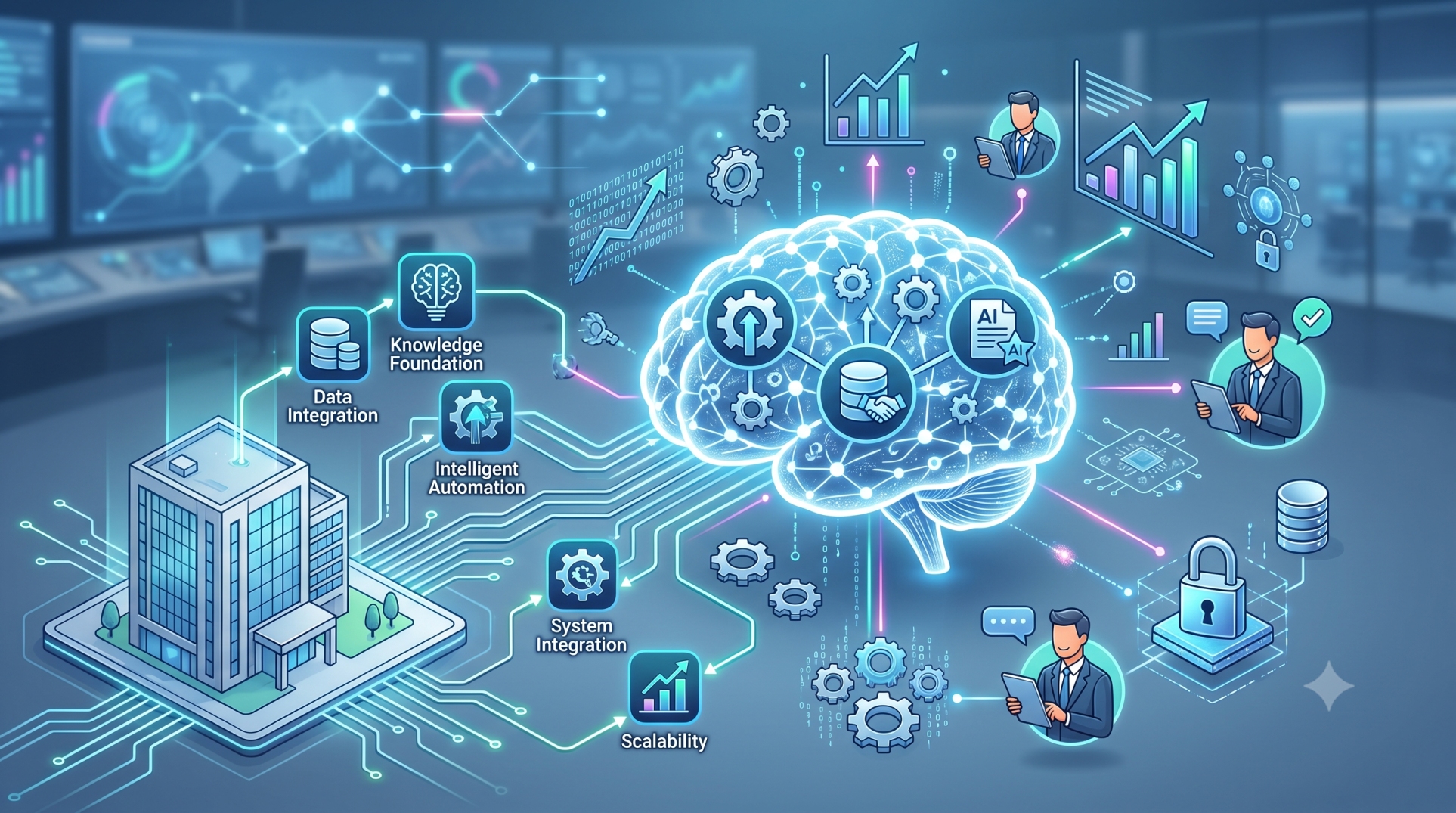
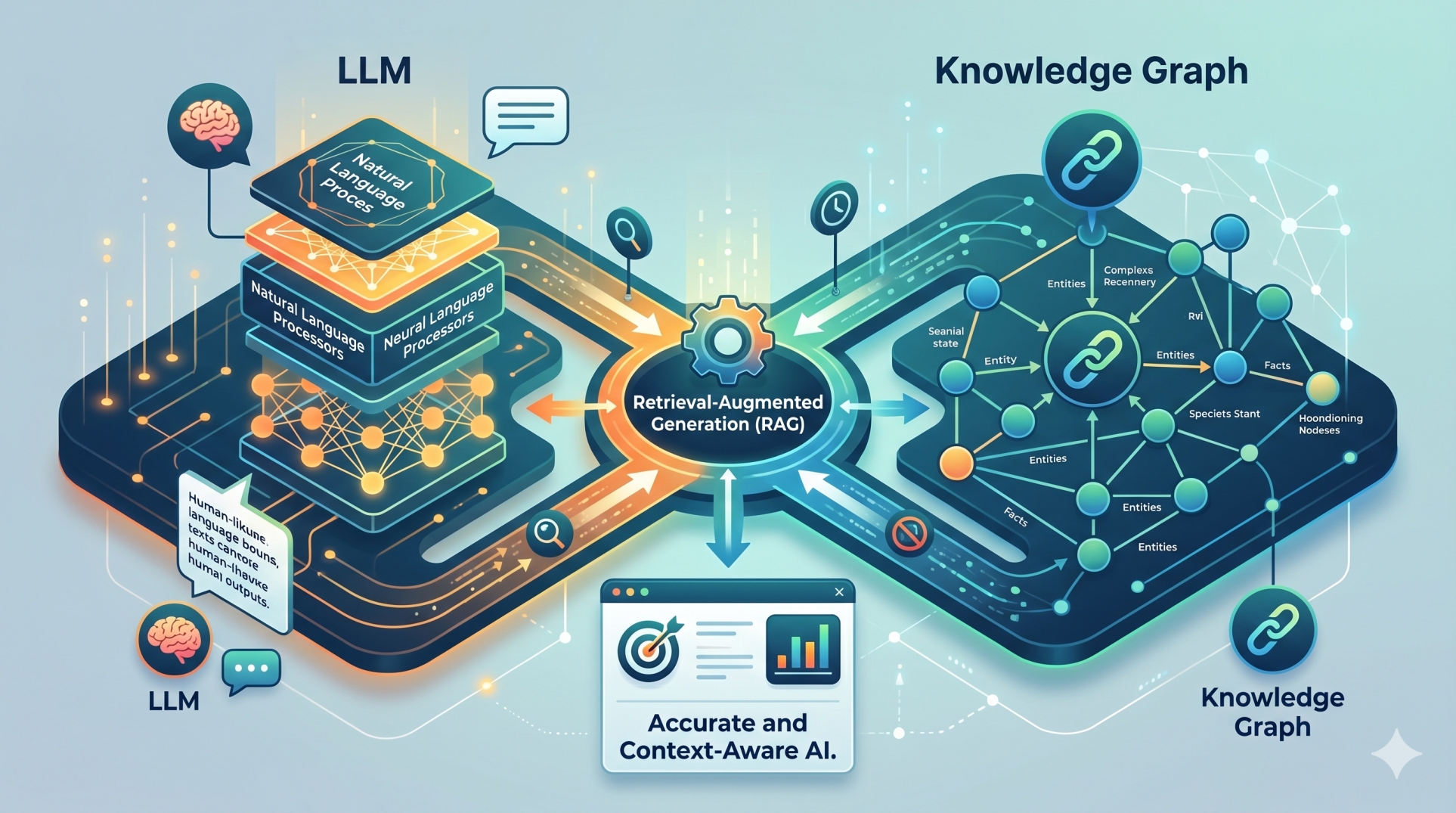
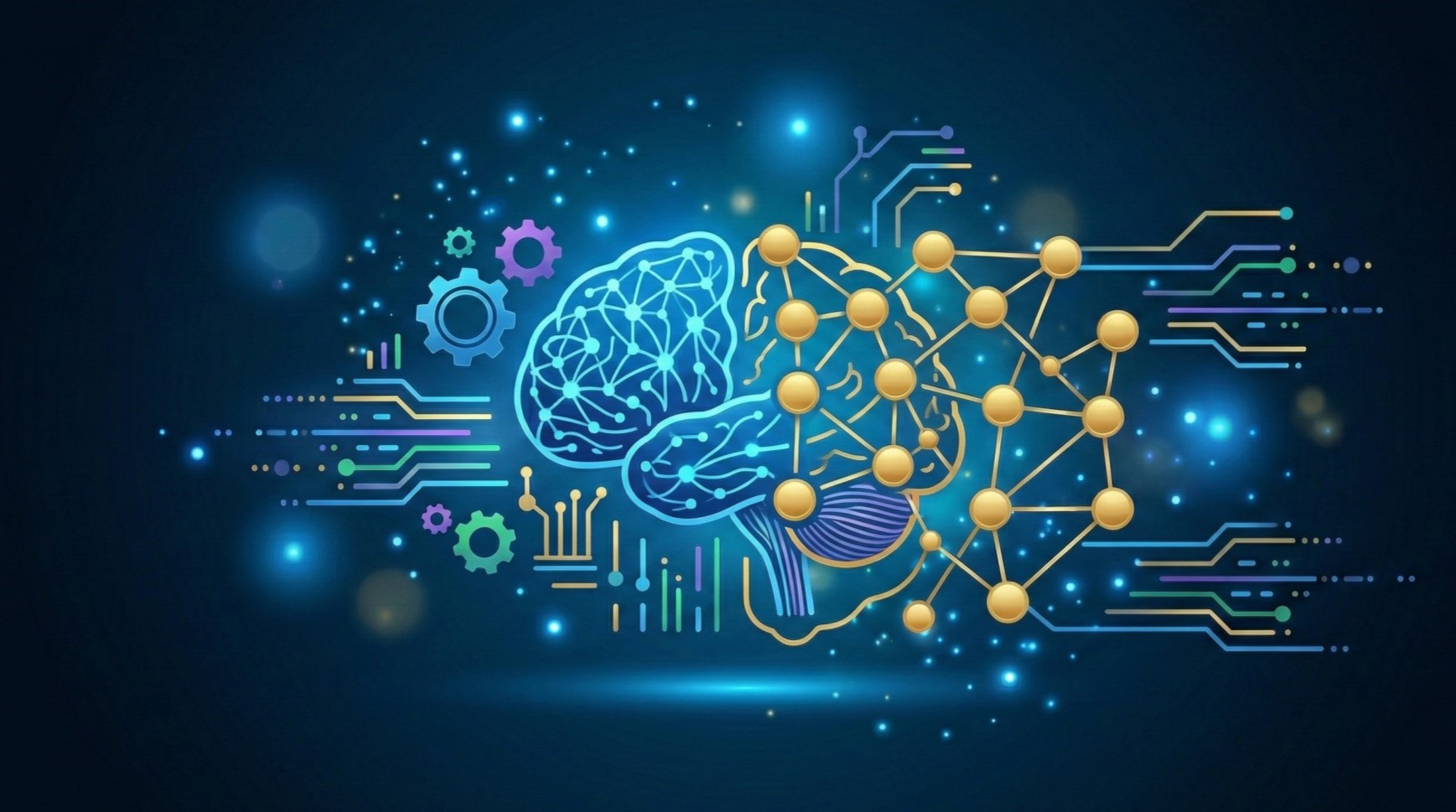
Language model platforms excel at generating fluent, context-aware responses, yet they often struggle with structured reasoning and factual grounding. Integrating knowledge graphs into LLM ecosystems addresses this limitation by combining probabilistic language generation with structured, relationship-driven intelligence. This hybrid model strengthens accuracy, interpretability, and enterprise-level reliability across complex use cases.
Step 1: The Need for Structured Knowledge in LLM Systems 🧠
• LLMs generate outputs based on learned statistical correlations 📊
• Responses may sound convincing even when not fully grounded ⚠️
• Reasoning across multiple entities can lack consistency 🔄
• Domain rules are difficult to enforce through prompts alone 📝
• Structured knowledge improves contextual stability and trust 🔐
Step 2: Core Principles of Knowledge Graphs 🔗
• Organizes information into entities and their relationships 🗂️
• Encodes domain semantics in a structured format 📐
• Enables multi-hop connections across related concepts 🌐
• Preserves logical consistency across datasets ✔️
• Supports precise querying and rule validation 🔍
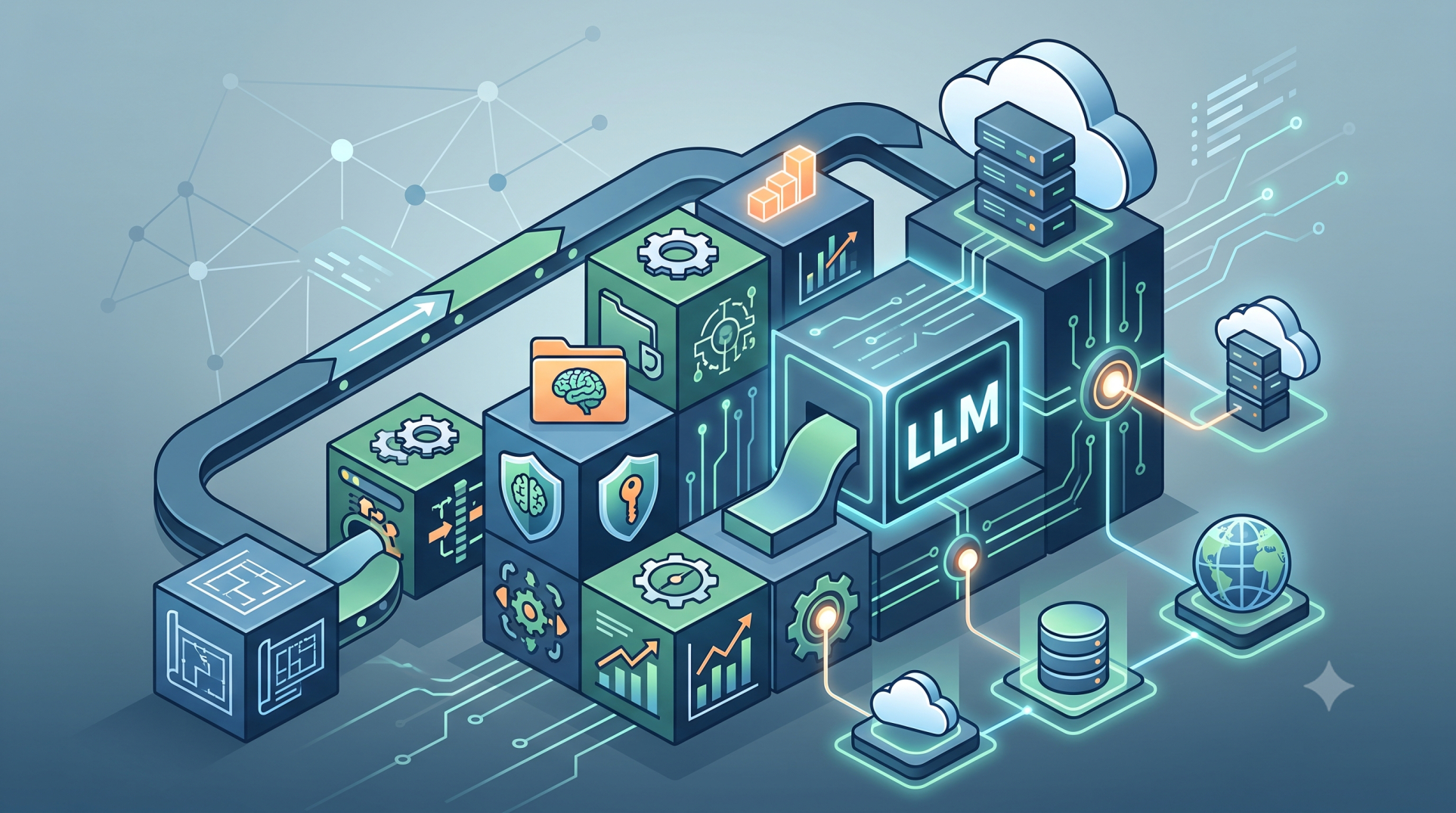
Step 3: Integration Architectures ⚙️
• Retrieval-augmented workflows powered by graph queries 🔎
• Entity resolution before text generation 🧩
• Output verification against graph constraints 🛡️
• Hybrid pipelines blending symbolic logic with neural models 🤖
• API connectors linking LLM platforms to graph databases 🔌
Step 4: Entity Resolution and Context Mapping 🧭
• Detects important entities within user inputs 🔍
• Links textual references to structured graph nodes 🔗
• Disambiguates similar terms using contextual cues 🧠
• Enhances factual alignment in generated responses ✔️
• Grounds outputs in validated knowledge sources 📚
Step 5: Graph-Based Reasoning Enhancement 🔍
• Enables stepwise logical inference across connected nodes 🔄
• Reveals relationships spanning multiple domains 🌐
• Applies rule-based checks to generated outputs 🛡️
• Constrains unsupported claims through structural validation 🚫
• Improves interpretability by exposing reasoning paths 📈
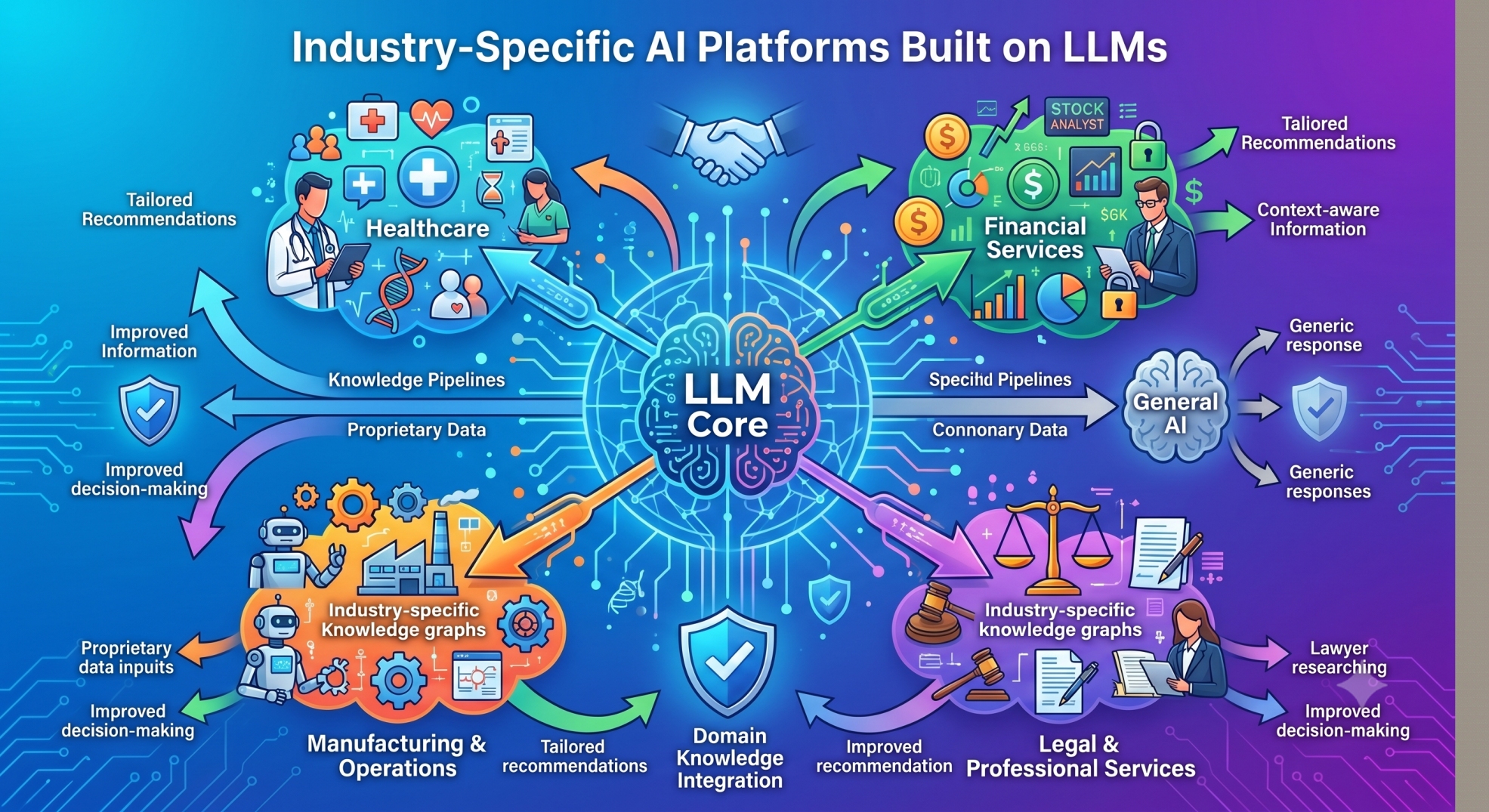
Step 6: Strengthening Industry-Specific Applications 🏢
• Integrates enterprise ontologies and controlled vocabularies 📘
• Applies regulatory and policy-driven constraints ⚖️
• Aligns outputs with internal knowledge models 🧩
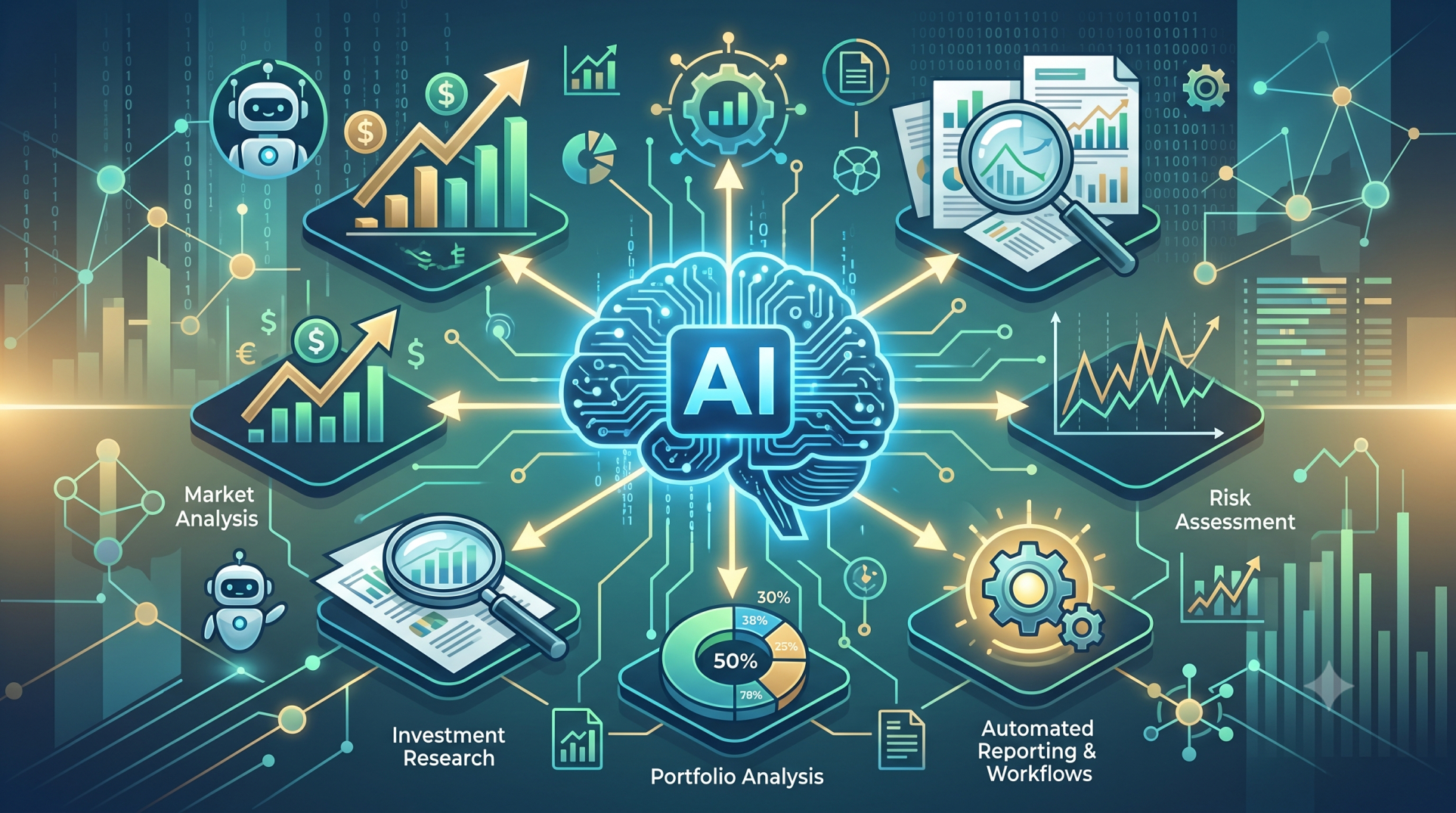
• Supports sector-focused deployments such as finance and healthcare 🏥
• Increases reliability in high-impact decision environments 📊
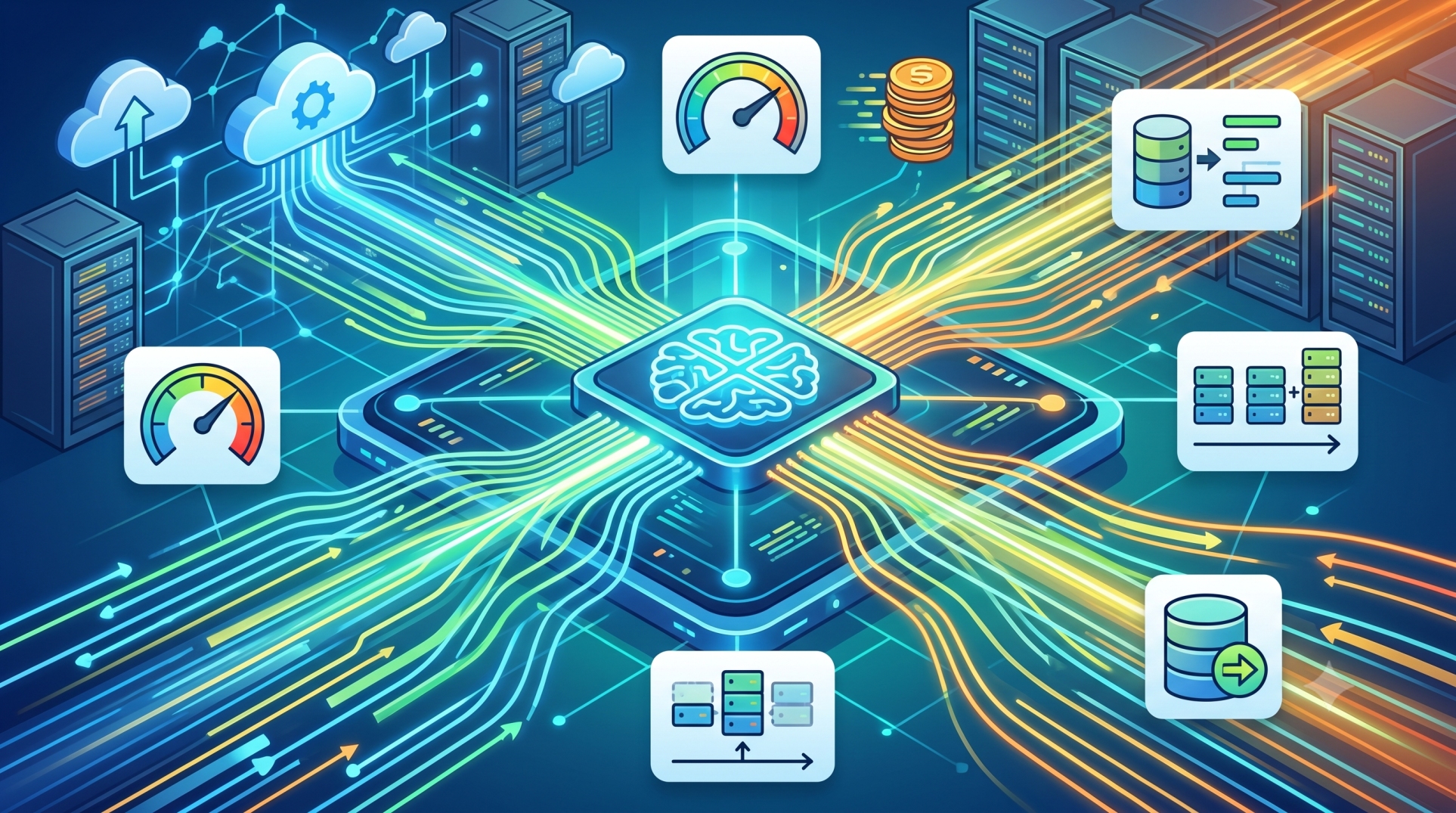
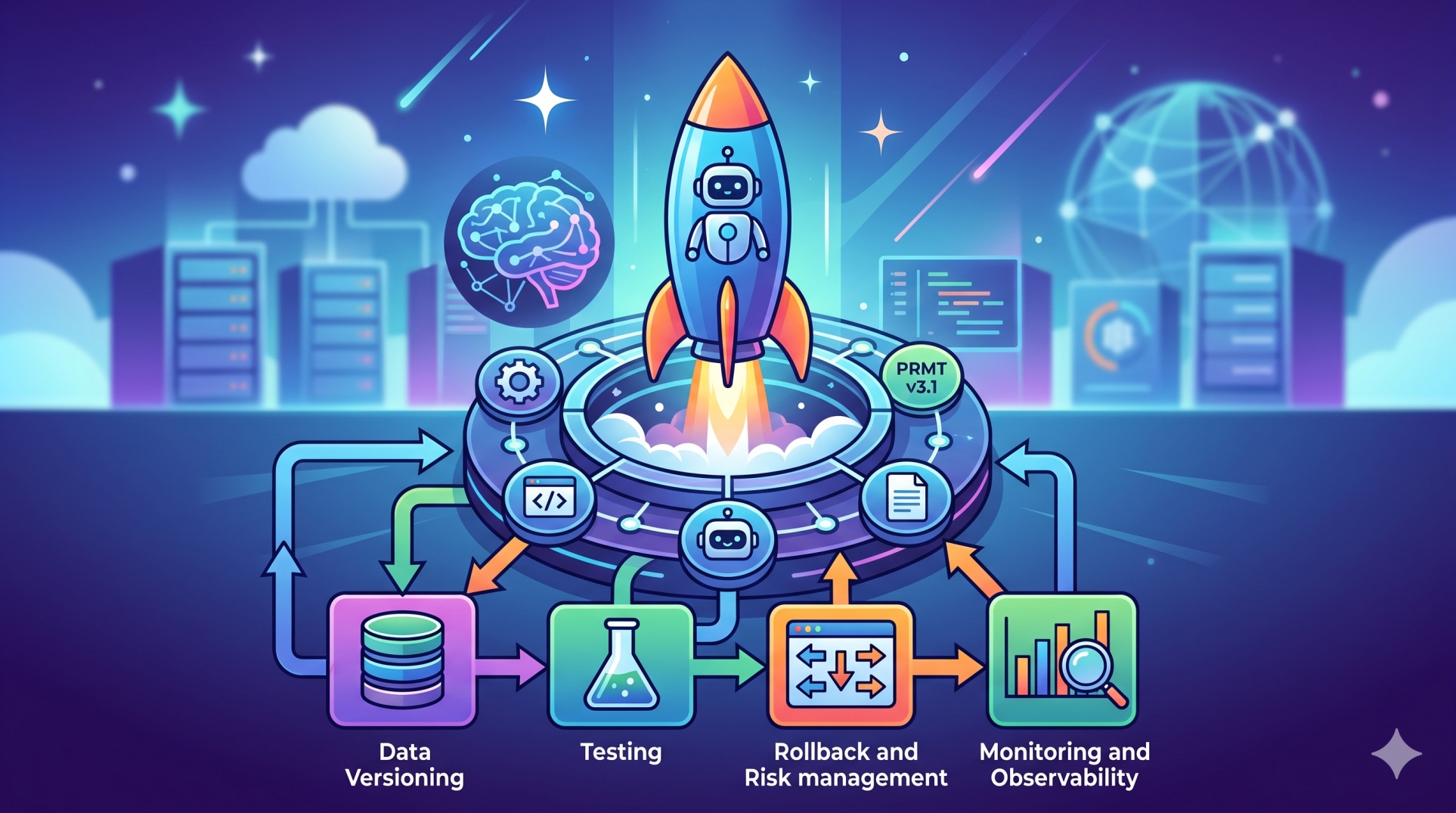
Step 7: Scalability and Operational Performance 🚀
• Reduces graph query latency for real-time interaction ⏱️
• Synchronizes evolving data with model inference cycles 🔄
• Balances computational efficiency with output quality ⚖️
• Scales graph infrastructure as data complexity grows 📈
• Maintains stable performance in production environments 🏗️
Step 8: Core Strategic Advantages 🎯
• Improves factual consistency and minimizes hallucinations ✔️
• Enables transparent and traceable AI reasoning 🔍
• Aligns LLM outputs with enterprise governance frameworks 🏛️
• Elevates language models into reliable decision-support systems 💡
Step 9: Governance and Data Integrity 🛡️
• Continuously validates graph accuracy and relevance ✔️
• Manages schema updates through controlled versioning 🔄
• Secures sensitive relationships with access policies 🔐
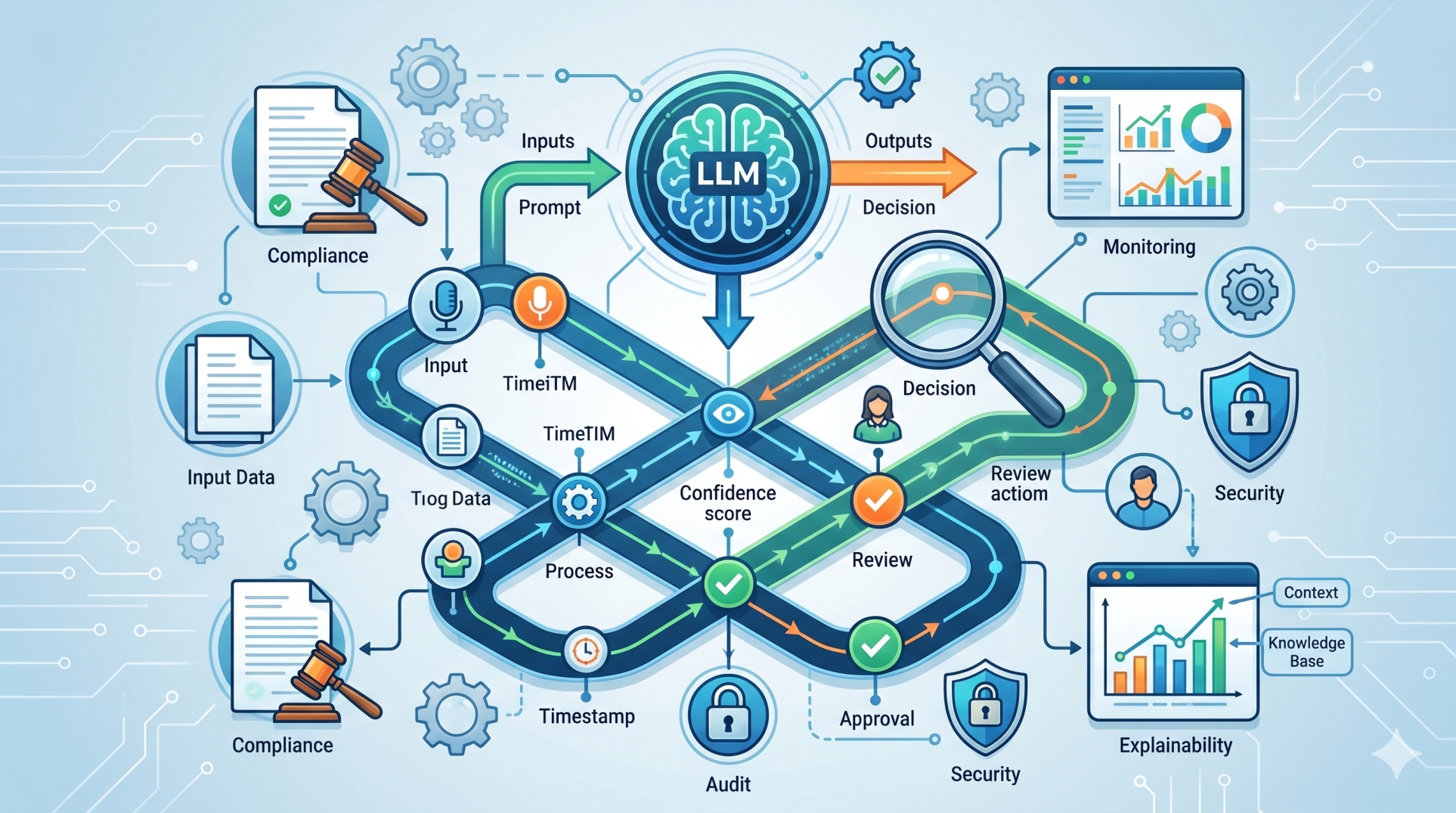
• Provides audit trails for AI-assisted outputs 📑
• Aligns knowledge updates with organizational standards 🏢
Step 10: Advancing Hybrid AI Architectures 🤖
• Merges symbolic intelligence with generative capabilities 🔗
• Supports advanced analytical and advisory use cases 📊
• Encourages collaboration between AI and data engineering teams 🤝
• Drives innovation in enterprise AI design 🚀
• Establishes a framework for dependable intelligent systems 🏗️
Conclusion
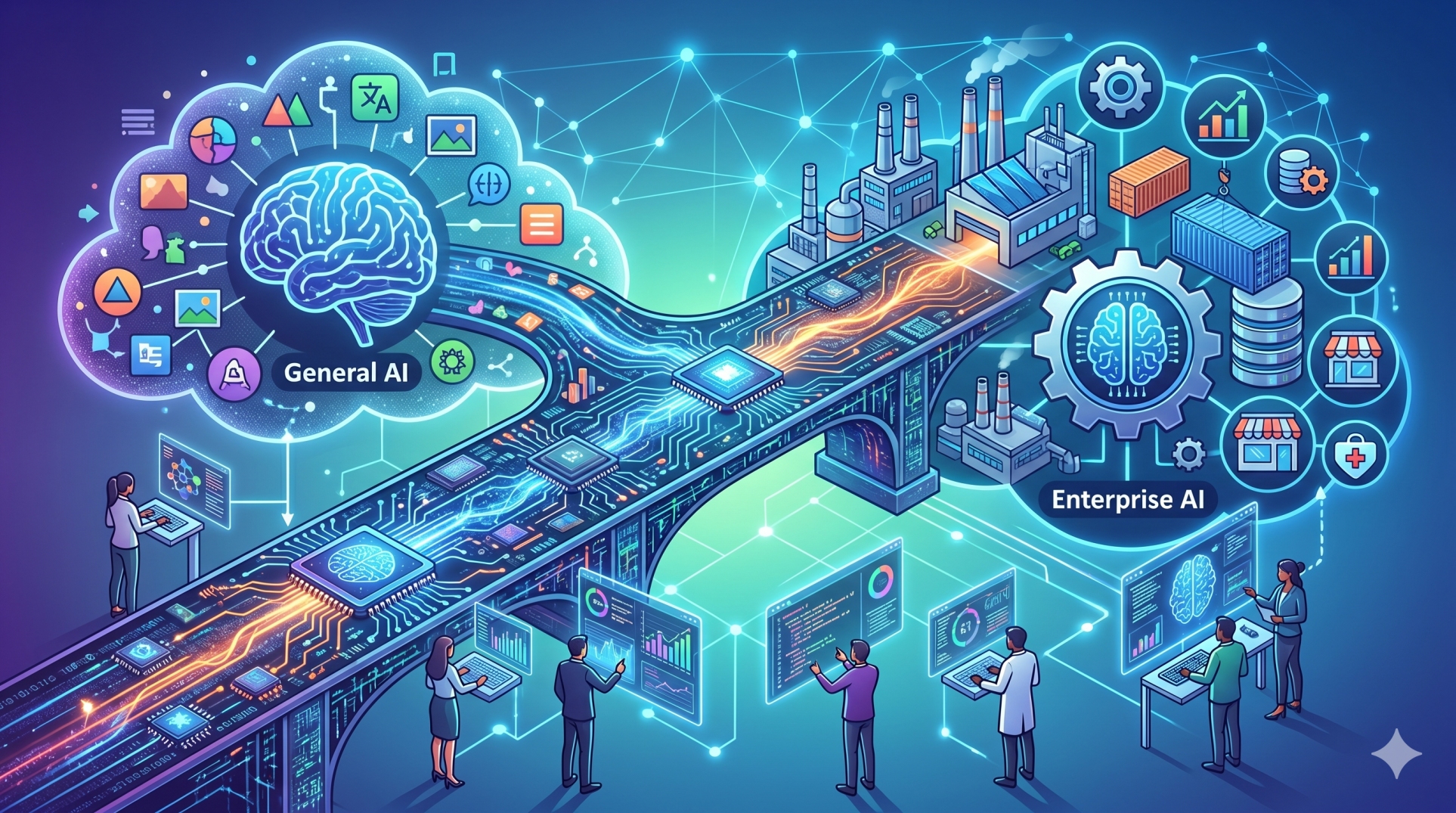
The integration of knowledge graphs into language model platforms represents a significant advancement in enterprise AI architecture. By grounding generative outputs in structured relationships and enabling logical traversal across entities, organizations can enhance accuracy, explainability, and domain precision. This hybrid approach transforms LLM systems into dependable, structured intelligence platforms capable of supporting complex, real-world decision-making.
See more blogs
You can all the articles below