Human-Readable Outputs in Complex LLM Workflows
Human-Readable Outputs in Complex LLM Workflows
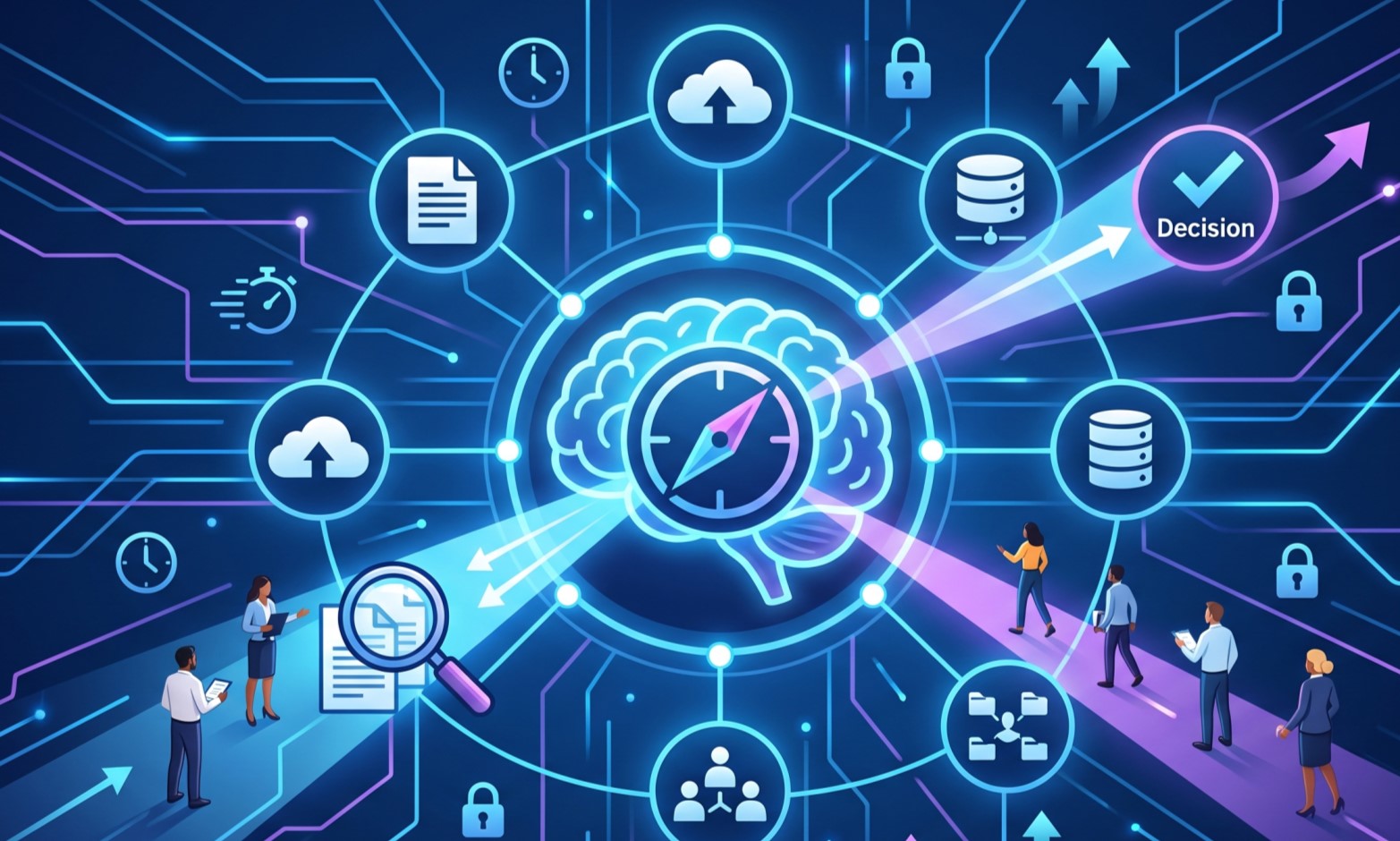
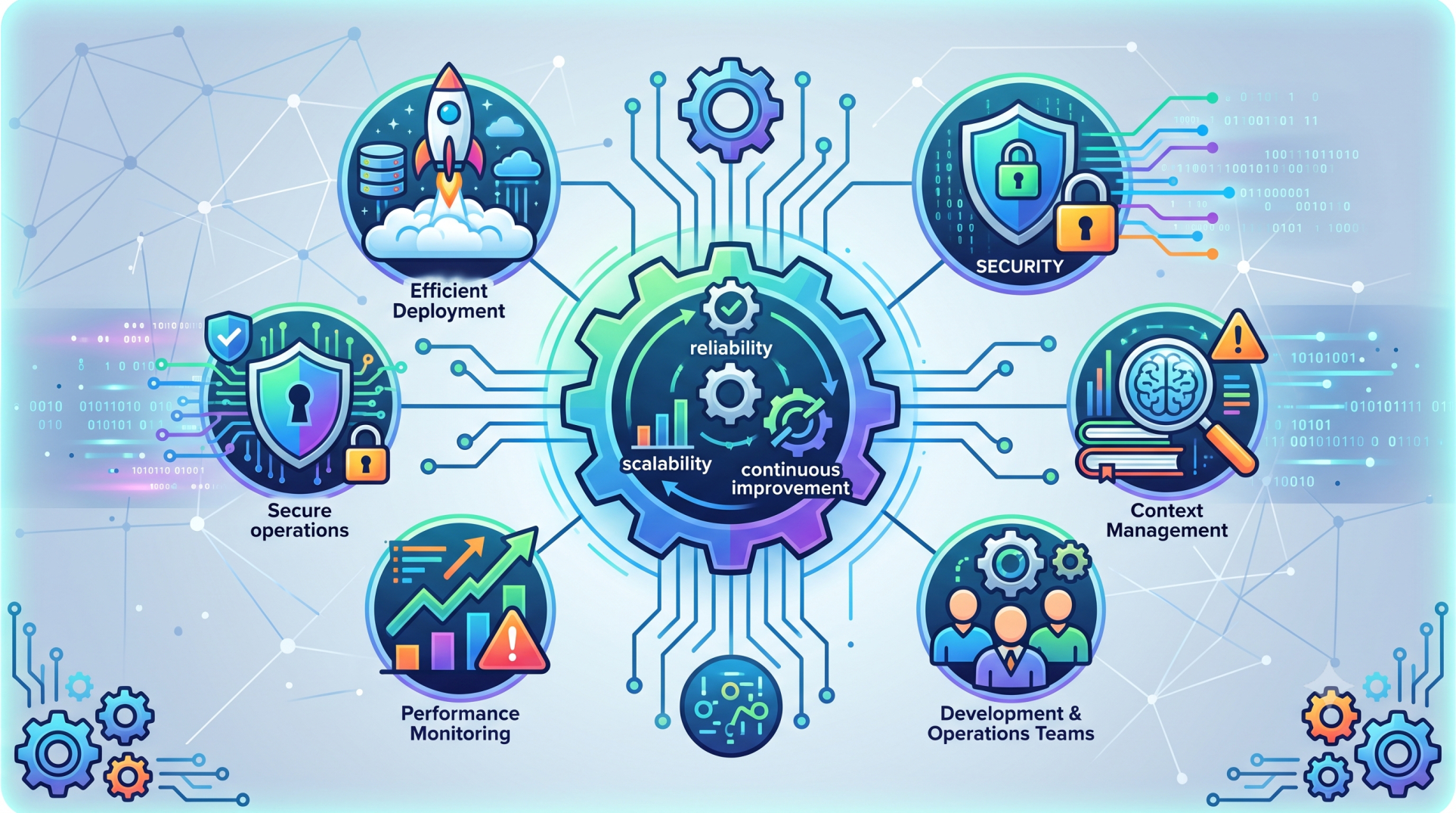
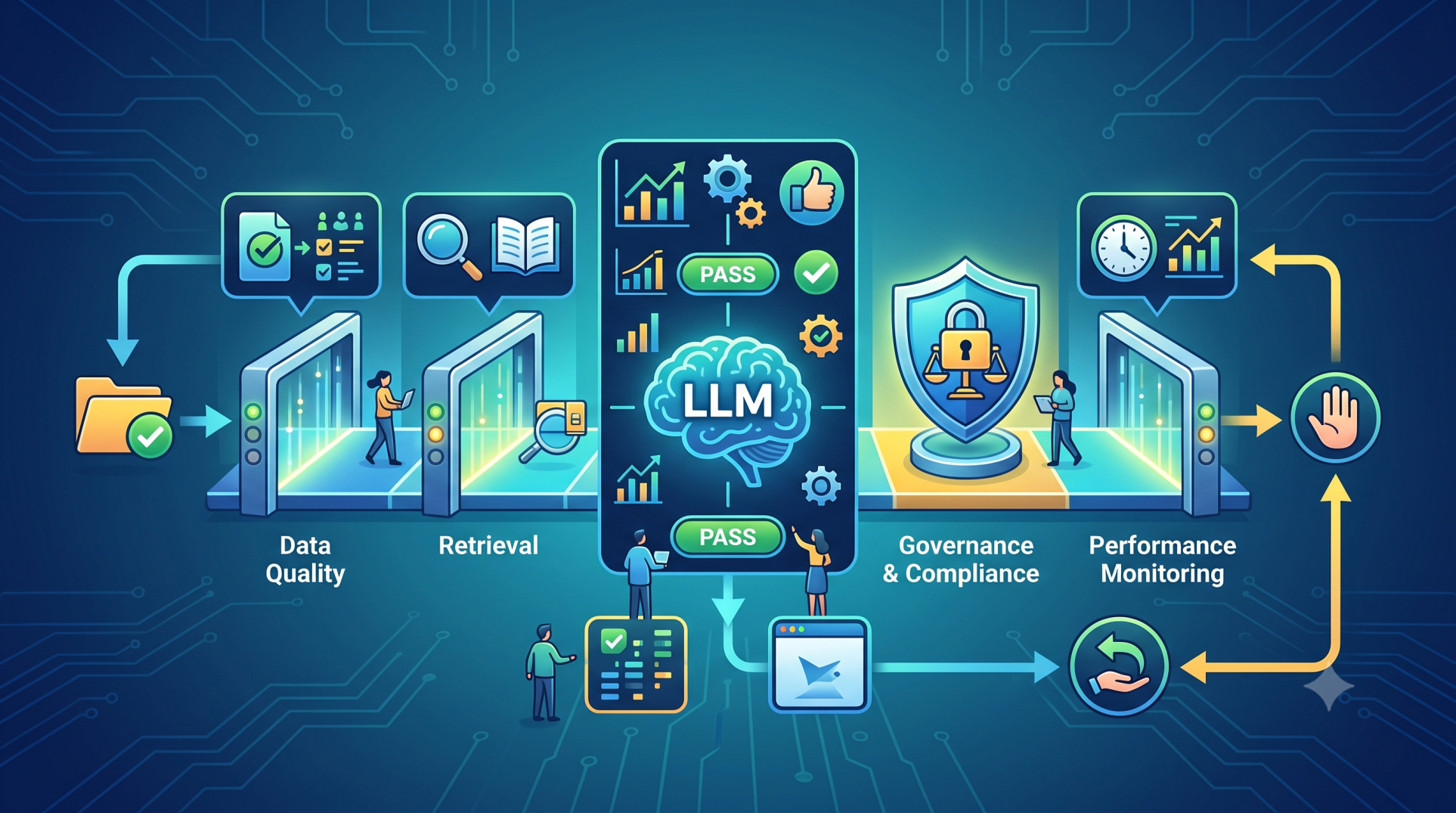
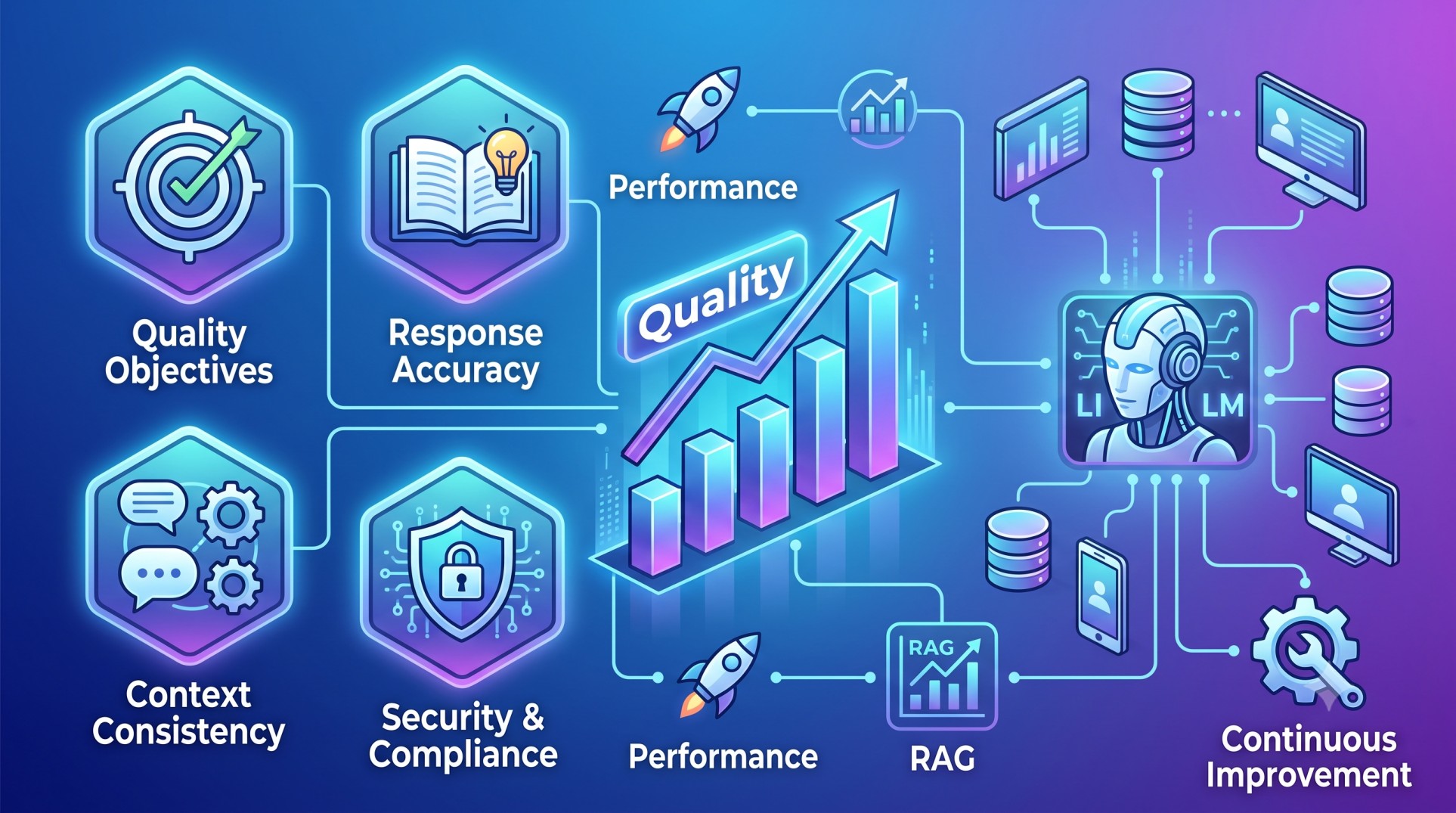
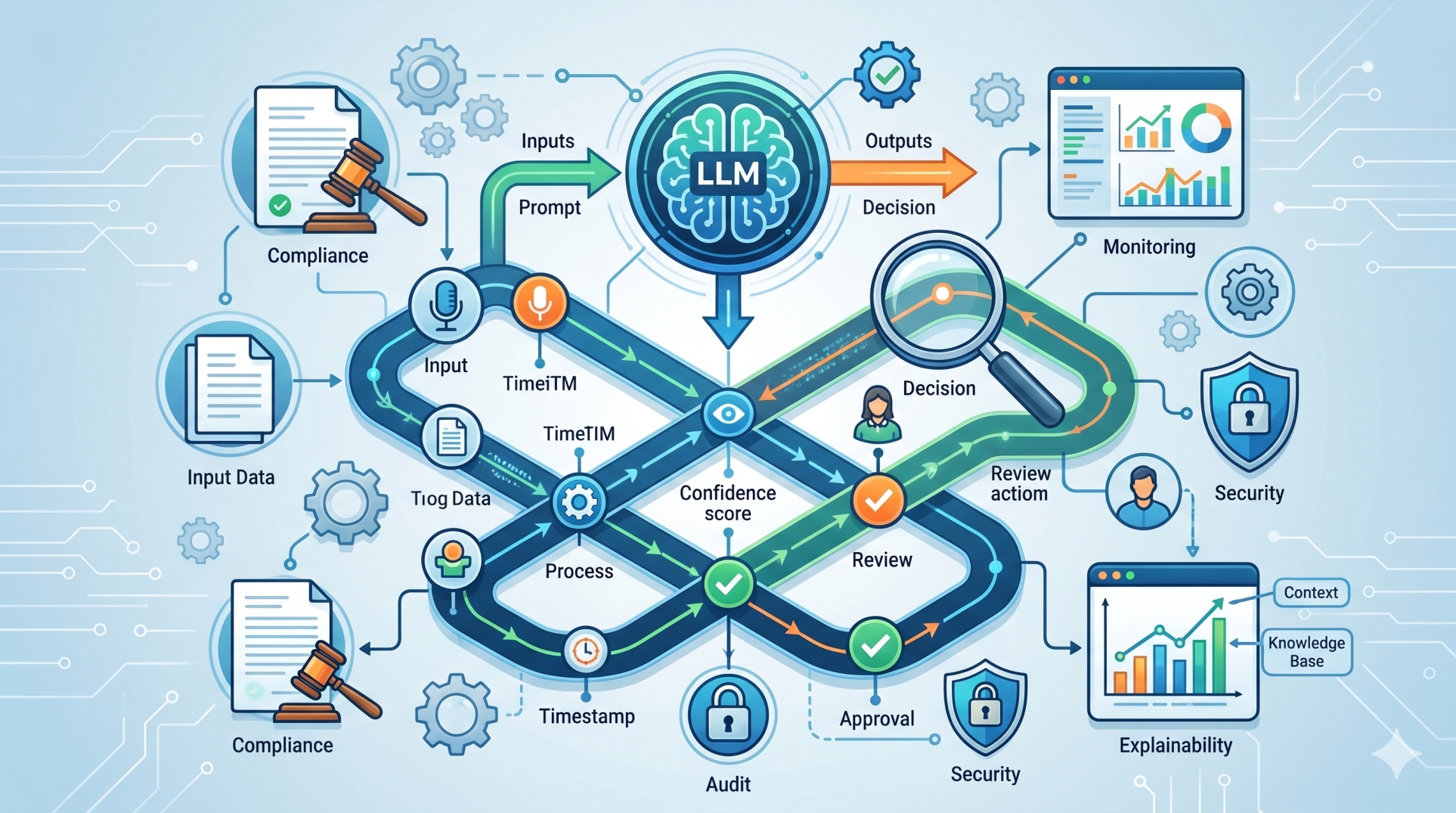
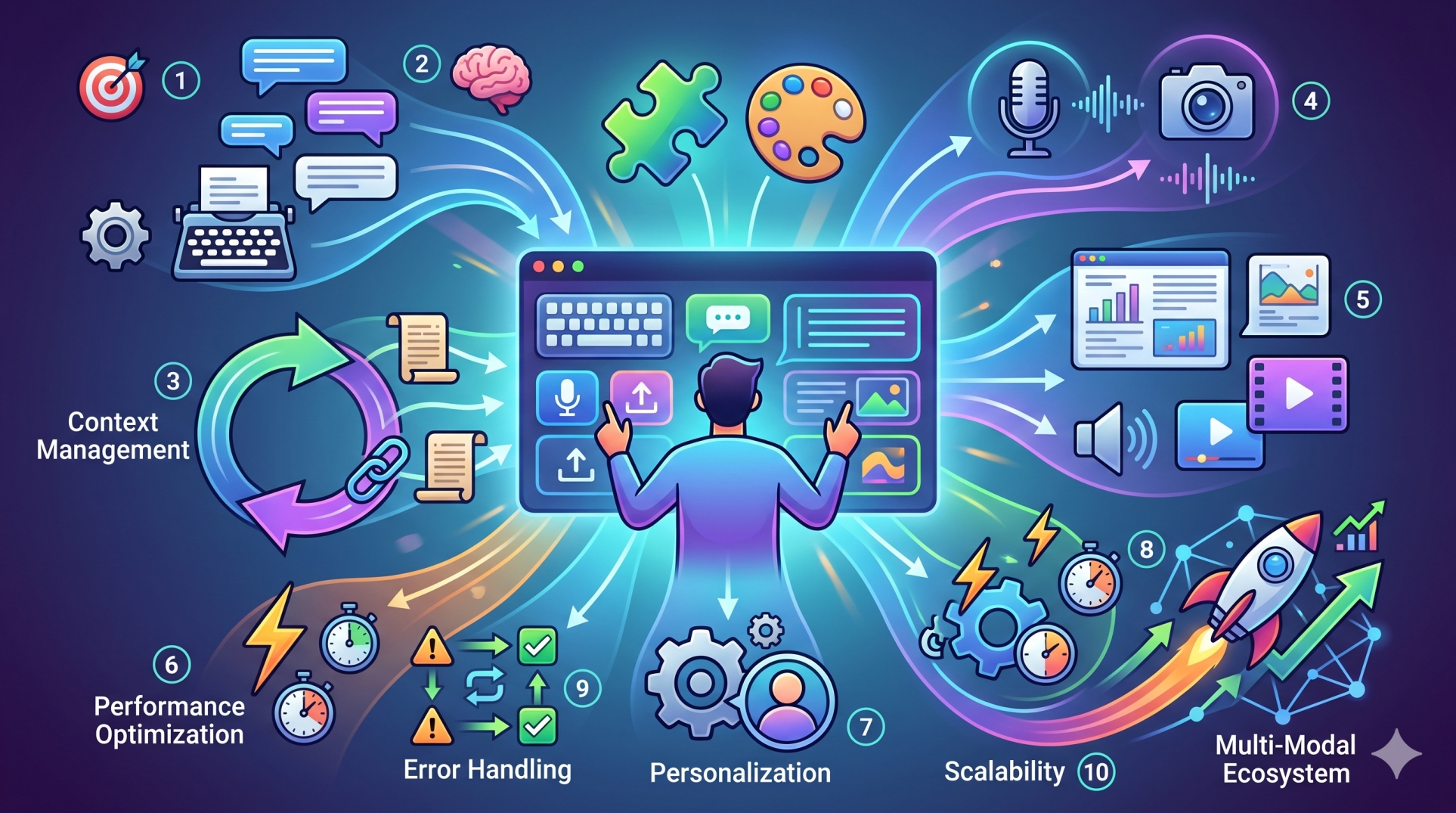
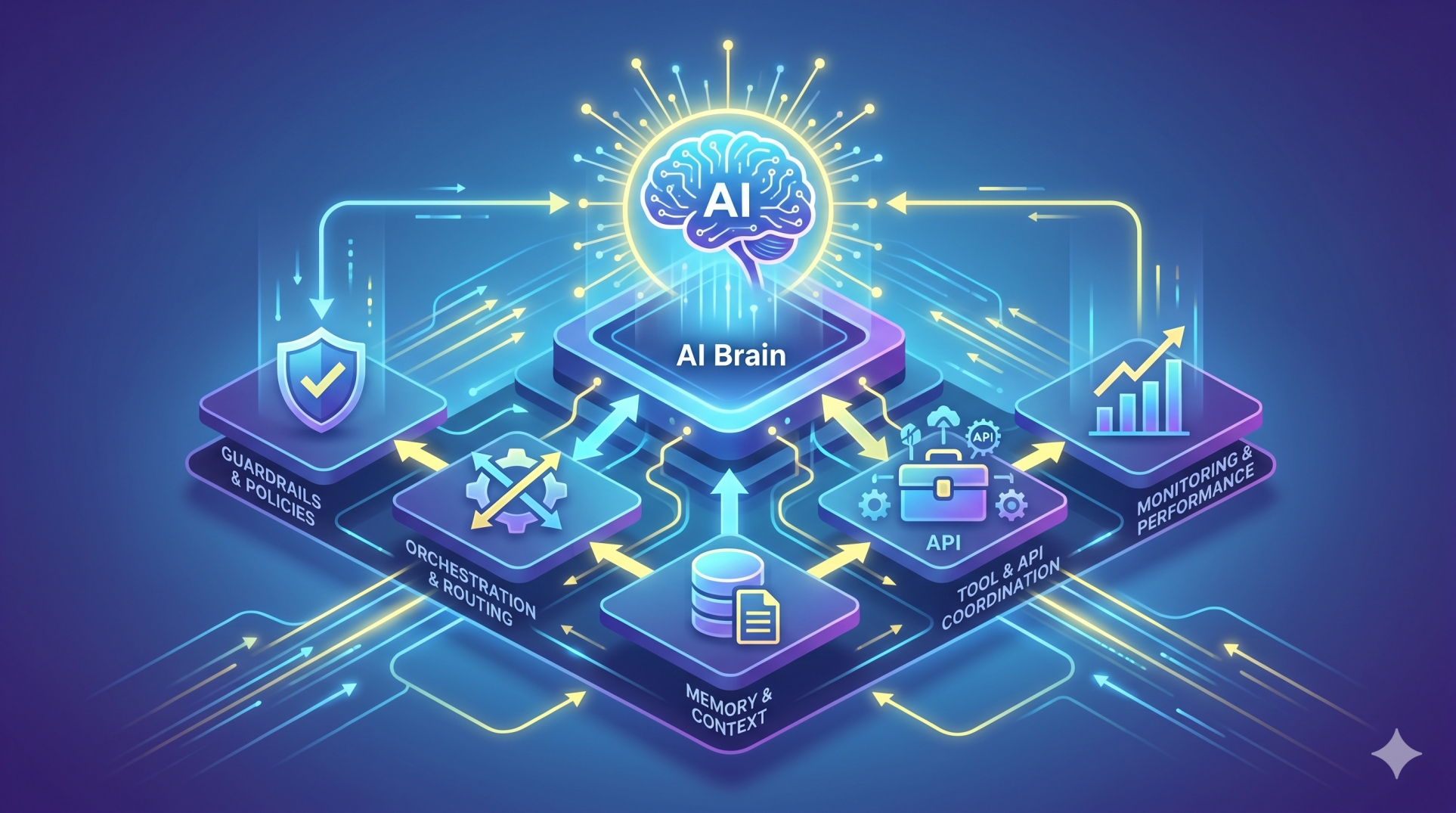
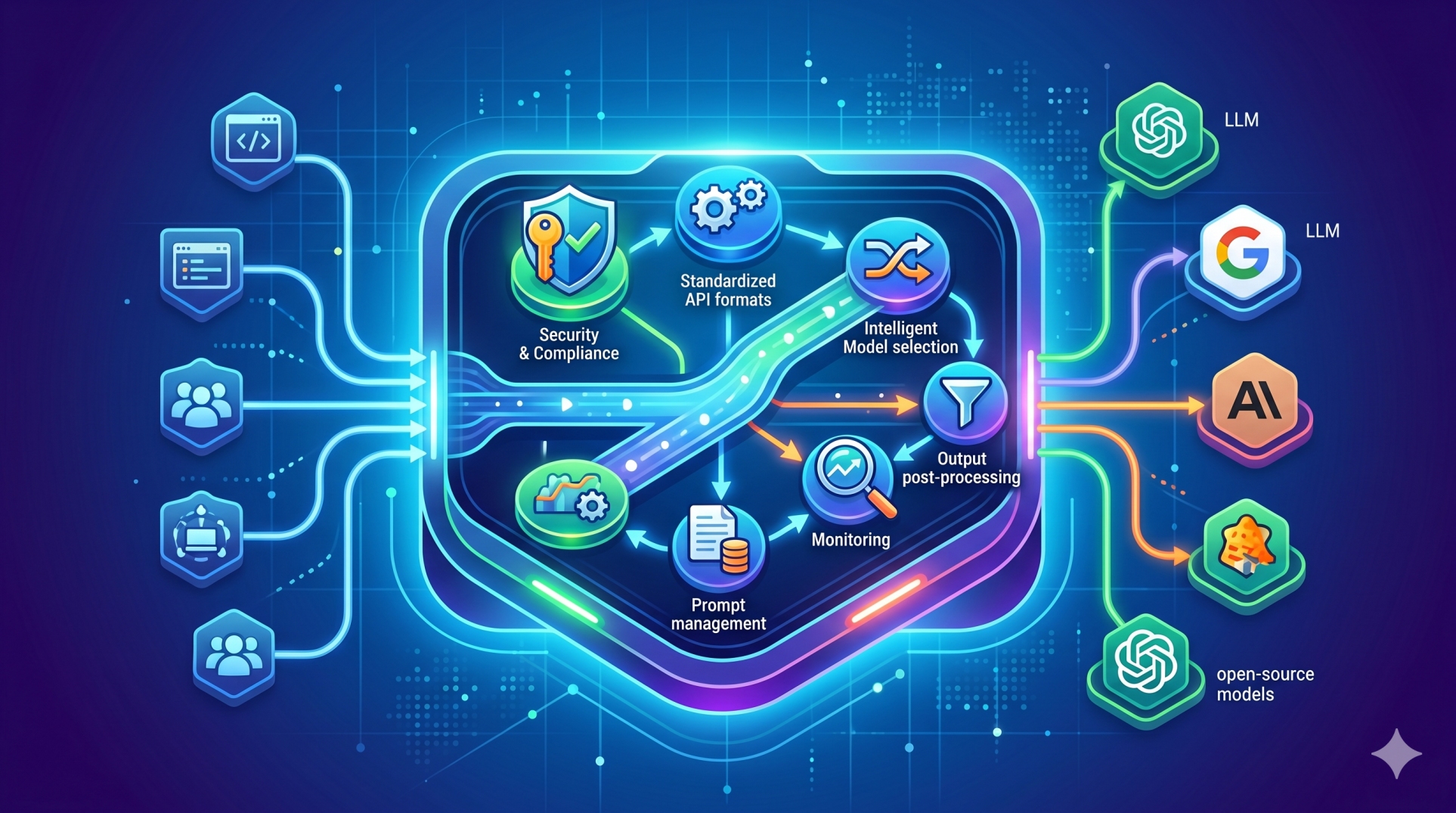
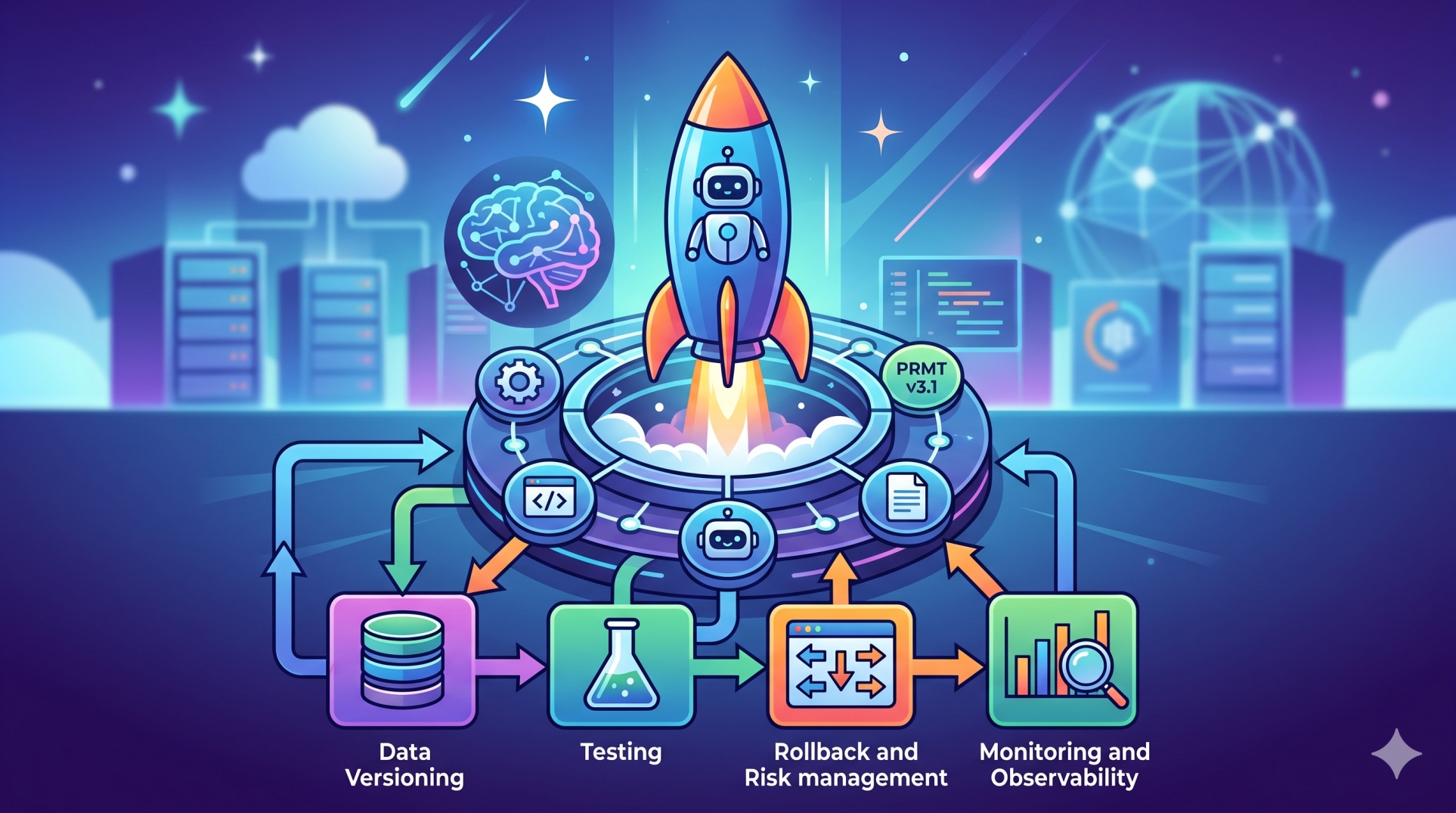
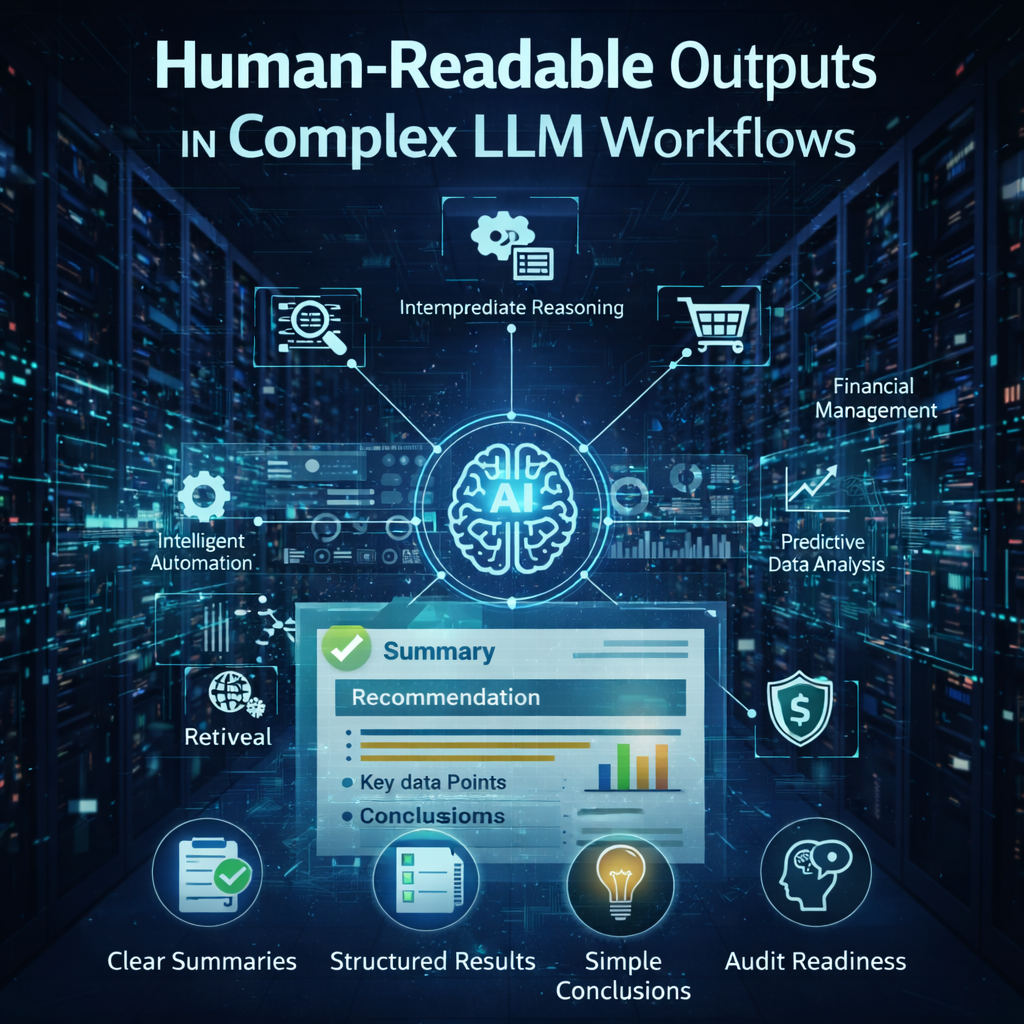
As Large Language Models become embedded within multi-step, agent-driven architectures, output clarity becomes as critical as reasoning precision. Advanced LLM workflows frequently incorporate retrieval systems, tool integrations, intermediate processing, and chained prompts. Without clear, human-readable outputs, even technically strong systems can become difficult to validate, scale, or confidently deploy. Designing for clarity ensures that LLM-powered solutions remain transparent, actionable, and operationally dependable.
Step 1: Why Human-Readable Outputs Matter 🧠
• Complex workflows generate layered and intermediate results 📊
• Stakeholders need clarity rather than raw reasoning traces 👥
• Clear outputs strengthen trust across teams 🤝
• Interpretability lowers barriers to adoption 🚀
• Readable responses speed up decision-making ⏱️
Step 2: The Challenge of Multi-Step LLM Systems ⚙️
• Workflows combine prompts, tools, APIs, and memory components 🔗
• Intermediate steps may introduce noise or irrelevant reasoning 🧩
• Raw chain-of-thought content is unsuitable for end users 🚫
• Tool outputs can be technical or unstructured 📂
• Errors may cascade without defined output boundaries ⚠️
Step 3: Structuring Outputs for Clarity 📑
• Separate internal reasoning from the final response 🧠
• Present conclusions before supporting analysis 🎯
• Use structured formats such as headings or bullet summaries 🗂️
• Highlight key recommendations and decisions 📌
• Maintain a logical progression from input to outcome 🔄
Step 4: Translating Technical Signals into Business Language 📊
• Convert model scores into understandable performance indicators 📈
• Summarize analytical findings in plain language 📝
• Replace technical logs with executive-ready insights 👔
• Provide contextual explanations for generated outputs 💡
• Align terminology with the user’s domain knowledge 📘
Step 5: Managing Intermediate Workflow Transparency 🔍
• Determine which reasoning layers should remain internal 🧠
• Expose only essential traceability for validation ✔️
• Summarize tool usage without overwhelming the reader ⚙️
• Provide audit trails where required 📋
• Balance transparency with simplicity ⚖️
Step 6: Output Standardization Across Workflows 📐
• Establish consistent response templates 📄
• Maintain uniform formatting across agents 🤖
• Ensure predictable structure regardless of task type 🔄
• Improve usability through familiarity and repetition 👀
• Reduce cognitive load for end users 🧘
Step 7: Error Handling and Fallback Messaging ⚠️
• Communicate uncertainty clearly and responsibly 🗣️
• Distinguish between partial and failed outputs 🔍
• Offer guidance when confidence levels are low 📌
• Avoid ambiguous or overly technical error messaging 🚫
• Preserve trust during system limitations 🤝
Step 8: Designing for Trust and Adoption 🏗️
• Prioritize clarity over excessive verbosity ✂️
• Surface only decision-critical information 🎯
• Make outputs immediately actionable 📌
• Maintain consistency across interactions 🔁
Step 9: Human Oversight and Review Readiness 👥
• Enable rapid human validation of results ✔️
• Provide summarized reasoning when escalation is required 📑
• Support compliance and audit requirements 📋
• Simplify review processes for subject-matter experts 🧑💼
• Minimize dependence on deep technical interpretation 🔧
Step 10: Scaling Human-Readable Systems 🌍
• Support multilingual and role-based customization 🌐
• Tailor summaries for different stakeholder levels 👔
• Maintain readability as workflow complexity increases 📈
• Automate formatting while preserving clarity 🤖
• Continuously refine output templates through feedback 🔄
Conclusion
Human-readable outputs are foundational to operating complex LLM workflows in real-world environments. As systems become more autonomous and multi-layered, clarity evolves from a design preference into a strategic requirement. By thoughtfully structuring responses, translating technical signals into accessible insights, and maintaining consistency across workflows, organizations can ensure that advanced LLM systems remain transparent, reliable, and scalable.
See more blogs
You can all the articles below