Designing Transparent LLM Architectures for Enterprise Use
Designing Transparent LLM Architectures for Enterprise Use
As Large Language Models become embedded in enterprise systems, architectural transparency shifts from a desirable feature to a foundational requirement. Businesses must be able to see how inputs are processed, how outputs are generated, and how data flows across systems. Transparent LLM architectures strengthen trust, improve compliance readiness, and give organizations the operational clarity needed to deploy AI responsibly at scale.
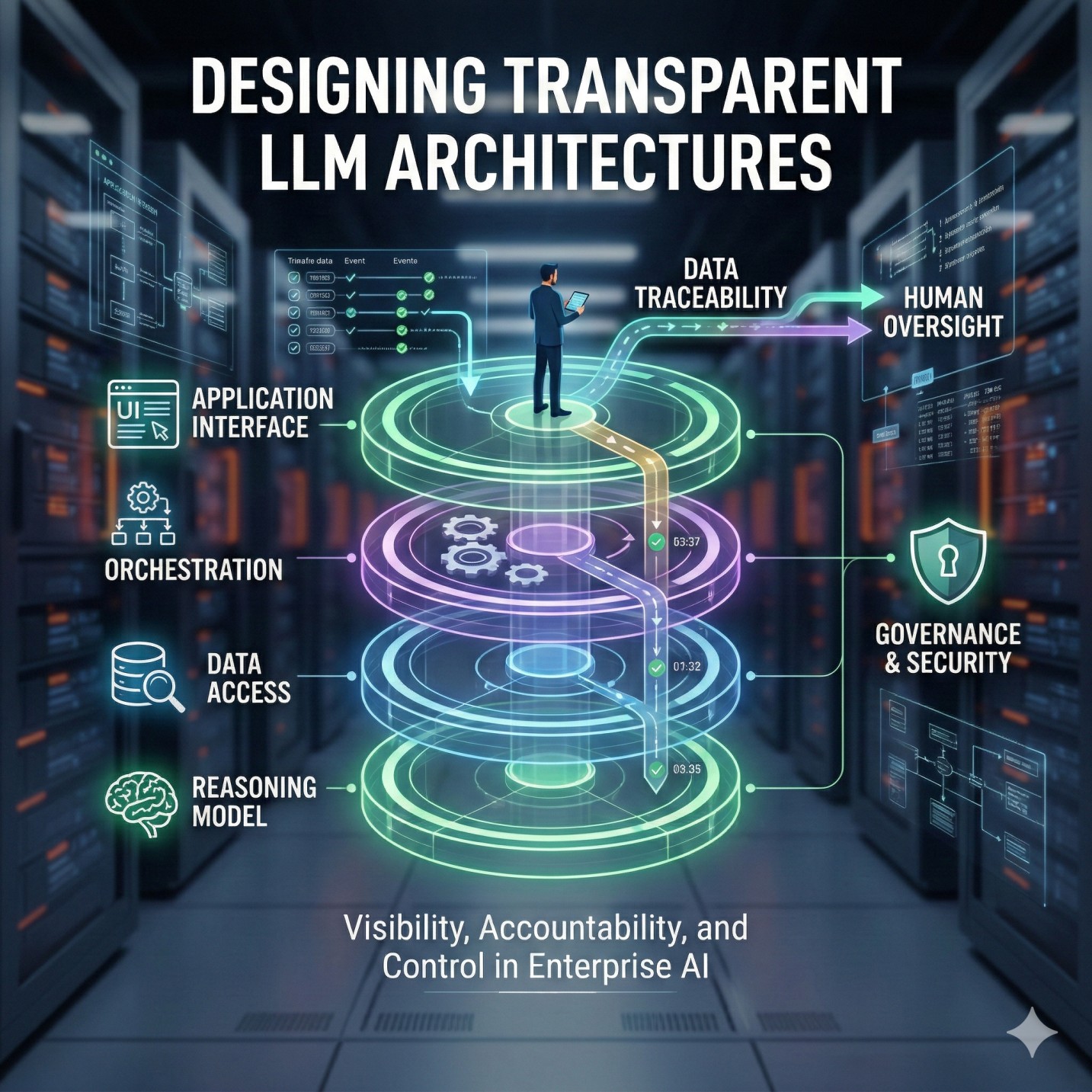
Step 1: Defining Clear System Architecture Layers 🏗️
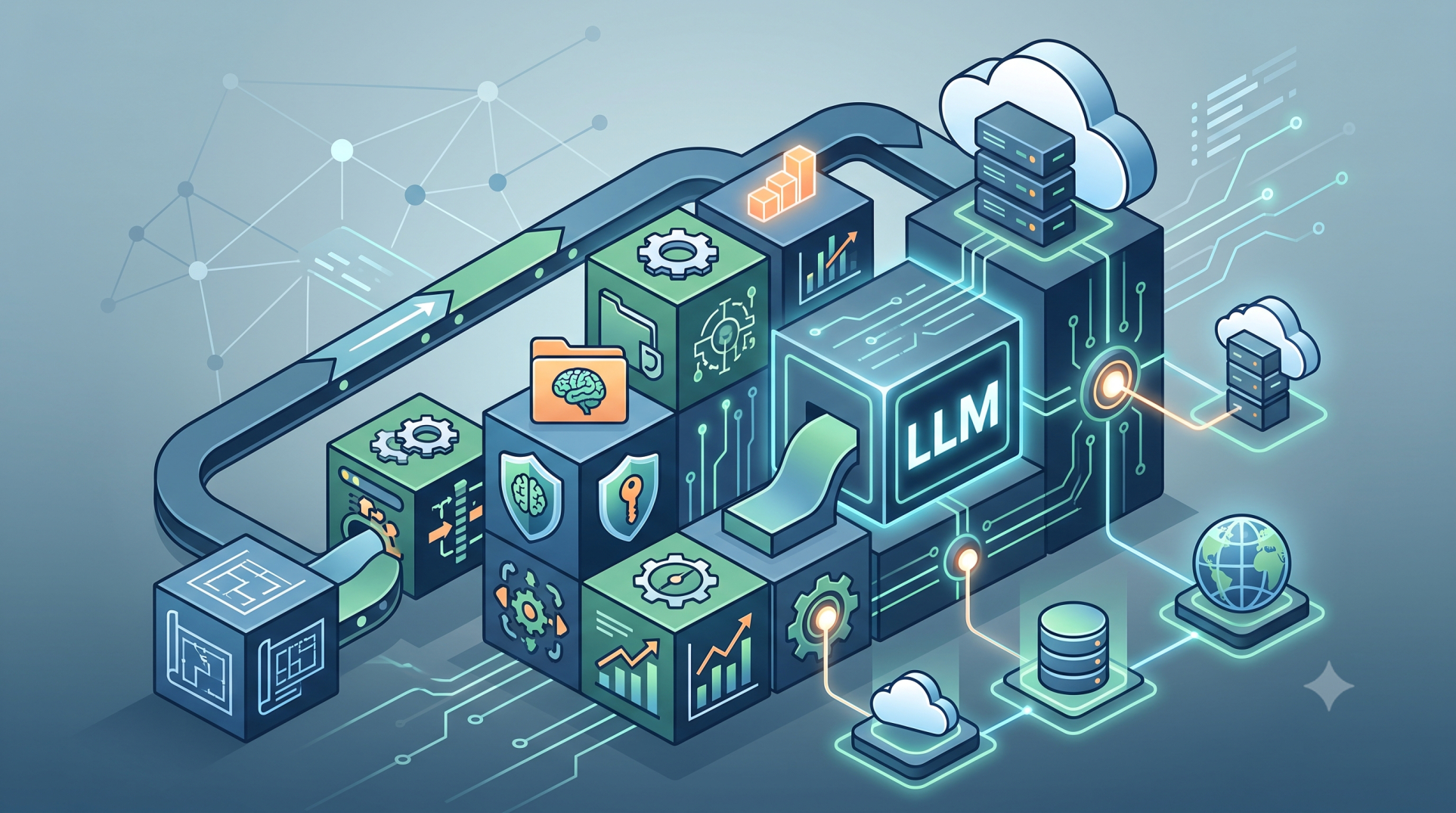
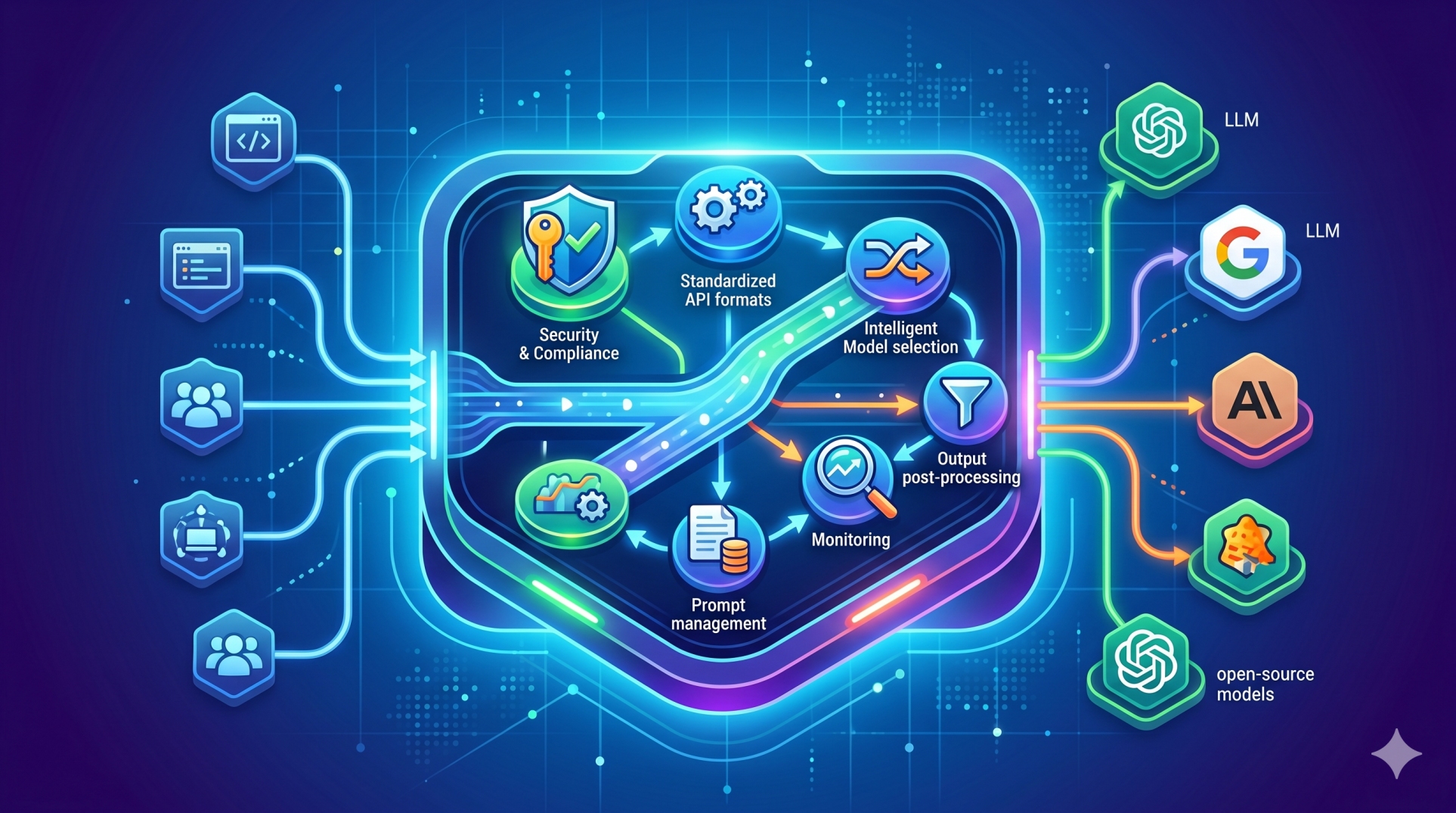
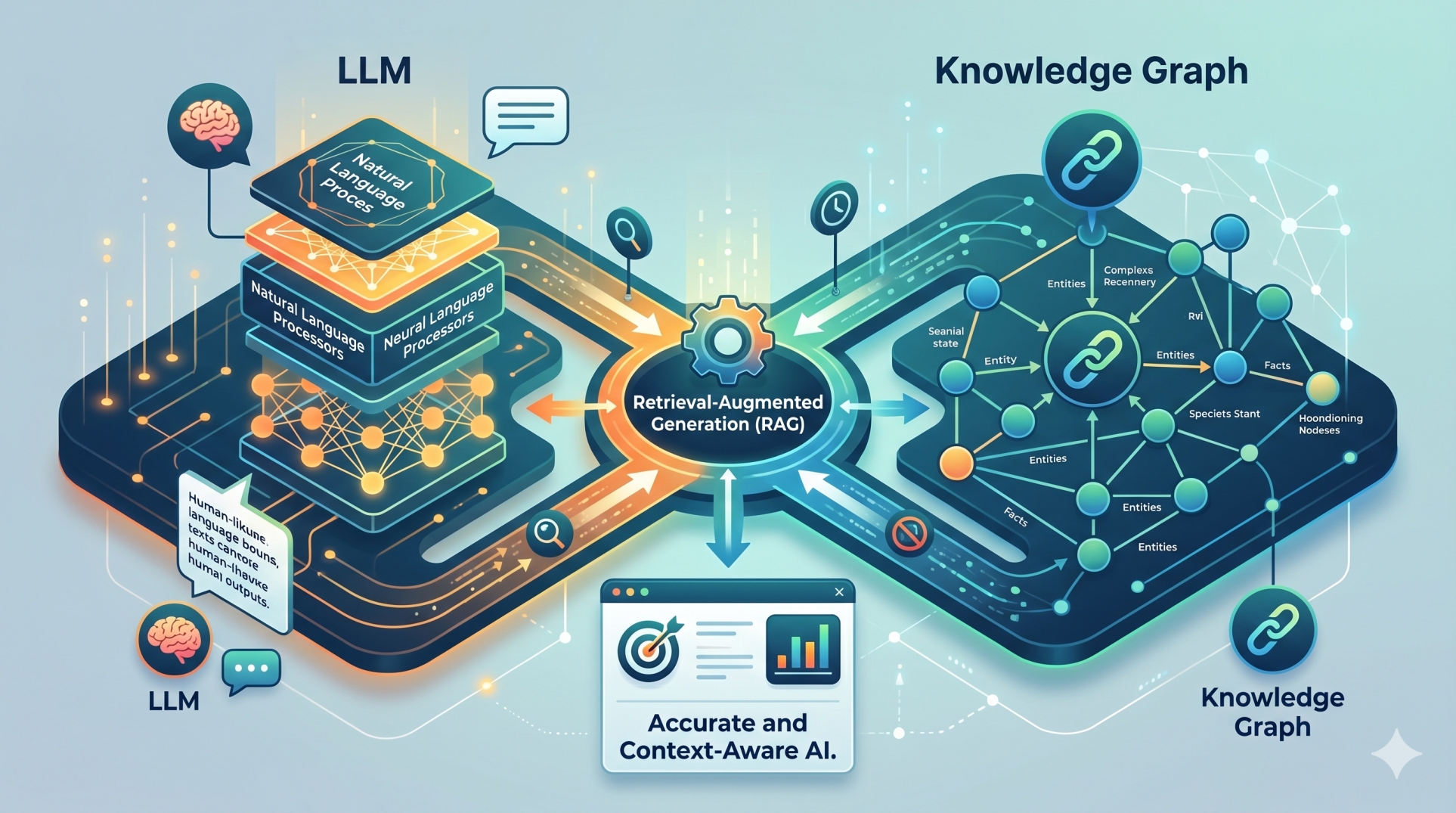
• Separate model logic, retrieval systems, orchestration engines, and application interfaces 🔄
• Assign explicit responsibilities to each architectural layer 📌
• Avoid monolithic pipelines that obscure system behavior 🚫
• Enable isolated testing and validation of components 🧪
• Simplify maintenance and long-term governance 🛠️
Step 2: Implementing End-to-End Data Traceability 🔍
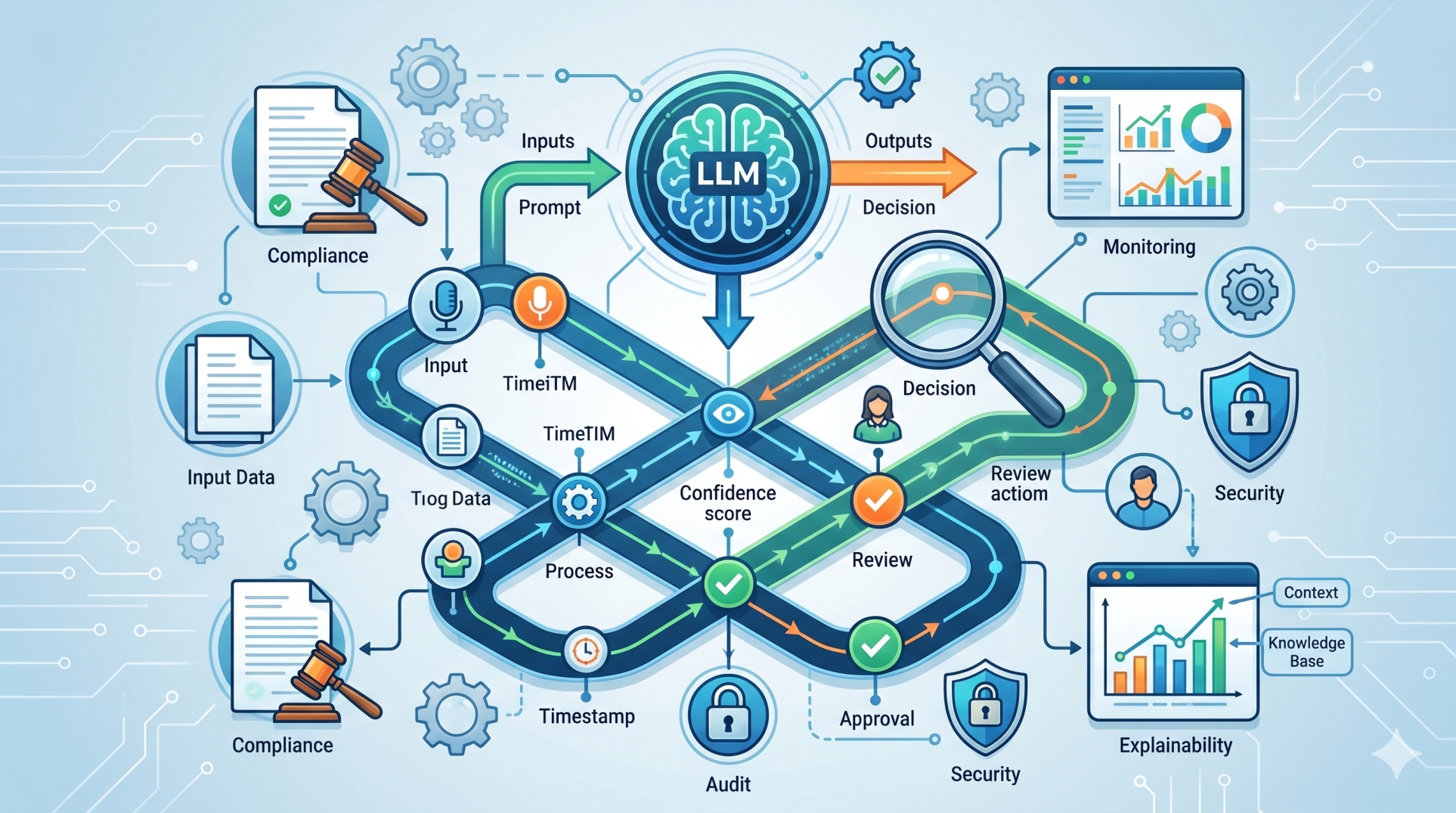
• Record the origin and transformation of every input 📥
• Log document retrieval paths and contextual references 📚
• Maintain visibility into prompt assembly processes 🧩
• Preserve metadata for auditing and compliance 📋
• Ensure outputs can be traced to their contributing sources 🔗
Step 3: Managing Prompts with Transparency and Control 📝
• Store prompt templates in controlled repositories 🗂️
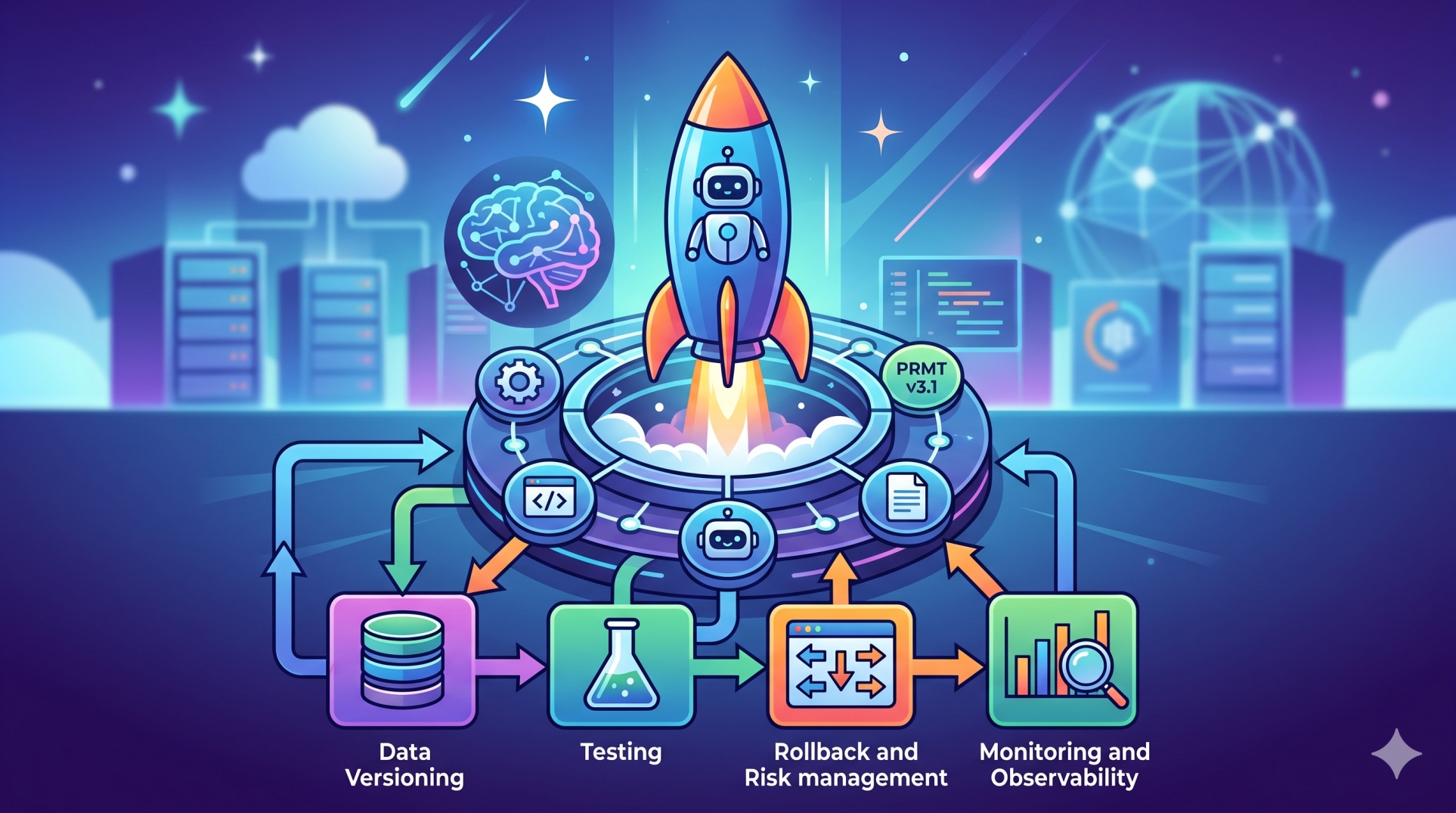
• Apply version tracking to prompt updates 🔄
• Document expected behavior and business intent 📖
• Validate prompt changes before production release ✅
• Eliminate undocumented logic embedded in runtime instructions 🚫
Step 4: Designing Explainable Response Frameworks 🧠
• Provide structured summaries of reasoning when required 📊
• Include source attribution in retrieval-driven outputs 📌
• Surface uncertainty indicators where applicable ⚠️
• Clearly differentiate generated text from factual references 🔎
• Improve interpretability for enterprise users 👥
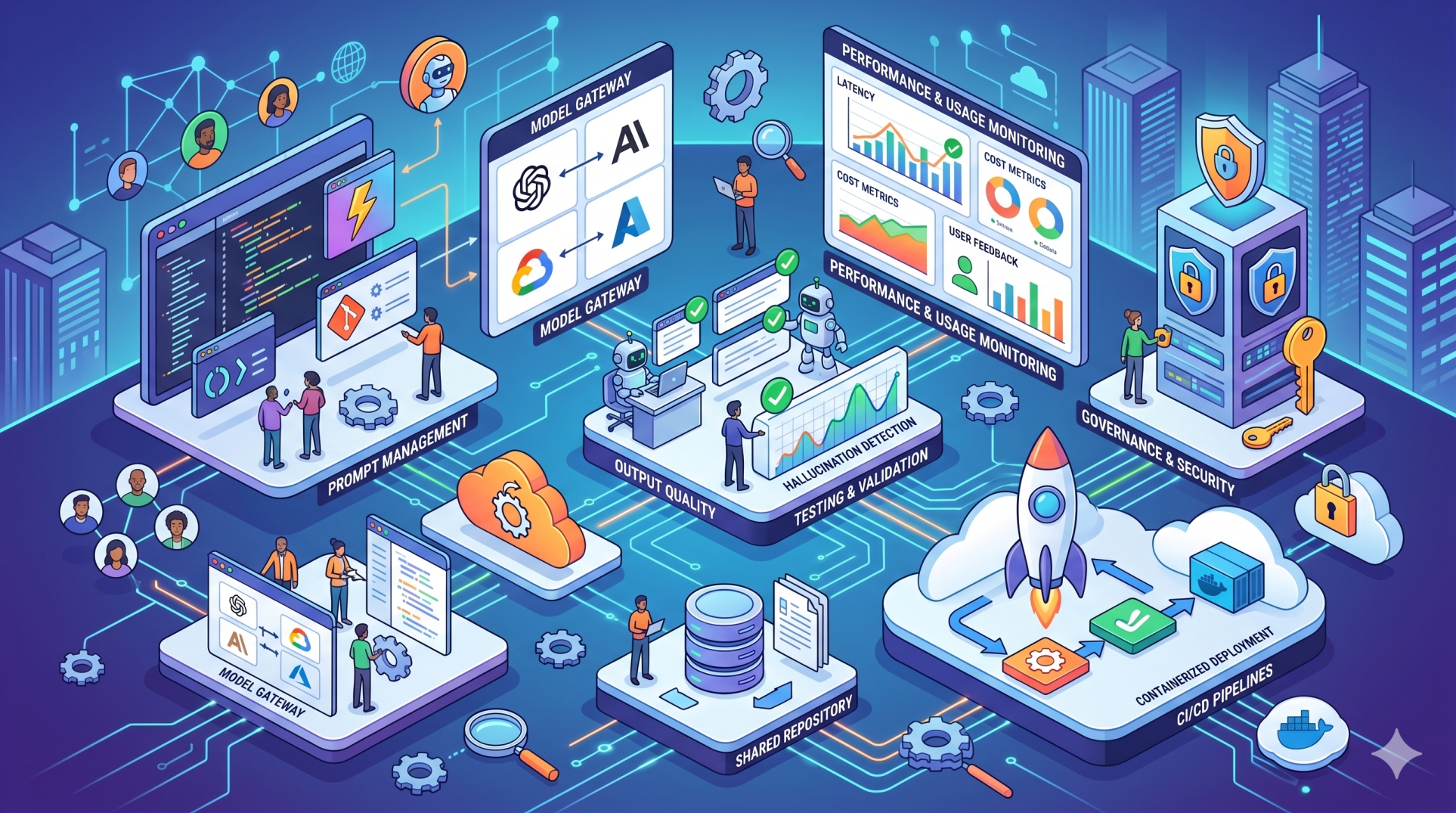
Step 5: Building Robust Observability Systems 📊
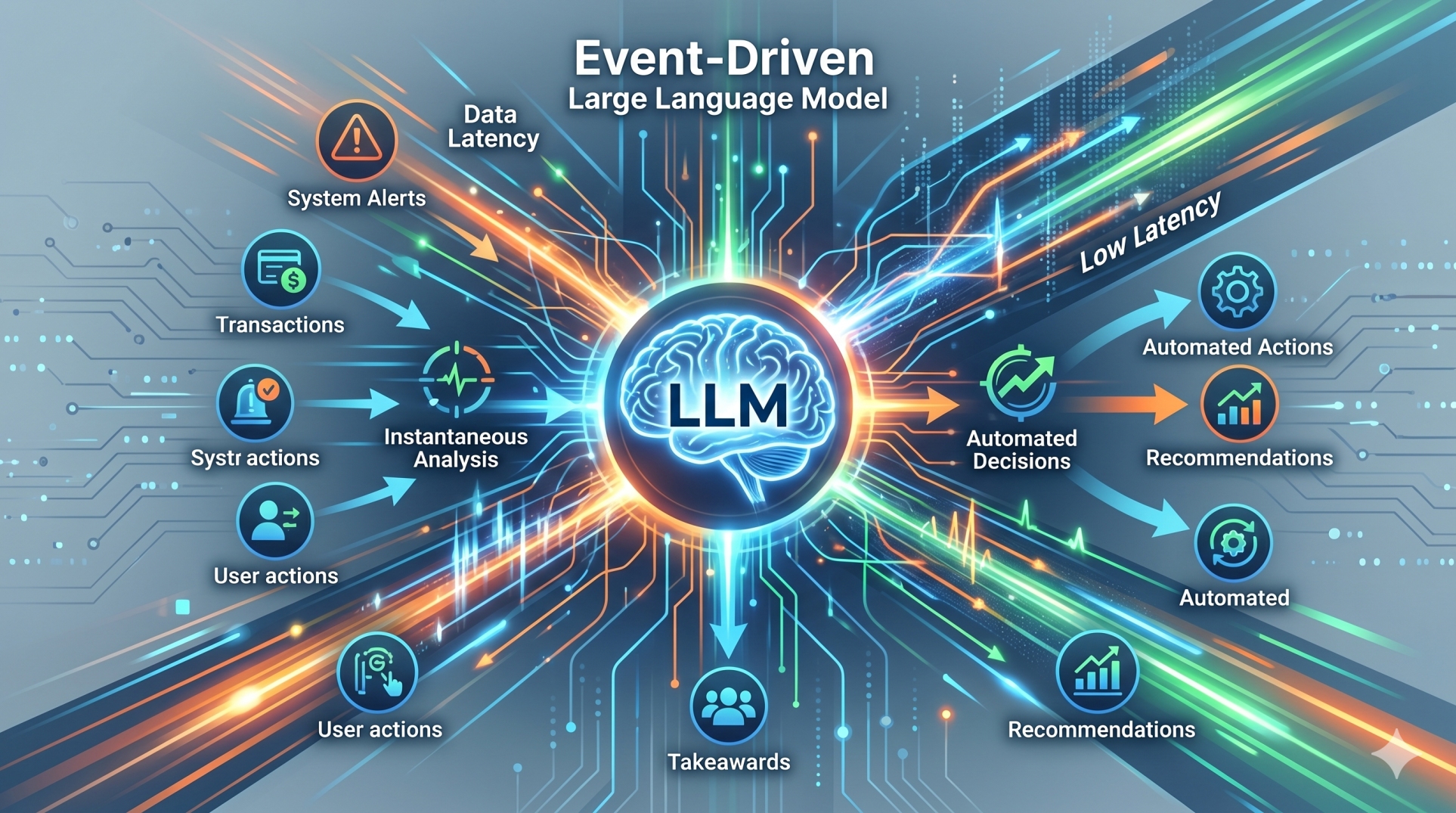
• Capture logs for inputs, outputs, latency, and decision flows 📈
• Monitor performance across departments and use cases 🏢
• Detect irregular patterns or performance degradation 🚨
• Enable root-cause analysis through detailed tracing 🔬
• Support ongoing optimization through measurable insights 📉
Step 6: Embedding Governance and Access Management 🛡️
• Apply role-based permissions for model usage and data access 👤
• Require approvals for architecture or deployment changes ✍️
• Enforce strict controls around sensitive enterprise data 🔐
• Align system design with internal compliance standards 📑
• Reduce exposure to regulatory and operational risk ⚖️
Step 7: Establishing Human Oversight Mechanisms 👥
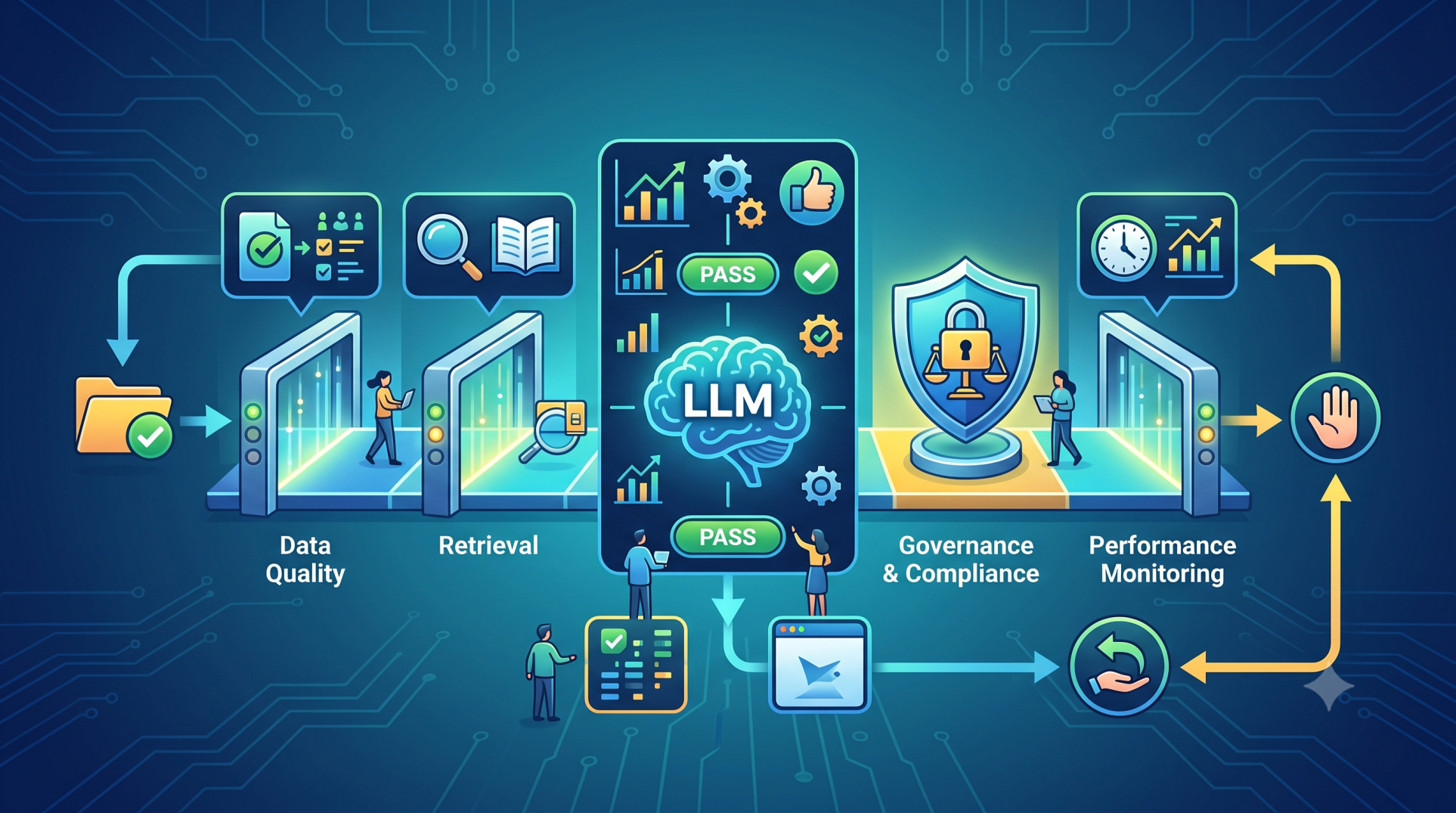
• Create escalation paths for sensitive or high-impact outputs 🚦
• Enable structured human review workflows 📋
• Provide administrative override capabilities 🧭
• Integrate expert feedback into improvement cycles 🔁
• Retain human accountability in decision processes 🏛️
Step 8: Core Enterprise Transparency Requirements 📌
• Guarantee traceability across the full input-to-output lifecycle 🔗
• Maintain audit-ready documentation and logs 📚
• Align AI behavior with corporate governance standards 🏢
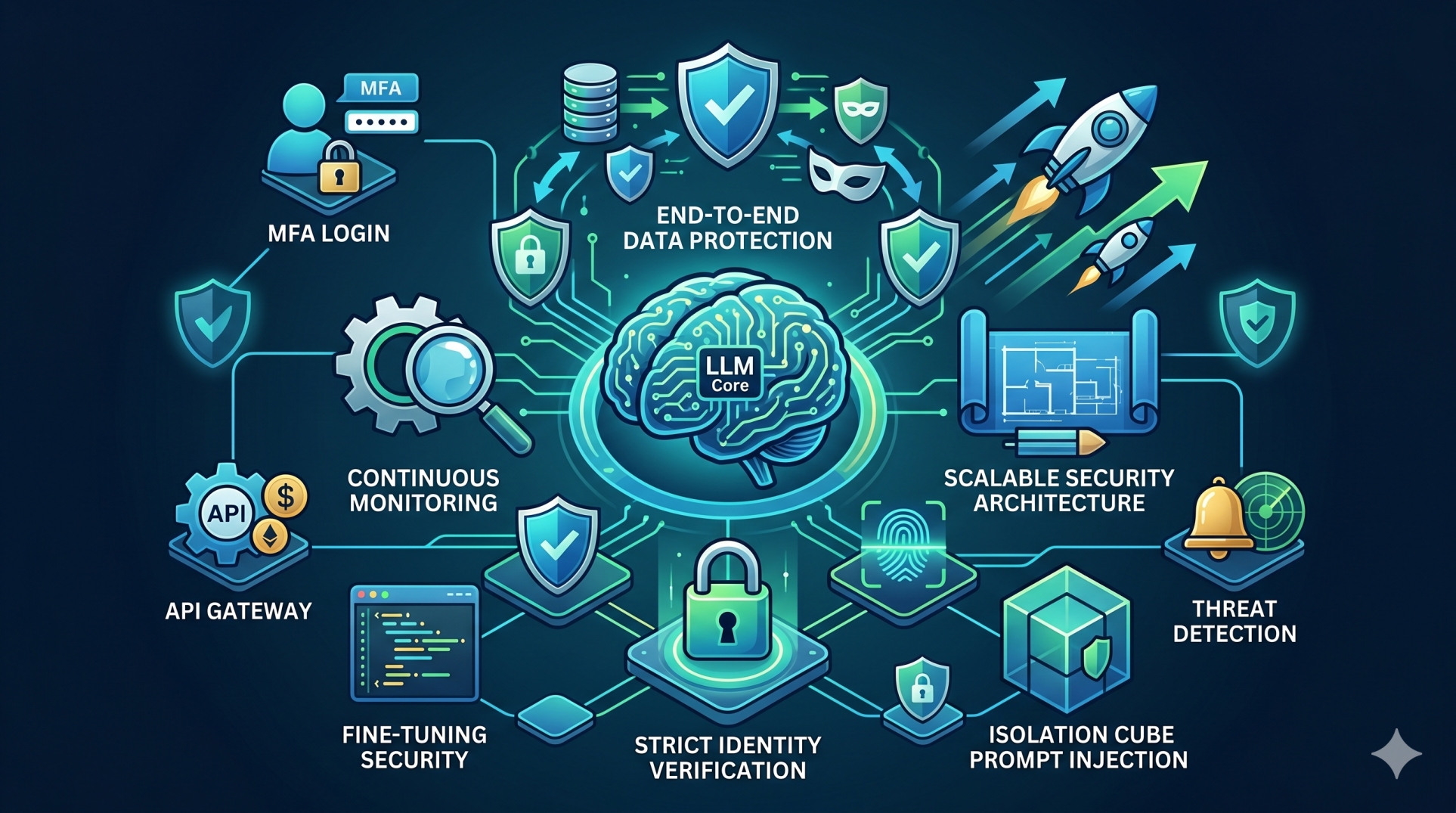
Step 9: Securing Integration Across Enterprise Platforms 🔐
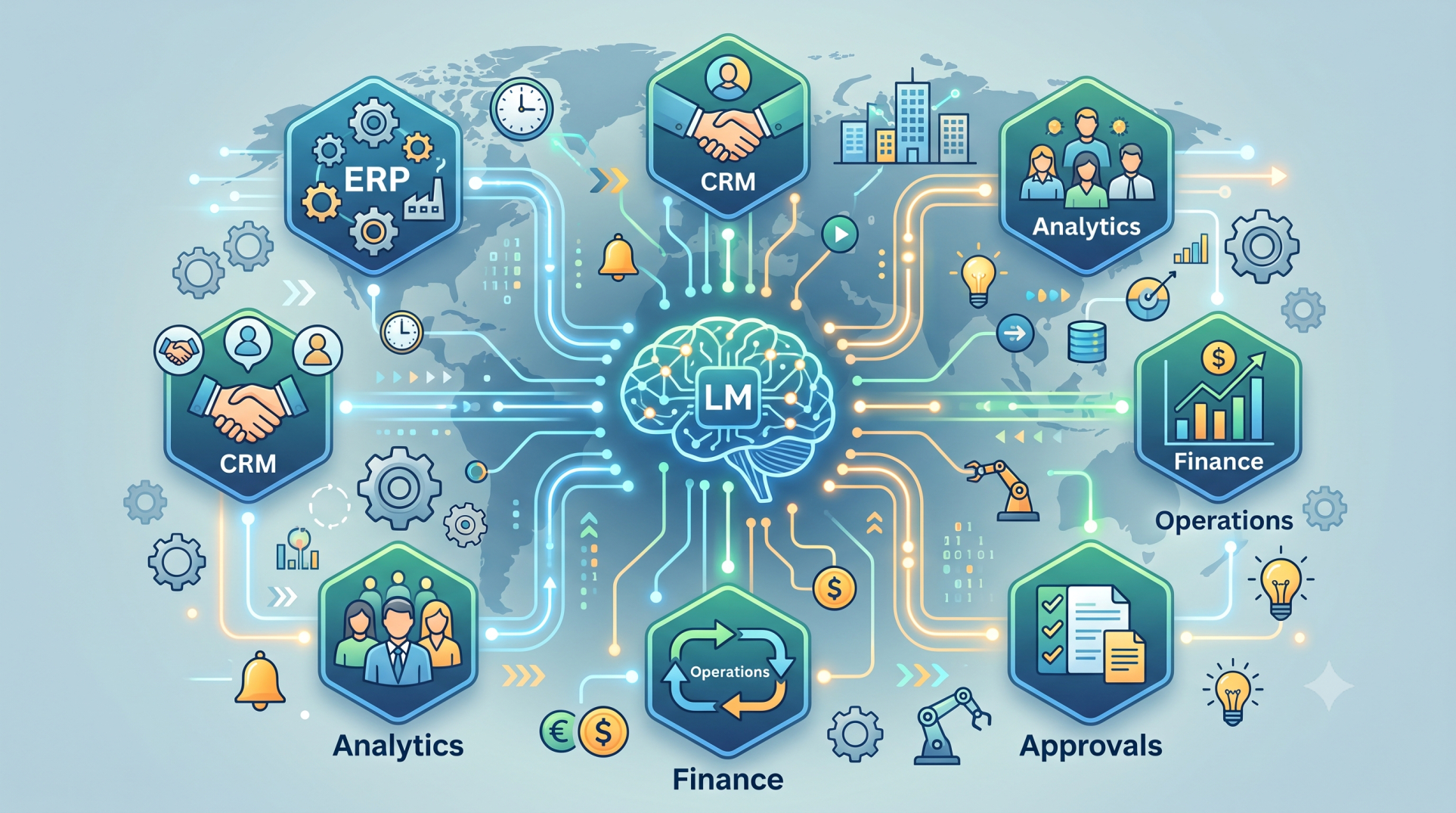
• Connect safely with ERP, CRM, and internal knowledge systems 🔗
• Enforce unified identity and authentication policies 🪪
• Protect confidential data during model interactions 🔒
• Use secure APIs and encrypted communication channels 🌐
• Prevent cross-system data leakage 🚫
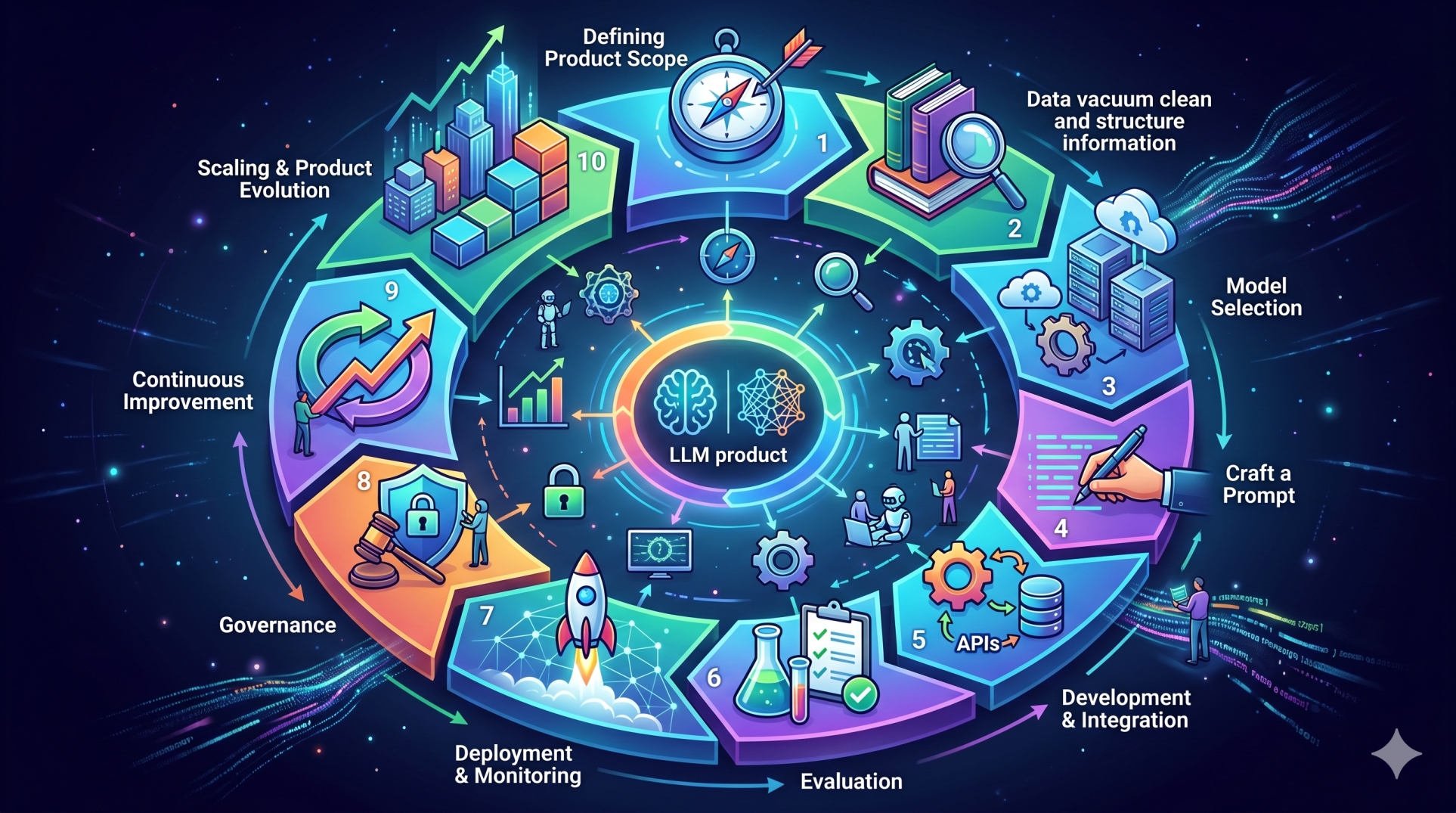
Step 10: Designing for Scalability and Evolution 🚀
• Build modular systems that support future upgrades 🧩
• Enable model replacement without disrupting core workflows 🔄
• Scale architecture across global teams and departments 🌍
• Adapt to emerging compliance and regulatory changes 📜
• Protect long-term technology investments 🏗️
Conclusion
For enterprises, transparency in LLM architecture is essential for responsible deployment and sustainable growth. By embedding traceability, explainability, governance, and secure integration into the system design, organizations can create AI platforms that are both powerful and accountable. When transparency is engineered into the foundation, LLM systems become reliable enterprise assets rather than opaque automation tools.
See more blogs
You can all the articles below