Designing Replaceable Model Layers in LLM Software
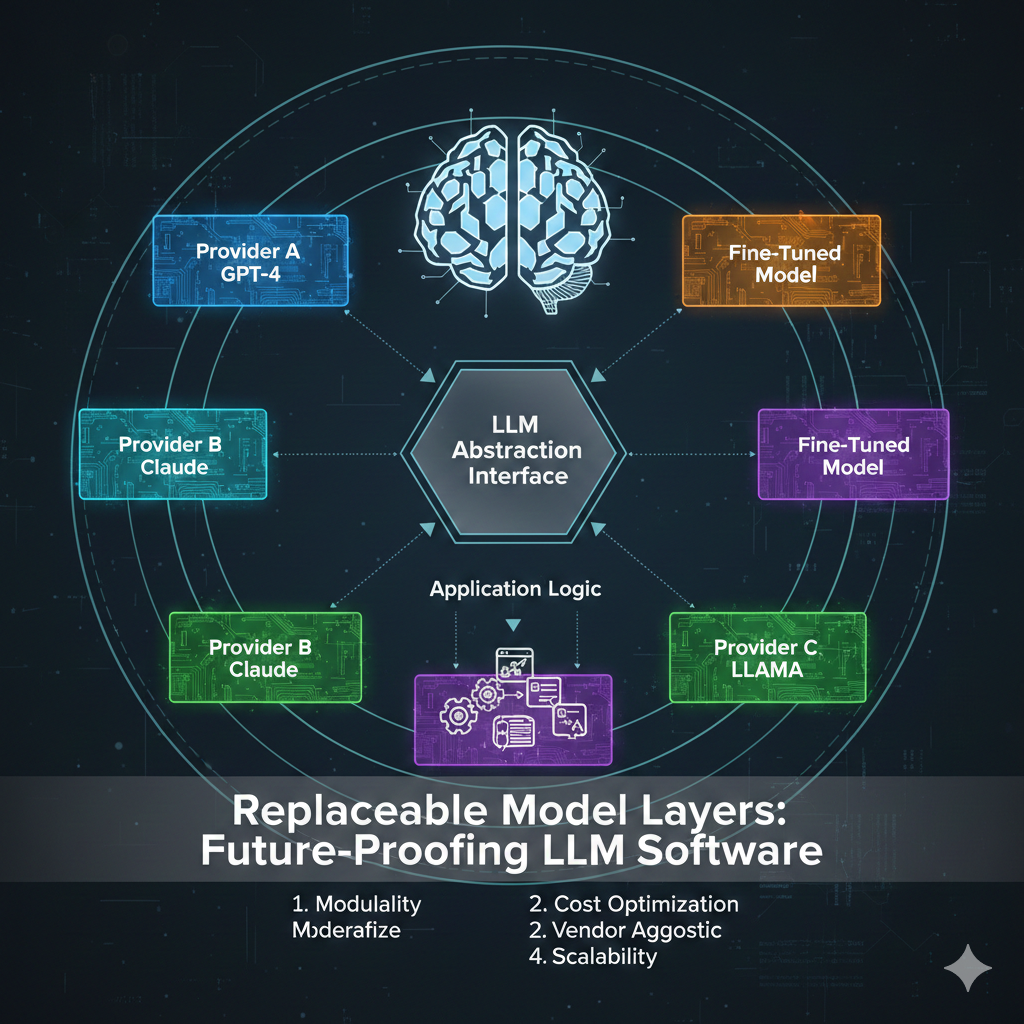
Designing Replaceable Model Layers in LLM Software
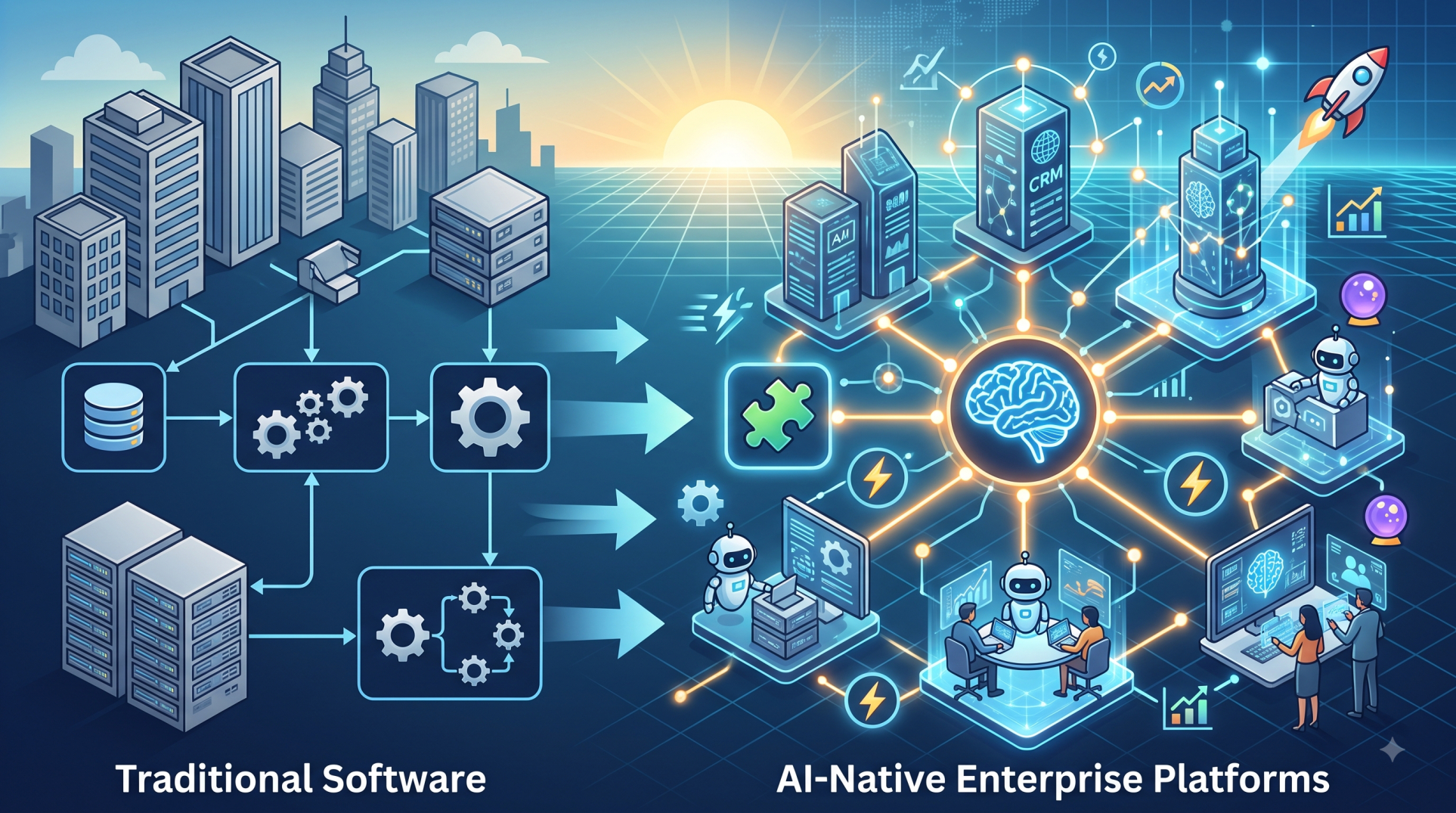
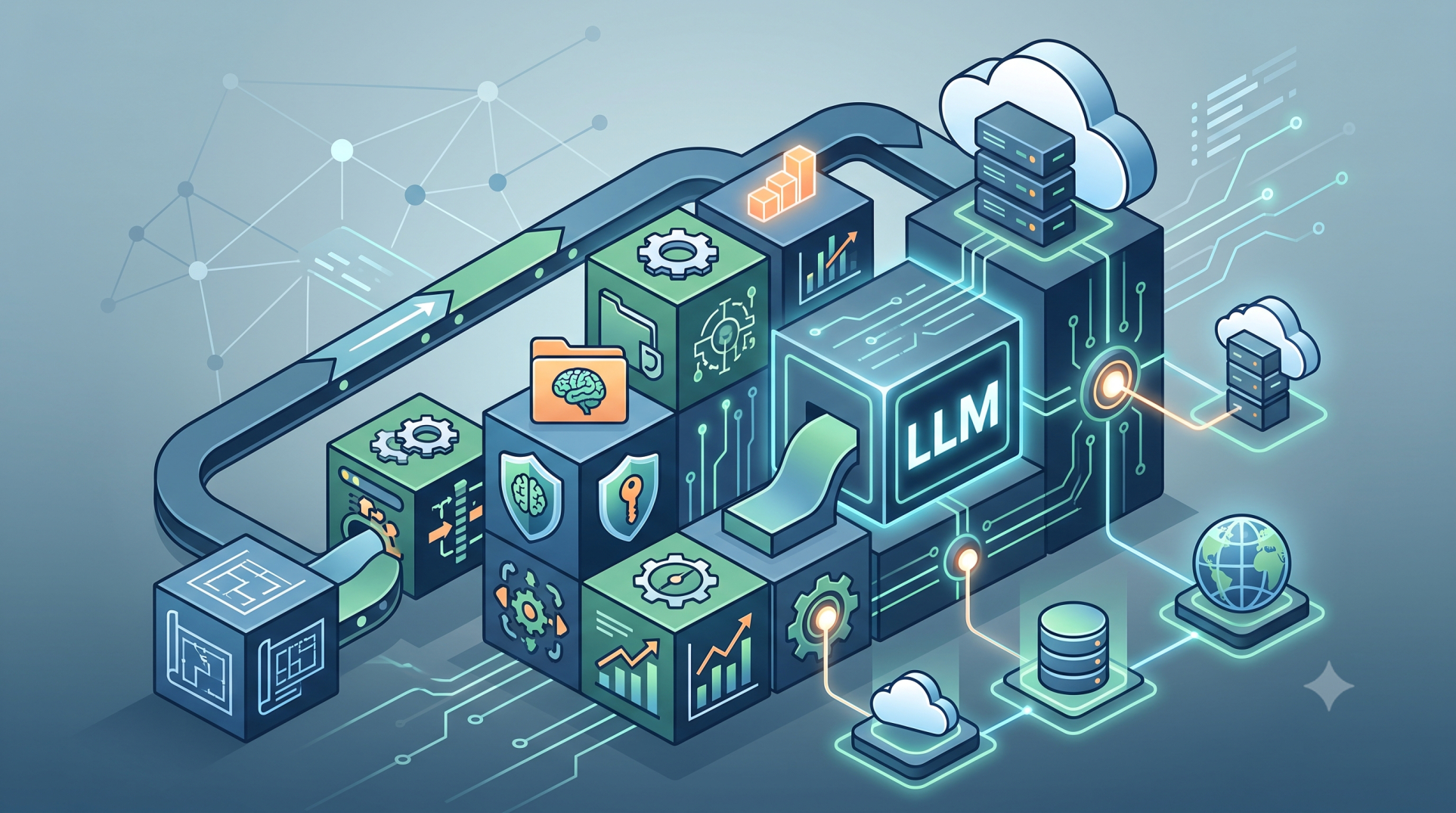
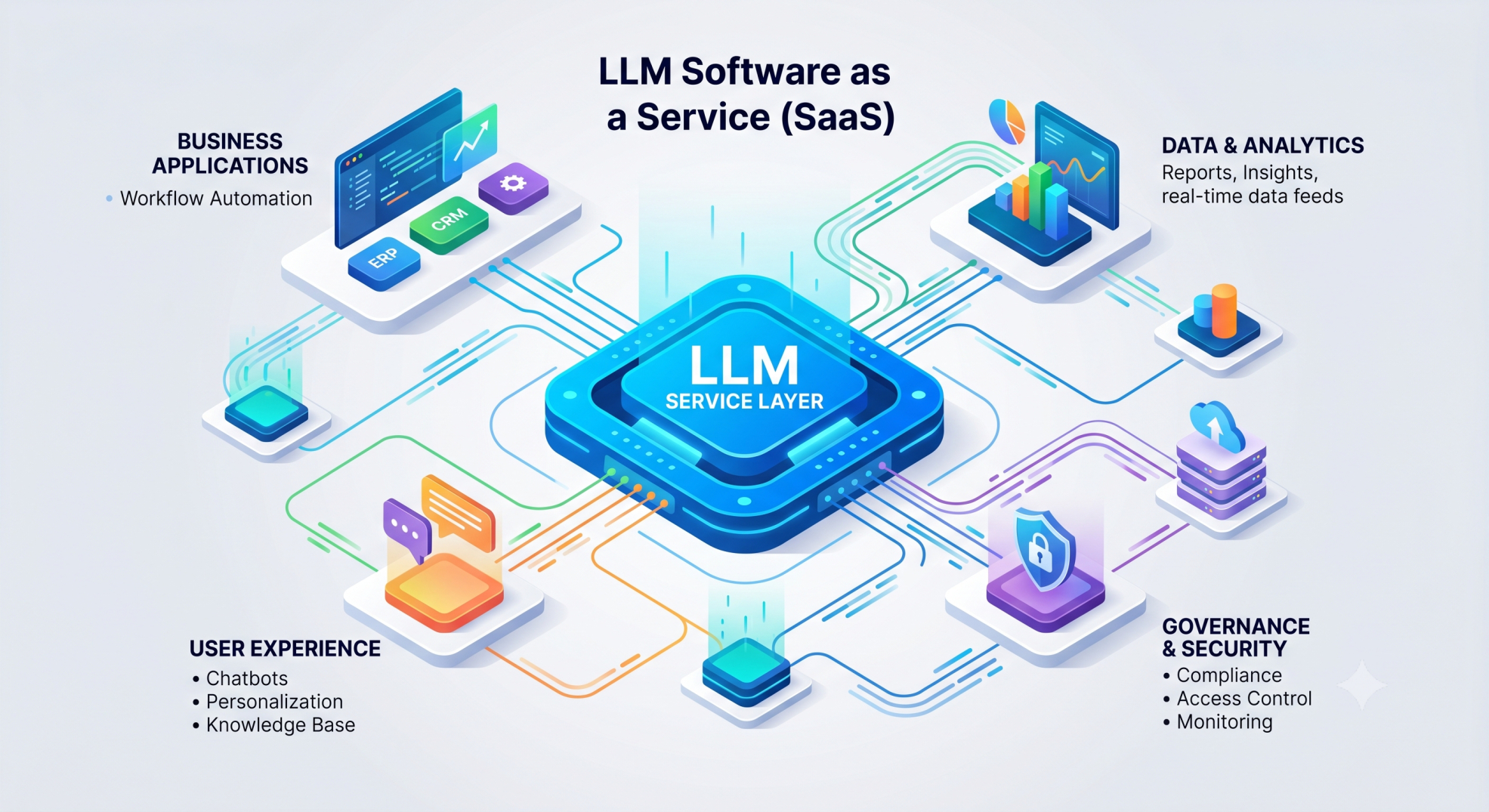
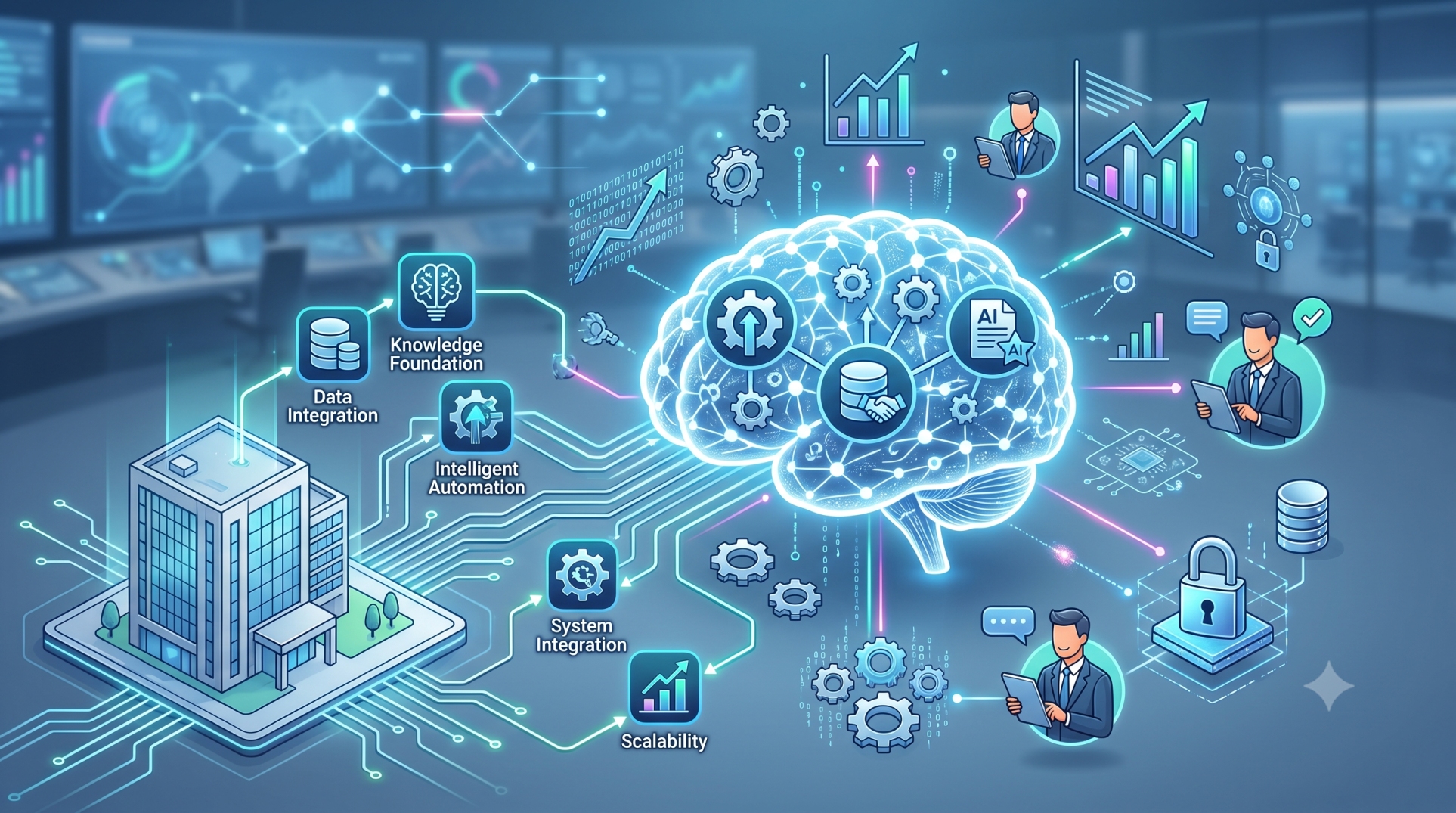
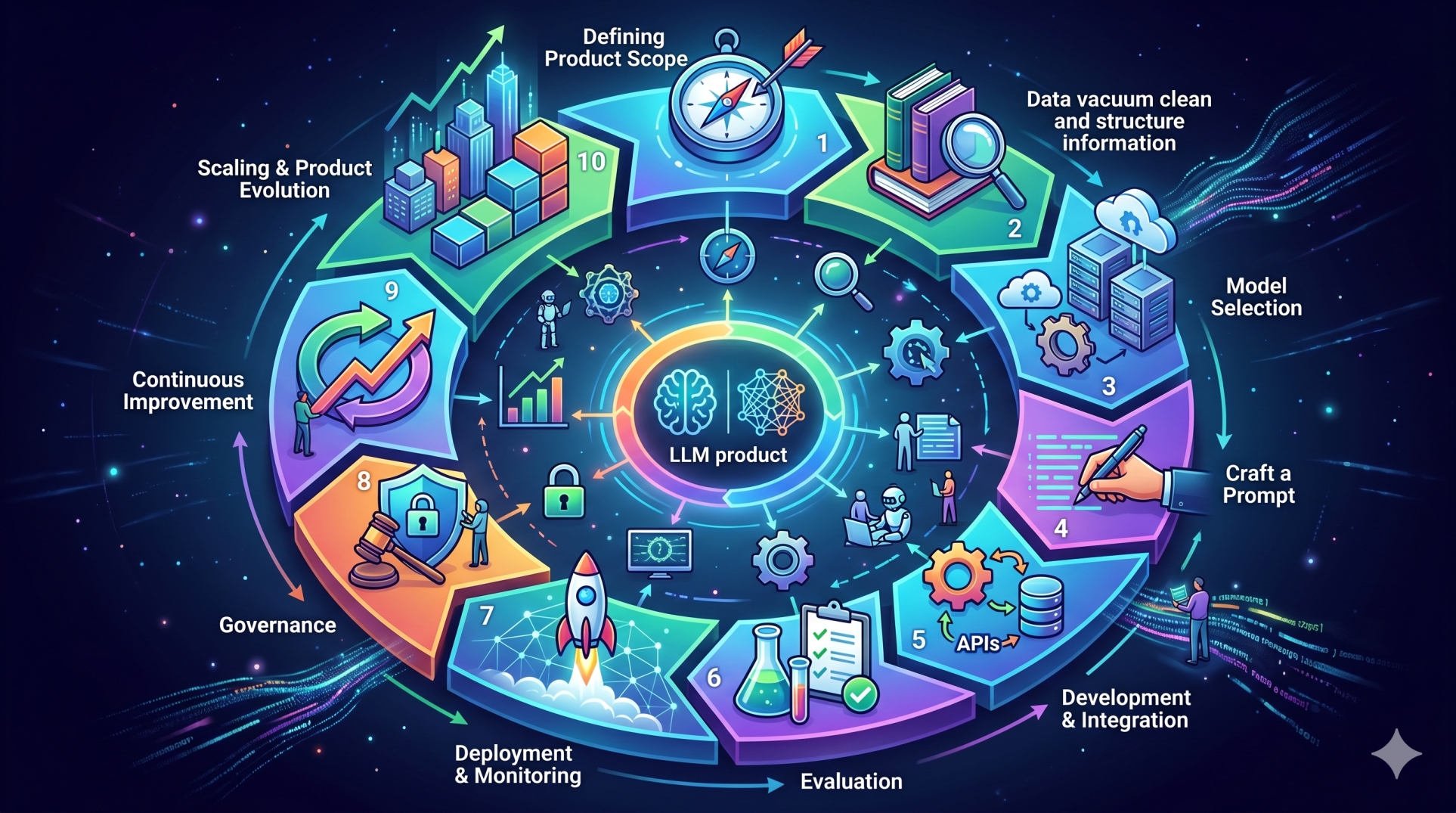
As Large Language Model systems advance, architectural flexibility becomes essential. Model capabilities shift quickly, provider ecosystems expand, and enterprise requirements change over time. Building replaceable model layers allows organizations to upgrade, switch, or combine models without restructuring the entire application. This modular design approach reduces dependency risks, increases innovation speed, and supports long-term scalability.
Step 1: Recognizing the Importance of Model Flexibility 🔄
• Model performance and capabilities evolve continuously 📈
• Pricing, availability, and service terms vary across vendors 💰
• Compliance or geographic policies may require provider changes 🌍
• Business objectives and use cases expand over time 🎯
• Tight coupling between systems and models limits adaptability ⚙️
Step 2: Decoupling Business Logic from Model Execution 🧩
• Separate application workflows from inference operations 🔀
• Isolate prompt construction and response handling 📝
• Avoid embedding model-specific assumptions into core systems 🚫
• Standardize communication between services and models 🔗
• Preserve independence between business features and AI layers 🏗️
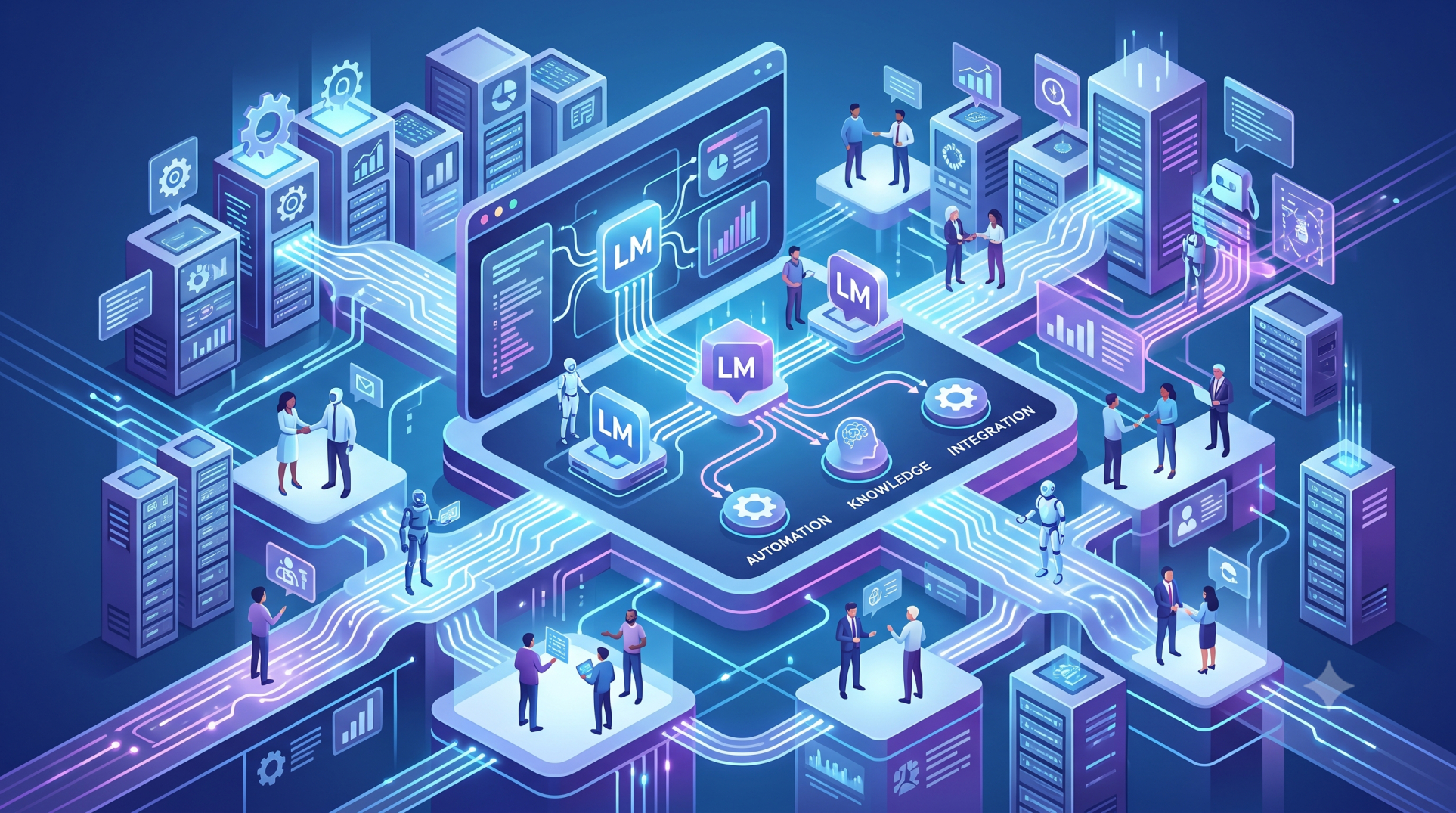
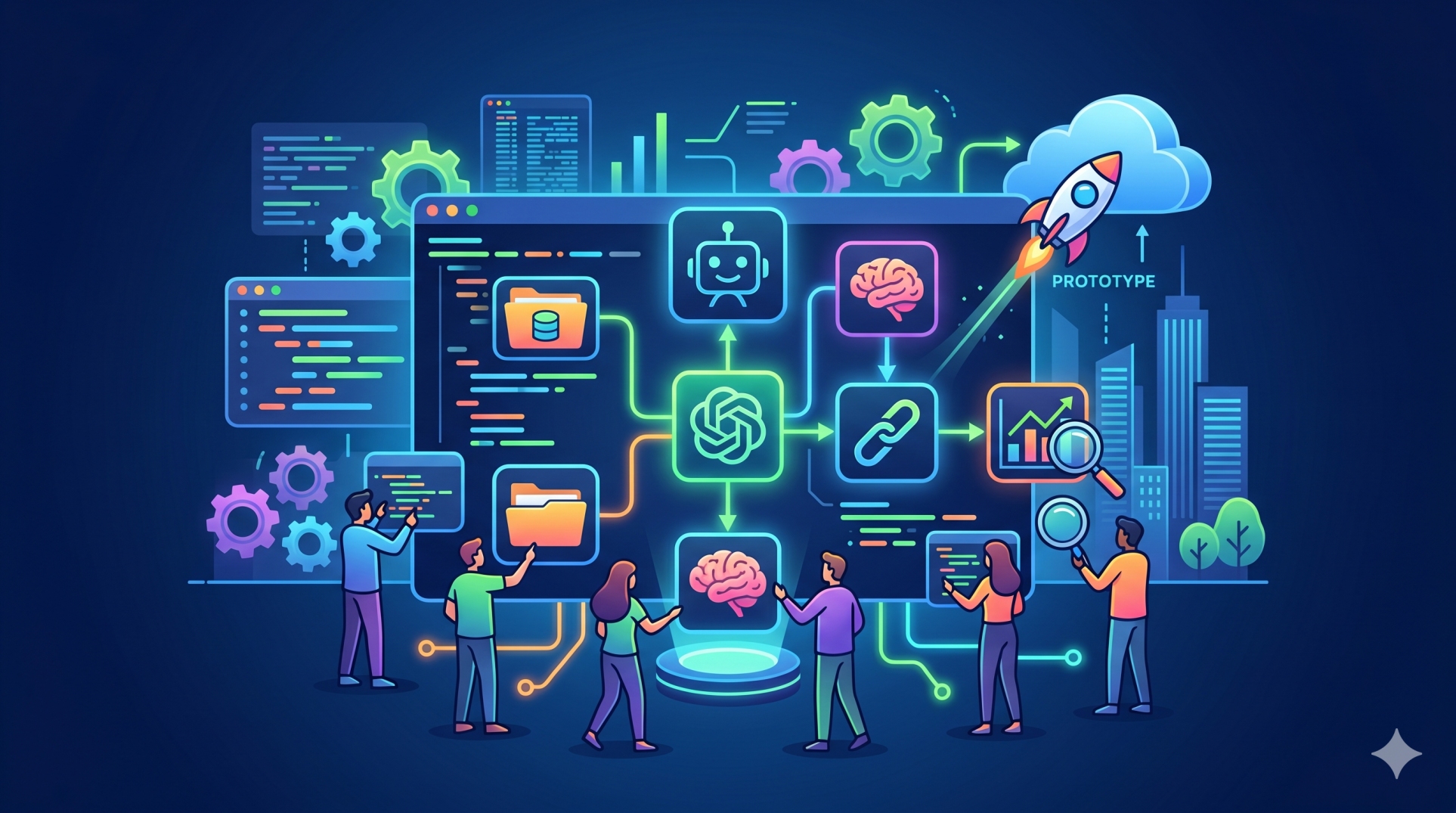
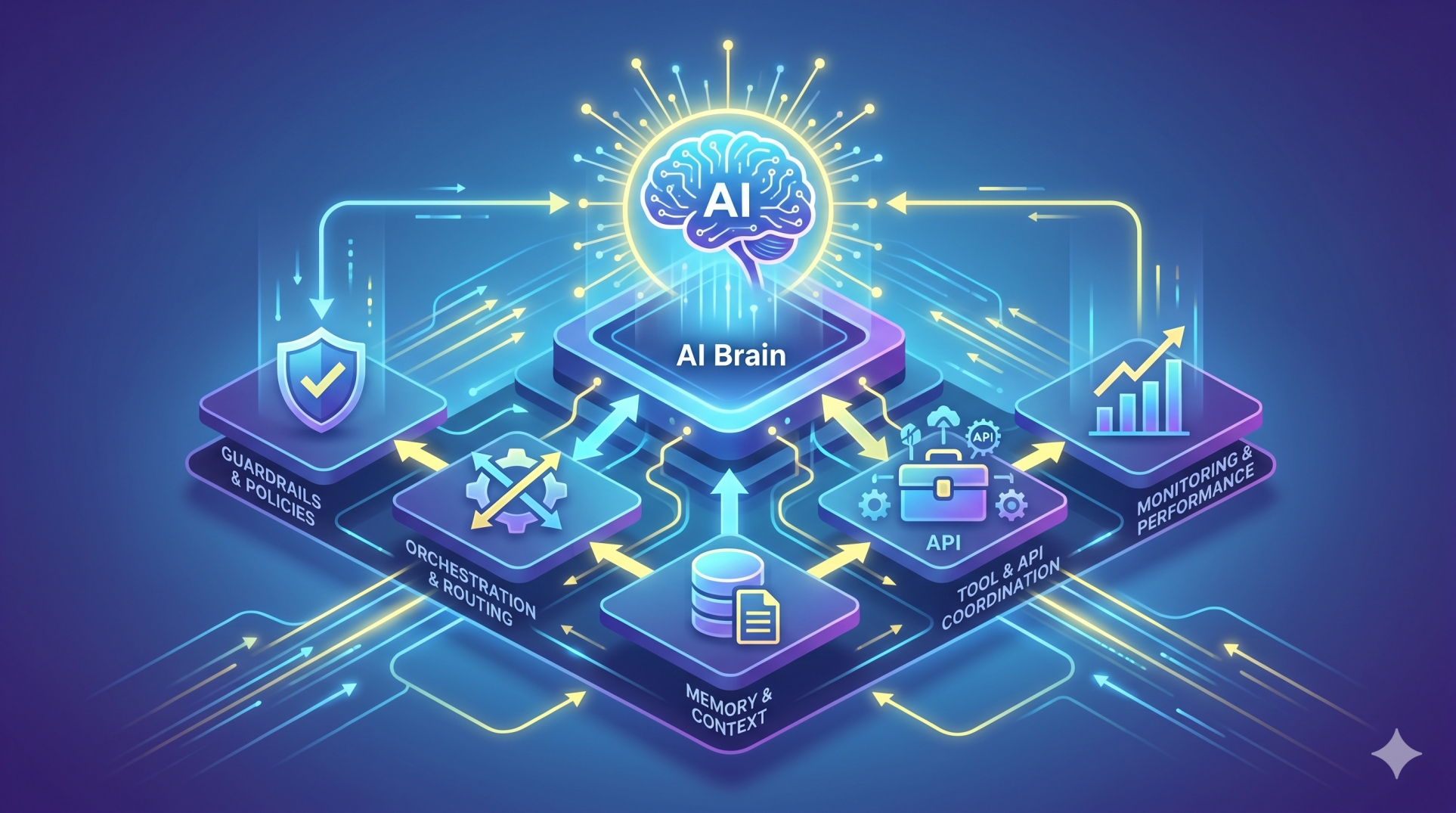
Step 3: Creating a Unified Model Interaction Layer 🧠
• Establish a consistent internal interface for all model calls 📡
• Normalize inputs to work across different providers 🔄
• Standardize response formatting and error management ⚠️
• Expose configurable parameters in a structured way ⚙️
• Enable quick substitution of underlying models 🔁
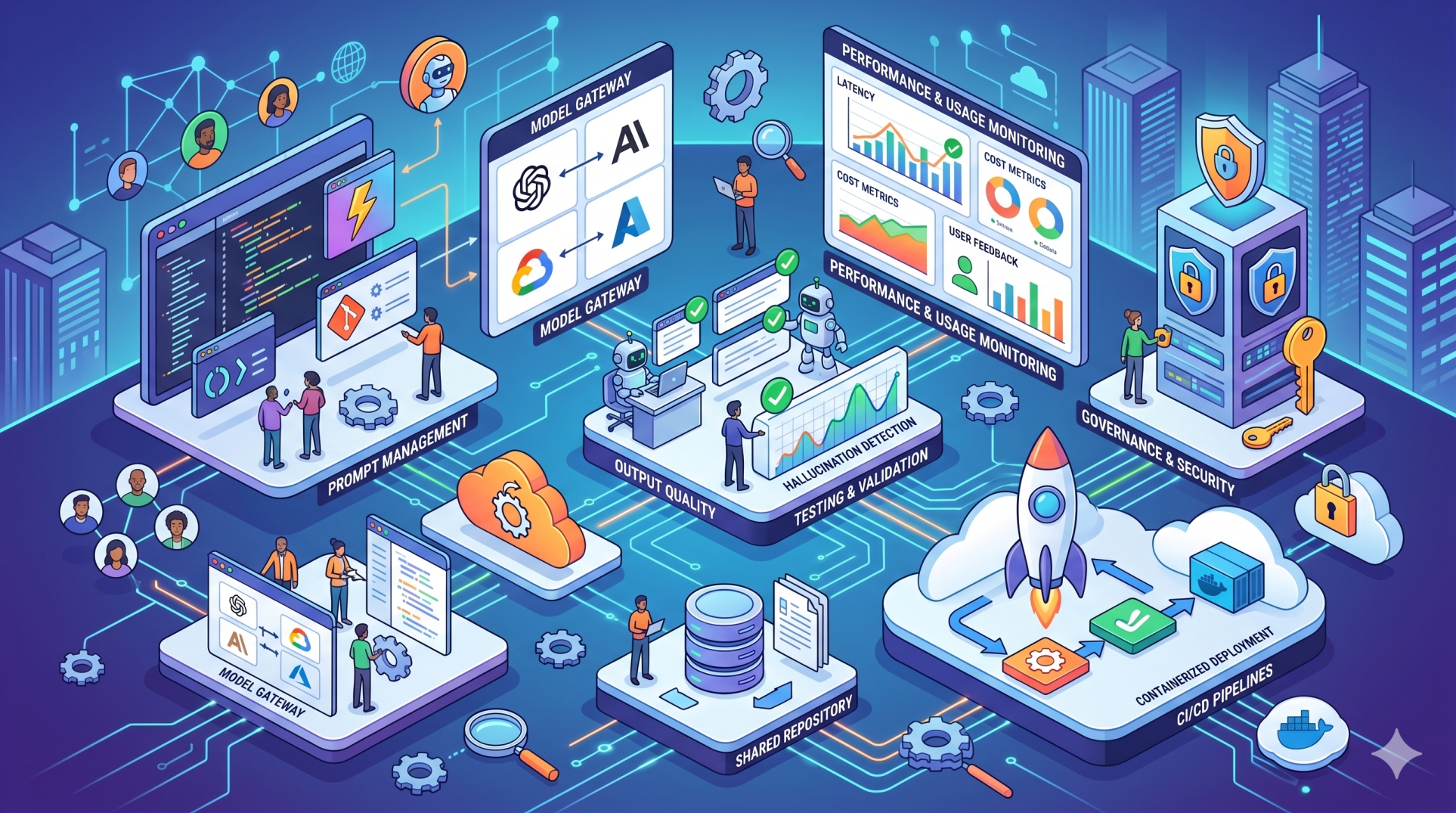
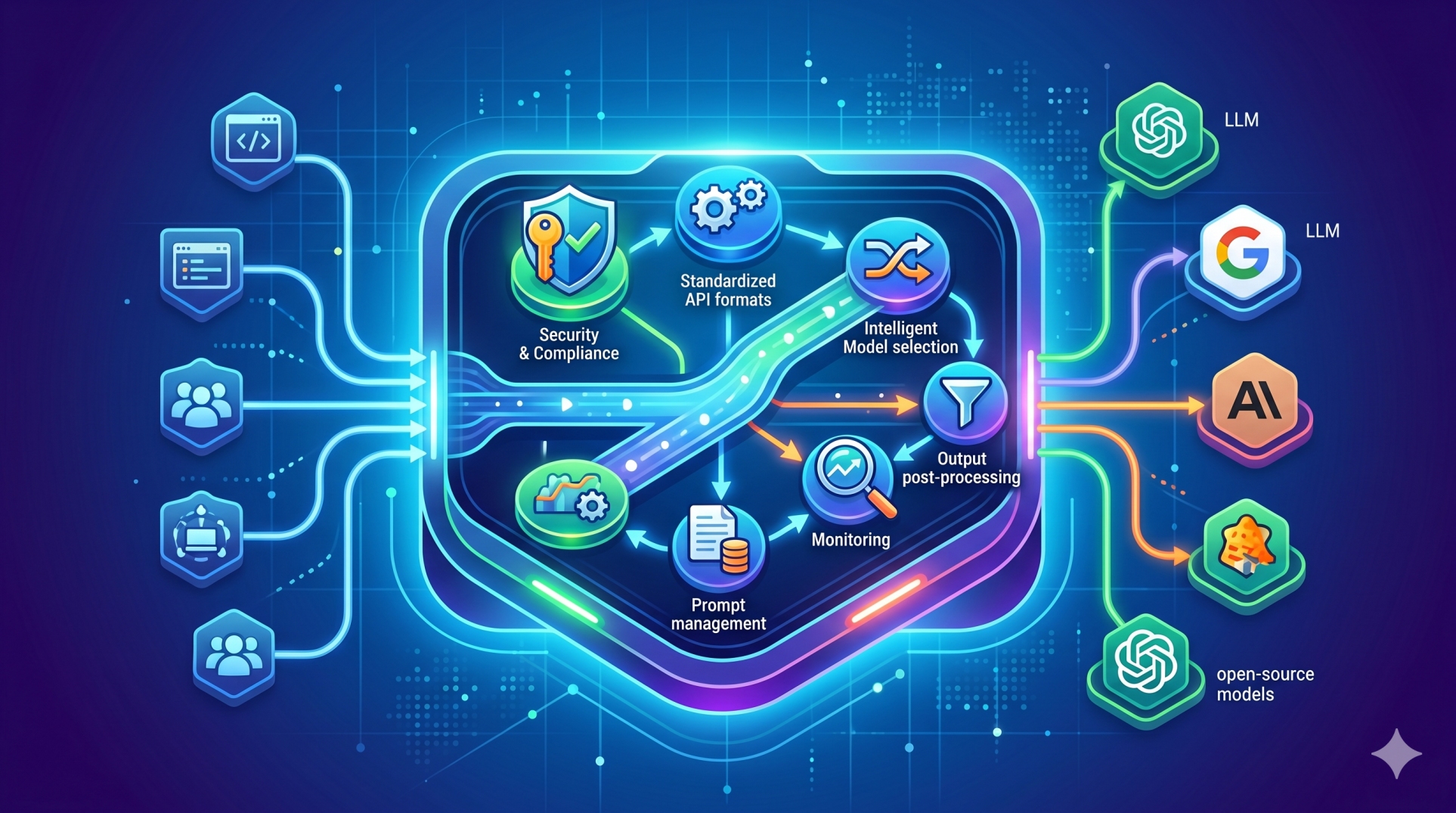
Step 4: Using Adapter Architectures for Providers 🔌
• Implement dedicated connectors for each model service 🧩
• Translate provider-specific APIs into a shared internal format 🔄
• Isolate authentication and rate-limiting logic 🔐
• Contain vendor-specific optimizations within adapters 📦
• Shield the system from external API changes 🛡️
Step 5: Designing Prompts for Cross-Model Compatibility ✍️
• Avoid relying on behaviors unique to a single model 🚫
• Build reusable and modular prompt components 🧱
• Separate system-level instructions from user-driven inputs 🔎
• Validate prompt performance across multiple models 📊
• Reduce dependency on undocumented model characteristics 📘
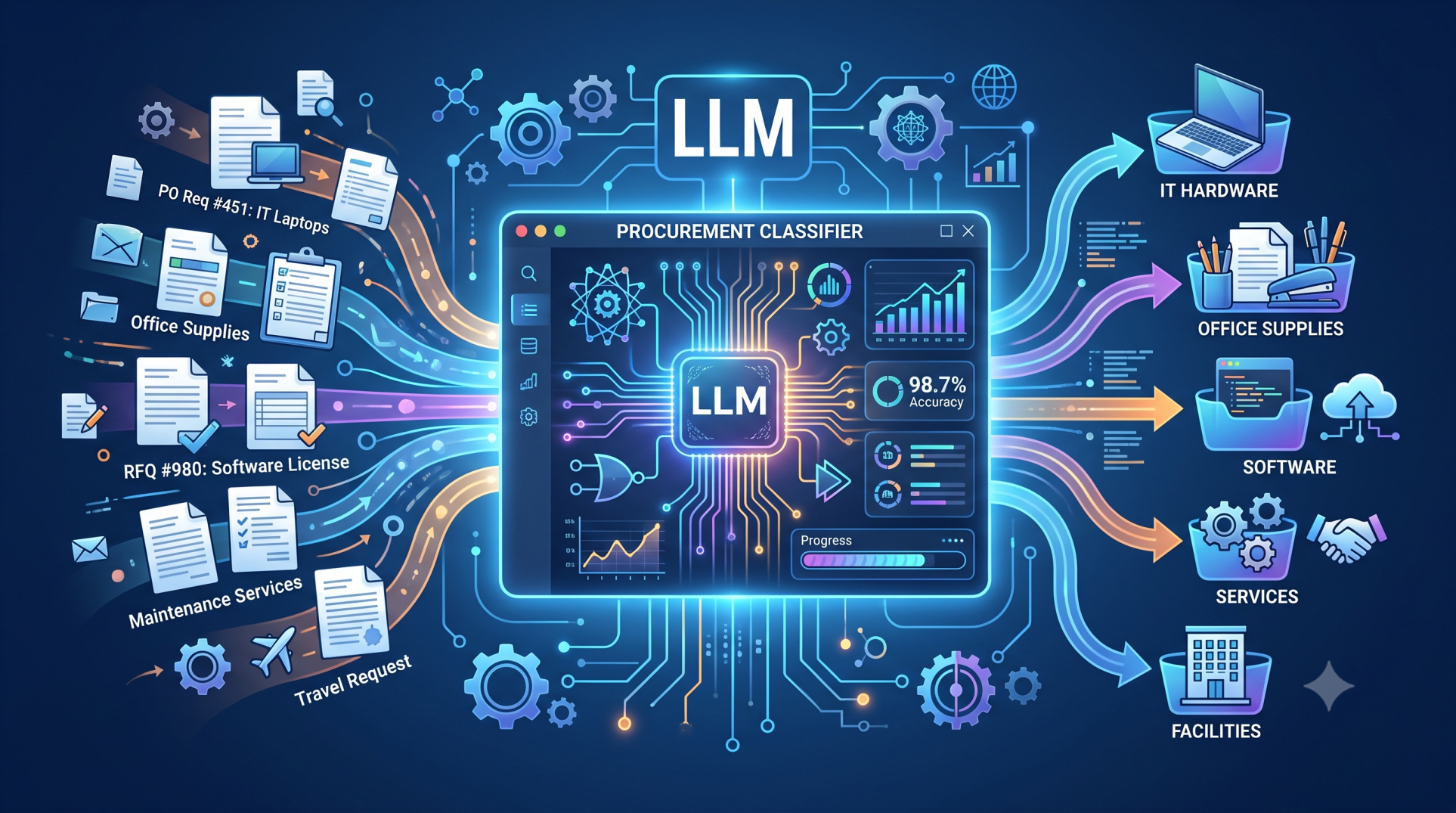
Step 6: Enabling Multi-Model Orchestration 🎛️
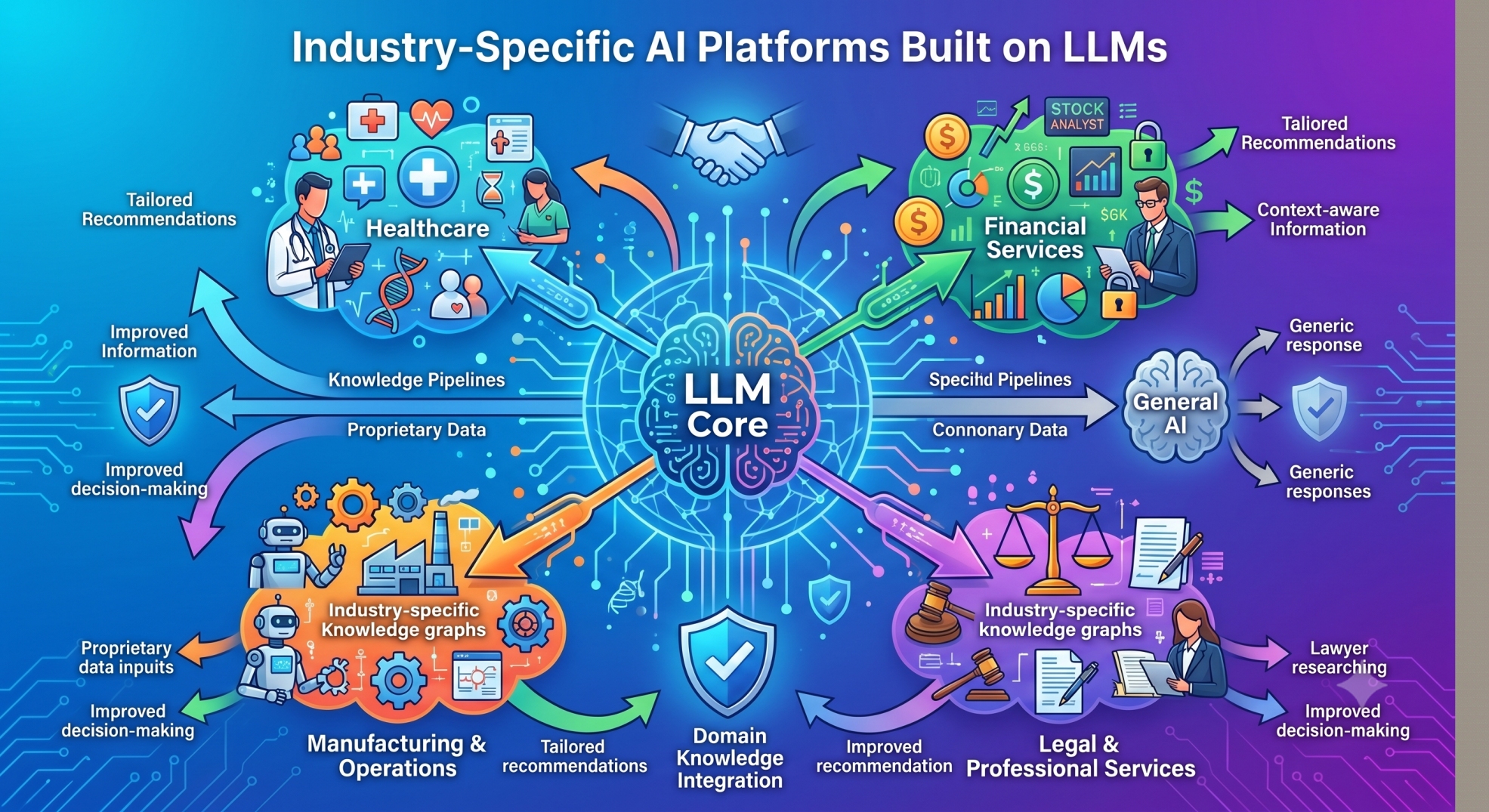
• Assign tasks based on model strengths and capabilities 🧠
• Use cost-efficient models for routine operations 💵
• Allocate advanced reasoning tasks to high-capacity models 🚀
• Implement fallback logic for service interruptions 🔁
• Optimize performance through intelligent routing strategies 📍
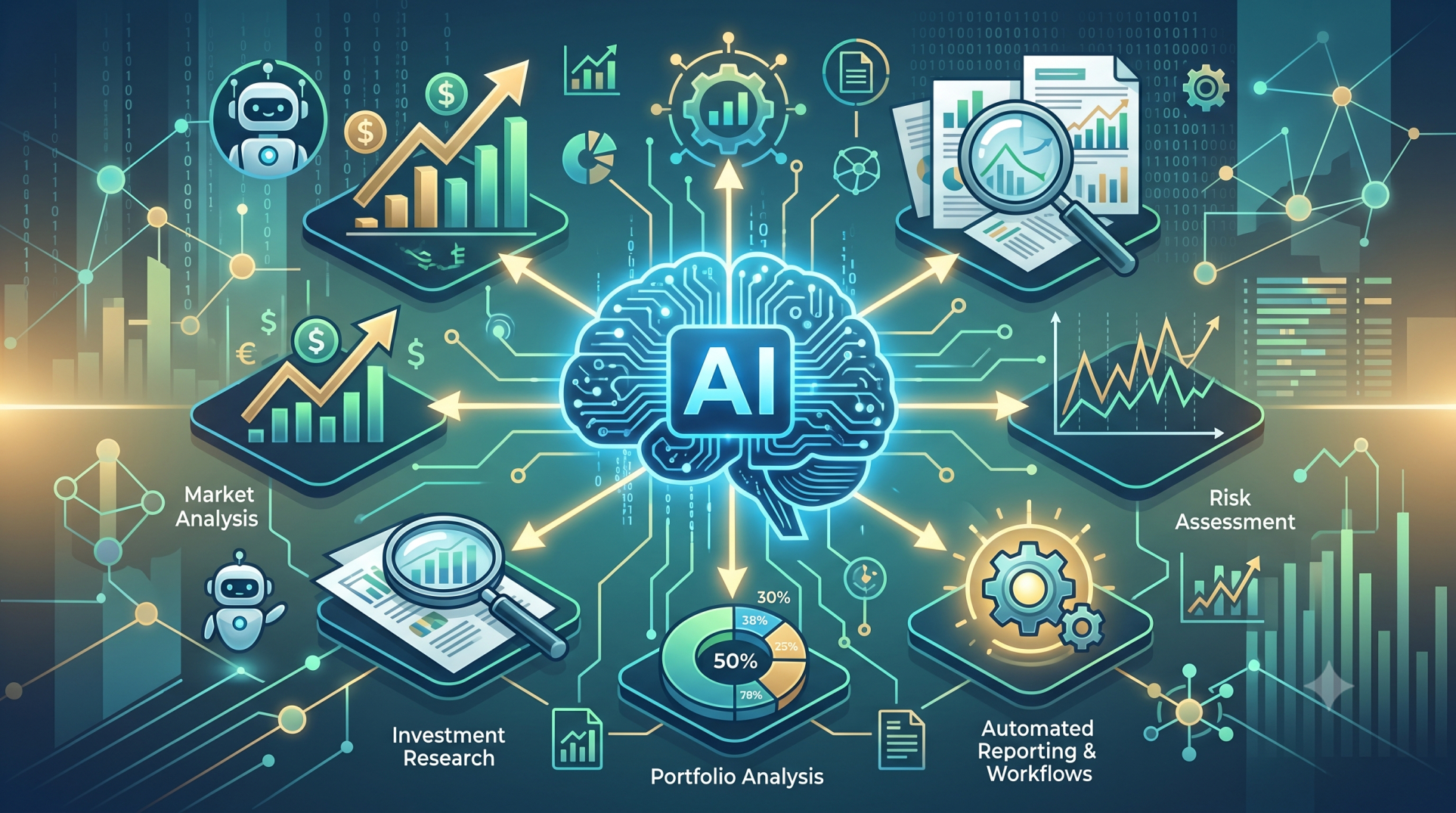
Step 7: Monitoring and Comparing Model Performance 📊
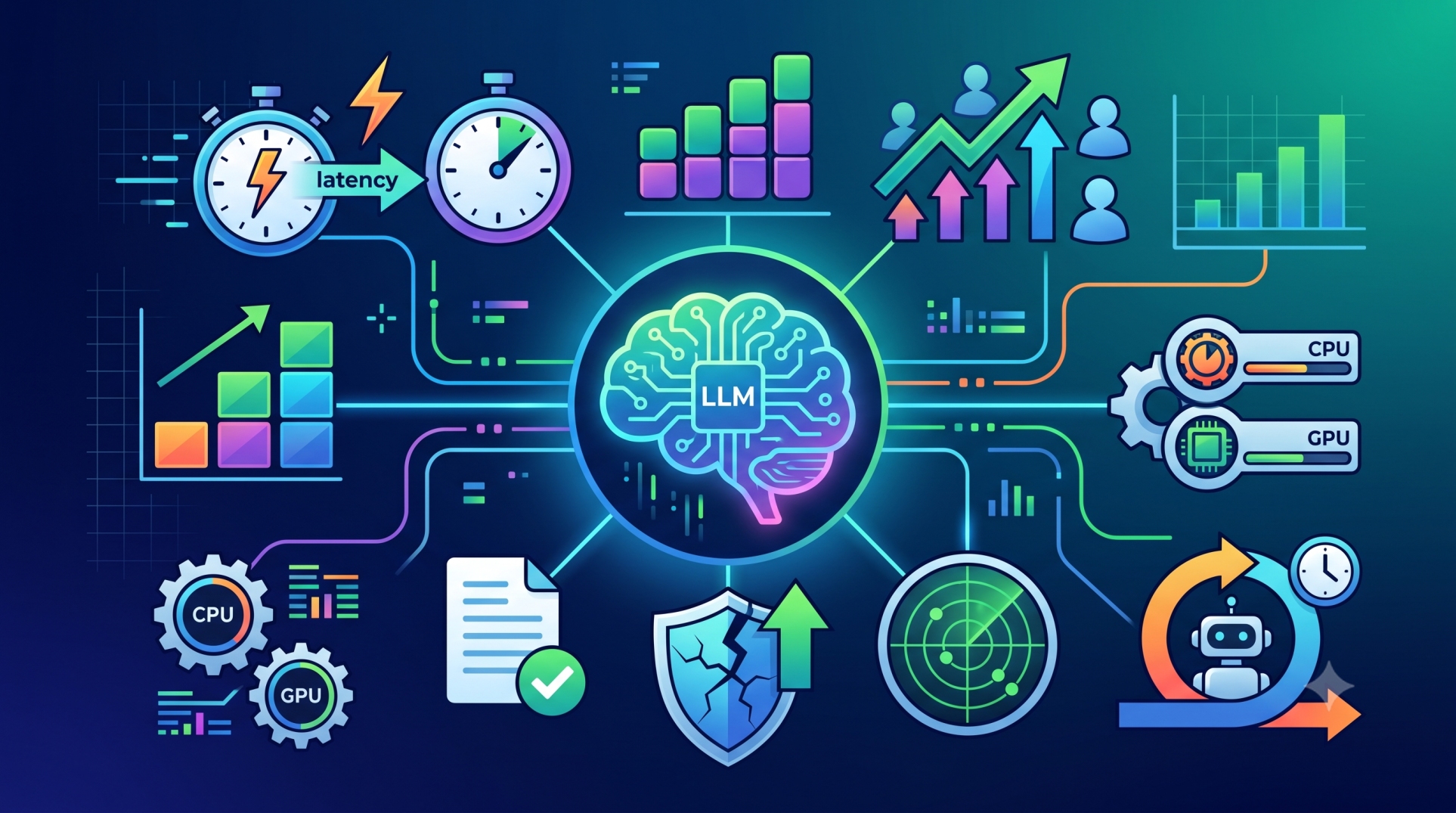
• Measure output quality, response time, and reliability ⏱️
• Track operational cost across providers 💰
• Analyze consistency and reasoning differences 🔍
• Maintain evaluation datasets for benchmarking 📚
• Support informed decisions when replacing models 🧠
Step 8: Core Strategic Advantages 🏆
• Minimizes dependency on a single vendor 🤝
• Speeds up experimentation and innovation cycles ⚡
• Enables cost and performance optimization 📈
• Protects long-term architectural flexibility 🏗️
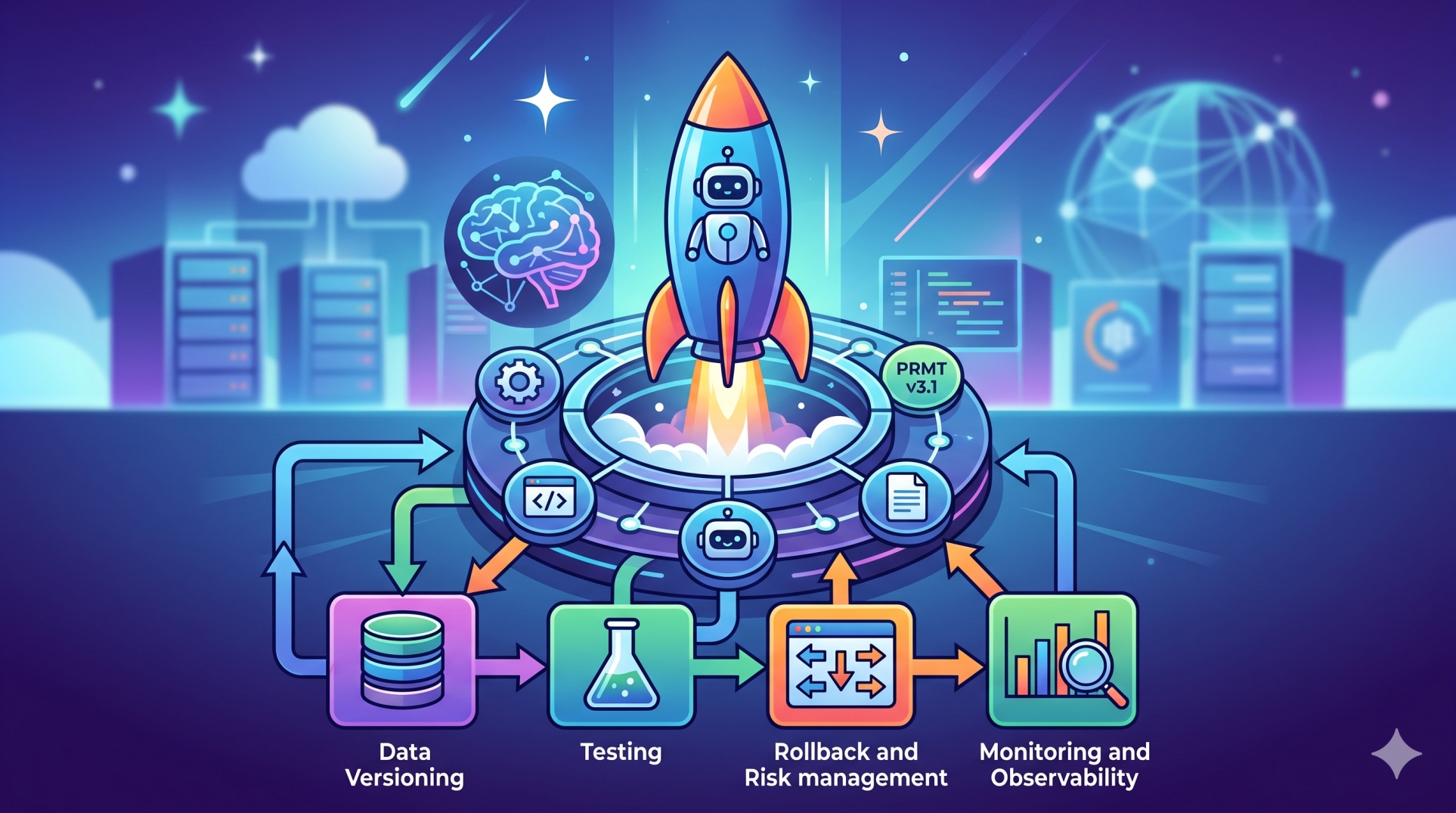
Step 9: Managing Versions and Change Control 📂
• Maintain version tracking for model configurations 🗂️
• Record prompt updates and parameter adjustments 📝
• Document reasons for switching or upgrading models 📌
• Ensure outputs can be reproduced when needed 🔁
• Support auditing and governance processes 🏛️
Step 10: Planning for Future Model Evolution 🚀
• Design for compatibility with emerging model types 🔮
• Allow integration of custom or fine-tuned models 🧪
• Support deployment across cloud and hybrid environments ☁️
• Enable gradual transitions between providers 🔄
• Build systems that evolve without major structural changes 🏗️
Conclusion
Replaceable model layers transform LLM software into a modular and resilient system architecture. By separating model execution from business logic, introducing abstraction layers, and maintaining strong monitoring practices, organizations can continuously adapt their AI stack without costly redesigns. This approach ensures that LLM platforms remain scalable, cost-efficient, and strategically aligned as the AI landscape evolves.
See more blogs
You can all the articles below