Building Intelligent Call Routing Systems Using Conversational AI

Traditional call routing systems often depend on fixed menus, predefined options, and department-based phone transfers. While these methods can handle basic call distribution, they may struggle with complex customer requests and changing business requirements. Conversational AI introduces a more intelligent approach by understanding caller intent, identifying relevant information, and directing conversations to the appropriate destination. By combining speech recognition, language models, and telephony integrations, organizations can build call routing systems that improve response efficiency and customer experiences.
Step 1: Understanding Intelligent Call Routing 📞
• Identify the purpose of incoming calls through natural conversations. 🧠
• Replace rigid menu-based interactions with context-aware voice experiences. 🔄
• Recognize customer requirements before selecting a routing destination. 🔎
• Categorize calls according to intent, department, urgency, and service requirements. 📋
• Establish routing rules that align with business operations. ⚙️
Step 2: Integrating Speech Recognition Technology 🎙️
• Convert incoming customer speech into text using automatic speech recognition. 📝
• Support different speaking styles, accents, and conversational patterns. 🌐
• Identify important keywords and phrases within customer requests. 🔍
• Process speech continuously to support natural conversations. ⚡
• Improve recognition accuracy through appropriate language and domain-specific configurations. 🎯
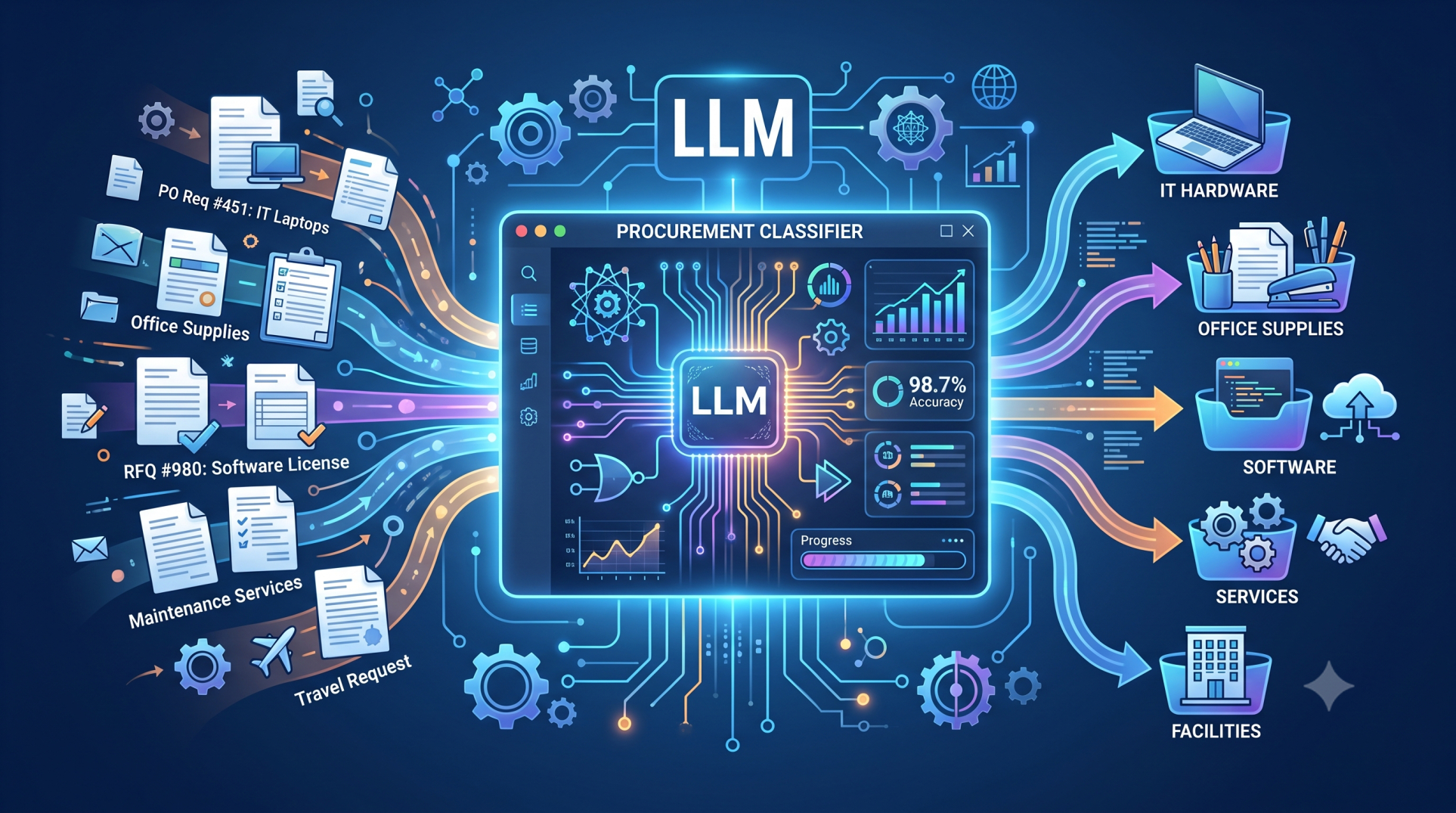
Step 3: Understanding Caller Intent with LLMs 🧠
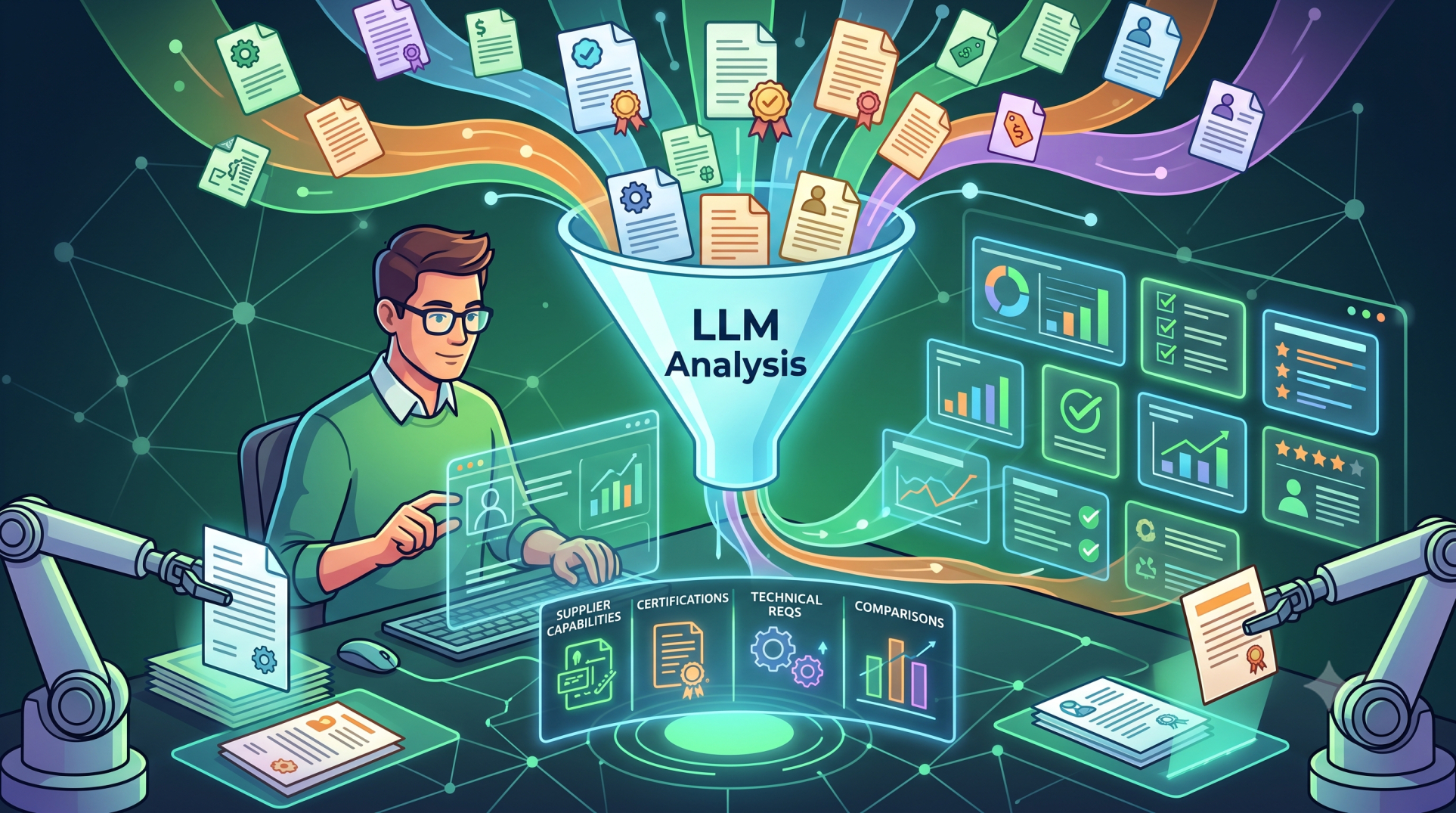
• Use large language models to interpret customer requests beyond individual keywords. 🤖
• Identify whether callers need sales assistance, technical support, billing help, or general information. 📂
• Understand multiple requests expressed within a single conversation. 💬
• Extract relevant details such as customer requirements and issue descriptions. 📊
• Maintain conversational context to improve routing decisions. 🔗
Step 4: Designing Intelligent Routing Rules 🔀
• Define routing conditions based on customer intent and business requirements. 📋
• Direct callers to the appropriate department, agent, or specialized service. 🎯
• Prioritize urgent requests according to configured business rules. 🚨
• Consider agent availability, skills, and workload when selecting destinations. 👥
• Allow administrators to update routing configurations as operational needs change. ⚙️
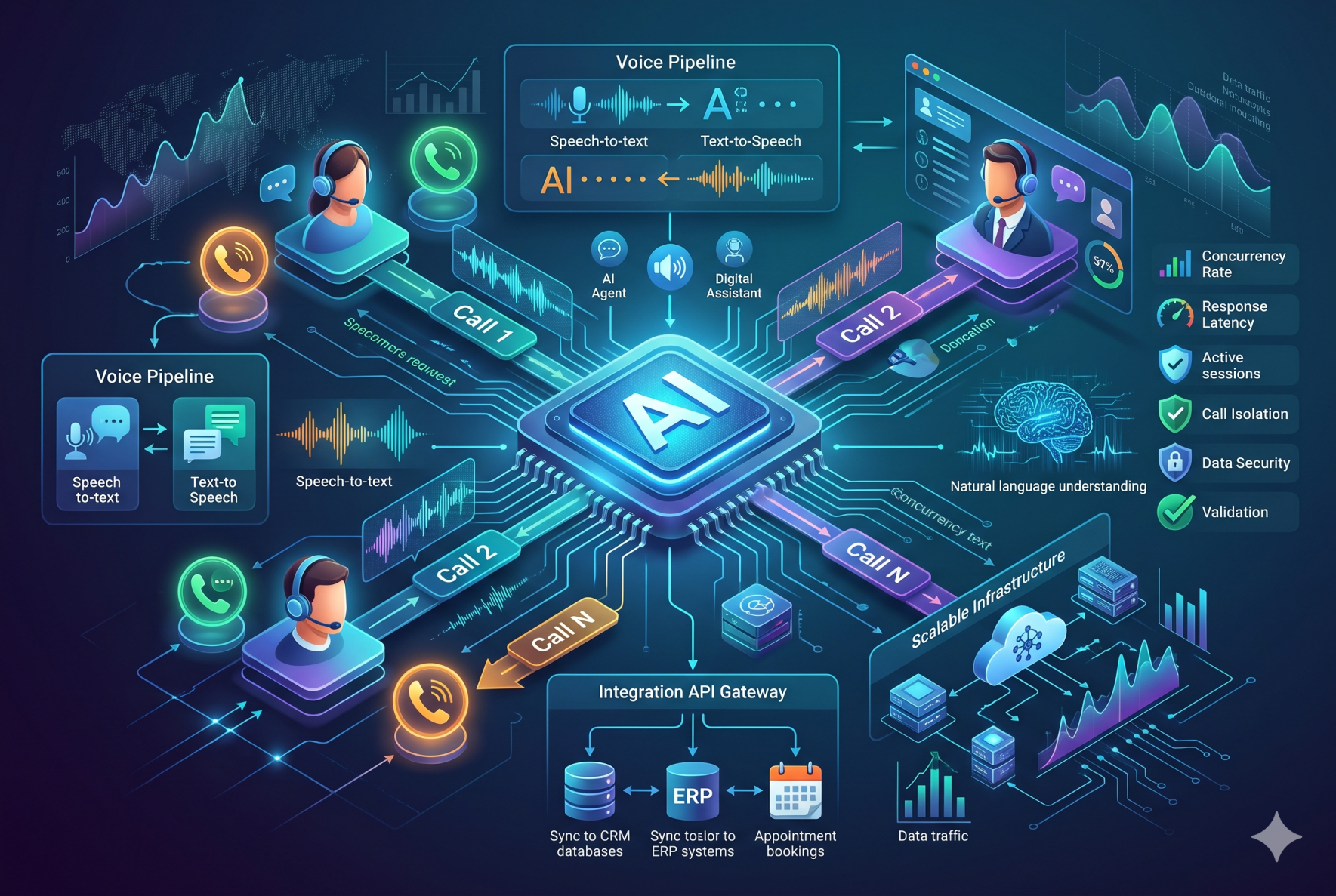
Step 5: Connecting Conversational AI with Telephony Systems 🔗
• Integrate AI voice agents with telephony platforms such as Twilio and other supported providers. 📞
• Process incoming calls through real-time voice communication pipelines. ⚡
• Connect speech recognition, LLM processing, and text-to-speech services. 🧠
• Execute call transfers through supported telephony APIs. 🔄
• Maintain communication between AI services and existing business phone infrastructure. 🌐
Step 6: Maintaining Context During Call Transfers 🤝
• Capture the caller's requirements before transferring the conversation. 📝
• Share relevant conversation summaries with the receiving agent. 📋
• Preserve customer information and issue details during handoffs. 🔗
• Avoid asking callers to repeat information unnecessarily. 💬
• Support smooth transitions between AI agents and human representatives. 👥
Step 7: Handling Complex Calls and Exceptions 🚨
• Recognize requests that require specialized human assistance. 🔎
• Transfer uncertain or sensitive conversations to qualified representatives. 👨💼
• Handle unavailable departments through predefined fallback routing. 🔄
• Manage interrupted calls and temporary telephony failures. 🛡️
• Maintain clear escalation procedures for urgent customer requirements. ⚠️
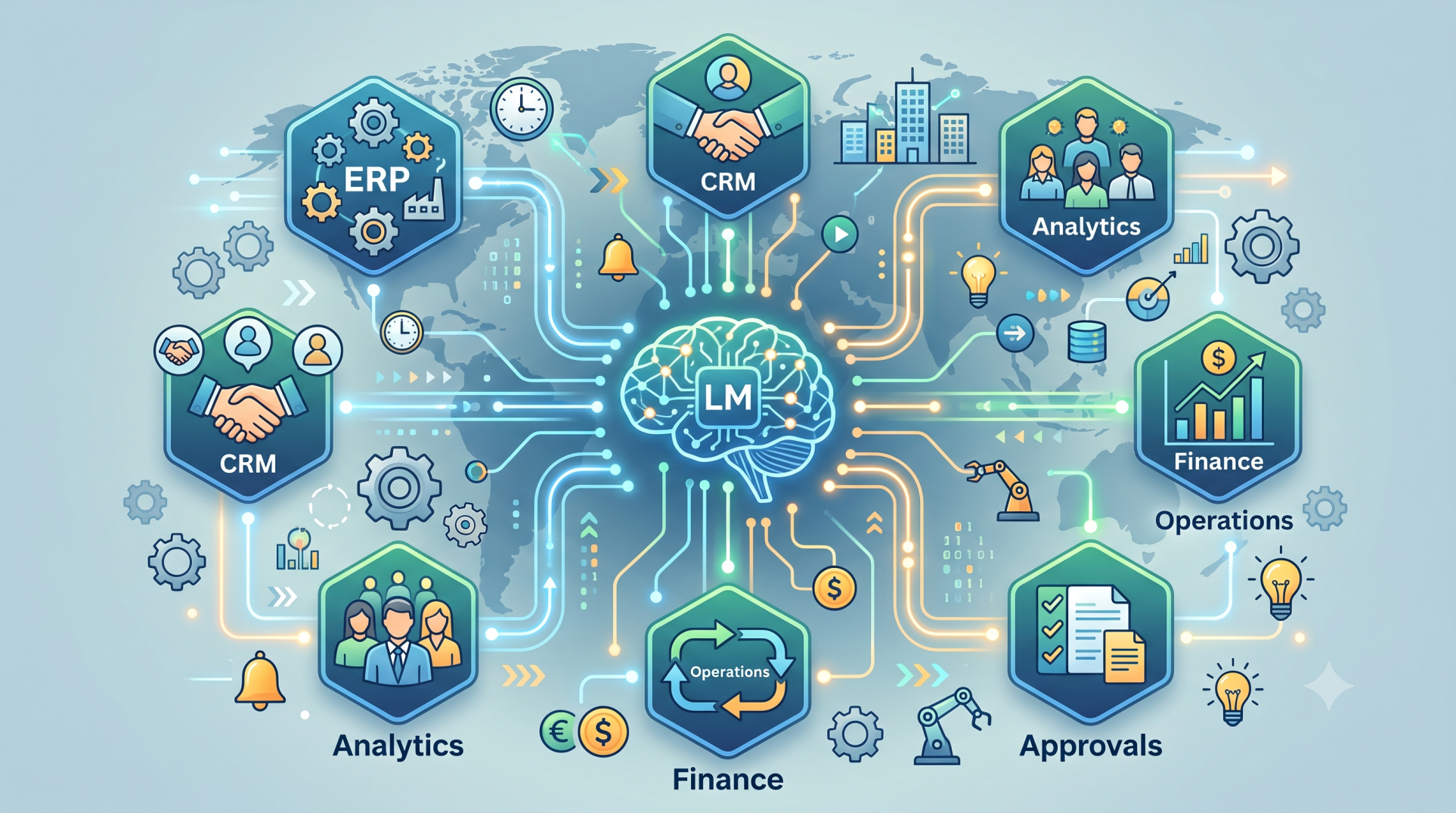
Step 8: Integrating CRM and Customer Information Systems 📊
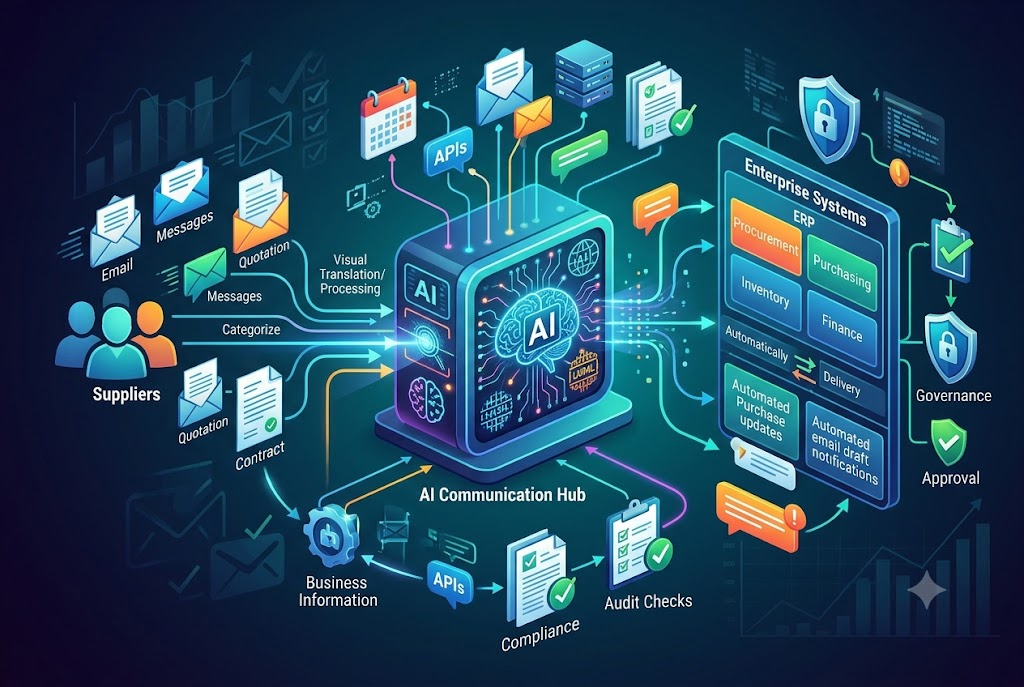
• Connect call routing workflows with CRM platforms and customer databases. 🔗
• Retrieve relevant customer information when authorized. 🗂️
• Identify returning callers using appropriate verification procedures. 🔐
• Route customers according to account status, service history, or support requirements. 🎯
• Record call outcomes and relevant interaction details for future reference. 📝
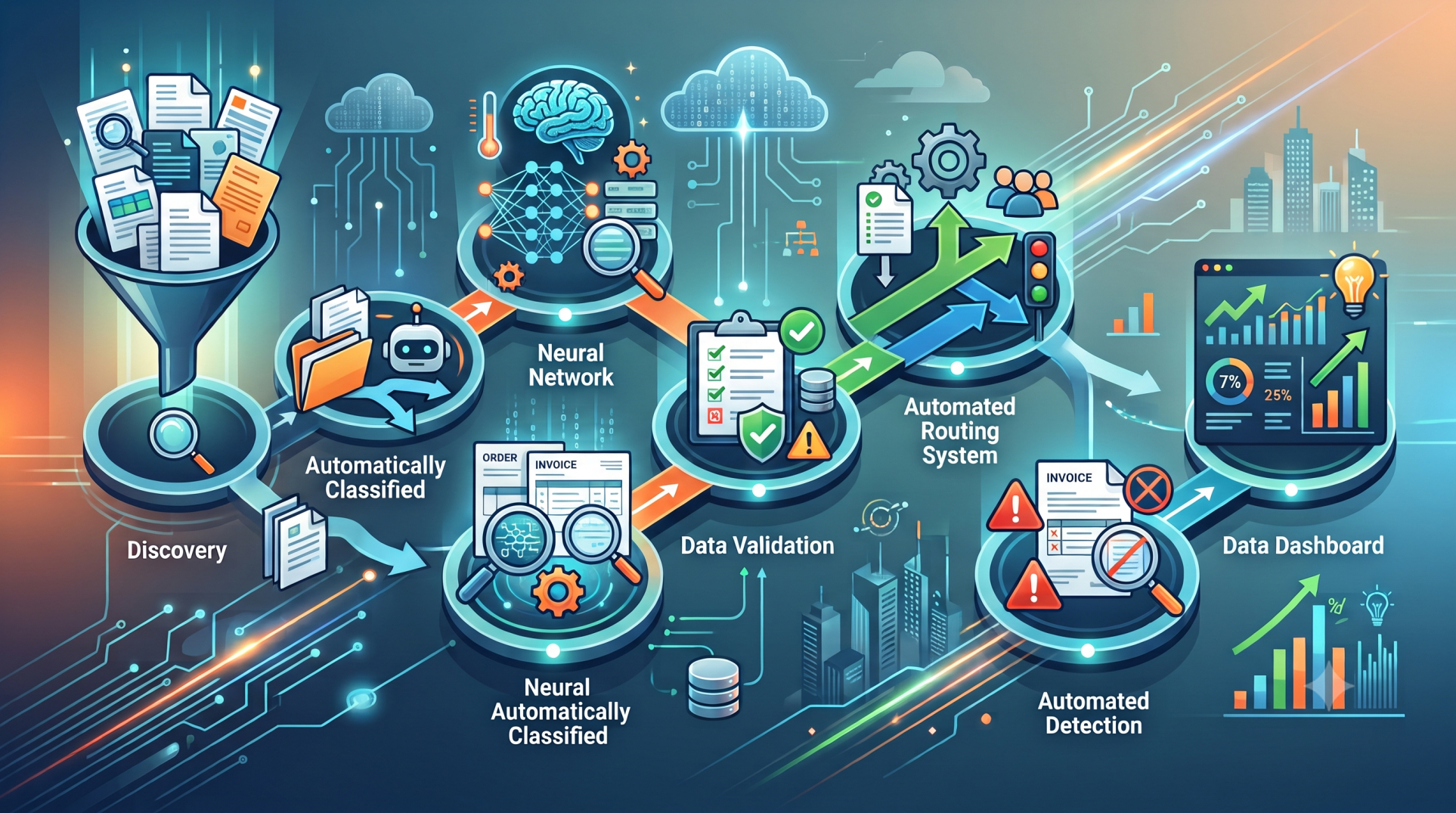
Step 9: Monitoring Routing Performance and Accuracy 📈
• Track call distribution across departments and individual agents. 📊
• Measure routing accuracy, transfer frequency, and call handling times. ⏱️
• Monitor speech recognition and intent classification performance. 🔎
• Identify repeated routing errors and unnecessary transfers. ⚠️
• Use performance data to refine routing rules and conversational workflows. 🔄
Step 10: Building a Scalable Conversational Call Routing Platform 🚀
• Design modular architecture that supports multiple departments and business locations. 🧩
• Support multilingual voice interactions for diverse customer groups. 🌐
• Scale telephony and AI processing resources according to call volumes. 📈
• Apply security, access controls, and data protection throughout call processing. 🔐
• Continuously improve routing intelligence using validated operational feedback. 🤖
Conclusion
Intelligent call routing systems powered by conversational AI can transform how organizations manage incoming customer communications. Instead of relying exclusively on fixed phone menus, these systems can understand caller intent, evaluate routing requirements, and connect customers with the appropriate resources. By combining speech recognition, LLM-based intent understanding, telephony integrations, CRM connectivity, and intelligent escalation workflows, businesses can create more responsive and context-aware communication systems. A scalable architecture with reliable routing logic and human oversight provides a strong foundation for improving customer service operations and managing increasingly complex call volumes.
See more blogs
You can all the articles below