Understanding the Four Stages of the AI Design Process
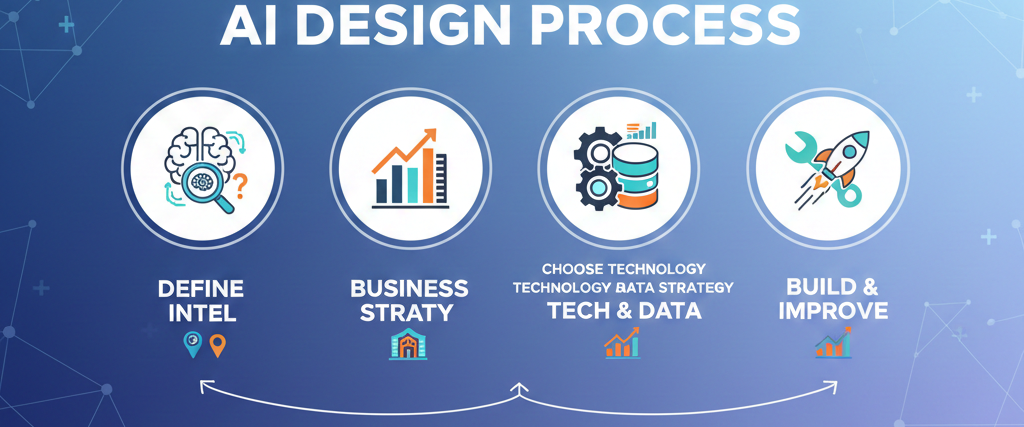
🤖🎨 Understanding the Four Stages of the AI Design Process
Designing an effective AI system is a structured journey. It isn’t just about coding or selecting a model—it requires thoughtful planning across four major stages. Each stage builds on the last to ensure the AI system is useful, reliable, and aligned with business goals.
Stage 1: Defining the Intelligence 🧠📌
The first stage is all about understanding what kind of “intelligence” your AI needs.
You must answer questions like:
• What problem will the AI solve?
• What tasks should it be able to perform?
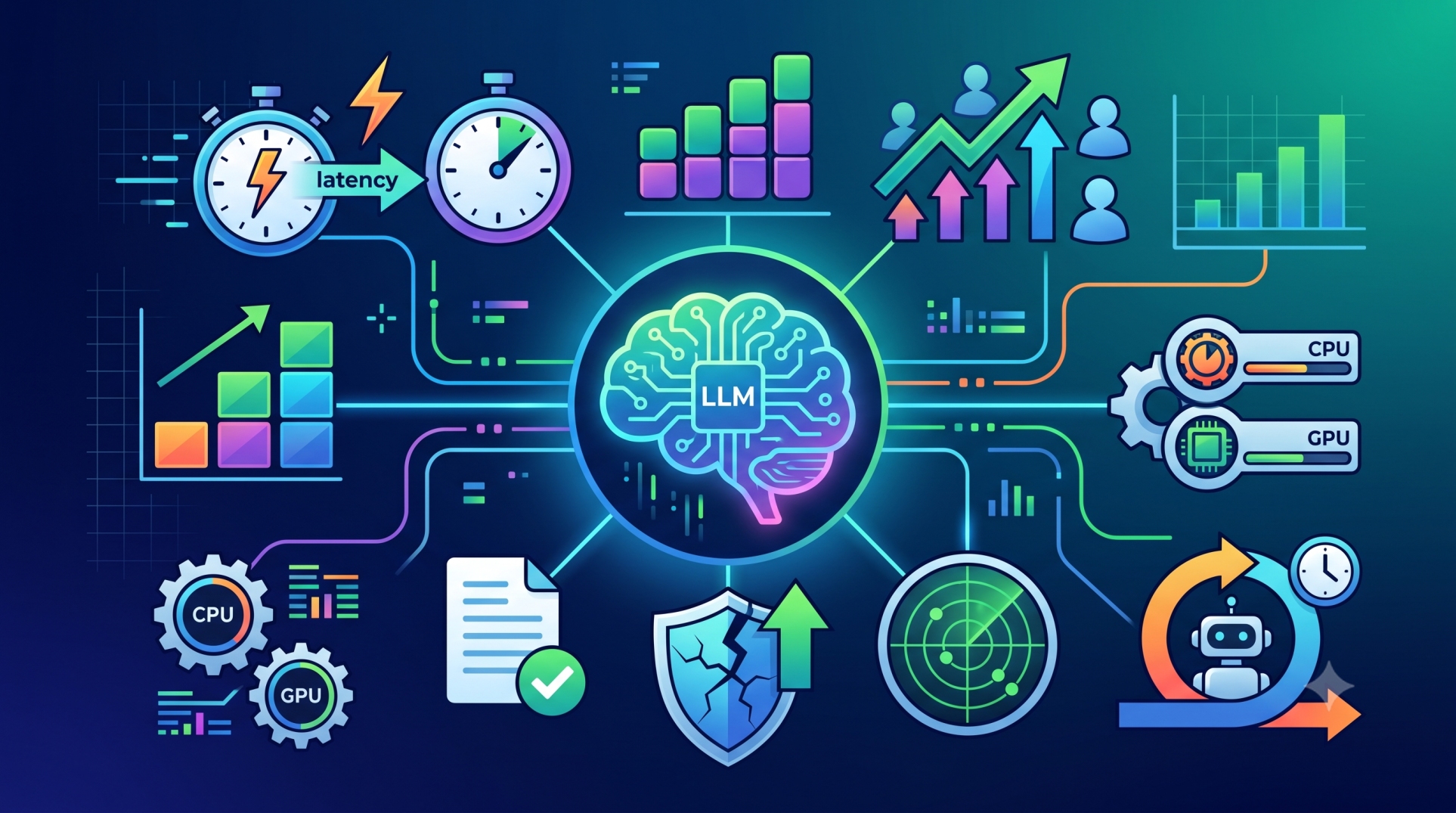
• How will we measure whether the AI is working well?
• How accurate does it need to be?
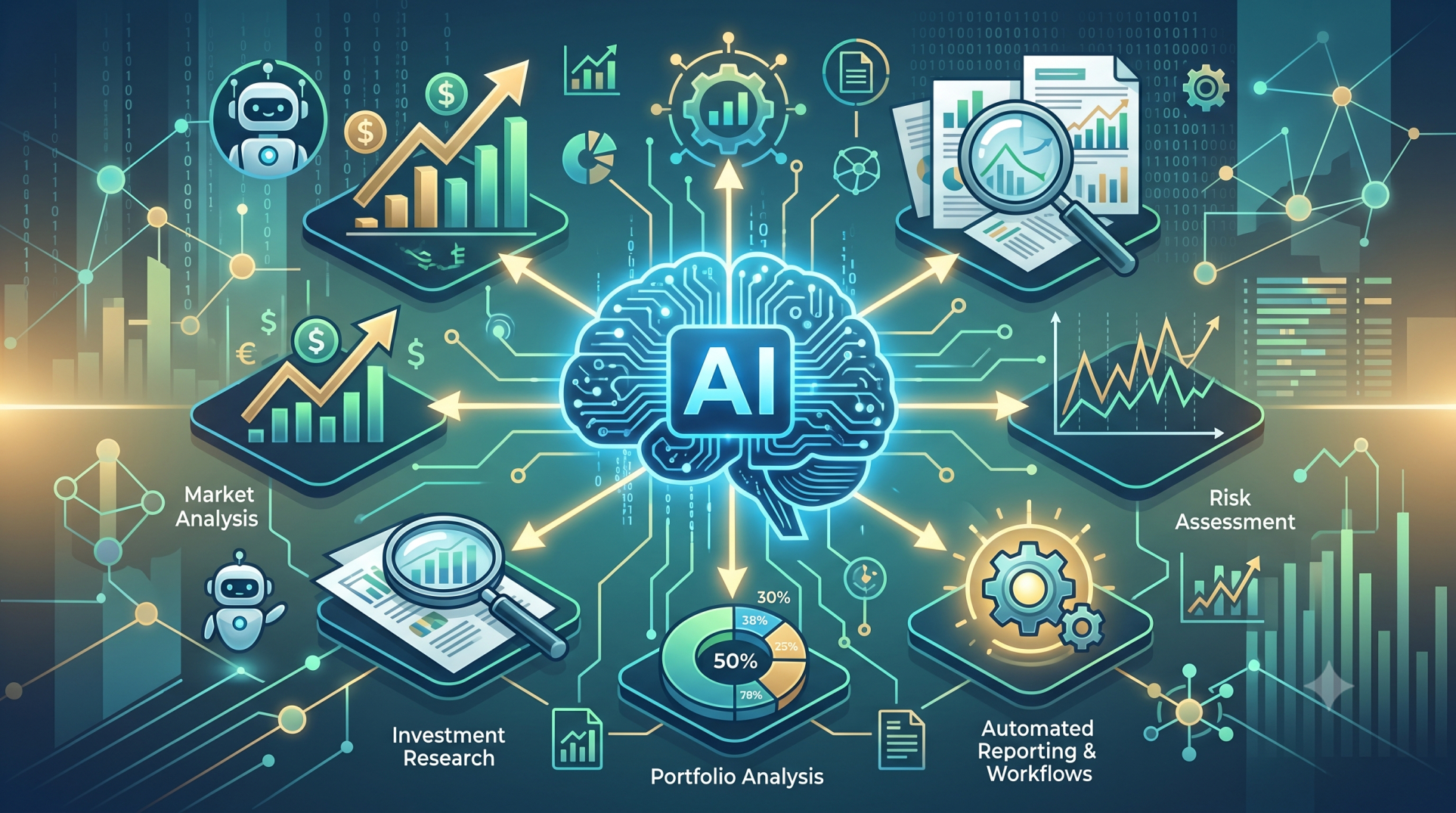
At this stage, teams set the scope of the AI—where it should perform at a high level and where less precision is acceptable. Clear metrics and a well-defined purpose prevent wasted effort later.
Stage 2: Setting the Business Strategy 📈🏢
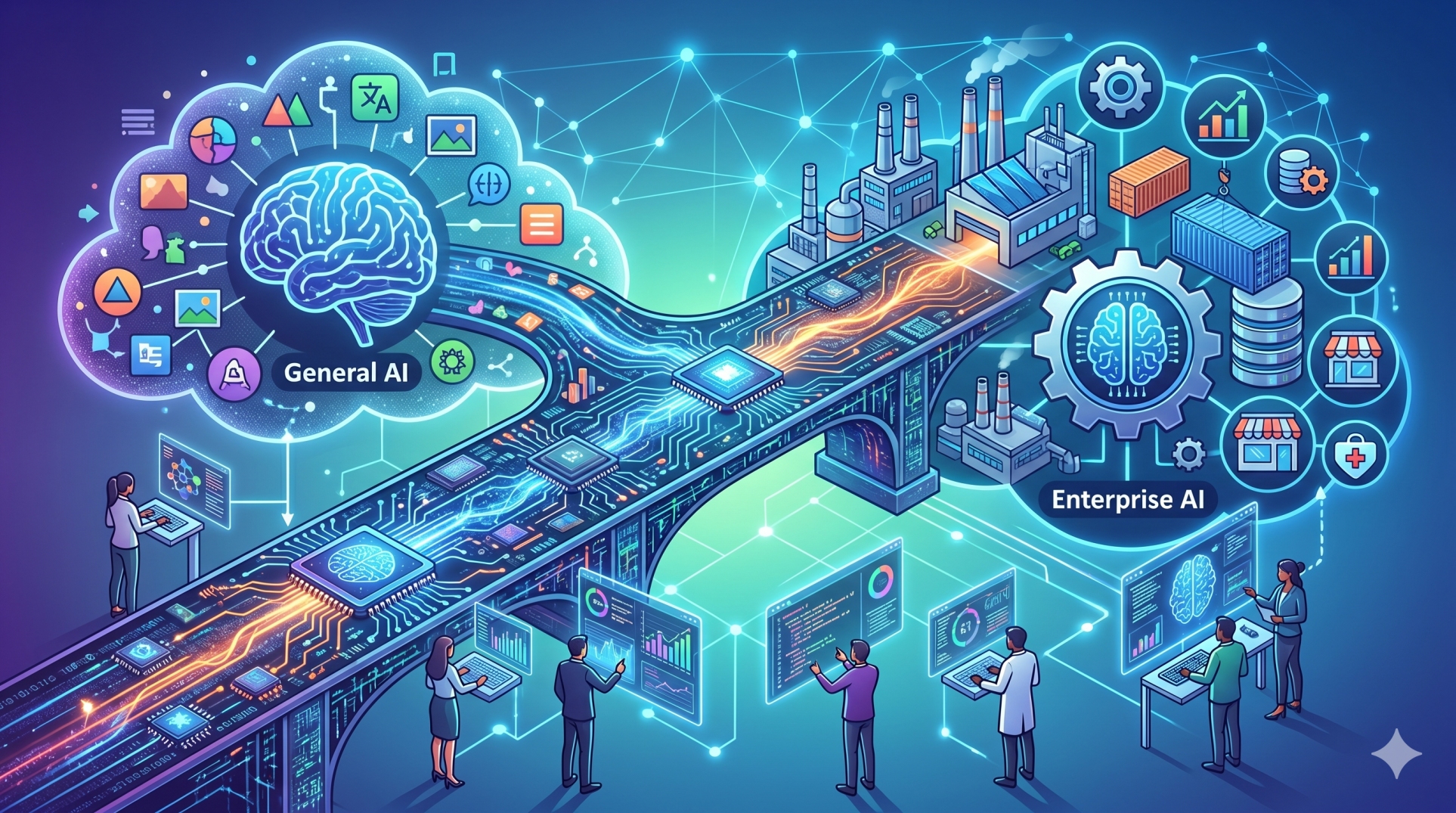
Once the intelligence is defined, the next step is deciding why the AI matters to the business.
Organizations must determine:
• How will AI support our larger goals?
• Will it improve an existing product?
• Will it help us create the best solution in the market?
• Will AI make our service stronger as more users join (network effects)?
This stage connects AI design to real business value.
Stage 3: Choosing Technology and Data Strategy ⚙️📊
In the third stage, teams focus on the technical foundation. They must decide:
• Should we build our own models or use third-party tools?
• What intellectual property (IP) do we need?
• What type of data will we use, and how will we collect, label, and manage it?
A strong data strategy is essential because data quality directly affects how well AI will perform. Decisions here determine scalability and long-term success.
Stage 4: Building, Testing, and Improving 🛠️🧪🚀
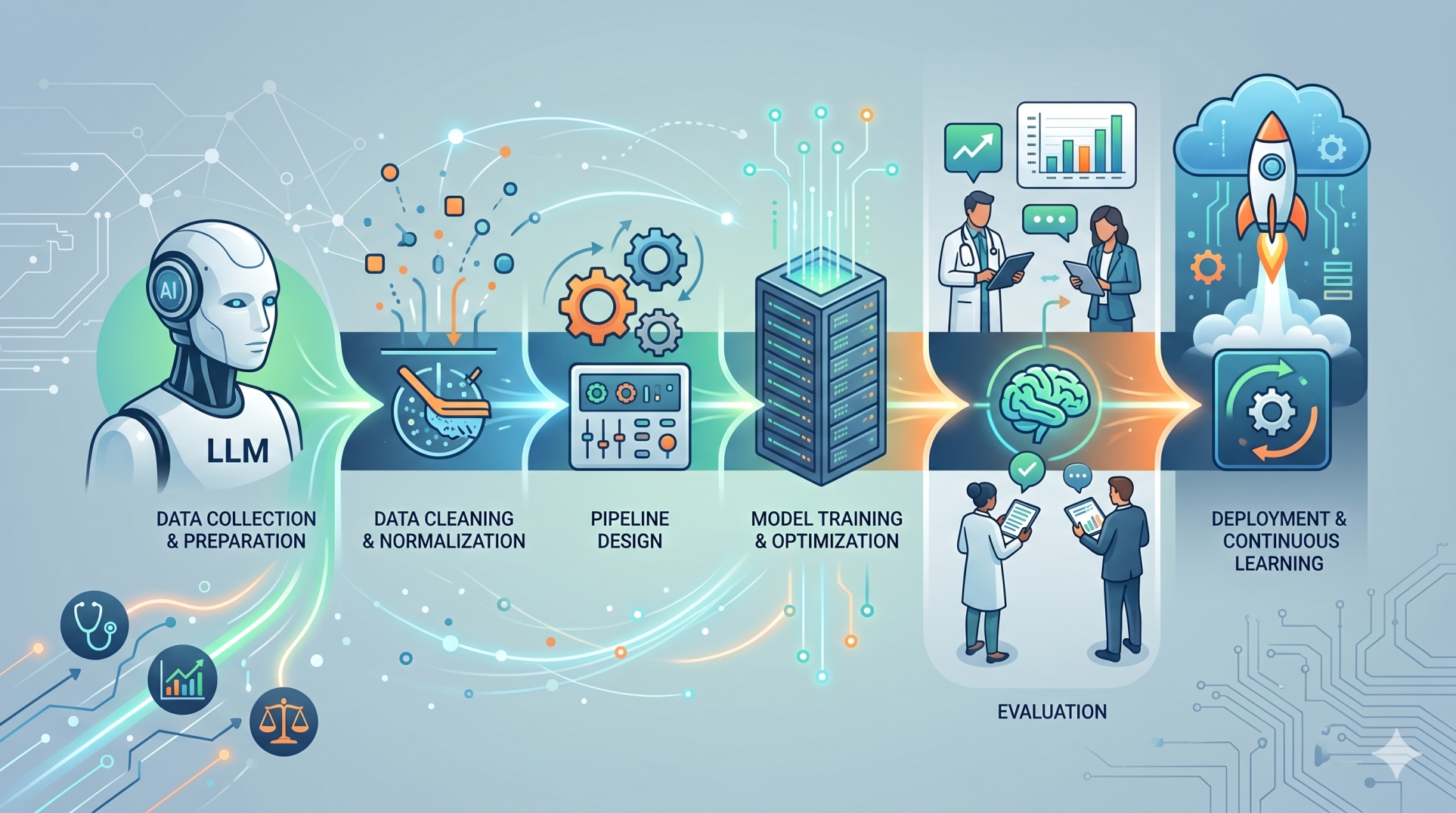
The final stage is hands-on development. Teams must:
• Build the AI into software
• Test it in real-world scenarios
• Fix weaknesses or “limitations”
• Improve performance over time
This is where engineering, user experience design, and risk management play major roles. Continuous improvement is key because AI systems learn and evolve long after launch.
Bringing It All Together 🔗✨
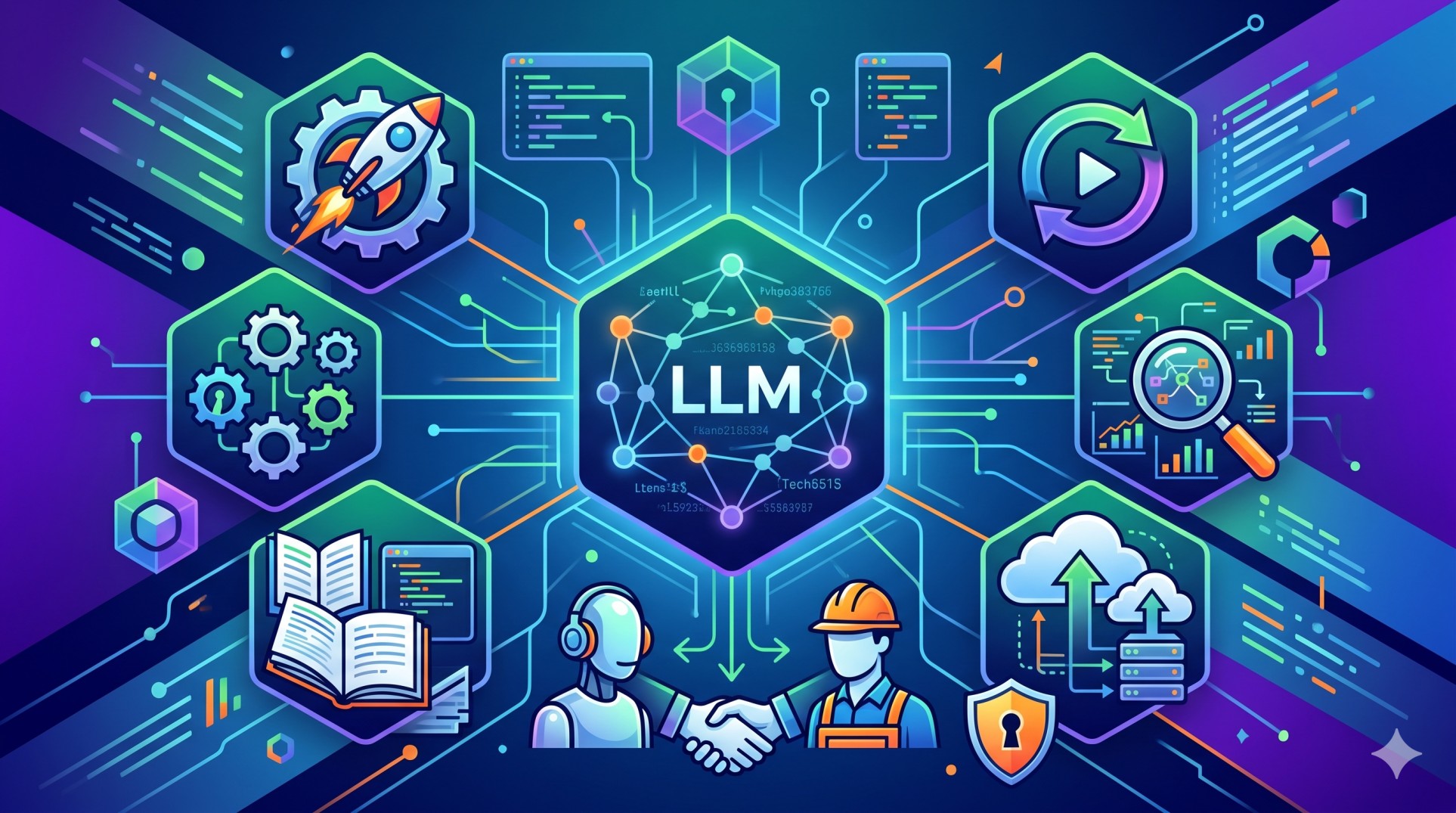
These four stages—intelligence, strategy, technology, and development—form a complete roadmap for building strong AI systems. Following them helps teams create AI solutions that are practical, reliable, and ready to deliver long-term value.
See more blogs
You can all the articles below