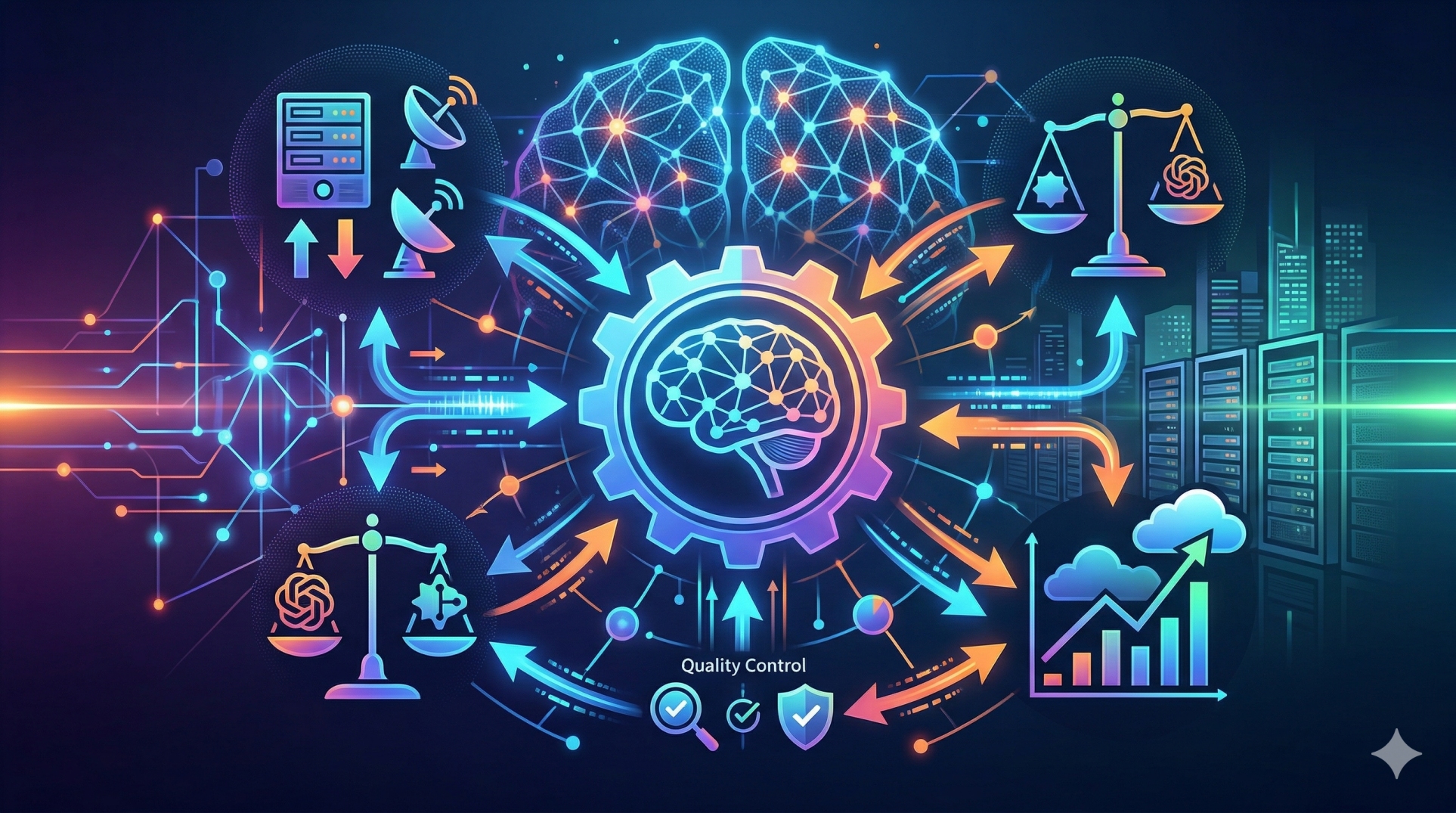
The Artificial Intelligence Design Process
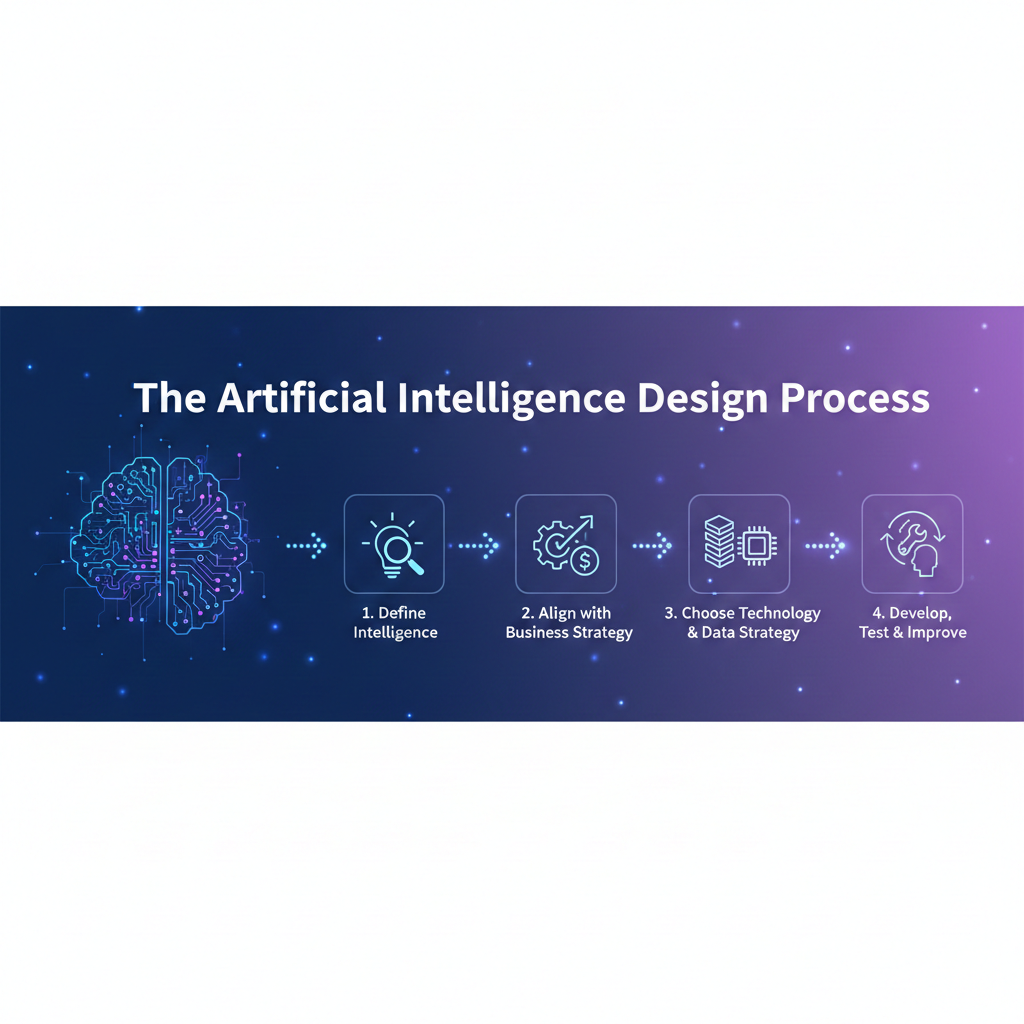
🤖 The Artificial Intelligence Design Process
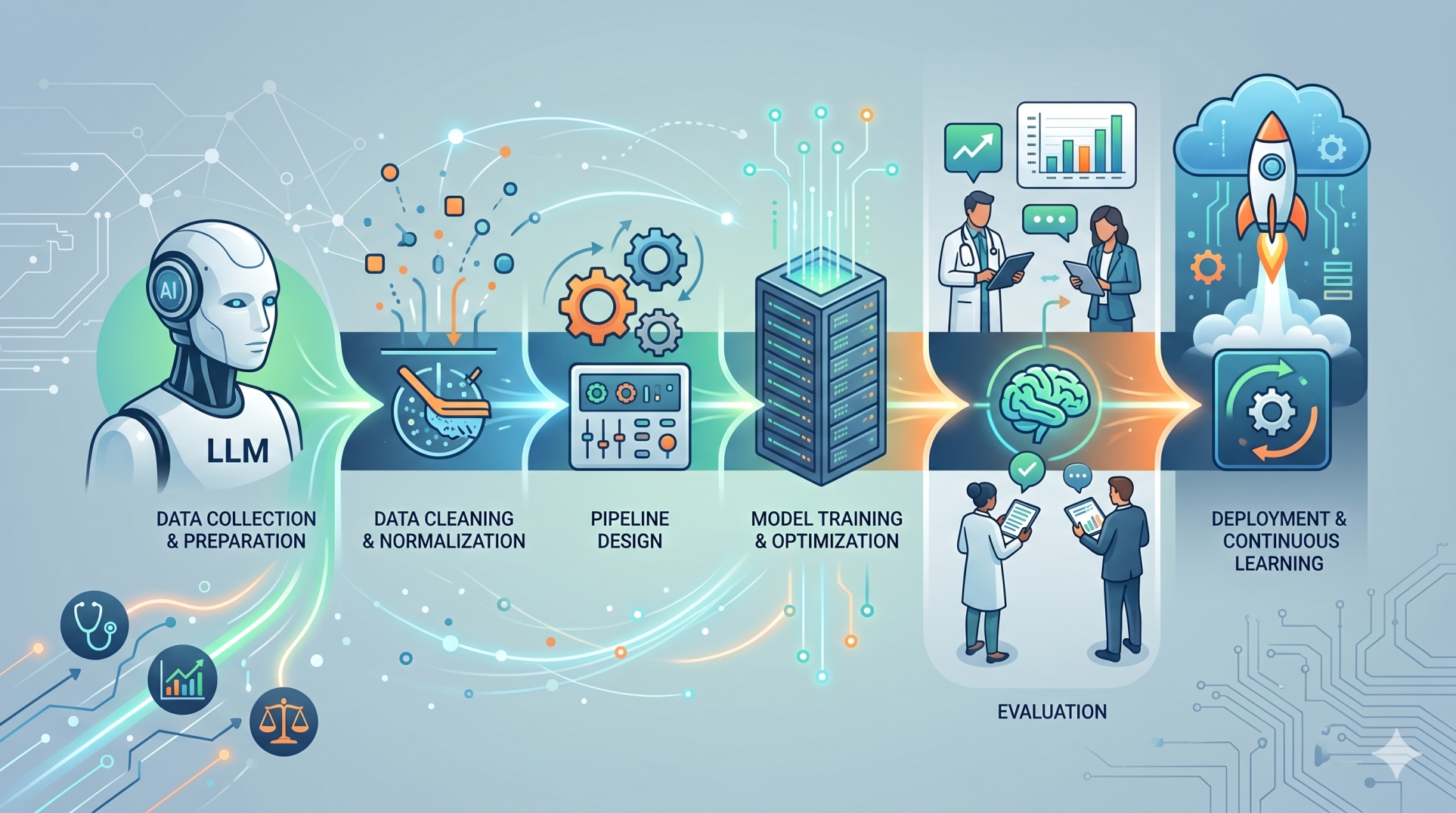
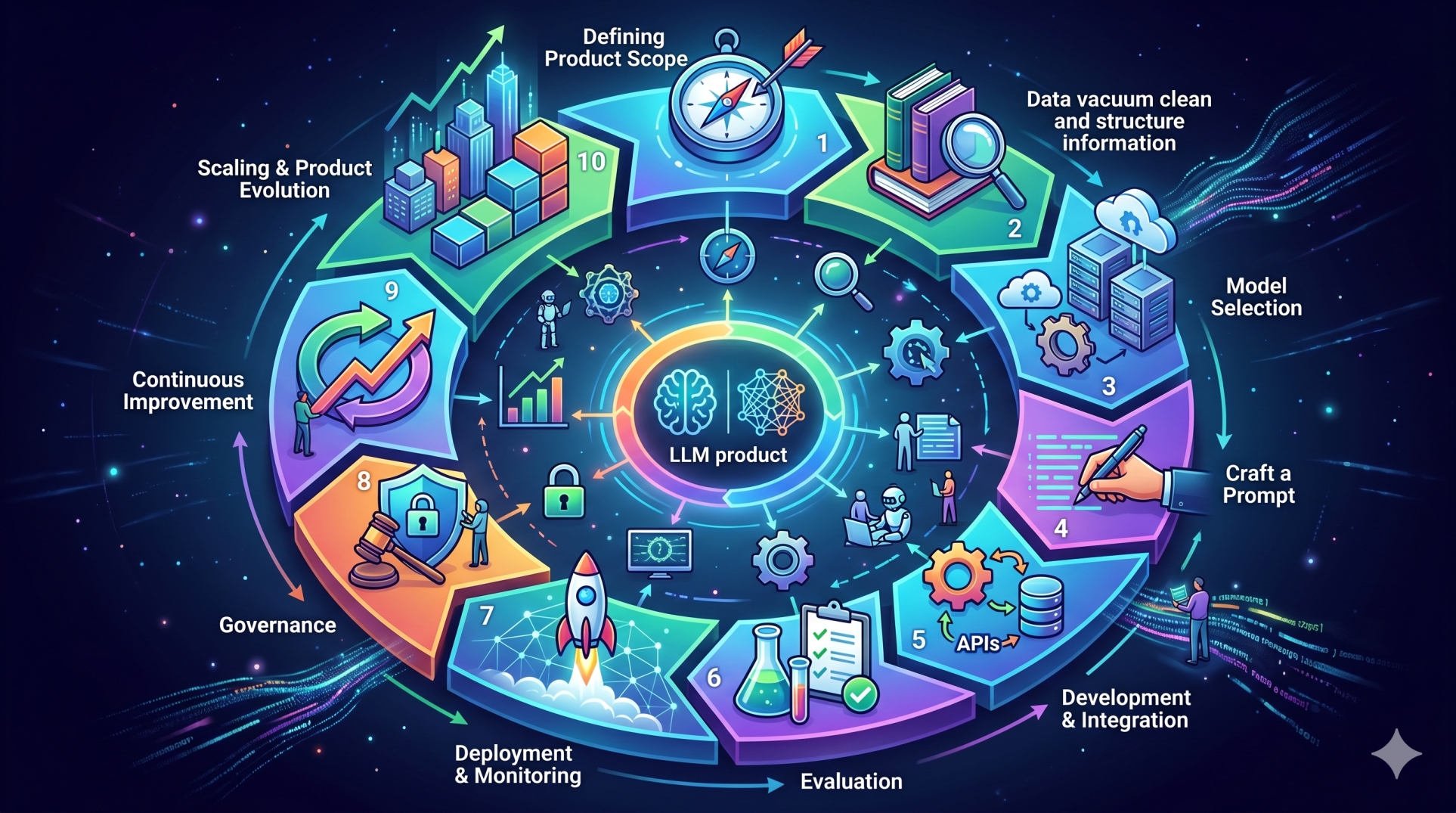
Designing an AI product is not just about writing code—it’s a step-by-step process that turns a simple idea into a reliable and valuable AI solution. The AI design process ensures that every decision made along the way supports real-world needs and long-term success.
🔍 1. Define the Intelligence
The first stage is about understanding what kind of intelligence the AI should have. This includes:
• Identifying the main problem the AI will solve 🧩
• Setting clear goals for what the AI should achieve 🎯
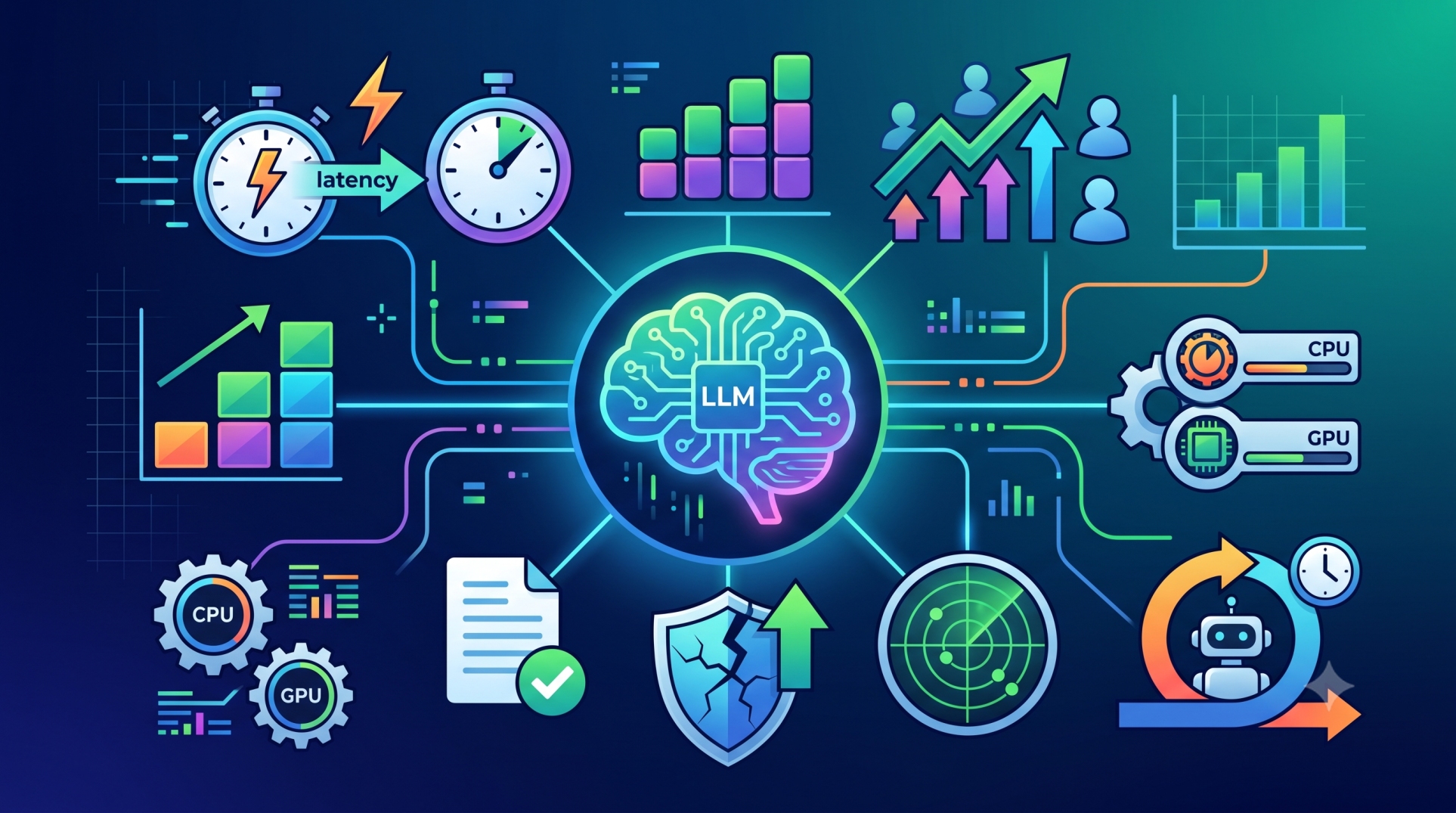
• Defining the performance metrics used to measure success 📊
• Determining where high accuracy is required and where flexibility is acceptable ⚖️
This stage gives teams clarity and direction before development begins.
🧭 2. Align With Business Strategy
The second stage focuses on the business purpose behind the AI project. Here, organizations decide:
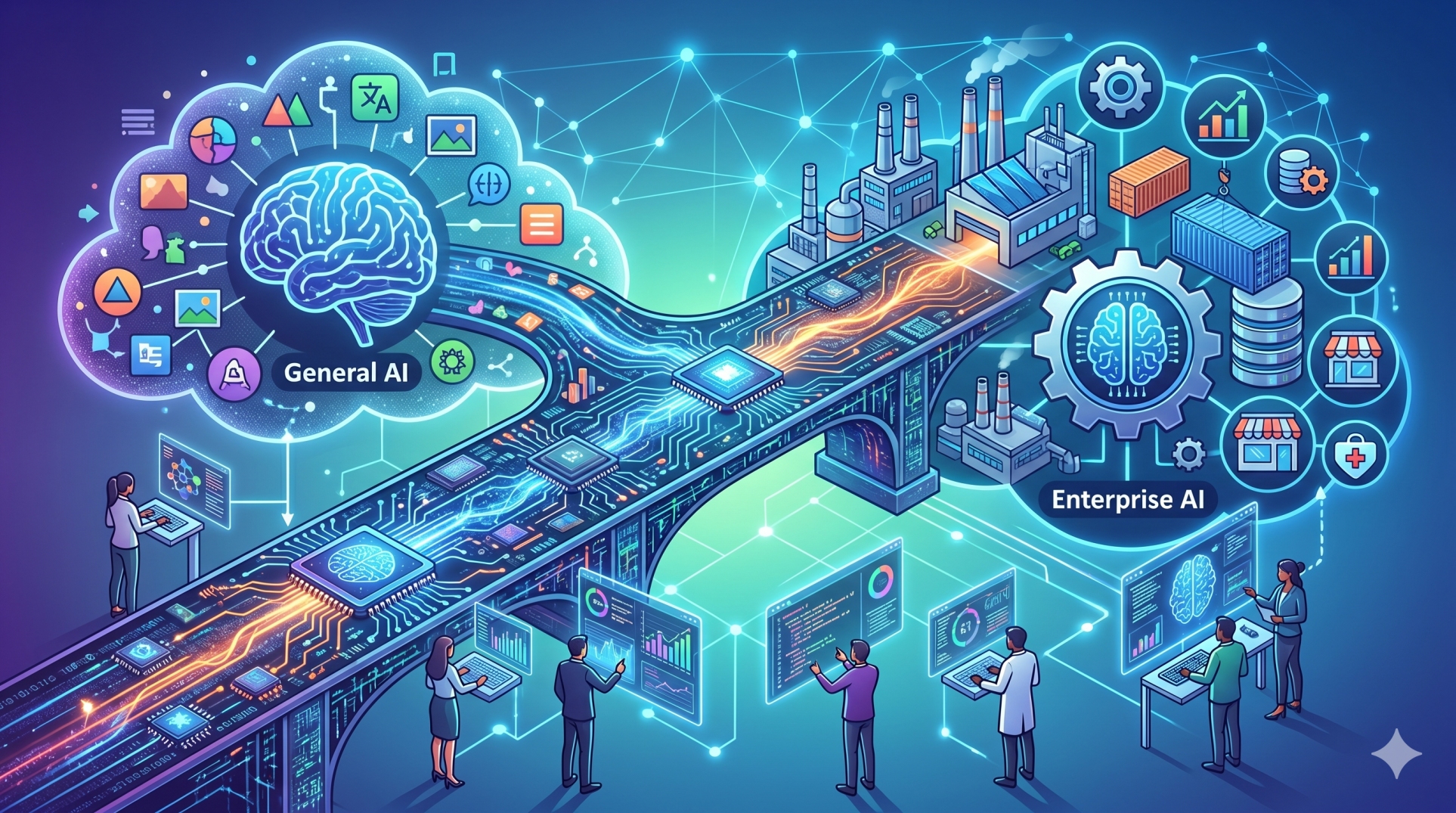
• How AI will fit into existing operations 🏢
• Whether it will improve an existing product or create an entirely new one ✨
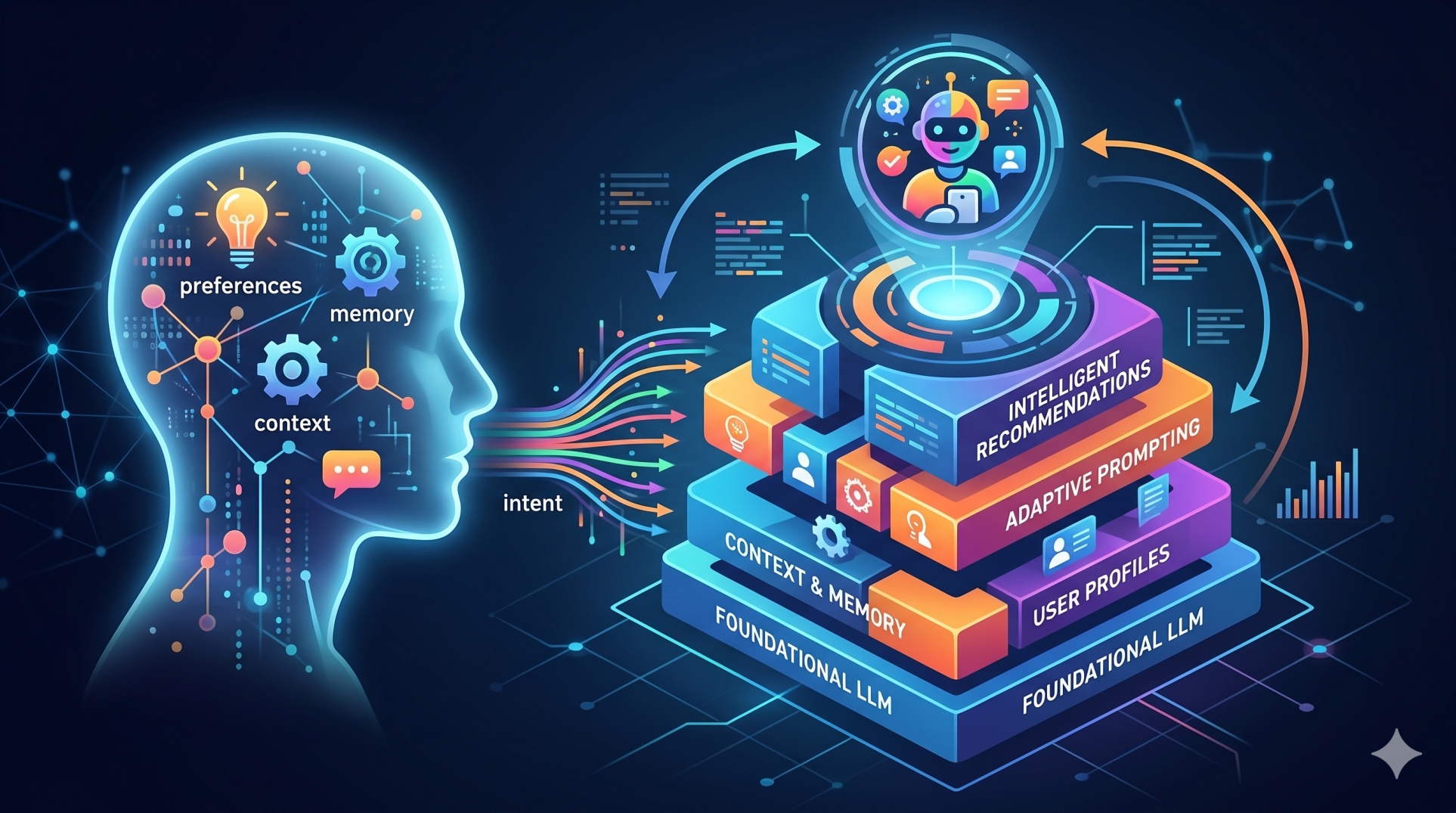
• If features like personalization or network effects will add value 🔗
• How the AI will support long-term business goals 📈
This ensures the AI delivers real impact, not just technical achievement.
🛠️ 3. Choose Technology and Data Strategy
In this stage, teams make key technical choices, such as:
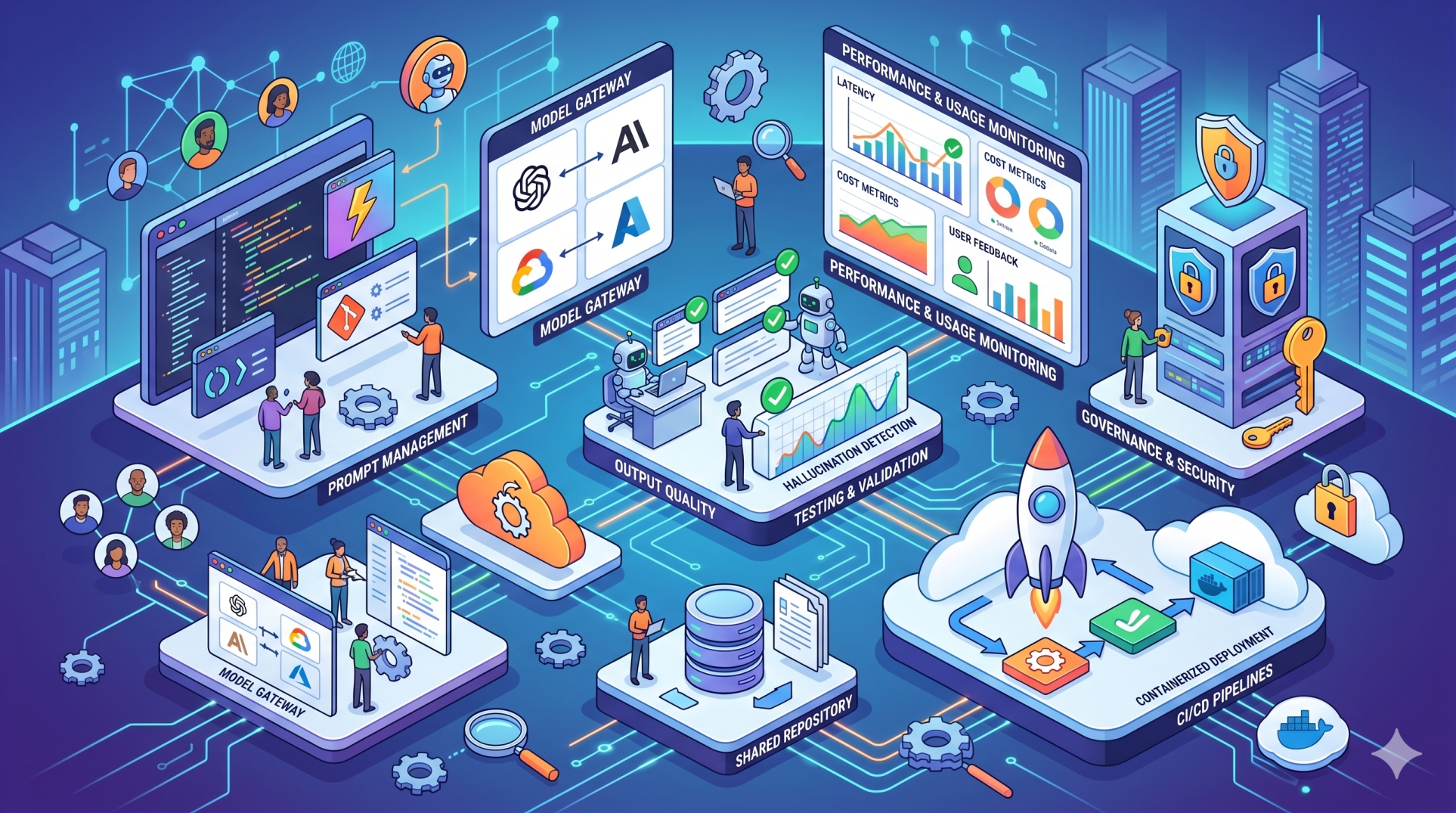
• Selecting AI tools, models, and frameworks ⚙️
• Deciding whether to use proprietary algorithms or third-party solutions 🧠
• Building a solid data strategy for training and refining the AI 🗂️
• Ensuring high-quality, well-organized data is available ✔️
A strong technology and data foundation is essential for accurate, scalable AI performance.
🚀 4. Develop, Test, and Improve
The final stage is where the AI becomes real. Teams focus on:
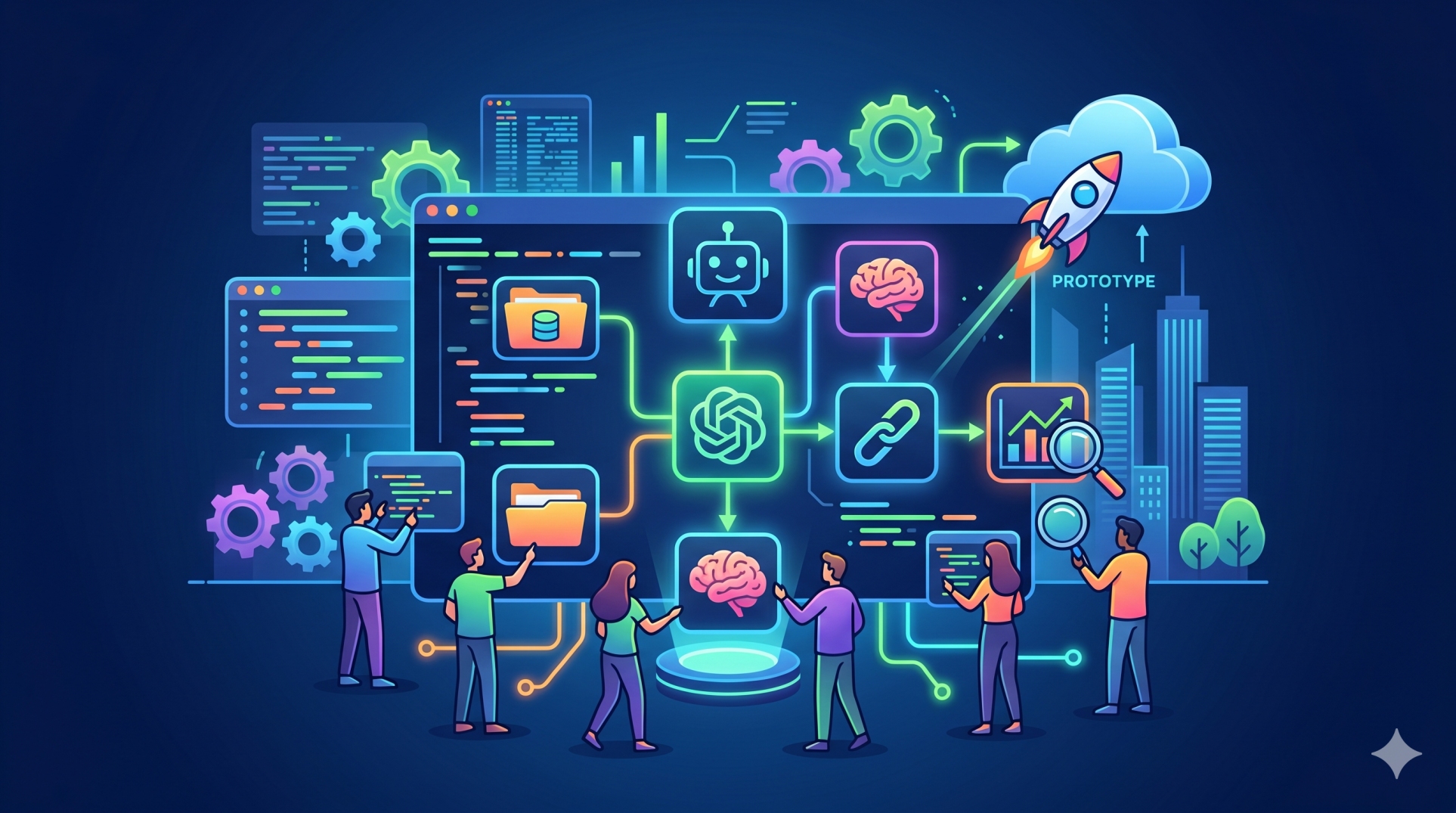
• Building the AI system 🏗️
• Running tests to find errors or weaknesses 🧪
• Reducing bias and improving fairness ⚖️
• Enhancing user experience 🖥️
• Ensuring the AI works smoothly in real-world conditions 🌍
Continuous improvement keeps the AI system reliable and effective over time.
🏁 Conclusion
These four stages—defining intelligence, aligning with business goals, choosing technology and data, and continuous development—create a complete roadmap for designing AI products that truly work. By following this process, teams build AI solutions that are practical, valuable, and ready for long-term success.
See more blogs
You can all the articles below