A Practical Guide to Designing and Building AI Products
🤖✨ A Practical Guide to Designing and Building AI Products
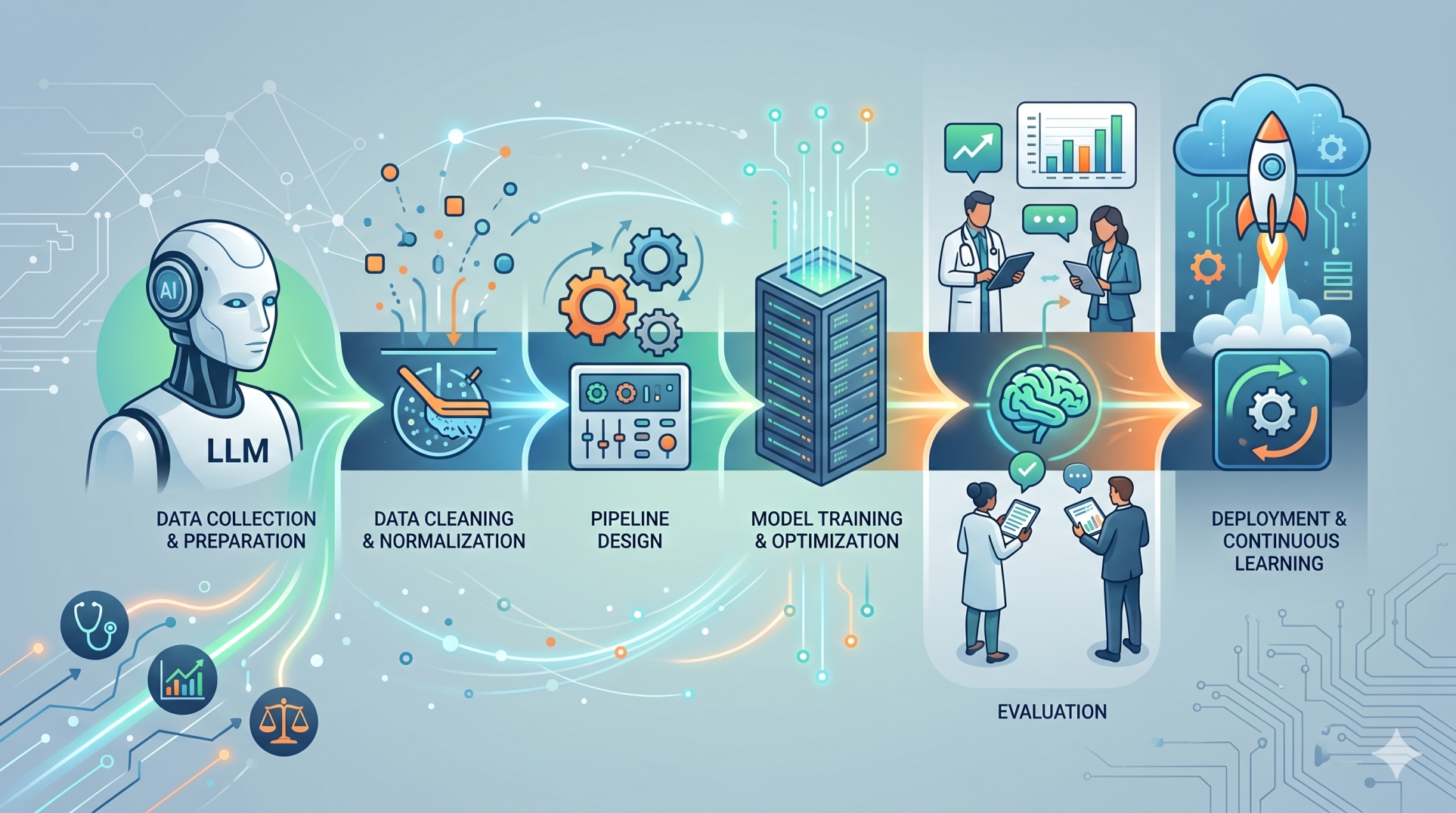
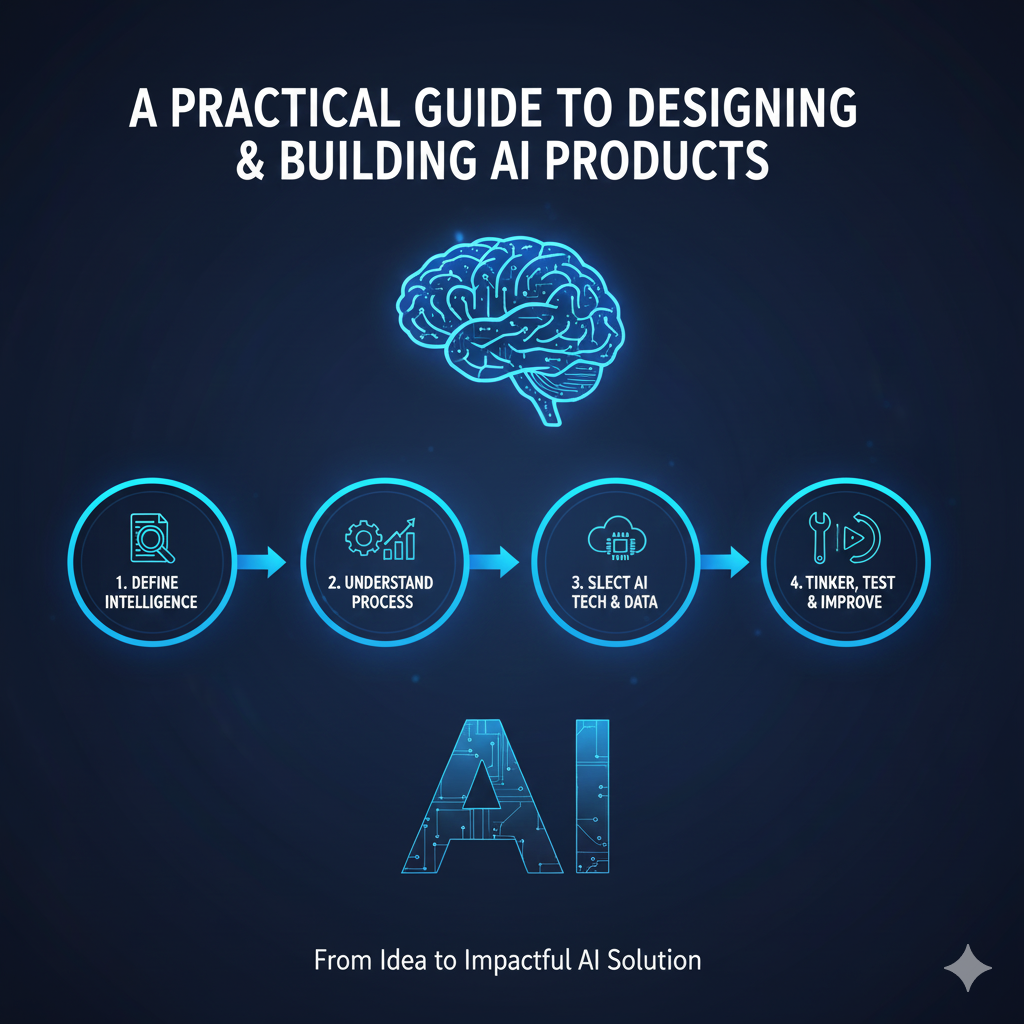
Designing AI products is far more complex than selecting a model or gathering data. It requires a structured roadmap that takes teams from the earliest idea 💡 to a fully developed, high-performing AI solution 🚀. Below is an easy-to-follow guide outlining the four essential stages of the AI design process.
1. Stage One: Define the Intelligence 🧠🔍
The first step is to clearly identify the intelligence your AI needs. This involves:
• Pinpointing the exact problem the AI will solve 🎯
• Outlining the expected behaviors and outcomes 📘
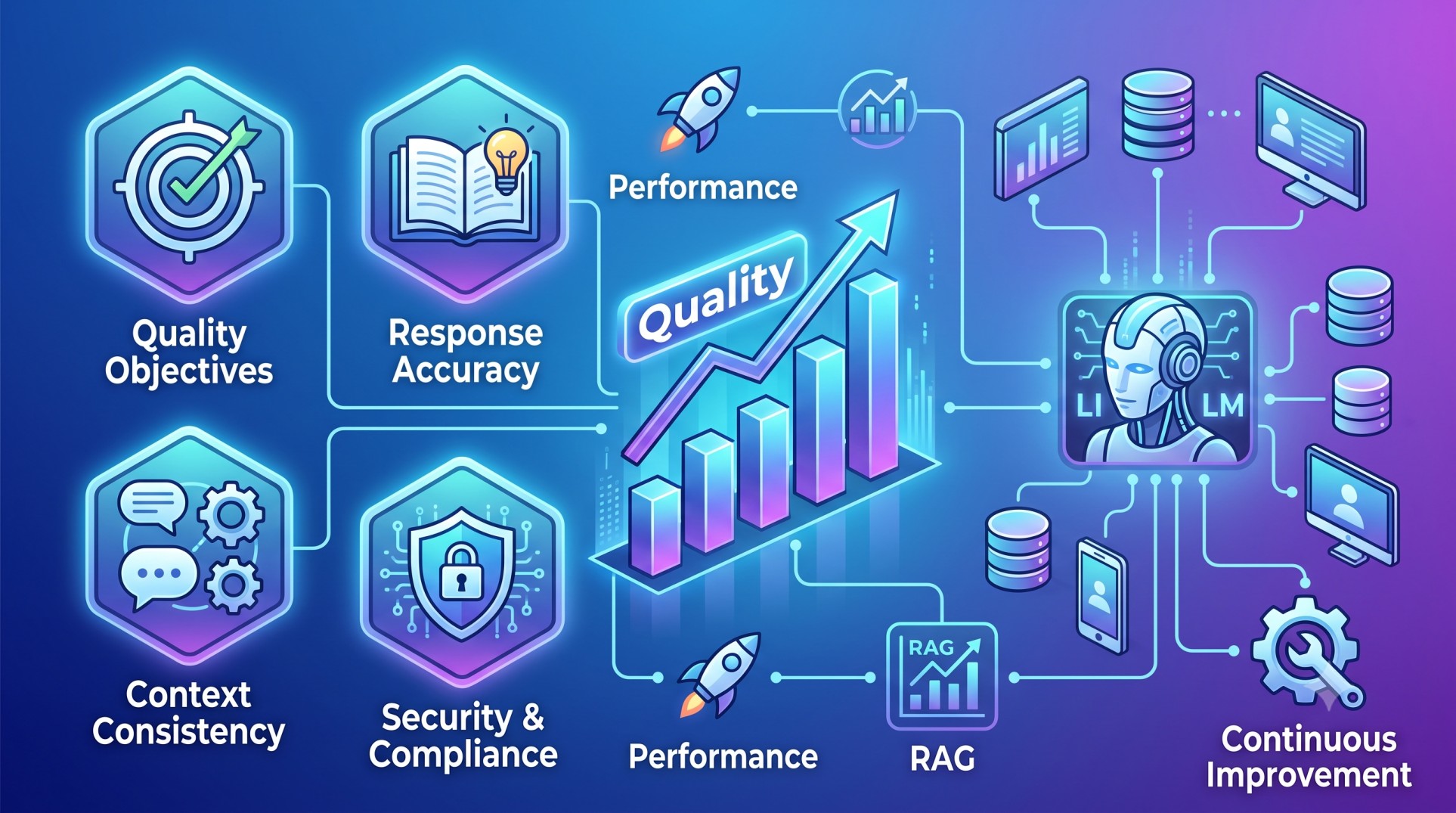
• Choosing performance metrics to measure success 📊
• Setting the scope, including where high accuracy is crucial and where flexibility is acceptable ⚙️
A solid understanding of these elements gives the team a strong and focused starting point. 💪
2. Stage Two: Understand the Business Process 💼📈
This stage links the AI design to overall business goals. Key considerations include:
• Determining the strategic role AI will play in long-term growth 🌱
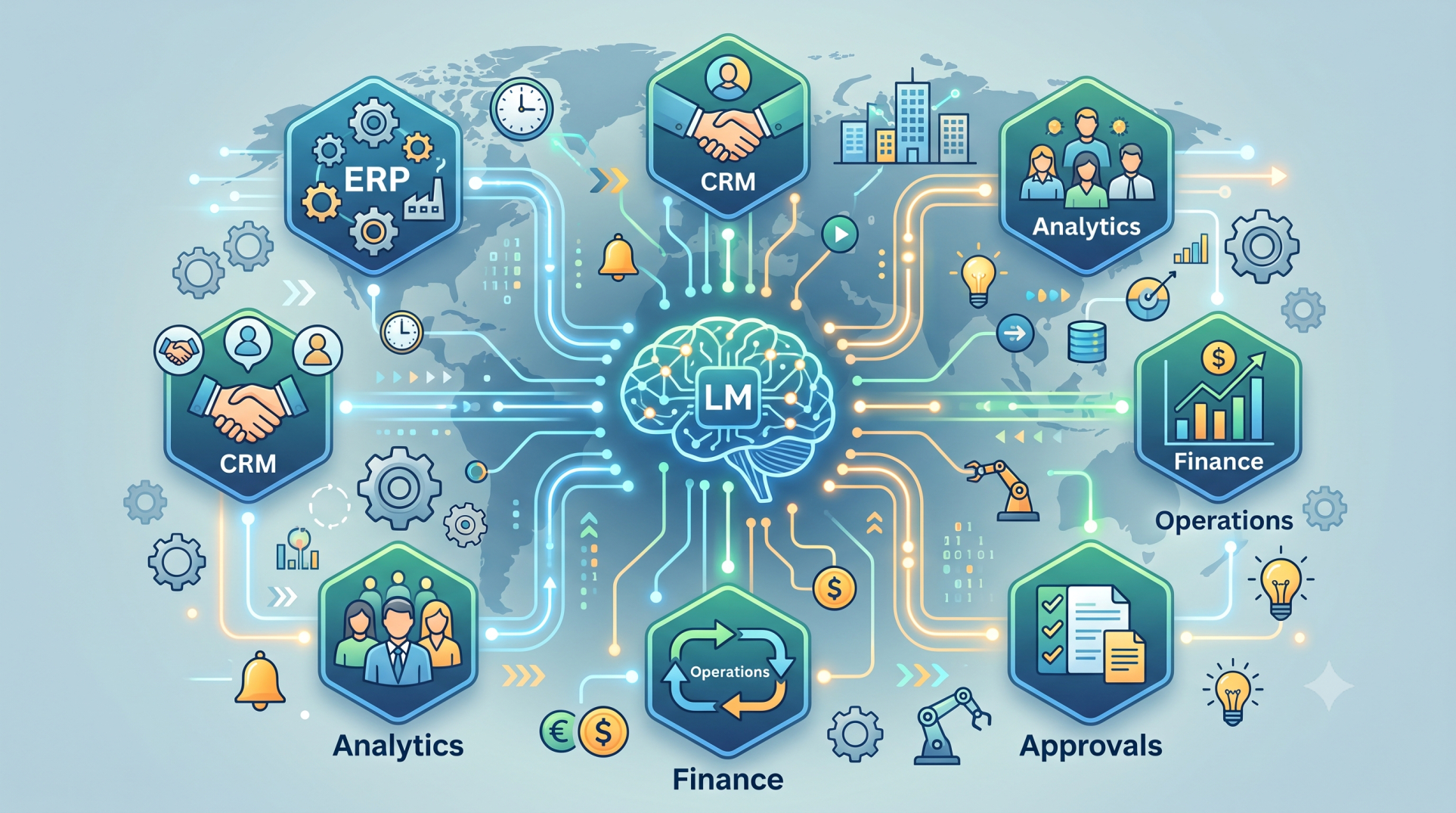
• Identifying which processes the AI will support or transform 🔄
• Setting realistic improvement targets based on the earlier metrics 🎯
This ensures the AI delivers real value and isn’t built just for the sake of using technology. ✔️
3. Stage Three: Select AI Technology & Data Strategy 🛠️📂
At this point, the team shifts to technical planning. Important steps include:
• Selecting the right AI technologies or models 🤖
• Evaluating intellectual property needs and potential challenges 📝
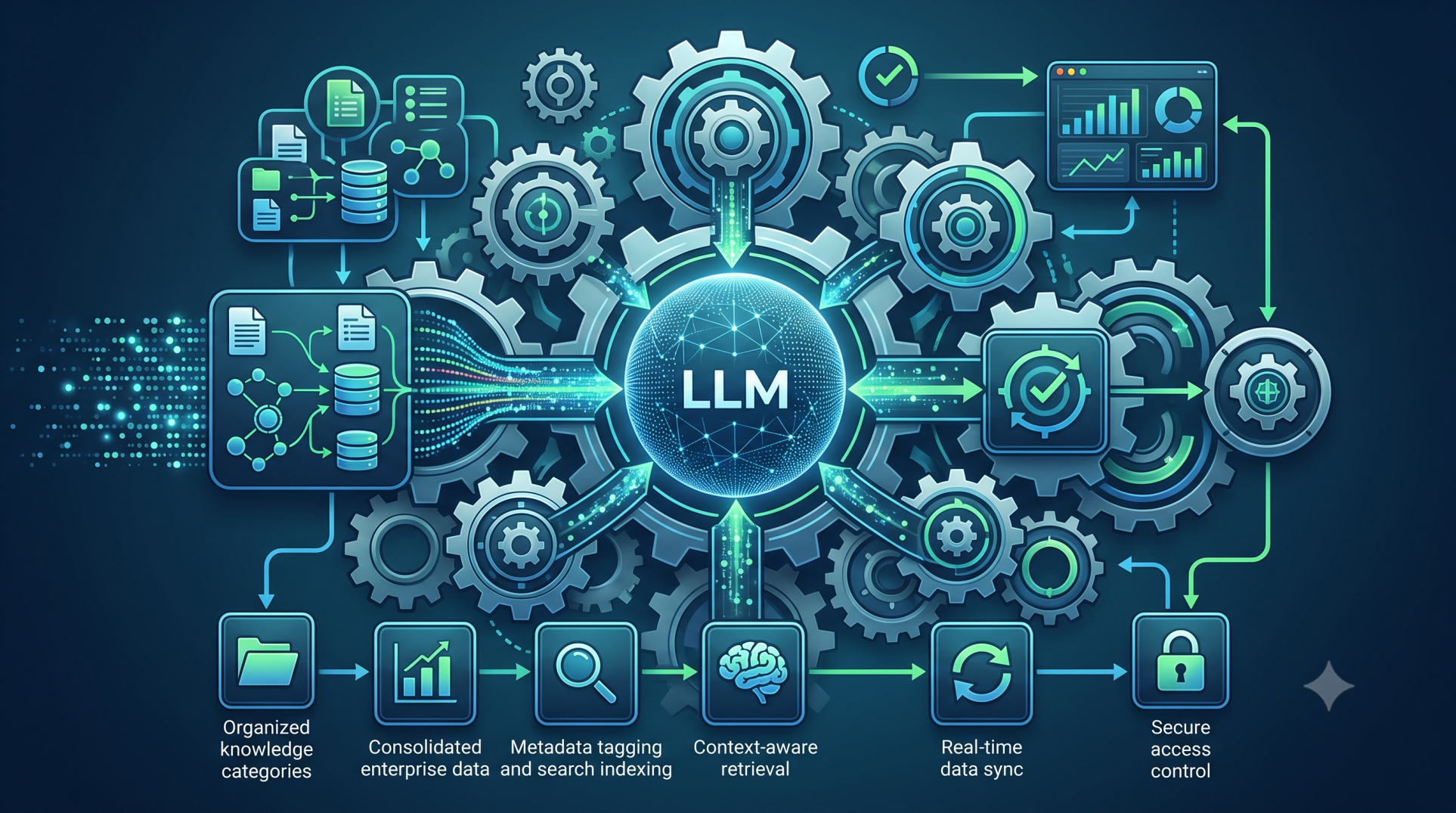
• Creating a reliable data strategy for collecting, labeling, and maintaining data 🗂️
• Making sure the tools and data choices support scalability and strong performance 📡
These decisions shape the overall success and future potential of the AI system. ⭐
4. Stage Four: Tinker, Test & Improve 🧪🔧
The final stage turns the plan into action. Teams focus on:
• Developing the software 💻
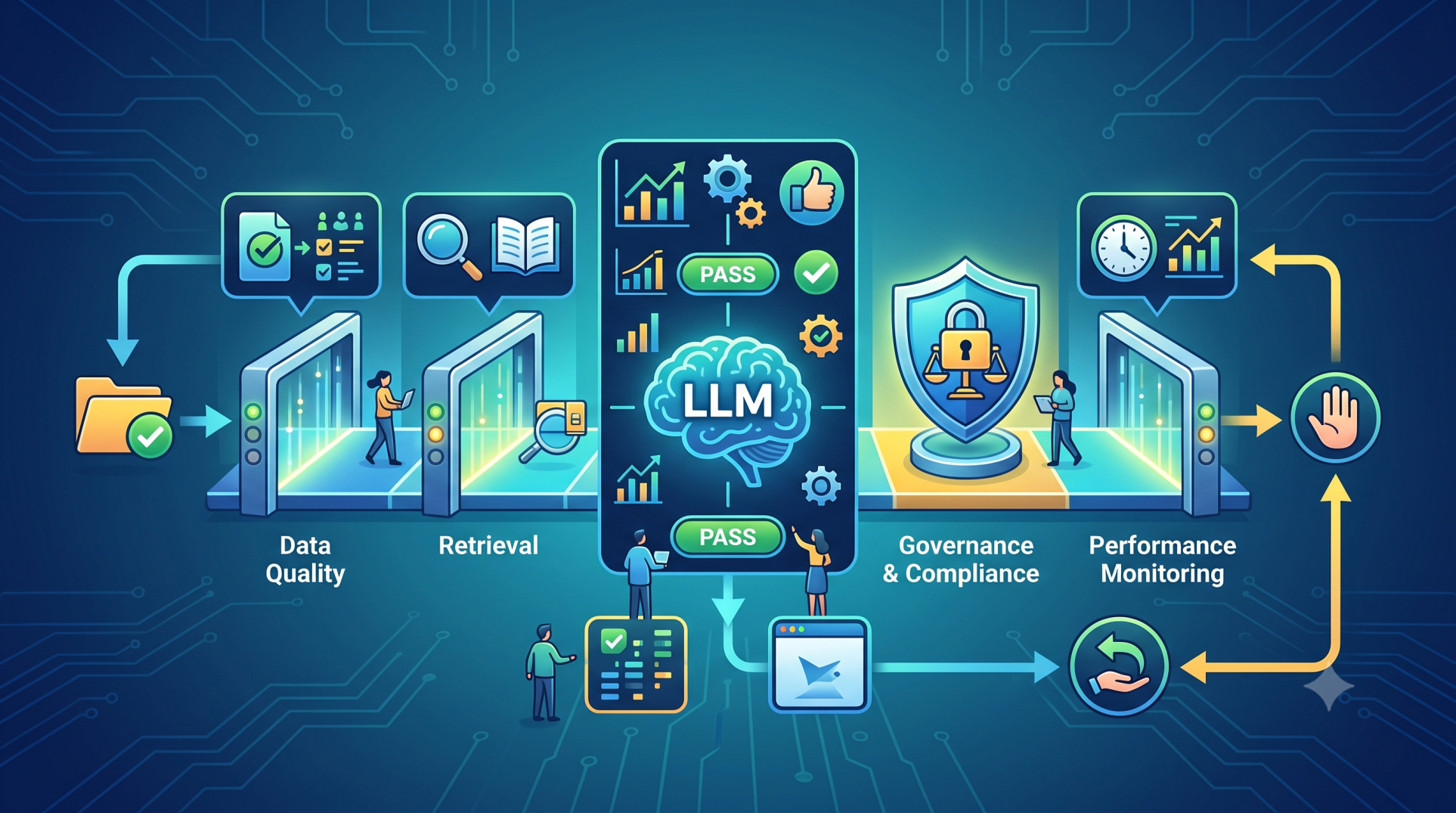
• Testing thoroughly to detect and fix issues 🐞
• Managing AI-specific challenges, such as bias or errors ⚠️
• Continuously improving features and user experience 🔄
• Ensuring the AI works effectively in real-world conditions 🌍
This stage reinforces that AI development is an ongoing process, not a one-time task. 🔁
🏁 Conclusion
Following these four stages provides a clear pathway for designing AI products that are dependable, scalable, and truly valuable. With the right approach, teams can build solutions that not only work well but also create meaningful impact in real-world environments. 🌟🤖
See more blogs
You can all the articles below